Botanical Bibliography
|
|
The bibliography is split into four groups. Field guides are included in the first group, organized by plant type. The second group covers plants found in specialized climates: in or near water, deserts, and tropical or subtropical areas. Next are books covering other areas of botanical interest. Finally, there is a map you can click to display books that cover a region. Plants by Plant Type Some of these lists were getting quite long, so books specific to a few specialized climates (aquatic/wetlands, arid climate, or tropical plants) have mostly been moved to separate bibliographies. Professional flora are also listed separately. |
|
Wildflowers (Herbaceous Plants) Loosely speaking, plants that regrow from the ground each year, either from seed or from roots persisting from previous years, are herbaceous plants, and are listed here. Most wildflowers are herbaceous plants. |
|
Trees and Shrubs (Woody Plants) Plants that regrow from the ground each year are herbaceous plants, and are listed in the wildflowers bibliography. This bibliography covers trees and shrubs—plants that persist from year to year, and having woody stems or trunks. |
|
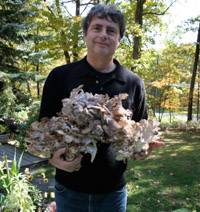
This bibliography covers fungi—mushrooms, "toadstools," puffballs, gel fungi, stinkhorns, etc. This section also covers slime molds. |
|
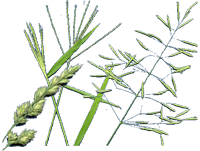
Grasses include most of the grains we eat, and most of the grasslike plants in lawns, meadows and wild areas everywhere. Large grasses are rushes. This list also includes sedges, plants with grasslike leaves but unusual yellowish, greenish, or brown spiky flowers. Many sedges are found in wet areas. Finally, bamboos are grasses. |
|
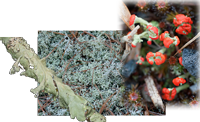
Lichens attach themselves to rocks or trees and shrubs, or grow on the ground. They may be crustose—looking almost like they are painted on a rock or bark; or foliose—resembling tiny leafy shrubs; or fruticose—bushy or shrubby growths that sometimes resemble elfin forests of antlers. They may hang like witch's hair across branches. |
|
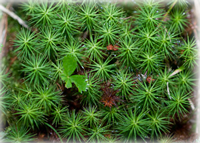
If you had no circulatory system to carry food and oxygen around your body, you'd be as small as a bug. That's why mosses are tiny. In plants, the "circulatory system" is called the vascular system, and mosses never evolved such a system. Nevertheless, these miniature forests are well adapted to habitats all over the world. |
|
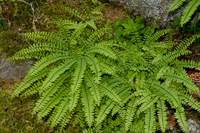
This list encompasses true ferns, succulent ferns, and fern relatives, such as horsetails, clubmosses, firmosses, ground cedars, quillworts, and spikemosses. |
|
Galls may appear as little bumps or discolorations, weird swellings or balls, or vast blobby growths on trees. Most result from insects that commandeer a plant’s machinery to their own purposes. Some come from viral infections. |
Plants by Habitat
|
This list includes books on true aquatic plants, such as seaweeds, as well as surface-dwelling plants, plants that grow in shallow water, and plants that are most often found in or at the boundaries of wetlands. |
|
Tropical and Subtropical Plants Tropical and subtropical plants thrive in warm or hot, relatively wet climates. Although uncommon in most of North America, these climates encompass a large portion of the habitable regions of the world, and the species found there exist in innumerable varieties. If you live in North America anywhere other than Hawaii or the southeastern United States, you are probably most familiar with these species as house plants, landscape plantings, or in botanical gardens. |
|
Arid climate plants include succulents—plants that store extra water in their thick, waxy leaves or stems. These include cacti, aloes, agaves, and many euphorbias. |
Other Botanical Topics
|
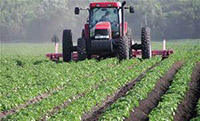
Books about developing overlooked plant species into viable crops. |
|
|
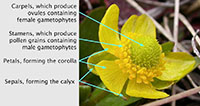
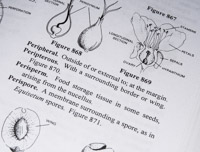
Books about plant structure and anatomy. |
|
|
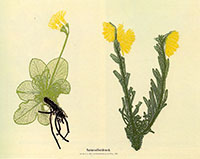
Drawings or paintings of plants. |
|
|
Deeper forays into the botanical world, ranging from the purely scientific to the poetic. |
|
|
Books about ecology—the relationships among living things. |
|
|
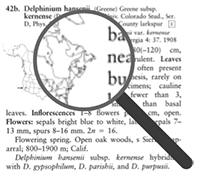
A flora is a list of the plants of a particular region, habitat, or period of time. It may be simply a list of species, or include detailed descriptions. Descriptive flora aren’t for the faint of heart. They offer very comprehensive scope and detail. Before investing in one of these books, I suggest a good book on terminology (glossaries and dictionaries bibliography), and a book on plant anatomy (anatomy bibliography). And a magnifying glass! |
|
|
Books about foraging for, safely preparing, and eating edible wild plants. |
|
|
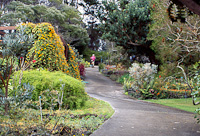
Books about landscaping, outdoor gardening, and indoor plants. |
|
|
Books that define botanical terms, or explore their etymology. |
|
|
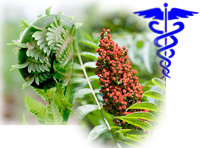
Medicinal and Poisonous Plants Books about the curative or deleterious effects of plants on people and animals. |
|
|
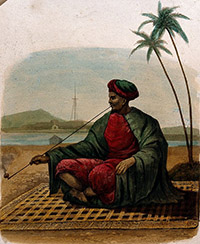
Books about the effects of some plants on the human brain. |
|
|
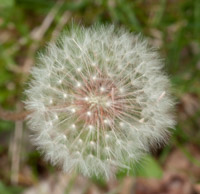
Books about common weeds and invasive plants. |
|
|
Anything that doesn’t fit too well elsewhere goes here. |
|
|
Guides by Region Click a state or province for a listing of books that cover the selected region. |
||