
 ID is uncertain
Thermopsis caroliniana M.A. Curtis

|
Thermopsis villosa (Walter) Fernald & B.G. Schub. Carolina lupine, Carolina bushpea, Aaron’s rod, bush pea, false lupine, thermopsis
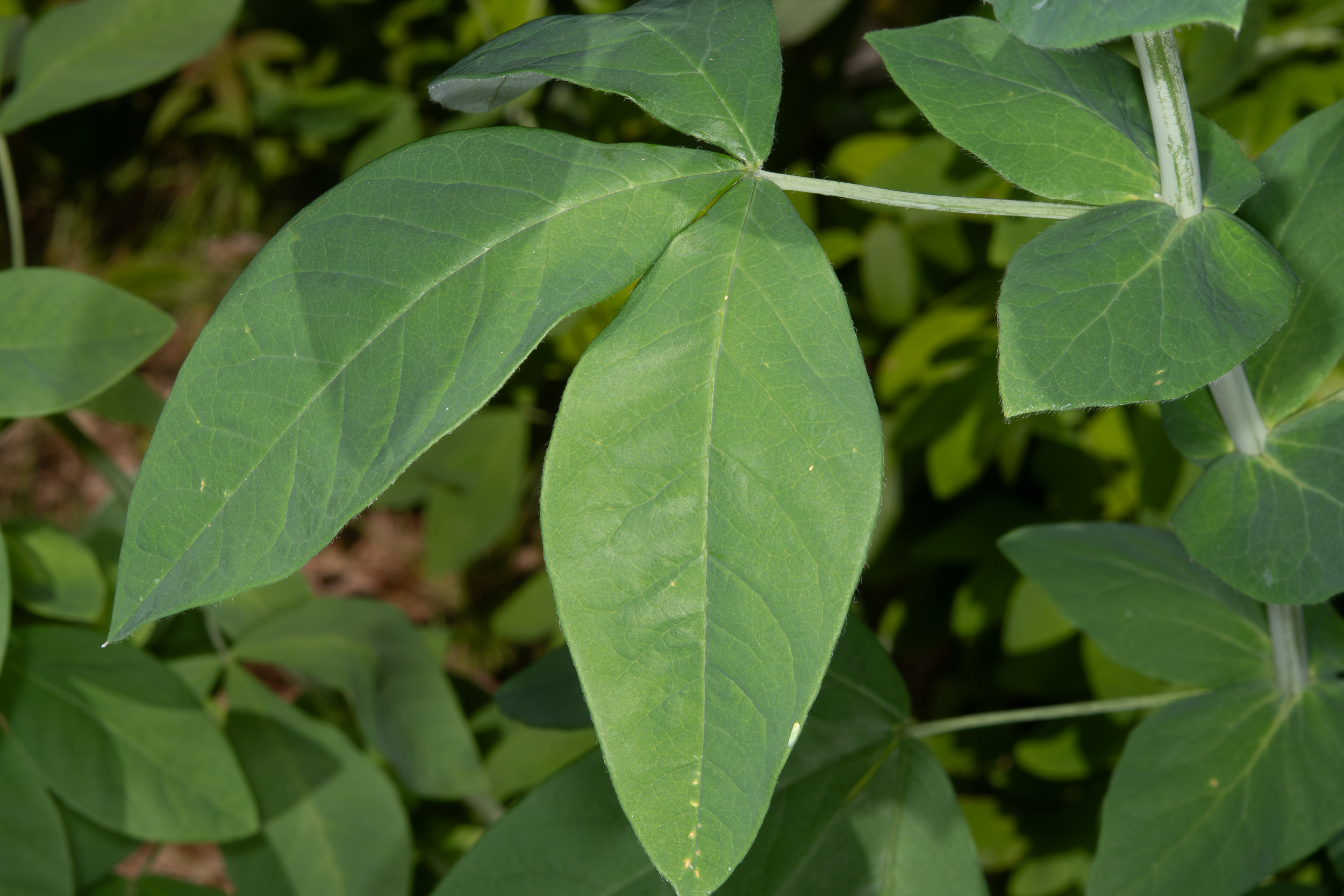
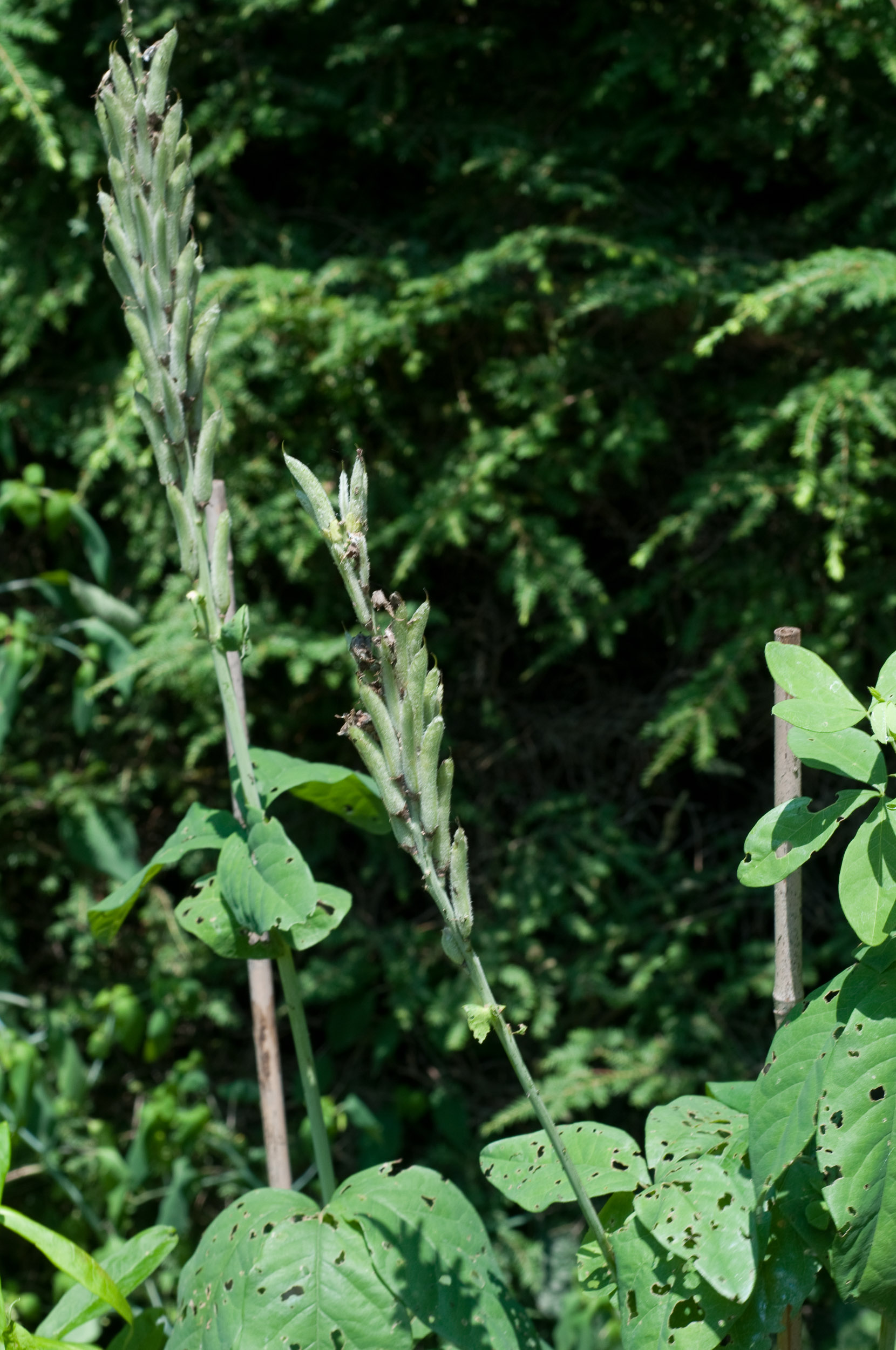
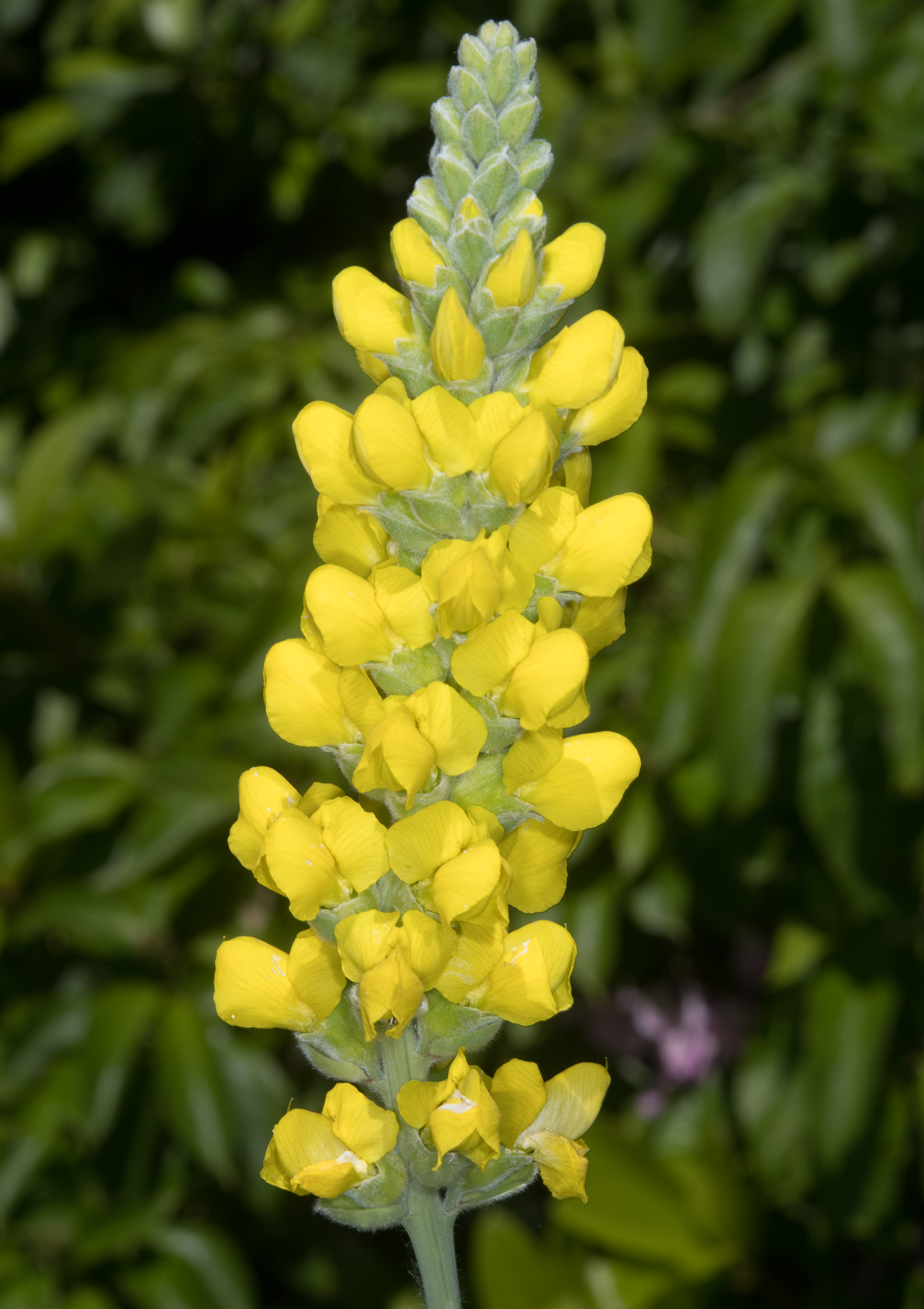
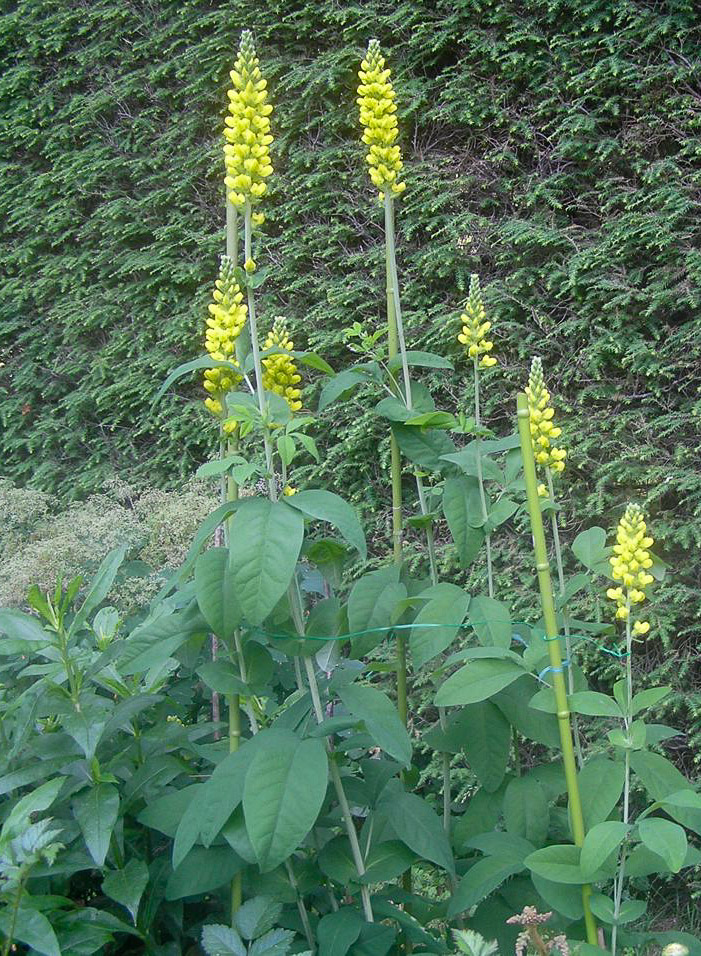
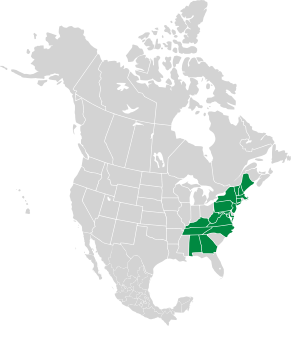
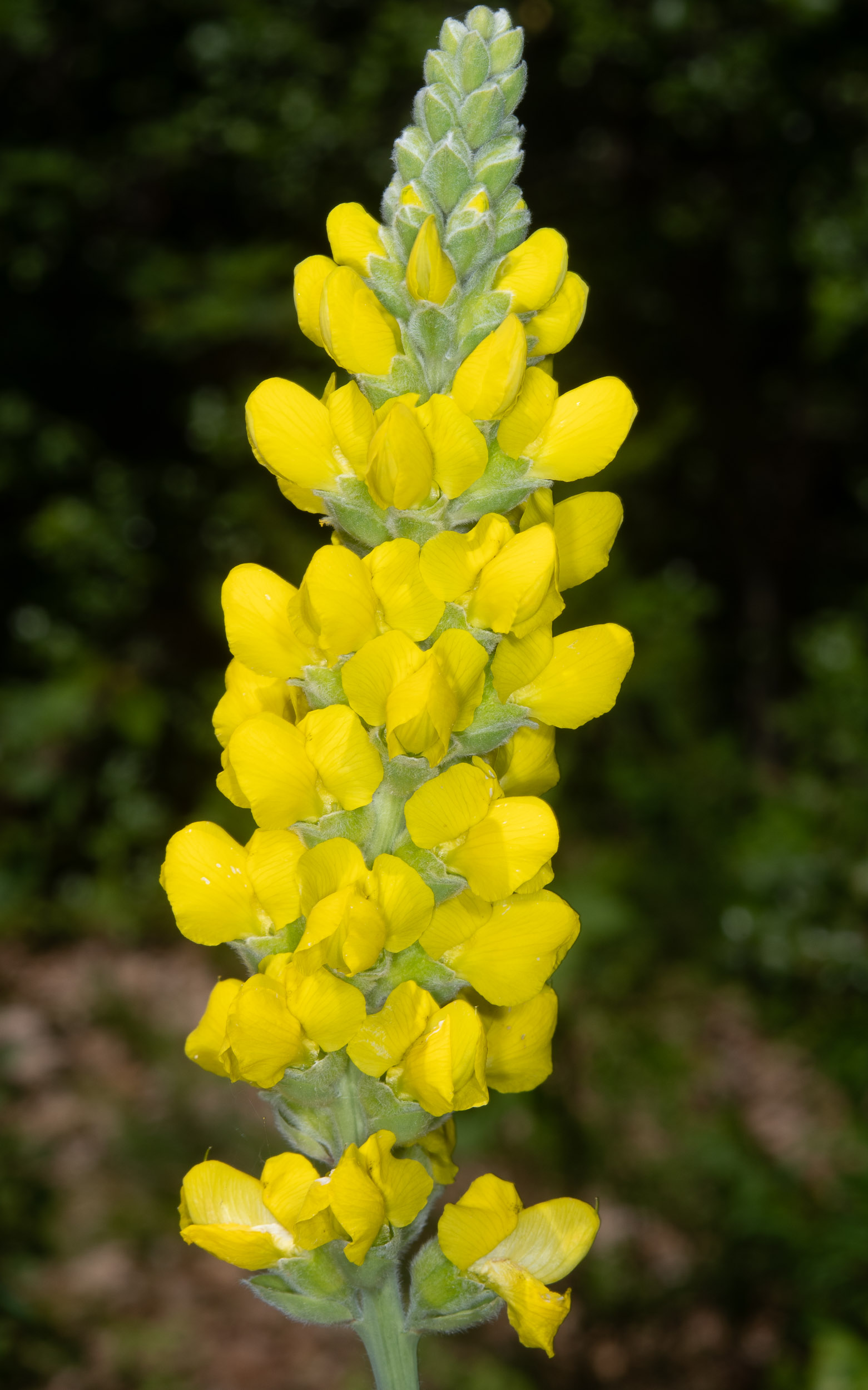
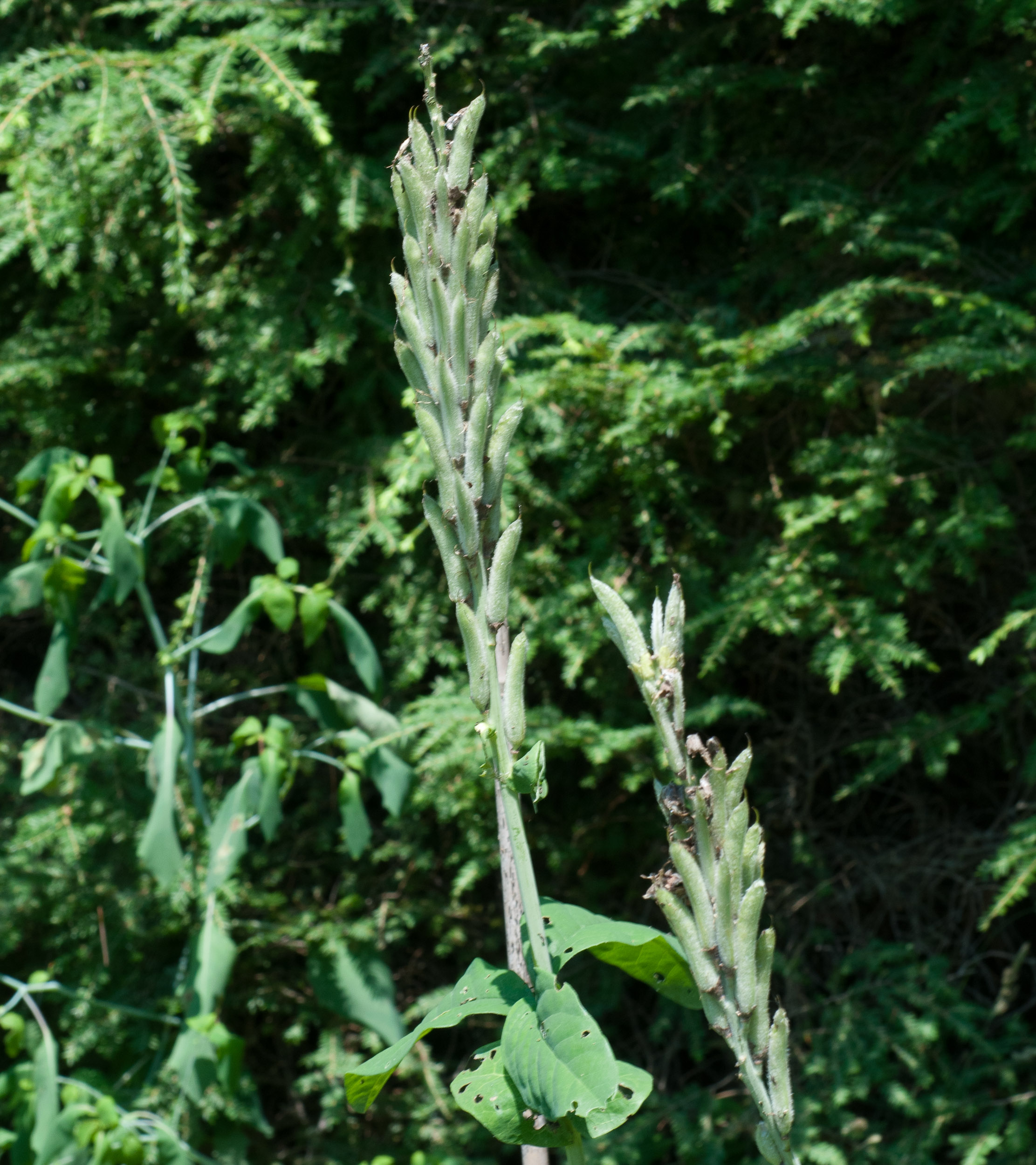
Carolina lupines are native to the southeasttern United States. These plants are not true lupines, but the flower stalks look much like those of lupines. In fact, Thermopsis comes from the Greek thermos, or "lupine"; and opsis, "like."[1] Villosa means "with hairs." Identification: Plants are 3-5′ (91-152 cm) tall × 2-3′ (60-91 cm) around, and hairy. Leaves are in groups of three, elliptic or top-shaped. (These are easily distinguished from true lupines, which have palmlike rosettes of leaflets.) Yellow flowers form on stalks up to 1′ (30 cm) long. Fruits are hairy pods. Online References:
The Lady Bird Johnson Wildflower Center Southeastern Flora, the Southeastern U.S. Plant Identification Resource
6/22/2017 · Garden in the Woods, Framingham, Massachusetts · ≈ 4½ × 7″ (12 × 18 cm)
7/17/2010 · Stan and Connie’s, Falmouth, Maine · ≈ 1 × 1½′ (34 × 52 cm) 1If you were wondering, the Greek word thermos means both “lupine” and “hot.” Thermopsis caroliniana M.A. Curtis
Thermopsis villosa description by Thomas H. Kent, last updated 25 May 2020.
© FloraFinder.org. All rights reserved. |
6/22/2017 · Garden in the Woods, Framingham, Massachusetts · ≈ 10 × 6″ (24 × 16 cm)
7/17/2010 · Stan and Connie’s, Falmouth, Maine · ≈ 12 × 17″ (29 × 44 cm)
6/22/2017 · Garden in the Woods, Framingham, Massachusetts · ≈ 4½ × 7″ (12 × 18 cm)
7/4/2007 · Stan and Connie’s, Falmouth, Maine · By Constance B. Kent Range: Zones 4-9:
|