Ageratina altissima (L.) R.M. King & H. Rob.
White snakeroot, tall boneset, white sanicle
White snakeroot is native to eastern North America.
Plants: Up to 5′ (1.5 m) high, growing as a single plant or a clump with multiple stems. Stems are light green, sometimes tan, round, with few or no hairs.
Leaves: Near the base of the plant, leaves are are heart-shaped to oval (cordate to cordate-ovate). Leaves further up the stem are narrower and more lance-shaped (lanceolate). The leaves are 2½–6 ⨉ 1–3″ (6.3–15 ⨉ 2.5–7.6 cm), with sharp, coarse serrations. Leaf undersides have prominent veins. Leaf stems are longer than most, from ½–2½″ (1.3–6.3 cm) long.
Flowers: White snakeroot blooms in rounded corymbs, each containing 10 to 25 white flowers about ⅛″ (5 mm) around. Each flower is a composite flower, composed of a central disc and surrounding petals. Since each petal is technically a flower in its own right, you could say that white snakeroot contains flowers within flowers within flowers. Or petals and disc flowers within flowerets within inflorescences. Or just white fuzzy-looking flowers.
Fruits: Tiny black bristled 5-angled achenes equipped with equally tiny parachutes.
Habitats: Woods, brush thickets, and shady areas with open bare ground.
Edibility: Poisonous  Plants contain tremetol and
glycosides, which together cause staggers, a potentially fatal disease in cows. These plants are also toxic to people, and milk from cows exposed to white
snakeroot can also cause illness called “milk sickness” in people. In the 1800s, when drought sometimes forced
cows to forage in forests for food, this caused extensive deaths.
Plants contain tremetol and
glycosides, which together cause staggers, a potentially fatal disease in cows. These plants are also toxic to people, and milk from cows exposed to white
snakeroot can also cause illness called “milk sickness” in people. In the 1800s, when drought sometimes forced
cows to forage in forests for food, this caused extensive deaths.
 |
Some similar species. |
Online References:

8/6/2010 · Nashua River Rail Trail, Groton, Massachusetts  ID is uncertain

8/15/2013 · Groton Place and Sabine Woods, Groton, Massachusetts · ≈ 9 × 6″ (22 × 15 cm) 
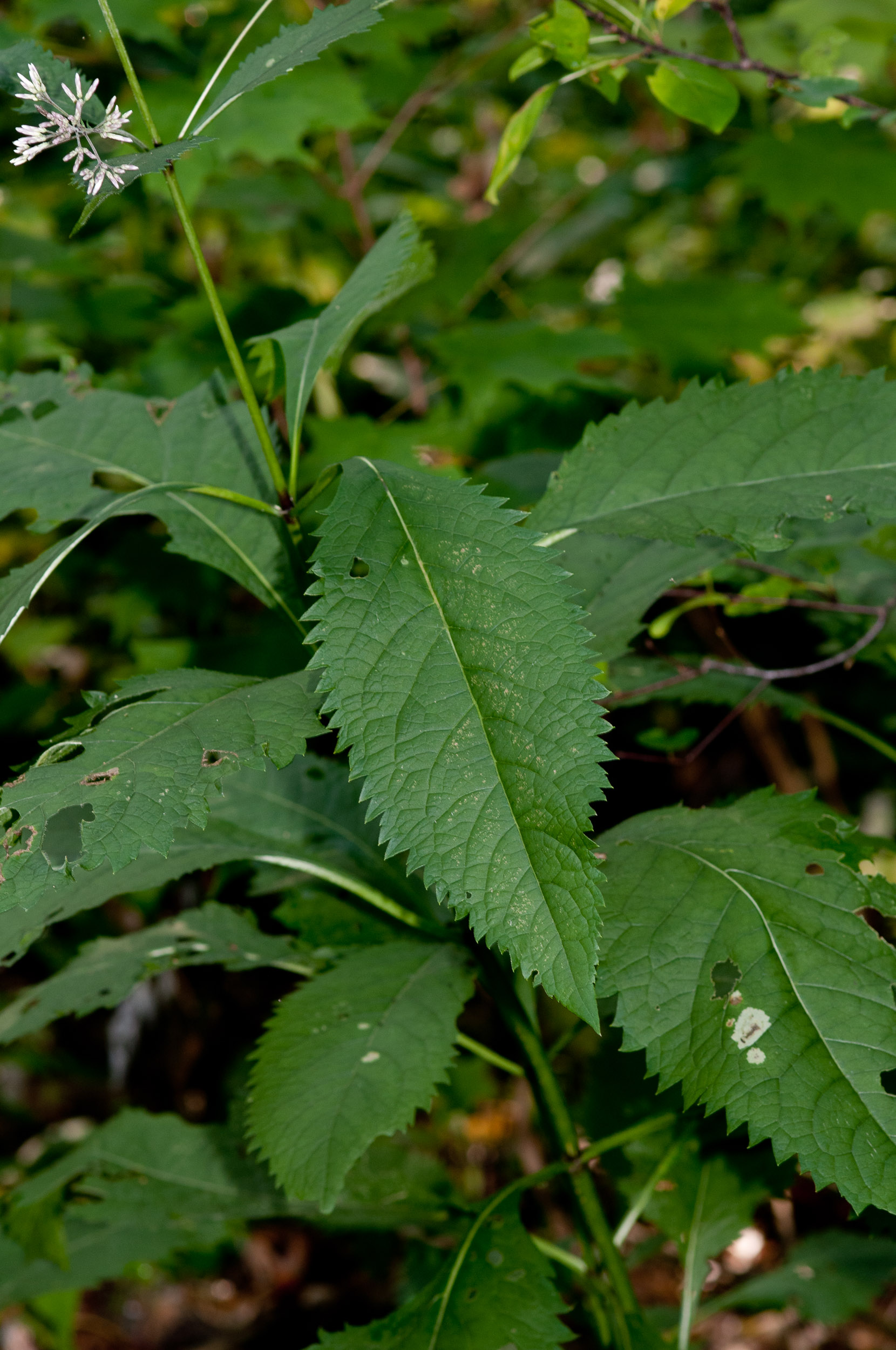
8/6/2010 · Nashua River Rail Trail, Groton, Massachusetts ID is uncertain 
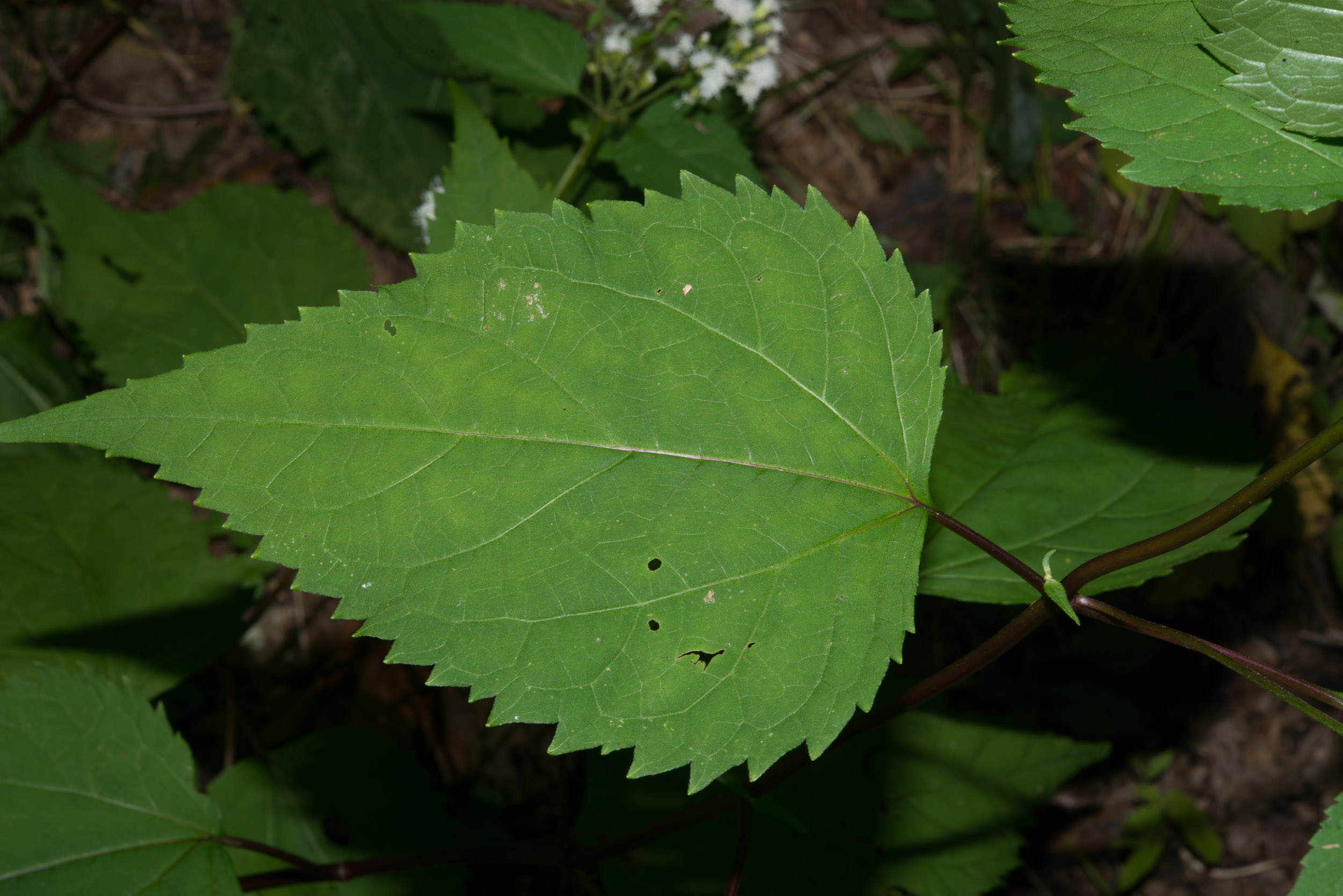
9/7/2013 · Beech Hill, Dublin, New Hampshire · ≈ 10 × 7″ (25 × 16 cm) ID is uncertain 

9/7/2013 · Beech Hill, Dublin, New Hampshire · ≈ 8 × 5″ (19 × 12 cm) ID is uncertain 
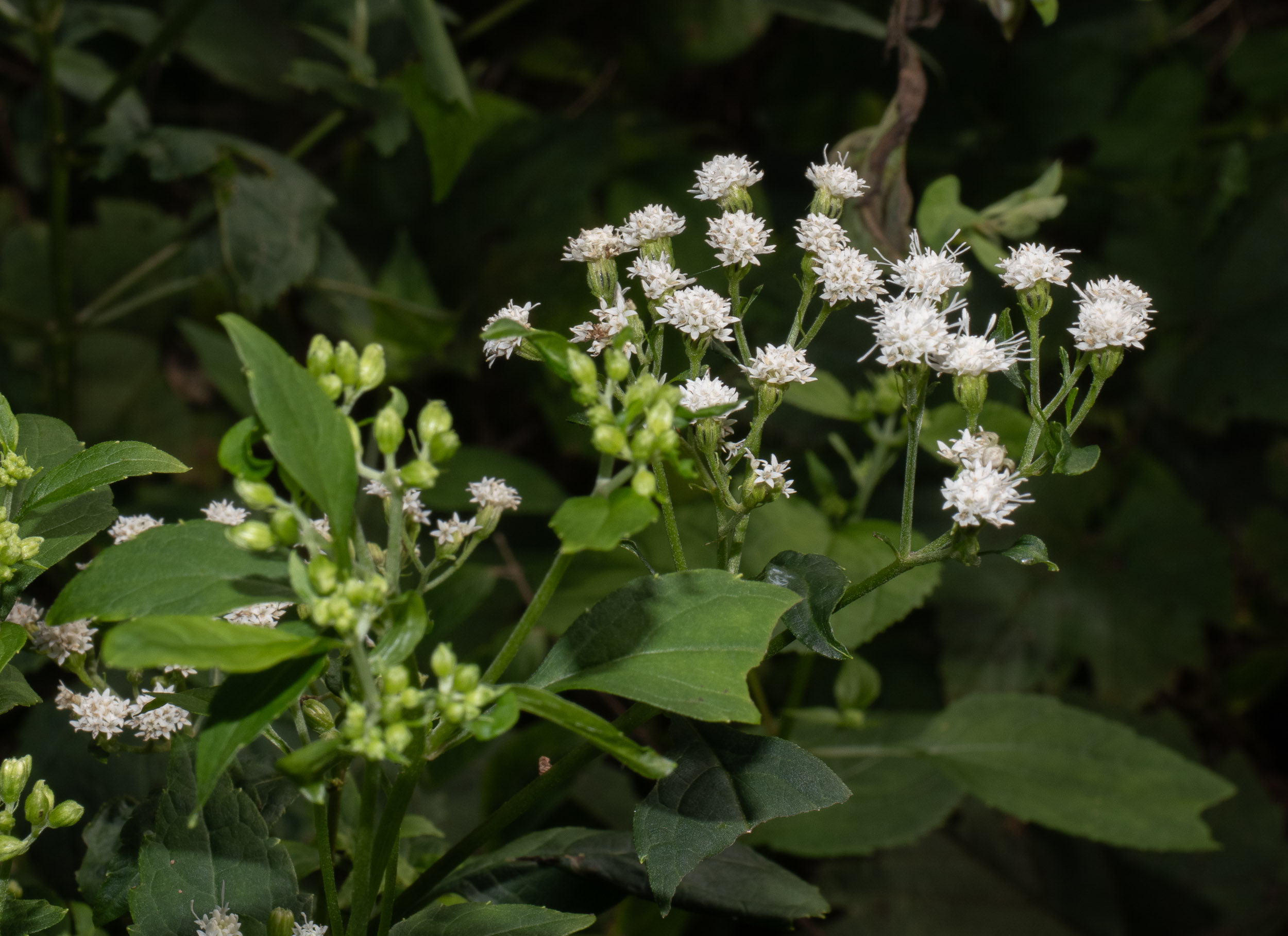
8/20/2024 
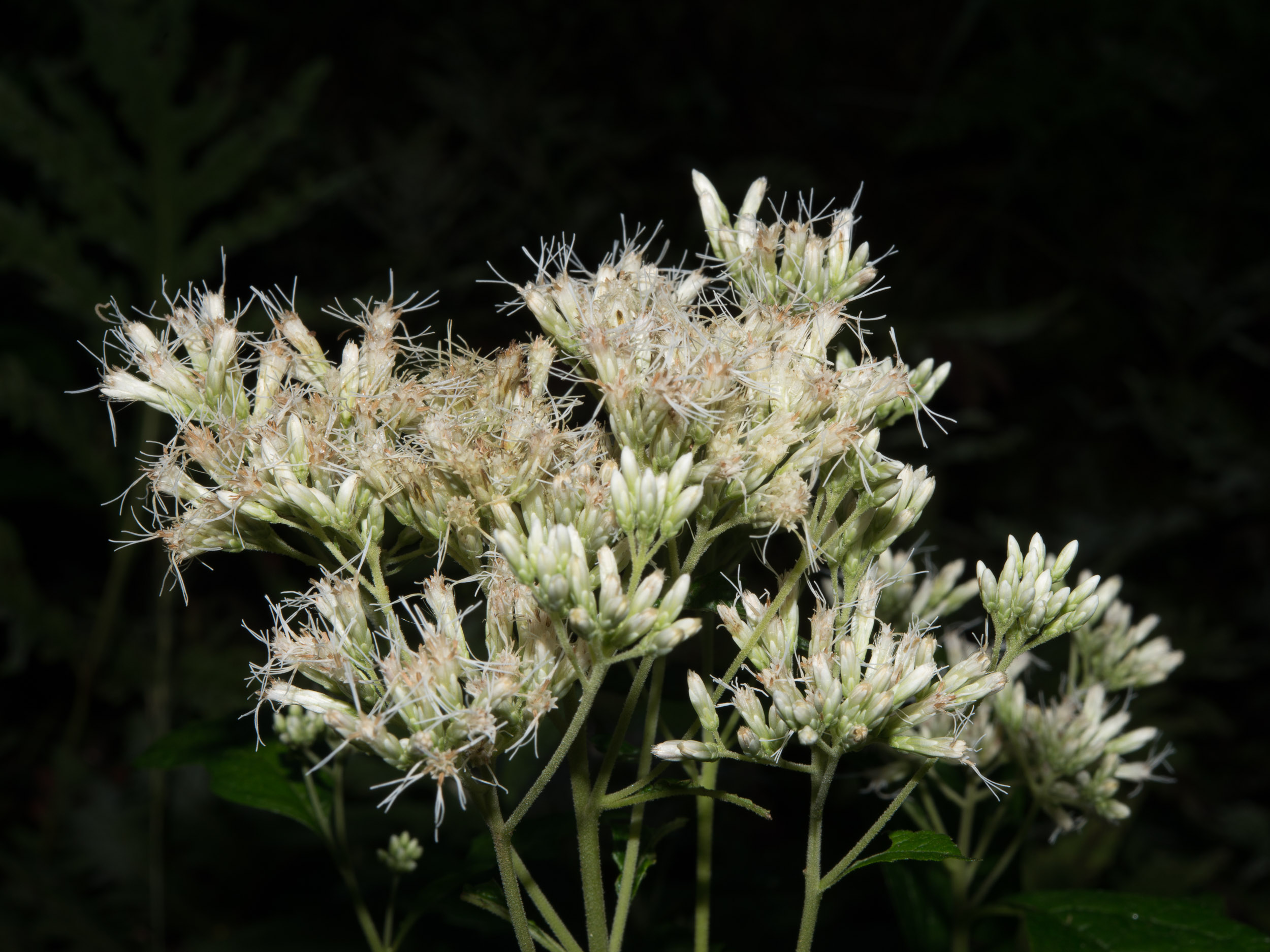
8/15/2013 · Groton Place and Sabine Woods, Groton, Massachusetts · ≈ 8 × 6″ (19 × 14 cm) 

10/2/2010 · Hackers Trail, Cliff Park, Delaware Water Gap National Recr, Pennsylvania · ≈ 7 × 4½″ (17 × 11 cm) 

8/6/2010 · Nashua River Rail Trail, Groton, Massachusetts · ≈ 4½ × 3″ (11 × 7.5 cm) ID is uncertain 

8/6/2010 · Nashua River Rail Trail, Groton, Massachusetts · ≈ 9 × 12″ (22 × 31 cm) ID is uncertain 

9/7/2013 · Beech Hill, Dublin, New Hampshire · ≈ 6 × 8″ (14 × 20 cm) ID is uncertain 

8/15/2013 · Groton Place and Sabine Woods, Groton, Massachusetts · ≈ 11 × 7″ (28 × 18 cm) 
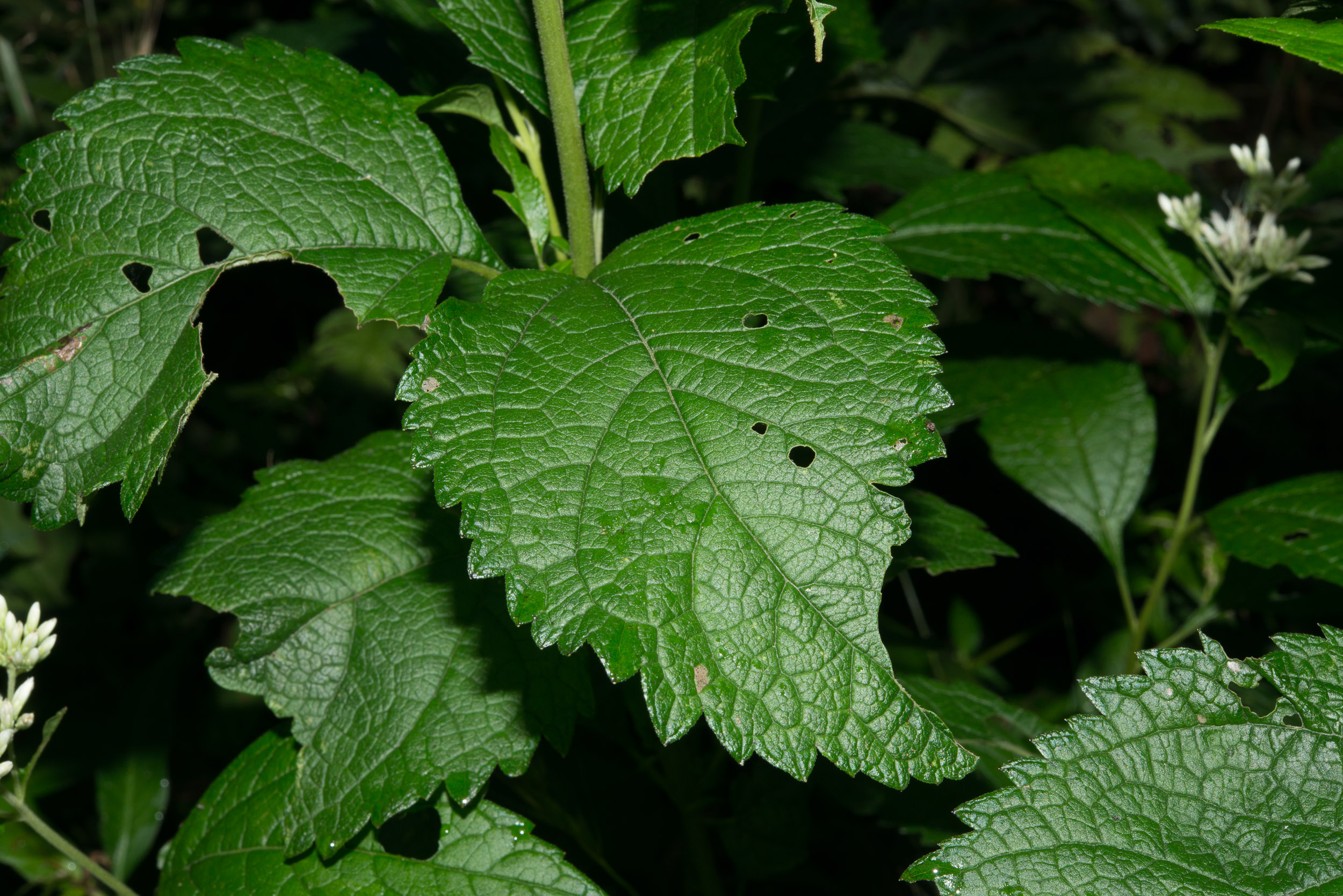
8/15/2013 · Groton Place and Sabine Woods, Groton, Massachusetts · ≈ 9 × 6″ (23 × 16 cm) 
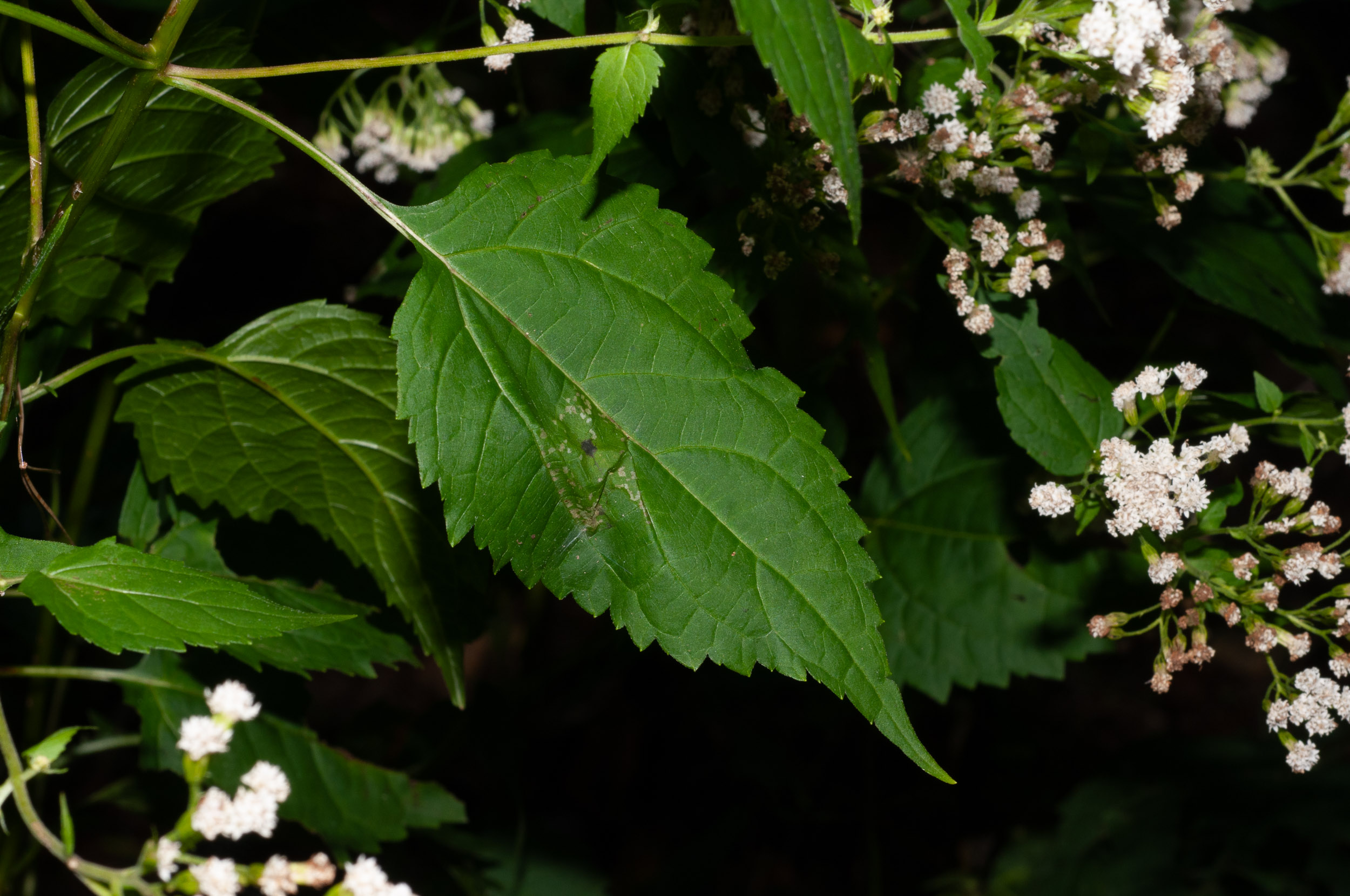
10/2/2010 · Hackers Trail, Cliff Park, Delaware Water Gap National Recr, Pennsylvania · ≈ 9 × 6″ (23 × 15 cm) 
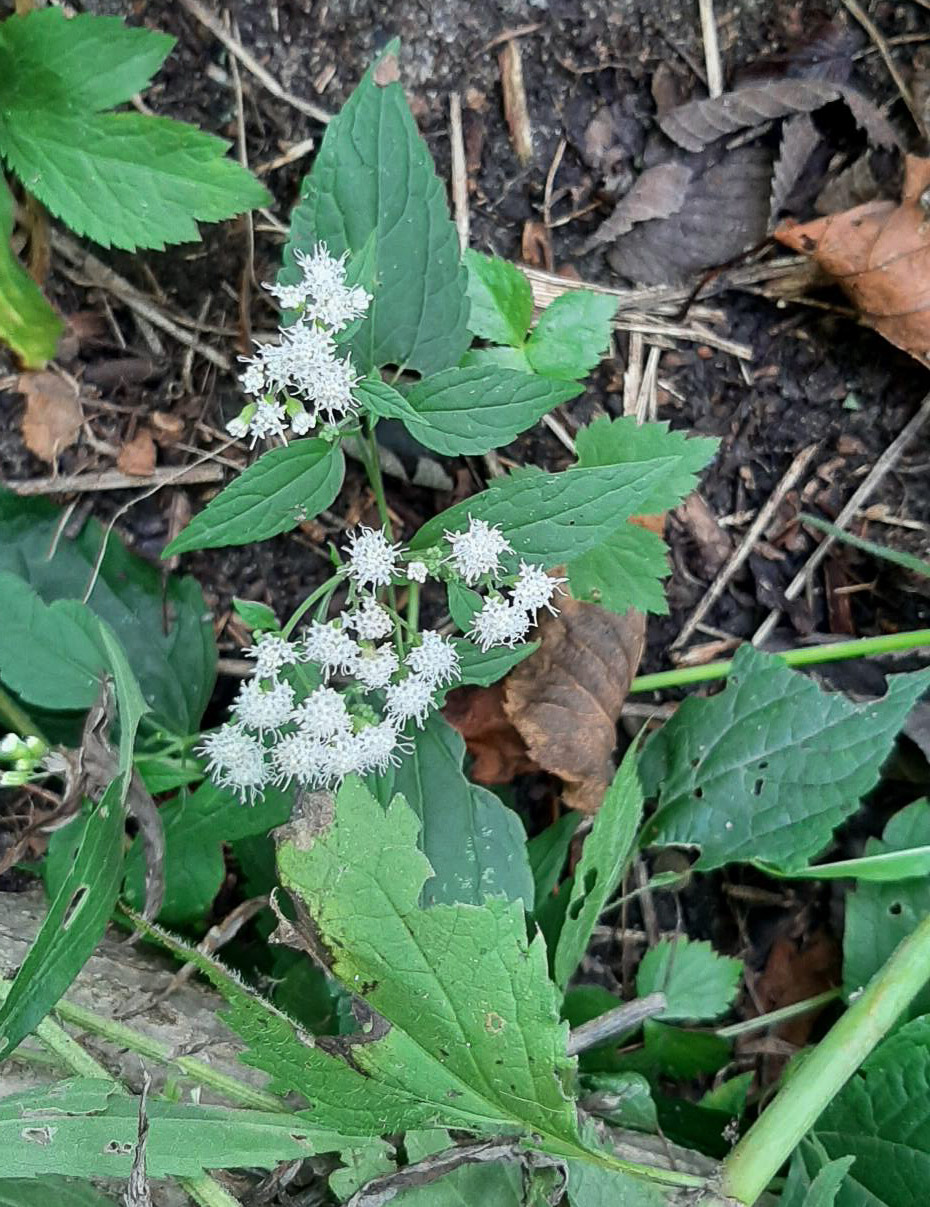
8/31/2021 · Pumpkinvine Nature Trail, Middlebury, Indiana · By Jeff Griffin 

8/6/2010 · Nashua River Rail Trail, Groton, Massachusetts · ≈ 8 × 12″ (21 × 31 cm) ID is uncertain 

10/2/2010 · Hackers Trail, Cliff Park, Delaware Water Gap National Recr, Pennsylvania · ≈ 4 × 4″ (10 × 10 cm) 
| Kingdom | Plantae | Plants, but not fungi, lichens, or algae (from Stearn's Botanical Latin) |
| Subkingdom | Tracheobionta | Vascular plants—plants with a “circulatory system” for delivering water and nutrients |
| Division | Magnoliophyta | Flowering plants, also known as angiosperms |
| Class | Magnoliopsida | Dicotyledons—plants with two initial seed leaves |
| Subclass | Asteridae | A large class that encompasses asters |
| Order | Asterales | Flowering plants with a central disk flower and surrounding petals, like daisies |
| Family | Asteraceae | The aster family, which also includes daisies and sunflowers; from the Greek ἀστήρ, “star,” for the star-shaped flowers |
| Genus | Ageratina | Snakeroots |
| Species | altissima | “Very tall, tallest” |
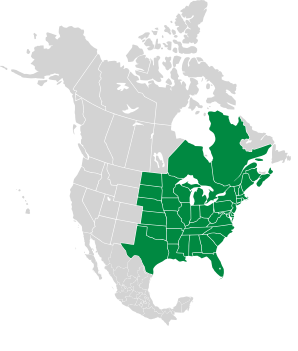
Ageratina altissima description by Thomas H. Kent, not updated.

© FloraFinder.org. All rights reserved.