Alchemilla mollis (Buser) Rothm.
Lady’s mantle
Lady’s mantle, named after the Virgin Mary’s cloak because of its scalloped leaves, originates in the eastern Carpathian Mountains in eastern Europe. It is often used as a ground cover. Depending upon who you ask, Alchemilla vulgaris is either a closely similar species, or the same plant.
Raindrops ball up on the velvety leaves. The name of this genus, Alchemilla, derives from the alchemists’ belief that the mercury-like balls of water on these leaves were the purest form of water. They used this water in their attempts to turn base metals into gold.
Plants: This plant forms mounds 12–18″ (30–45 cm) tall.
Leaves: Palmately compound slightly bluish leaves, 3–6″ (7.6–15 cm) around, have 9-11 rounded lobes edged with small sharp teeth. (The leaves look a bit like hardy geraniums.)
Flowers: Tiny, apetalous, star-shaped, chartreuse flowers appear in loose, spreading clusters—compound cymes. The flower-bearing stems rise 1–1½′ (30–45 cm) above the leafy mounds. They appear in June.
Fruits: Achenes are less than 1″ (2.5 cm) long, and inconspicuous.
Habitats: Mountain areas in eastern Europe.
Edibility: Cattle and sheep relish this plant, and the leaves and root are said to be edible to people as well.
Online References:
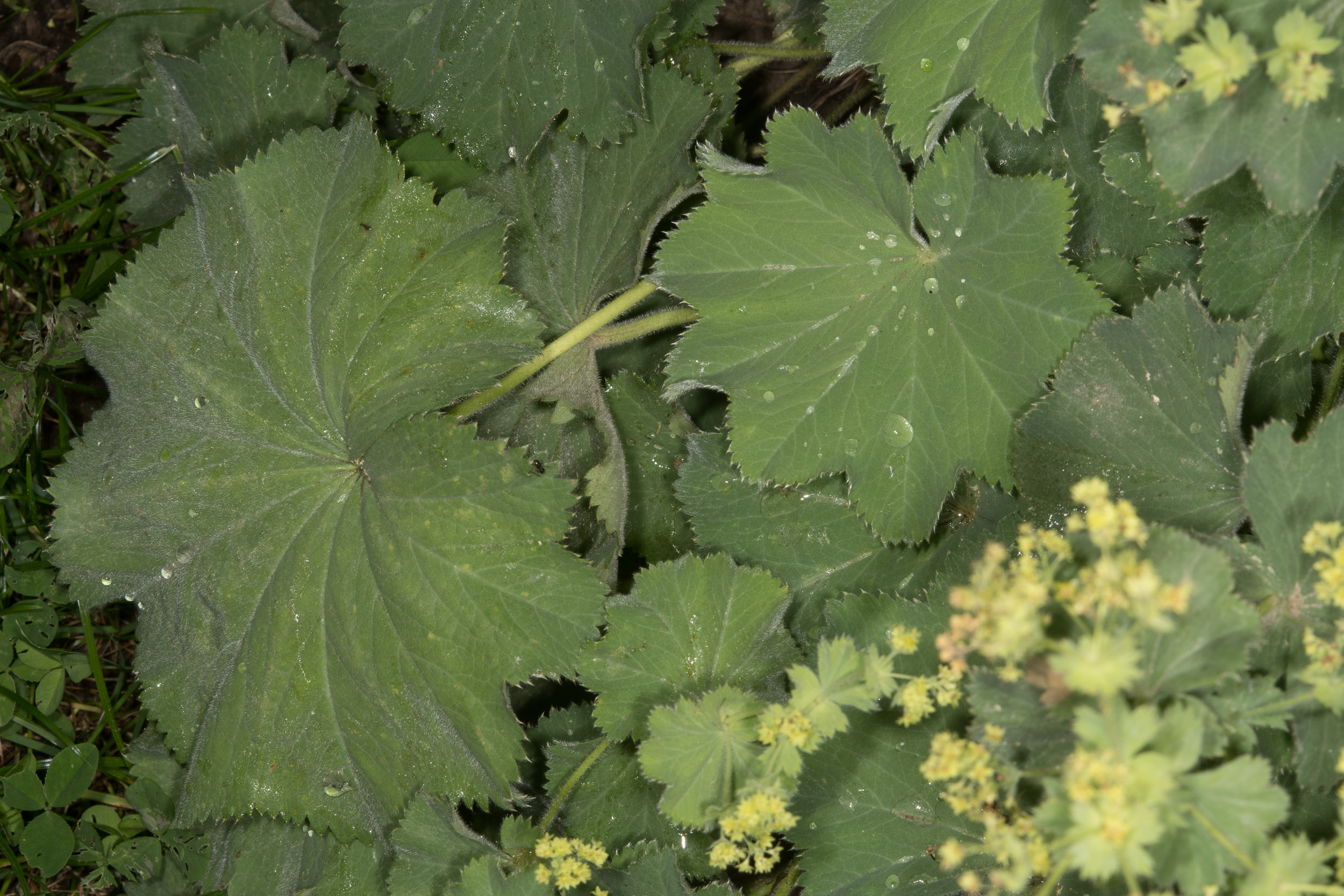
6/26/2017 · Beaver Brook Conservation Area, Hollis, Massachusetts · ≈ 12 × 8″ (31 × 20 cm) 

7/17/2010 · Stan and Connie’s, Falmouth, Maine · ≈ 17 × 12″ (44 × 29 cm) 
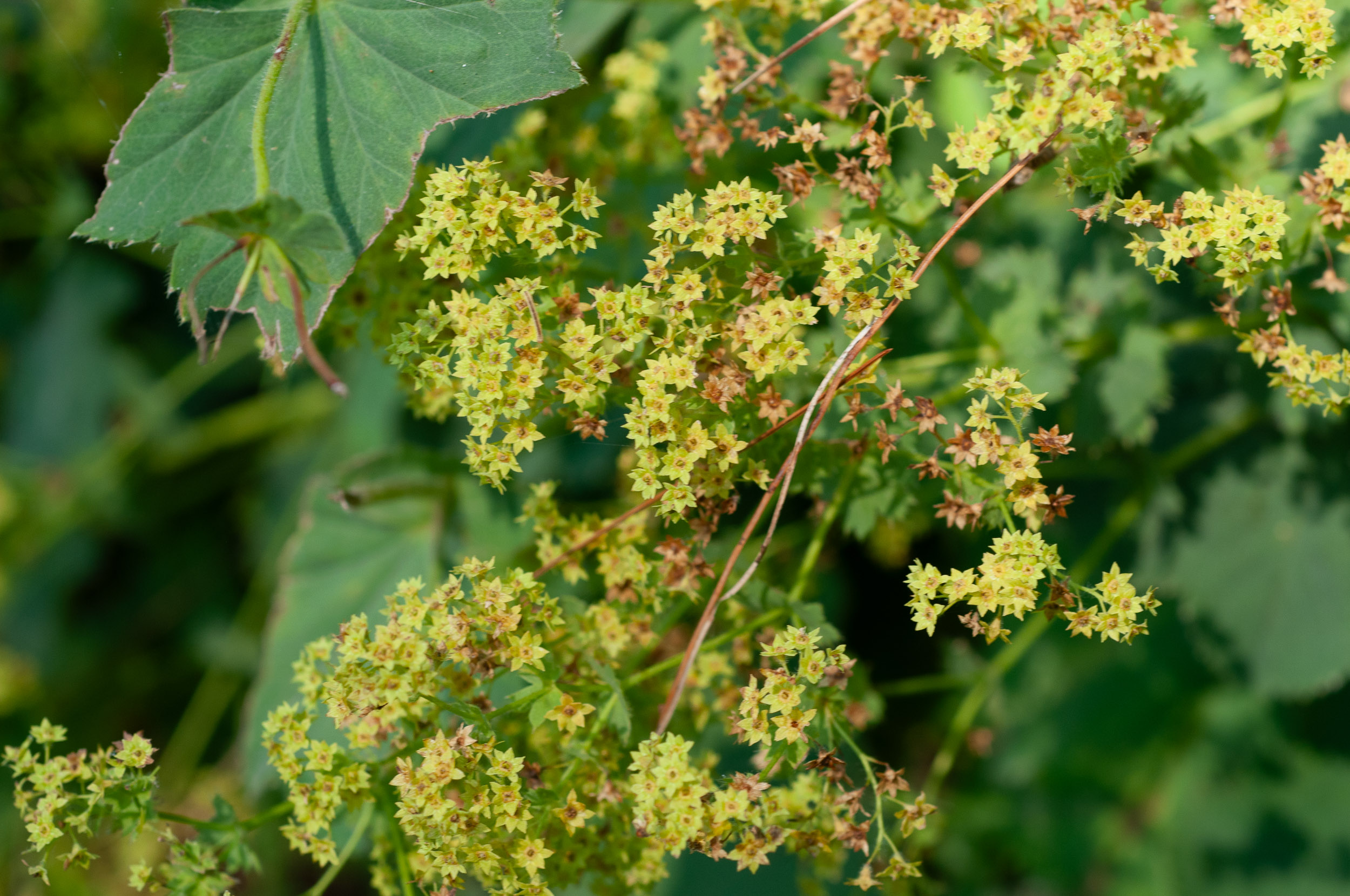
7/17/2010 · Stan and Connie’s, Falmouth, Maine · ≈ 7 × 4½″ (17 × 11 cm) 
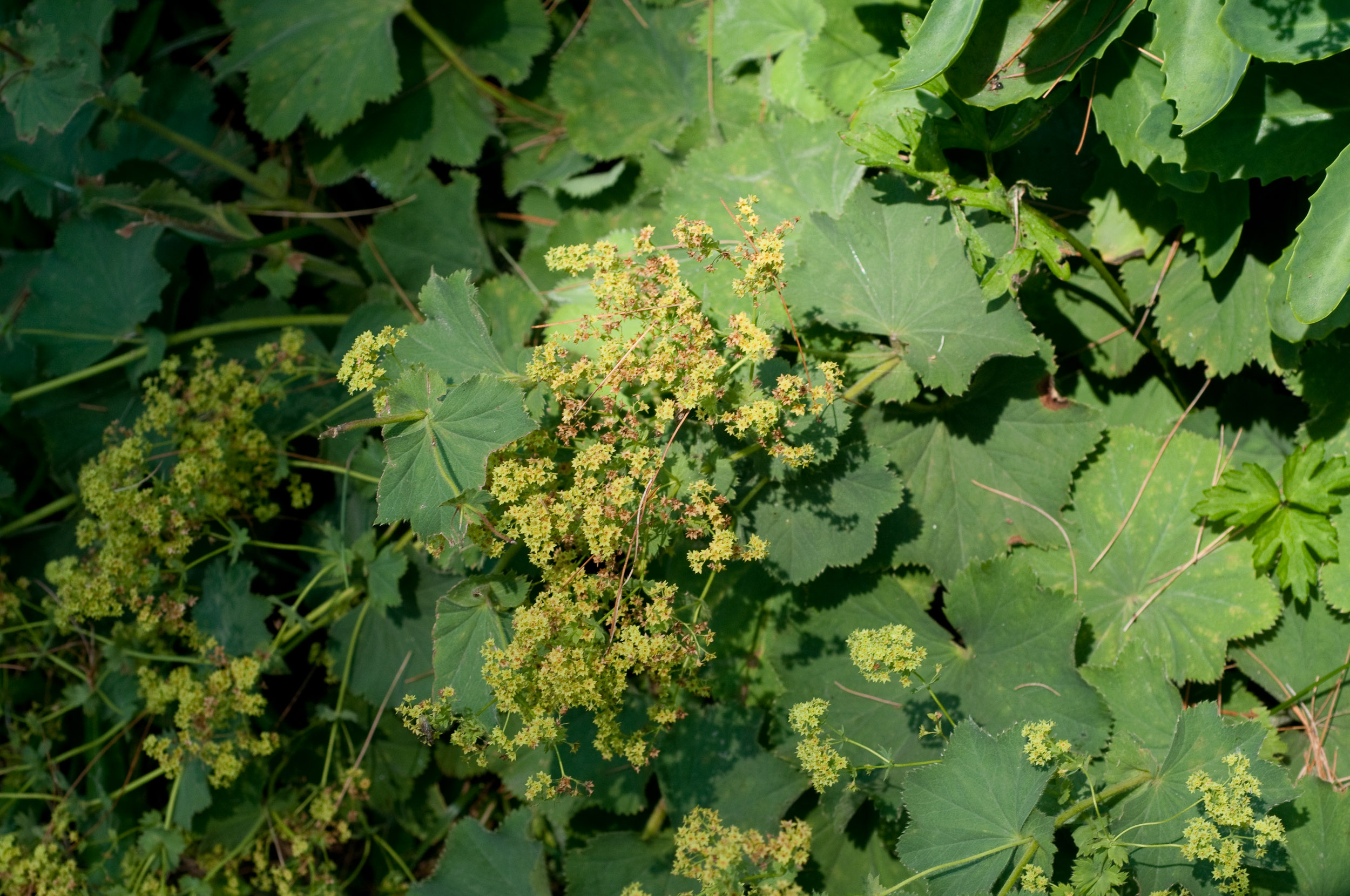
7/17/2010 · Stan and Connie’s, Falmouth, Maine · ≈ 15 × 10″ (39 × 26 cm) 

6/26/2017 · Beaver Brook Conservation Area, Hollis, Massachusetts · ≈ 10 × 6″ (24 × 16 cm) 
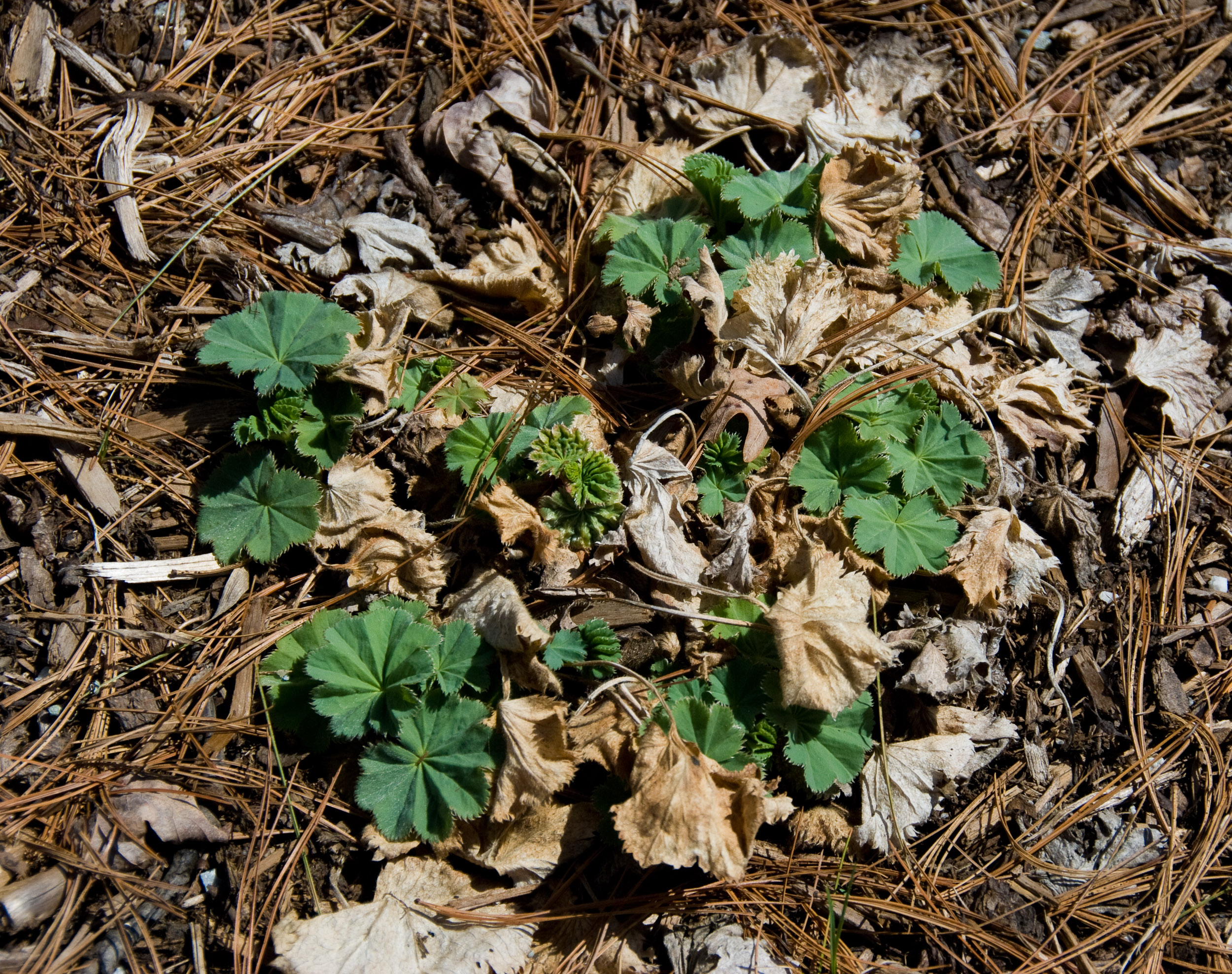
4/24/2007 · Tom and Susan’s, Pepperell, Massachusetts 

8/1/2009 · Coastal Maine Botanical Gardens, Boothbay, Maine · ≈ 2 × 1½′ (66 × 44 cm) 

5/17/2007 · Tom and Susan’s, Pepperell, Massachusetts 

6/26/2017 · Beaver Brook Conservation Area, Hollis, Massachusetts · ≈ 12 × 8″ (31 × 20 cm) 
| Kingdom | Plantae | Plants, but not fungi, lichens, or algae (from Stearn's Botanical Latin) |
| Subkingdom | Tracheobionta | Vascular plants—plants with a “circulatory system” for delivering water and nutrients |
| Division | Magnoliophyta | Flowering plants, also known as angiosperms |
| Class | Magnoliopsida | Dicotyledons—plants with two initial seed leaves |
| Subclass | Rosidae | Roses, legumes, proteas, dogwoods, hydrangeas, mistletoes, euphorbias, grapes, many more |
| Order | Rosales | Rose family and eight others |
| Family | Rosaceae | Includes apples, apricots, plums, cherries, peaches, pears, raspberries, strawberries, almonds, roses, meadowsweets, photinias, firethorns, rowans, and hawthorns; many others |
| Genus | Alchemilla | Takes its name from some plant valued for its use in alchemy |
| Species | mollis | Smooth, or with soft velvety hair |

Alchemilla mollis description by Thomas H. Kent, not updated.

© FloraFinder.org. All rights reserved.