Aloe arborescens Mill.
Krantz aloe, candelabra aloe
This is a common aloe throughout much of southern Africa.
Plants: Succulent perennial shrubs and 6½–9½′ (2–3 m) tall and highly variable in appearance. Trunks up to 12″ (30 cm) around. Technically a shrub, it sometimes looks more like a tree.
Leaves: Branching stems support multiple rosettes of leaves. Leaves have soft teeth, and are dull- to yellow- to blue-green. Each leaf is 10–24″ long ⨉ ¾–2½″ wide at the base (25–60 ⨉ 2–7 cm). There are no spots or stripes.
Flowers: Each rosette contains 1-4 inflorescences, on erect stalks about 2′ (60 cm) long. Racemes are densely flowers, conical or cylindrical, and 8–16″ (20–40 cm) long. Flowers are scarlet, or rarely yellow or integradations between those colors, and up to 1½″ (4 cm) long.
Fruits: Dehiscent capsules are ⅝–11/16″ long ⨉ ⅛–¼″ in diameter (1.7–1.8 cm ⨉ 6–7 mm), and oblong ovoid. They age from pale gray to yellowish brown. Seeds are 1/16 ⨉ ⅛″ (1.8 ⨉ 3.5 mm), and black, with narrow, whitish wings.
Habitats: Montane grasslands amongst rocks and in open evergreen forests at elevations below 1.7 mi (2.8 km).
Online References:
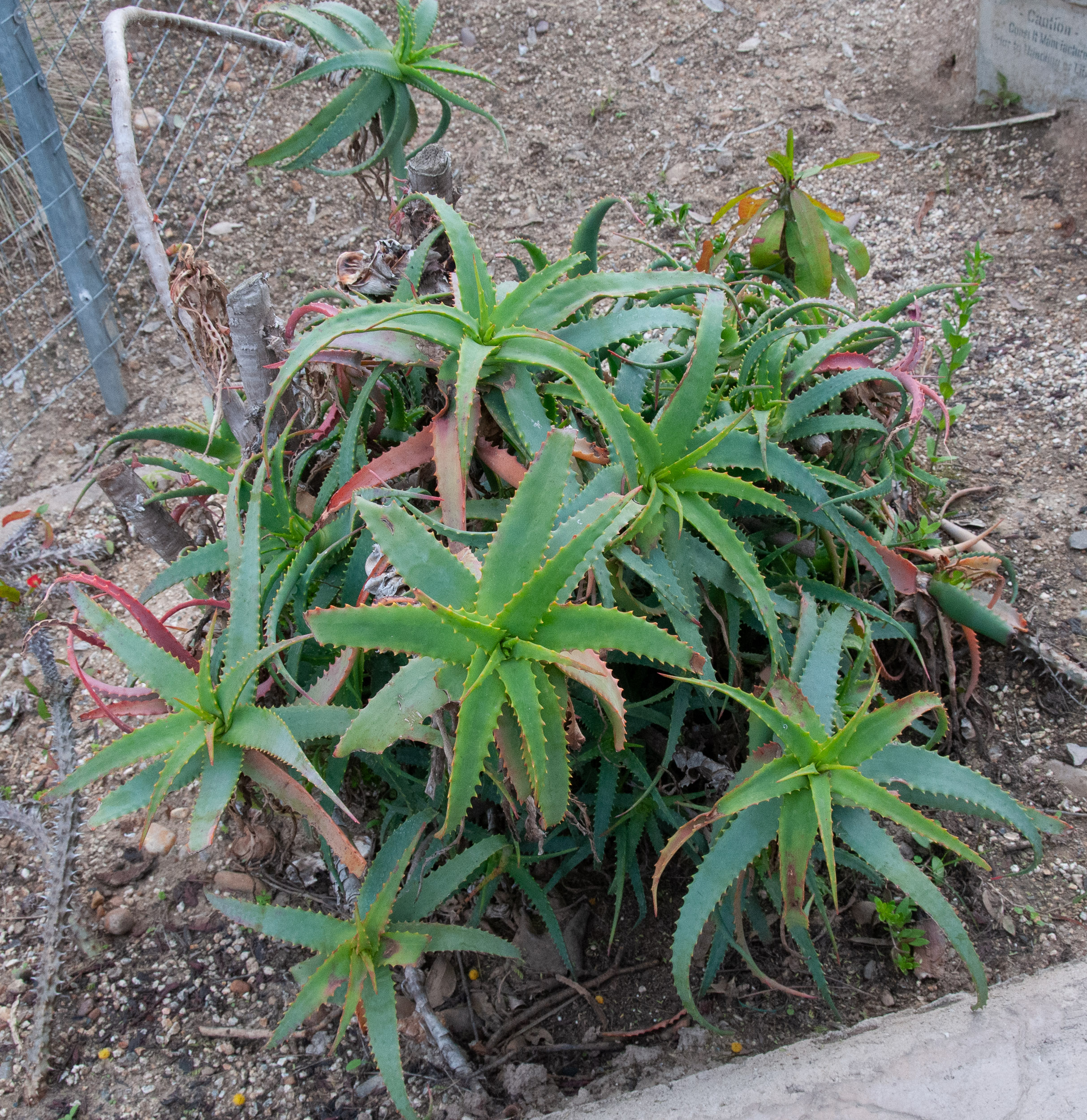
2/26/2010 · San Diego Zoo, San Diego, California · ≈ 2½ × 2½′ (77 × 80 cm)  ID is uncertain

1/5/2026 · Cape of Good Hope, Western Cape, South Africa · By Benjamin Winslow ID is uncertain 
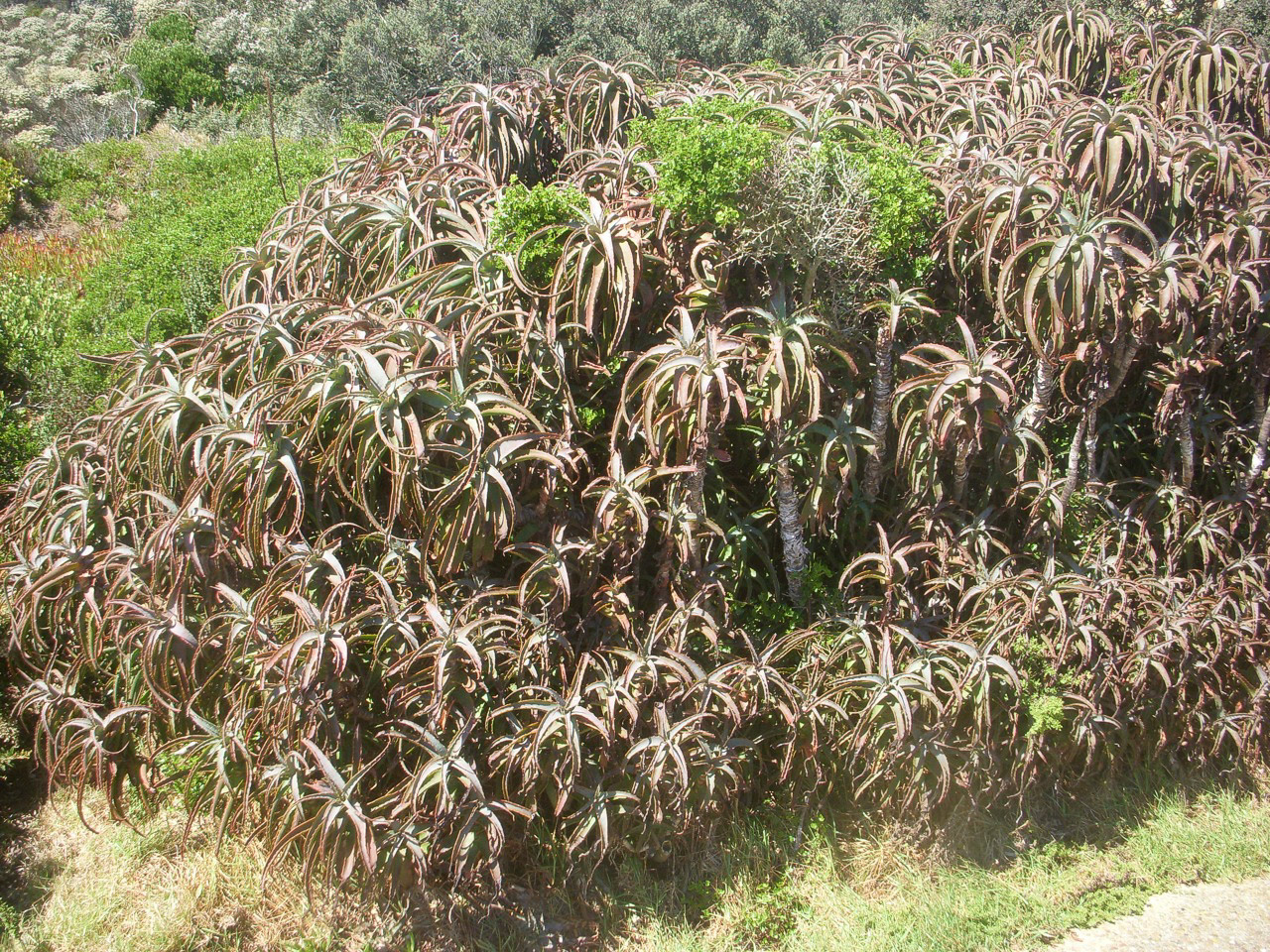
1/5/2026 · Cape of Good Hope, Western Cape, South Africa · By Benjamin Winslow ID is uncertain 
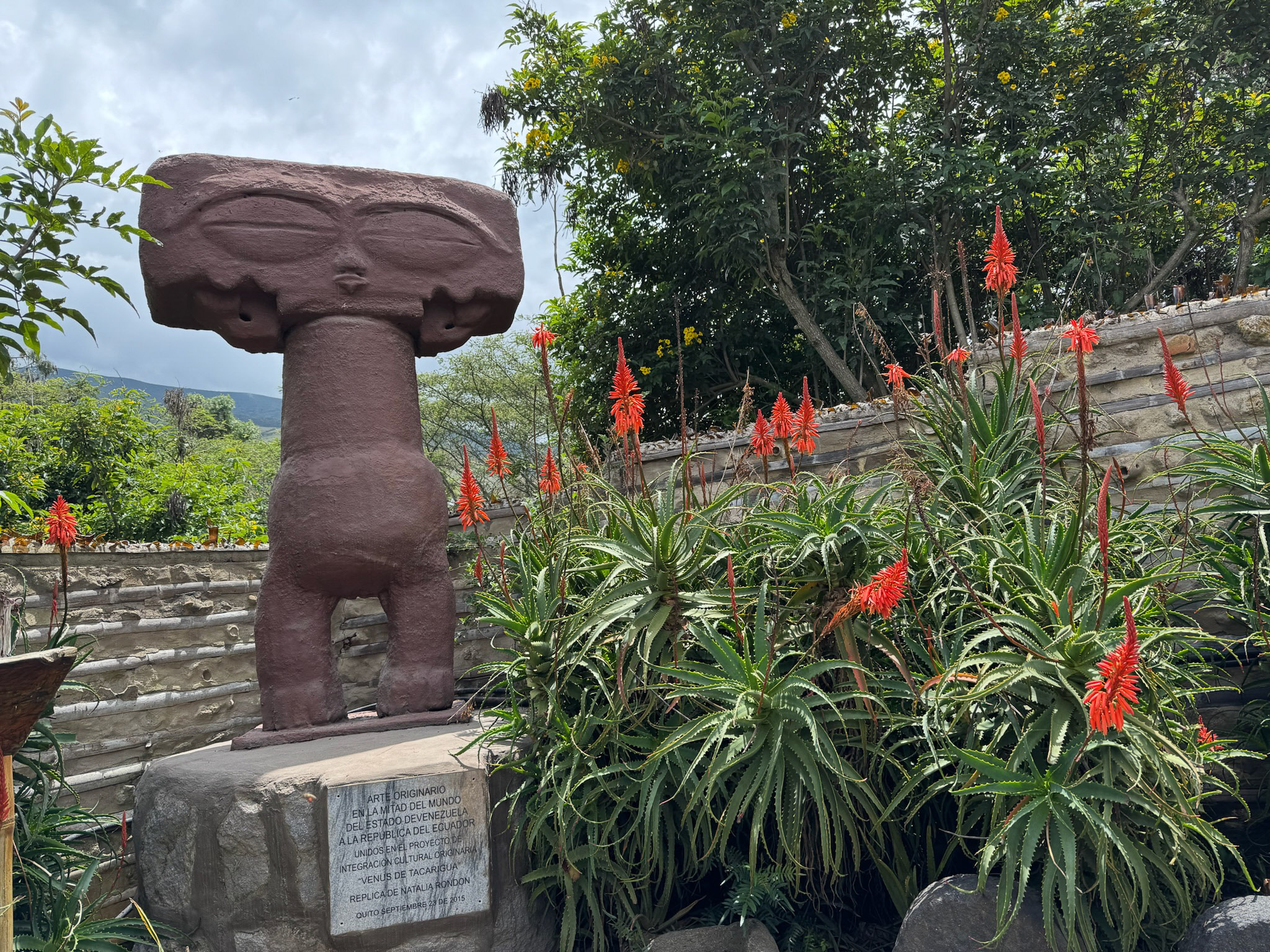
3/29/2025 · Intiñan Museum at the Equator, Quito, Ecuador · By Kathryn Morgis 
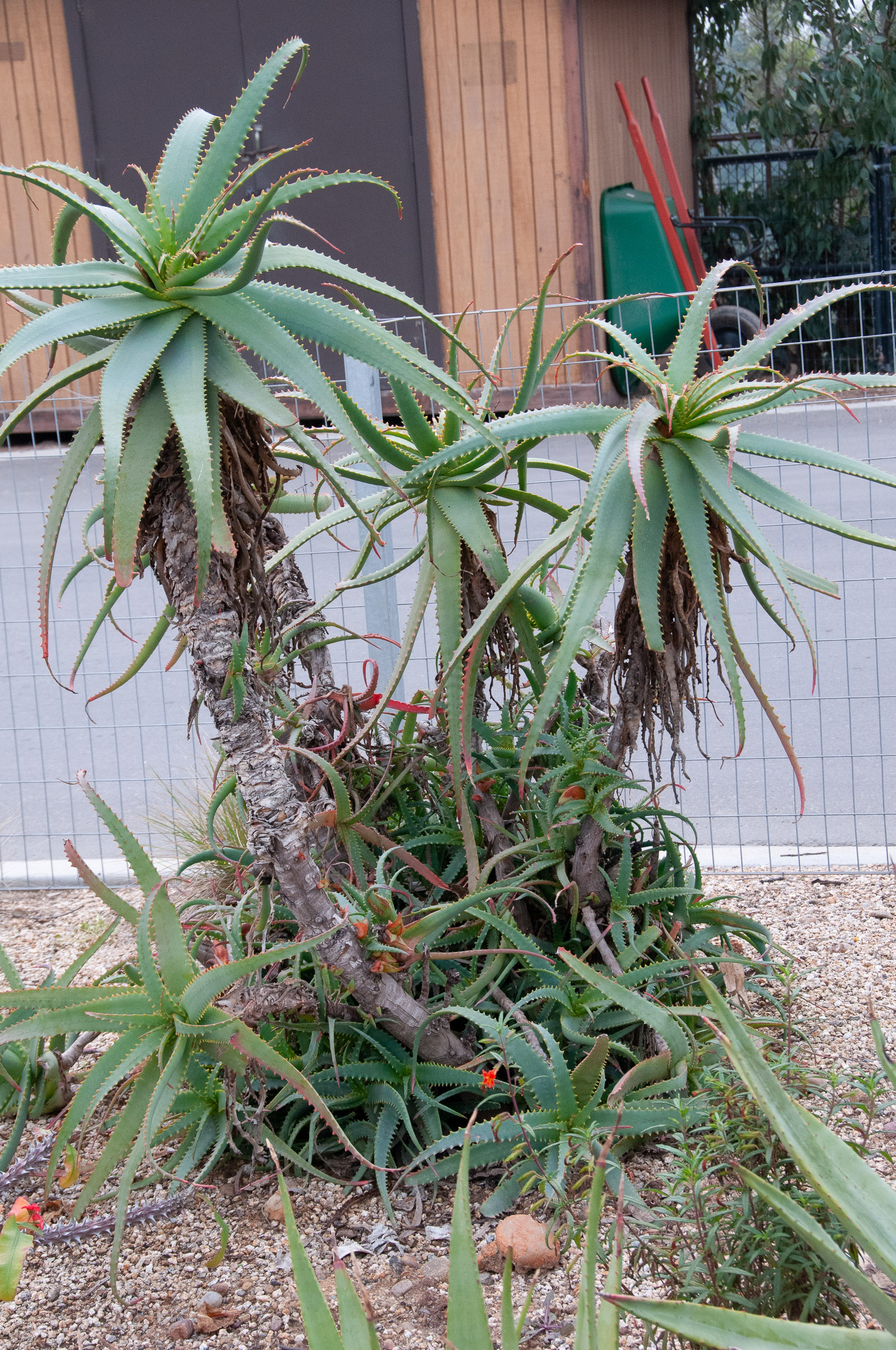
2/26/2010 · San Diego Zoo, San Diego, California ID is uncertain 
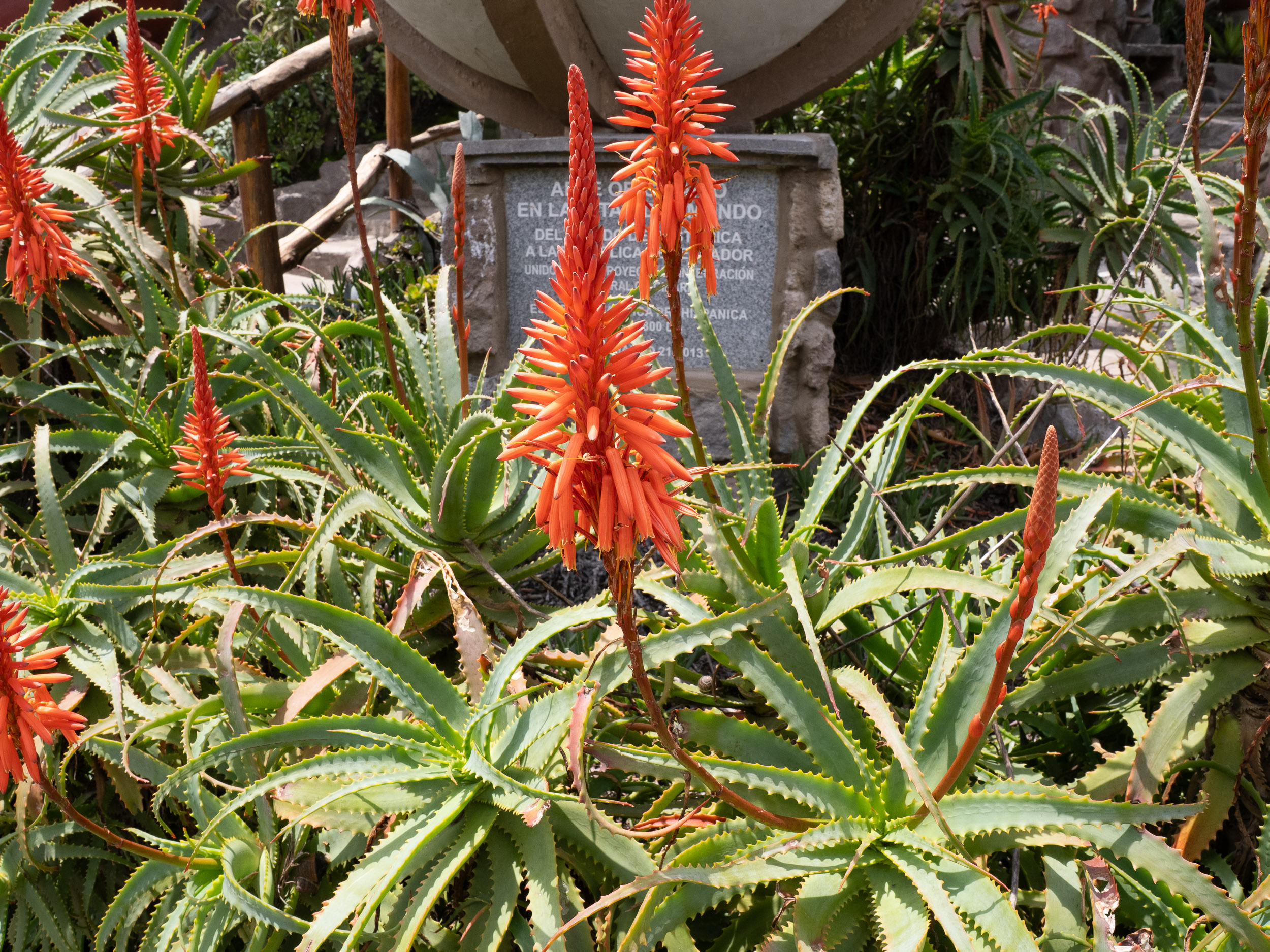
3/29/2025 · Intiñan Museum at the Equator, Quito, Ecuador 
| Kingdom | Plantae | Plants, but not fungi, lichens, or algae (from Stearn's Botanical Latin) |
| Subkingdom | Tracheobionta | Vascular plants—plants with a “circulatory system” for delivering water and nutrients |
| Division | Magnoliophyta | Flowering plants, also known as angiosperms |
| Class | Liliopsida | Monocots (plants with a single seed leaf); includes the lily family |
| Subclass | Liliidae | Includes lilies, orchids, and many others |
| Order | Asparagales | A diverse group that includes asparagus |
| Family | Xanthorrhoeaceae | Aloes, many tropical plants, flax lilies, daylilies, many others |
| Genus | Aloe | Means “goddess” in ancient Sanskrit, for its reputed use as a beauty aid; some sources suggest that the name comes from Alloeh, meaning “shining bitter substance” |
| Species | arborescens | Woody or tree-like, becoming like a tree |

Aloe arborescens description by Thomas H. Kent, not updated.

© FloraFinder.org. All rights reserved.