Aloe saponaria (Aiton) Haw.
Soap aloe, zebra aloe
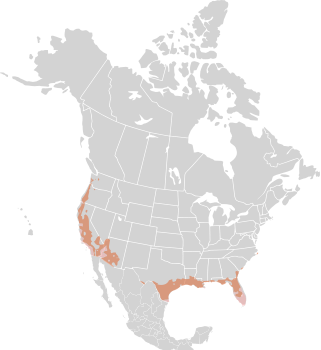
This also is common in the Eastern Cape Province of South Africa to Zimbabwe and Botswana. The common name soap aloe results from the ability of its sap to suds up in water.
Plants: Usually stemless, forming clumps of rosettes.
Leaves: The primary rosette is 12–18″ (30–45 cm) in size. Leaves are lanceolate, fleshy, and thick at the base, tapering to points, and 10–12″ (25–30 cm) long. They have prominent dark brown teeth. They are spotted with pale green spots.
Flowers: Purple stalks 2–3′ (60–90 cm) tall display roughly flat-topped inflorescences with racemes of yellow, orange, or red flowers. Each flower is 1¾–2½″ (5–7 cm) long.
Fruits: Dehiscent capsules. Also spreads via offsets.
Habitats: Widespread in many South African habitats, such as rocky outcrops to thicket and grasslands.
Edibility:  Poisonous when ingested. Although
sometimes used as a soap substitute, it is dangerous to open wounds.
Poisonous when ingested. Although
sometimes used as a soap substitute, it is dangerous to open wounds.
Online References:
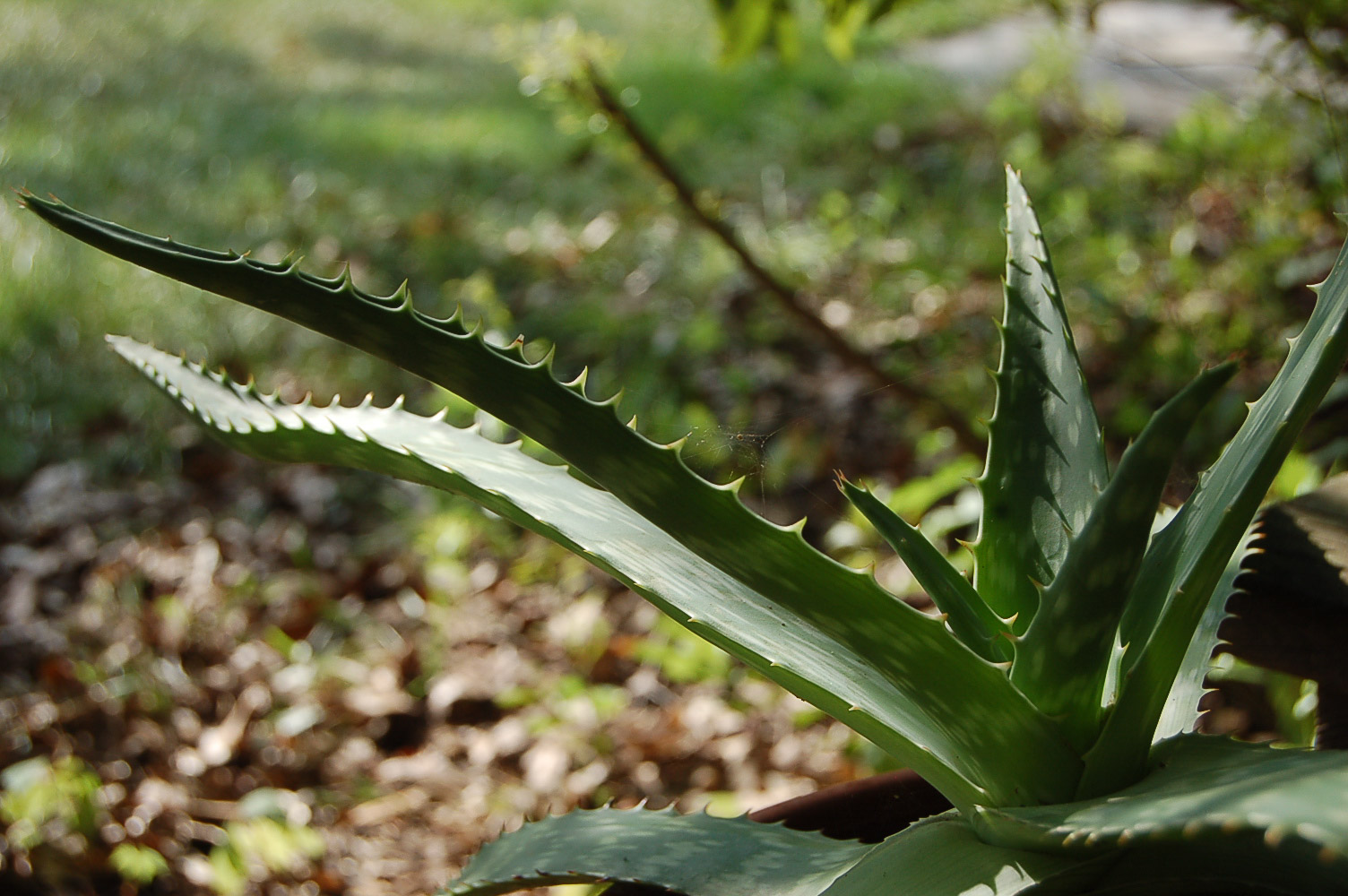
7/3/2012 · By Jacquelyn Boyt 
| Kingdom | Plantae | Plants, but not fungi, lichens, or algae (from Stearn's Botanical Latin) |
| Subkingdom | Tracheobionta | Vascular plants—plants with a “circulatory system” for delivering water and nutrients |
| Division | Magnoliophyta | Flowering plants, also known as angiosperms |
| Class | Liliopsida | Monocots (plants with a single seed leaf); includes the lily family |
| Subclass | Liliidae | Includes lilies, orchids, and many others |
| Order | Asparagales | A diverse group that includes asparagus |
| Family | Xanthorrhoeaceae | Aloes, many tropical plants, flax lilies, daylilies, many others |
| Genus | Aloe | Means “goddess” in ancient Sanskrit, for its reputed use as a beauty aid; some sources suggest that the name comes from Alloeh, meaning “shining bitter substance” |
| Species | saponaria | Sometimes called soapwort, the name derives from the Latin sapo, “soap,” for its soap-producing qualities |
Aloe saponaria description by Thomas H. Kent, not updated.

© FloraFinder.org. All rights reserved.