x
FloraFinder uses cookies only for correct operation. More info. Okay


Antennaria neglecta Greene

Field pussytoes

Field pussytoes are North American natives.

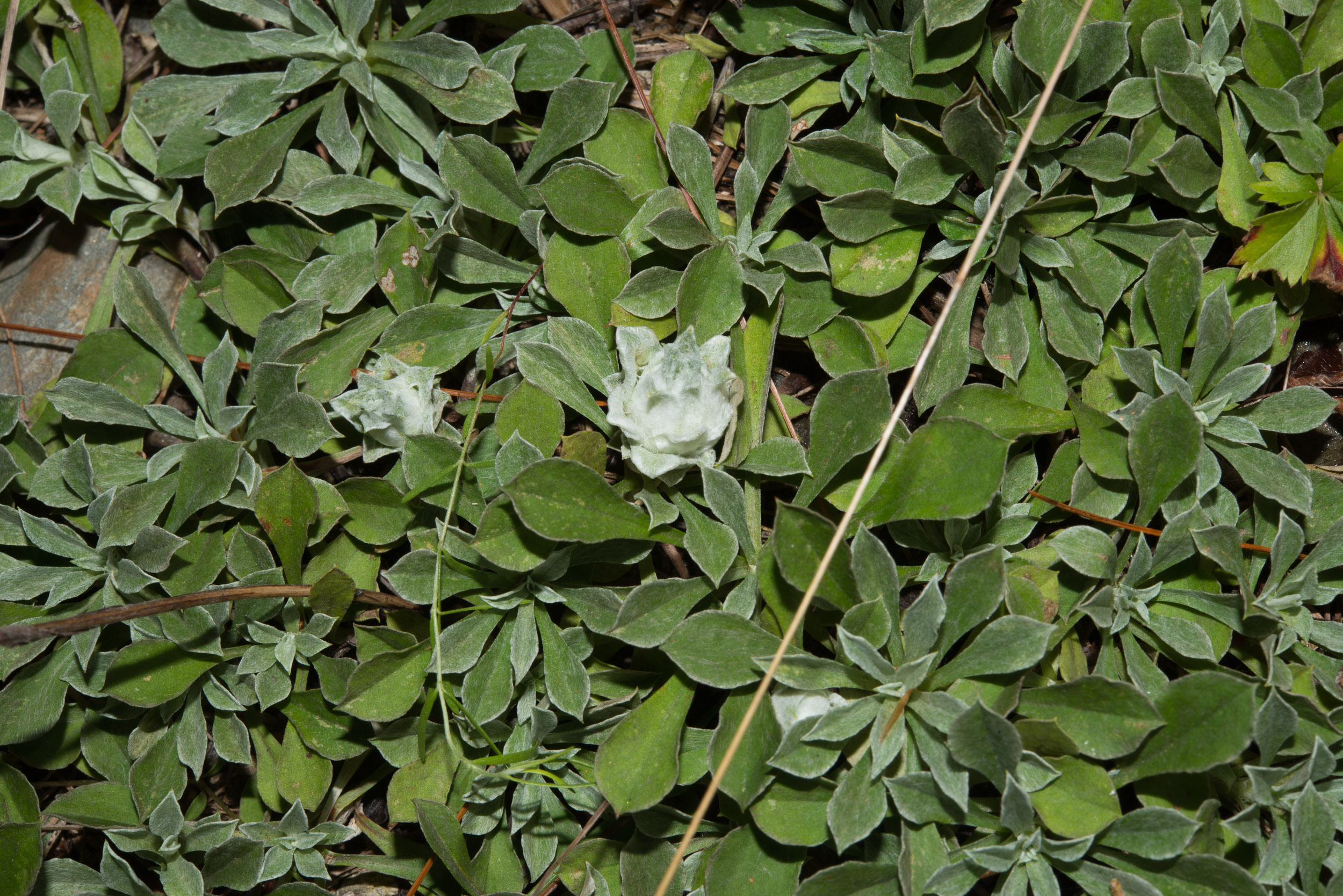
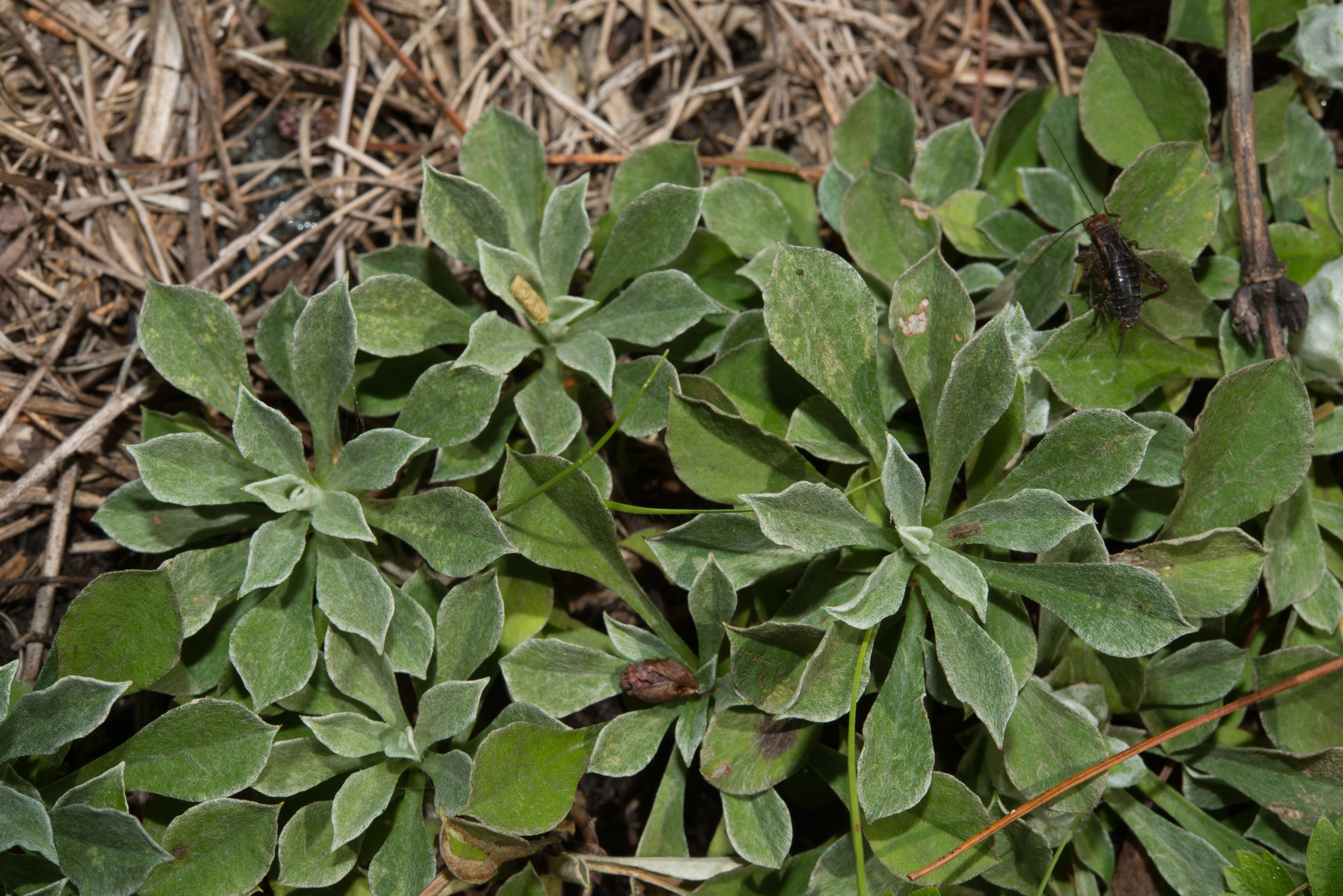
Plants: These mat-forming plants spread by rooting. Stems, leaves, and flowerhead clusters are woolly, covered in long white matted hairs. Flowering stalks are 8–12″ (20–30 cm) high.

Leaves: Basal leaves form a basal rosette with leaves to 2½ ⨉ ½″ (6.3 ⨉ 1.3 cm). These leaves have narrow tapered bases (“spatulate”), pointed tips, and curved edges. Stem leaves are much smaller, up to 1 ⨉ ⅛″ (2.5 cm ⨉ 3.2 mm), alternate, and linear, with smooth edges and hairs. Leaves are 1/32–2½″ (1.5–65 mm) long.

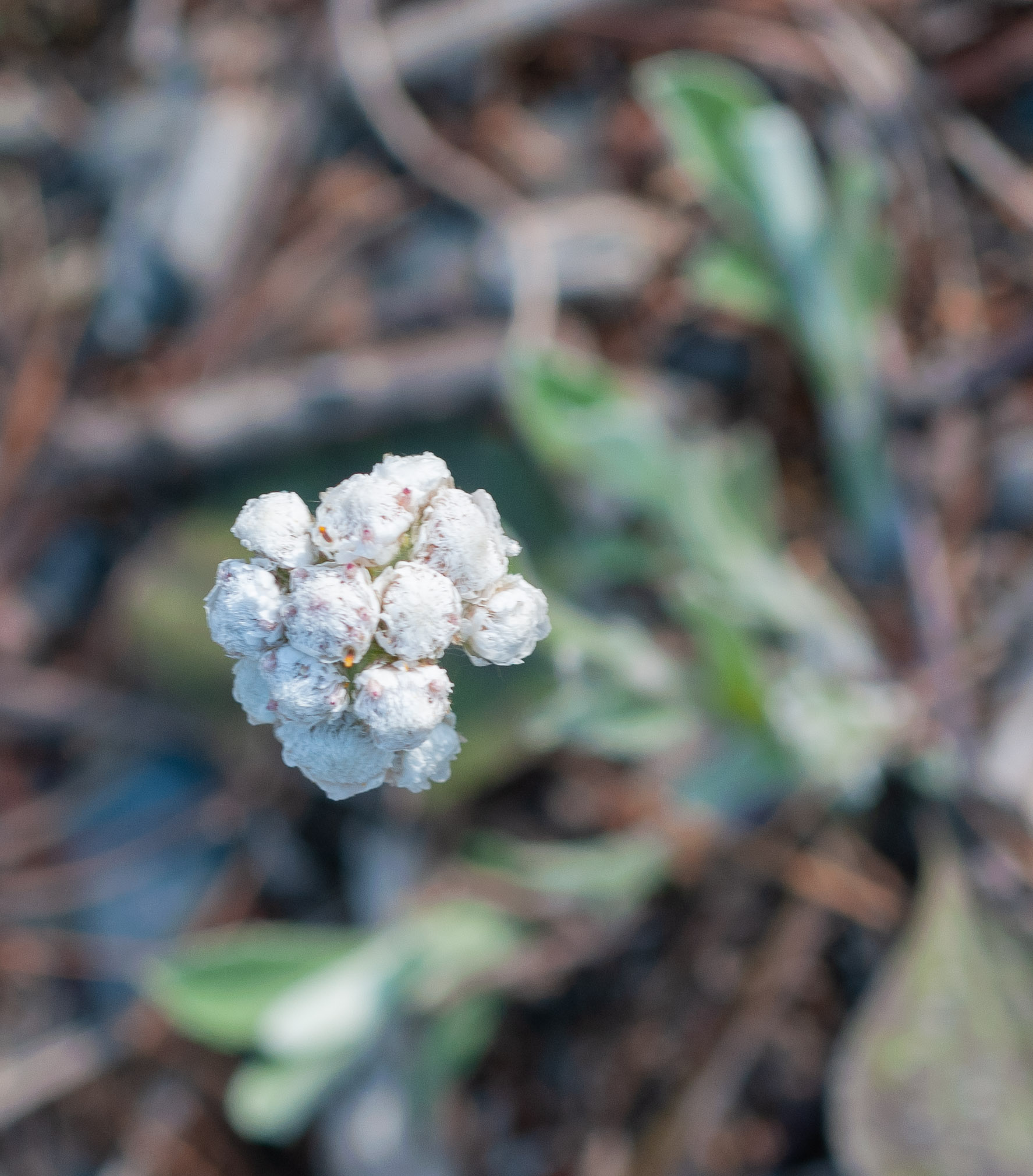
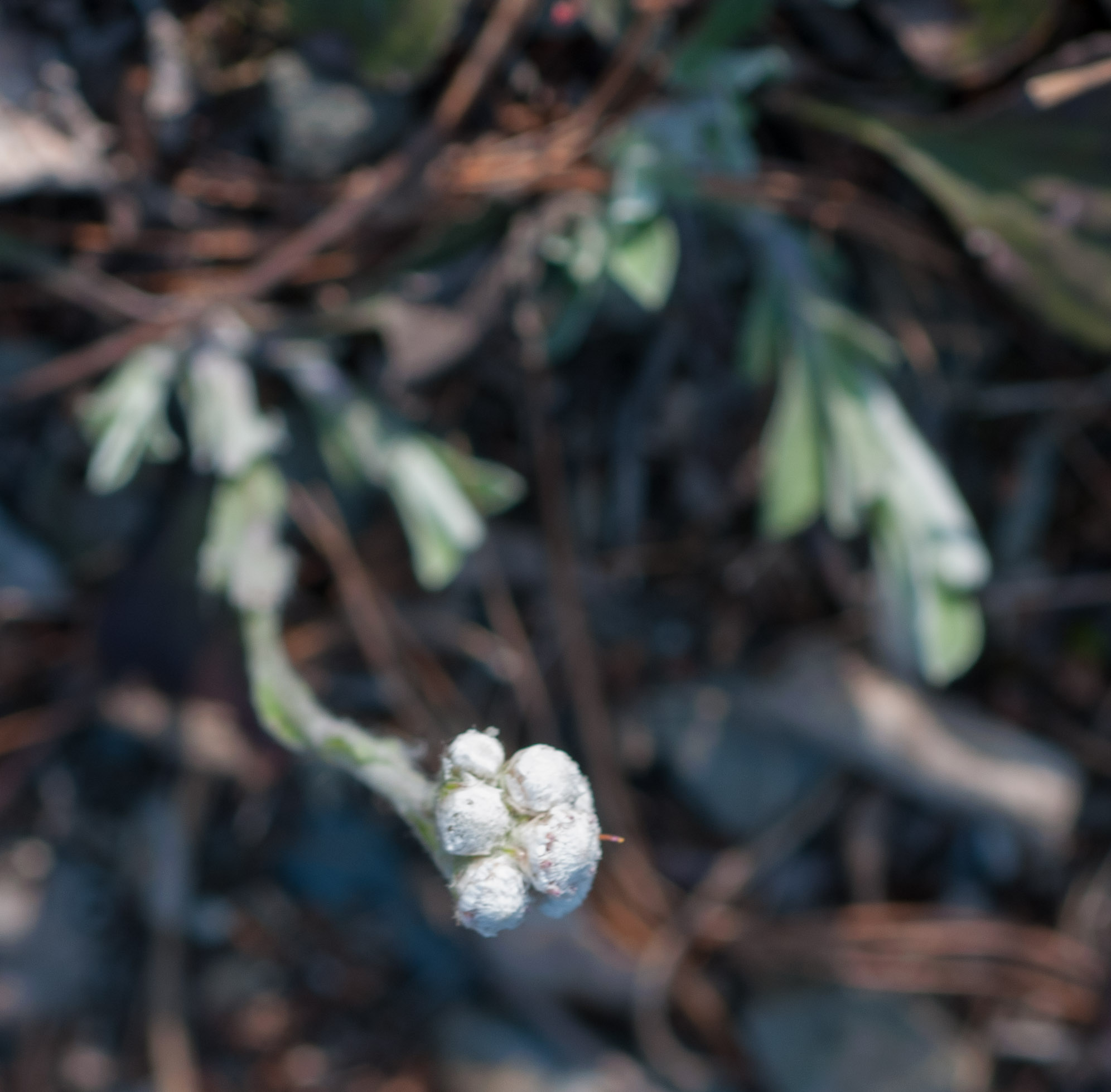
Flowers: Flower are technically composite flowers (containing both disc and ray flowers), but field pussytoes have only disc flowers. The fuzzy clusters of 2-8 flowers remind me a little of a batch of Q-tips. They appear from April to June.

Fruits: Achenes are ~1/32″ (0.9–1.4 mm) with a tuft of hairs (“pappus”). Hairs are up to ¼″ (9 mm) long.

Habitats: Disturbed soils, cliffs, balds, ledges, meadows, ridges, and woodlands.
Online References:

The Missouri Botanical Garden

Go Botany

Antennaria angustiarum Lunell
Antennaria athabascensis Greene
Antennaria campestris Rydb.
Antennaria campestris Rydb. var. athabascensis (Greene) B. Boivin
Antennaria chelonica Lunell
Antennaria erosa Greene
Antennaria howellii Greene var. athabascensis (Greene) B. Boivin
Antennaria howellii Greene var. campestris (Rydb.) B. Boivin
Antennaria longifolia Greene
Antennaria lunellii Greene
Antennaria nebraskensis Greene
Antennaria neglecta Greene var. athabascensis (Greene) Roy L. Taylor & MacBryde
Antennaria neglecta Greene var. campestris (Rydb.) Steyerm.
Antennaria parvula Greene
Antennaria wilsonii Greene


Antennaria neglecta (field pussytoes)

4/20/2012 · Nashua River Rail Trail, East Pepperell, Pepperell, Mass­a­chu­setts · ≈ 4 × 4″ (10 × 10 cm)

Antennaria neglecta (field pussytoes)

8/10/2013 · Stone Arch Bridge Trail, Near Flat Rock Hill, Dunstable, Mass­a­chu­setts · ≈ 8 × 5″ (19 × 13 cm)

Antennaria neglecta (field pussytoes)

4/15/1979 · Memphis, Ten­nes­see · By Tim Chandler

Antennaria neglecta (field pussytoes)

8/10/2013 · Stone Arch Bridge Trail, Near Flat Rock Hill, Dunstable, Mass­a­chu­setts · ≈ 7 × 4½″ (16 × 11 cm)

Antennaria neglecta (field pussytoes)

8/10/2013 · Stone Arch Bridge Trail, Near Flat Rock Hill, Dunstable, Mass­a­chu­setts · ≈ 6 × 4″ (16 × 10 cm)

Antennaria neglecta (field pussytoes)

4/20/2012 · Nashua River Rail Trail, East Pepperell, Pepperell, Mass­a­chu­setts · ≈ 3 × 3½″ (8.1 × 9.3 cm)

Antennaria neglecta (field pussytoes)

8/10/2013 · Stone Arch Bridge Trail, Near Flat Rock Hill, Dunstable, Mass­a­chu­setts · ≈ 5 × 4½″ (13 × 11 cm)

KingdomPlantaePlants, but not fungi, lichens, or algae (from Stearn's Botanical Latin)
SubkingdomTracheobiontaVascular plants—plants with a “circulatory system” for delivering water and nutrients
DivisionMagnoliophytaFlowering plants, also known as angiosperms
ClassMagnoliopsidaDicotyledons—plants with two initial seed leaves
SubclassAsteridaeA large class that encompasses asters
OrderAsteralesFlowering plants with a central disk flower and surrounding petals, like daisies
FamilyAsteraceaeThe aster family, which also includes daisies and sunflowers; from the Greek ἀστήρ, “star,” for the star-shaped flowers
GenusAntennariaFrom Latin antenna, for the similarity of male flowers to the antennae of insects
SpeciesneglectaFrom Latin neglecta, “neglected or overlooked,” probably because of their diminutive size

About plant names...

Range: Zones 3-8:

About this map...

Antennaria neglecta description by Thomas H. Kent, not updated.

© FloraFinder.org. All rights reserved.