Asclepias tuberosa L.
Butterfly milkweed, butterflyweed, orange milkweed, pleurisy root
Butterfly milkweed is so named because it attracts butterflies—queen (Danaus plexippus) and monarch butterflies (Danaus gilippus). They lay eggs on the leaves, as a food source for the larvae when they hatch. In my opinion, though, butterfly milkweed should have been named for its color. Orange is a relatively rare flower color, and this orange is striking, practically fluorescent in its intensity. Between the flowers and the butterflies they attract, these plants are popular with gardeners.
Plants: 12–39″ (30–100 cm) tall, with hairy stems and spirally arranged leaves. Most milkweed stems and flowers produce a milky latex when cut, but the sap of this species is clear.
Leaves: Lance-shaped (lanceolate), 1¾–4½ ⨉ ¾–1″ (5–12 ⨉ 2–3 cm).
Flowers: Brilliant orange or yellow-orange, shaped very much like those of other milkweeds, in dense clusters 2–5″ (5–12 cm) in size atop the stem. Each flower is about ⅜″ (9.5 mm) in size, with with a five-pointed star and five petals that are bent back (reflexed). Flowers appear from May to September.
Fruits: Seed pods are spindle-shaped, covered with fine hairs, and 4–5″ (10–12 cm) long. They open to reveal many seeds, each equipped with its own silken parachute.
Habitats: Dry, gravelly soil; dry fields; rocky, open slopes; stream margins.
Edibility: Poisonous  Roots and all parts of this plant
contain resinoids, alkaloids and cardiac glycosides that, in quantity, cause vomiting, stupor, weakness, and spasms.
(The name pleurisy root derives from its historical use by some North American Indians in treating pain and
inflammation of pleurisy. It was also sometimes used as an expectorant, or for the treatment of other lung ailments.)
Roots and all parts of this plant
contain resinoids, alkaloids and cardiac glycosides that, in quantity, cause vomiting, stupor, weakness, and spasms.
(The name pleurisy root derives from its historical use by some North American Indians in treating pain and
inflammation of pleurisy. It was also sometimes used as an expectorant, or for the treatment of other lung ailments.)
Online References:
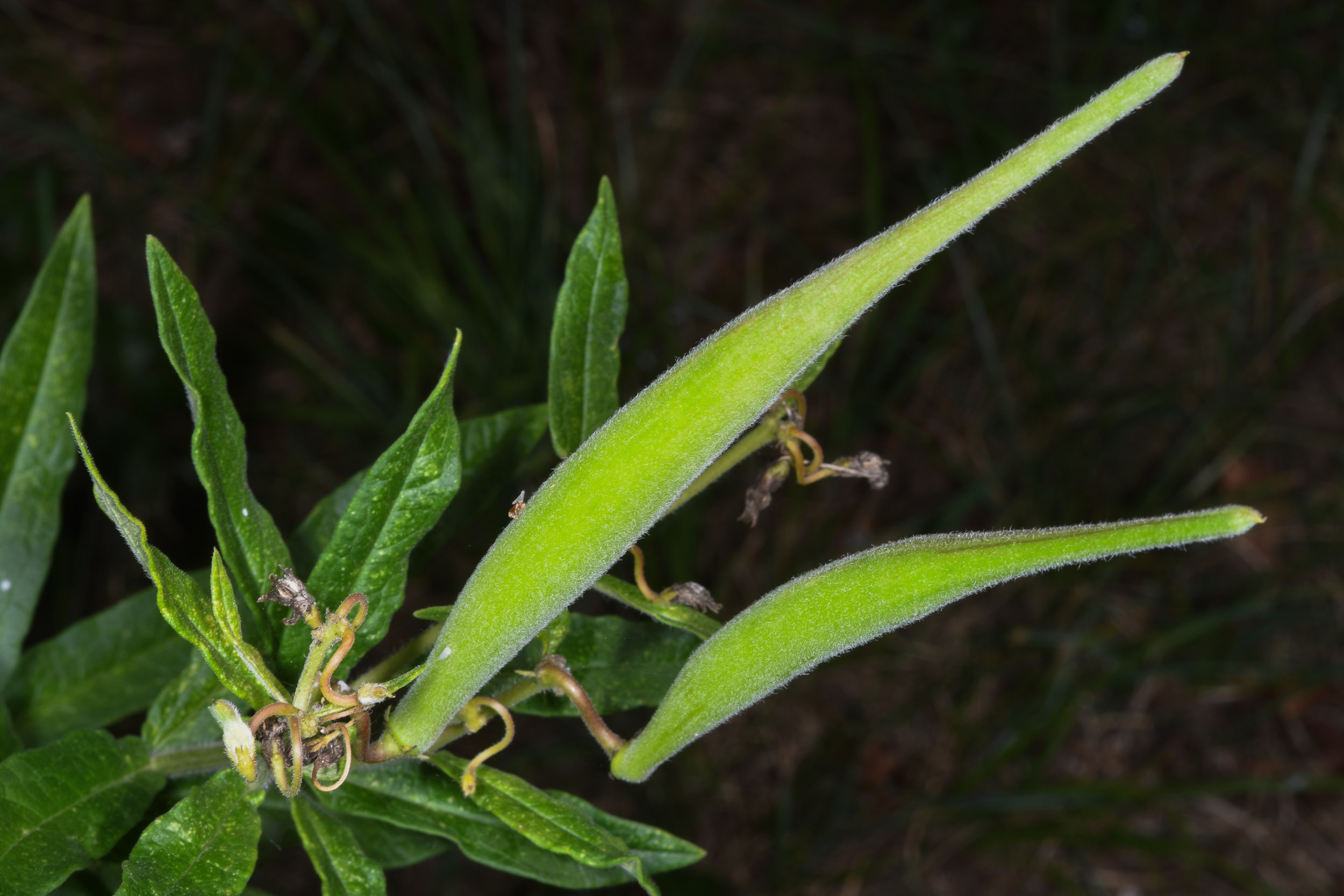
8/21/2016 · Tom and Susan’s, Pepperell, Massachusetts 
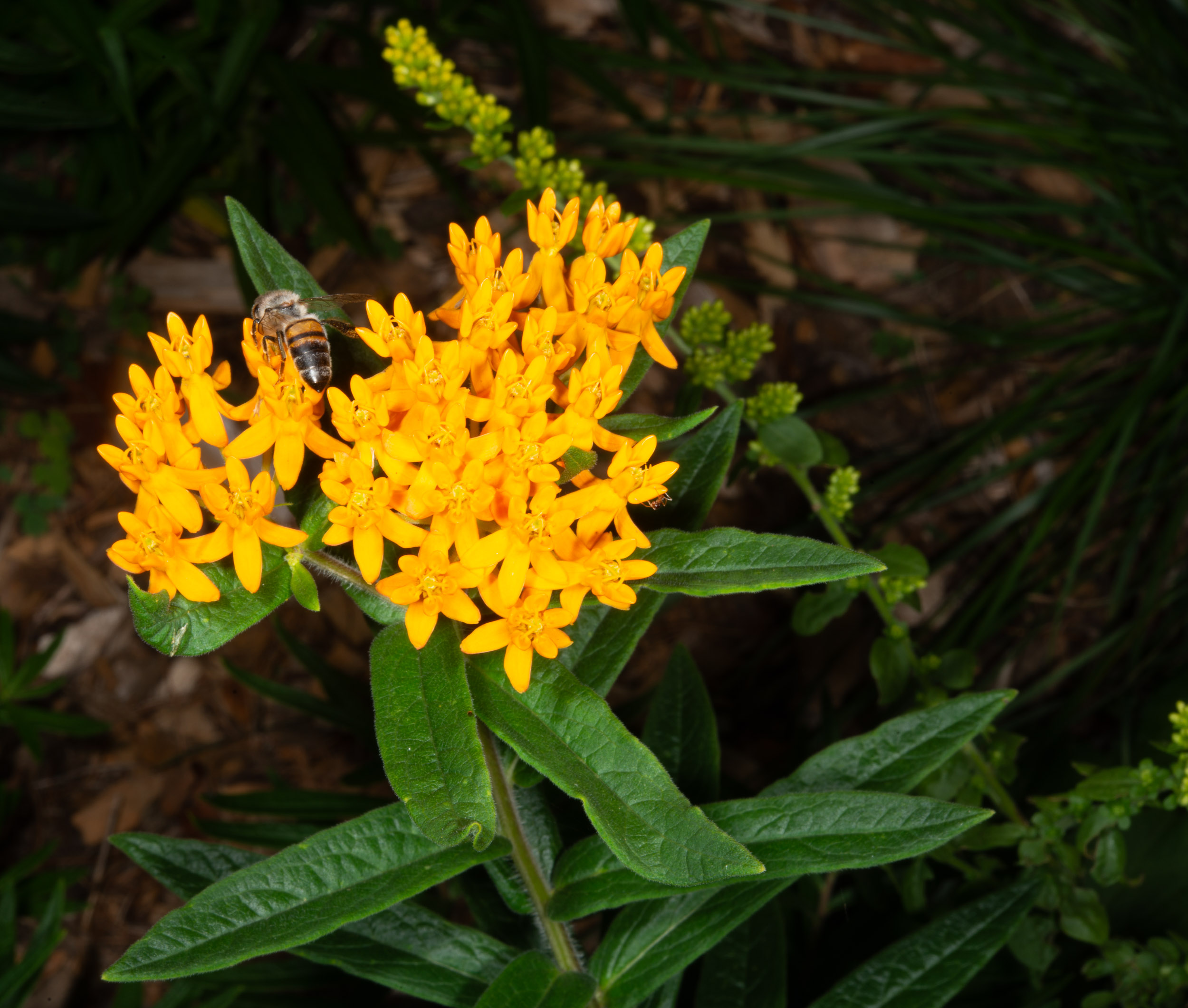
A cultivar, possibly ‘Hello, Yellow’ · 9/10/2014 · Acton Arboretum, Acton, Massachusetts · ≈ 6 × 6″ (16 × 14 cm) 
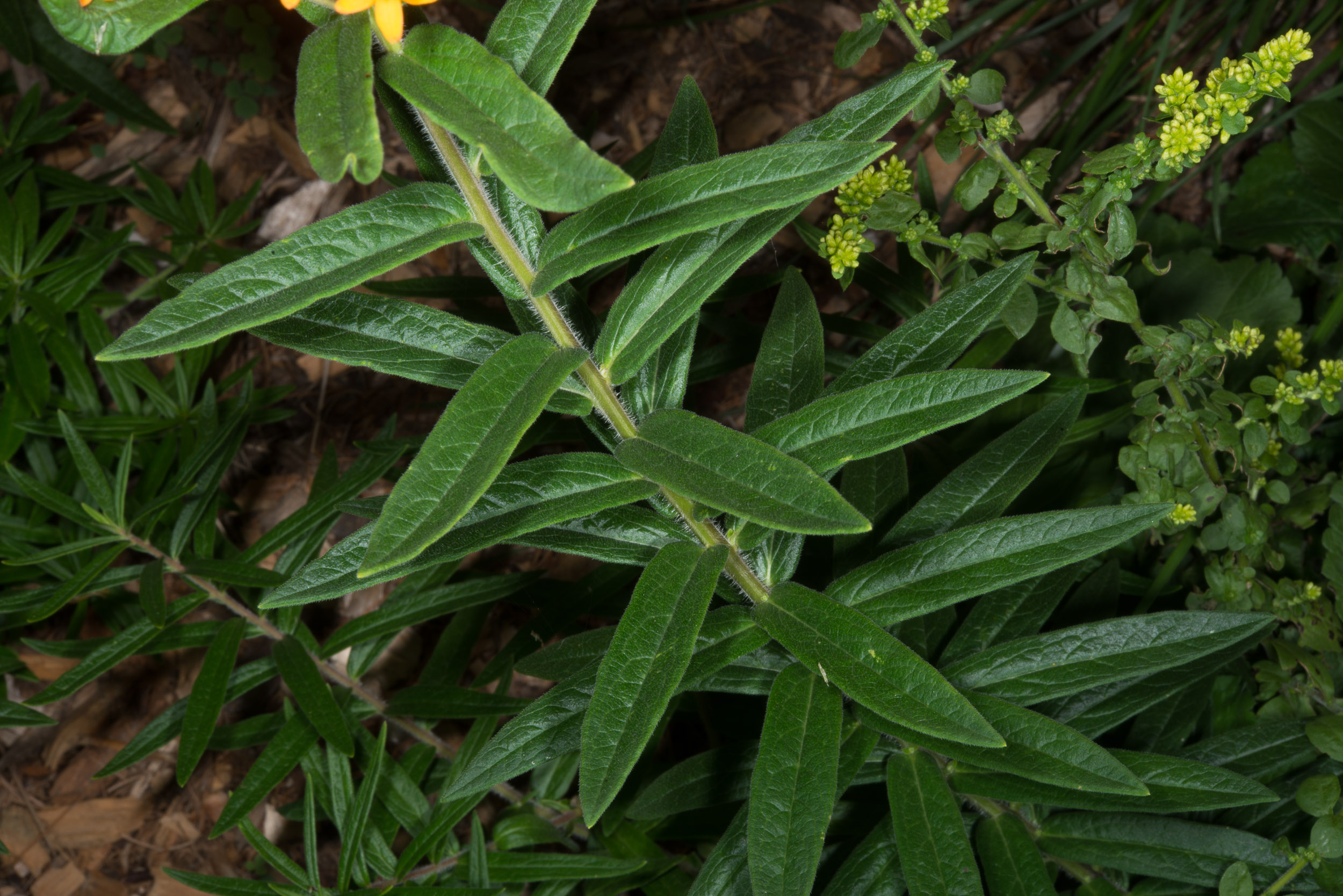
A cultivar, possibly ‘Hello, Yellow’ · 9/10/2014 · Acton Arboretum, Acton, Massachusetts · ≈ 10 × 7″ (25 × 16 cm) 

7/10/2015 · Tom and Susan’s, Pepperell, Massachusetts · ≈ 9 × 7″ (23 × 16 cm) 

7/10/2015 · Tom and Susan’s, Pepperell, Massachusetts · ≈ 8 × 5″ (19 × 13 cm) 

8/18/2012 · Nashua River Rail Trail, Groton Center, Groton, Massachusetts · ≈ 5 × 3½″ (13 × 9.2 cm) 

7/10/2015 · Tom and Susan’s, Pepperell, Massachusetts · ≈ 7 × 4½″ (18 × 12 cm) 

8/18/2012 · Nashua River Rail Trail, Groton Center, Groton, Massachusetts · ≈ 6 × 4″ (15 × 10 cm) 

8/18/2012 · Nashua River Rail Trail, Groton Center, Groton, Massachusetts · ≈ 7 × 4½″ (17 × 11 cm) 

A cultivar, possibly ‘Hello, Yellow’. · 6/27/2026 · Coastal Maine Botanical Gardens, Boothbay, Maine · ≈ 11 × 8″ (28 × 19 cm) 

A cultivar, possibly ‘Hello, Yellow’. · 6/27/2026 · Coastal Maine Botanical Gardens, Boothbay, Maine · ≈ 10 × 7″ (25 × 17 cm) 

8/18/2012 · Nashua River Rail Trail, Groton Center, Groton, Massachusetts · ≈ 4½ × 3″ (11 × 7.9 cm) 
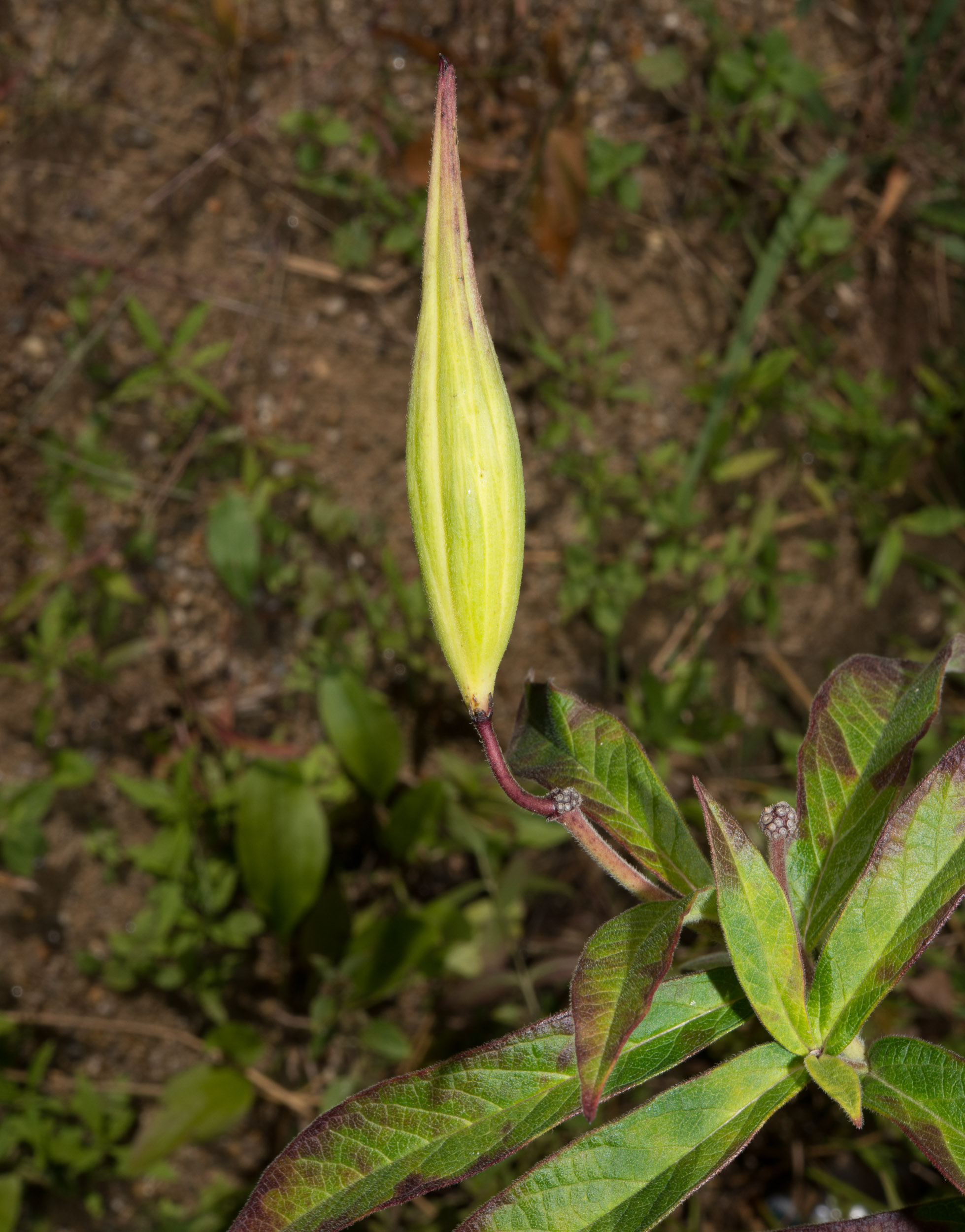
9/22/2013 · Squannacook River Wildlife Management Area, off route 119, Townsend, Massachusetts · ≈ 8 × 6″ (20 × 16 cm) 

6/24/2026 · Heather and Katie's, Randolph, Massachusetts · By Heather A. Kent 

7/17/2017 · Tom and Susan’s, Pepperell, Massachusetts · ≈ 6 × 4″ (14 × 10 cm) 
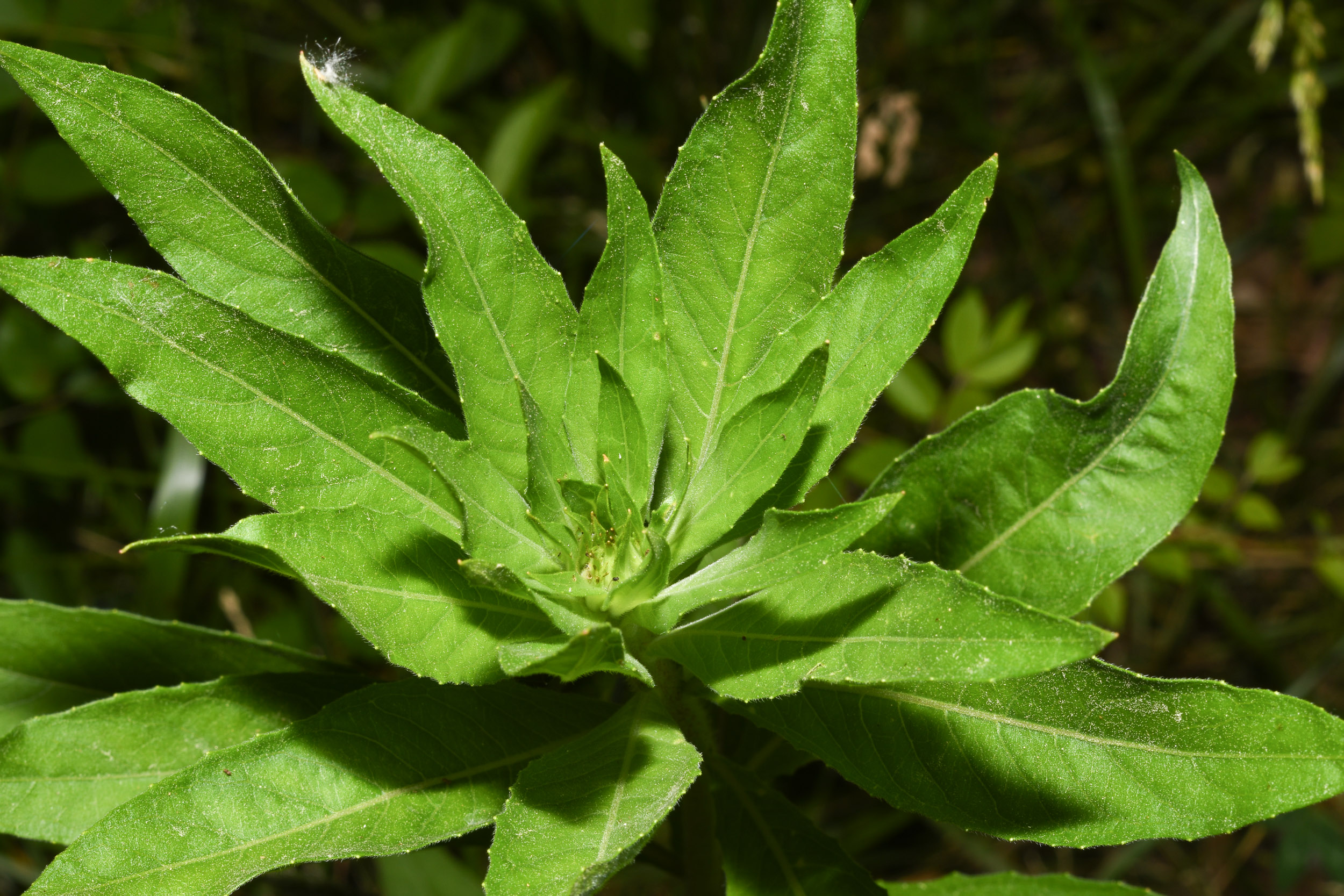
6/22/2016 · Nashua River Rail Trail, Groton, Groton, Massachusetts 
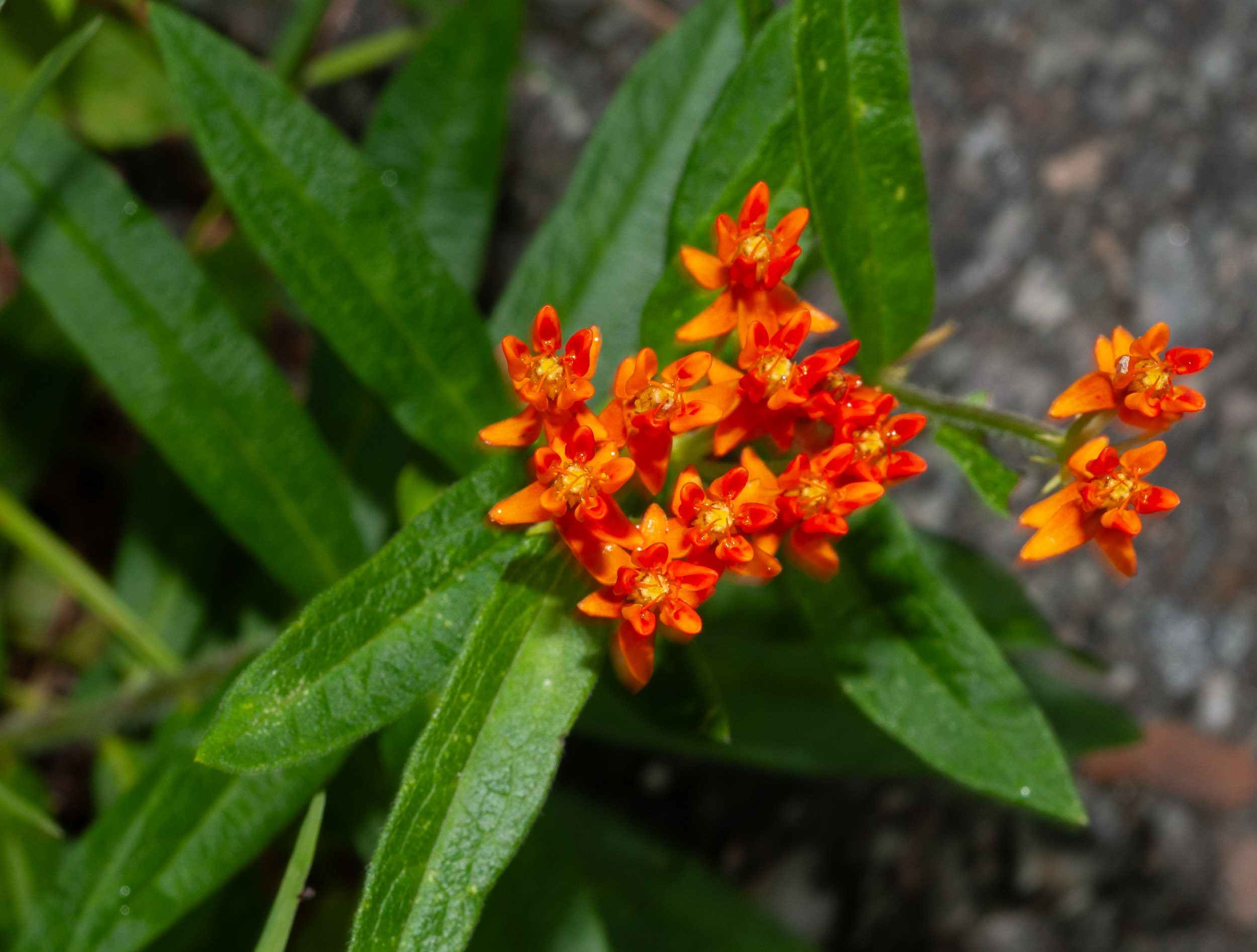
8/18/2012 · Nashua River Rail Trail, Groton Center, Groton, Massachusetts · ≈ 4½ × 3½″ (12 × 9.2 cm) 
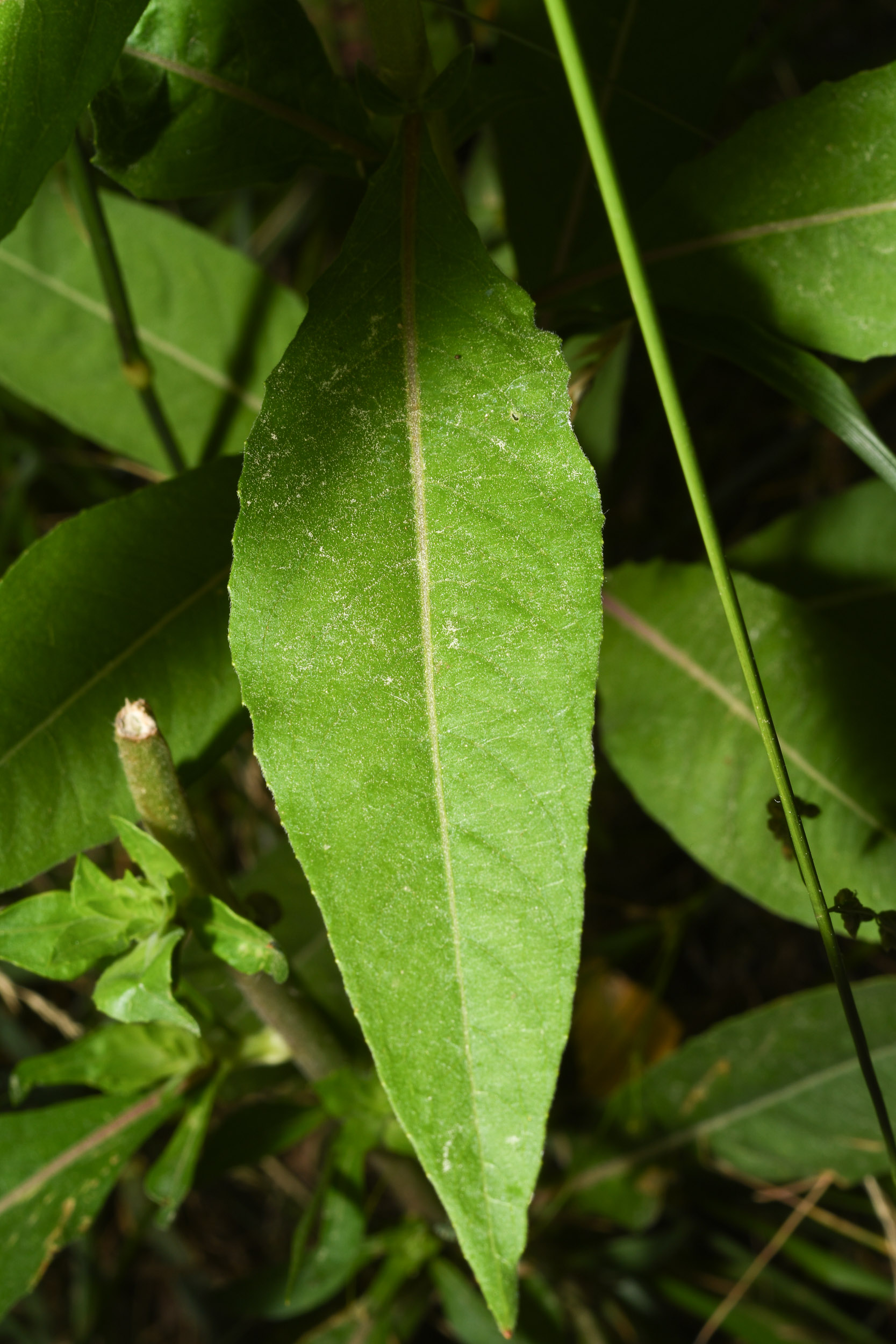
6/22/2016 · Nashua River Rail Trail, Groton, Groton, Massachusetts 

7/17/2017 · Tom and Susan’s, Pepperell, Massachusetts · ≈ 7 × 4½″ (18 × 12 cm) 

8/18/2012 · Nashua River Rail Trail, Groton Center, Groton, Massachusetts · ≈ 6 × 4″ (15 × 10 cm) 

8/1/2019 · Tom and Susan’s, Pepperell, Massachusetts 

7/10/2015 · Tom and Susan’s, Pepperell, Massachusetts · ≈ 9 × 6″ (22 × 15 cm) 
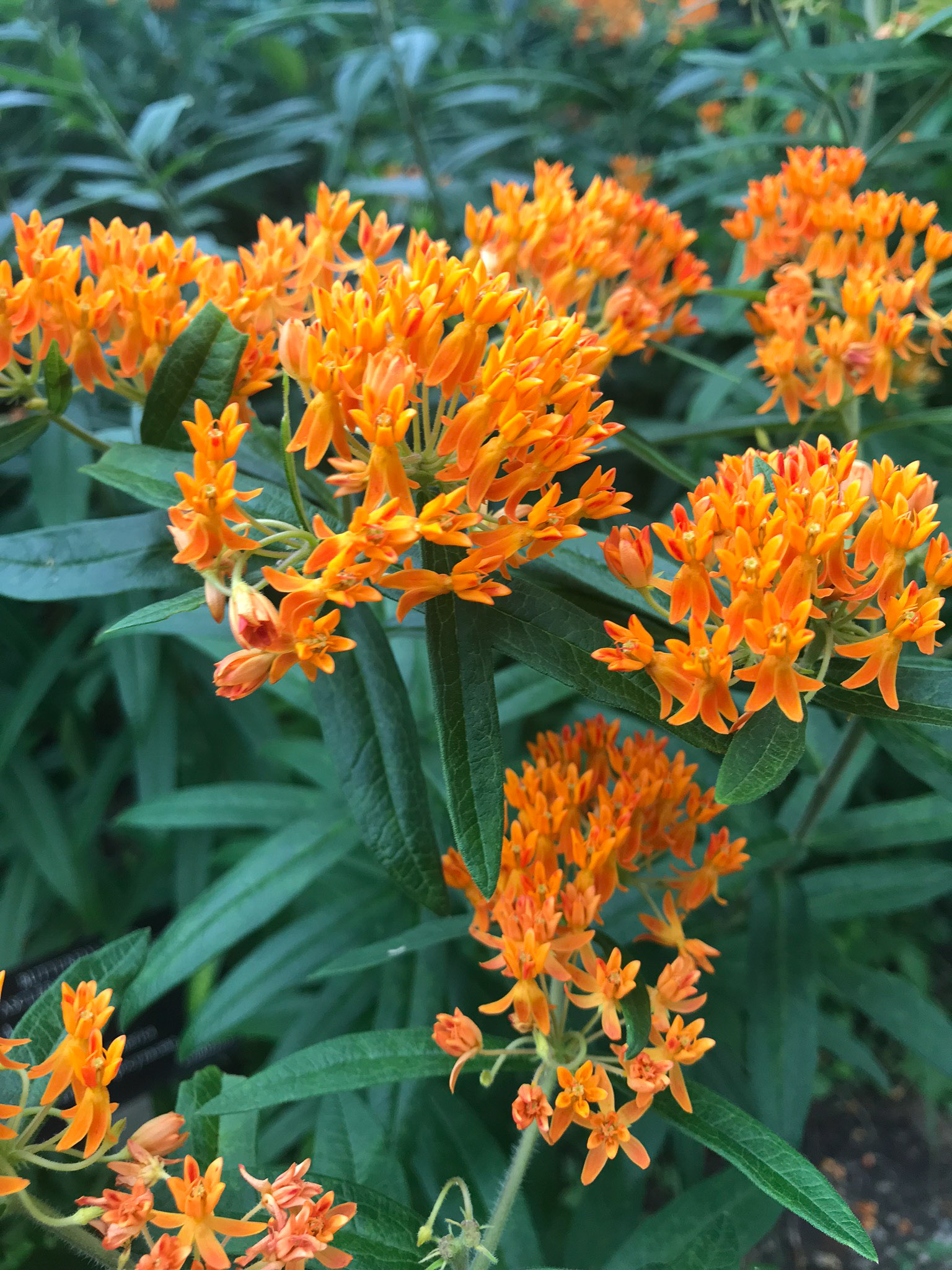
7/30/2019 · Aruba · By Heather A. Kent 

8/18/2012 · Nashua River Rail Trail, Groton Center, Groton, Massachusetts · ≈ 5 × 6″ (13 × 14 cm) 

8/21/2016 · Tom and Susan’s, Pepperell, Massachusetts 
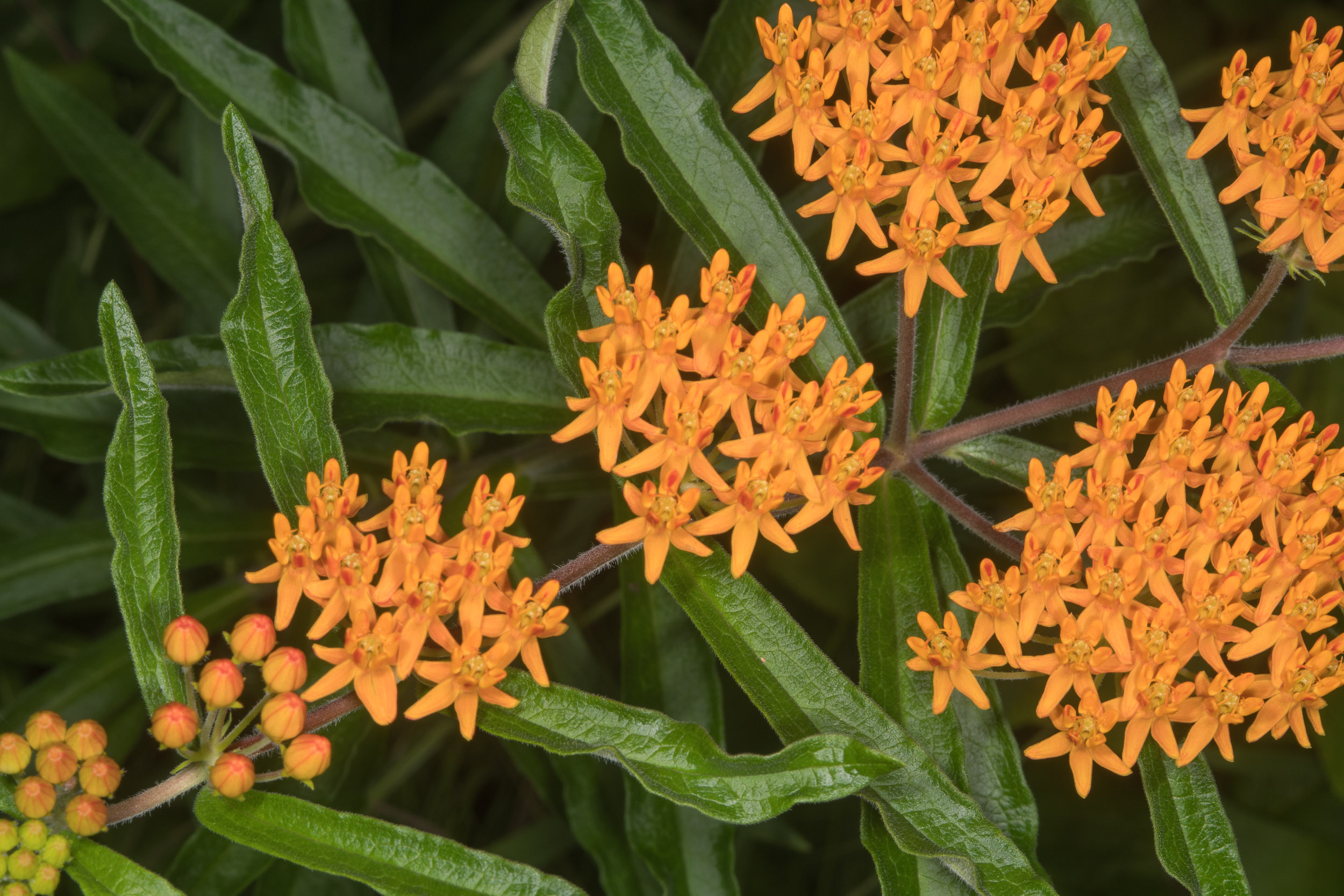
7/17/2017 · Tom and Susan’s, Pepperell, Massachusetts · ≈ 8 × 5″ (20 × 13 cm) 
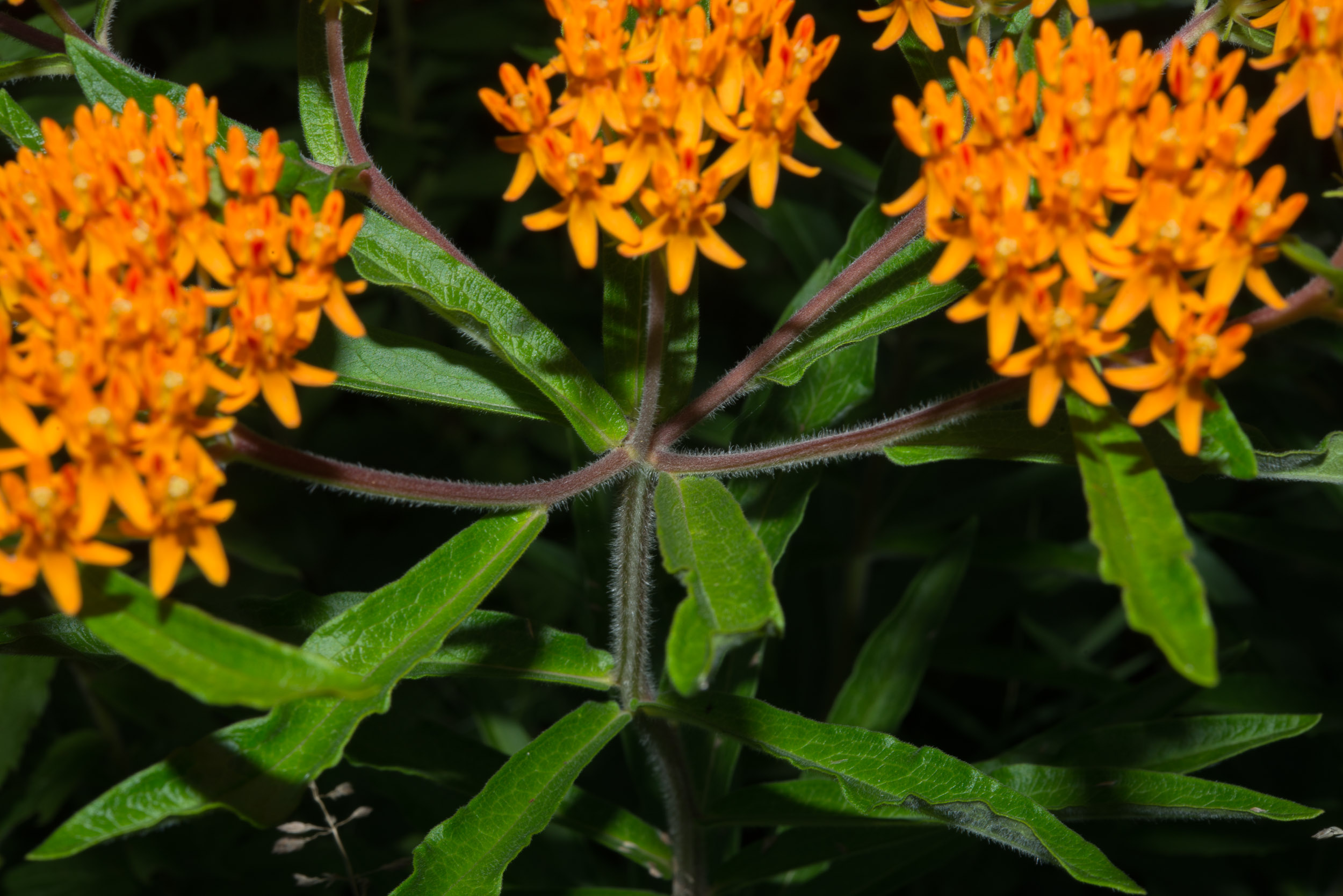
7/10/2015 · Tom and Susan’s, Pepperell, Massachusetts · ≈ 9 × 6″ (22 × 15 cm) 
| Kingdom | Plantae | Plants, but not fungi, lichens, or algae (from Stearn's Botanical Latin) |
| Subkingdom | Tracheobionta | Vascular plants—plants with a “circulatory system” for delivering water and nutrients |
| Division | Magnoliophyta | Flowering plants, also known as angiosperms |
| Class | Magnoliopsida | Dicotyledons—plants with two initial seed leaves |
| Subclass | Asteridae | A large class that encompasses asters |
| Order | Gentianales | Gentians, coffee, gardenias, frangipani, many others |
| Family | Asclepiadaceae | Includes some herbs, twining shrubs, lianas, leafless stem succulents, rarely trees |
| Genus | Asclepias | For Asklepios, the Greek god of healing |
| Species | tuberosa | “Tuberous,” referring to the presence of lumps or tubers on the roots |

Asclepias tuberosa description by Thomas H. Kent, not updated.

© FloraFinder.org. All rights reserved.