Atriplex canescens (Pursh) Nutt.
Fourwing saltbush, four-winged saltbush, chamiso, chamiza, four-wing saltbush
Four-wing saltbush is sometimes described, with tongue in cheek, as an “evergray” bush, owing to its drab appearance. It is a North American native plant.
Plants: These bushes are usually 2–4′ (60–121 cm) high, rarely reaching 10′ (3 m). They are salt and drought tolerant.
Leaves: Thin and grayish, almost like needles, but sometimes more oval in shape. They are ½–2″ (1.3–5 cm) long.
Flowers: Male flowers are yellow, while female flowers are small and white. Flowers appear from April to October.
Fruits: The seeds have an unusual shape, which explains the name “four-wing.”
Habitats: Arid disturbed sites and active sand dunes.

Four-winged seeds from the USDA Agricultural Research Service. 
Edibility: Technically, all parts of this plant are edible, but not tasty. Saltbush accumulates salt in its tissues, using the salt to extract moisture from its surroundings.
Online References:

5/22/2009 · Wupatki National Monument, Arizona · ≈ 2 × 2½′ (67 × 75 cm) 

5/2/2018 · Cottonwood Spring, Joshua Tree National Park, California · ≈ 6 × 4″ (15 × 10 cm) 

8/26/2014 · Northwest New Mexico Visitor Center, Grants, New Mexico · ≈ 10 × 7″ (25 × 16 cm) 

4/30/2018 · Kelbaker Road, Mojave National Preserve, California · ≈ 6 × 4½″ (14 × 12 cm) 

4/30/2018 · Kelbaker Road, Mojave National Preserve, California · ≈ 7 × 4½″ (18 × 12 cm) 

8/26/2014 · Northwest New Mexico Visitor Center, Grants, New Mexico · ≈ 6 × 9″ (16 × 23 cm) 
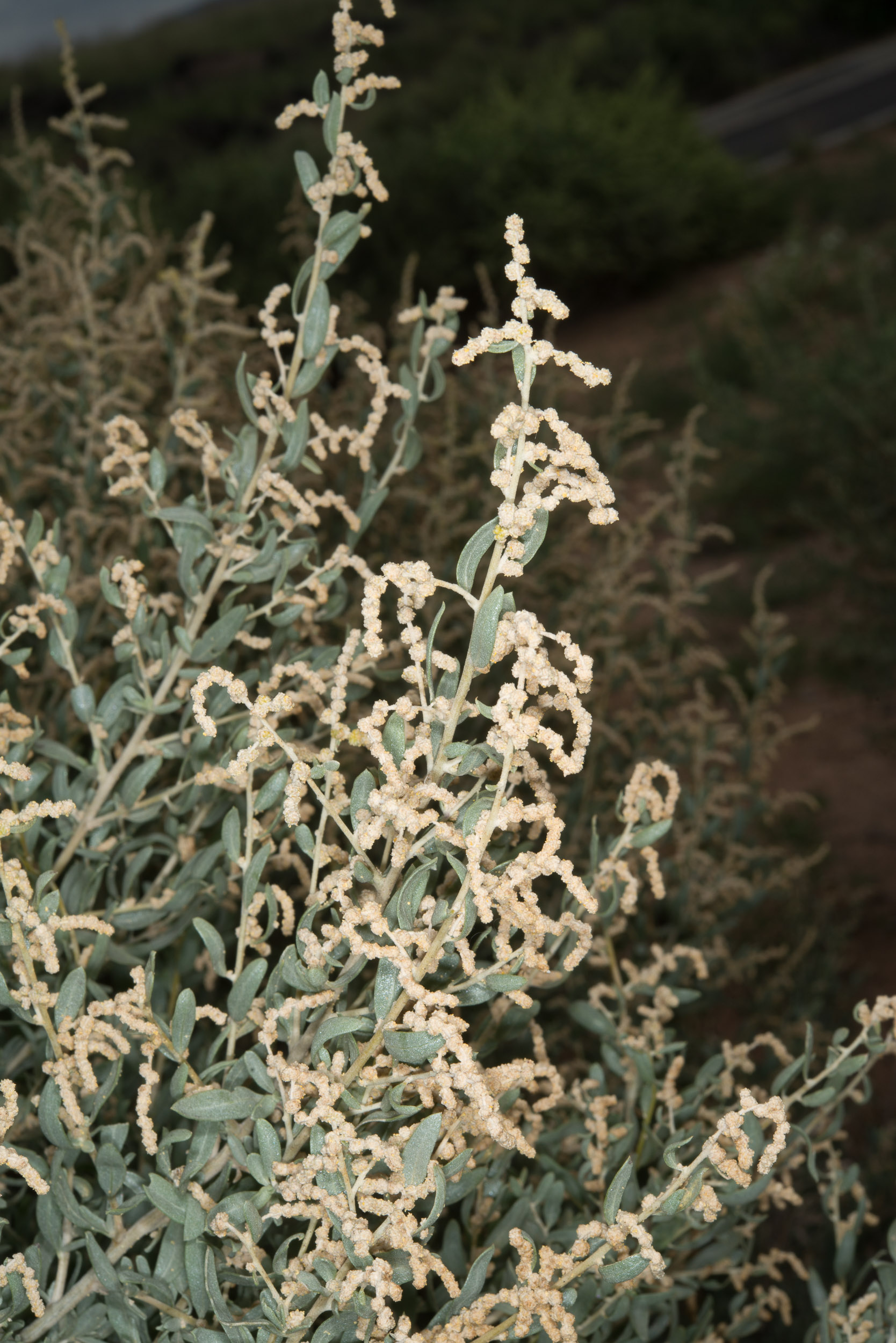
8/26/2014 · Northwest New Mexico Visitor Center, Grants, New Mexico · ≈ 7 × 10″ (16 × 25 cm) 

8/26/2014 · Northwest New Mexico Visitor Center, Grants, New Mexico · ≈ 12 × 8″ (31 × 21 cm) 

4/29/2018 · Red Spring Calico Basin, Red Rock Canyon, Nevada · ≈ 6 × 4″ (16 × 11 cm) 

4/29/2018 · Red Spring Calico Basin, Red Rock Canyon, Nevada · ≈ 5 × 8″ (13 × 20 cm) 

5/2/2018 · Cottonwood Spring, Joshua Tree National Park, California · ≈ 1½ × 1′ (52 × 34 cm) 
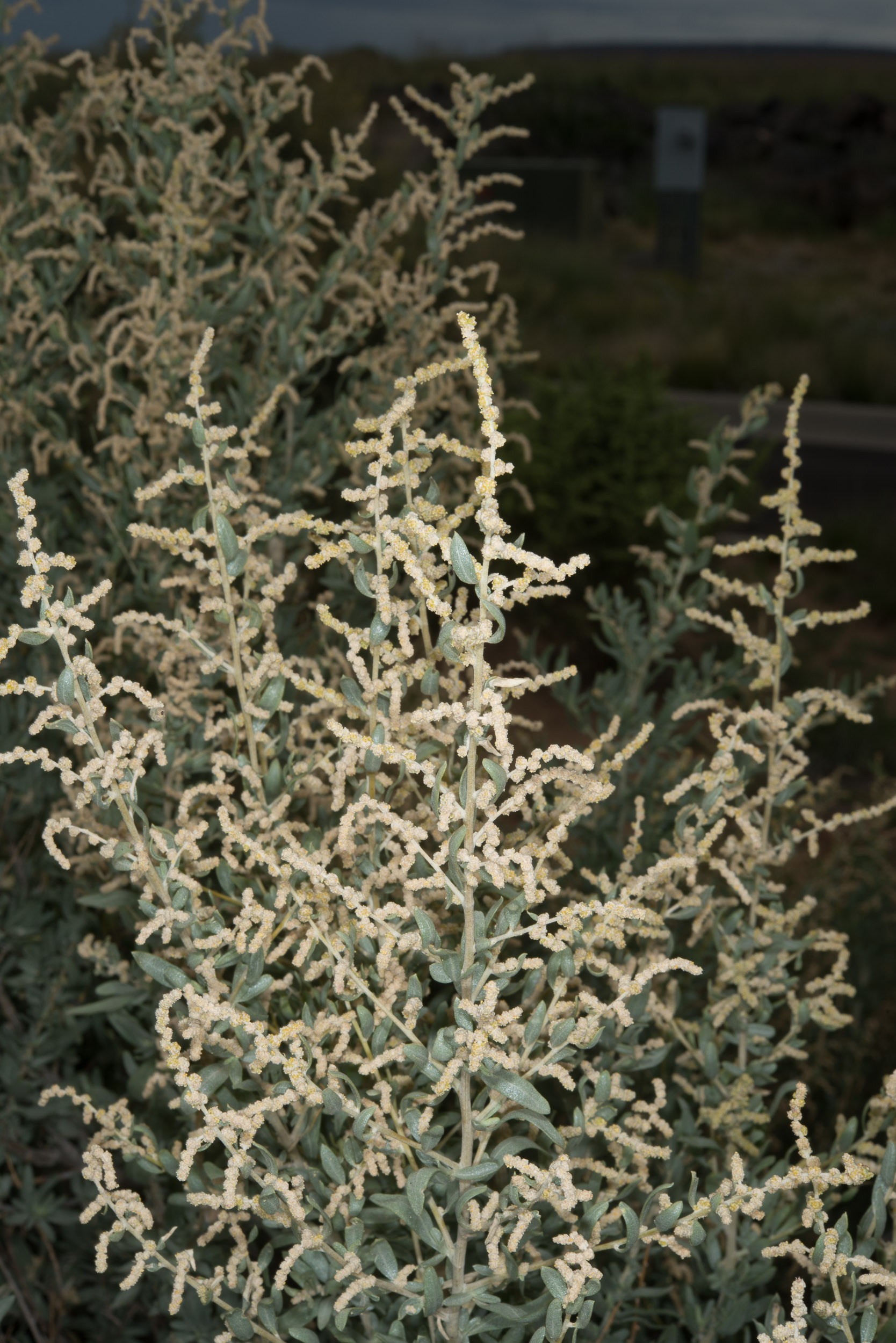
8/26/2014 · Northwest New Mexico Visitor Center, Grants, New Mexico · ≈ 8 × 12″ (21 × 31 cm) 
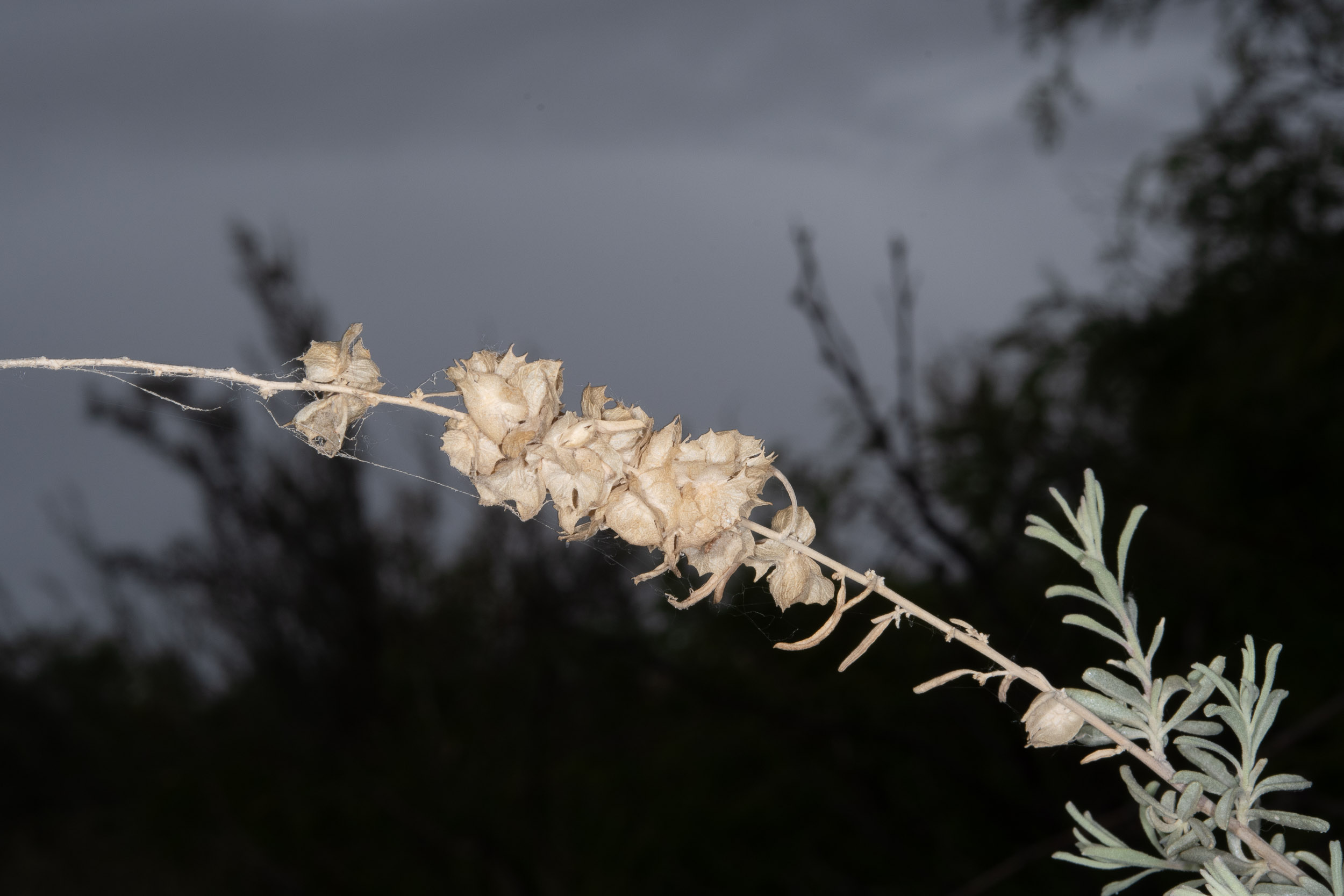
5/2/2018 · Cottonwood Spring, Joshua Tree National Park, California · ≈ 7 × 4½″ (18 × 12 cm) 
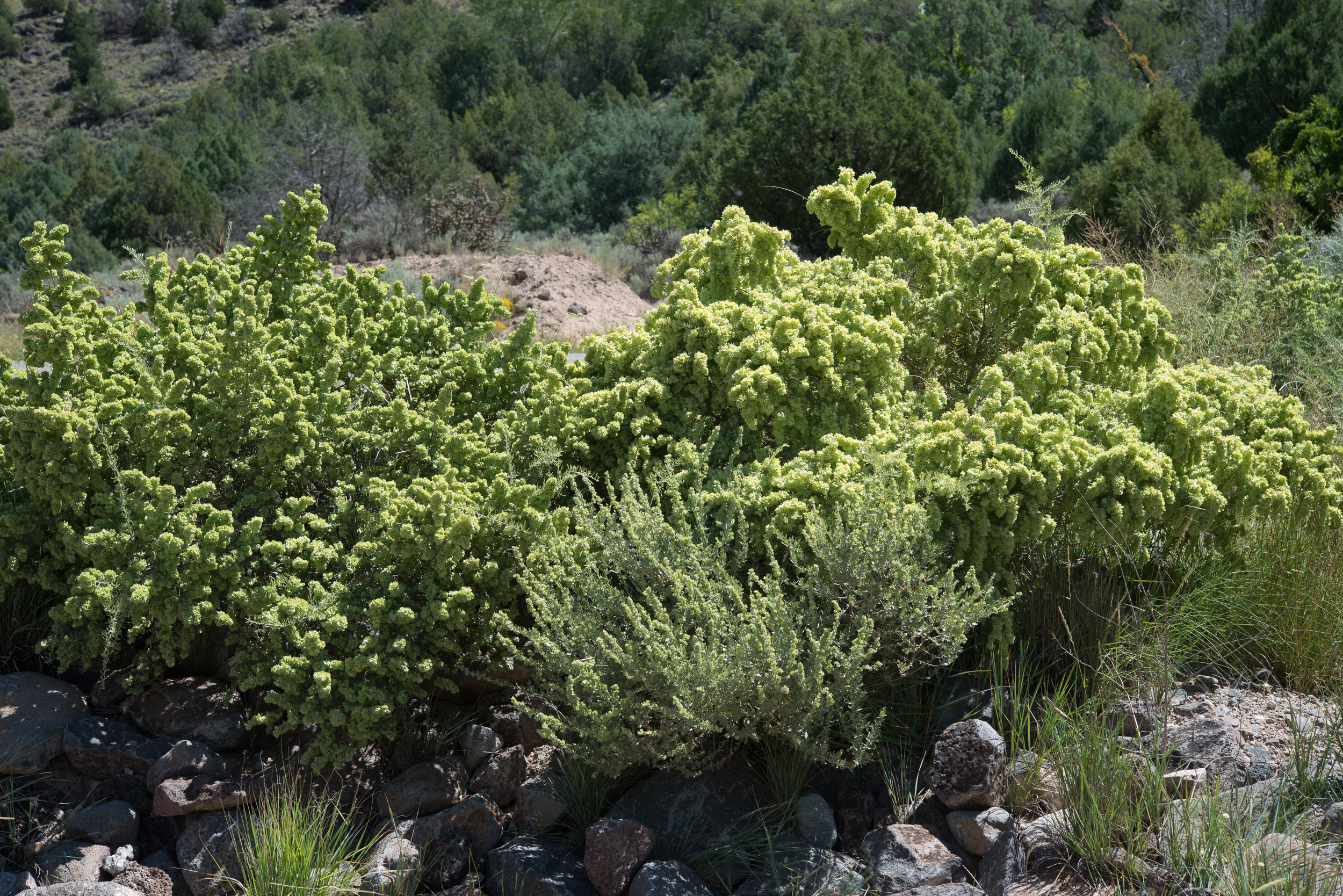
8/29/2014 · Next to river boat ramp, New Mexico 
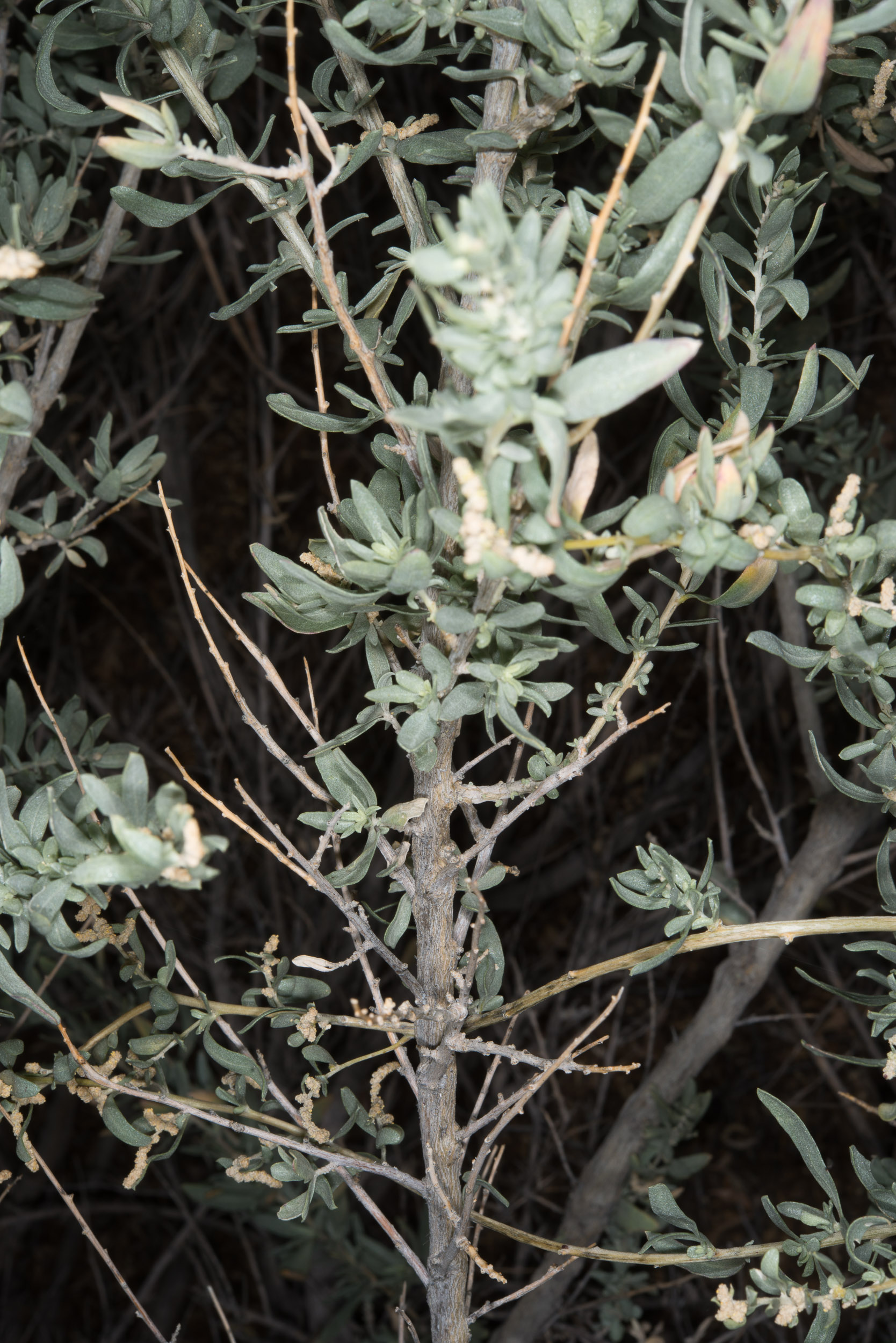
8/26/2014 · Northwest New Mexico Visitor Center, Grants, New Mexico · ≈ 12 × 8″ (31 × 21 cm) 

4/29/2018 · Red Spring Calico Basin, Red Rock Canyon, Nevada · ≈ 7 × 4½″ (18 × 12 cm) 

4/30/2018 · Kelbaker Road, Mojave National Preserve, California · ≈ 8 × 5″ (20 × 13 cm) 

8/26/2014 · Northwest New Mexico Visitor Center, Grants, New Mexico · ≈ 9 × 6″ (23 × 16 cm) 

4/30/2018 · Kelbaker Road, Mojave National Preserve, California · ≈ 6 × 4″ (16 × 11 cm) 
| Kingdom | Plantae | Plants, but not fungi, lichens, or algae (from Stearn's Botanical Latin) |
| Subkingdom | Tracheobionta | Vascular plants—plants with a “circulatory system” for delivering water and nutrients |
| Division | Magnoliophyta | Flowering plants, also known as angiosperms |
| Class | Magnoliopsida | Dicotyledons—plants with two initial seed leaves |
| Subclass | Caryophyllidae | Cacti, many other succulents, carnivorous plants, and leadworts |
| Order | Caryophyllales | Includes cacti, carnations, amaranths, ice plants, and many carnivorous plants |
| Family | Amaranthaceae | Amaranth family |
| Genus | Atriplex | An ancient Latin name for this plant |
| Species | canescens | Covered with short gray or white hairs |

Atriplex canescens description by Thomas H. Kent, not updated.

© FloraFinder.org. All rights reserved.