Ceanothus americanus L. var. pitcheri Torr. & A. Gray
Ceanothus intermedius Pursh
Ceanothus americanus L.
New Jersey tea, red root, wild snowball, mountain sweet
New Jersey tea is so named because the dried leaves of this North American native were often used as tea during the Revolutionary War. Several dyes have been extracted from this plant: green (from the white (!) flowers); brown from the whole plant; and red from its red roots. Native Americans washed using the flowers, which contain saponins—natural soap. This shrub is nitrogen-fixing, meaning that it converts atmospheric nitrogen directly into usable nutrition (with the help of bacteria).
Plants: New Jersey tea is a deciduous shrub less than 1½–3½′ (45–106 cm) tall. The roots are thick, woody, and red in color.
Leaves: Alternate, 2–4″ (5–10 cm) long, and have very fine hairs that make them appear a bit grayish in color.
Flowers: Small white flowers appear in clusters up to 2″ (5 cm) around, on long thin leafless branch tips.
Fruits: Fruits begin as brown-black irregularly shaped globes about ⅛–¼″ (3.2–6.3 mm) around. As they age, three white nutlets become visible. When these first caught my eye from a distance, the alternating brown and white sections appeared golden in color.
Habitats: Dry plains, prairies, or similar open areas, on soils that are sandy or rocky.
Edibility: A tea said by some sources to be “refreshing and stimulating” was made from the leaves during the Revolutionary War.
Online References:

8/20/2012 · Nashua River Rail Trail, Groton Center, Groton, Massachusetts · ≈ 6 × 4″ (15 × 10 cm) 

9/10/2011 · Nashua River Rail Trail, Near Nashua, Dunstable, Massachusetts · ≈ 7 × 4½″ (17 × 11 cm)  ID is uncertain

6/24/2015 · Nashua River Rail Trail, Groton Ctr, Groton, Massachusetts · ≈ 11 × 7″ (28 × 18 cm) 

9/10/2011 · Nashua River Rail Trail, Near Nashua, Dunstable, Massachusetts · ≈ 4 × 4″ (10 × 10 cm) ID is uncertain 
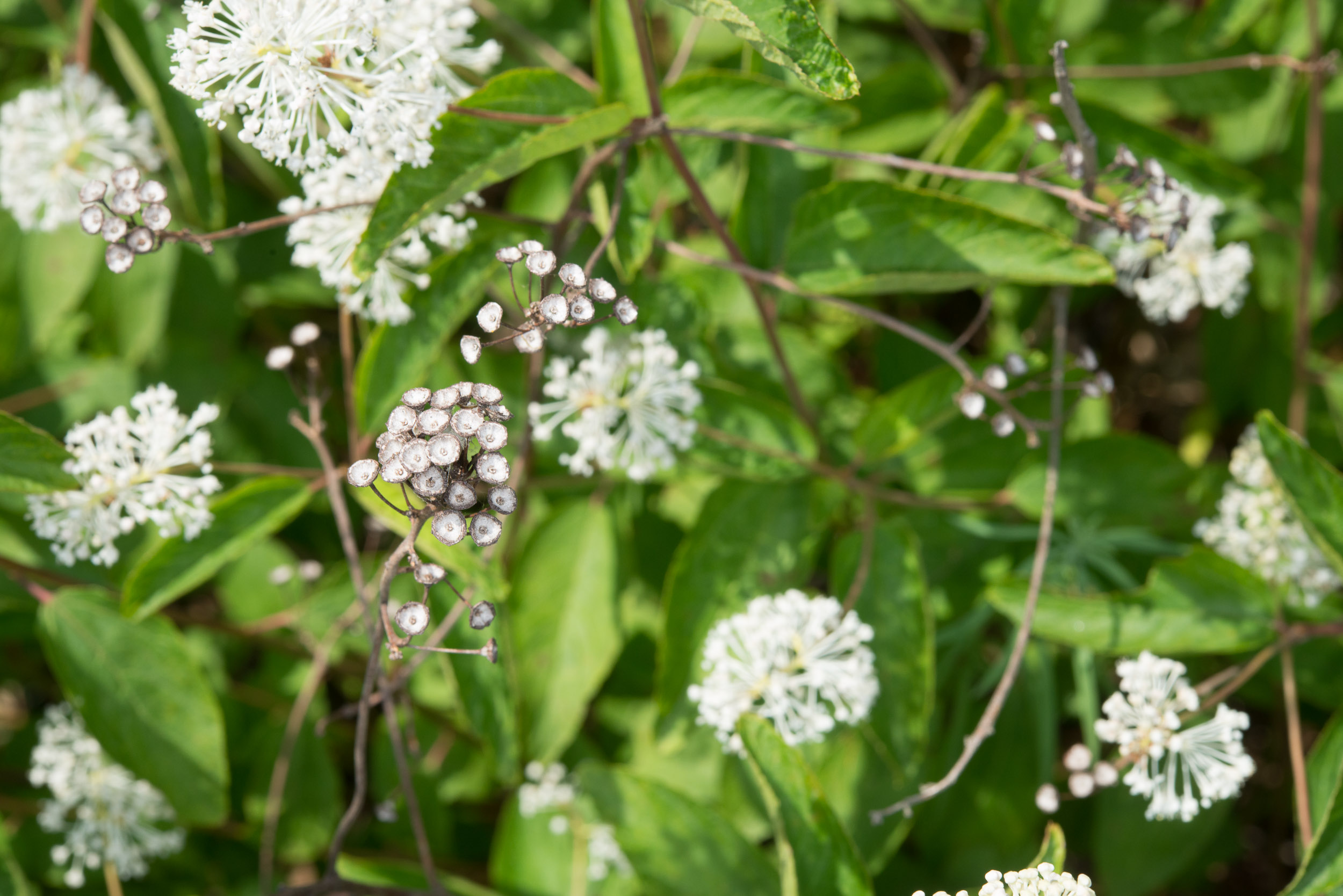
7/2/2014 · Nashua River Floodplain, Pepperell, Massachusetts · ≈ 8 × 6″ (20 × 14 cm) 

8/20/2012 · Nashua River Rail Trail, Groton Center, Groton, Massachusetts · ≈ 5 × 4½″ (12 × 11 cm) 
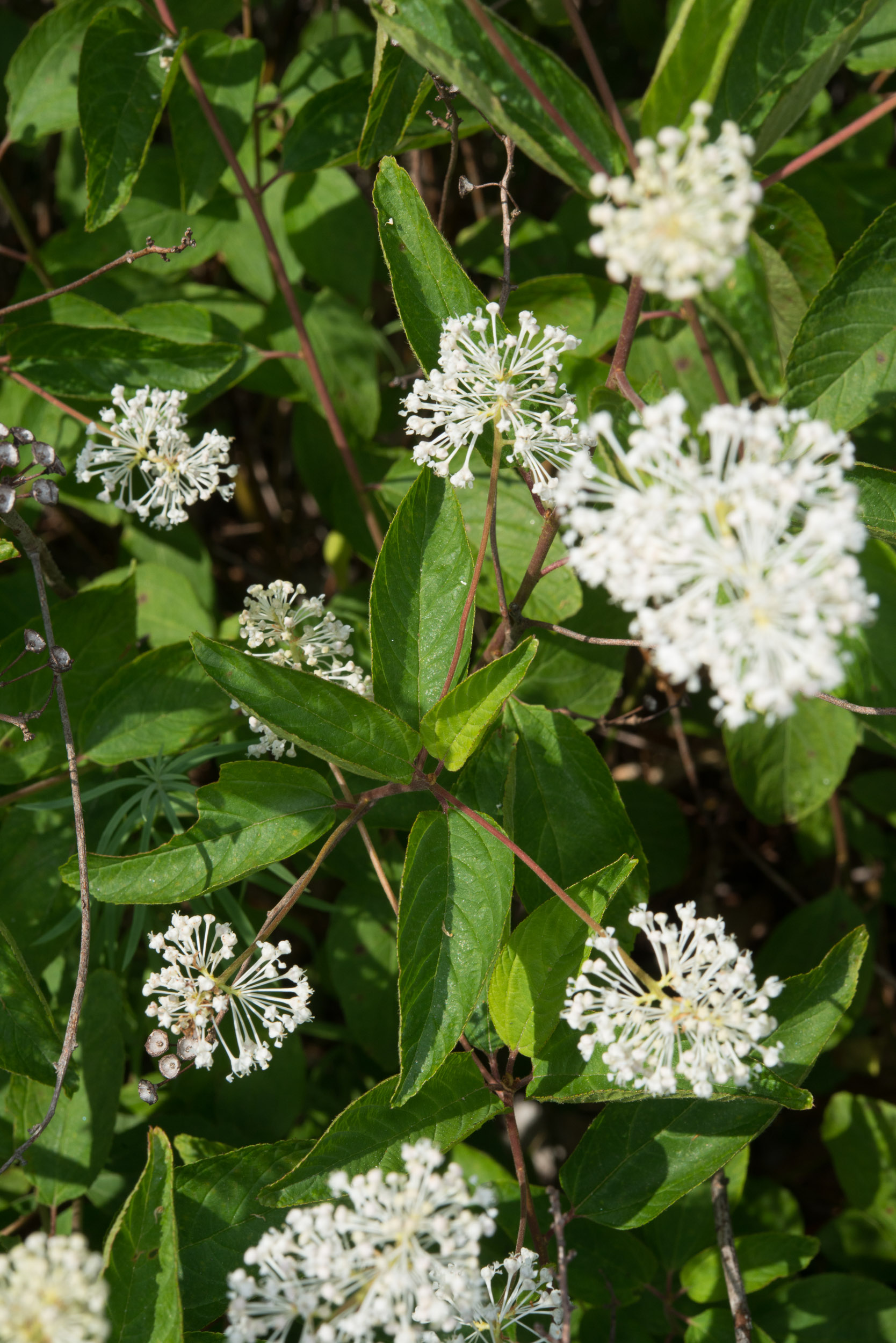
7/2/2014 · Nashua River Floodplain, Pepperell, Massachusetts · ≈ 7 × 10″ (16 × 25 cm) 

6/24/2015 · Nashua River Rail Trail, Groton Ctr, Groton, Massachusetts · ≈ 9 × 6″ (22 × 15 cm) 
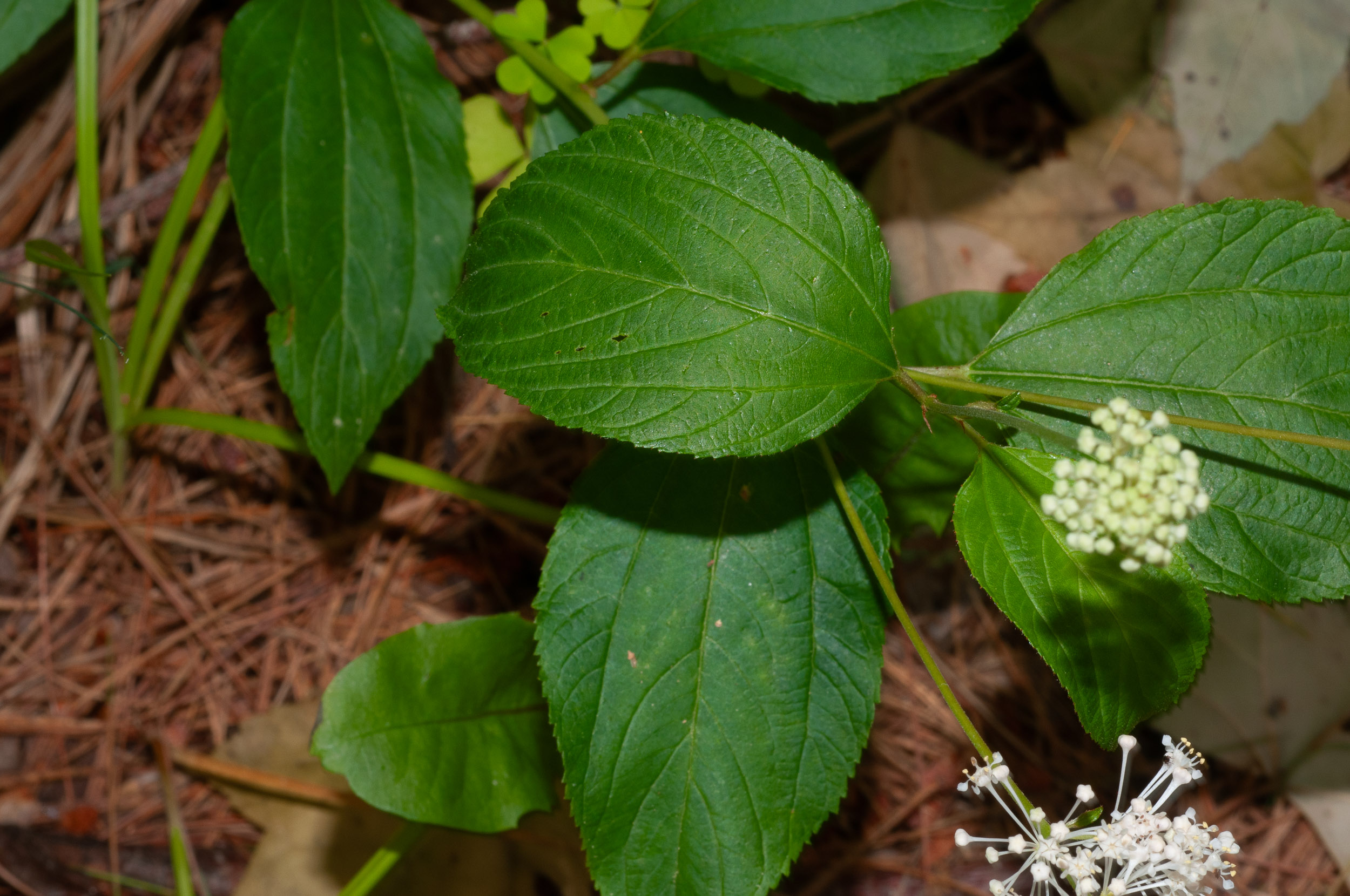
6/26/2012 · Nashua River Rail Trail, Dunstable, Dunstable, Massachusetts · ≈ 7 × 4½″ (17 × 11 cm) 

6/26/2012 · Nashua River Rail Trail, Dunstable, Dunstable, Massachusetts · ≈ 8 × 5″ (19 × 13 cm) 

6/27/2010 · Nashua River Rail Trail, Ayer, Massachusetts · ≈ 9 × 8″ (23 × 20 cm) 

8/20/2012 · Nashua River Rail Trail, Groton Center, Groton, Massachusetts · ≈ 9 × 6″ (23 × 15 cm) 

6/27/2010 · Nashua River Rail Trail, Ayer, Massachusetts · ≈ 14 × 9″ (35 × 23 cm) 

9/14/2010 · Garden in the Woods, Framingham, Massachusetts · ≈ 9 × 6″ (22 × 14 cm) 
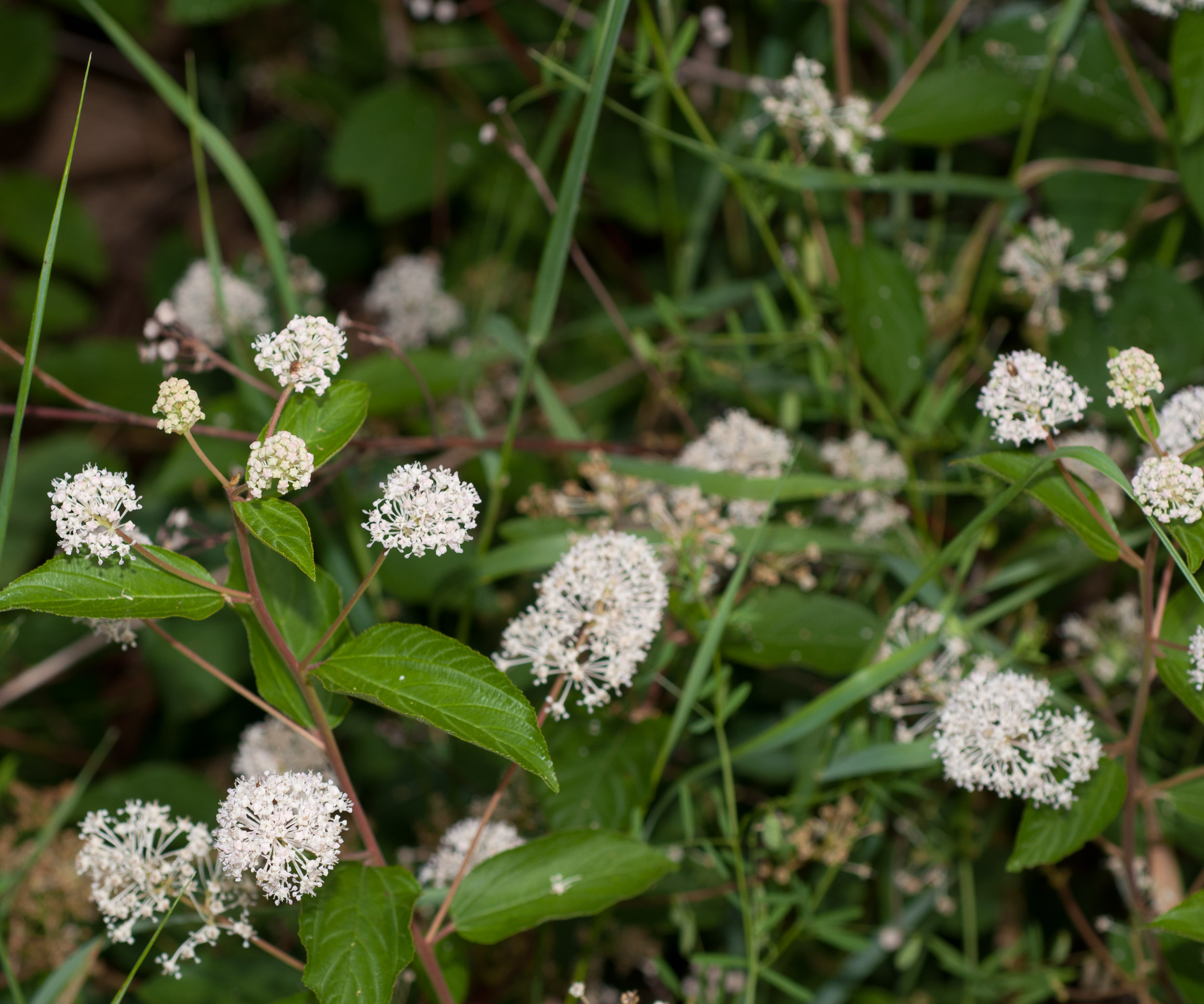
6/27/2010 · Nashua River Rail Trail, Ayer, Massachusetts · ≈ 10 × 8″ (24 × 20 cm) 
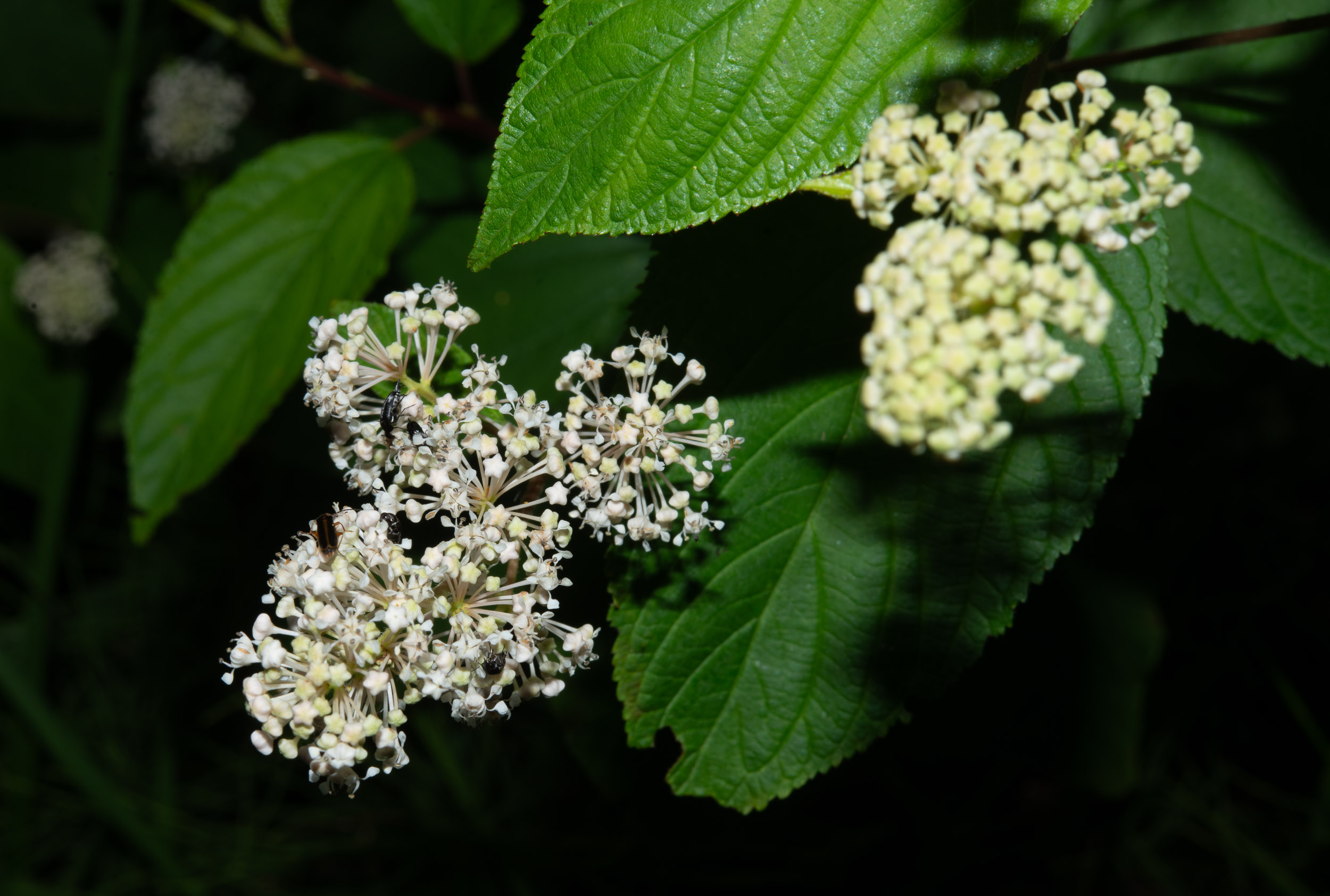
6/24/2015 · Nashua River Rail Trail, Groton Ctr, Groton, Massachusetts · ≈ 6 × 4″ (16 × 10 cm) 
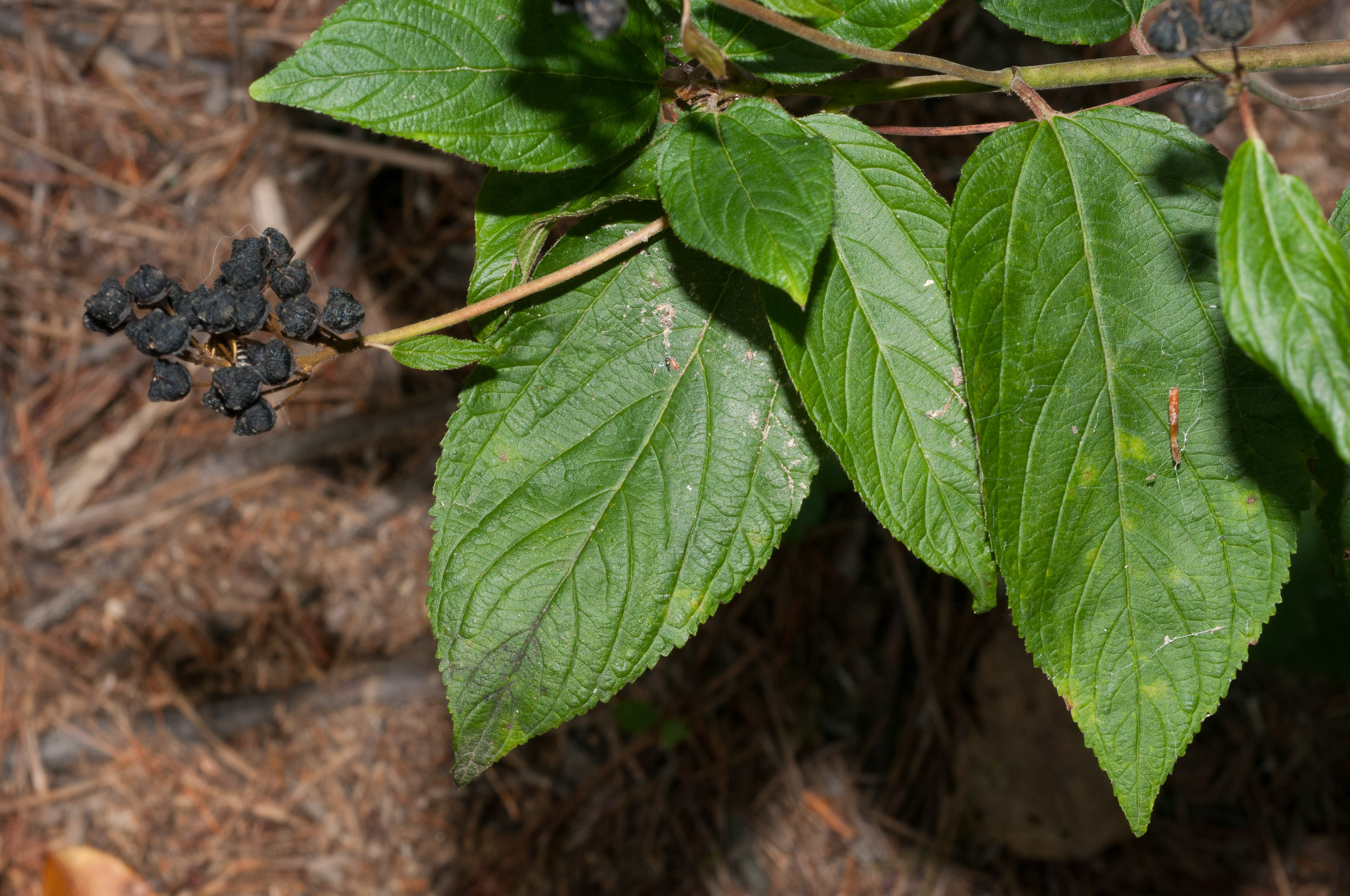
8/20/2012 · Nashua River Rail Trail, Groton Center, Groton, Massachusetts · ≈ 8 × 5″ (19 × 13 cm) 
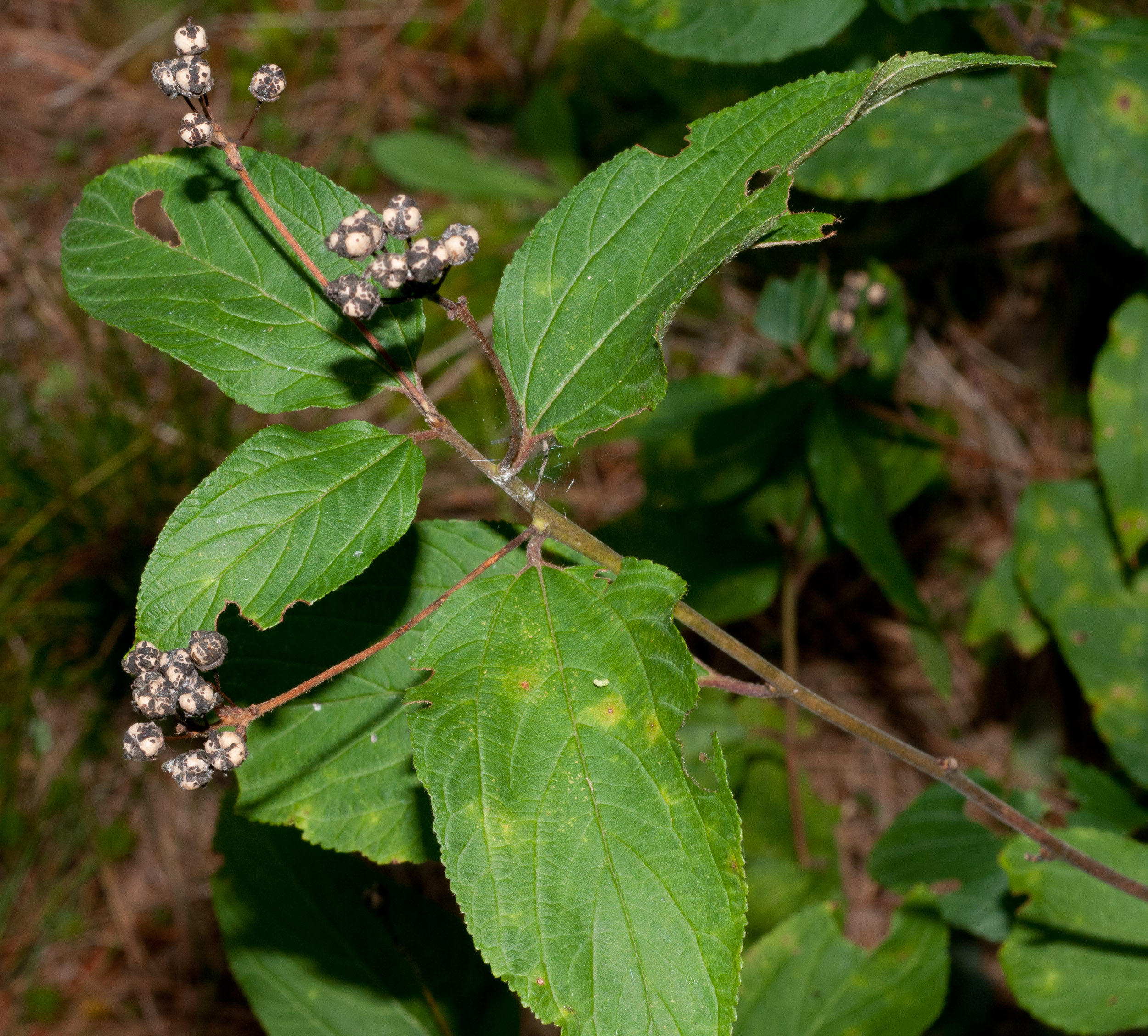
9/10/2011 · Nashua River Rail Trail, Near Nashua, Dunstable, Massachusetts · ≈ 6 × 6″ (16 × 14 cm) ID is uncertain 

6/26/2012 · Nashua River Rail Trail, Dunstable, Dunstable, Massachusetts · ≈ 4 × 3″ (11 × 7.6 cm) 
| Kingdom | Plantae | Plants, but not fungi, lichens, or algae (from Stearn's Botanical Latin) |
| Subkingdom | Tracheobionta | Vascular plants—plants with a “circulatory system” for delivering water and nutrients |
| Division | Magnoliophyta | Flowering plants, also known as angiosperms |
| Class | Magnoliopsida | Dicotyledons—plants with two initial seed leaves |
| Subclass | Rosidae | Roses, legumes, proteas, dogwoods, hydrangeas, mistletoes, euphorbias, grapes, many more |
| Order | Rhamnales | Buckthorns, oleasters, grapes, others |
| Family | Rhamnaceae | Buckthorn family |
| Genus | Ceanothus | Greek for “spiny plant” |
| Species | americanus | “Of or from America” |
Ceanothus americanus description by Thomas H. Kent, not updated.

© FloraFinder.org. All rights reserved.
