Chelidonium majus L.
Greater celandine, celandine
This native of Eurasia was introduced to North America, where it is now widespread.
Plants: Greater celandine reaches 1½–2′ (45–60 cm) in height, with ribbed stems. Leaves contain an irritating yellow-orange sap.
Leaves: Leaves are up to 8″ (20 cm) long and 3″ (7.6 cm) wide, compound in groups of 5 to 9, green with a slight bluish tint.
Flowers: About ¾″ (1.9 cm) around, with four yellow non-overlapping petals, a stiff green central style, and multiple yellow stamens.
Fruits: Seed capsules look like thin beans, ¾–2½″ (1.9–6.3 cm) long, with black seeds.
Habitats: Moist or dry woods, thickets, fields, hedgerows, roadsides, railroads.
 |
Somewhat similar species. |

From Thomé, Prof. Dr. Otto Wilhelm, Flora von Deutschland Österreich und der Schweiz., 1885. 
Edibility: Poisonous  Stem juice is toxic and extremely irritating and allergenic.
Paralysis, nausea, vomiting, coma, respiratory tract irritation, violent coughing, ulcers, and dyspnoea have been
attributed to this plant. More recently,
it has been implicated in liver disease as well.
Stem juice is toxic and extremely irritating and allergenic.
Paralysis, nausea, vomiting, coma, respiratory tract irritation, violent coughing, ulcers, and dyspnoea have been
attributed to this plant. More recently,
it has been implicated in liver disease as well.
Medical: Greater celandine has been used for many different medical purposes historically, but I don’t believe any of these uses have been confirmed with research.
Online References:

The sap is bright orange. · 7/17/2013 · Near Nashua River Boat Ramp, Groton, Massachusetts · ≈ 2 × 1½″ (5.1 × 4 cm) 

5/12/2016 · Tom and Susan’s, Pepperell, Massachusetts 

8/14/2009 · Nashua River Rail Trail, East Pepperell, Massachusetts · ≈ 6 × 6″ (14 × 15 cm) 

7/27/2009 · Nashua River Rail Trail, Groton, Massachusetts · ≈ 3½ × 4″ (9.3 × 10 cm) 
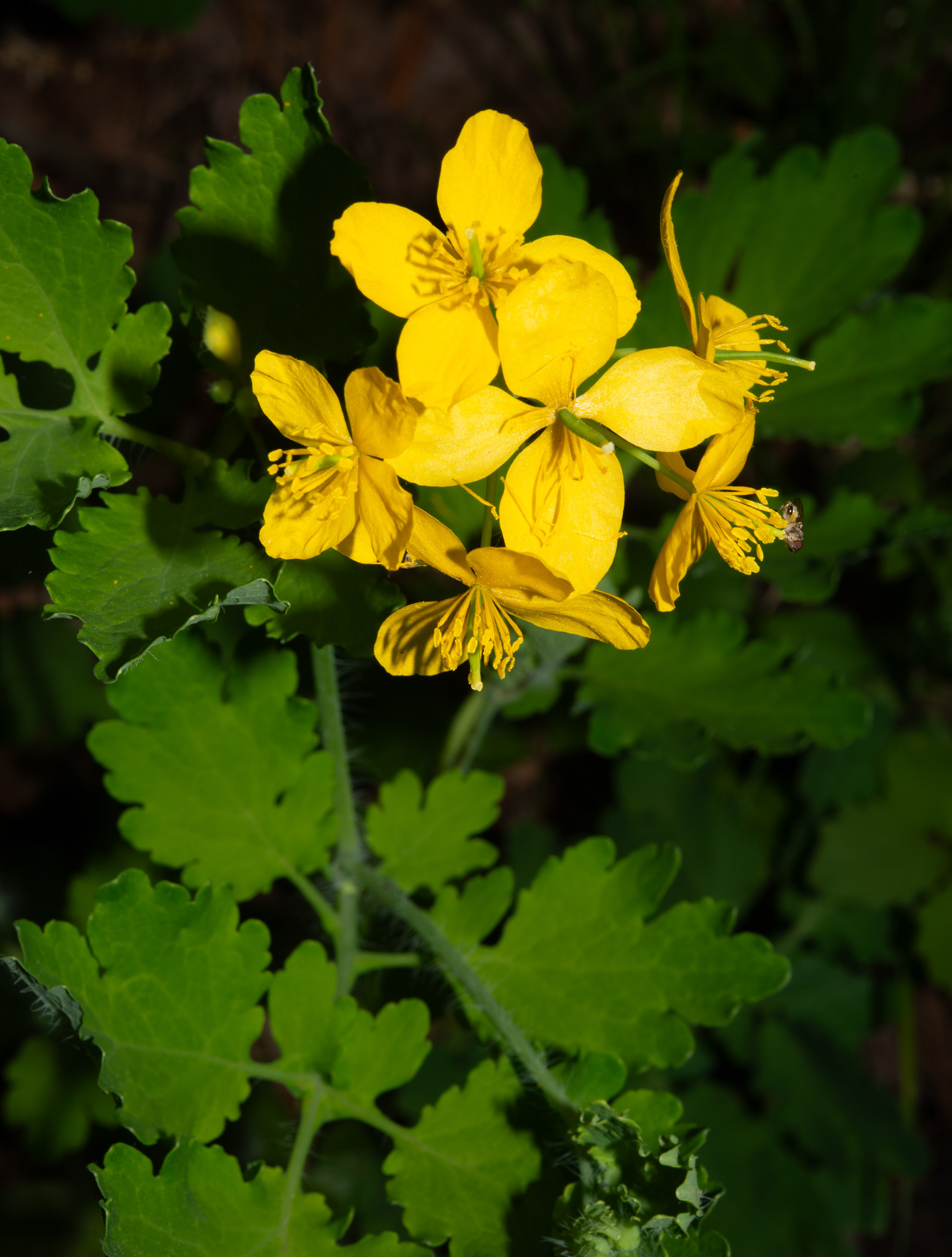
5/20/2014 · Beaver Brook Conservation Area, Hollis, New Hampshire · ≈ 5 × 7″ (12 × 16 cm) 
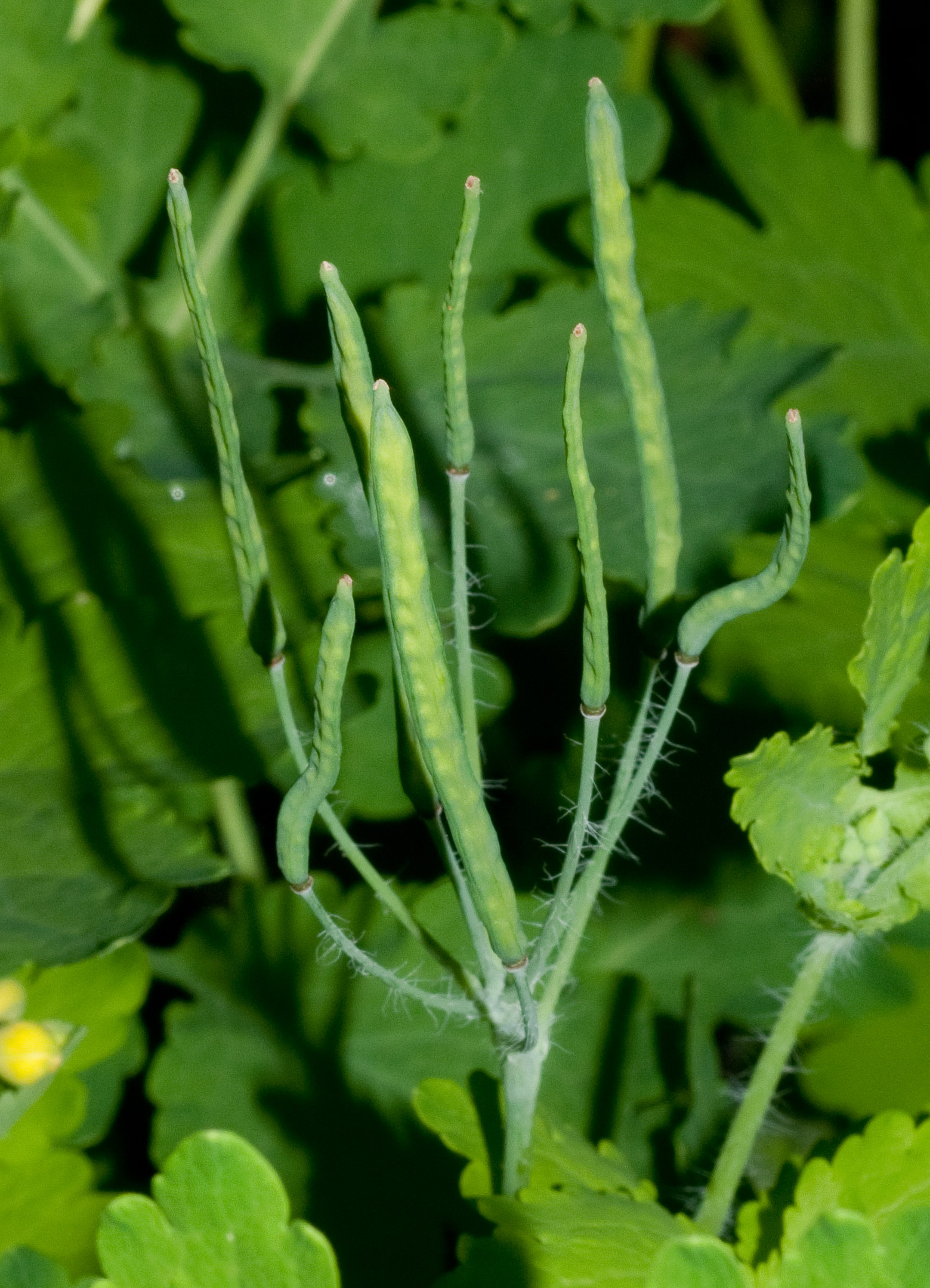
5/13/2010 · Nashua River Rail Trail, Groton Center, Groton, Massachusetts · ≈ 3 × 4″ (8 × 11 cm) 
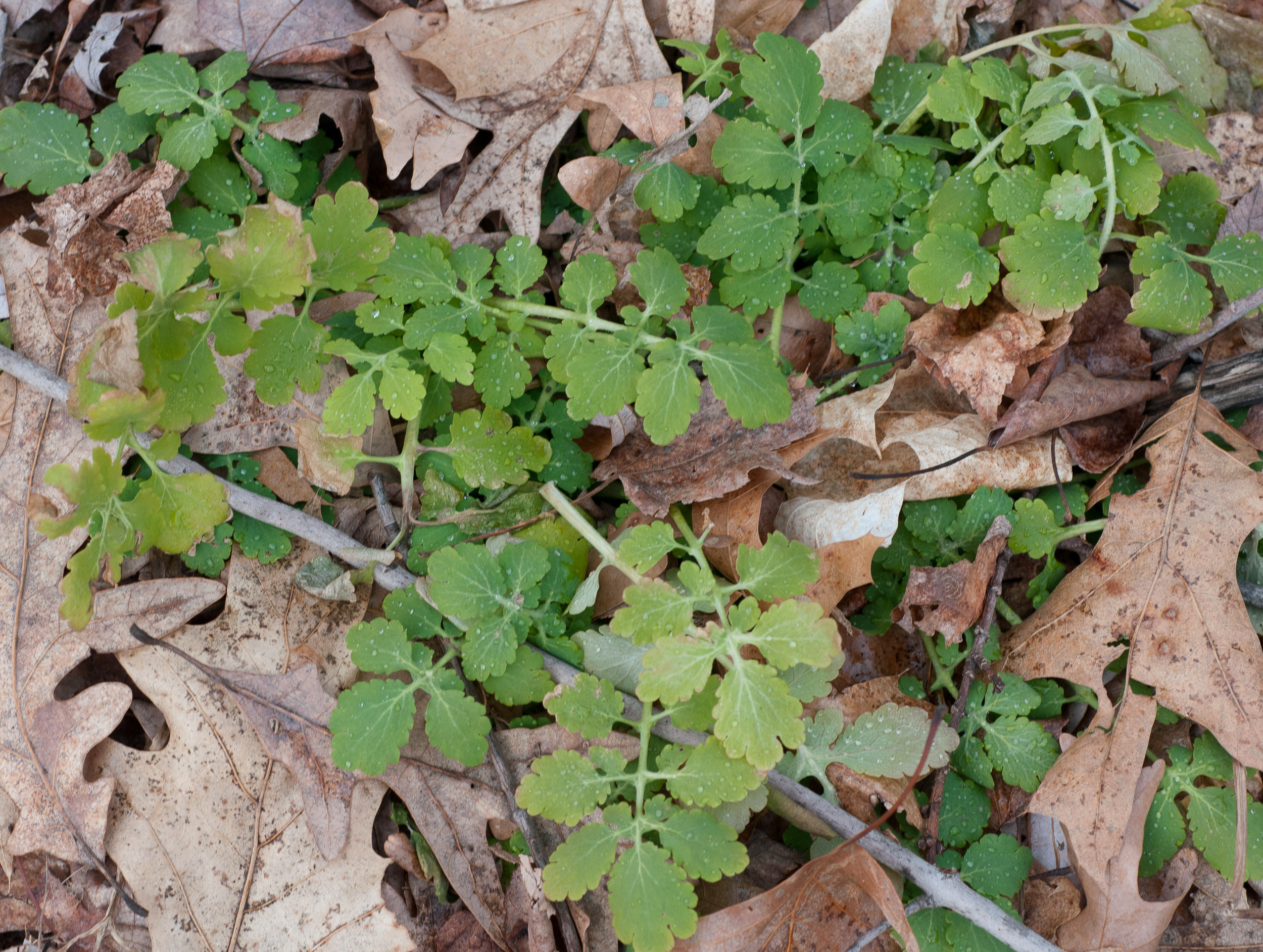
2/11/2012 · Nashua River Rail Trail, Ayer, Massachusetts · ≈ 14 × 10″ (34 × 26 cm) 

8/14/2009 · Nashua River Rail Trail, East Pepperell, Massachusetts · ≈ 12 × 8″ (31 × 20 cm)  ID is uncertain

5/12/2016 · Tom and Susan’s, Pepperell, Massachusetts 

7/17/2009 · Mt. Lebanon St, Trail, Pepperell, Massachusetts · ≈ 7 × 4½″ (17 × 11 cm) 
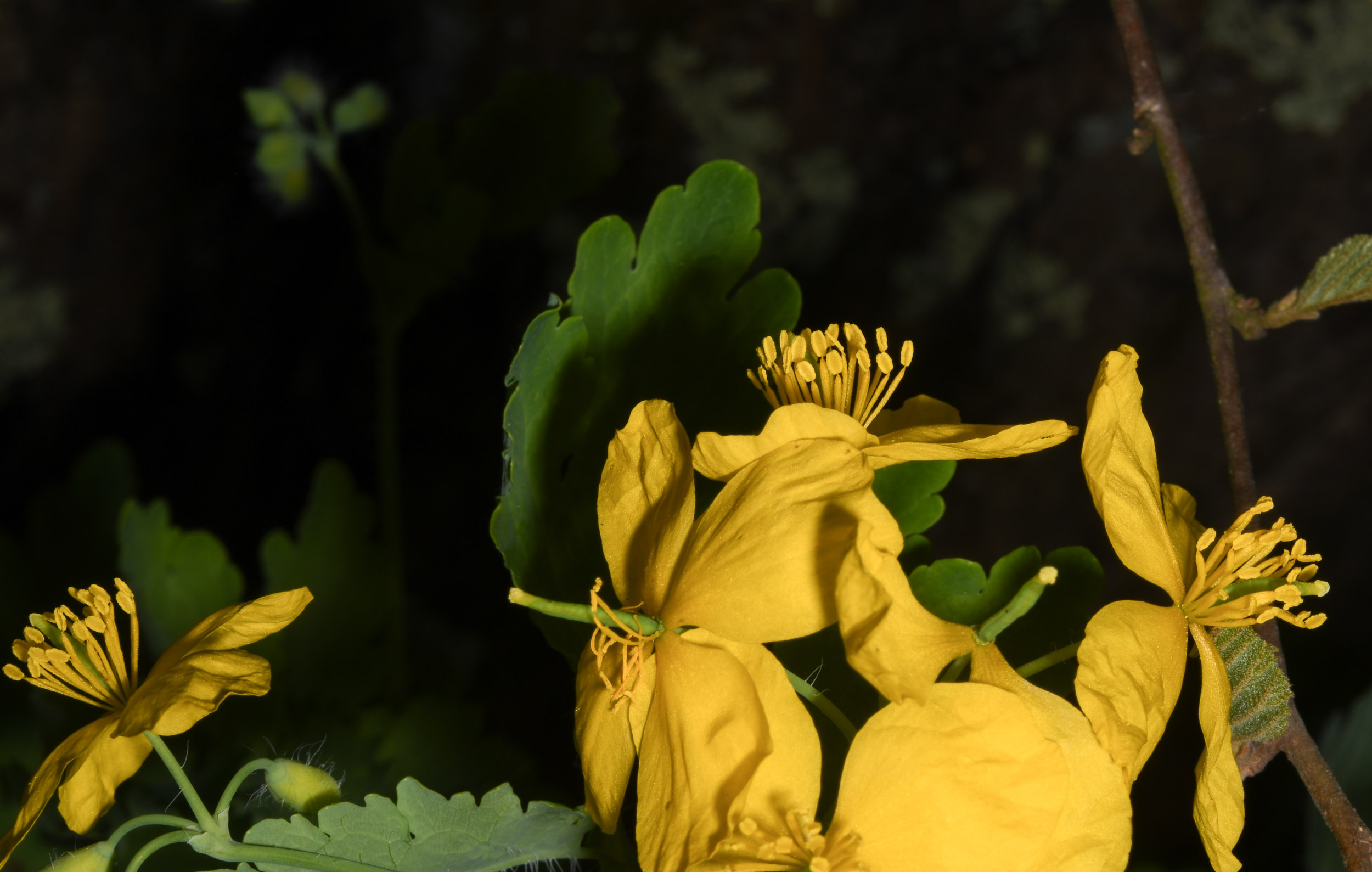
5/12/2016 · Tom and Susan’s, Pepperell, Massachusetts 
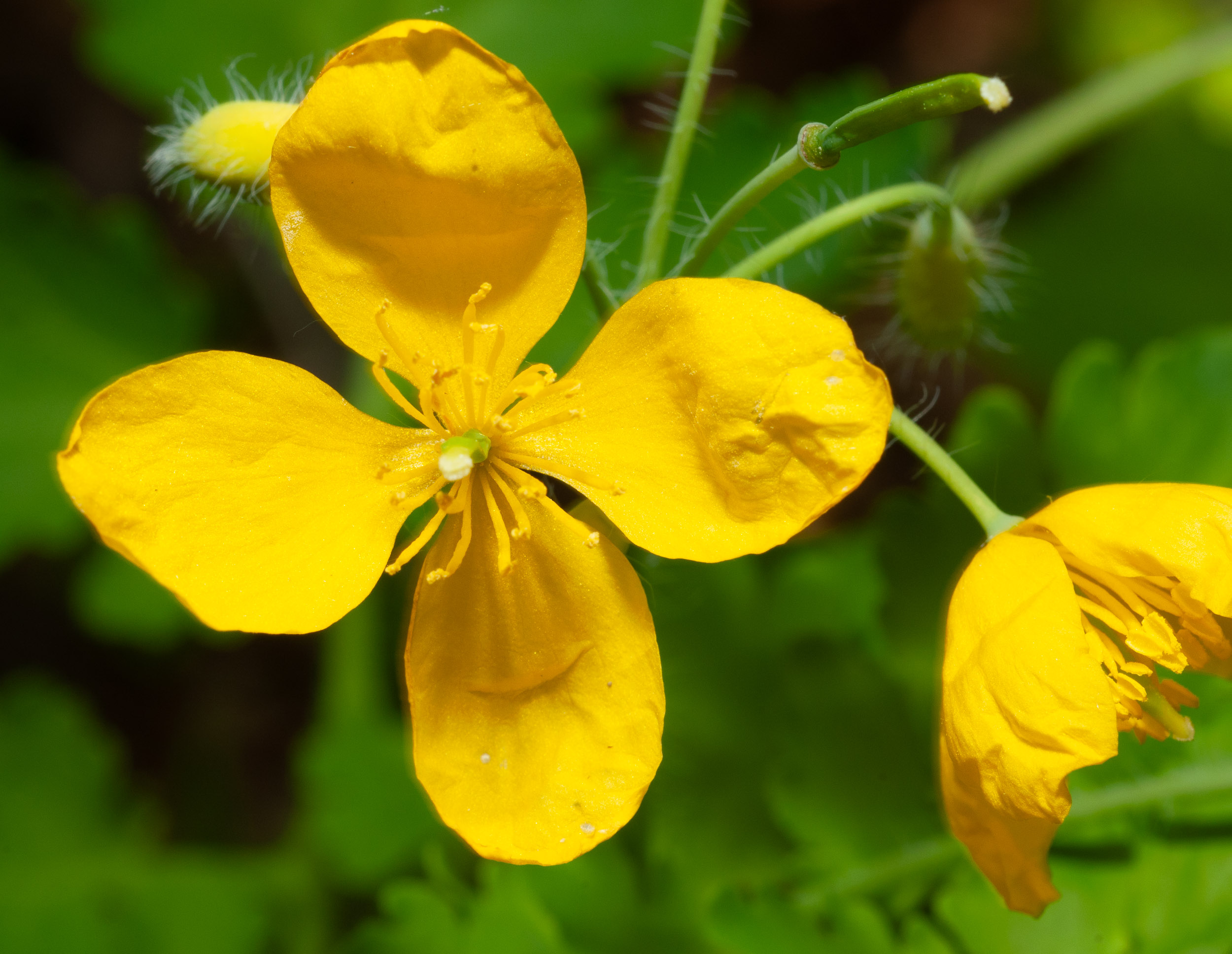
4/30/2010 · Nashua River Rail Trail, Ayer, Massachusetts · ≈ 4 × 3″ (10 × 7.9 cm) 

5/17/2013 · Gibbet Hill, Groton, Massachusetts 

5/12/2016 · Tom and Susan’s, Pepperell, Massachusetts 
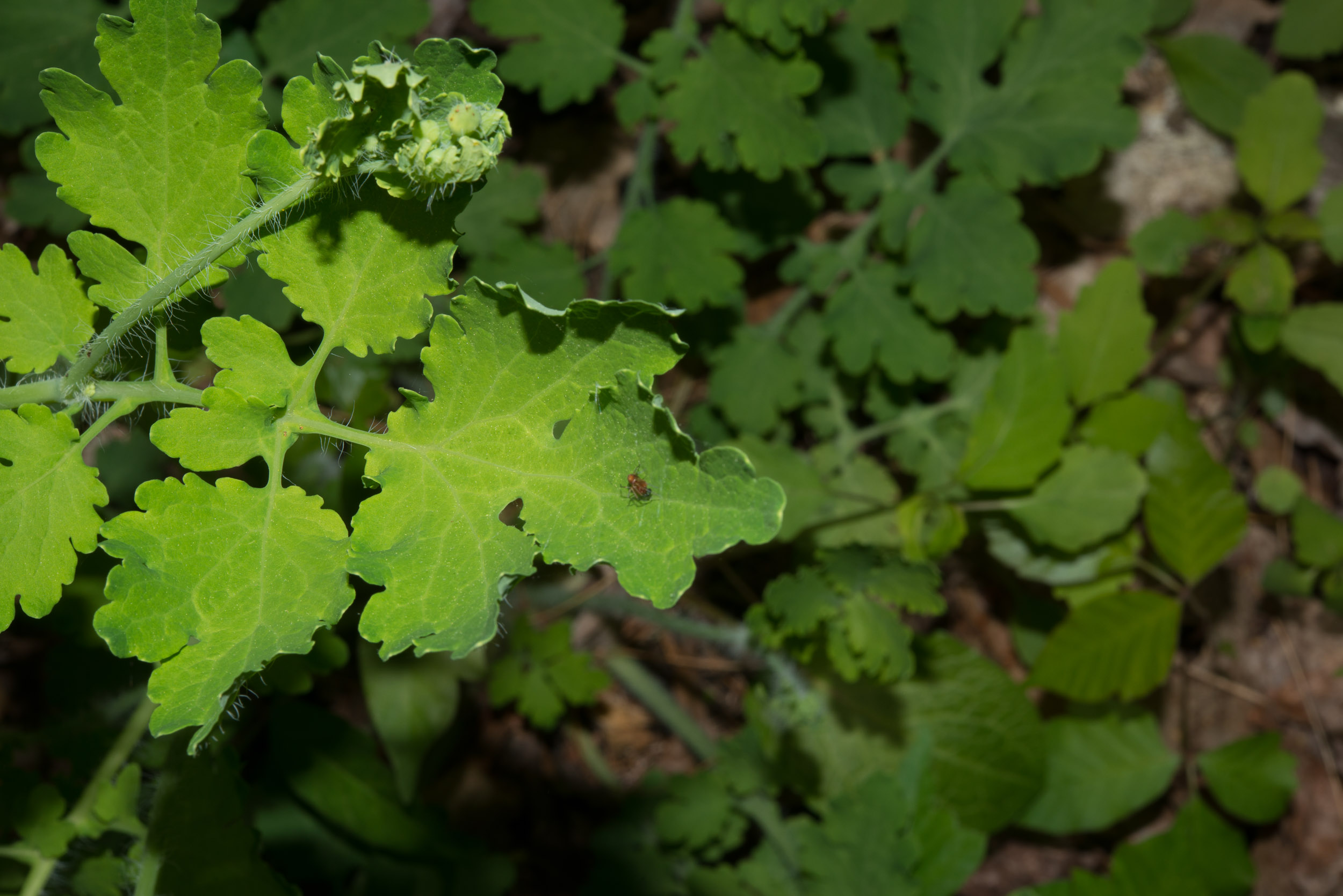
5/20/2014 · Beaver Brook Conservation Area, Hollis, New Hampshire · ≈ 8 × 6″ (20 × 14 cm) 

4/20/2012 · Nashua River Rail Trail, East Pepperell, Pepperell, Massachusetts · ≈ 7 × 4½″ (17 × 11 cm) 

4/6/2010 · Nashua River Rail Trail, Groton, Massachusetts · ≈ 2 × 1′ (62 × 41 cm) 

7/17/2009 · Mt. Lebanon St, Trail, Pepperell, Massachusetts · ≈ 1½ × 1′ (52 × 35 cm) 

8/14/2009 · Nashua River Rail Trail, East Pepperell, Massachusetts · ≈ 7 × 11″ (18 × 27 cm) ID is uncertain 

5/18/2017 · Wildflower Trail, Beaver Brook Conservation Area, Hollis, New Hampshire · ≈ 6 × 4″ (15 × 10 cm) 

9/27/2010 · Nashua River Rail Trail, Groton Center, Groton, Massachusetts · ≈ 9 × 12″ (23 × 30 cm) 

5/12/2016 · Tom and Susan’s, Pepperell, Massachusetts 

5/2/2010 · Nashua River Rail Trail, Groton Center, Groton, Massachusetts · ≈ 5 × 3½″ (13 × 9.2 cm) 

4/22/2015 · Beaver Brook Conservation Area, Hollis, New Hampshire · ≈ 7 × 6″ (17 × 14 cm) 
| Kingdom | Plantae | Plants, but not fungi, lichens, or algae (from Stearn's Botanical Latin) |
| Subkingdom | Tracheobionta | Vascular plants—plants with a “circulatory system” for delivering water and nutrients |
| Division | Magnoliophyta | Flowering plants, also known as angiosperms |
| Class | Magnoliopsida | Dicotyledons—plants with two initial seed leaves |
| Subclass | Magnoliidae | Includes magnolias, nutmeg, bay laurel, cinnamon, avocado, black pepper, and many others |
| Order | Papaverales | A group that includes buttercups and other poisonous plants |
| Family | Papaveraceae | Poppy family |
| Genus | Chelidonium | From Greek chelidon, “swallow,” because it was believed that C. majus flowered when the swallows nest during summer |
| Species | majus | “Bigger, larger” |
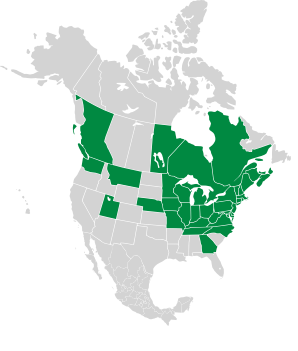
Chelidonium majus description by Thomas H. Kent, not updated.

© FloraFinder.org. All rights reserved.