Circaea lutetiana L.
Enchanter’s nightshade, broadleaf enchanter’s nightshade
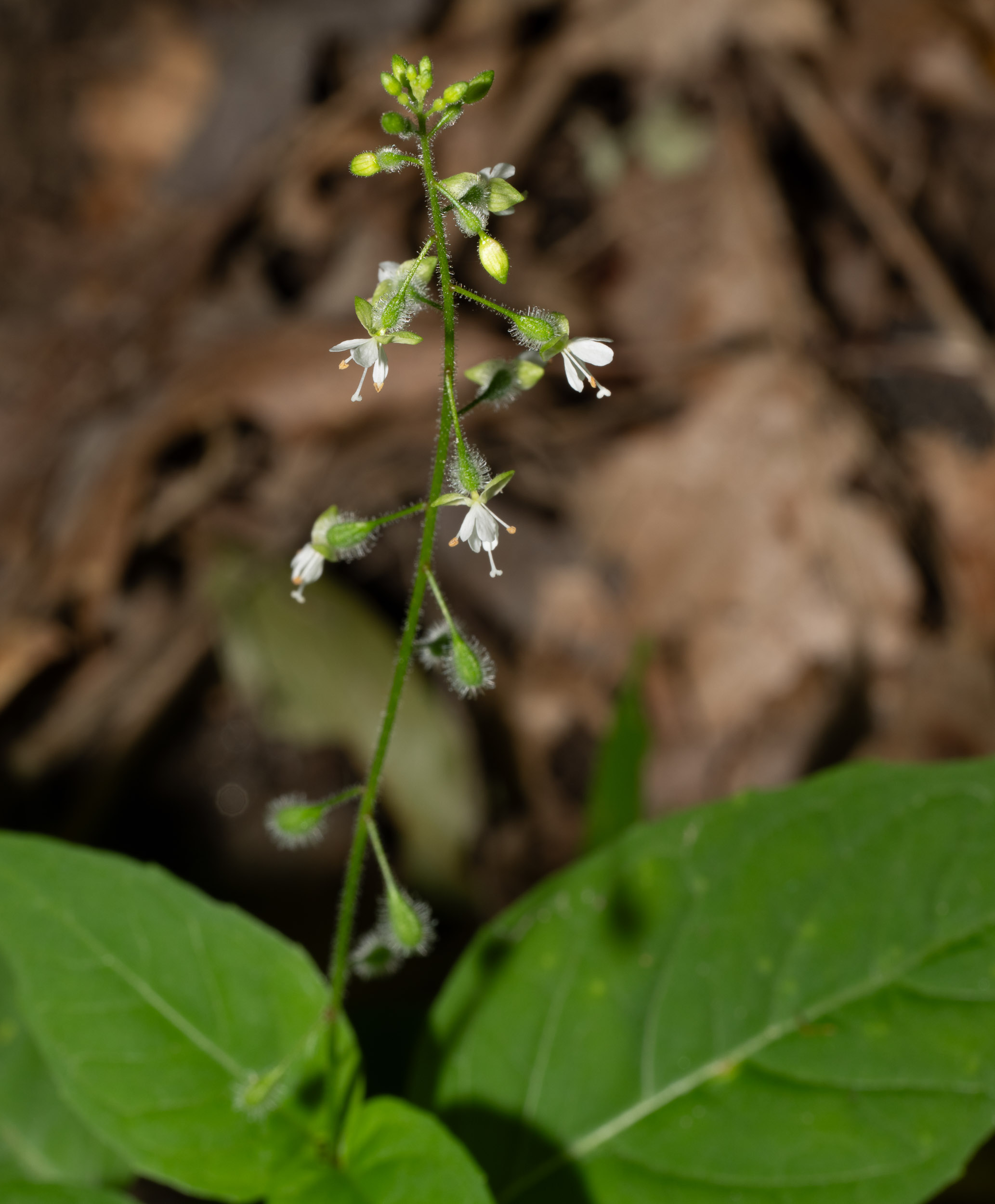
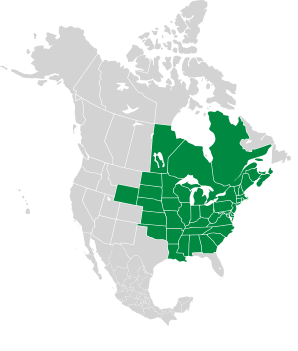
My dog discovered enchanter’s nightshade for the first time when about a hundred of the tiny, velcro-covered fruits hitched a ride on her soft fur. It is native to North America, and favors moist, rich woods.
Enchanter’s nightshade is a member of the evening primrose family. The enchantress Circe, according to Greek mythology, used this plant in her magic, hence its common name, as well as its genus name. In fact, though, enchanter’s nightshade is not known to have any interesting properties, either medicinal or magical. And it is an American plant, while Circe’s role in The Odyssey brought her nowhere near America. Perhaps someone confused enchanter’s nightshade with the unrelated and very poisonous bittersweet nightshade, or with the equally poisonous deadly nightshade.
Plants: 1–2′ (30–60 cm) high.
Leaves: Hairless, opposite, roughly oval, wider toward the bottom and sometimes heart-shaped (ovate-cordate), with small teeth along the margins (dentate). They are up to 5 ⨉ 3″ (12 ⨉ 7.6 cm) in size.
Flowers: Tiny white to pinkish flowers ⅛–¼″ (3.2–6.3 mm) in size appear sparsely along spikes up to 6″ (15 cm) long. The flowers/burs are on short petioles about ⅛″ (3.2 mm) long, alternate, and angled back along the stem, a unique identifying characteristic.
Fruits: Fuzzy teardrop-shaped two-chambered capsule, covered with hooked hairs. Fruits are 1/16–⅛″ (2.8–4.5 mm) in size.
Habitats: In woods, in deep shade and moist environments on nitrogen-containing clay.
Online References:
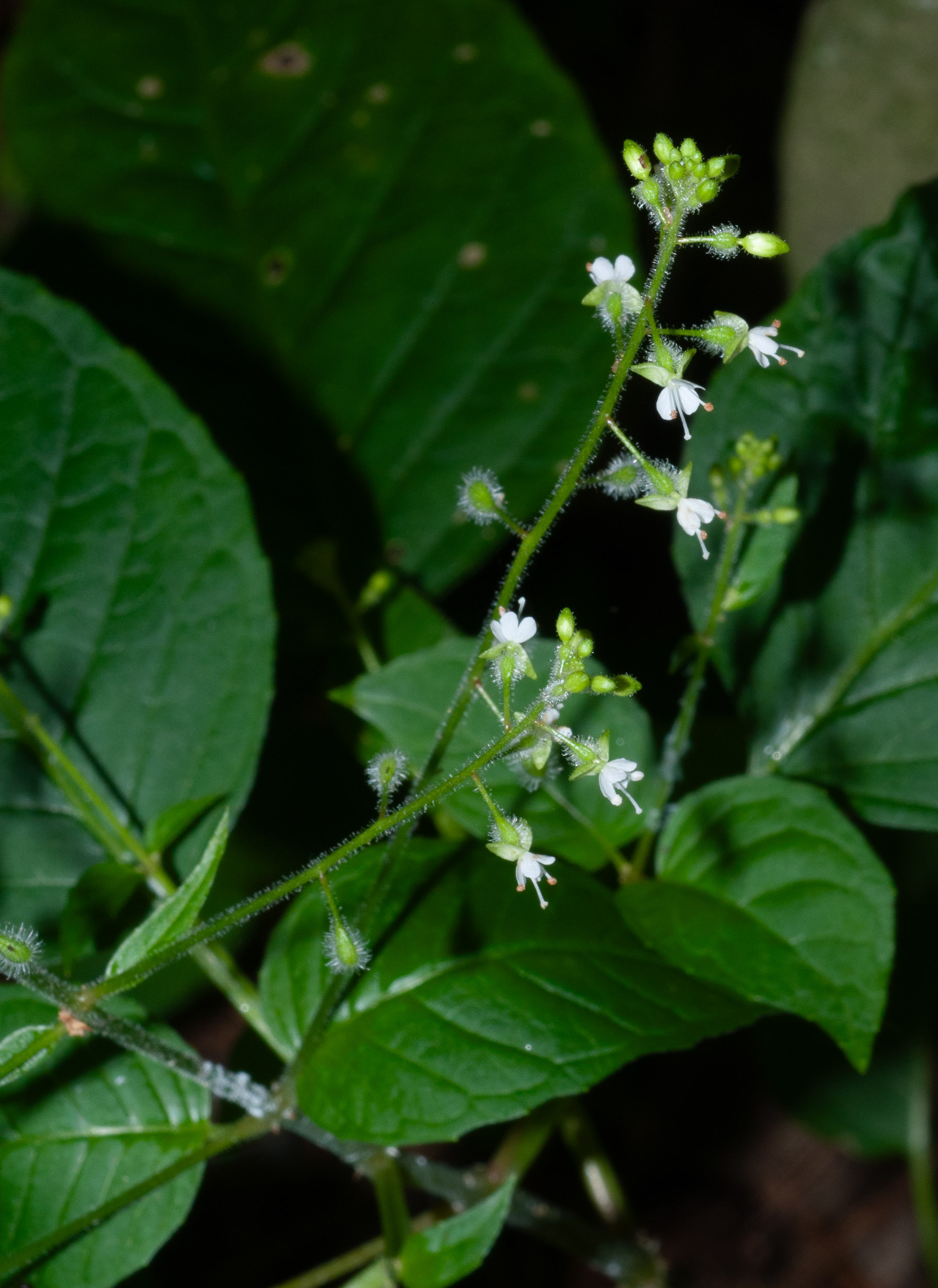
7/5/2012 · Groton Place and Sabine Woods, Groton, Massachusetts · ≈ 3 × 4½″ (8.4 × 11 cm)  ID is uncertain

7/5/2012 · Groton Place and Sabine Woods, Groton, Massachusetts · ≈ 9 × 6″ (22 × 14 cm) ID is uncertain 

8/6/2010 · Nashua River Rail Trail, Groton, Massachusetts · ≈ 10 × 9″ (24 × 23 cm) 

8/6/2010 · Nashua River Rail Trail, Groton, Massachusetts · ≈ 6 × 4½″ (14 × 11 cm) 

7/26/2025 · River Point Conservation Area, Falmouth, Maine · ≈ 7 × 5″ (17 × 12 cm) 

8/12/2017 · Bates Land and Blackman Land, Groton Conservation Trust, Groton, Massachusetts · ≈ 4 × 3″ (10 × 7.9 cm) 

7/17/2010 · Stan and Connie’s, Falmouth, Maine · ≈ 4 × 6″ (10 × 15 cm) 

8/23/2013 · Andres Institute of Art, Big Bear Mountain, Brookline, New Hampshire · ≈ 8 × 6″ (20 × 14 cm) 
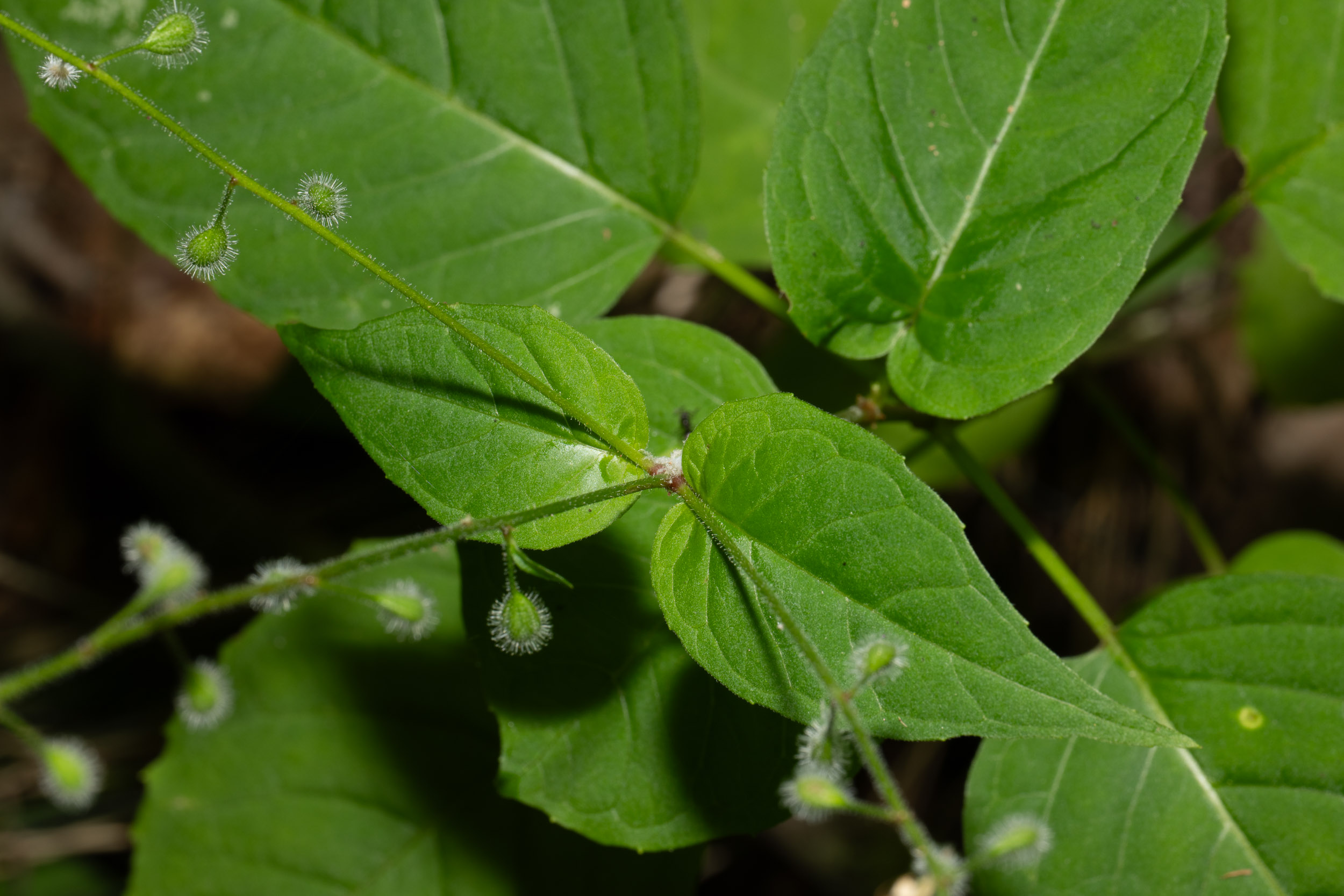
7/25/2025 · River Point Conservation Area, Falmouth, Maine · ≈ 6 × 4″ (15 × 10 cm) 

8/2/2012 · Nashua River Rail Trail, near Nashoba Hospital, Ayer, Massachusetts · ≈ 7 × 5″ (17 × 13 cm) 
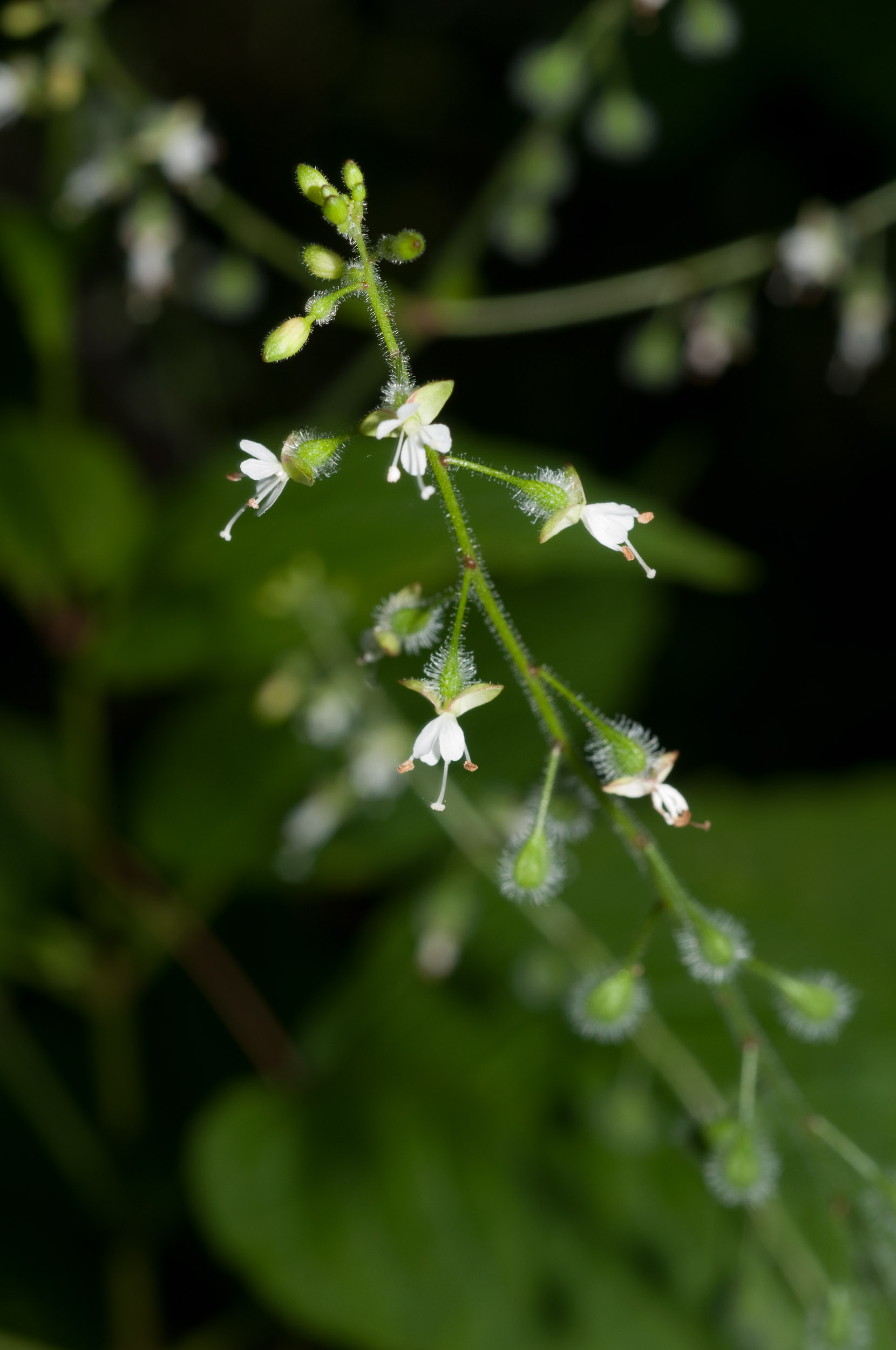
7/17/2010 · Stan and Connie’s, Falmouth, Maine · ≈ 3 × 4½″ (7.9 × 11 cm) 
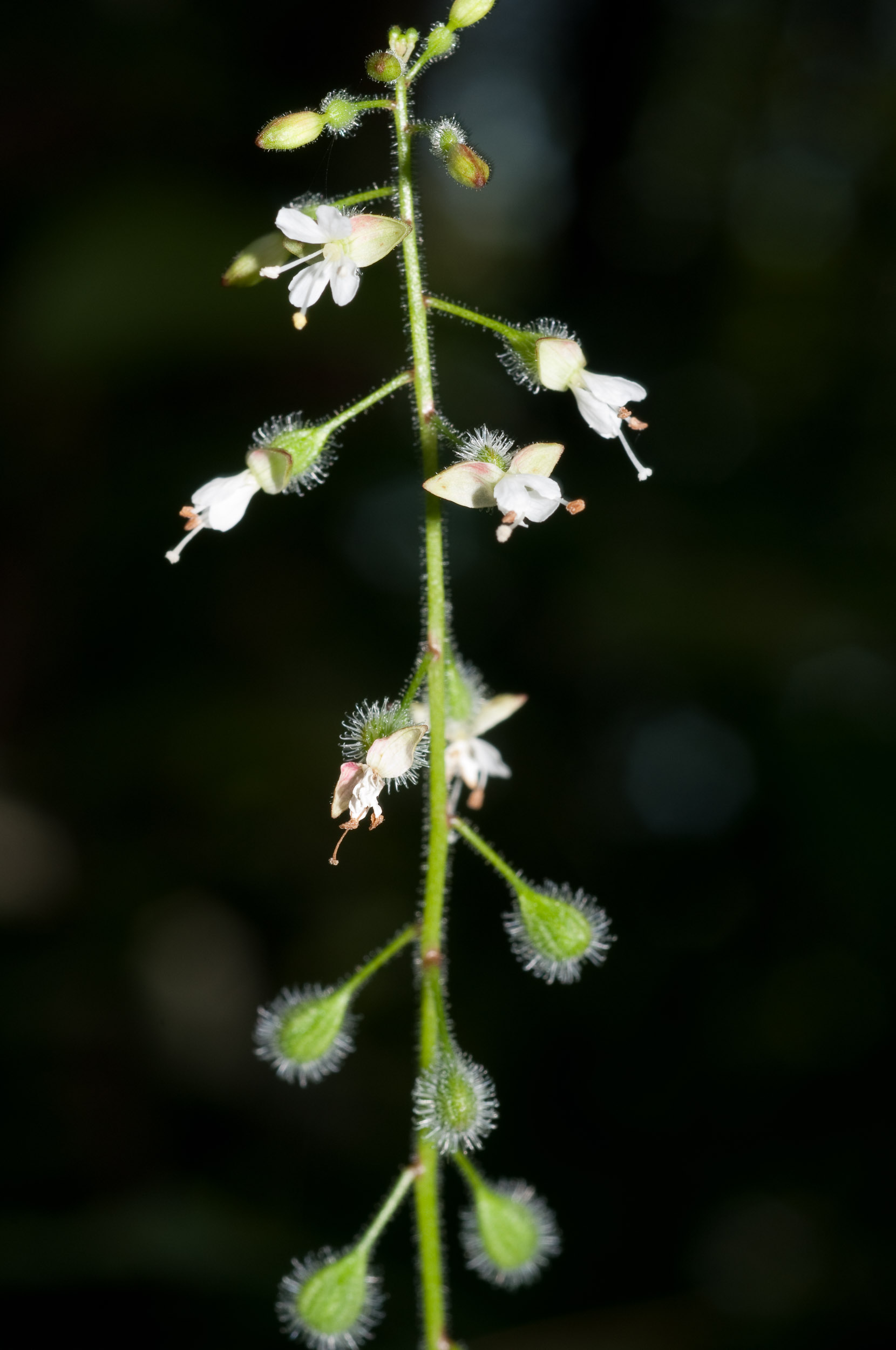
7/17/2010 · Stan and Connie’s, Falmouth, Maine · ≈ 3 × 4½″ (7.9 × 11 cm) 

8/2/2012 · Nashua River Rail Trail, near Nashoba Hospital, Ayer, Massachusetts · ≈ 9 × 6″ (23 × 15 cm) 

8/23/2023 · ≈ 6 × 4″ (15 × 10 cm) 

8/2/2012 · Nashua River Rail Trail, near Nashoba Hospital, Ayer, Massachusetts · ≈ 11 × 7″ (27 × 18 cm) 

7/17/2010 · Stan and Connie’s, Falmouth, Maine · ≈ 14 × 9″ (35 × 23 cm) 

7/25/2025 · River Point Conservation Area, Falmouth, Maine · ≈ 4 × 4½″ (10 × 11 cm) 
7/25/2025 · River Point Conservation Area, Falmouth, Maine · ≈ 4 × 4½″ (10 × 12 cm) 

8/2/2012 · Nashua River Rail Trail, near Nashoba Hospital, Ayer, Massachusetts · ≈ 11 × 7″ (27 × 18 cm) 
| Kingdom | Plantae | Plants, but not fungi, lichens, or algae (from Stearn's Botanical Latin) |
| Subkingdom | Tracheobionta | Vascular plants—plants with a “circulatory system” for delivering water and nutrients |
| Division | Magnoliophyta | Flowering plants, also known as angiosperms |
| Class | Magnoliopsida | Dicotyledons—plants with two initial seed leaves |
| Subclass | Rosidae | Roses, legumes, proteas, dogwoods, hydrangeas, mistletoes, euphorbias, grapes, many more |
| Order | Myrtales | Includes myrtles, leadwoods, loosestrifes, pomegranates, evening primroses, many others |
| Family | Onagraceae | Willowherb/evening primrose family |
| Genus | Circaea | Named for Circe, an enchantress in Greek mythology who used C. lutetiana in her magic |
| Species | lutetiana | “Of Paris” |
Circaea lutetiana description by Thomas H. Kent, not updated.

© FloraFinder.org. All rights reserved.