Clintonia borealis (Aiton) Raf.
Yellow clintonia, bluebead lily, blue-bead lily, clintonia, Clinton’s lily, corn lily, cow tongue, yellow beadlily, yellow bluebeadlily, snakeberry, dogberry, straw lily, bluebead
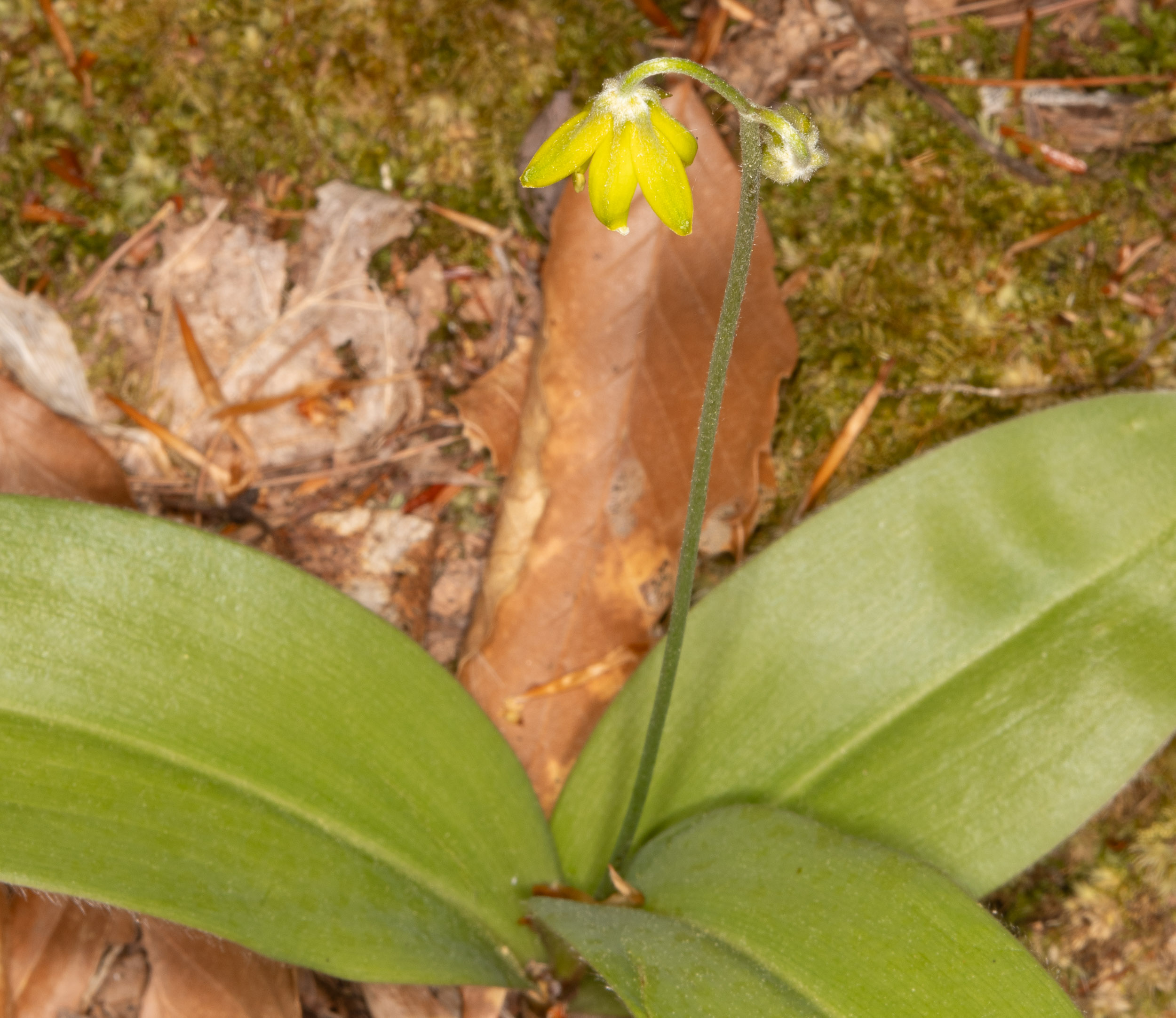
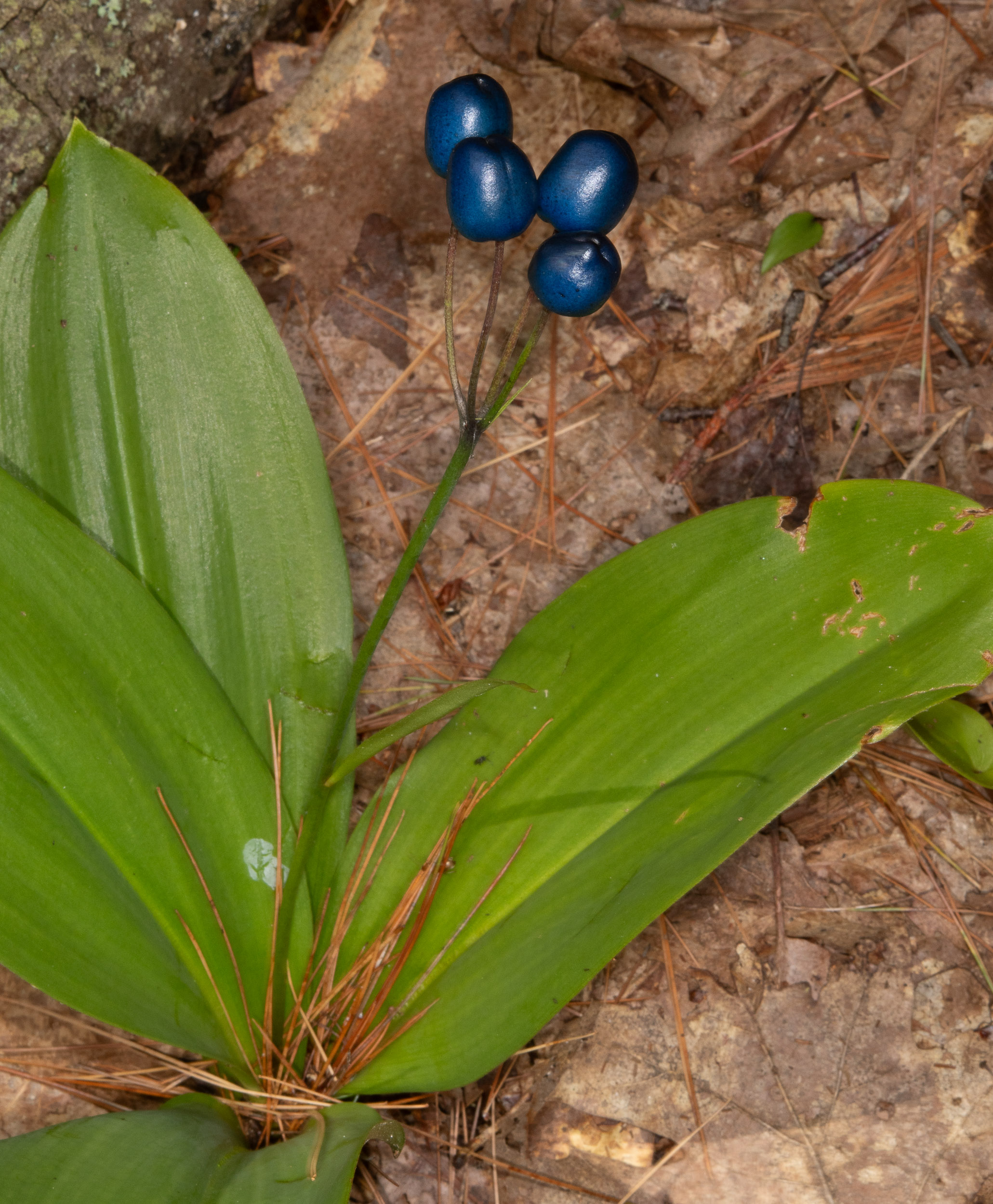
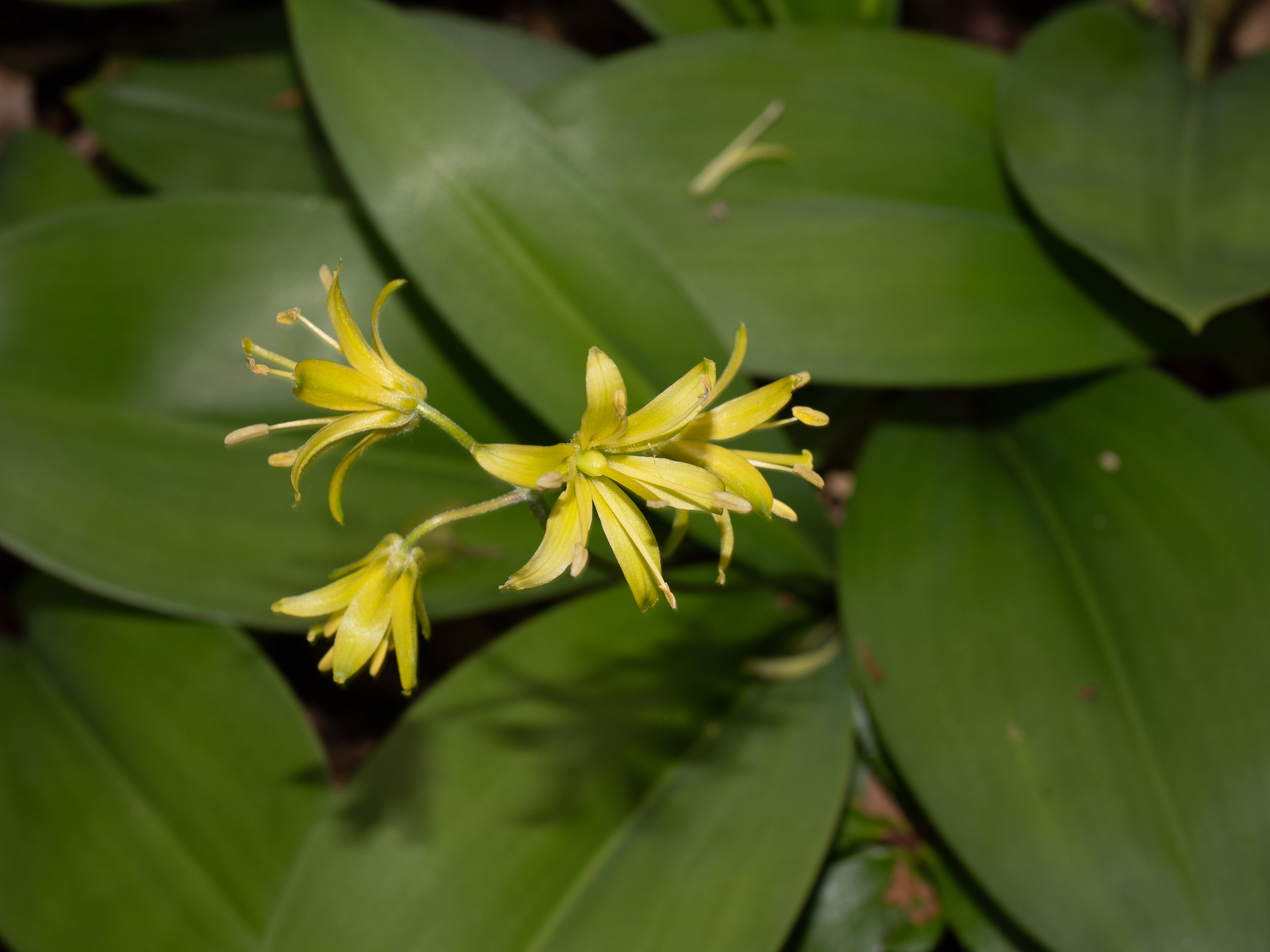
Yellow blue-bead lily—or whatever you want to call it, since this common species has lots of names—is so named for its pretty yellow flowers and deep, almost metallic blue berries. They occur in New England and temperate regions of the eastern United States, in forests.
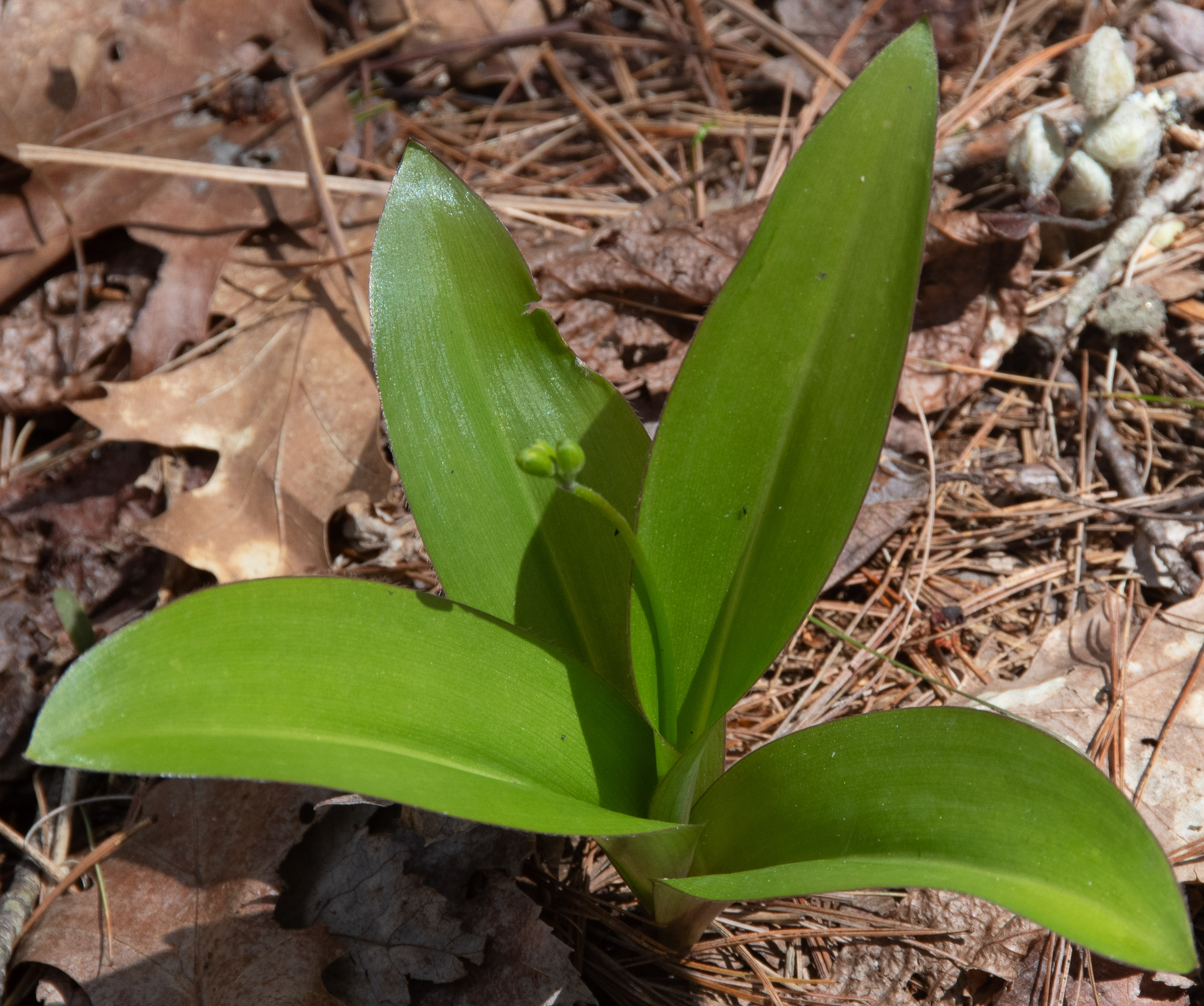
Plants: 1′ (30 cm) in height, with a central stem and basal leaves.
Leaves: Oblong, ovate, or elliptic, 6–12″ (15–30 cm) in length. Each leaf is glossy, with a central vein running the length of the leaf, and parallel lines on either side.
Flowers: Umbels (bell-shaped), in groups of two to six, each up to 1″ (2.5 cm). Each flower has six tepals and six long stamens, as well as a long style. They are nodding.
Fruits: Berries ¼–⅜″ (8–12 mm) in diameter, round or oval, with a rich shiny blue color.
Habitats: Coniferous or mixed forests at elevations up to 5249′ (1.6 km).
Edibility: Young leaves are edible. The delicious-looking berries are not though—they are mildly toxic, and they taste bad.
Medical: The roots contain diosgenin, a saponin steroid with estrogenic effects.
Online References:
Dracaena borealis Aiton

8/15/2015 · Grafton Notch State Park, Newry, Maine · ≈ 4½ × 3″ (12 × 8.3 cm) 

6/3/2018 · Mt. Watatic, Ashby, Massachusetts · ≈ 8 × 5″ (20 × 13 cm) 

4/21/2021 · Center Pond Preserve, Phippsburg, Maine · ≈ 2 × 2″ (5.3 × 5.2 cm) 
5/17/2021 · Bijhouwer Forest, Phippsburg, Maine · ≈ 4½ × 4″ (12 × 10 cm) 

5/23/2024 · Coastal Maine Botanical Gardens, Boothbay, Maine 
7/12/2020 · Harraseeket Trail, Wolfe’s Neck Woods State Park, Freeport, Maine · ≈ 8 × 10″ (20 × 25 cm) 

8/14/2015 · Roost Trail, Grafton Notch State Park, Newry, Maine · ≈ 12 × 8″ (31 × 21 cm) 

7/12/2015 · Mt. Kearsarge, Wilmot/Warner, New Hampshire · ≈ 10 × 7″ (25 × 16 cm) 
5/25/2023 · Maquoit Bay Conservation Land, Brunswick, Maine 

The yellow flowers are Clintonia (bluebead lily), and the sphere of white flowers is Aralia nudicaulis. · 5/26/2023 · Pownalborough Courthouse Trail, Dresden, Maine 
5/9/2016 · Rachel Carson Interpretive Trail, Kennebunk, Maine · ≈ 4½ × 4″ (12 × 10 cm) 

7/12/2020 · Harraseeket Trail, Wolfe’s Neck Woods State Park, Freeport, Maine · ≈ 12 × 8″ (31 × 20 cm) 

6/3/2018 · Mt. Watatic, Ashby, Massachusetts · ≈ 3½ × 4½″ (9.3 × 12 cm) 

5/25/2023 · Maquoit Bay Conservation Land, Brunswick, Maine 

5/9/2016 · Rachel Carson Interpretive Trail, Kennebunk, Maine · ≈ 3½ × 3½″ (9.7 × 9.7 cm) 

7/12/2015 · Mt. Kearsarge, Wilmot/Warner, New Hampshire · ≈ 11 × 7″ (28 × 18 cm) 

6/9/2026 · Ladies Lookout, Pinkham Notch, New Hampshire · ≈ 5 × 7″ (13 × 16 cm) 

7/12/2015 · Mt. Kearsarge, Wilmot/Warner, New Hampshire · ≈ 2½ × 2″ (7.1 × 5.7 cm) 
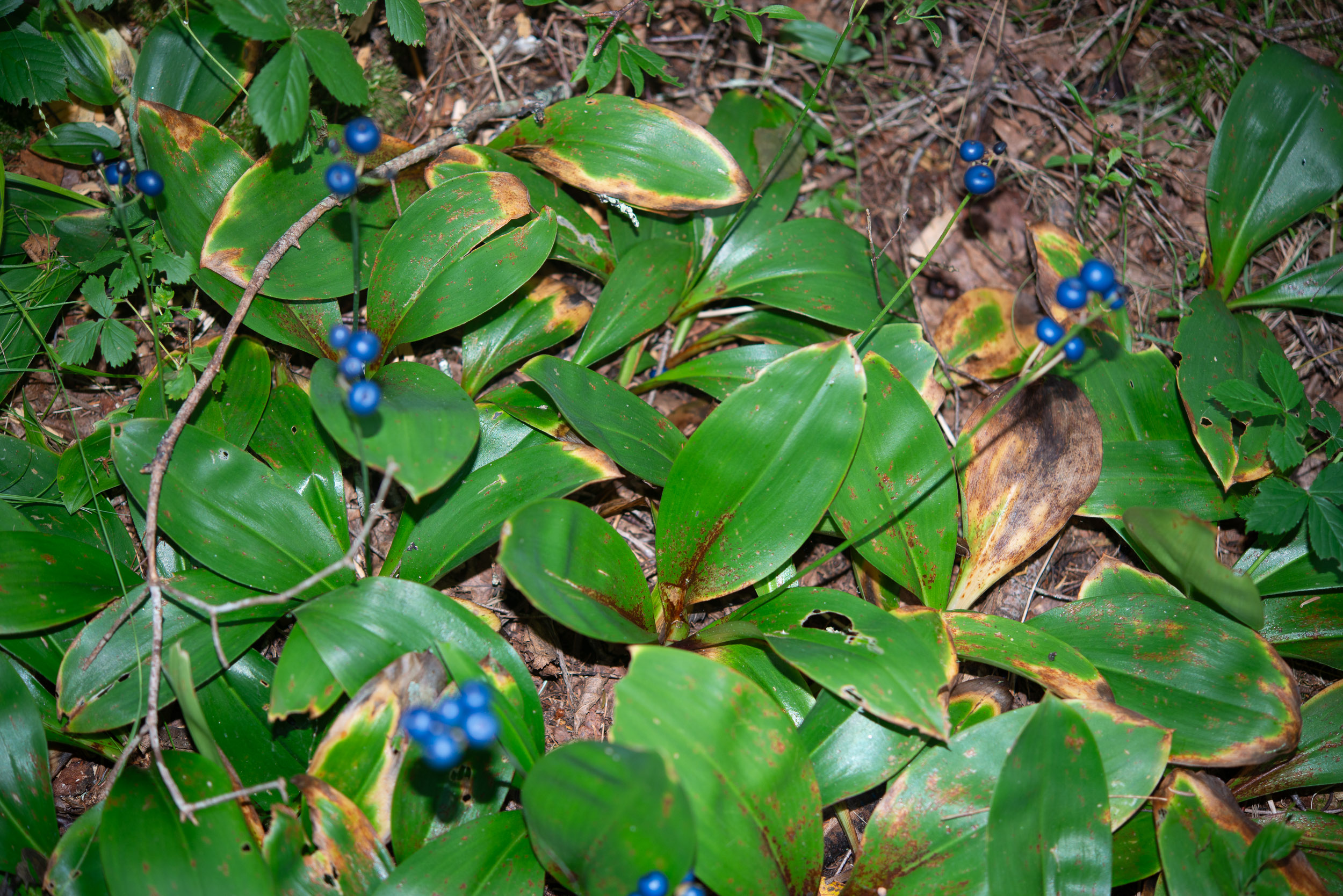
8/15/2015 · Grafton Notch State Park, Newry, Maine · ≈ 2½ × 1½′ (79 × 53 cm) 

5/9/2016 · Rachel Carson Interpretive Trail, Kennebunk, Maine · ≈ 2 × 2″ (5.7 × 5.7 cm)  ID is uncertain

6/9/2026 · Ladies Lookout, Pinkham Notch, New Hampshire · ≈ 7 × 4½″ (17 × 11 cm) 

6/9/2026 · Lost Pond Trail, Pinkham Notch, New Hampshire · ≈ 3½ × 5″ (9.6 × 13 cm) 
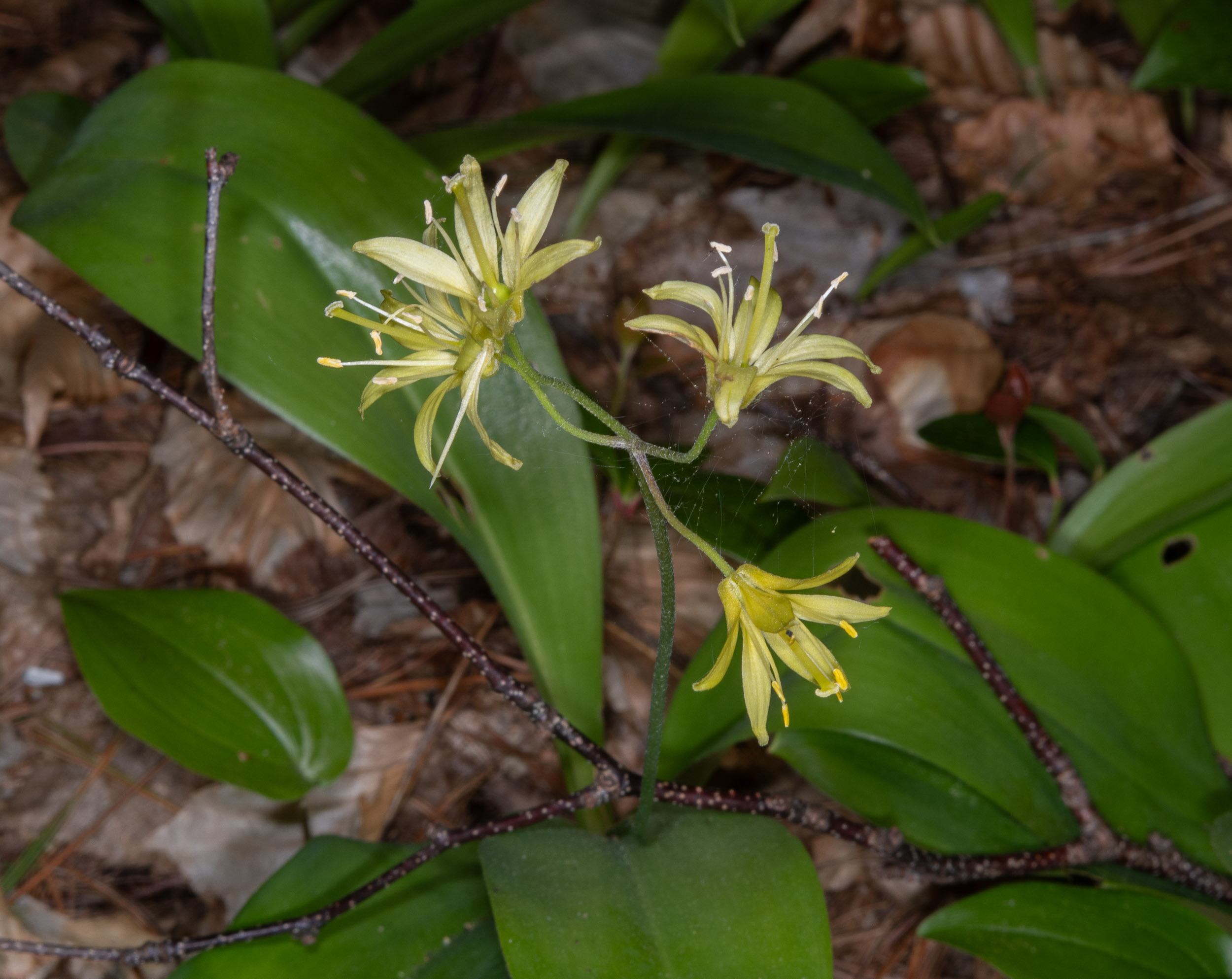
5/28/2025 · Thorne Head Preserve, Bath, Maine · ≈ 7 × 6″ (18 × 14 cm) 
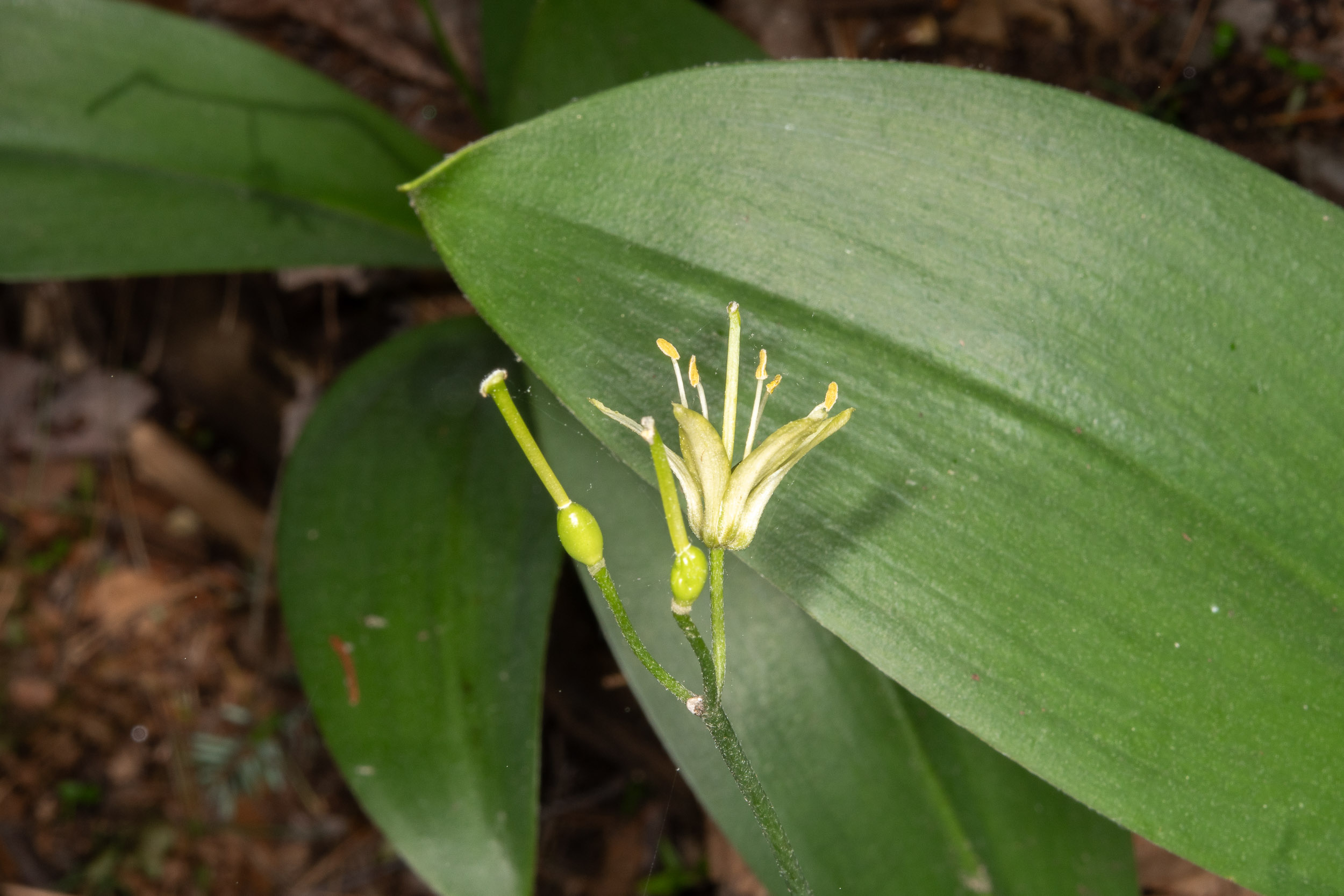
6/3/2018 · Mt. Watatic, Ashby, Massachusetts · ≈ 6 × 4″ (15 × 10 cm) 

6/3/2018 · Mt. Watatic, Ashby, Massachusetts · ≈ 3 × 4″ (8.1 × 10 cm) 

7/13/2015 · Mt. Ascutney State Park, Ascutney, Vermont · ≈ 7 × 5″ (17 × 13 cm) 

5/18/2025 · Center Point Preserve, Bowdoinham, Maine · ≈ 4½ × 6″ (12 × 15 cm) 
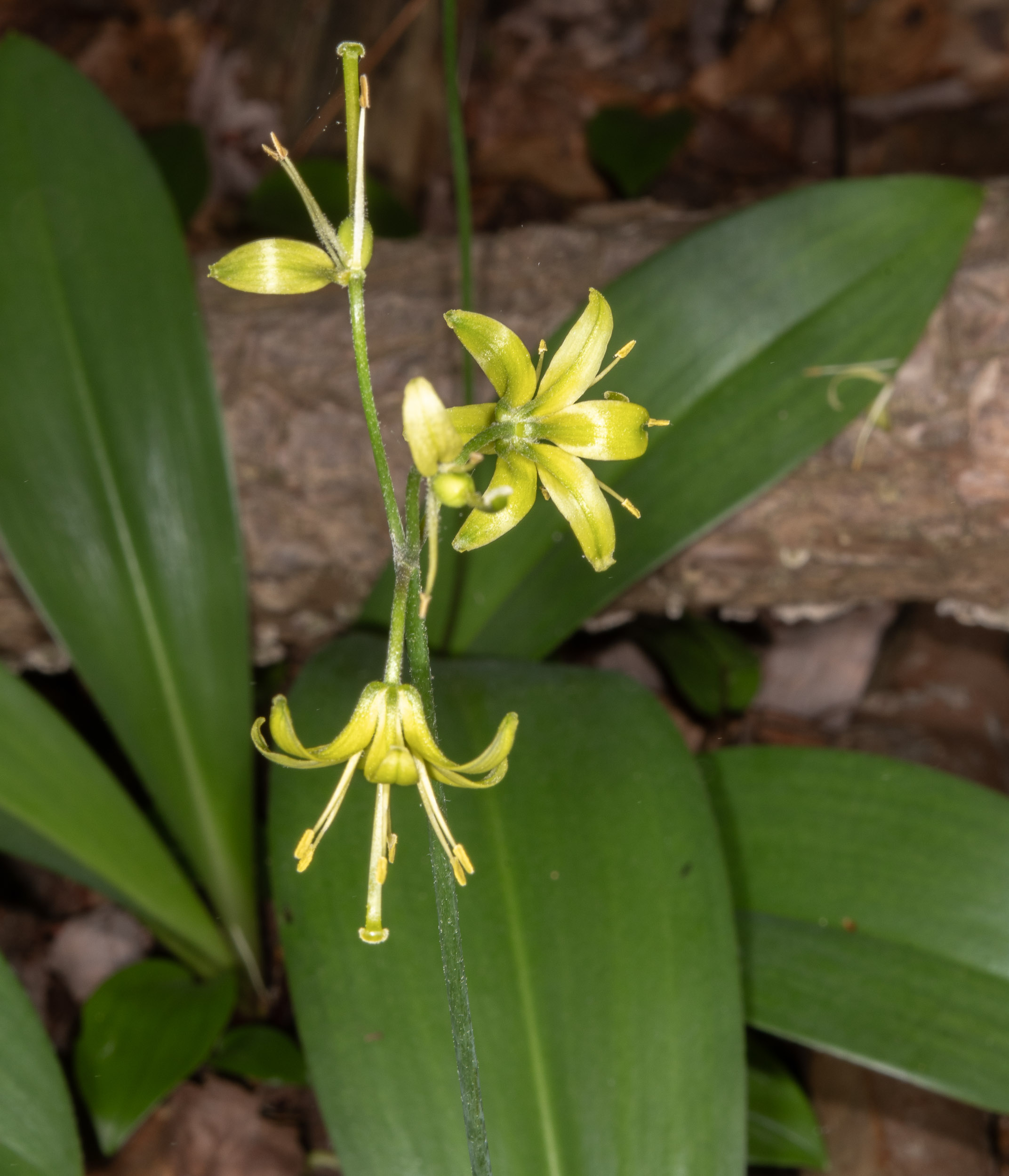
6/3/2018 · Mt. Watatic, Ashby, Massachusetts · ≈ 4½ × 6″ (12 × 14 cm) 

5/25/2023 · Maquoit Bay Conservation Land, Brunswick, Maine 
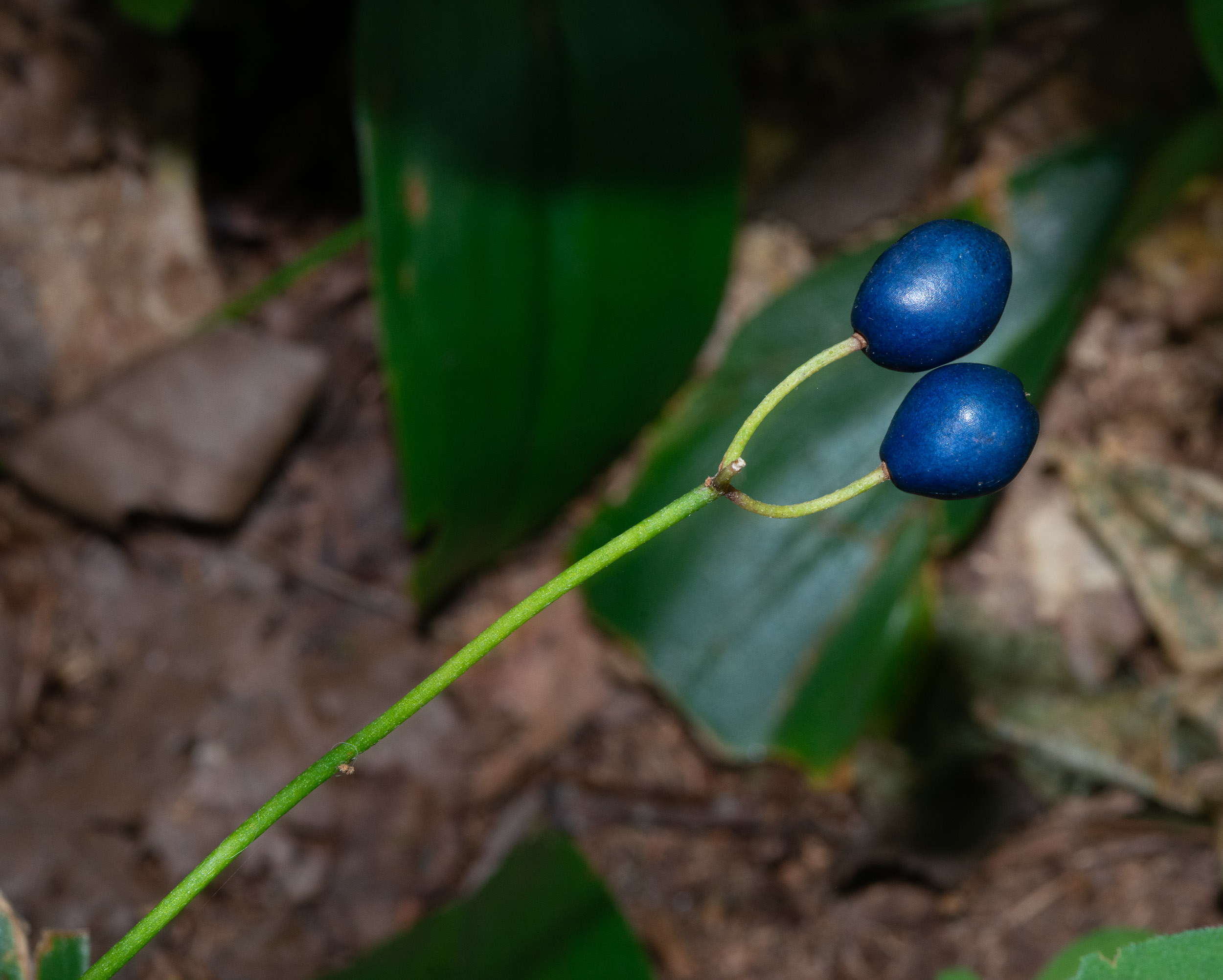
8/8/2015 · Mt. Wachusett · ≈ 5 × 4″ (13 × 10 cm) 

7/12/2020 · Harraseeket Trail, Wolfe’s Neck Woods State Park, Freeport, Maine · ≈ 5 × 6″ (13 × 15 cm) 

5/25/2023 · Maquoit Bay Conservation Land, Brunswick, Maine 

8/15/2015 · Grafton Notch State Park, Newry, Maine · ≈ 6 × 4″ (16 × 10 cm) 

7/12/2020 · Harraseeket Trail, Wolfe’s Neck Woods State Park, Freeport, Maine · ≈ 4½ × 3½″ (11 × 8.6 cm) 
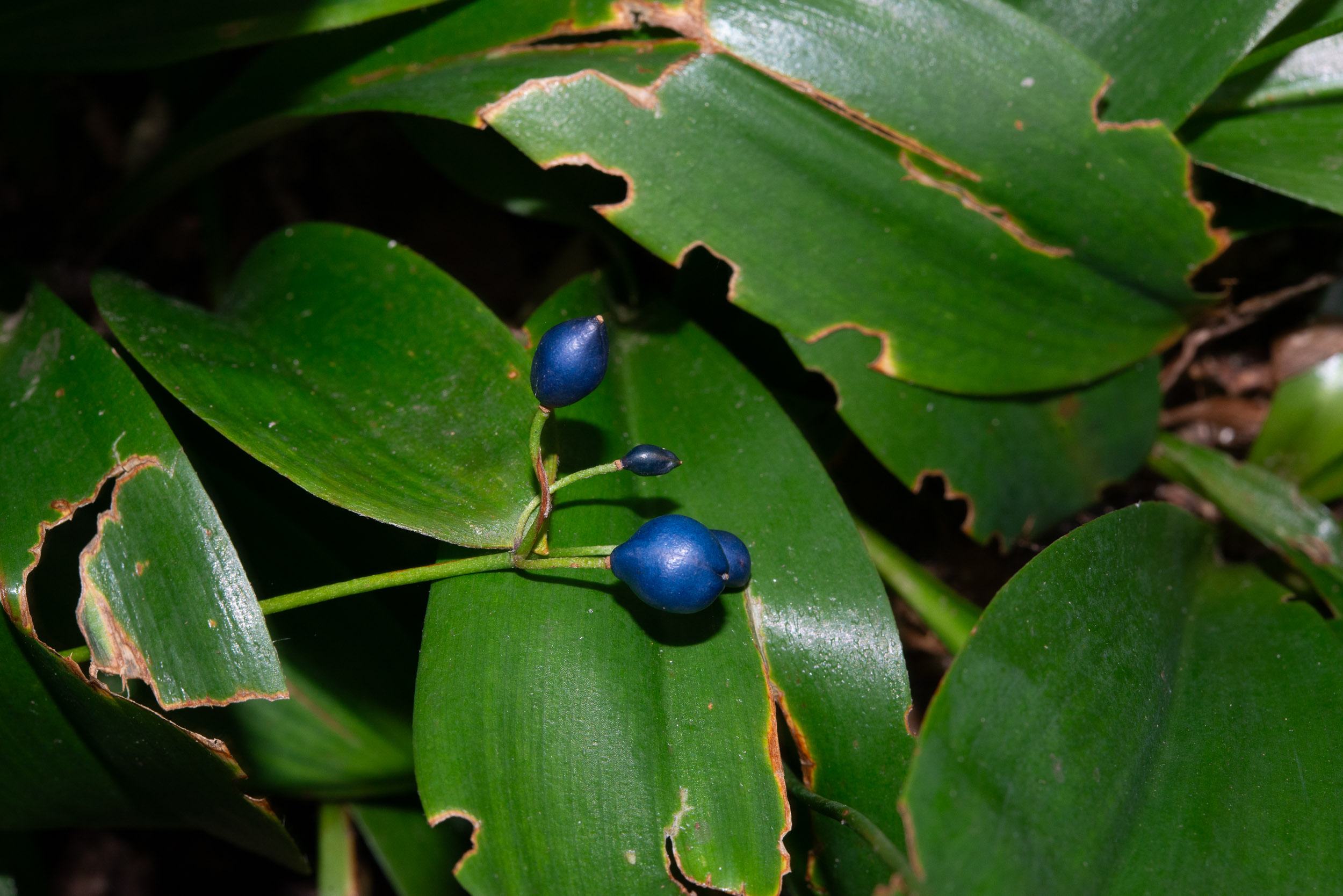
8/8/2015 · Mt. Wachusett · ≈ 8 × 5″ (19 × 12 cm) 

5/25/2023 · Maquoit Bay Conservation Land, Brunswick, Maine 

5/25/2023 · Maquoit Bay Conservation Land, Brunswick, Maine 
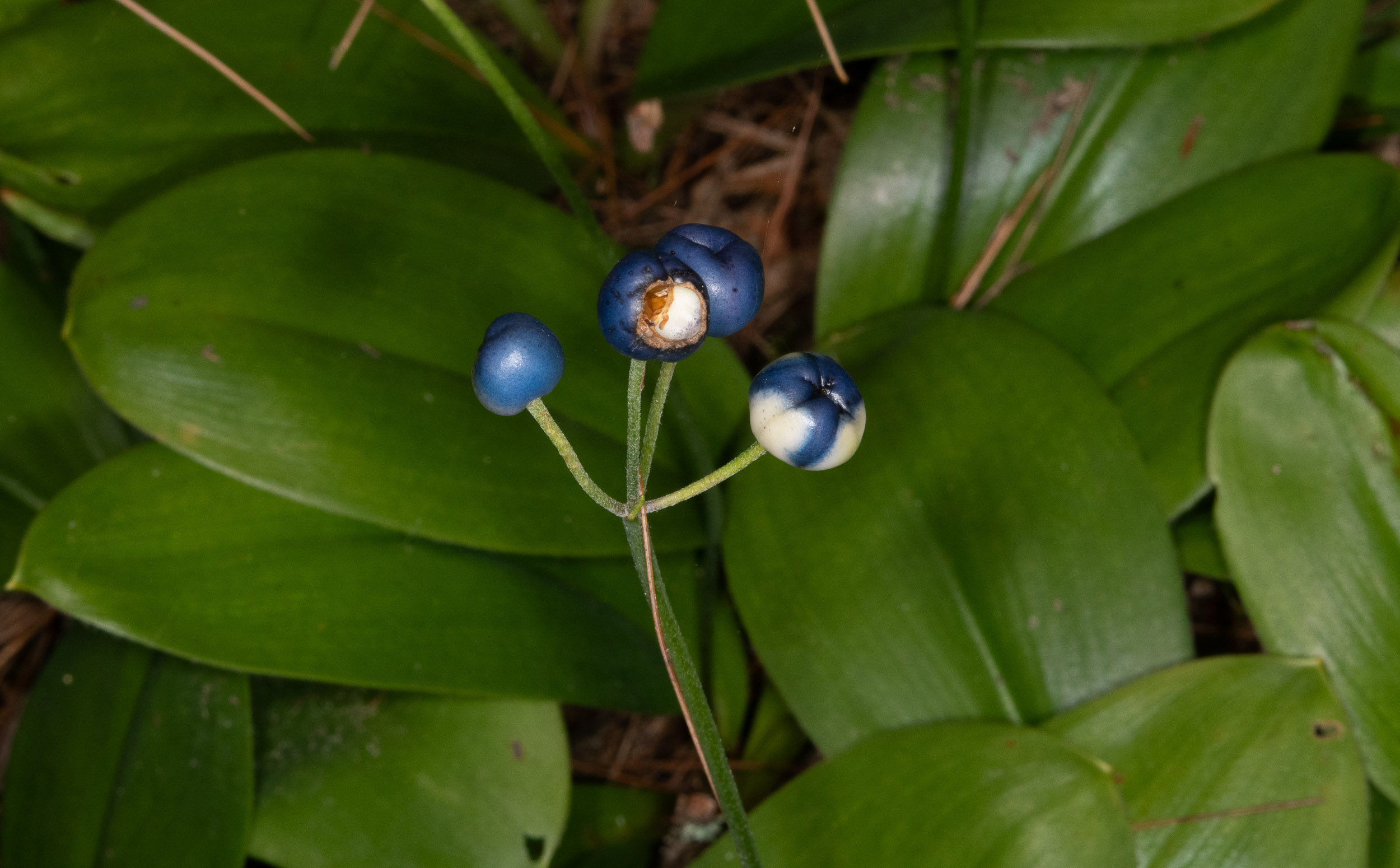
7/12/2020 · Harraseeket Trail, Wolfe’s Neck Woods State Park, Freeport, Maine · ≈ 7 × 4″ (16 × 10 cm) 
| Kingdom | Plantae | Plants, but not fungi, lichens, or algae (from Stearn's Botanical Latin) |
| Subkingdom | Tracheobionta | Vascular plants—plants with a “circulatory system” for delivering water and nutrients |
| Division | Magnoliophyta | Flowering plants, also known as angiosperms |
| Class | Liliopsida | Monocots (plants with a single seed leaf); includes the lily family |
| Subclass | Liliidae | Includes lilies, orchids, and many others |
| Order | Liliales | Includes lilies, tulips, trilliums, greenbriars, and others |
| Family | Liliaceae | Lilly family |
| Genus | Clintonia | After De Witt Clinton (1769-1828), a naturalist and governor of New York |
| Species | borealis | Northern |
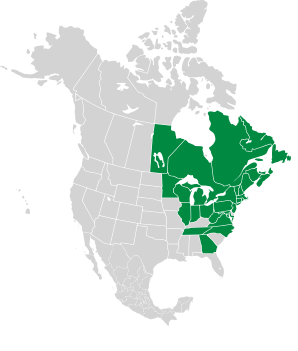
Clintonia borealis description by Thomas H. Kent, not updated.

© FloraFinder.org. All rights reserved.