Commelina dianthifolia Delile
Birdbill dayflower
[An article has not been written yet.]
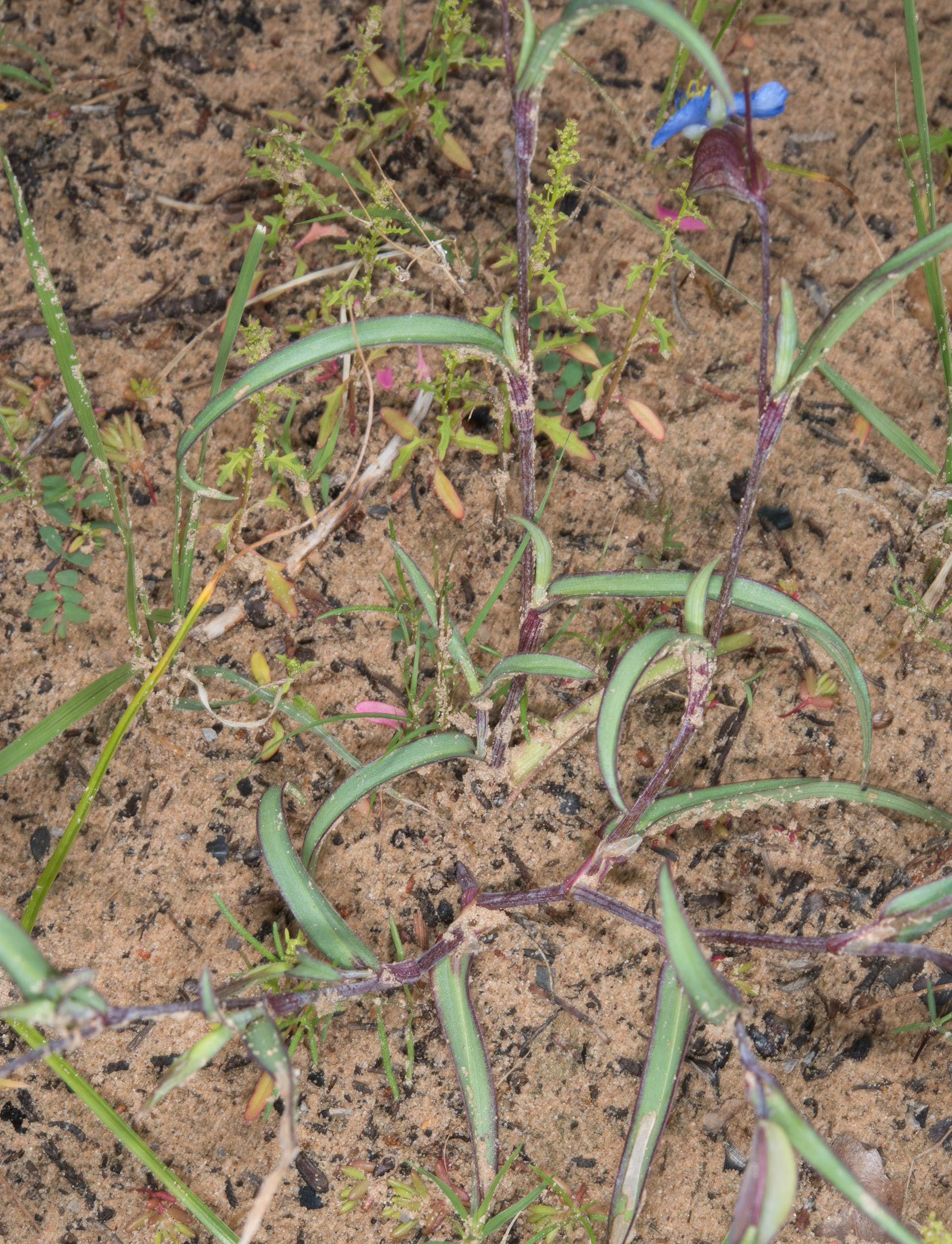
8/26/2014 · Sandstone Bluffs, El Malpais National Monument, New Mexico · ≈ 7 × 10″ (18 × 24 cm) 
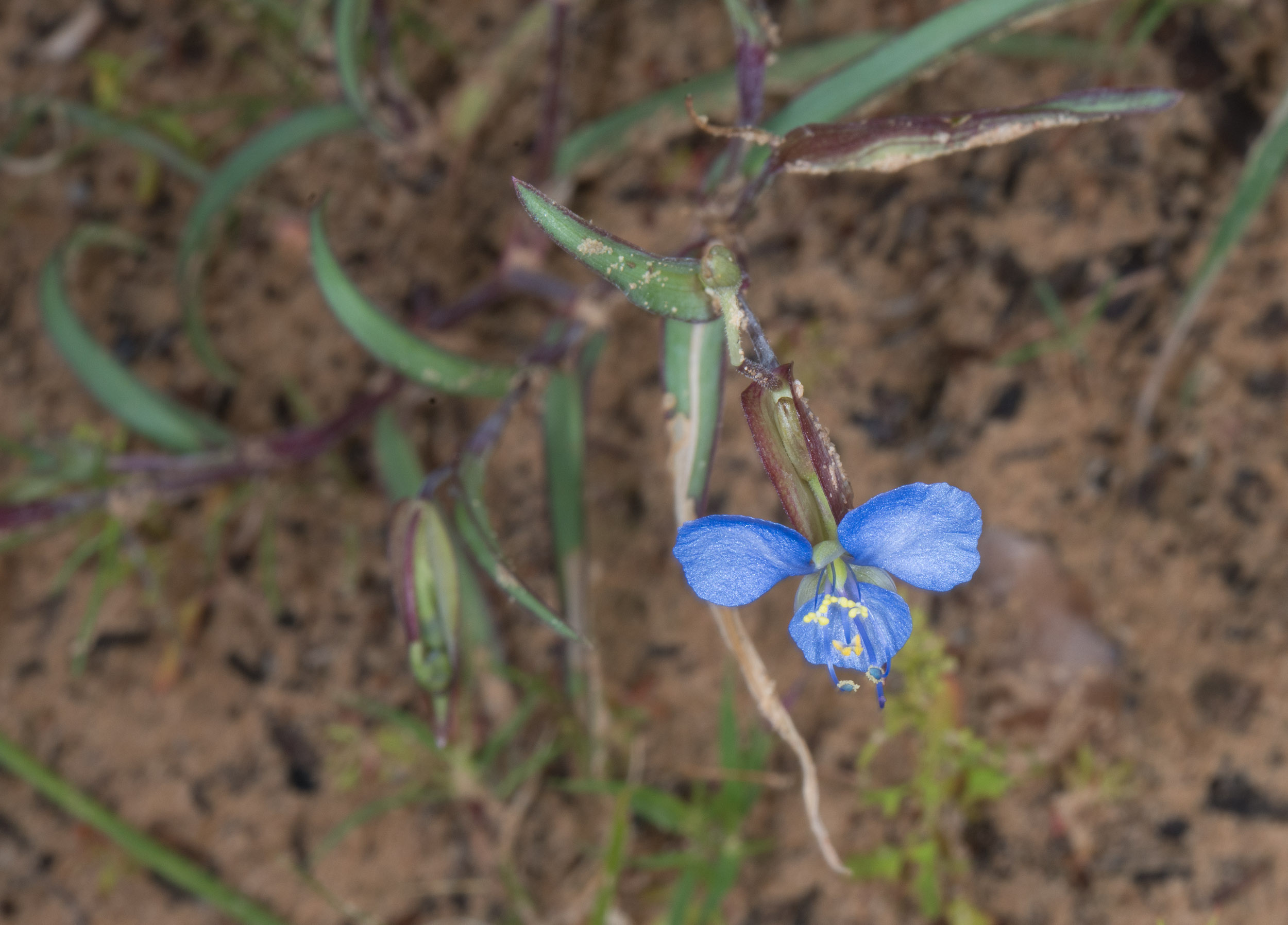
8/26/2014 · Sandstone Bluffs, El Malpais National Monument, New Mexico · ≈ 4½ × 3½″ (11 × 8.6 cm) 
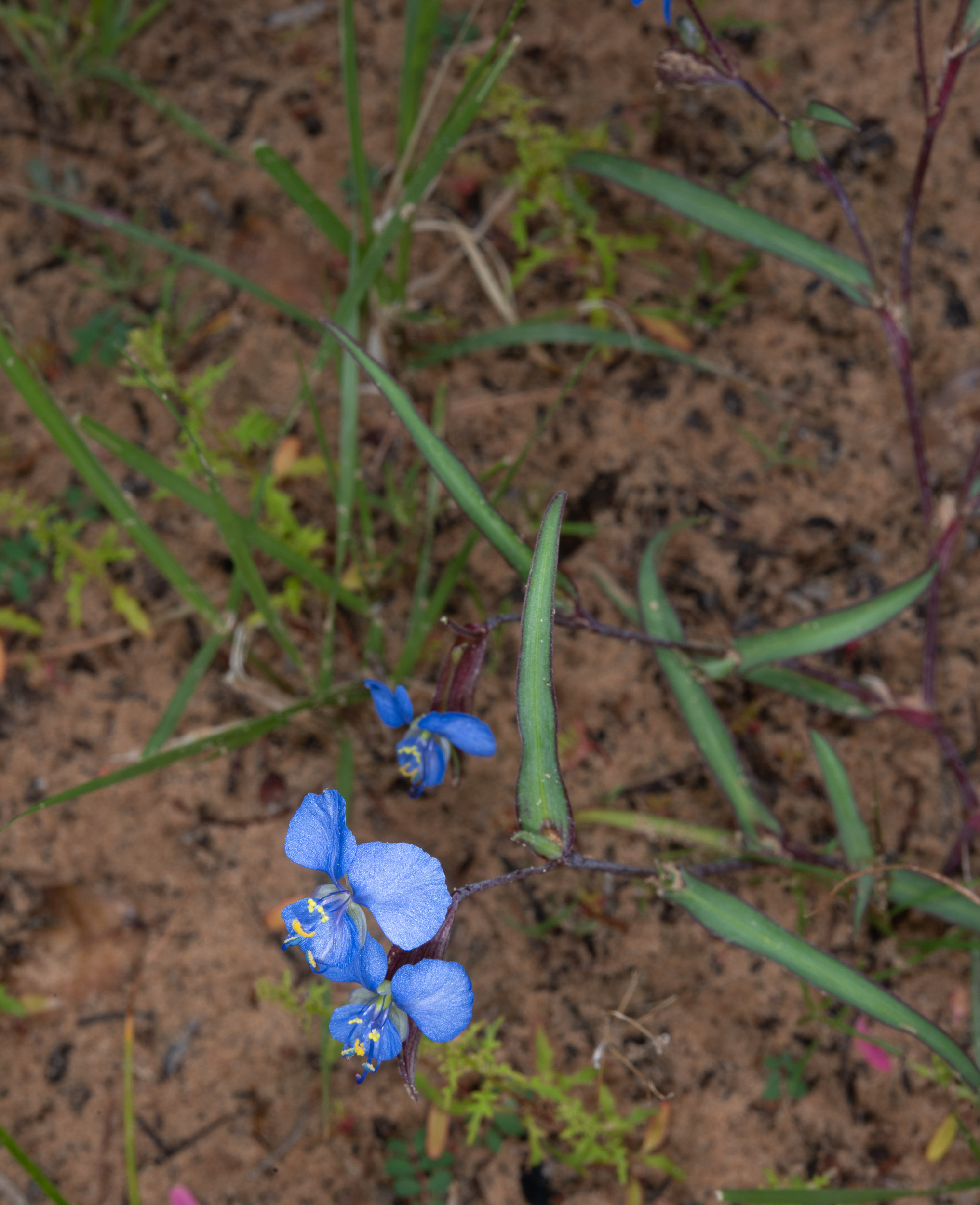
8/26/2014 · Sandstone Bluffs, El Malpais National Monument, New Mexico · ≈ 6 × 7″ (14 × 17 cm) 
| Kingdom | Plantae | Plants, but not fungi, lichens, or algae (from Stearn's Botanical Latin) |
| Subkingdom | Tracheobionta | Vascular plants—plants with a “circulatory system” for delivering water and nutrients |
| Division | Magnoliophyta | Flowering plants, also known as angiosperms |
| Class | Liliopsida | Monocots (plants with a single seed leaf); includes the lily family |
| Subclass | Commelinidae | Dayflowers and spiderworts, and several others |
| Order | Commelinales | Includes dayflowers (spiderworts), bloodworts, water hyacinths, others |
| Family | Commelinaceae | Dayflower or spiderwort family |
| Genus | Commelina | After Dutch botanists Jan (1629-1692) and his nephew Caspar (1667-1731) Commelijn, known to Linnaeus and Charles Plumier, a French Franciscan monk, botanist and traveler who apparently named this flower. Jan, or Johan, Commelijn was a doctor and the director of botany at the Hortus Medicus (Medical Garden) in Amsterdam, who worked with many Asian tropical plants sent back to Holland. Linnaeus allegedly decided to commemorate the Commelins because the dayflower has two large petals (for Jan and Caspar) and a third small petal (for another Commelijn who died young before he could accomplish anything in botany), but this may well be an apocryphal though convenient explanation |
| Species | dianthifolia |
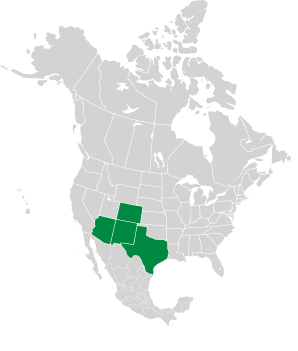
Commelina dianthifolia description by Thomas H. Kent, not updated.

© FloraFinder.org. All rights reserved.