Coreopsis heterogyna Fernald
Coreopsis lanceolata L. var. villosa Michx.
Coreopsis lanceolata L.
Lanceleaf tickseed, lance-leaved tickseed
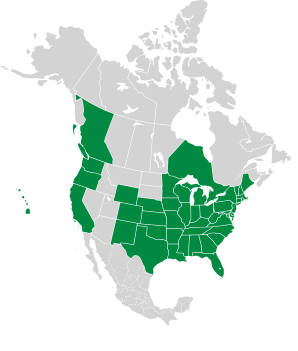
Lance-leaved coreopsis is a North American native, and a member of the sunflower family. It has since become naturalized through much of North, Central and South America; as well as South Africa and eastern Asia. In parts of Asia, especially Japan, it is considered an invasive species. They are popular garden plants, and many cultivars exist.
Plants: Plants are 8–32″ (20–81 cm) tall, hairless or hairy, erect or prostrate.
Leaves: Leaves are 2–8″ (5–20 cm) long, usually opposite but sometimes alternate near the top. Most leaves are near the base. Some leaves are deeply cut, almost forming three leaves. They are sessile, and lance- or spoon-shaped, or narrowly oval.
Flowers: These composite flowers consist of 6-10 yellow ray flowers, the “petals;” and yellow disc flowers, numerous tiny florets that make up the center. Each ray flower has four fused lobes, leaving three teeth at the end. Flowers are 1–1½″ (2.5–3.8 cm) around, sometimes larger. Flowers appear from May to July.
Fruits: The disc flowers become brown flattened seeds (achenes) 1/32″ (1.2 mm) long, with two small awns.
Habitats: Sandy shores and banks, grasslands, roadsides, and oak-pine savannas.
Online References:
References:
Clemants, Steven; Gracie, Carol, Wildflowers in the Field and Forest, Oxford University Press, 2006, p. 200
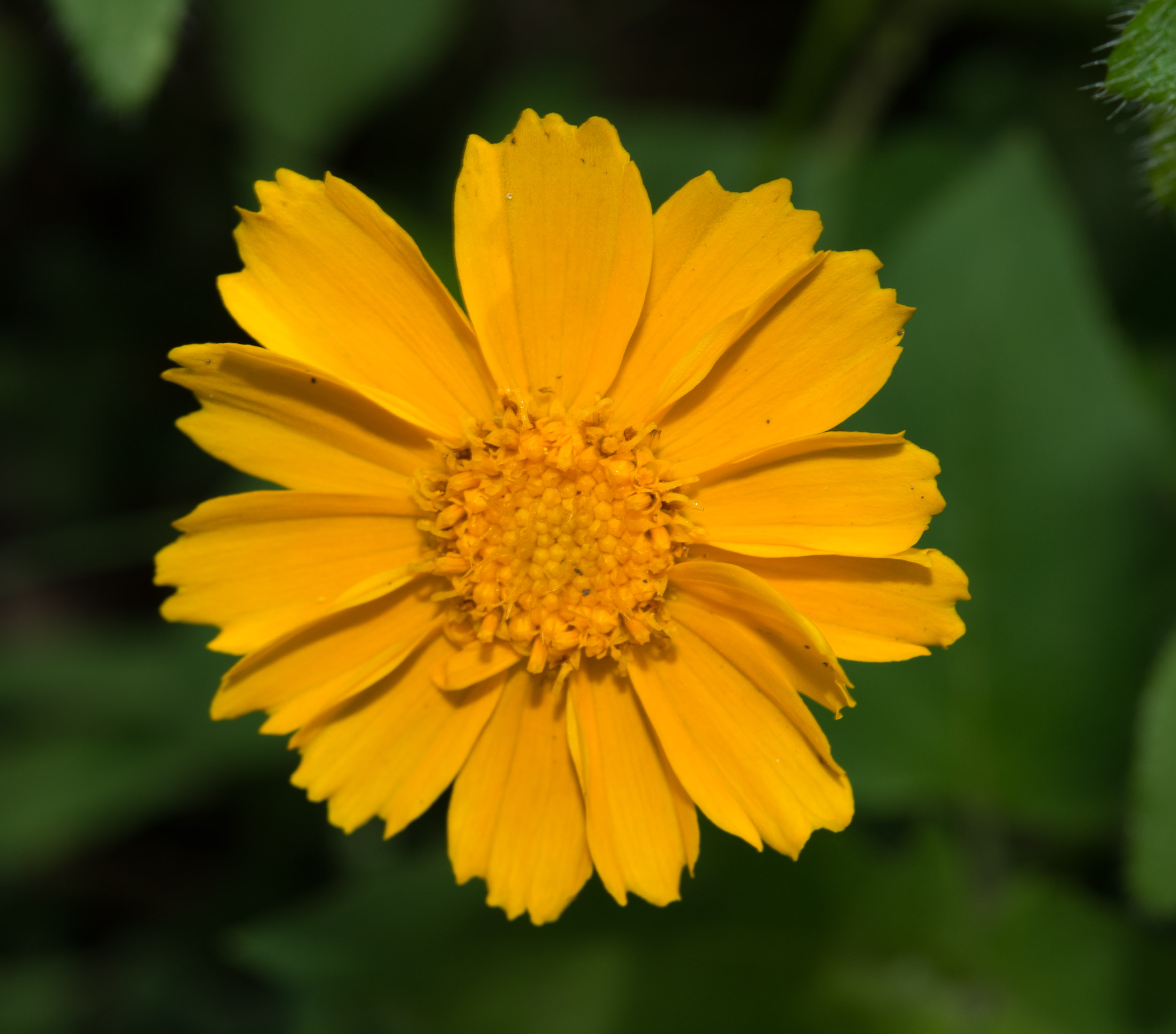
7/12/2013 · Wooden Bridge, East Pepperell, Massachusetts · ≈ 3 × 2½″ (8.1 × 7.1 cm)  ID is uncertain

7/12/2013 · Wooden Bridge, East Pepperell, Massachusetts · ≈ 8 × 6″ (20 × 14 cm) ID is uncertain 
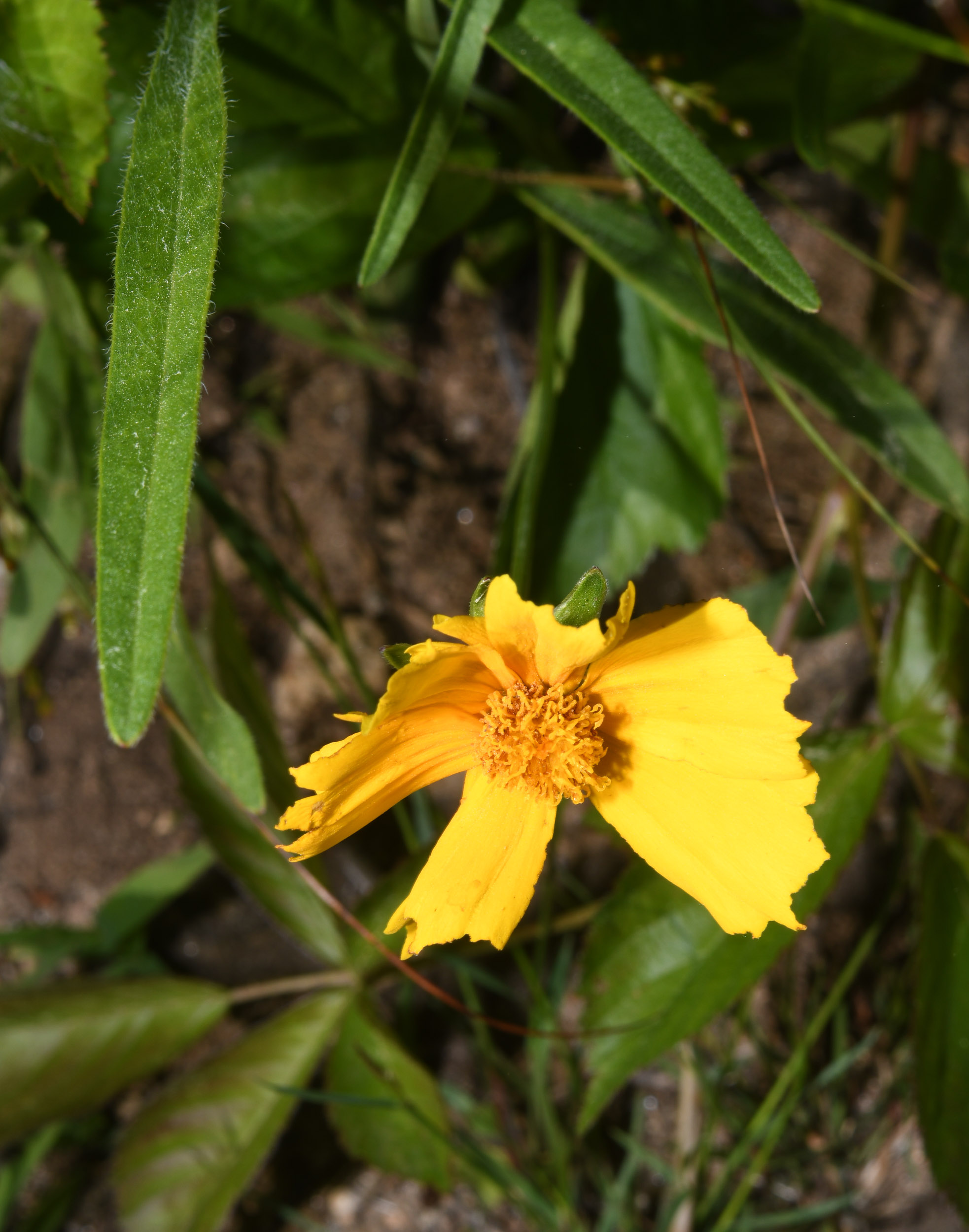
6/14/2016 · Andres Institute of Art, Big Bea, Brookline, New Hampshire 
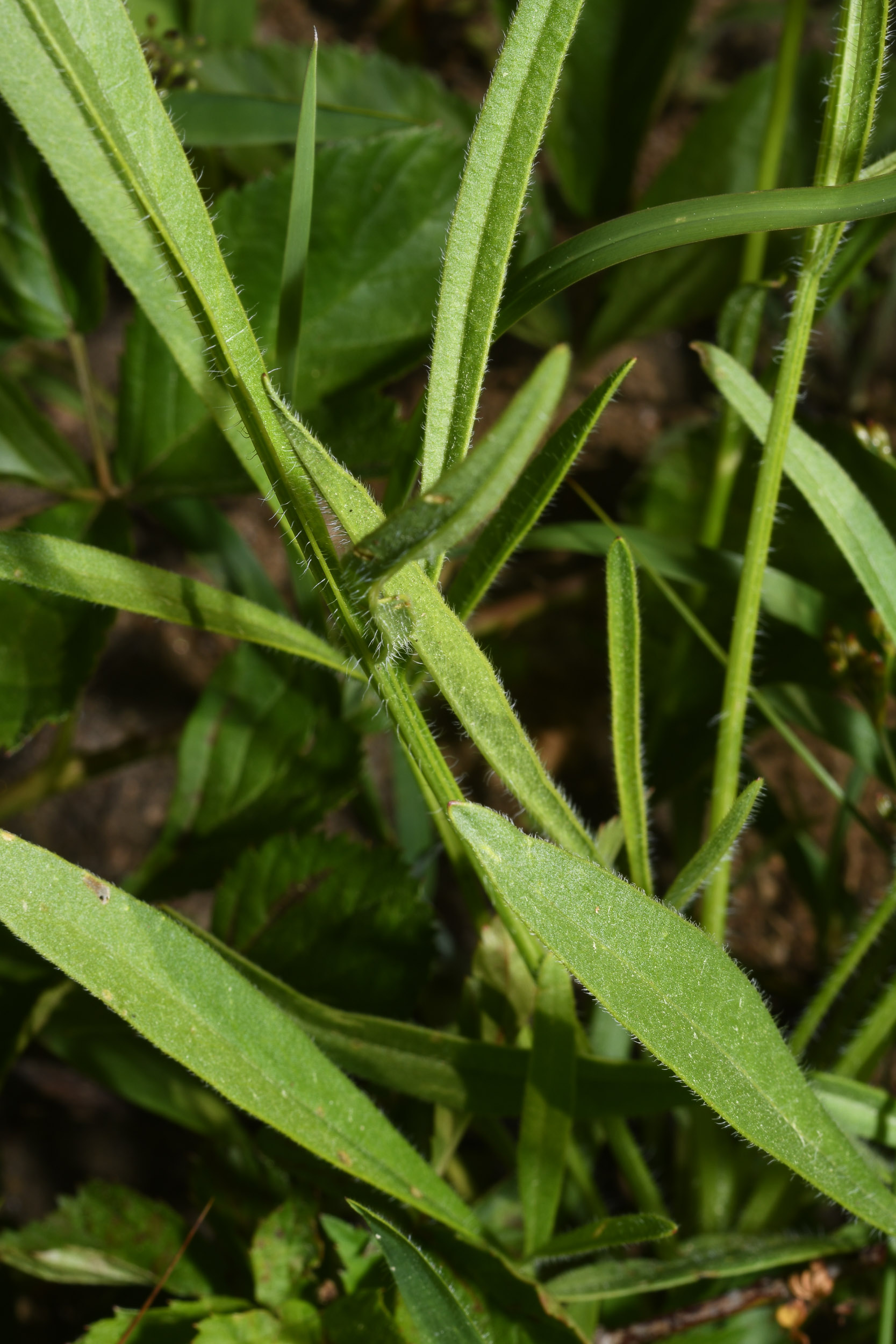
6/14/2016 · Andres Institute of Art, Big Bea, Brookline, New Hampshire 
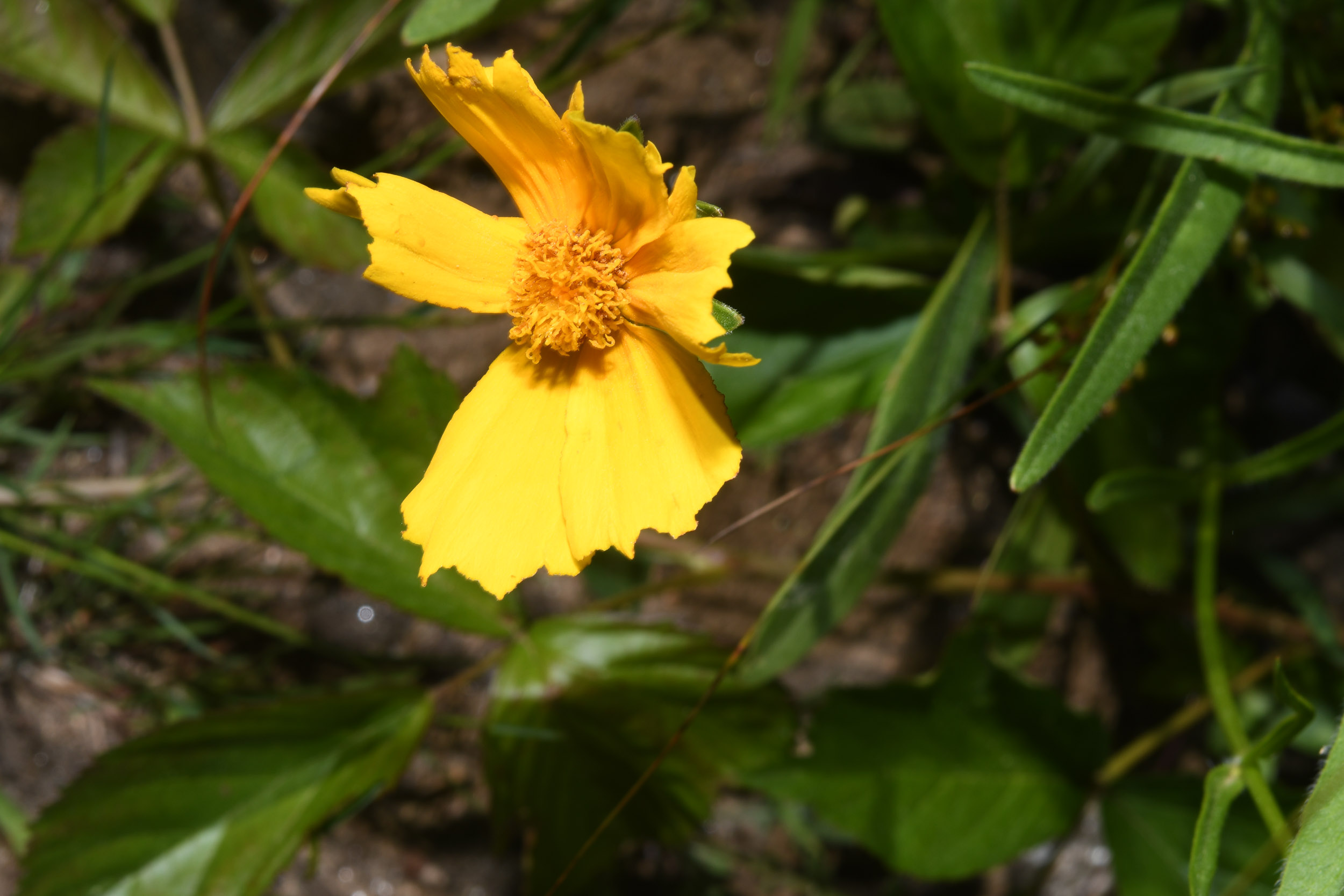
6/14/2016 · Andres Institute of Art, Big Bea, Brookline, New Hampshire 
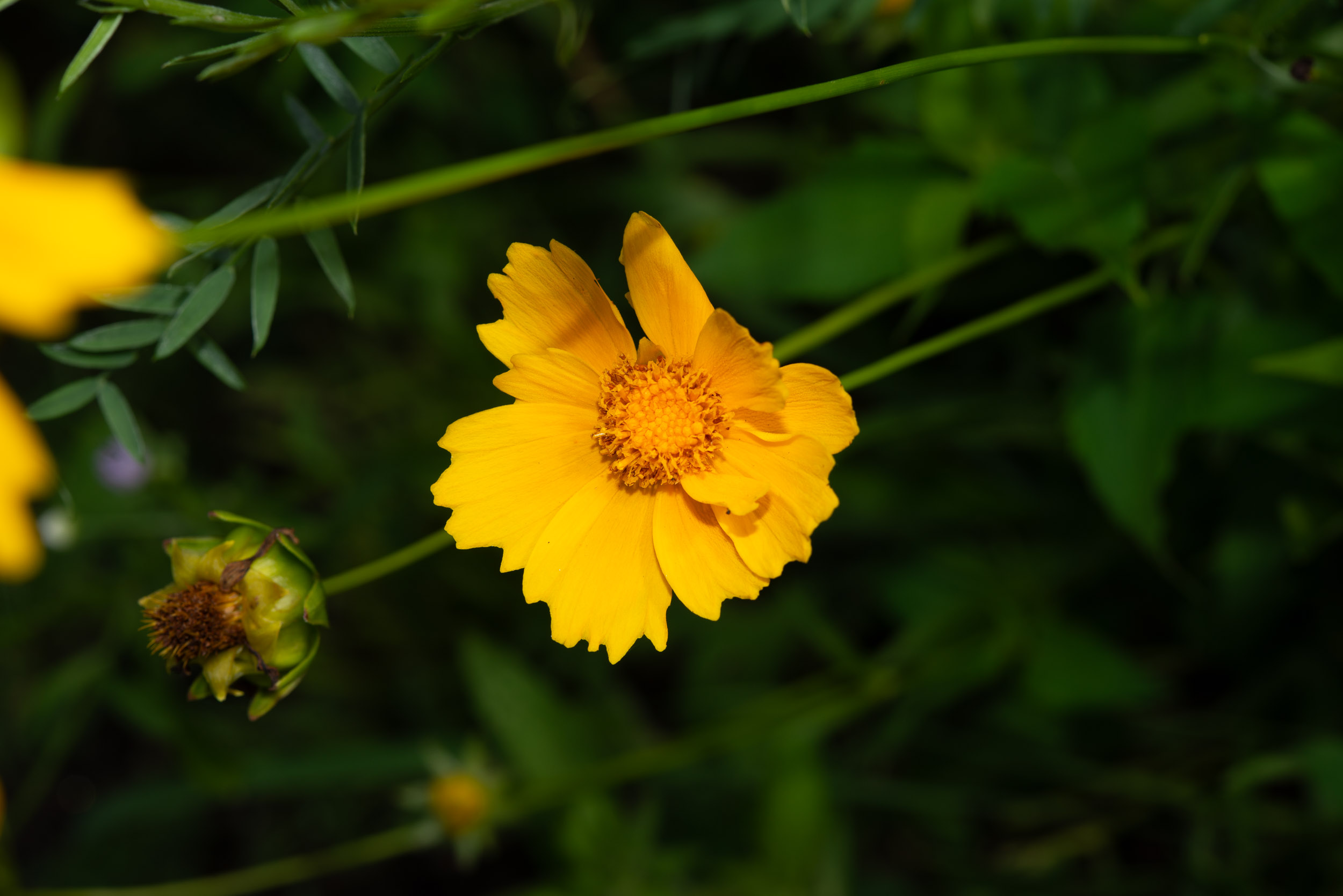
7/12/2013 · Wooden Bridge, East Pepperell, Massachusetts · ≈ 8 × 5″ (19 × 12 cm) ID is uncertain 
| Kingdom | Plantae | Plants, but not fungi, lichens, or algae (from Stearn's Botanical Latin) |
| Subkingdom | Tracheobionta | Vascular plants—plants with a “circulatory system” for delivering water and nutrients |
| Division | Magnoliophyta | Flowering plants, also known as angiosperms |
| Class | Magnoliopsida | Dicotyledons—plants with two initial seed leaves |
| Subclass | Asteridae | A large class that encompasses asters |
| Order | Asterales | Flowering plants with a central disk flower and surrounding petals, like daisies |
| Family | Asteraceae | The aster family, which also includes daisies and sunflowers; from the Greek ἀστήρ, “star,” for the star-shaped flowers |
| Genus | Coreopsis | From the Greek koris, “a bug,” and -opsis, indicating a resemblance, therefore meaning bug-like, referring to the achenes which look like ticks |
| Species | lanceolata | Lance-like, referring to the shape of the leaves |
Coreopsis lanceolata description by Thomas H. Kent, not updated.

© FloraFinder.org. All rights reserved.