Equisetum arvense L. var. boreale (Bong.) Rupr.
Equisetum arvense L. var. campestre Wahlenb.
Equisetum arvense L. var. riparium Farw.
Equisetum calderi B. Boivin
Equisetum arvense L.
Field horsetail
Horsetails are among the oldest members of the fern family, dating back 300 million years to the Carboniferous Period. They are largely unchanged from when dinosaurs ruled the earth. Field horsetails have high levels of silicon (10%!), and were once used to polish pewter and wood. Horsetails are found almost everywhere in North America.
Plants: Fertile stems, which are tipped by strobili, spore-bearing conelike structures, are pale brown (nonphotosynthetic), erect, and unbranched. They are 6–12″ (15–30 cm) tall. They appear early in the season and are gone by May. Sterile stems (no “cone”) are green, 6–24″ (15–60 cm) tall, 1/16–3/16″ (3–5 mm) in diameter, with 4-14 ridges. They appear after the fertile stems have come and gone. They are highly variable, usually heavily branched in a series of upward-pointing whorls, usually erect, sometimes prostrate. Branches are thin, shaped like a plus sign in cross-section. Stem and branch surfaces feel rough, due to the presence of silica—tiny glasslike spheres absorbed from the soil and deposited in the plant.
See Equisetum for a comparison chart.
Leaves: Tiny, dark brown sharp-tipped leaves surround the stem at nodes. They do not perform photosynthesis.
Fruits: Conelike structures that are neither cones nor fruits appear atop the fertile stems. They are 1–1½″ (2.5–3.8 cm) long, with blunt tips.
Habitats: Damp soil, but these also grow in fields, woods, waste places, and glades. They prefer light shade, but will grow in full sunlight as well.
Medical: Native Americans and early settlers made a diuretic tea from this plant.
Edibility: The buds are eaten in Japan, but other portions of the plant and all other species of Equisetum are toxic. Unless you are a grizzly bear, in which case field horsetails make up about 3-5% of your diet. Black bears also consume it, despite its low nutritive value.
Medical:
Online References:
References:

4/13/2010 · Nashua River Rail Trail, Groton Center, Groton, Massachusetts · ≈ 6 × 9″ (14 × 22 cm) 

5/2/2021 · Maquoit Bay, Brunswick, Maine · ≈ 4 × 4½″ (10 × 11 cm) 

4/13/2010 · Nashua River Rail Trail, Groton Center, Groton, Massachusetts · ≈ 12 × 9″ (31 × 23 cm) 

4/13/2010 · Nashua River Rail Trail, Groton Center, Groton, Massachusetts · ≈ 6 × 9″ (14 × 22 cm) 

4/21/2010 · Near Pleasant Lake Forest, St. L, New York · By Gari Vibber 

4/13/2010 · Nashua River Rail Trail, Groton Center, Groton, Massachusetts · ≈ 4½ × 5″ (12 × 13 cm) 
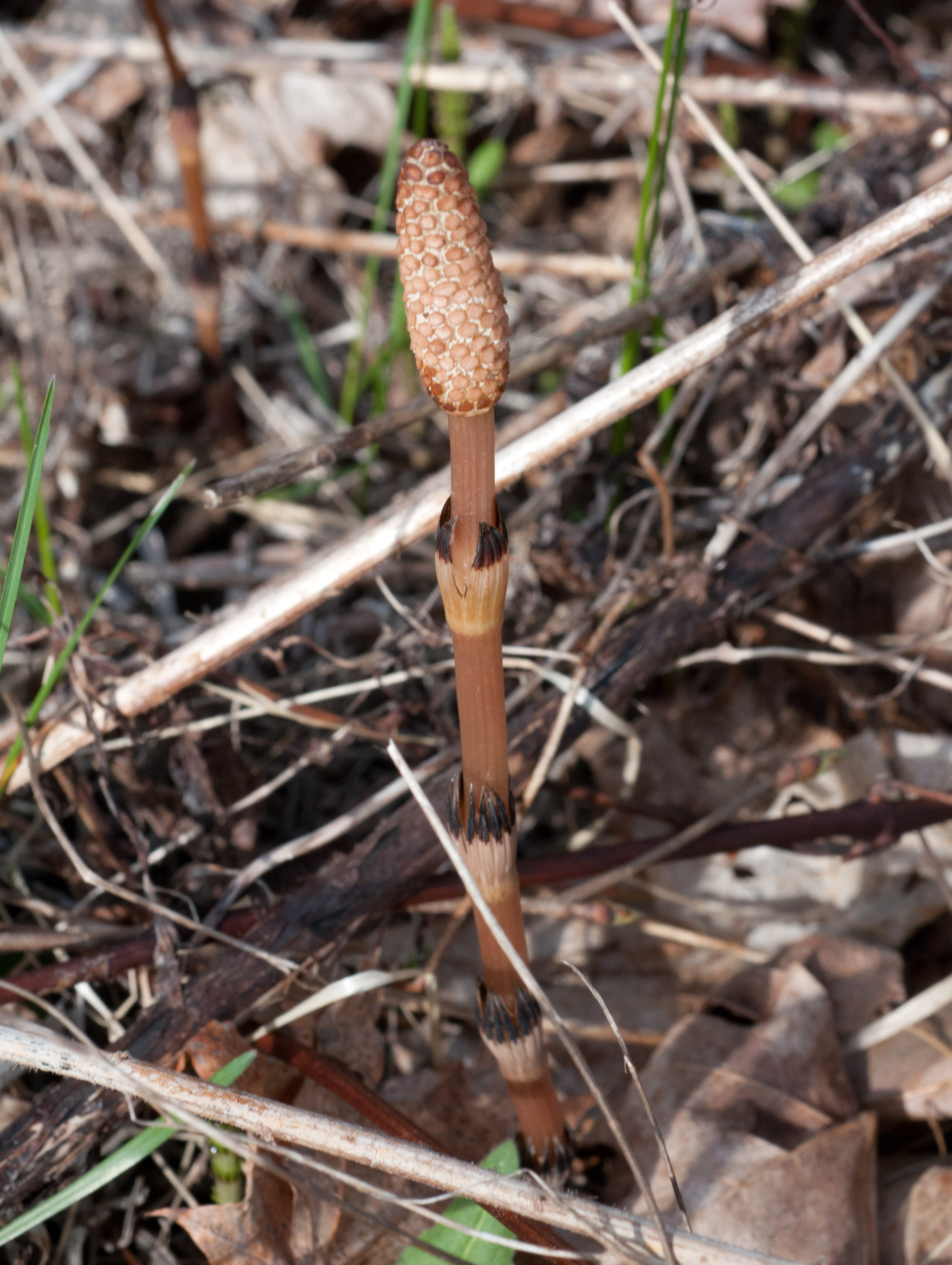
4/21/2010 · Nashua River Rail Trail, Groton Center, Groton, Massachusetts · ≈ 5 × 6″ (12 × 16 cm) 
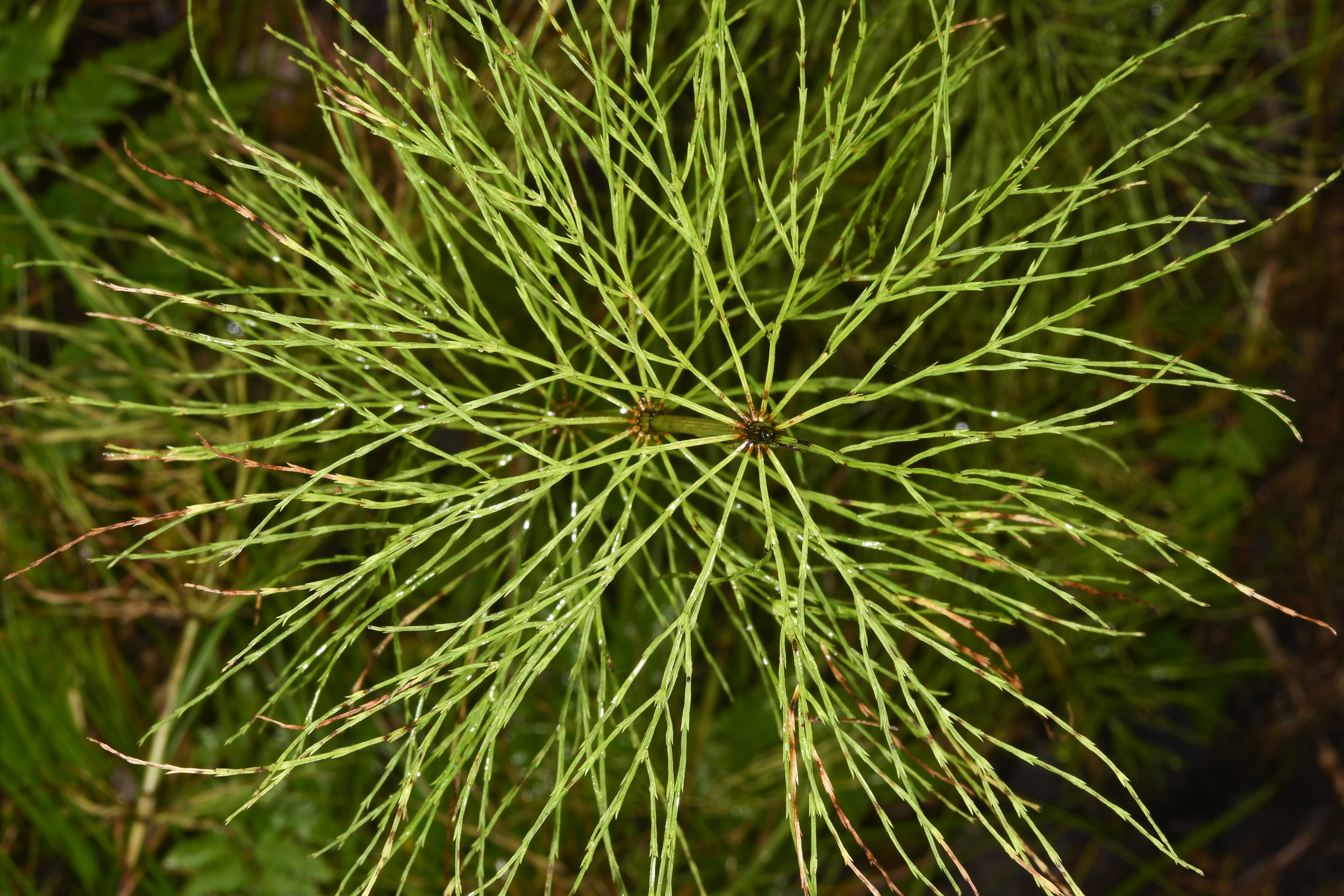
9/18/2016 · Shore Acres Preserve 

4/21/2010 · Nashua River Rail Trail, Groton Center, Groton, Massachusetts · ≈ 3½ × 5″ (9.5 × 13 cm) 

5/23/2009 · West Fork of Oak Creek Trail, Arizona  ID is uncertain

9/16/2016 · Sieur de Monts Botanical Gardens, Bar Harbor, Maine 

9/18/2016 · Shore Acres Preserve 
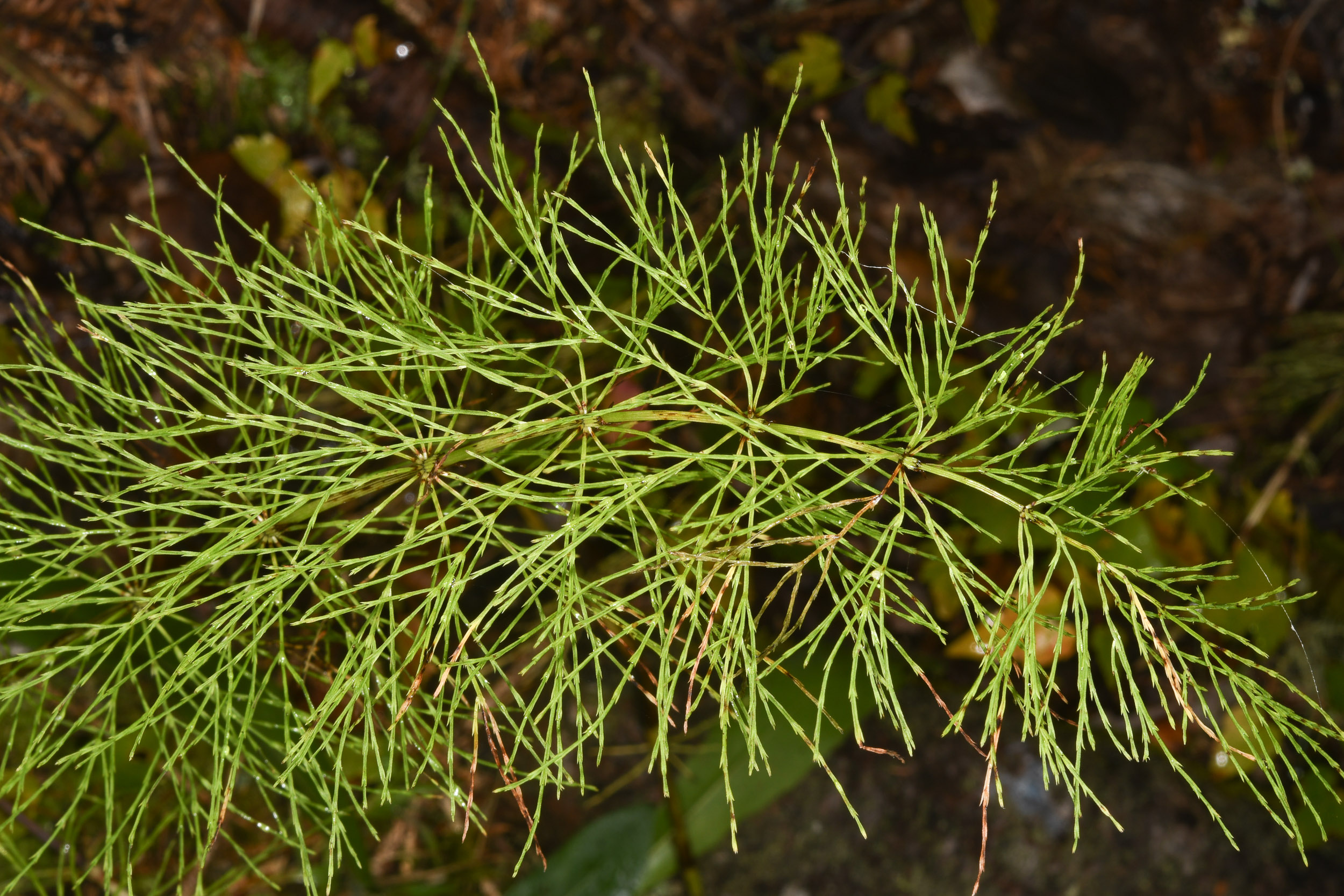
9/18/2016 · Shore Acres Preserve 
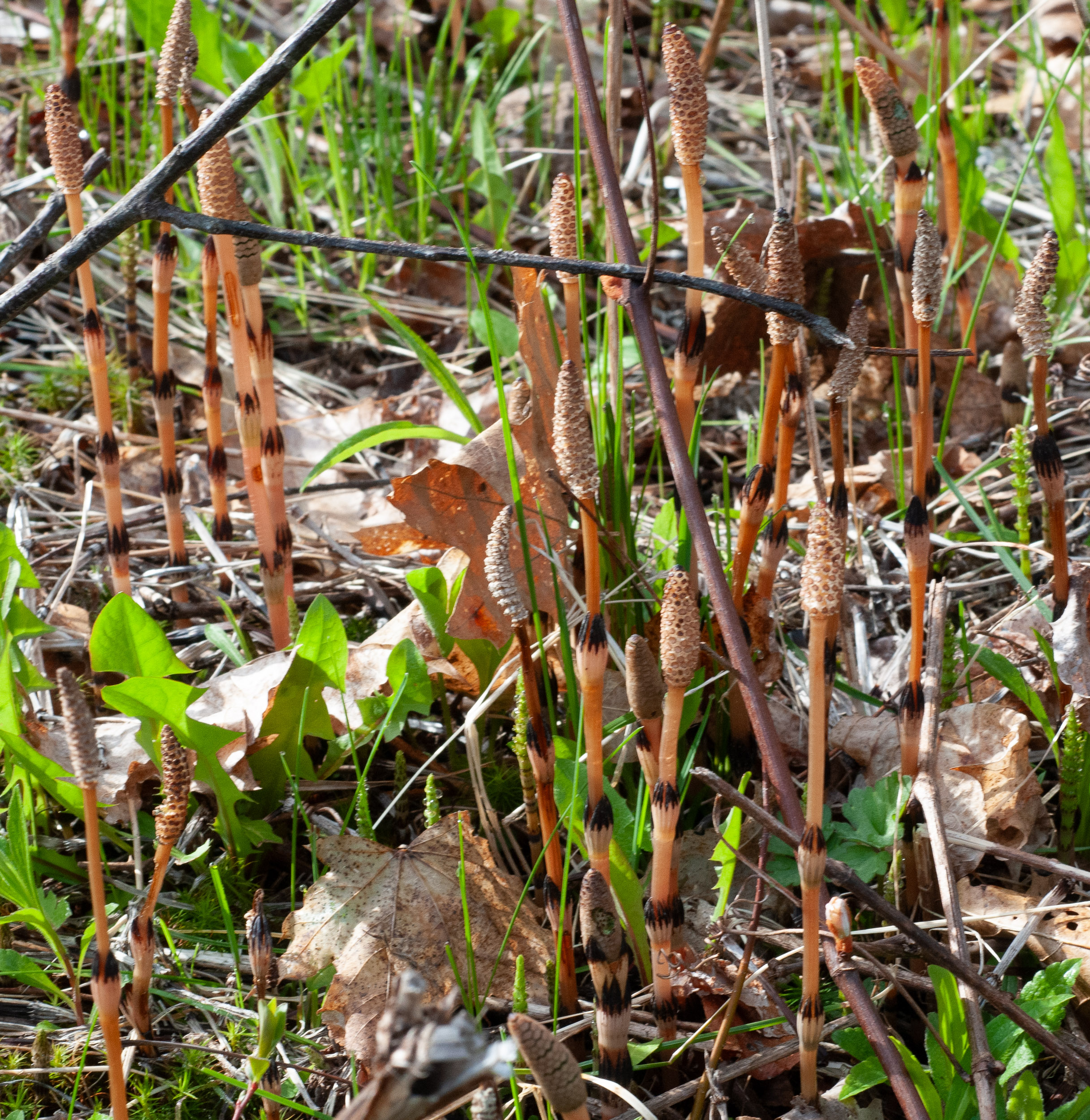
4/21/2010 · Nashua River Rail Trail, Groton Center, Groton, Massachusetts · ≈ 11 × 12″ (28 × 29 cm) 

4/8/2012 · North Central Railroad Trail, Monkton Rd, Sparks, Maryland ID is uncertain 

4/13/2010 · Nashua River Rail Trail, Groton Center, Groton, Massachusetts · ≈ 5 × 6″ (13 × 14 cm) 

5/4/2013 · Nashua River Rail Trail, Groton Center, Groton, Massachusetts · ≈ 2 × 1½′ (69 × 53 cm) 

4/13/2010 · Nashua River Rail Trail, Groton Center, Groton, Massachusetts · ≈ 6 × 9″ (15 × 23 cm) 

8/27/2007 · Umpqua Lighthouse State Park, Oregon ID is uncertain 

4/2/2012 · Nashua River Rail Trail, Groton Center, Groton, Massachusetts · ≈ 5 × 6″ (12 × 15 cm) ID is uncertain 

5/21/2009 · Grand Canyon South Rim, Arizona ID is uncertain 

5/2/2021 · Maquoit Bay, Brunswick, Maine · ≈ 3 × 4″ (8.1 × 11 cm) 

4/8/2012 · North Central Railroad Trail, Monkton Rd, Sparks, Maryland · ≈ 8 × 9″ (20 × 23 cm) ID is uncertain 
| Kingdom | Plantae | Plants, but not fungi, lichens, or algae (from Stearn's Botanical Latin) |
| Subkingdom | Tracheobionta | Vascular plants—plants with a “circulatory system” for delivering water and nutrients |
| Division | Equisetophyta | Horsetails, which date back to the Devonian era |
| Class | Equisetopsida | Horsetails, spore-bearing plants related to ferns |
| Order | Equisetales | Living horsetails (most are extinct) |
| Family | Equisetaceae | Living horsetails |
| Genus | Equisetum | From equus, horse; and seta, bristle |
| Species | arvense | From the Latin arvum, “plowed,” because the plant grows in arable soil or disturbed areas |
Equisetum arvense description by Thomas H. Kent, not updated.

© FloraFinder.org. All rights reserved.
