Fallugia paradoxa (D. Don) Endl. ex Torr.
Apache plume
Apache plume is native to the southwestern United States and northern Mexico. The name is a reference to its unusal fruits, silky plumes that resemble Apache headdresses.
Plants: Shrubs are up to 6½′ (2 m) tall, multiply branched, with gray or whitish peeling bark. Depending upon conditions, they may be deciduous or more or less evergreen.
Leaves: Leaves are about ⅜″ (1 cm) long, deeply lobed, with the edges rolled under. Dark green leaves are hairy on top, and silvery underneath.
Flowers: Delicate, five-petaled flowers are 1–2″ (2.5–5 cm) around. Flower centers contain dozens of yellow stamens. They appear from April to August, depending upon location.
Fruits: Pink, feathery, silky, long-lasting plumes are distinctive. There is a small fruit at the base of each plume.
Habitats: Desert woodlands, scrubs, and other arid habitats, between 4000–8000′ (1.2–2.4 km).
Online References:

8/26/2014 · Northwest New Mexico Visitor Center, Grants, New Mexico · ≈ 6 × 4½″ (15 × 11 cm) 
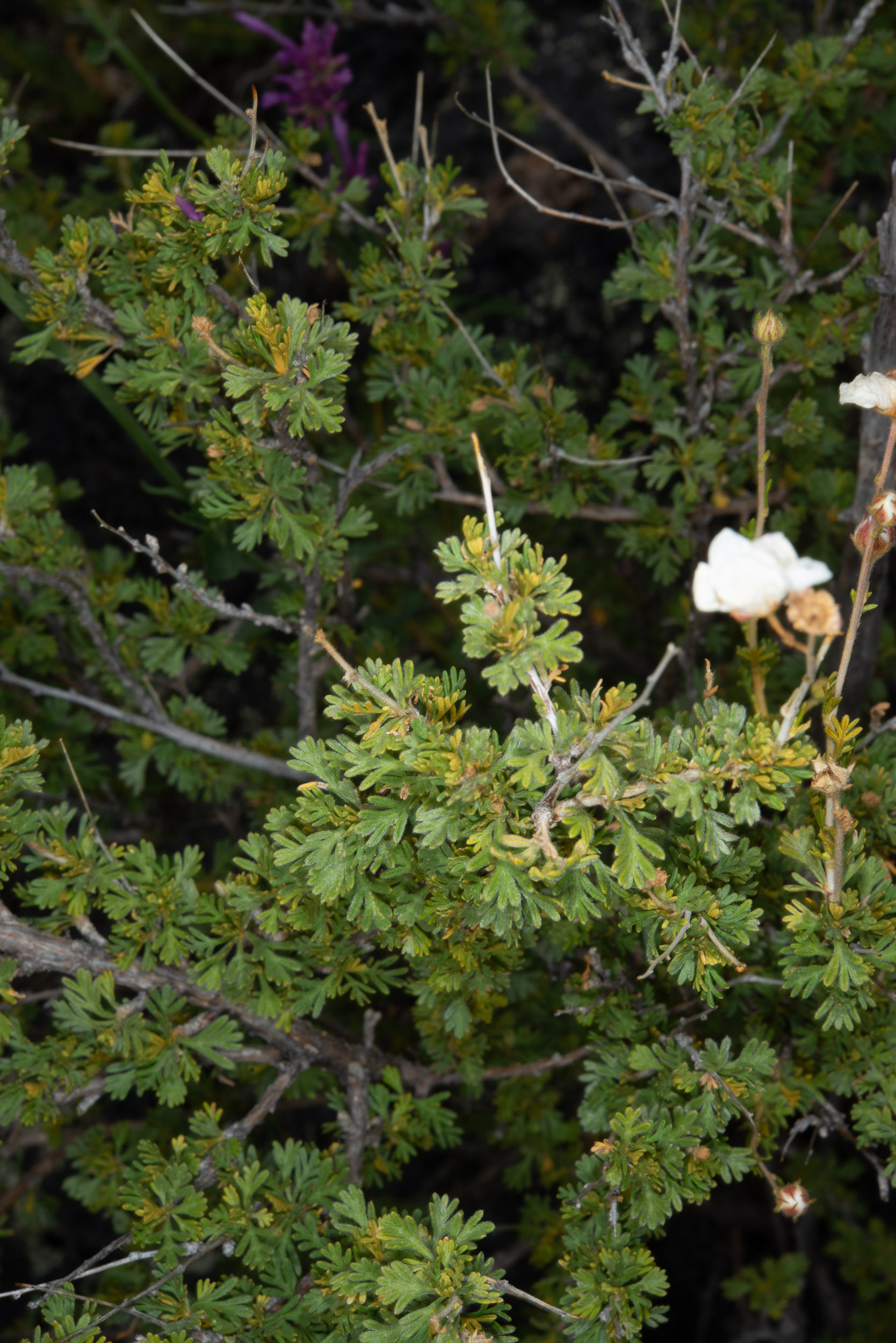
8/26/2014 · Lava Falls, Malpais National Monument, El Malpais, New Mexico · ≈ 6 × 9″ (16 × 23 cm) 

8/26/2014 · Lava Falls, Malpais National Monument, El Malpais, New Mexico · ≈ 8 × 6″ (20 × 14 cm) 

8/26/2014 · Lava Falls, Malpais National Monument, El Malpais, New Mexico · ≈ 8 × 6″ (20 × 14 cm) 

8/26/2014 · Lava Falls, Malpais National Monument, El Malpais, New Mexico · ≈ 5 × 4½″ (13 × 12 cm) 
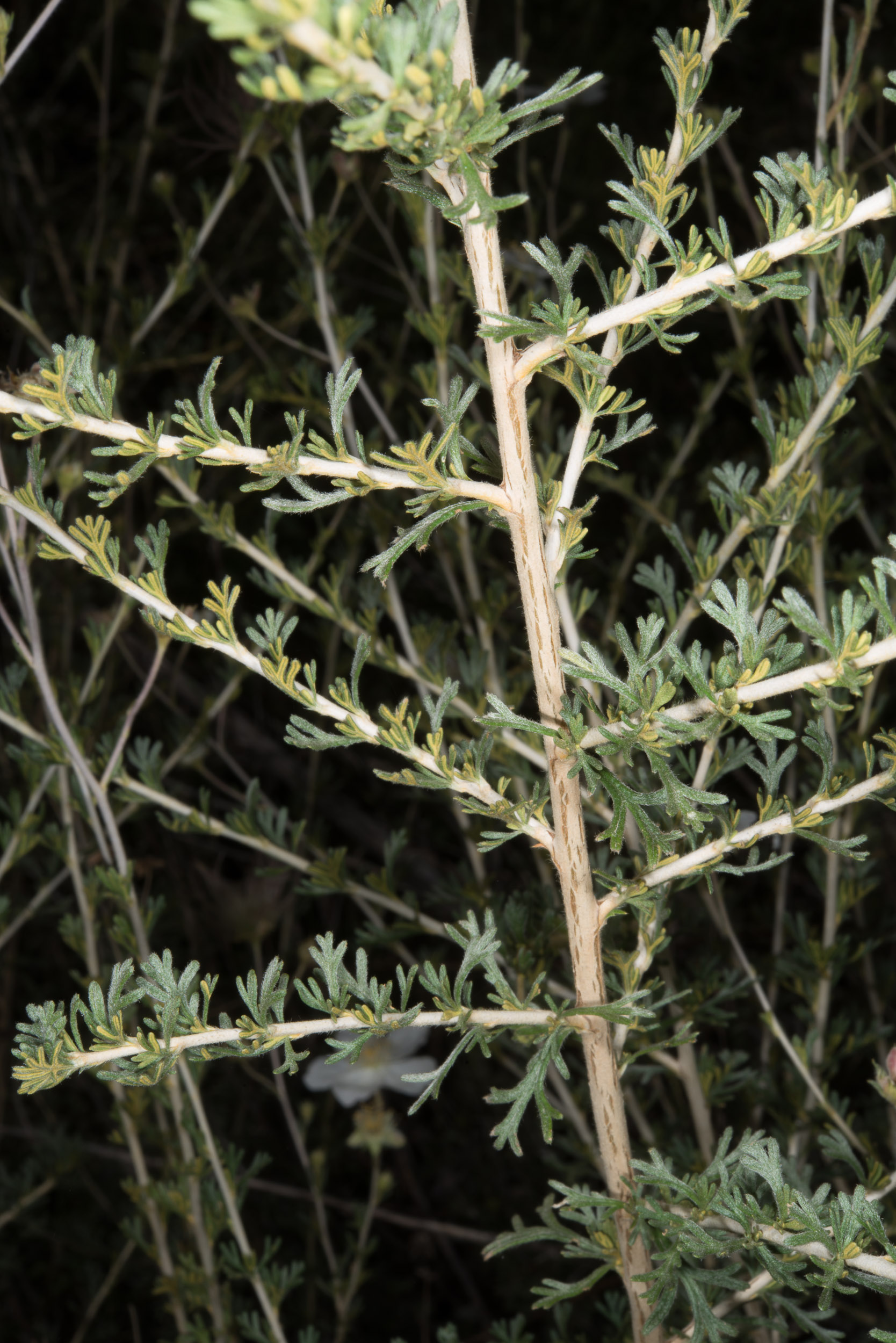
9/1/2014 · Bandelier National Monument, New Mexico · ≈ 6 × 8″ (14 × 20 cm) 
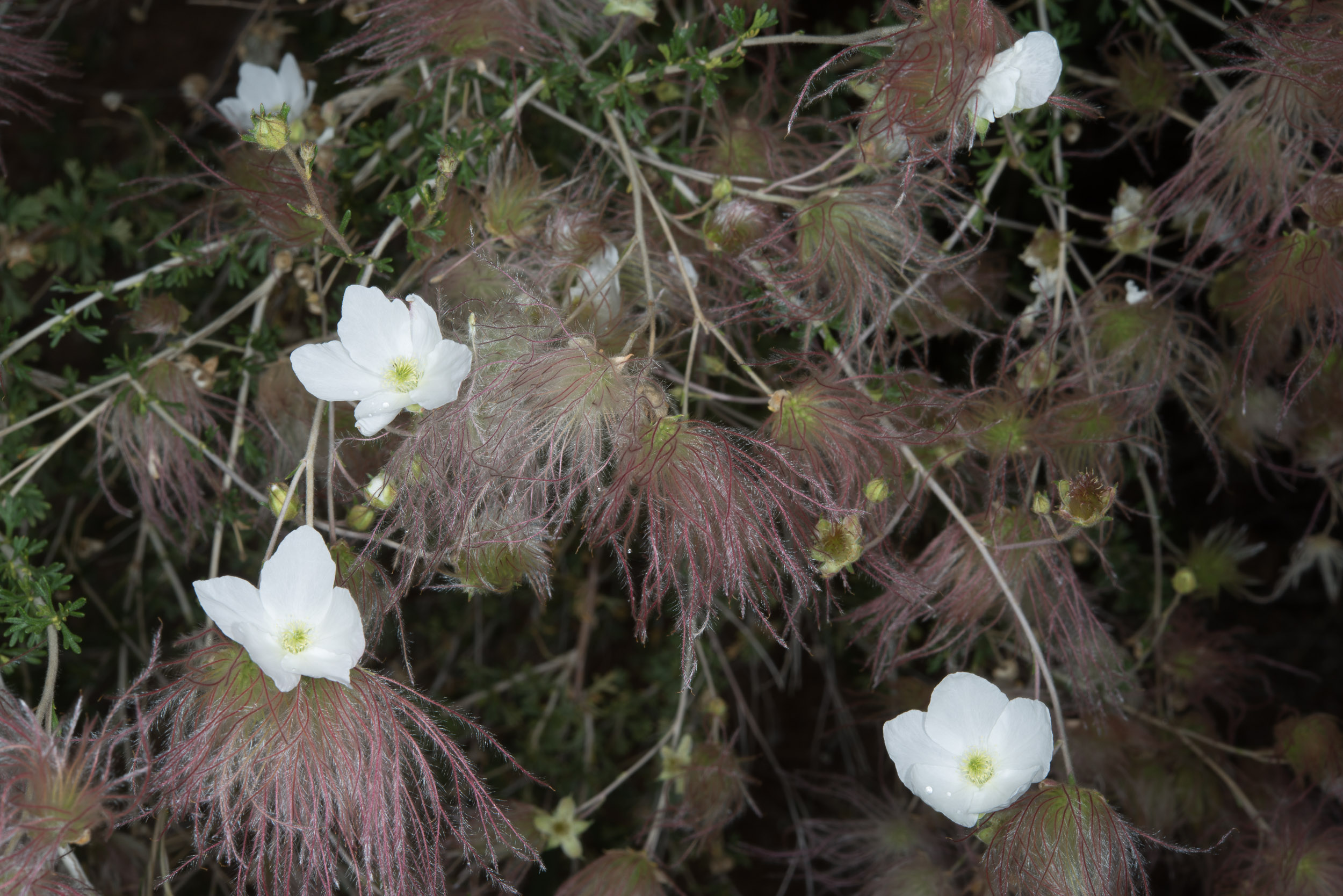
8/26/2014 · Northwest New Mexico Visitor Center, Grants, New Mexico · ≈ 10 × 7″ (25 × 16 cm) 

8/26/2014 · Lava Falls, Malpais National Monument, El Malpais, New Mexico · ≈ 5 × 4½″ (12 × 12 cm) 

8/27/2014 · Petroglyph National Monument Visitor Center, New Mexico · ≈ 12 × 8″ (31 × 21 cm) 
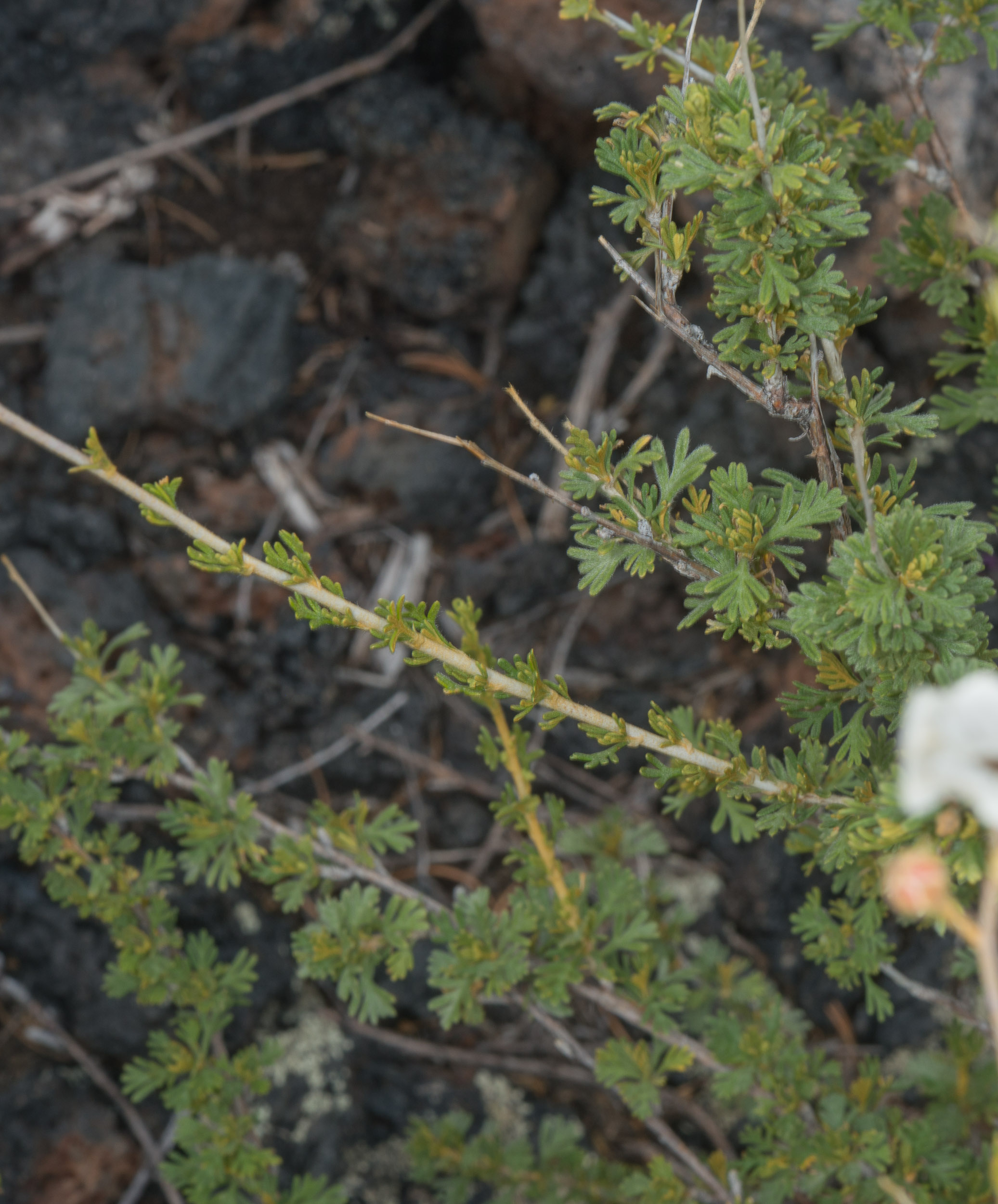
8/26/2014 · Lava Falls, Malpais National Monument, El Malpais, New Mexico · ≈ 5 × 7″ (13 × 16 cm) 
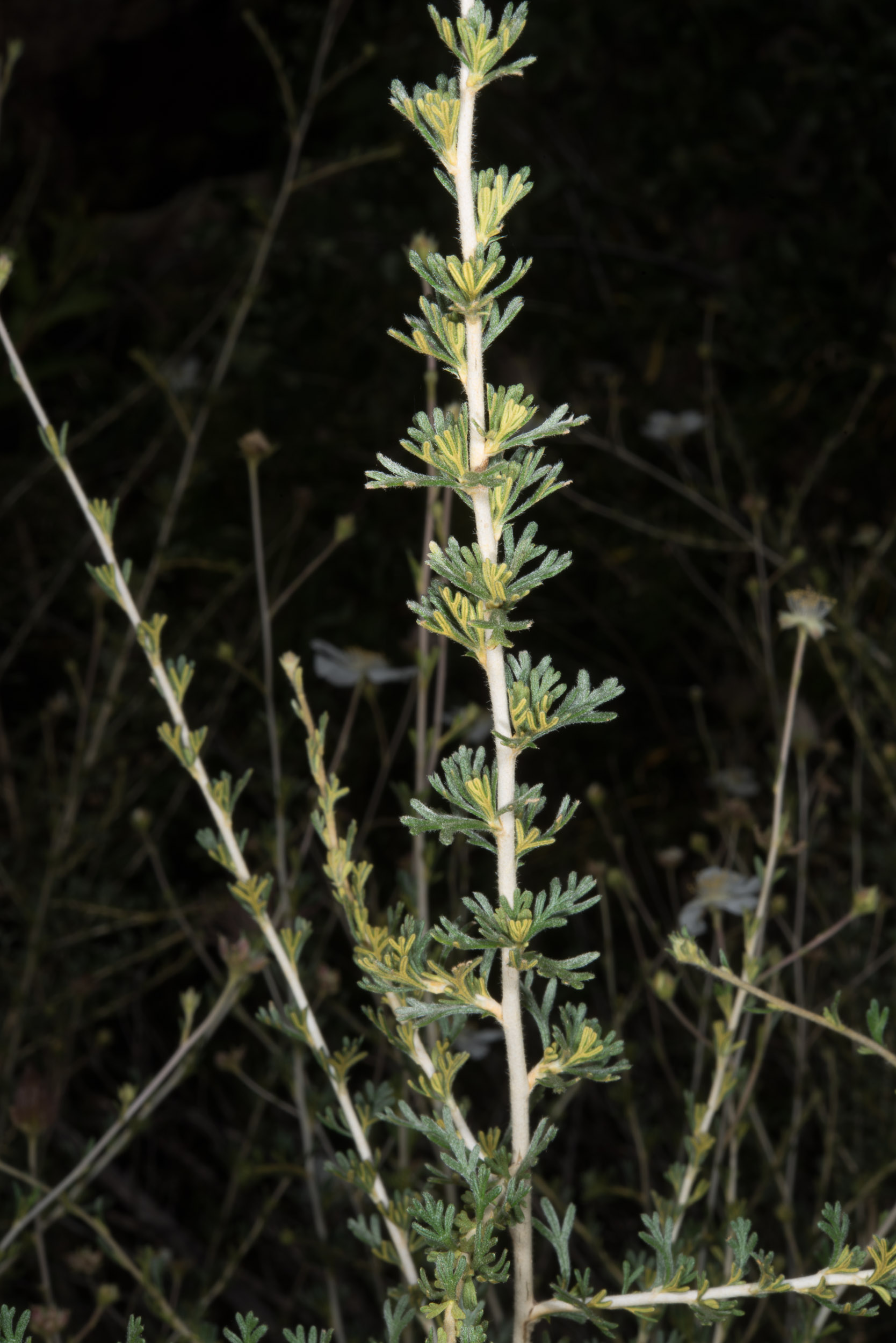
9/1/2014 · Bandelier National Monument, New Mexico · ≈ 6 × 8″ (14 × 20 cm) 

8/26/2014 · Lava Falls, Malpais National Monument, El Malpais, New Mexico · By Susan M. Kent 
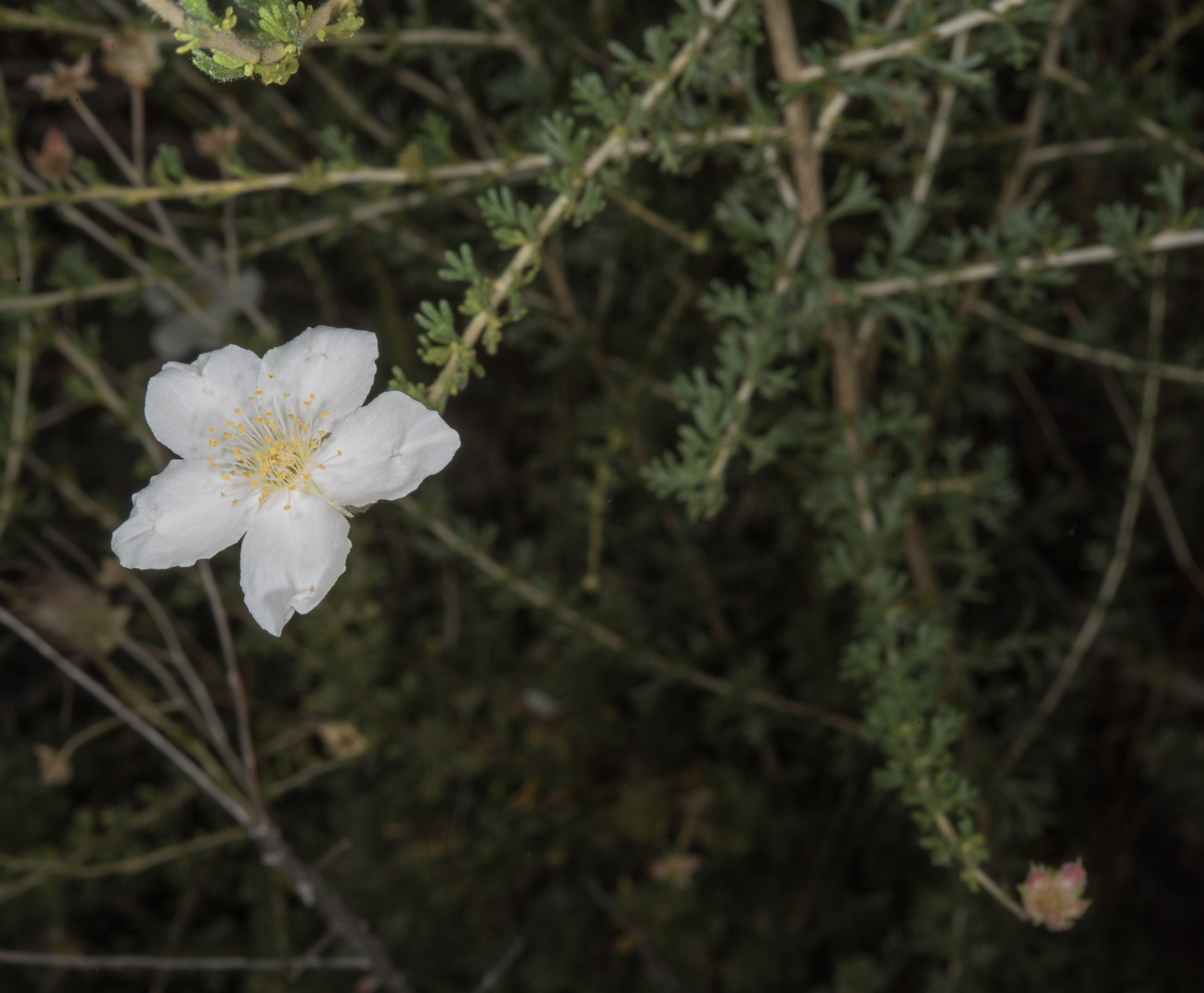
9/1/2014 · Bandelier National Monument, New Mexico · ≈ 6 × 5″ (15 × 12 cm) 
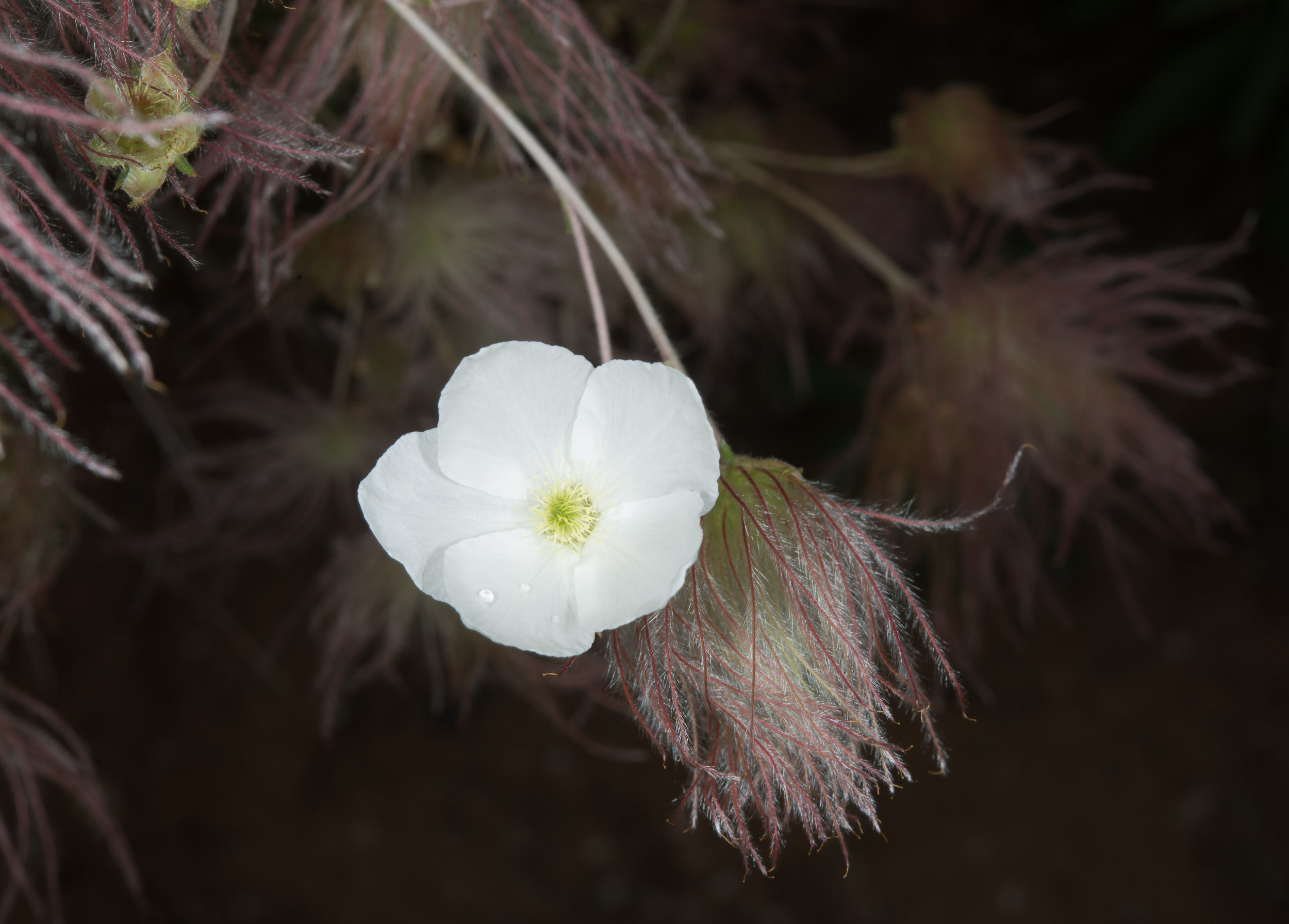
8/26/2014 · Northwest New Mexico Visitor Center, Grants, New Mexico · ≈ 6 × 4″ (14 × 10 cm) 

8/26/2014 · Lava Falls, Malpais National Monument, El Malpais, New Mexico · ≈ 8 × 5″ (19 × 13 cm) 
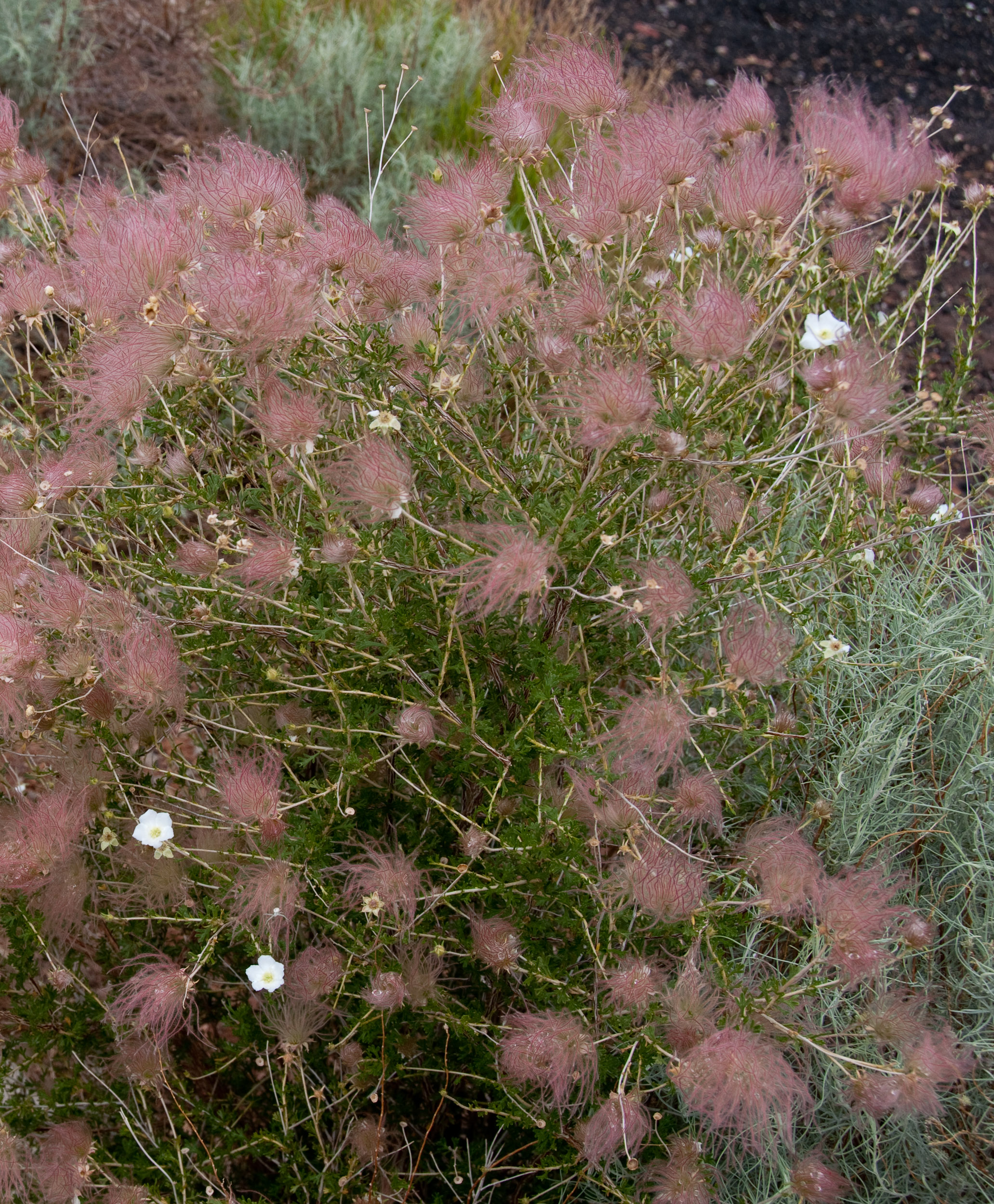
5/22/2009 · Wupatki National Monument, Arizona · ≈ 1½ × 1½′ (45 × 55 cm) 
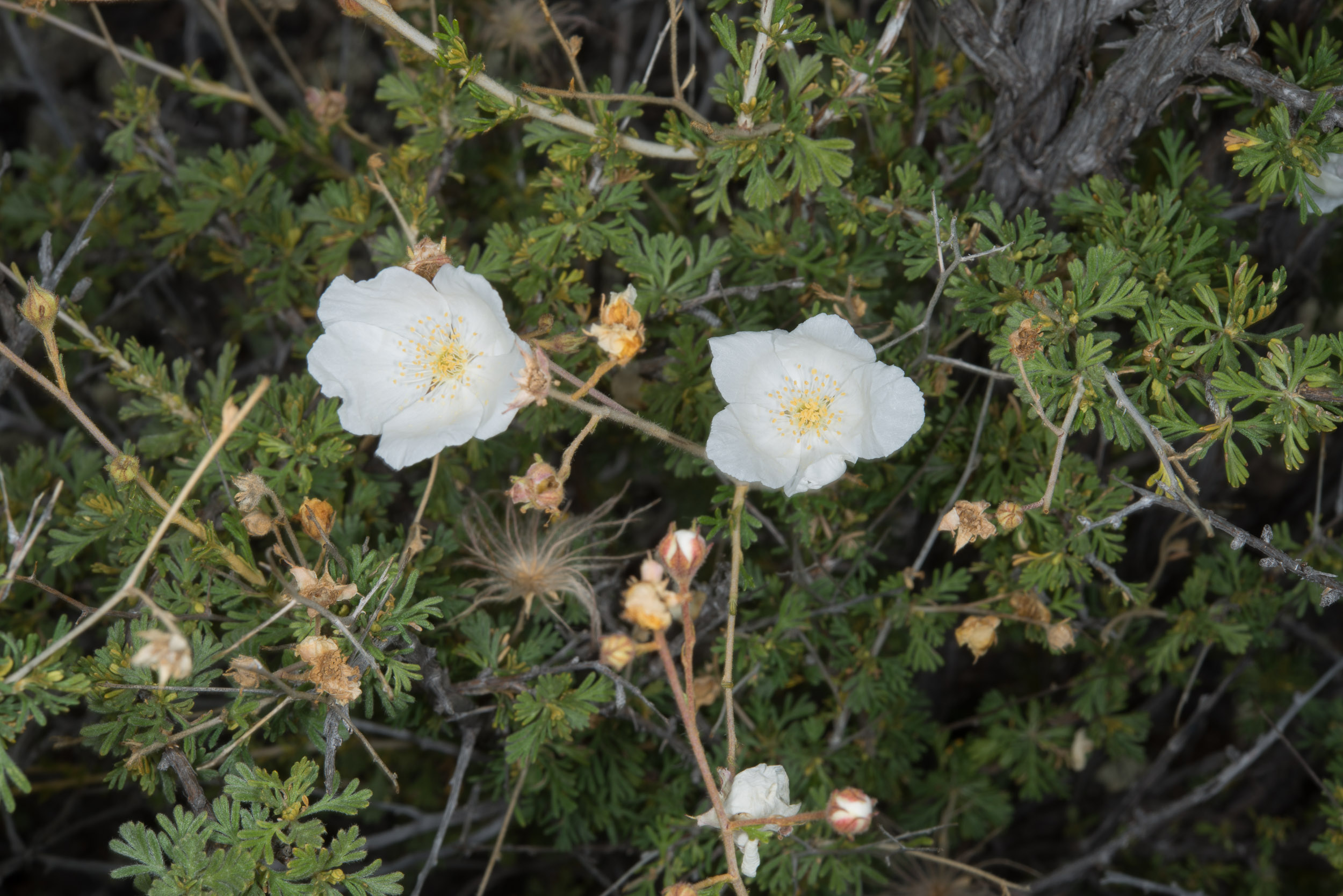
8/26/2014 · Lava Falls, Malpais National Monument, El Malpais, New Mexico · ≈ 9 × 6″ (22 × 15 cm) 

8/27/2014 · Petroglyph National Monument Visitor Center, New Mexico · ≈ 6 × 7″ (15 × 16 cm) 
| Kingdom | Plantae | Plants, but not fungi, lichens, or algae (from Stearn's Botanical Latin) |
| Subkingdom | Tracheobionta | Vascular plants—plants with a “circulatory system” for delivering water and nutrients |
| Division | Magnoliophyta | Flowering plants, also known as angiosperms |
| Class | Magnoliopsida | Dicotyledons—plants with two initial seed leaves |
| Subclass | Rosidae | Roses, legumes, proteas, dogwoods, hydrangeas, mistletoes, euphorbias, grapes, many more |
| Order | Rosales | Rose family and eight others |
| Family | Rosaceae | Includes apples, apricots, plums, cherries, peaches, pears, raspberries, strawberries, almonds, roses, meadowsweets, photinias, firethorns, rowans, and hawthorns; many others |
| Genus | Fallugia | For Italian botanist Abbot Virgilio Fallugi (Falugi) of Vallombrosa (1627-1707), originally named Filippo Fallugi |
| Species | paradoxa | Unusual, paradoxical |
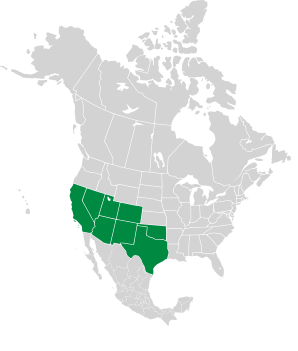
Fallugia paradoxa description by Thomas H. Kent, not updated.

© FloraFinder.org. All rights reserved.