Hesperis matronalis L.
Dame’s rocket, dame’s violet, mother of the evening
Members of the mustard family, dame’s rocket is native to Eurasia, and naturalized in North America. “Dame’s” is because they were favorites among women (these plants were introduced to North America for gardens); “rocket” for their fast spring growth. The fast-spreading plants are considered invasives in many areas.
Plants: These plants typically have a two-year life cycle, though some persist for more than two years. In the first year, dame’s rocket doesn’t flower—it is just a mound of inconspicuous foliage. In the second year, plants reach up to 4′ (1.2 m), composed of many hairy stems topped with groups of purple flowers.
Leaves: Alternate heart-shaped leaves, up to 4½ ⨉ 1½″ (12 ⨉ 4 cm), with rounded serrations.
Flowers: Flowers are purple, lavender, pink, or white. Flowers are ¾–1″ (1.9–2.5 cm) in diameter, and have 4 petals and a clove-like scent. Some phlox varieties look similar, but their flowers have 5 petals instead of 4.
Fruits: Long, thin, upright pods, like anorexic beans.
Habitats: Disturbed sites, waste ground, thickets, open woods, roadsides, railroads.
Online References:

4/24/2010 · Nashua River Rail Trail, Ayer, Massachusetts · ≈ 2 × 1¾″ (5.3 × 4.6 cm) 

5/27/2010 · Nashua River Rail Trail, Groton, Massachusetts · ≈ 1 × 2′ (41 × 62 cm) 

6/13/2025 · River Point Conservation Area, Falmouth, Maine 
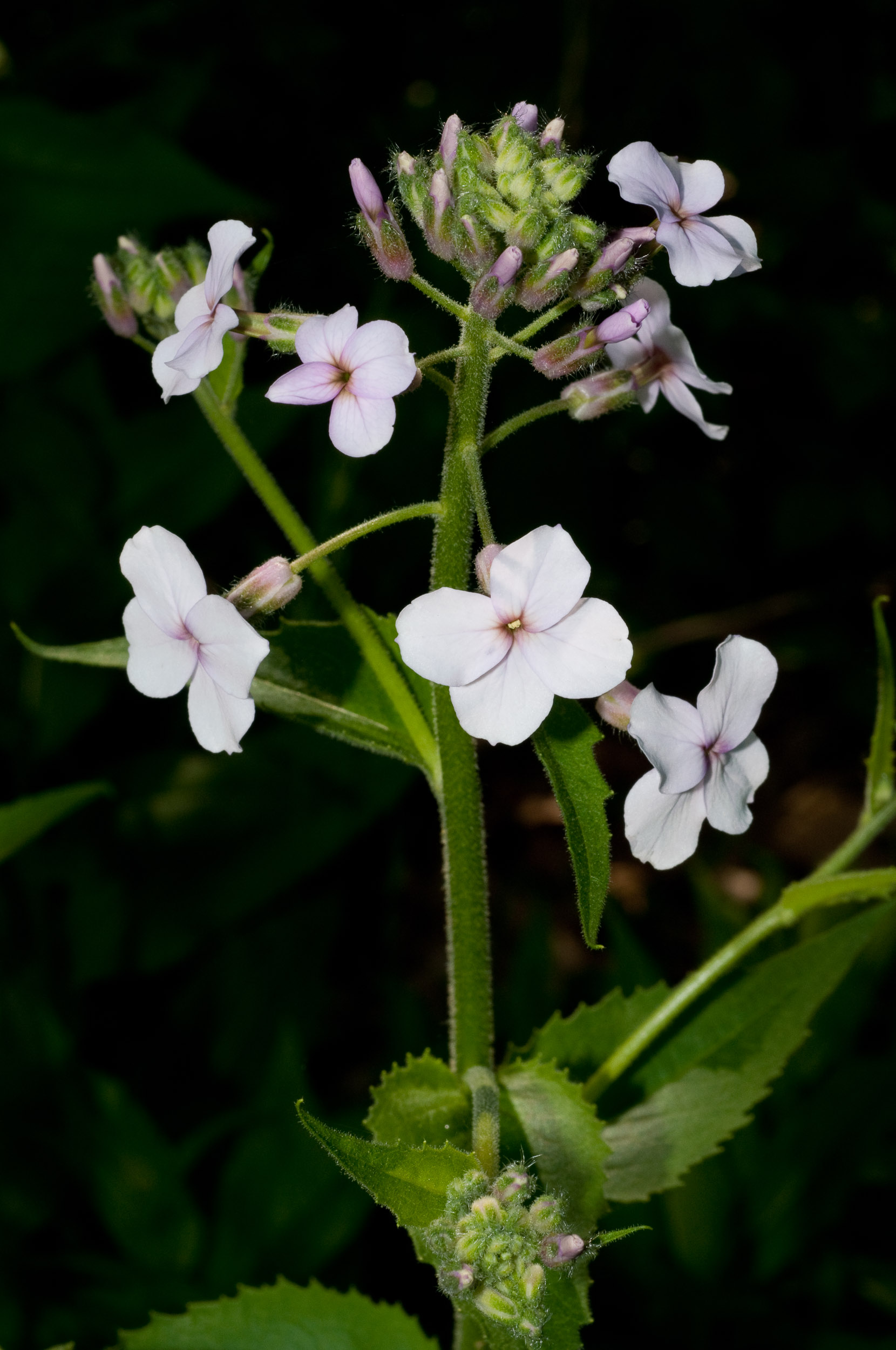
5/13/2010 · Nashua River Rail Trail, Groton Center, Groton, Massachusetts · ≈ 4½ × 7″ (11 × 17 cm) 

5/7/2010 · Nashua River Rail Trail, Groton Center, Groton, Massachusetts · ≈ 17 × 12″ (44 × 29 cm)  ID is uncertain
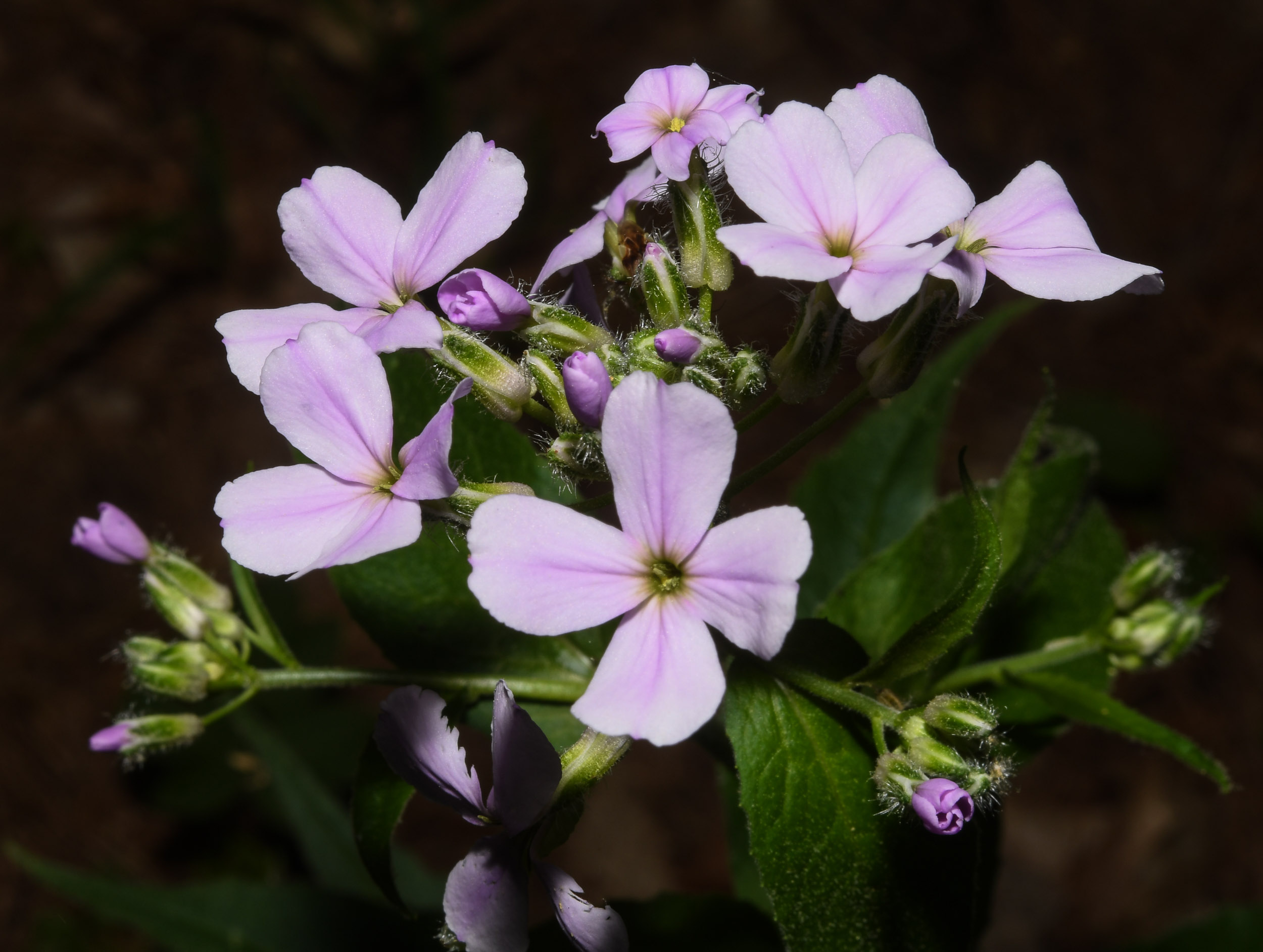
6/3/2016 · Nashua River Rail Trail, East Pe 

5/16/2014 · Acton Arboretum, Action, Massachusetts · ≈ 7 × 10″ (16 × 25 cm) 

6/13/2016 · Nashua River Rail Trail, Groton, Groton, Massachusetts 

6/9/2016 · Monhegan Island, Maine 

4/24/2010 · Nashua River Rail Trail, Ayer, Massachusetts · ≈ 4 × 4″ (10 × 10 cm) 

6/14/2012 · Nashua River Rail Trail, Groton Center, Groton, Massachusetts · ≈ 5 × 3½″ (13 × 9.2 cm) 

4/29/2010 · Bruce Freeman Rail Trail, Chelmsford, Massachusetts · ≈ 7 × 9″ (17 × 21 cm) 
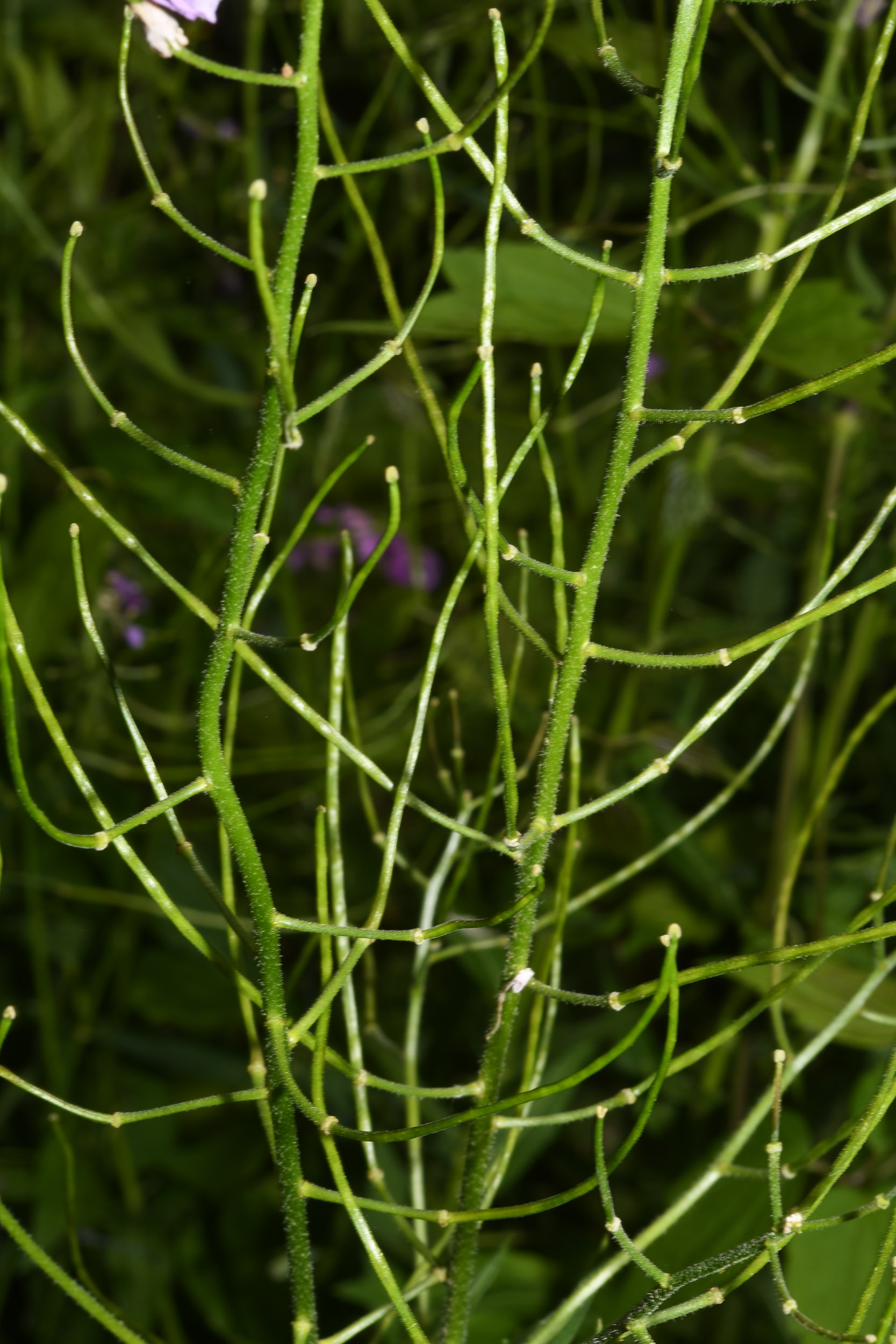
6/13/2016 · Nashua River Rail Trail, Groton, Groton, Massachusetts 
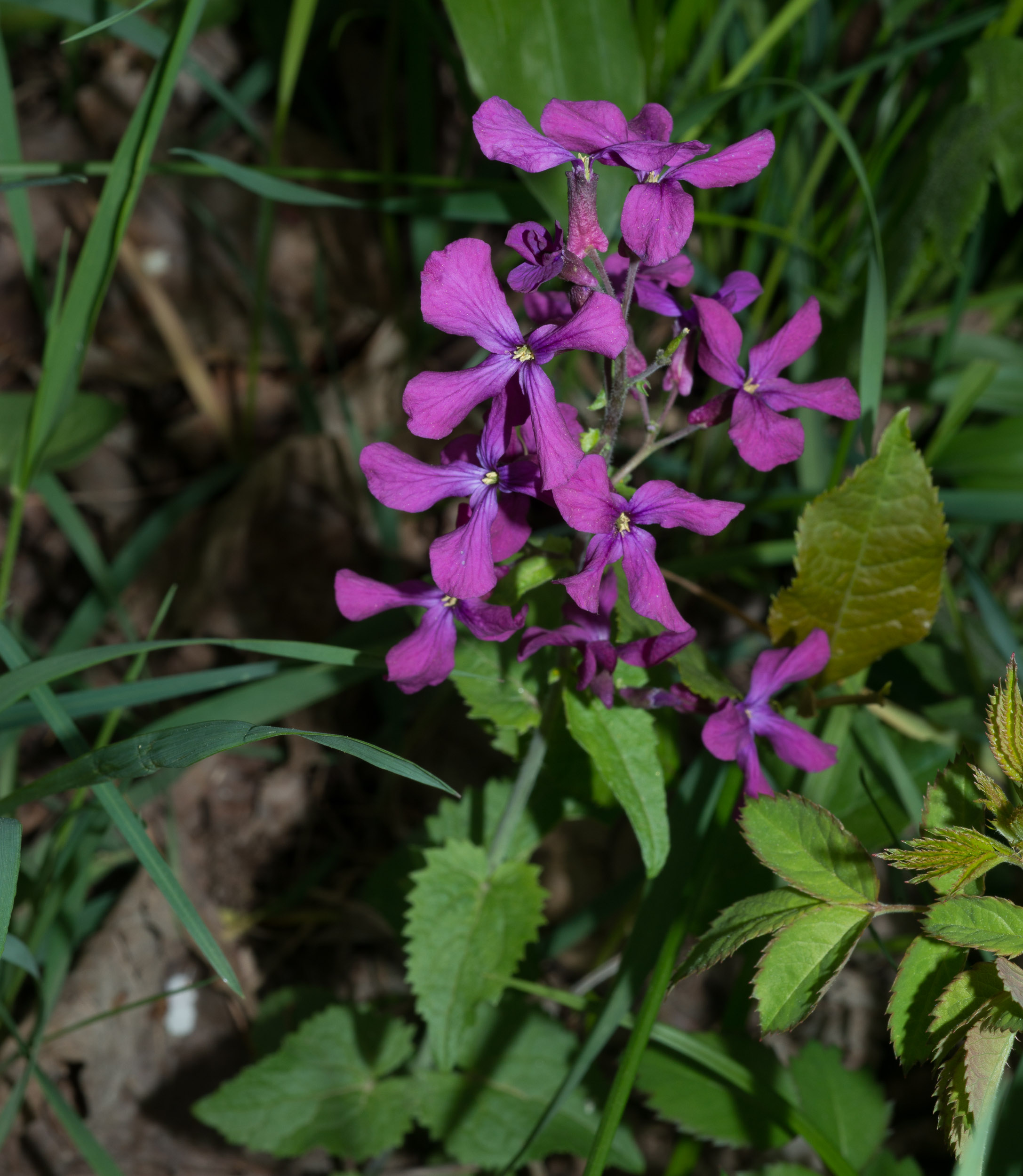
5/14/2013 · Beaver Brook Conservation Area, Hollis, New Hampshire · ≈ 6 × 7″ (16 × 18 cm) 

5/22/2026 · Skyline Drive, Shenandoah National Park, Virginia · ≈ 4 × 3½″ (10 × 8.7 cm) 
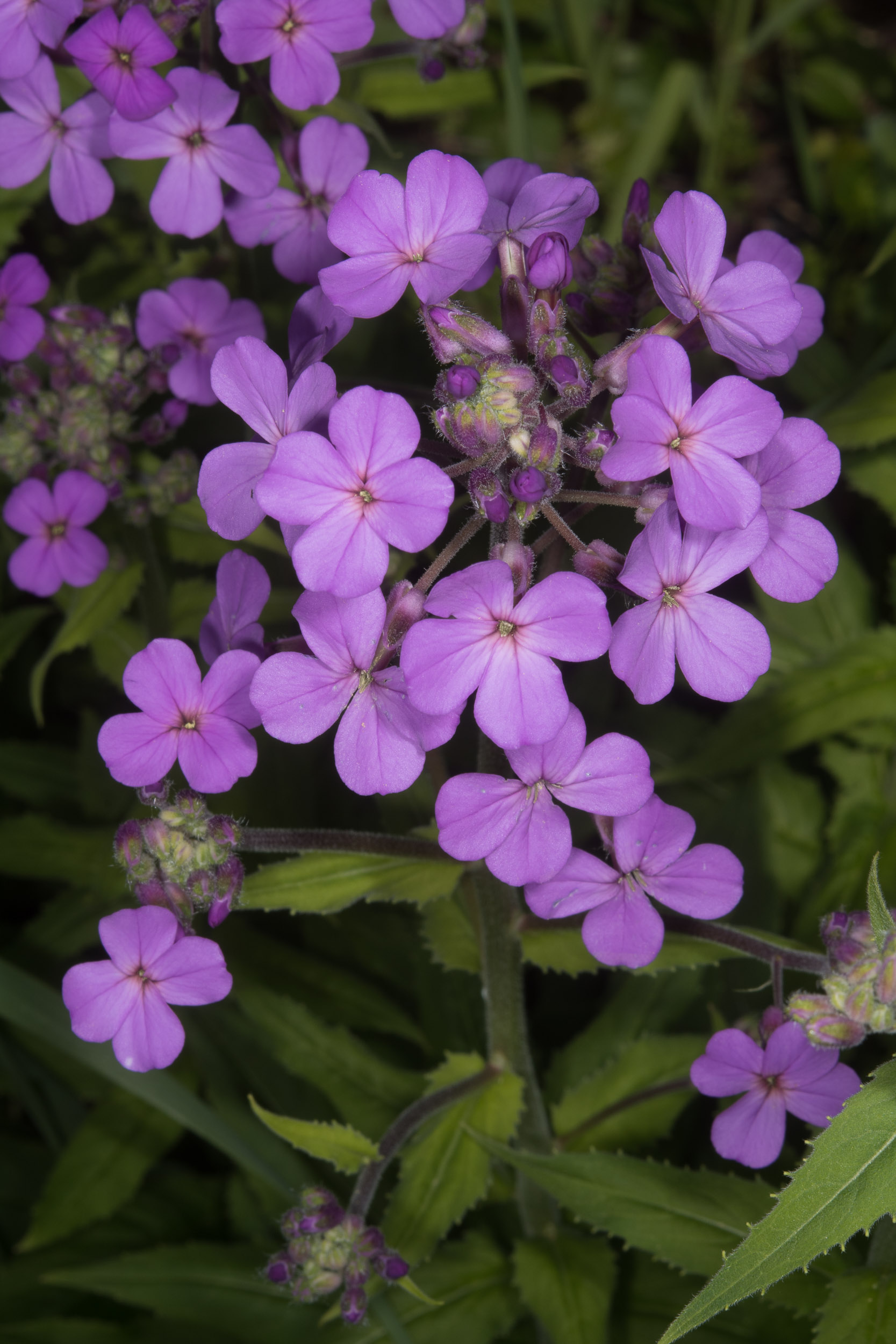
5/28/2017 · Wildflower Trail, Beaver Brook Conservation Area, Hollis, New Hampshire · ≈ 4½ × 7″ (12 × 18 cm) 

6/13/2025 · River Point Conservation Area, Falmouth, Maine 
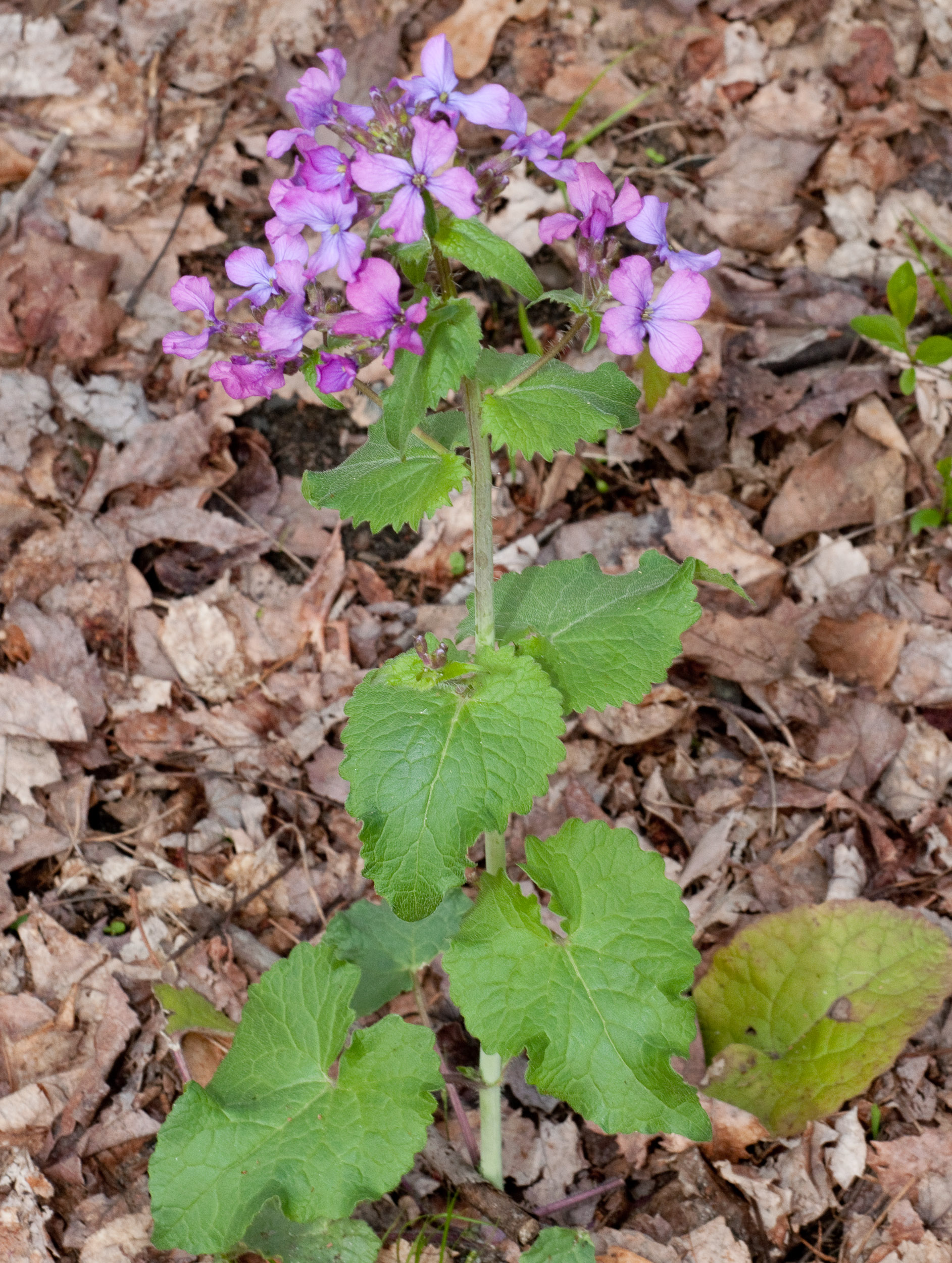
4/23/2010 · Nashua Rail Trail, Ayer, Massachusetts · ≈ 9 × 13″ (22 × 34 cm) 
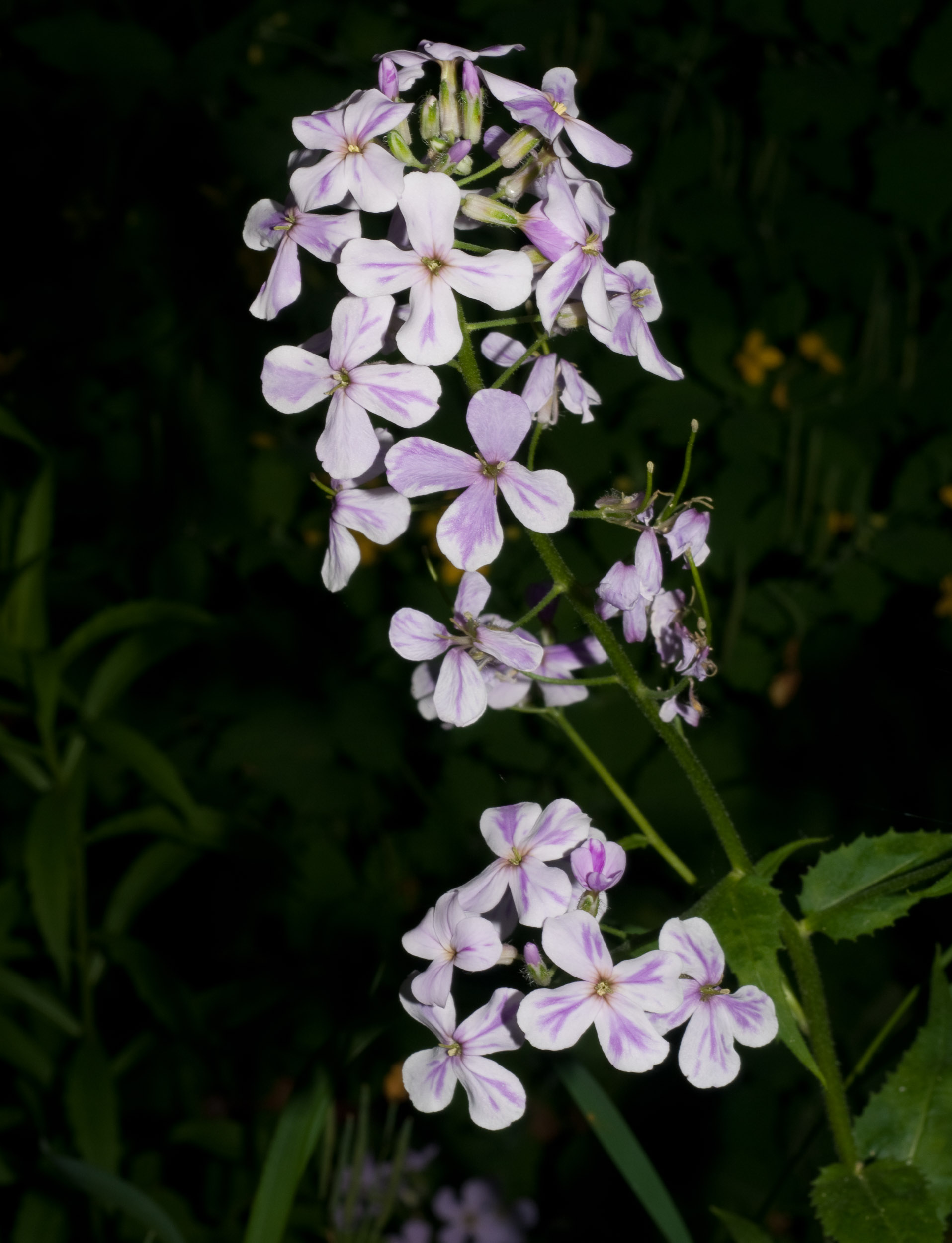
Variegated. A cultivar? · 5/26/2010 · Nashua River Rail Trail, Pepperell, Massachusetts · ≈ 7 × 10″ (18 × 24 cm) 

6/5/2013 · Nashua River Rail Trail, Groton Center, Groton, Massachusetts · ≈ 4½ × 4″ (12 × 10 cm) 

5/13/2010 · Nashua River Rail Trail, Groton Center, Groton, Massachusetts · ≈ 7 × 11″ (18 × 27 cm) 

6/3/2016 · Nashua River Rail Trail, East Pe 
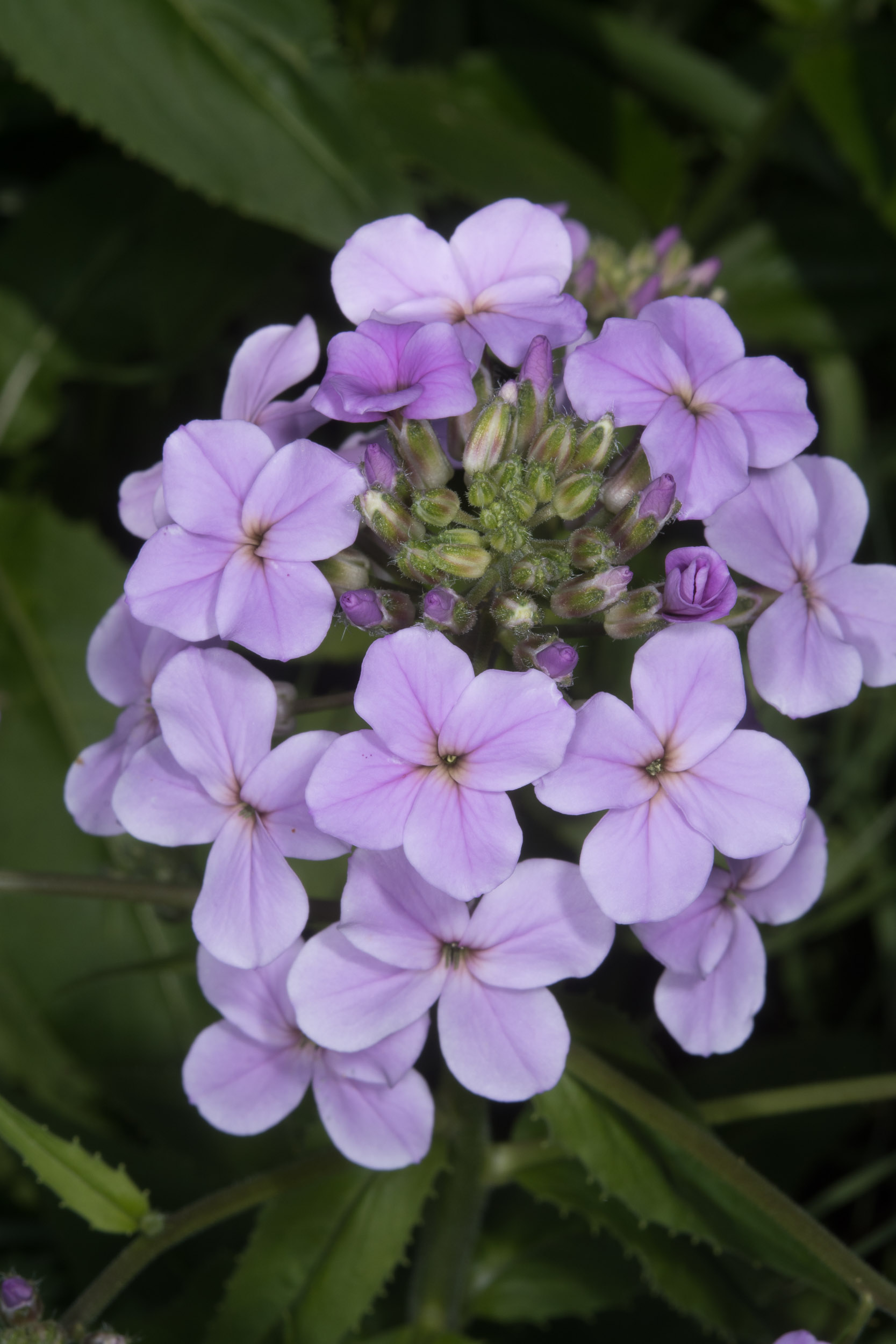
5/28/2017 · Wildflower Trail, Beaver Brook Conservation Area, Hollis, New Hampshire · ≈ 4 × 6″ (10 × 14 cm) 
| Kingdom | Plantae | Plants, but not fungi, lichens, or algae (from Stearn's Botanical Latin) |
| Subkingdom | Tracheobionta | Vascular plants—plants with a “circulatory system” for delivering water and nutrients |
| Division | Magnoliophyta | Flowering plants, also known as angiosperms |
| Class | Magnoliopsida | Dicotyledons—plants with two initial seed leaves |
| Subclass | Rosidae | Roses, legumes, proteas, dogwoods, hydrangeas, mistletoes, euphorbias, grapes, many more |
| Order | Brassicales | Mustard, cabbage, caper, papaya, nasturtiums, many others; most produce mustard oil |
| Family | Brassicaceae | Mustards, cabbages |
| Genus | Hesperis | From the Greek for “evening,” because flowers are fragrant in the evening |
| Species | matronalis | From Latin meaning “favored by matrons,” as these became favorites of socialite women |

Hesperis matronalis description by Thomas H. Kent, not updated.

© FloraFinder.org. All rights reserved.