Hypericum perforatum L.
St. John’s wort, common St. John’s wort, common St. Johnswort
Common St. John’s wort is a native of North America, Europe, Asia Minor, Russia, India, and China.
Plants: Less than 3′ (91 cm) in height, and multiply branched.
Leaves: Oval, opposite, sessile, up to ⅝ ⨉ ¼″ (1.8 cm ⨉ 7 mm), with smooth edges.
Flowers: Deep yellow, star-shaped, with a central, brushlike spray of stamens. If you look closely, there is a rounded ovary about ⅛″ (3.2 mm) in diameter, from which emerge three styles, arranged like the legs of an inverted tripod. They are difficult to see because they are almost the same color and shape as the stamens, but they are longer and thicker. Some species of St. John’s wort have only a single style, so this is an identifying characteristic. Petals have serrated edges and small black dots on the serrations. Flowers are up to ⅞″ (2.5 cm) across.
Fruits: Capsules ¼–5/16″ (7–8 mm) long, with three valved seeds chambers. Seeds are about 1/32″ (1 mm) in size, black, rough, and lustrous. A single plant produces 15,000 to 34,000 seeds.
Habitats: Open woods, roadsides and waste places, hedge banks and grassland, and in dry sunny places, usually on calcareous soils.
Medical: St. John’s wort is widely used to treat depression, and a number of studies have been performed to assess the efficacy of these treatments. Studies have reported contradictory results, and this has become a contentious issue, in part because pharmaceutical companies stand to lose a very profitable business in other antidepressant drugs. Some studies have concluded that St. John’s wort is more effective than placebo and equally as effective as tricyclic antidepressants, and roughly as effective as serotonin reuptake inhibitors such as Prozac and Zoloft. Other studies suggest no benefits. It is likely that St. John’s wort at least helps with depression.
 |
Some types of St. John’s wort. |
Online References:

8/20/2025 · Peaks Island, Maine · ≈ 11 × 8″ (27 × 20 cm) 
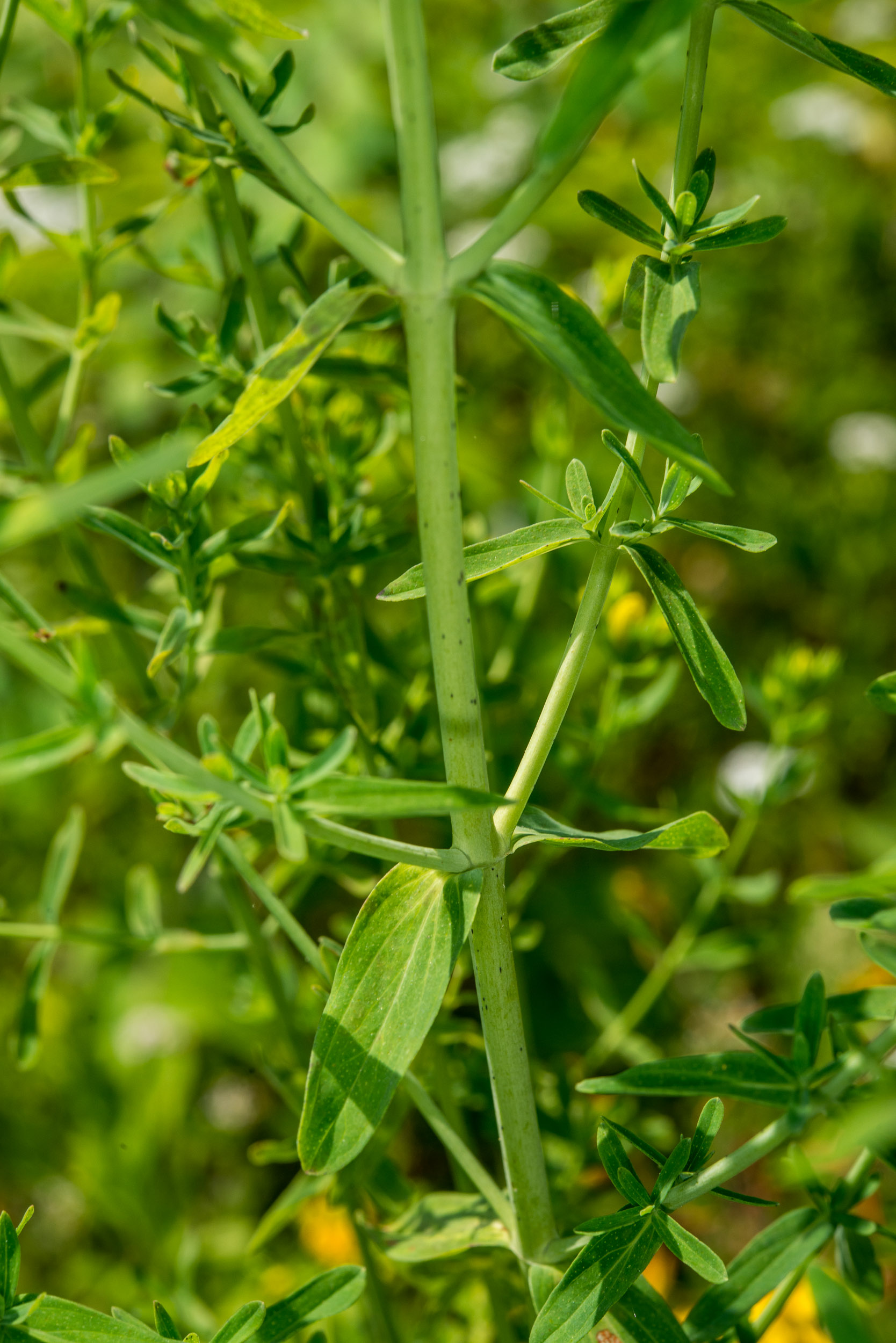
7/2/2014 · Conservation Area, Shirley St., Groton, Massachusetts · ≈ 4½ × 7″ (11 × 16 cm) 

7/5/2021 · Curtis Farm Preserve, Harpswell, Maine · ≈ 4 × 2½″ (10 × 6.7 cm) 
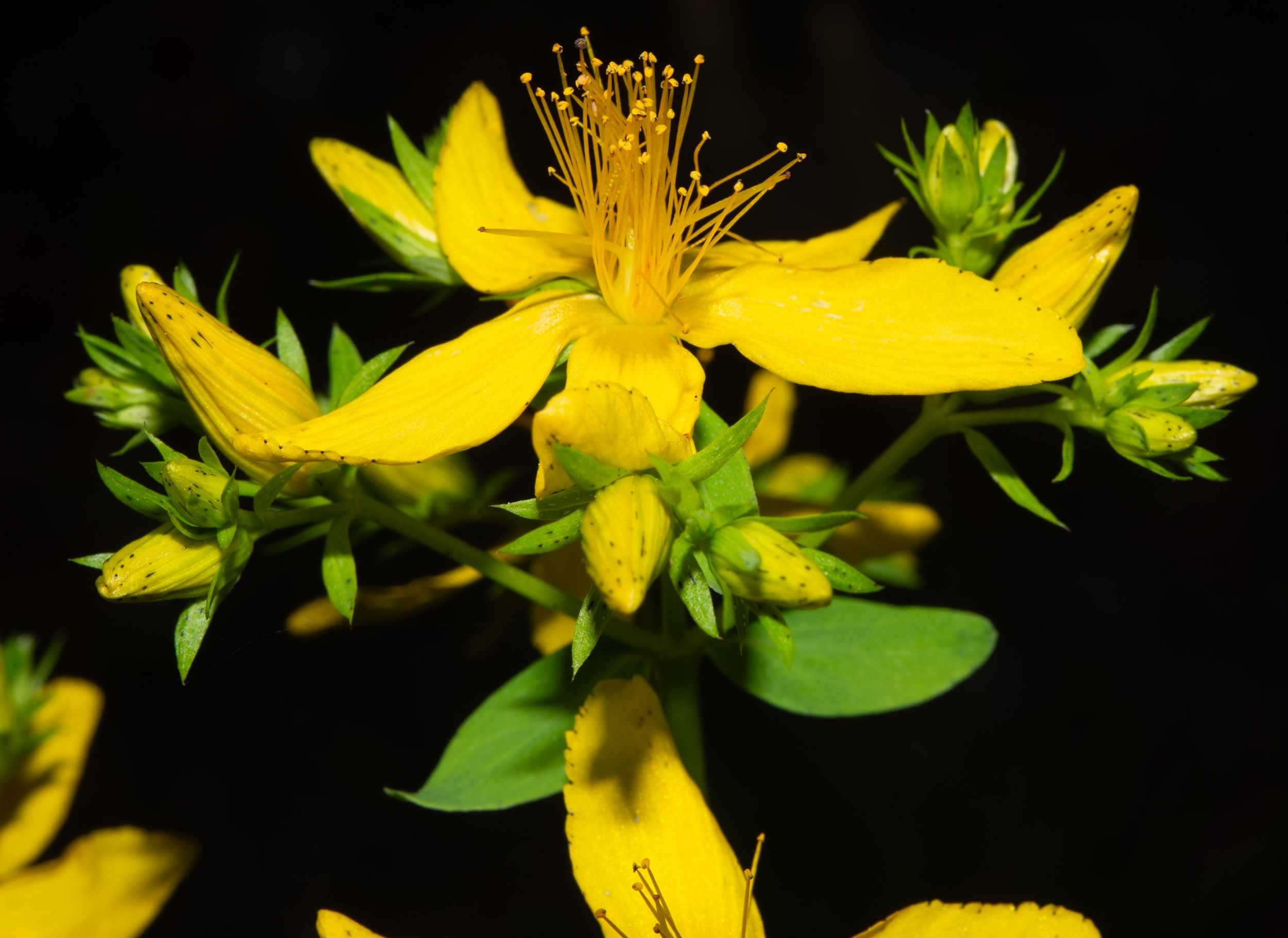
6/24/2015 · Nashua River Rail Trail, Groton Ctr, Groton, Massachusetts · ≈ 3½ × 2½″ (9.4 × 6.9 cm) 

6/24/2015 · Nashua River Rail Trail, Groton Ctr, Groton, Massachusetts · ≈ 4 × 3½″ (11 × 9.7 cm) 
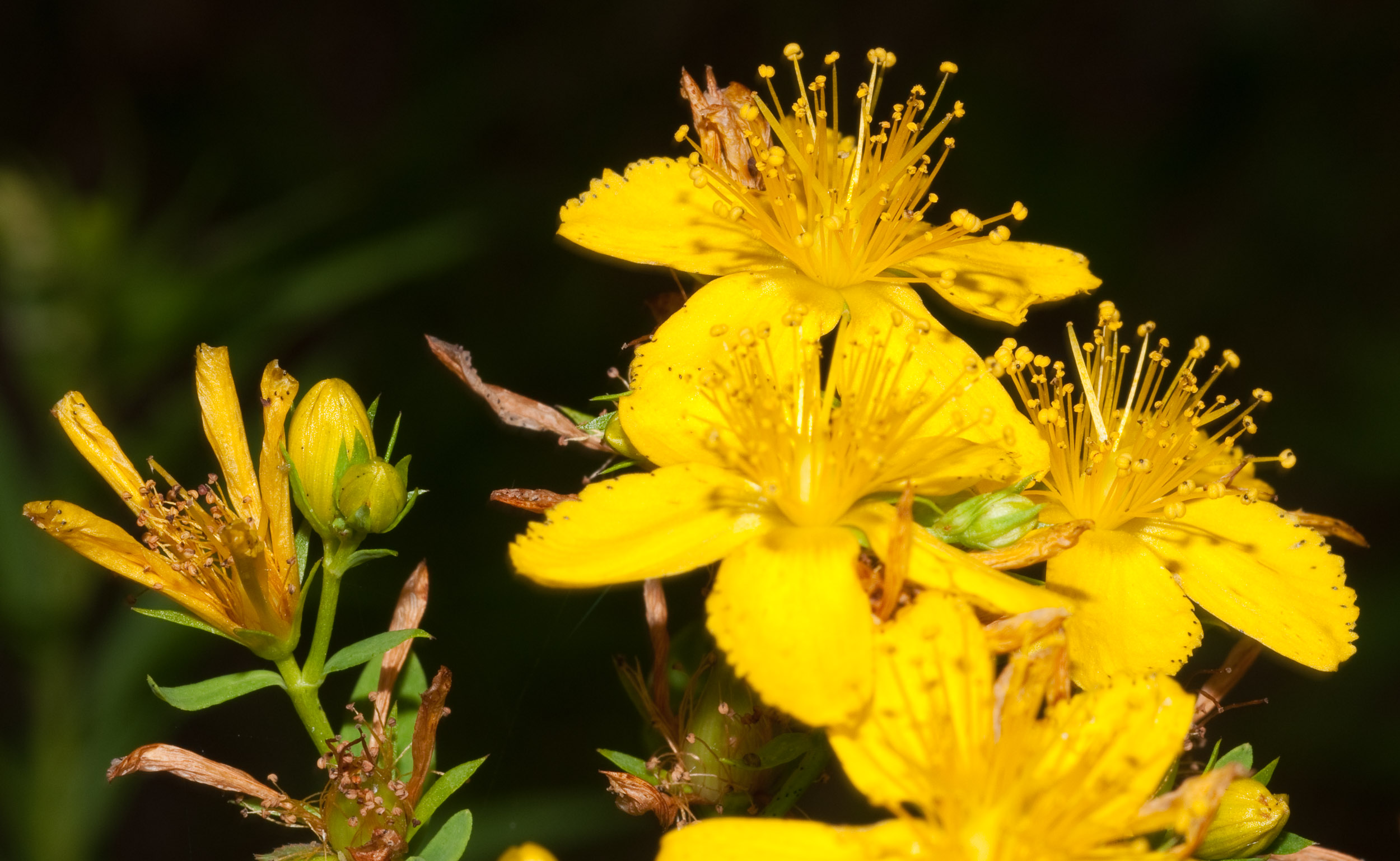
7/9/2010 · Nashua River Rail Trail, Groton Center, Groton, Massachusetts · ≈ 3½ × 2″ (8.7 × 5.4 cm) 
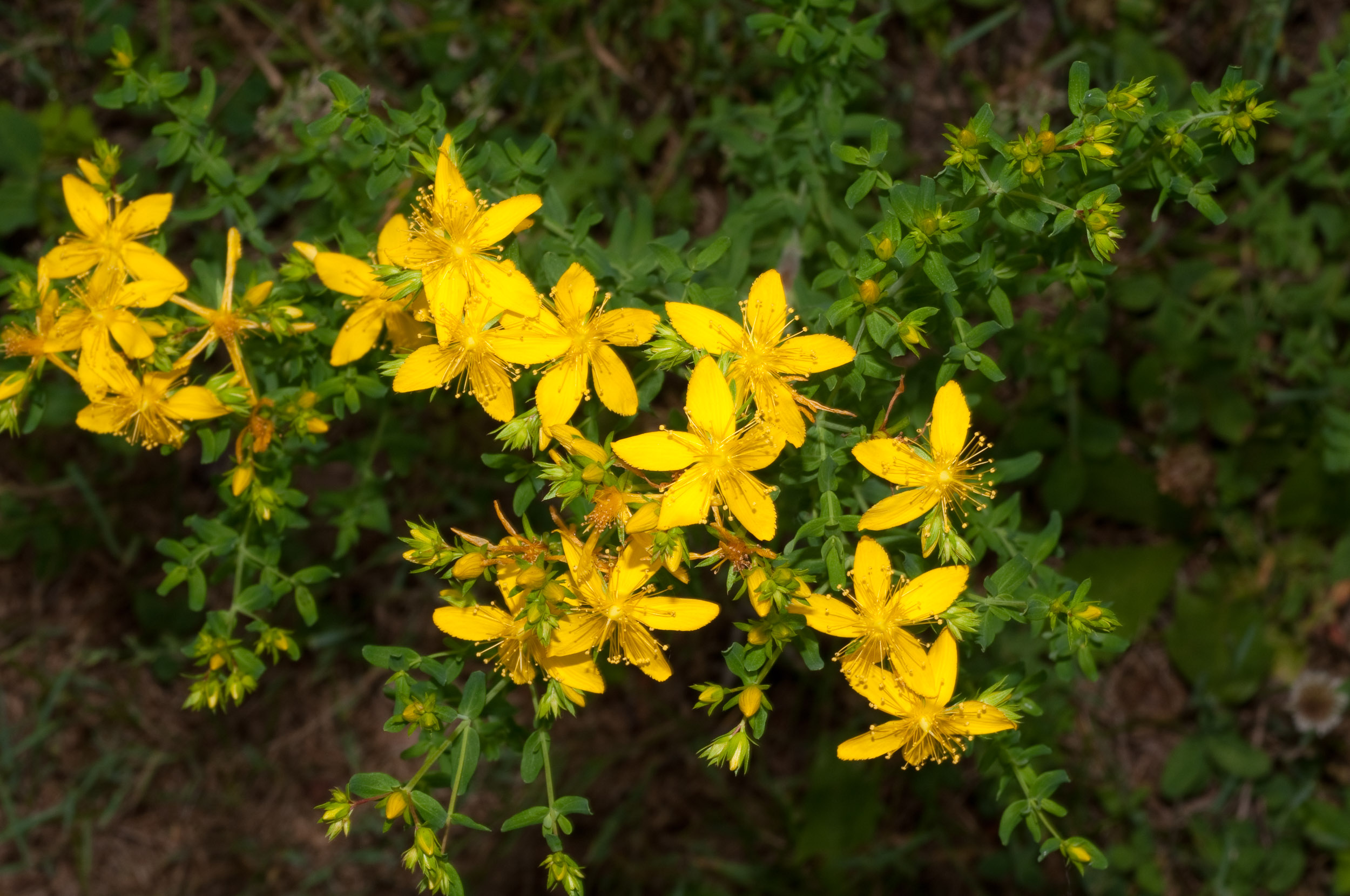
6/16/2010 · Nashua River Rail Trail, Groton Center, Groton, Massachusetts · ≈ 9 × 6″ (23 × 15 cm) 
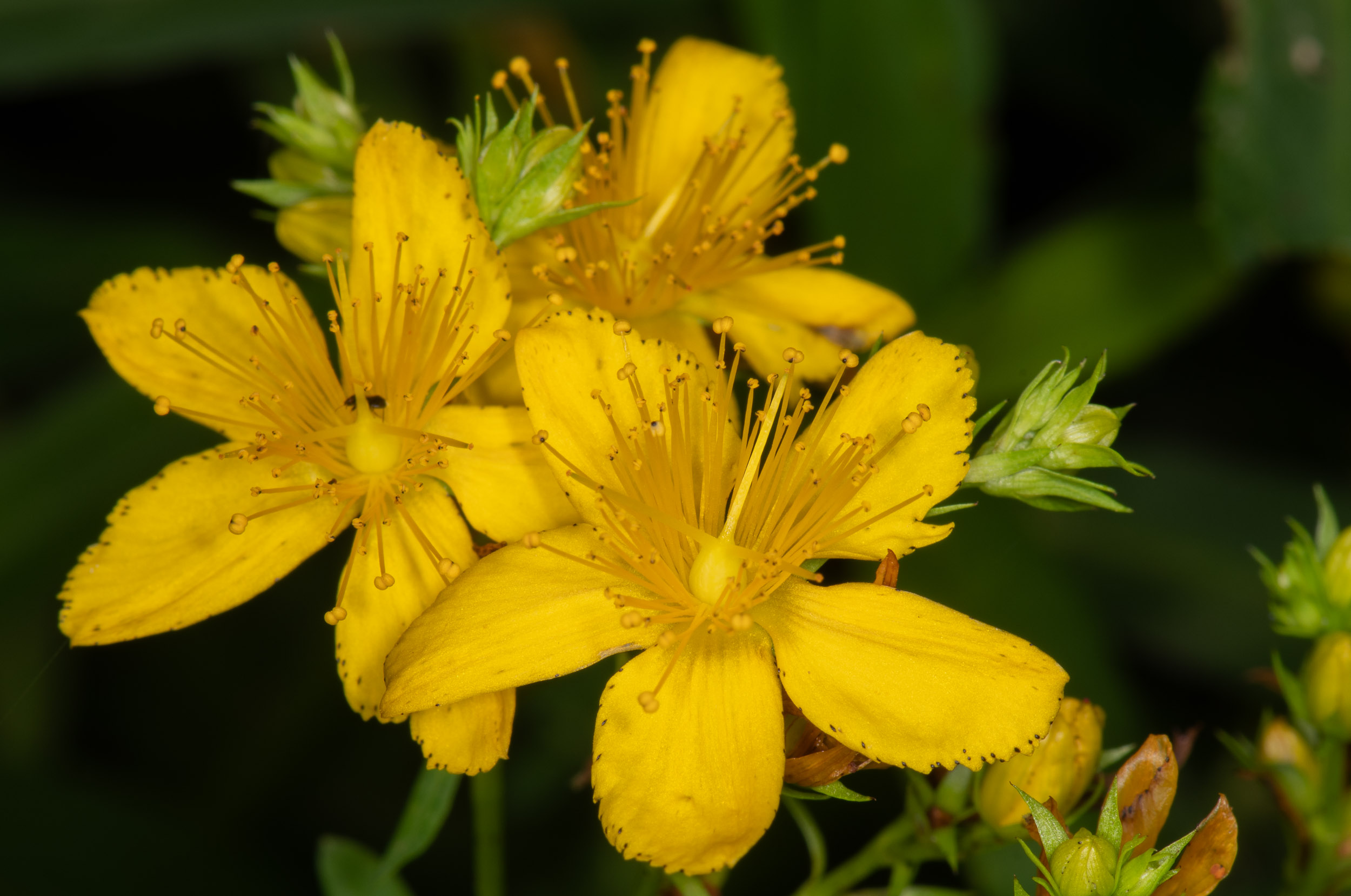
7/20/2021 · Otter Brrok Preserve, Harpswell Heritage Land Trust, Harpswell, Maine · ≈ 3½ × 2″ (8.7 × 5.8 cm) 

6/29/2014 · Mount Agamenticus, York, Maine · ≈ 8 × 6″ (20 × 14 cm) 

7/2/2015 · Bemis Rd., Pepperell, Massachusetts · ≈ 4 × 6″ (10 × 16 cm) 

6/28/2017 · Andres Art Institute, Big Bear Mountain, Brookline, New Hampshire · ≈ 4 × 3½″ (10 × 9.3 cm) 

7/3/2005 · Pepperell, Massachusetts 
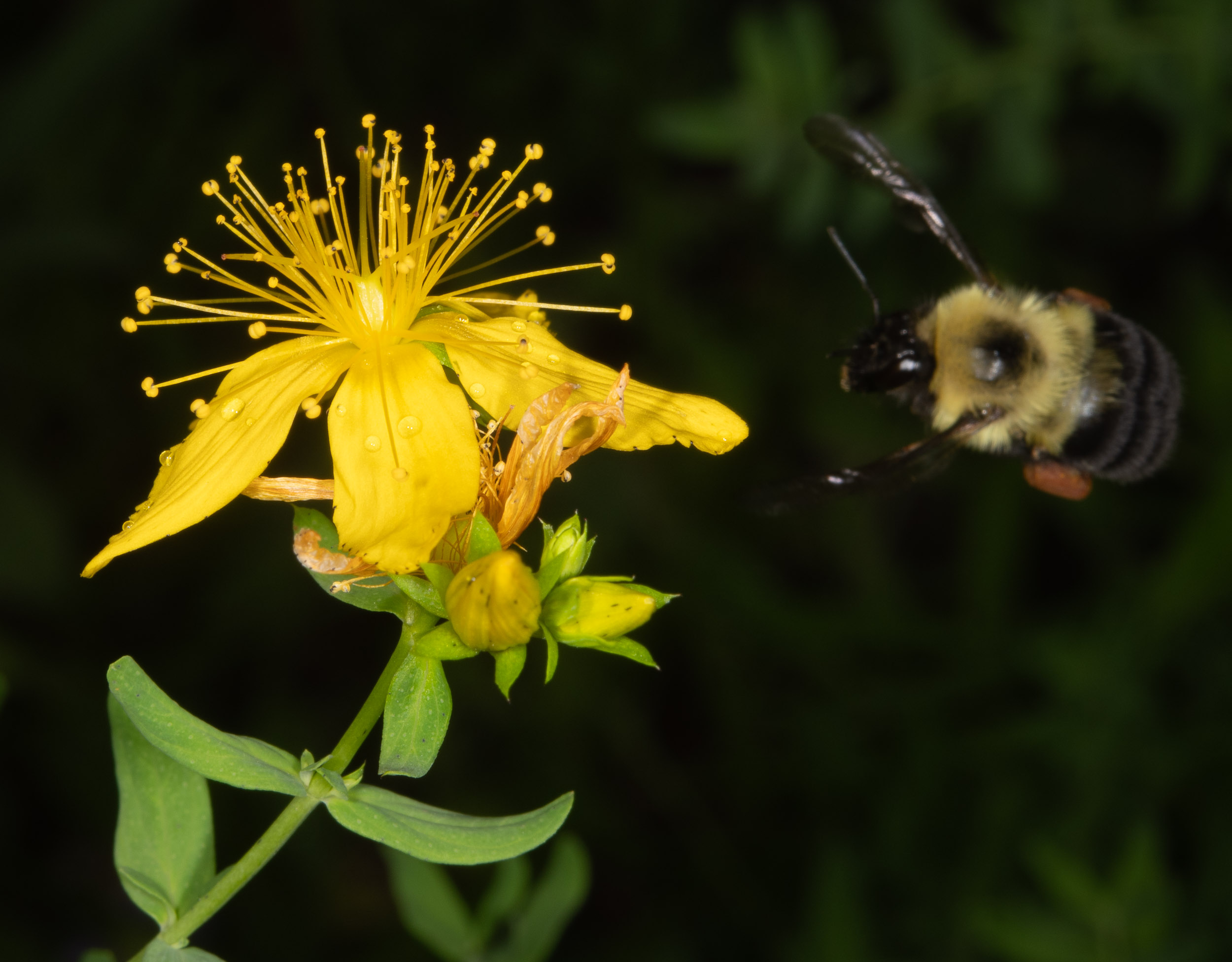
7/17/2019 · Oceanview, Falmouth, Maine · ≈ 3 × 2½″ (8.1 × 6.3 cm) 

7/2/2015 · Bemis Rd., Pepperell, Massachusetts · ≈ 1½ × 1½′ (57 × 50 cm) 

7/27/2009 · Nashua River Rail Trail, Groton, Massachusetts · ≈ 5 × 3½″ (12 × 9.5 cm) 
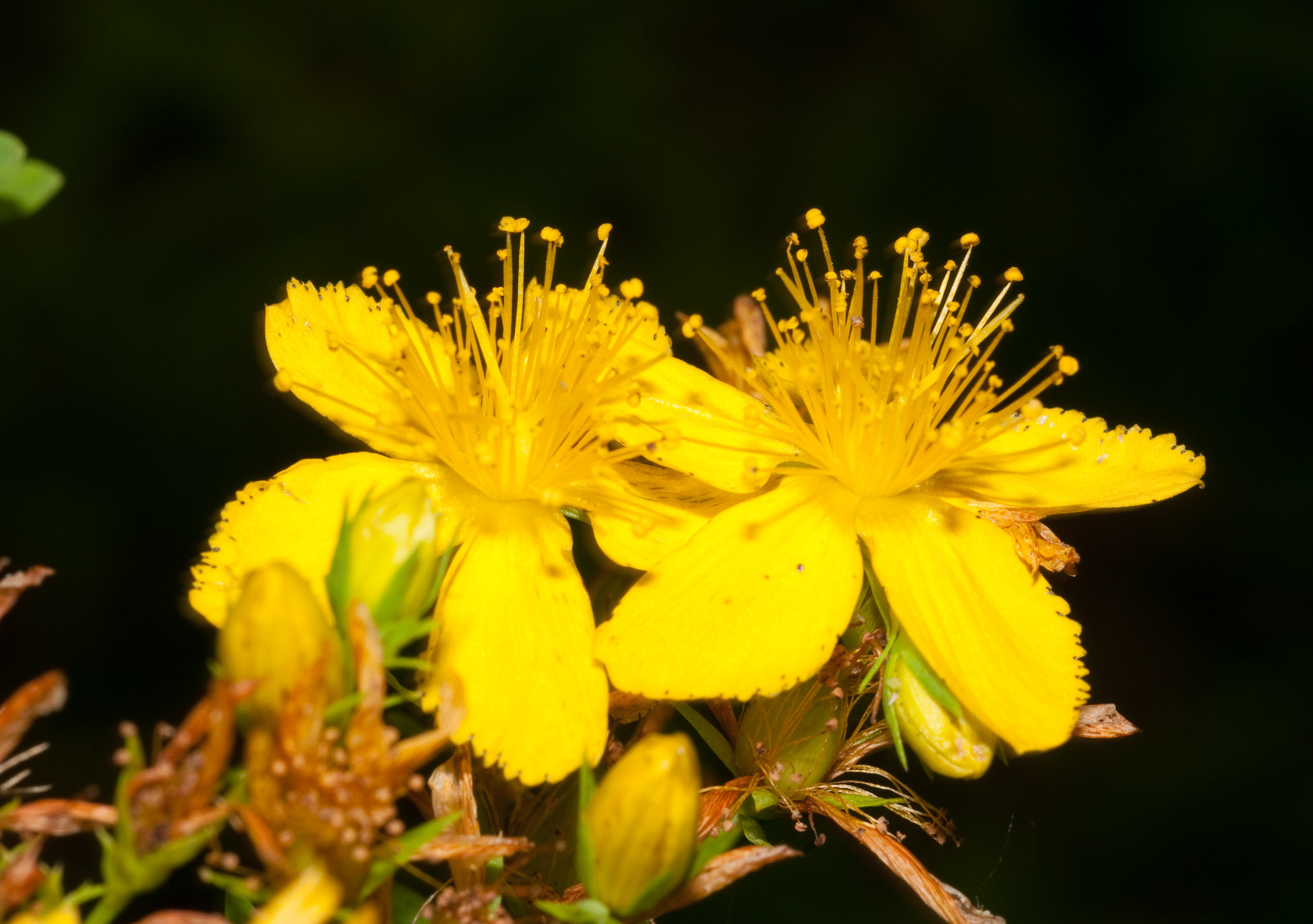
7/9/2010 · Nashua River Rail Trail, Groton Center, Groton, Massachusetts · ≈ 3 × 2″ (8.2 × 5.8 cm) 

7/17/2019 · Oceanview, Falmouth, Maine · ≈ 2½ × 3½″ (6.3 × 8.8 cm) 

6/24/2015 · Nashua River Rail Trail, Groton Ctr, Groton, Massachusetts · ≈ 8 × 6″ (20 × 14 cm) 

7/28/2013 · Andres Institute of Art, Big Bear Mountain, Brookline, New Hampshire · ≈ 10 × 7″ (25 × 16 cm) 
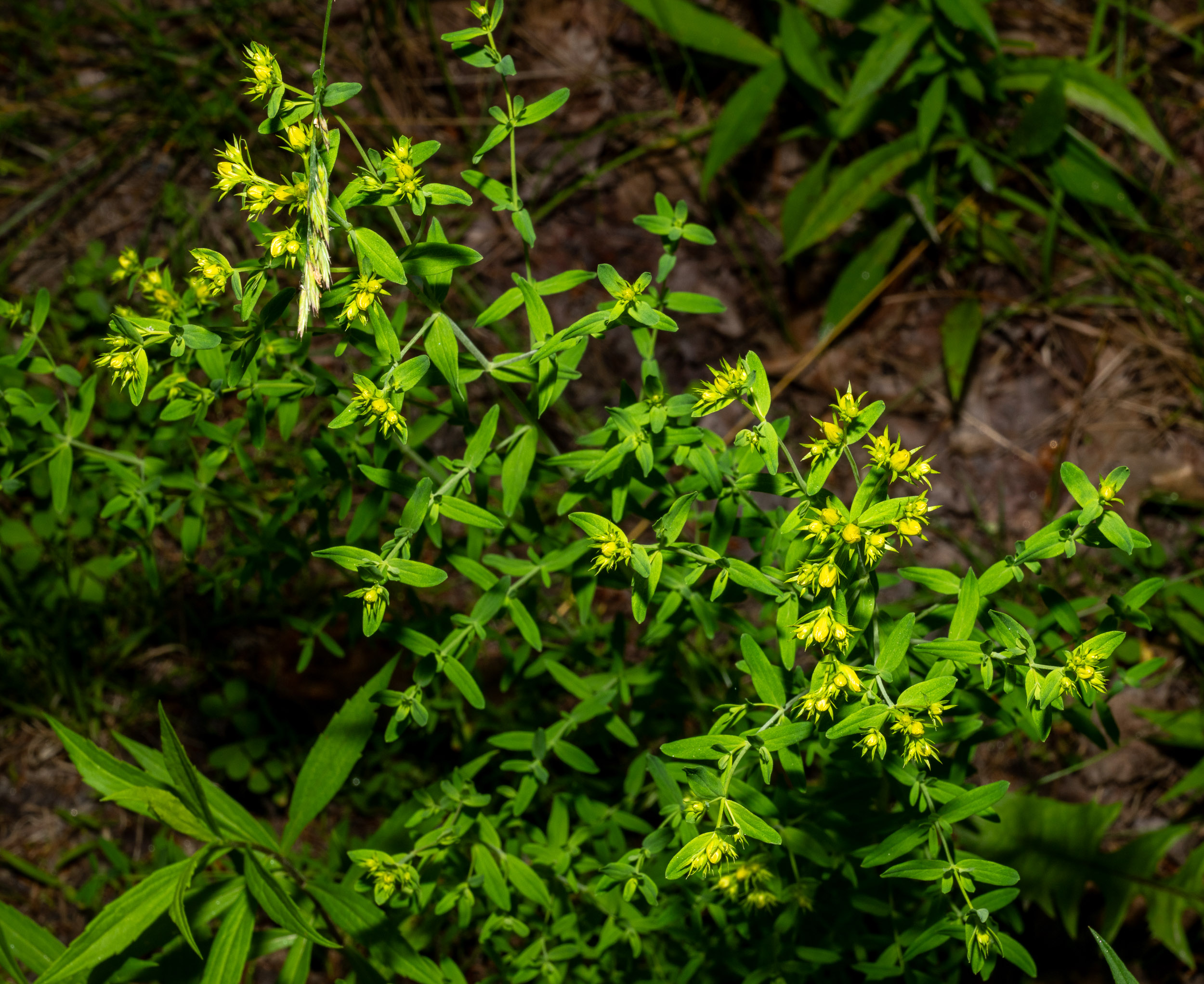
6/24/2025 · Hackett and Minot Trails, Harpswell, Maine · ≈ 9 × 7″ (22 × 18 cm) 
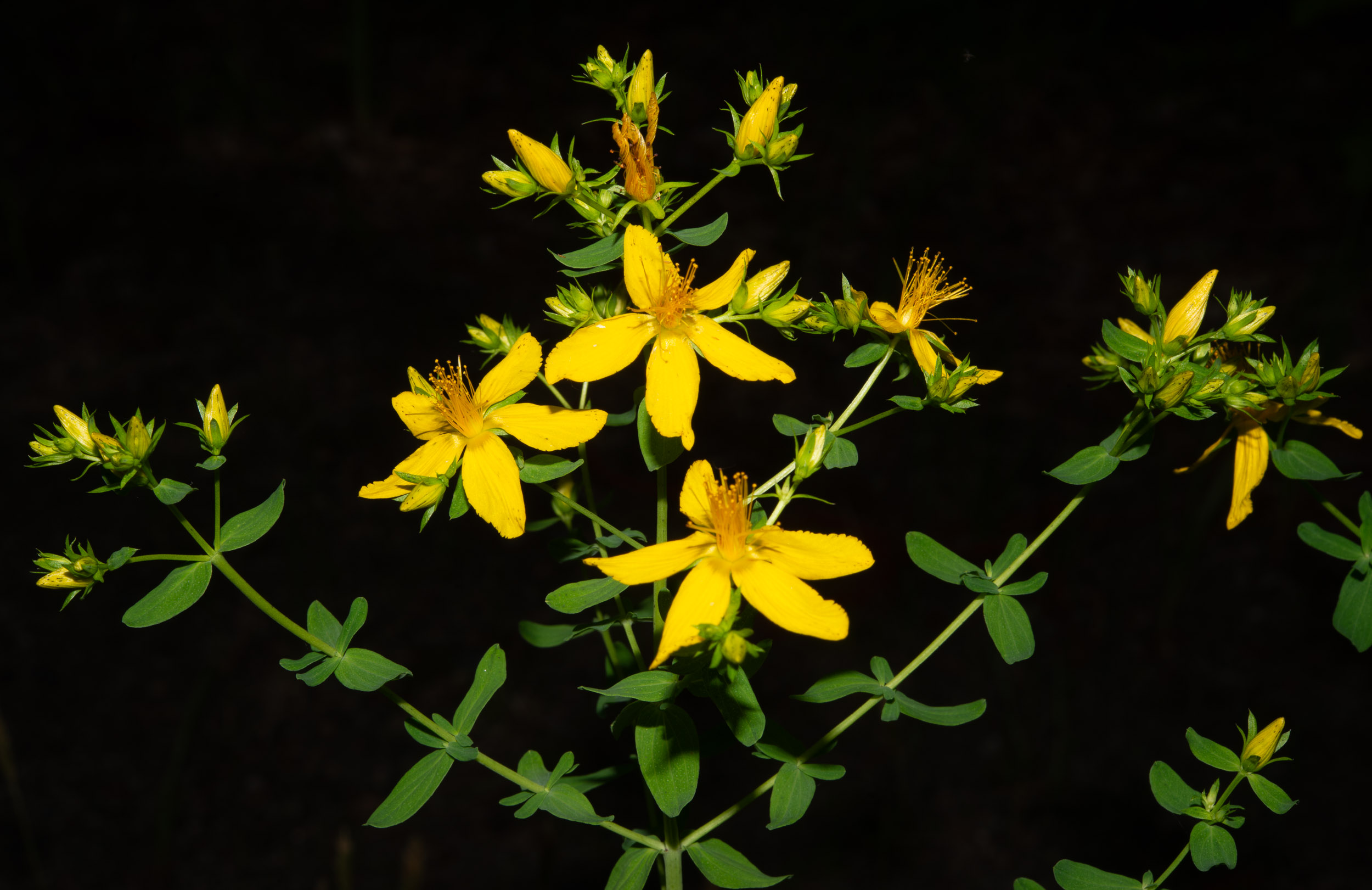
6/24/2015 · Nashua River Rail Trail, Groton Ctr, Groton, Massachusetts · ≈ 9 × 6″ (23 × 15 cm) 
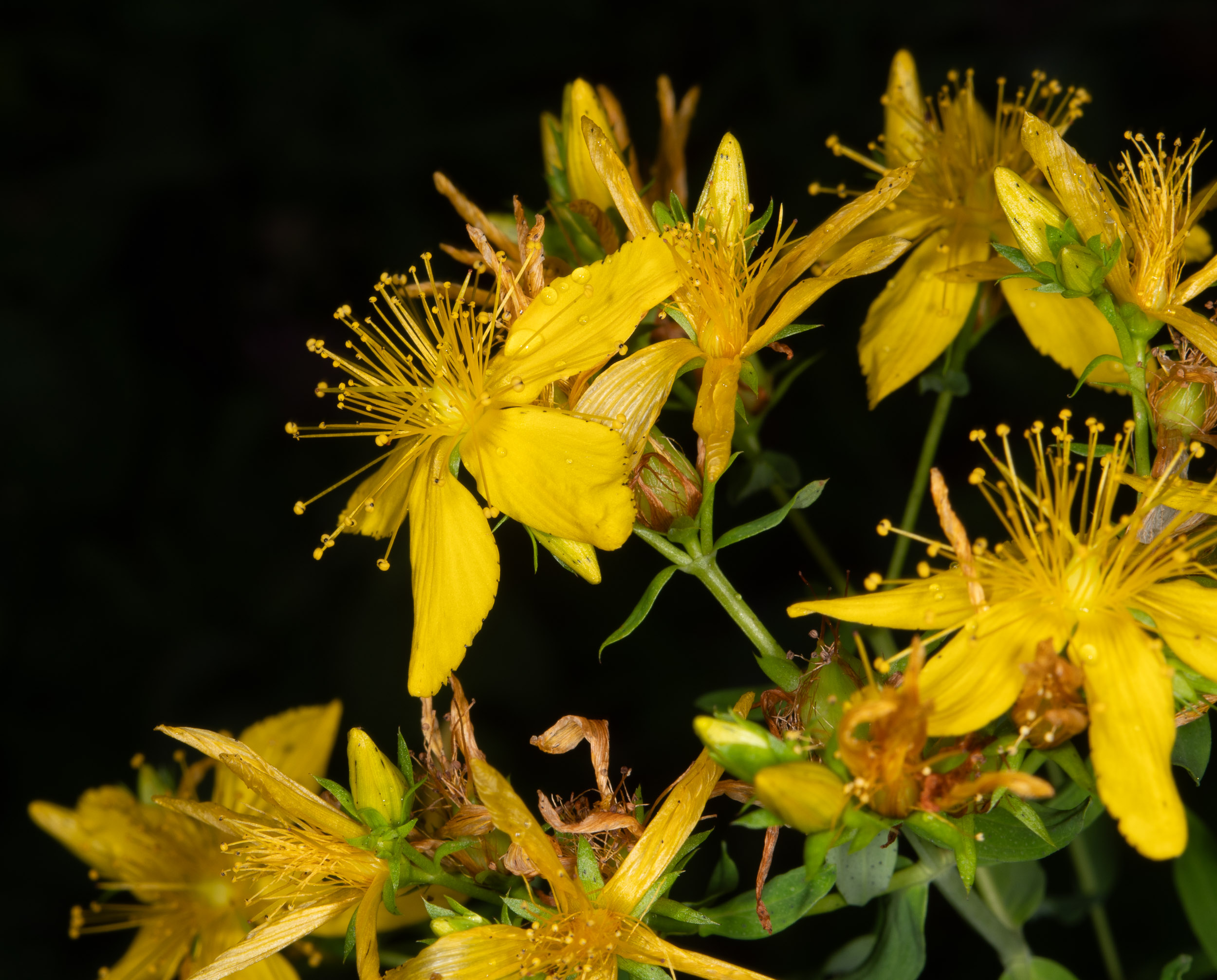
7/17/2019 · Oceanview, Falmouth, Maine · ≈ 4 × 3″ (10 × 8.4 cm) 
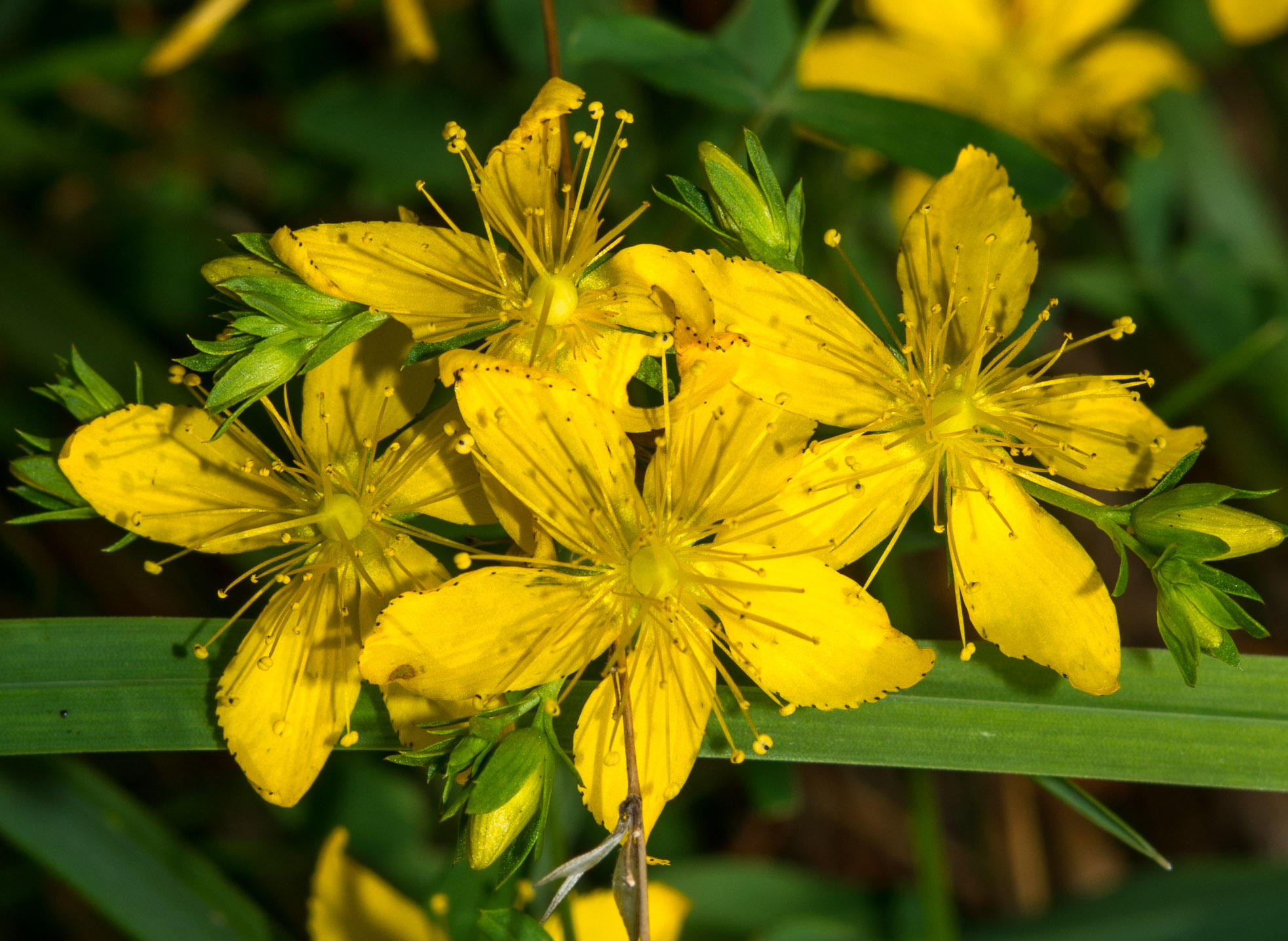
Notice the little black dots along the edges of the petals. · 7/21/2013 · Gibbet Hill, Groton, Massachusetts · ≈ 1¾ × 2½″ (4.7 × 6.4 cm) 
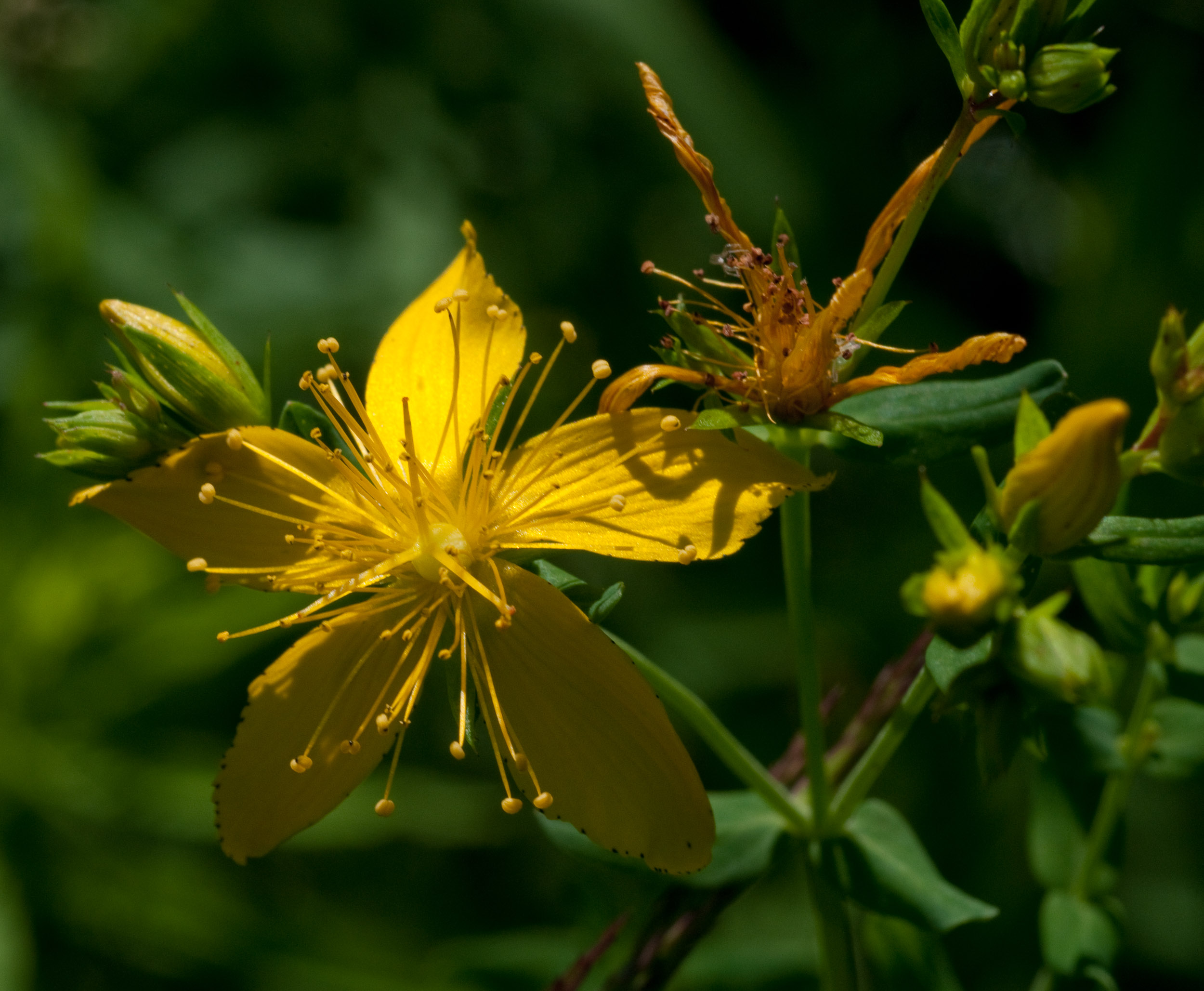
6/21/2010 · Nashua River Rail Trail, Groton Center, Groton, Massachusetts · ≈ 3 × 2½″ (7.9 × 6.6 cm) 

7/13/2015 · Mt. Ascutney State Park, Ascutney, Vermont · ≈ 4 × 4″ (10 × 10 cm) 
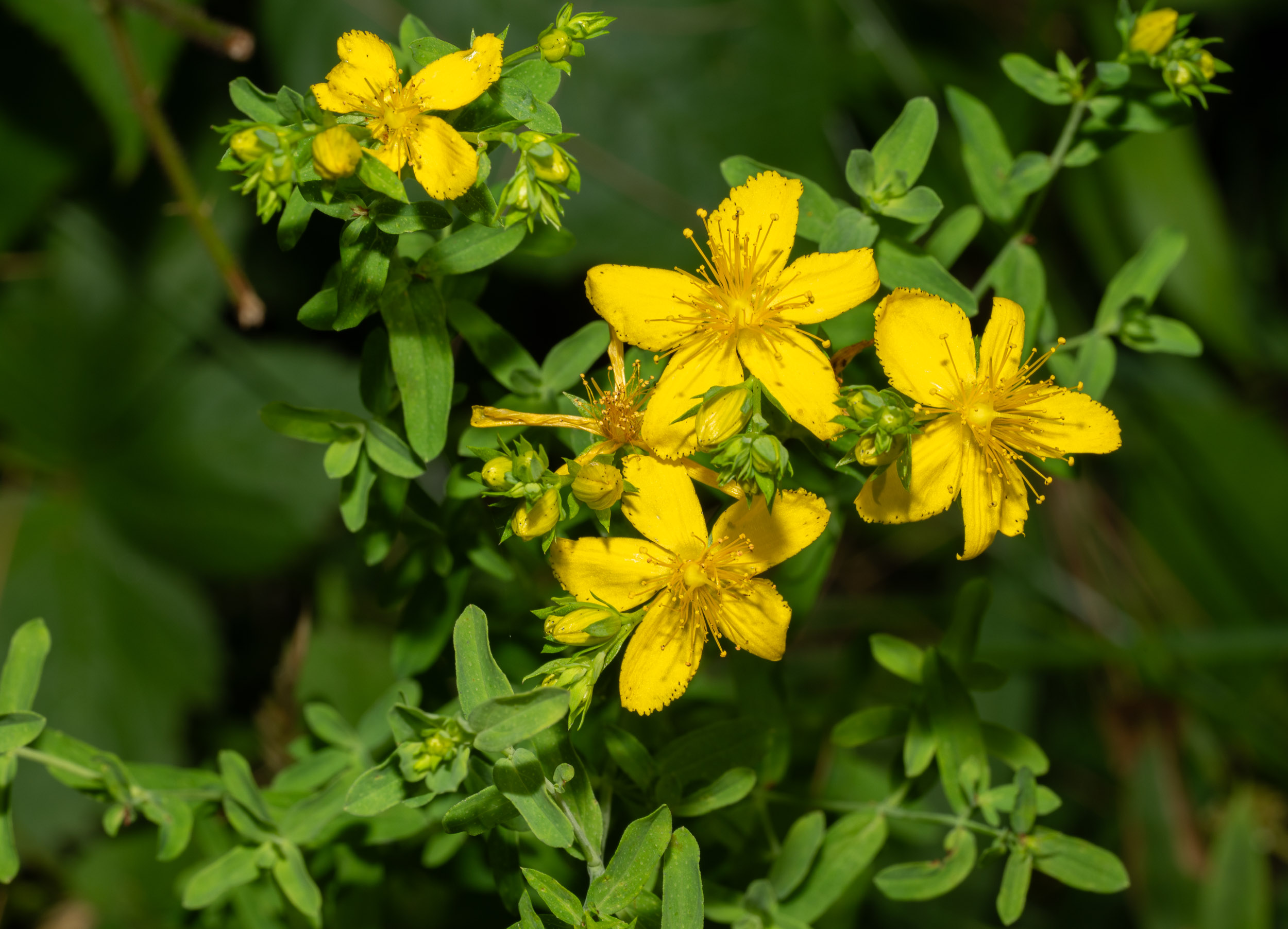
7/11/2026 · Spear Farm Estuary Preserve, Yarmouth, Maine · ≈ 6 × 4″ (14 × 10 cm) 
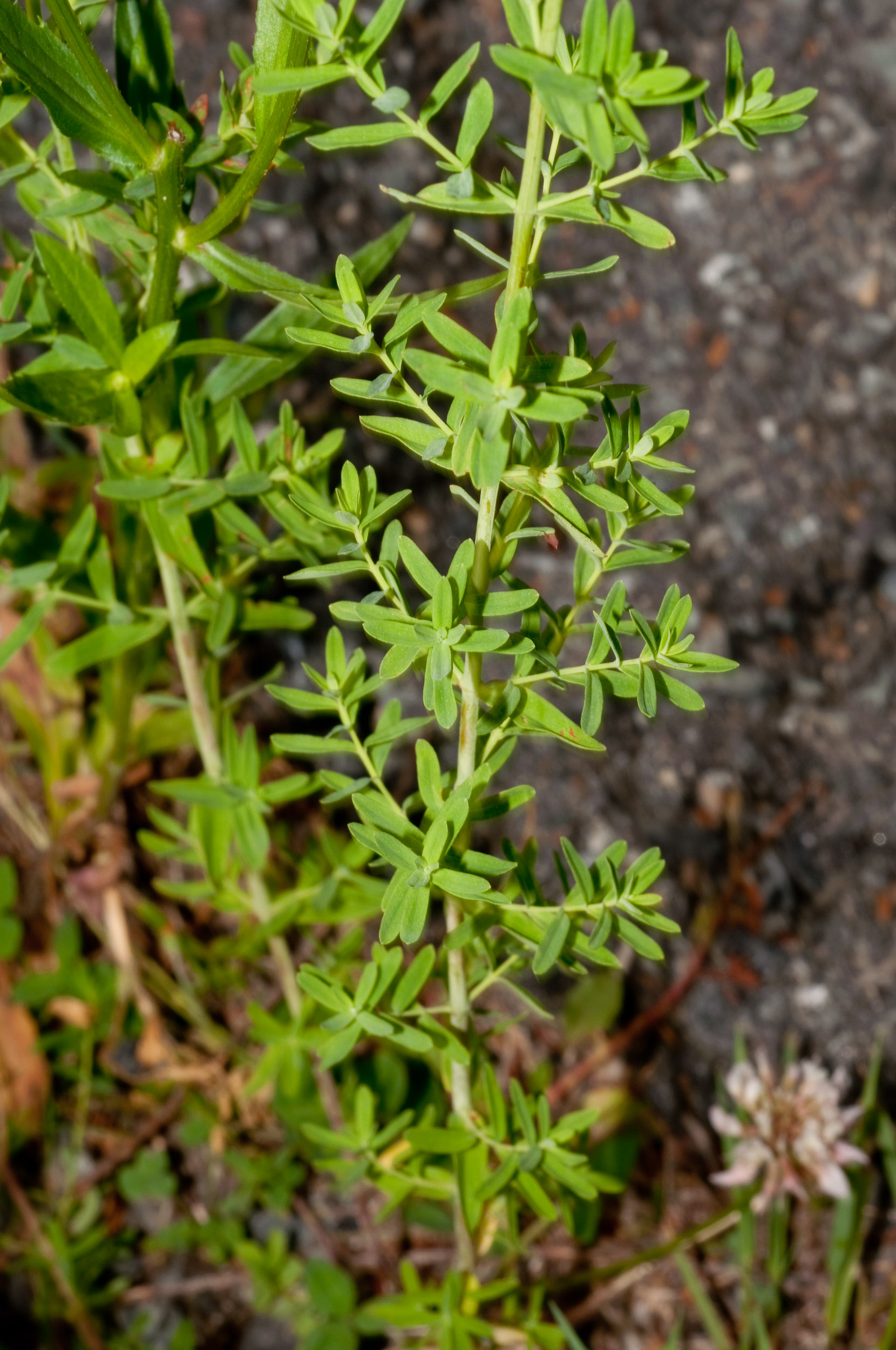
6/16/2010 · Nashua River Rail Trail, Groton Center, Groton, Massachusetts · ≈ 4½ × 7″ (11 × 17 cm) 
| Kingdom | Plantae | Plants, but not fungi, lichens, or algae (from Stearn's Botanical Latin) |
| Subkingdom | Tracheobionta | Vascular plants—plants with a “circulatory system” for delivering water and nutrients |
| Division | Magnoliophyta | Flowering plants, also known as angiosperms |
| Class | Magnoliopsida | Dicotyledons—plants with two initial seed leaves |
| Subclass | Rosidae | Roses, legumes, proteas, dogwoods, hydrangeas, mistletoes, euphorbias, grapes, many more |
| Order | Malpighiales | A broad group encompassing 16,000 species |
| Family | Hypericaceae | St. John’s Wort family |
| Genus | Hypericum | From ancient Greek hyper, “above,” and eikon, “picture,” from an old practice of putting flowers above a picture to ward off evil spirits |
| Species | perforatum | “Perforated,” for paired leaves joined at the base and “perforated” by the stem |

Hypericum perforatum description by Thomas H. Kent, not updated.

© FloraFinder.org. All rights reserved.