Ipomopsis aggregata (Pursh) V.E. Grant
Scarlet gilia, scarlet trumpet, skyrocket
Discovered by Lewis and Clark along the Lolo Trail in northern Idaho, scarlet gilia is native to the western United States and Canada. It prefers desert canyons and cliffs. montane meadows, and subalpine rock fields.
Plants: At lower elevations, plants can reach 5′ (1.5 m) in height. At higher elevations, plants typically don’t exceed 1′ (30 cm). Stems are tall and thin, emerging in clumps. Most of the leaves are near the base.
Leaves: Described as “comblike” or “fernlike,” leaves are bright green, basal, up to 2″ (5 cm) long, and pinnate.
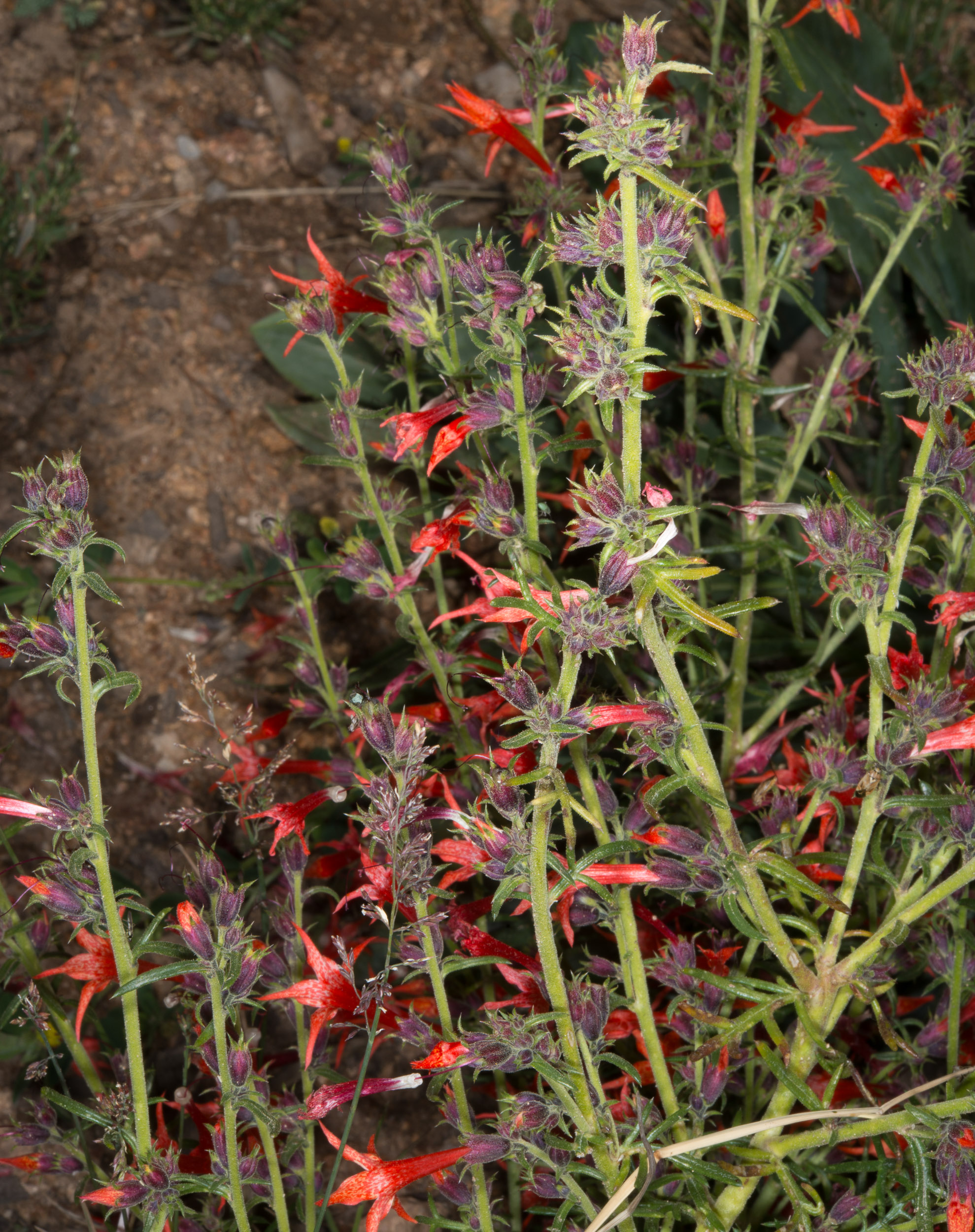
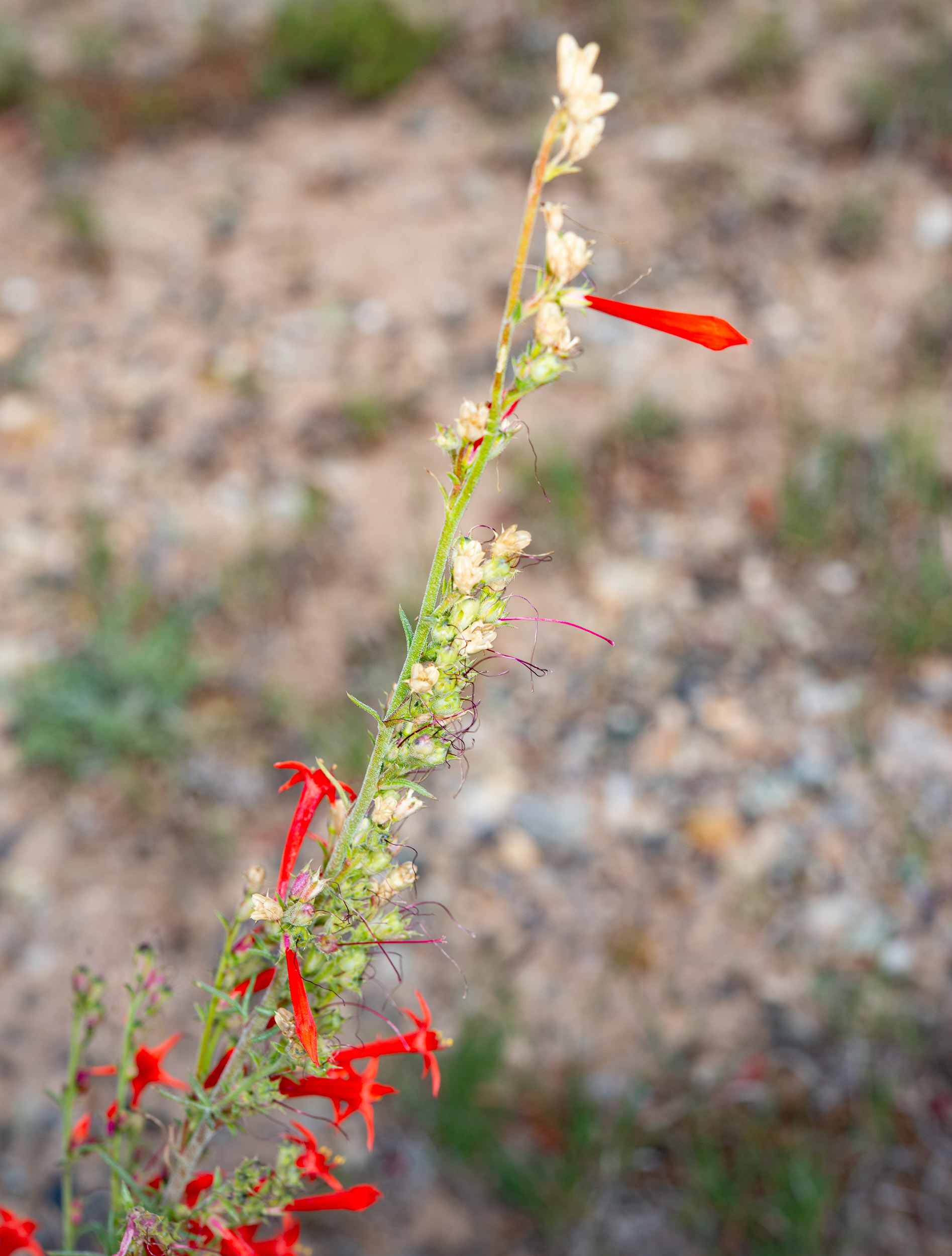
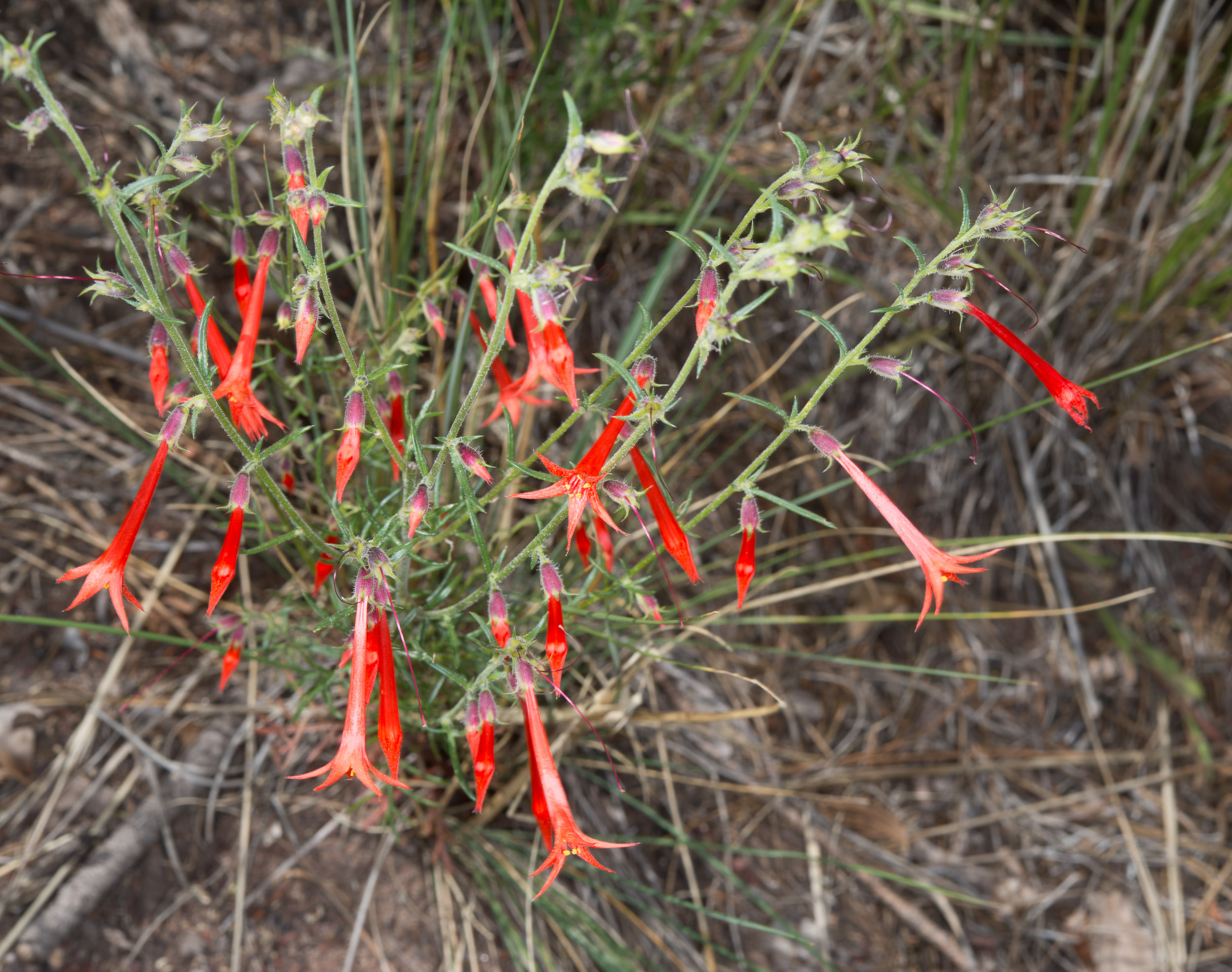
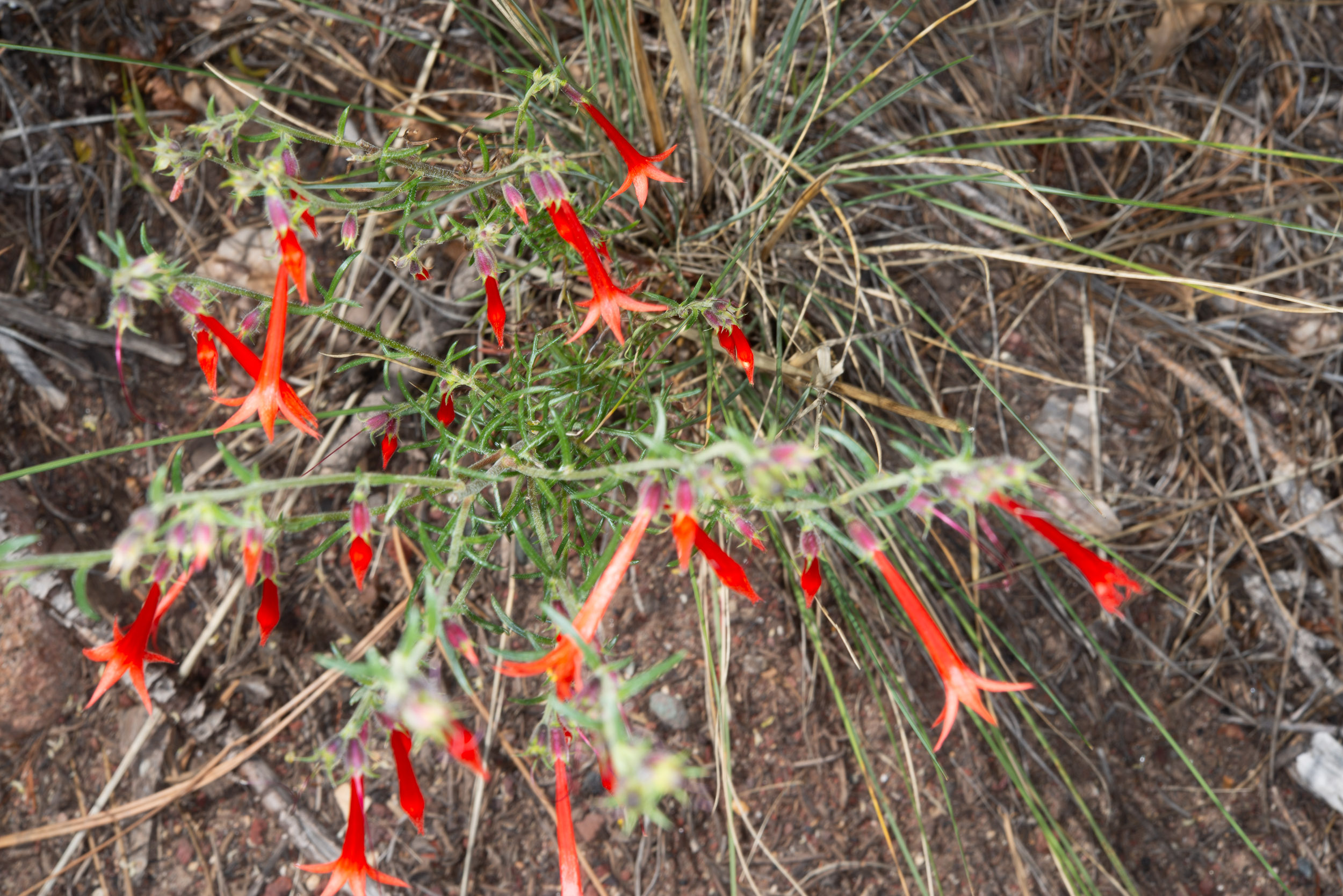
Flowers: Trumpet-shaped flowers may be white, red, orange-red, pink, and, rarely, yellow. Each flower is ¾–1½″ (1.9–3.8 cm) long, and when viewed from the tip, star-shaped. The “trumpet” is actually five fused flower petals. The base of each flower is wrapped in five hairy green pointed bracts; they darken to purple later. They are pollinated by hummingbirds. They appear over much of the summer, from May to September or August to October, depending upon locale.
Fruits: Capsules with three carpels.
Habitats: Desert canyons and cliffs. montane meadows, and subalpine rock fields.
Online References:

8/28/2014 · New Mexico · ≈ 7 × 11″ (18 × 28 cm) 
8/31/2014 · New Mexico · ≈ 7 × 8″ (16 × 21 cm) 
8/28/2014 · New Mexico · ≈ 7 × 10″ (18 × 24 cm) 
8/28/2014 · New Mexico · ≈ 9 × 7″ (23 × 18 cm) 

8/28/2014 · New Mexico · ≈ 7 × 7″ (17 × 17 cm) 
8/28/2014 · New Mexico · ≈ 12 × 8″ (31 × 21 cm) 
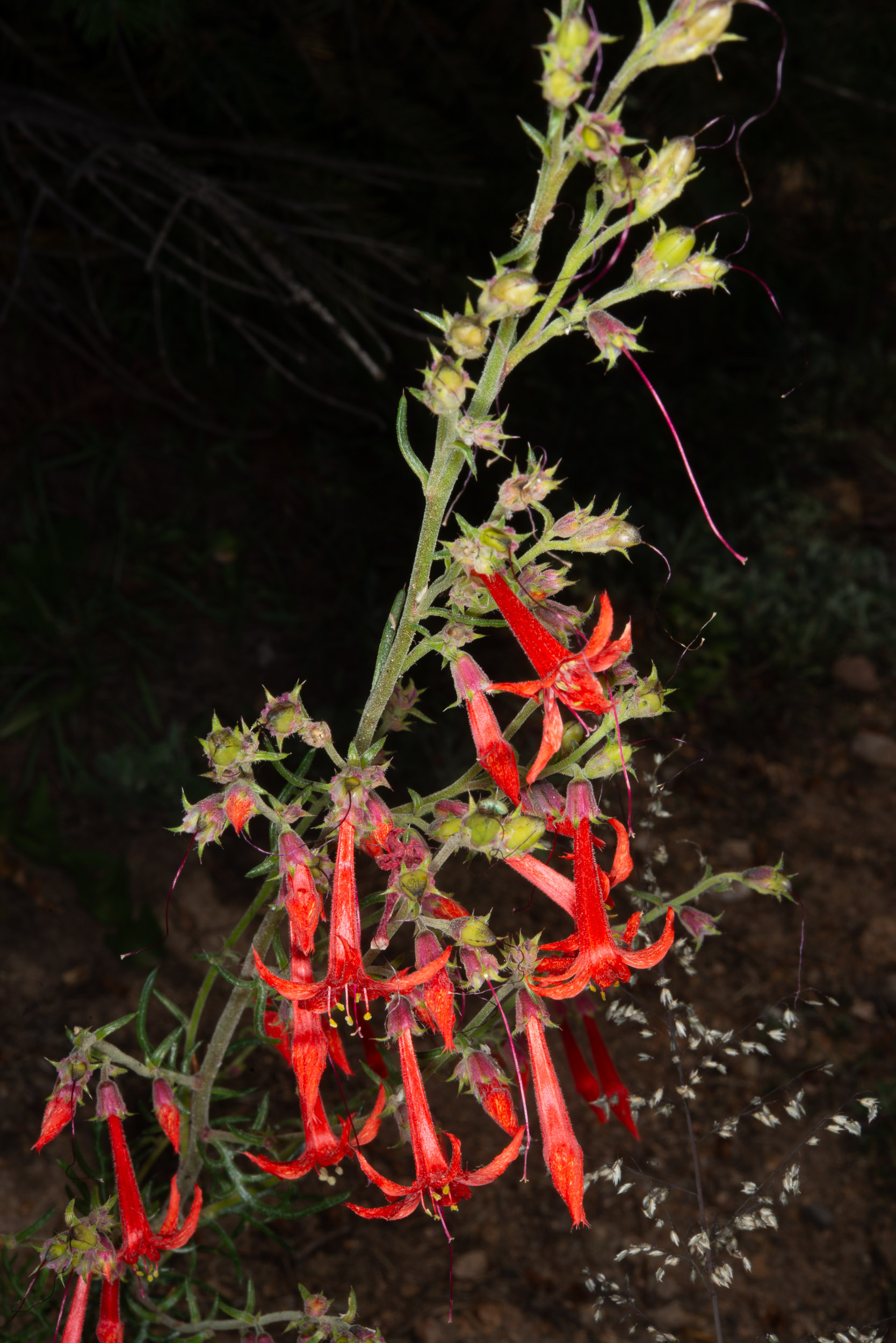
8/31/2014 · New Mexico · ≈ 6 × 9″ (16 × 23 cm) 

8/31/2014 · New Mexico · ≈ 8 × 6″ (20 × 14 cm) 

8/31/2014 · New Mexico · ≈ 8 × 5″ (21 × 13 cm) 
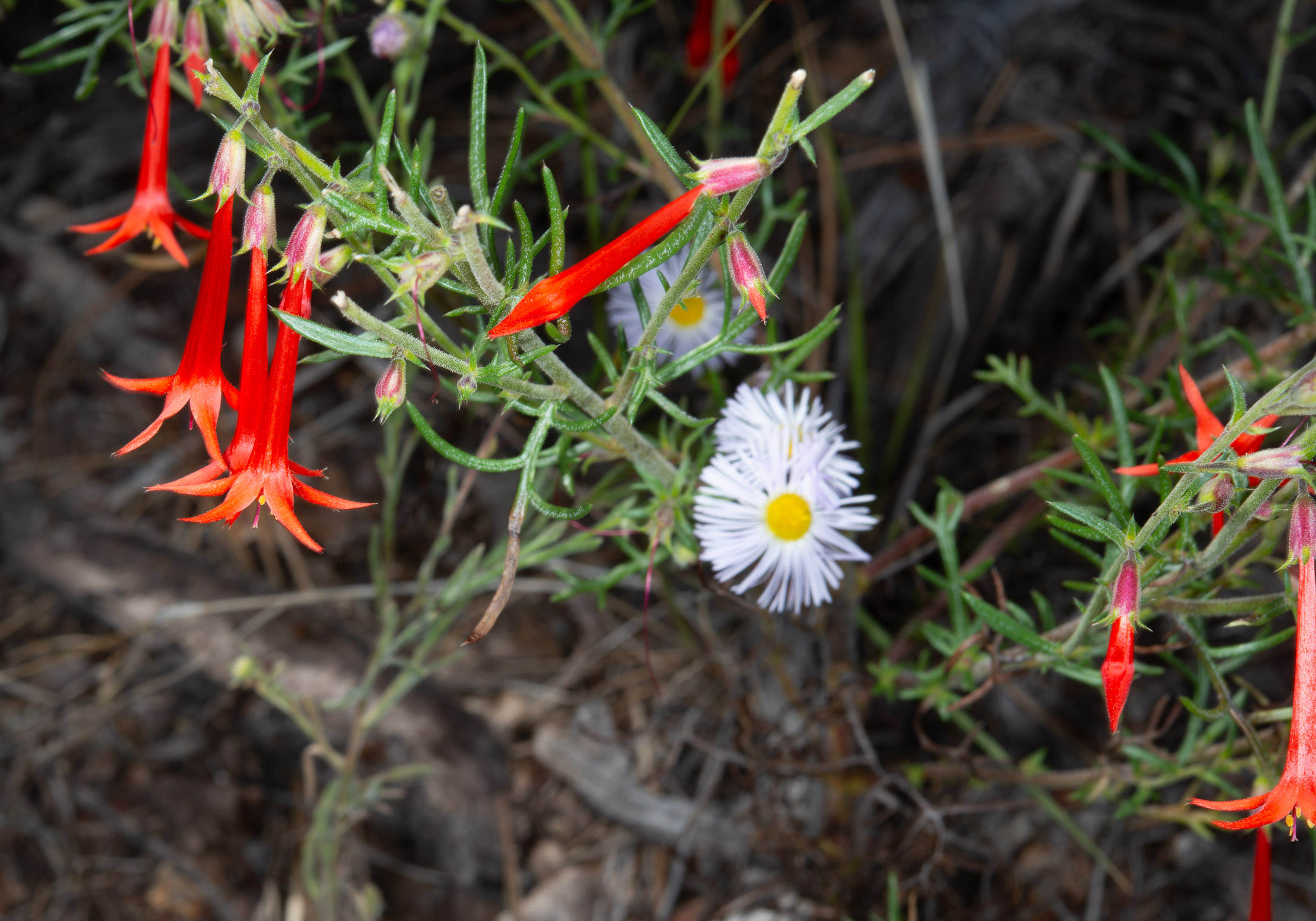
8/28/2014 · New Mexico · ≈ 7 × 5″ (18 × 13 cm) 
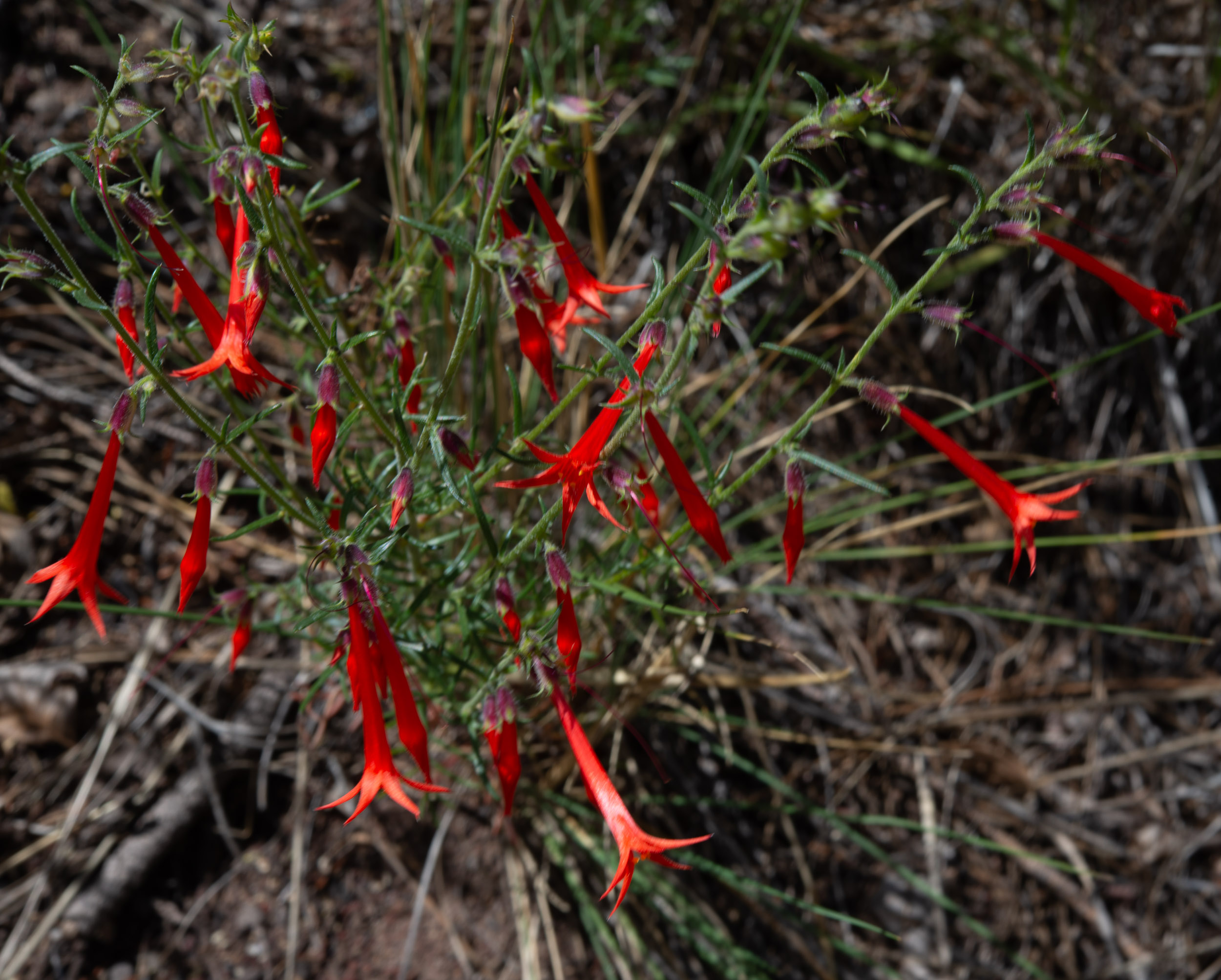
8/28/2014 · New Mexico · ≈ 9 × 7″ (22 × 18 cm) 
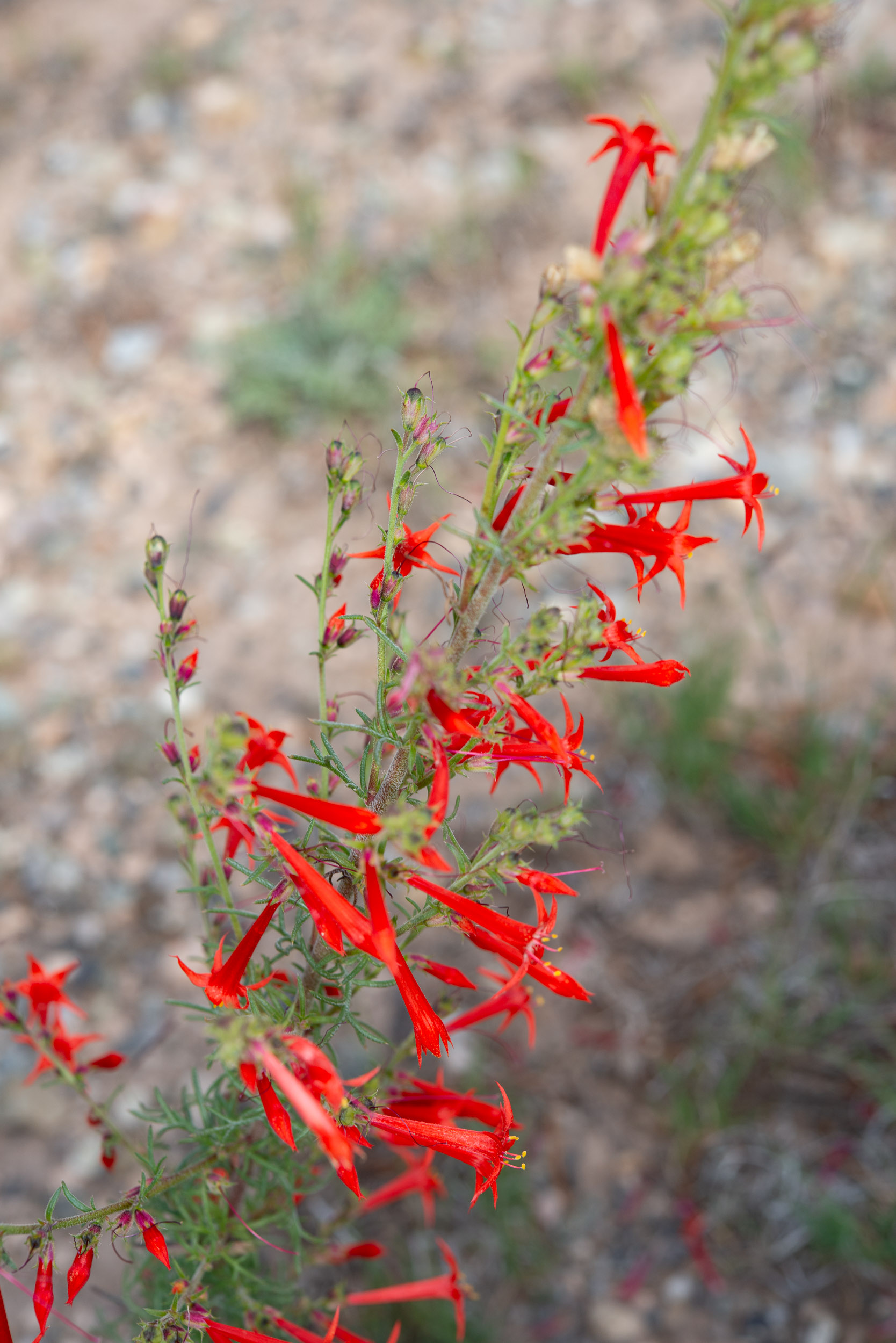
8/28/2014 · New Mexico · ≈ 7 × 11″ (18 × 28 cm) 
| Kingdom | Plantae | Plants, but not fungi, lichens, or algae (from Stearn's Botanical Latin) |
| Subkingdom | Tracheobionta | Vascular plants—plants with a “circulatory system” for delivering water and nutrients |
| Division | Magnoliophyta | Flowering plants, also known as angiosperms |
| Class | Magnoliopsida | Dicotyledons—plants with two initial seed leaves |
| Subclass | Asteridae | A large class that encompasses asters |
| Order | Ericales | Tea, persimmon, blueberry, Brazil nut, azalea, many others |
| Family | Polemoniaceae | Phlox, Jabob’s-ladder |
| Genus | Ipomopsis | From the Greek ipo, “to strike,” and opsis, “appearance,” thus of striking appearance |
| Species | aggregata | “flocking together,” or growing in groups, clustered |

Ipomopsis aggregata description by Thomas H. Kent, not updated.

© FloraFinder.org. All rights reserved.