Lagerstroemia indica cv.
Crape myrtle, crapemyrtle
Crape myrtle is a native of China, Korea, Japan, and India, widely cultivated as a dramatic landscape planting in suitable climates throughout the world.
| That's crape myrtle, right? Or is it crepe myrtle? Or crêpe myrtle? Crapemyrtle, crepemyrtle, or crêpemyrtle? Depends who you ask. Crape is an anglicized version of the French crêpe, and crape myrtle is named after crêpes, because the crinkly flower edges suggest the crinkled edges of crêpes. So the alternate spellings abound. We use the American Crape Myrtle Society's spelling, not necessarily because they are in charge of such matters, but simply to be consistent on this site. |
Plants: These plants blur the distinction between tree and shrub, at 10–30′ (3–9.1 m) in height, with multiple, spreading stems. Some cultivars are much smaller, as small as 1½′ (45 cm). Bark is smooth, mottled, and pinkish-gray, peeling to reveal cinnamon-colored new bark. It sheds each year.
Leaves: Pinnate, 1–2½″ (2.5–7.1 cm) long, opposite or whorled, and elliptic, oblong, or obovate. They are dark green, turning mostly yellow in the fall.
Flowers: Large, attractive panicles. This cultivar is white; others are red, pink, mauve or purple. Flowers appear from July to September.
Fruits: Brown, oval or round, and less than ½″ (1.3 cm) around.
Online References:
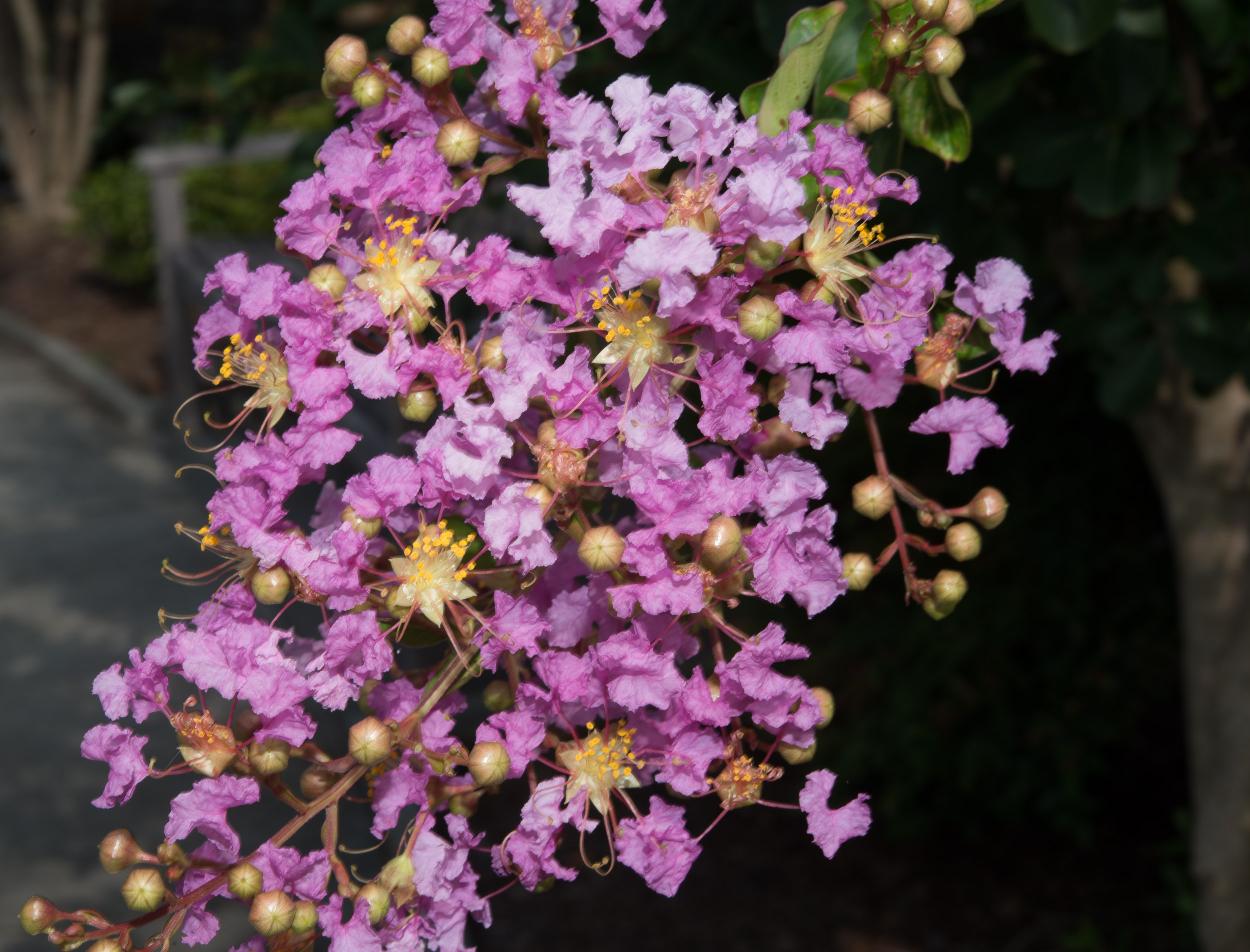
8/31/2013 · Lewis Ginter Botanical Garden, Richmond, Virginia · ≈ 9 × 7″ (22 × 16 cm)  ID is uncertain

8/30/2013 · Chris and Kelley’s, Midlothian, Virginia · ≈ 9 × 7″ (22 × 17 cm) ID is uncertain 

8/30/2013 · Chris and Kelley’s, Midlothian, Virginia · ≈ 7 × 5″ (17 × 13 cm) ID is uncertain 
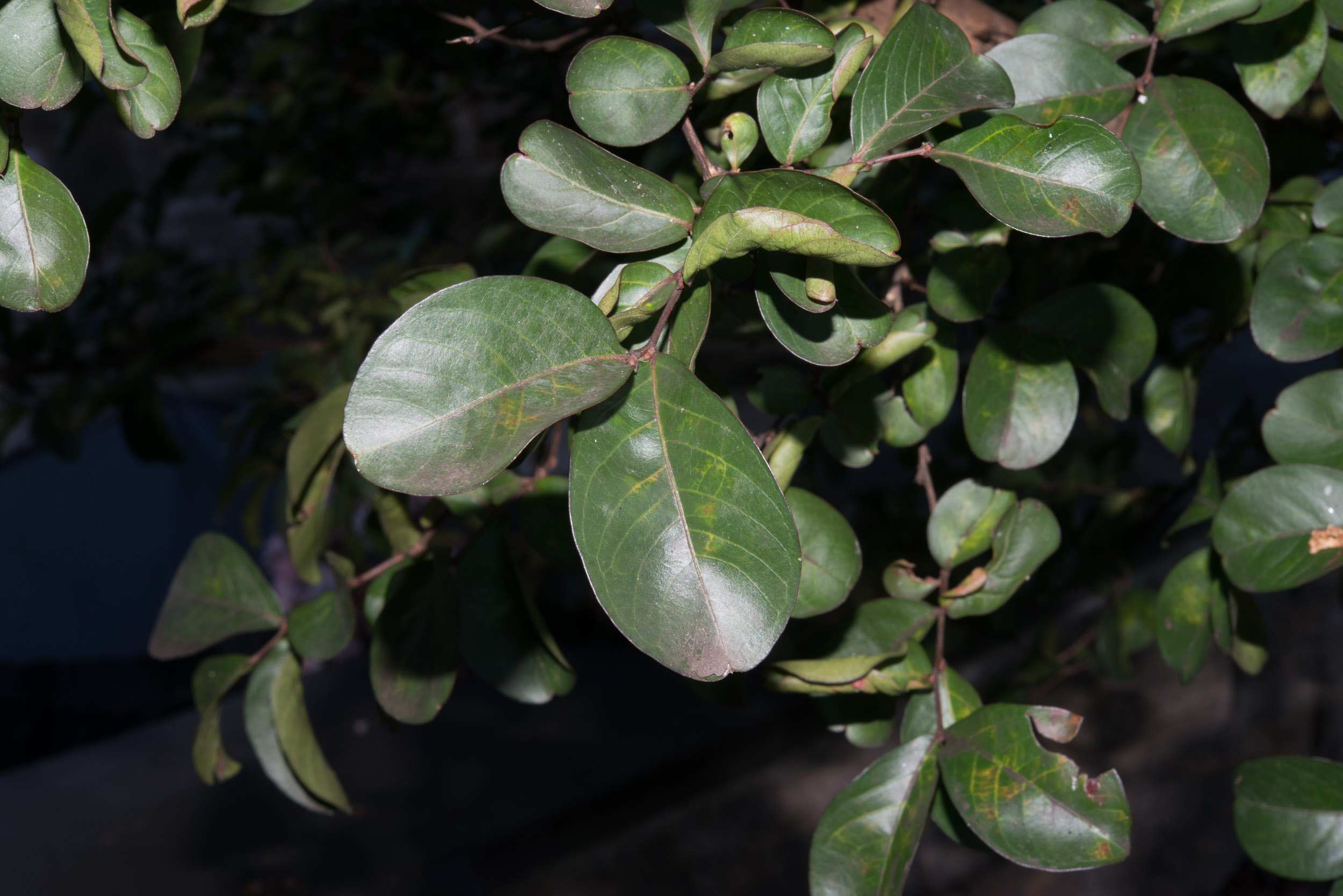
8/30/2013 · Chris and Kelley’s, Midlothian, Virginia · ≈ 10 × 7″ (25 × 16 cm) ID is uncertain 
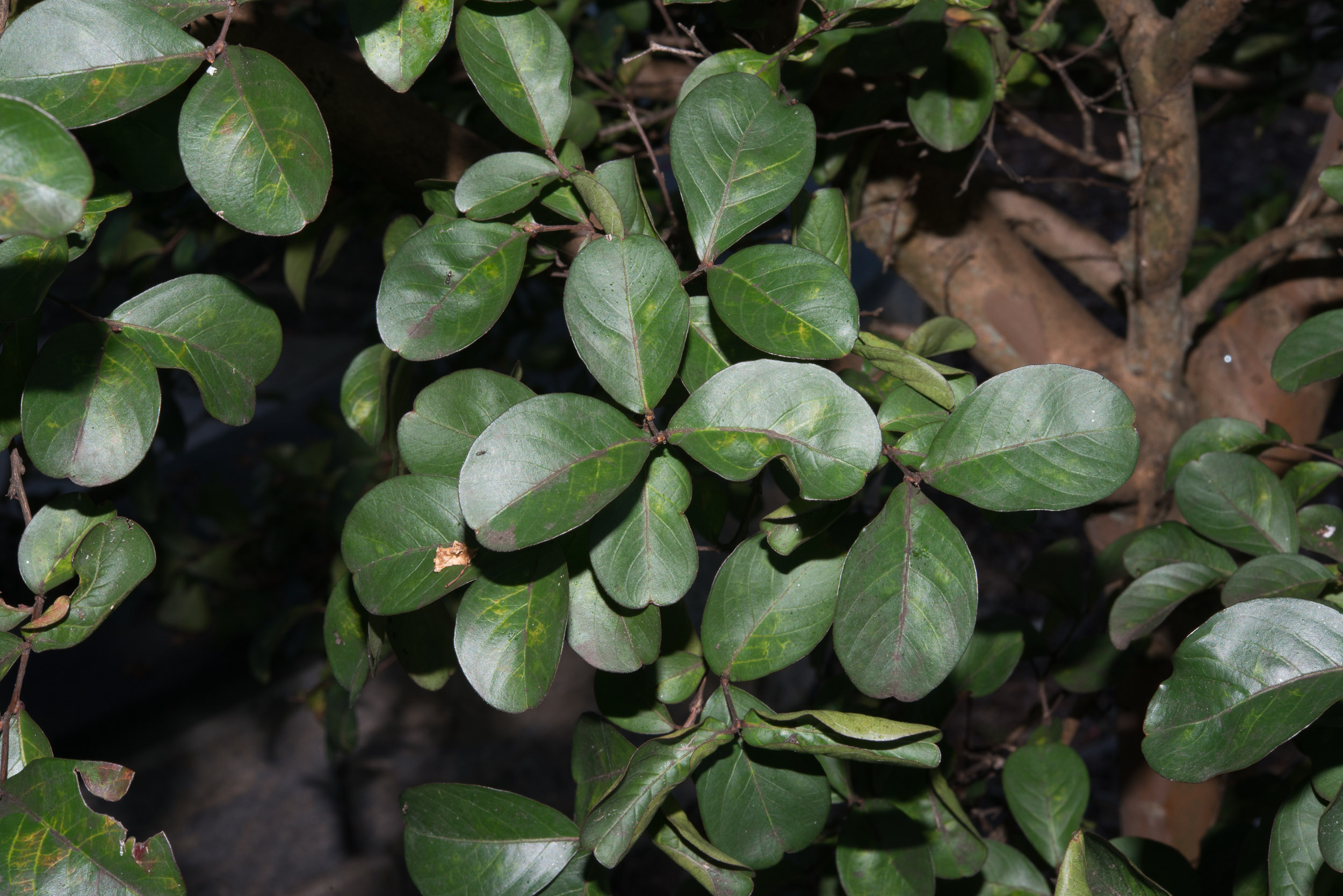
8/30/2013 · Chris and Kelley’s, Midlothian, Virginia · ≈ 12 × 8″ (31 × 21 cm) ID is uncertain 

8/31/2013 · Lewis Ginter Botanical Garden, Richmond, Virginia · ≈ 8 × 7″ (20 × 16 cm) ID is uncertain 

8/31/2013 · Lewis Ginter Botanical Garden, Richmond, Virginia · ≈ 14 × 10″ (34 × 25 cm) ID is uncertain 
| Kingdom | Plantae | Plants, but not fungi, lichens, or algae (from Stearn's Botanical Latin) |
| Subkingdom | Tracheobionta | Vascular plants—plants with a “circulatory system” for delivering water and nutrients |
| Division | Magnoliophyta | Flowering plants, also known as angiosperms |
| Class | Magnoliopsida | Dicotyledons—plants with two initial seed leaves |
| Subclass | Rosidae | Roses, legumes, proteas, dogwoods, hydrangeas, mistletoes, euphorbias, grapes, many more |
| Order | Myrtales | Includes myrtles, leadwoods, loosestrifes, pomegranates, evening primroses, many others |
| Family | Lythraceae | Loosestrife family, also Includes henna, pomegranates, crape myrtles, others |
| Genus | Lagerstroemia | Crape myrtles, named for Swedish merchant Magnus von Lagerström |
| Species | indica | Of or from or referring in some way to India |
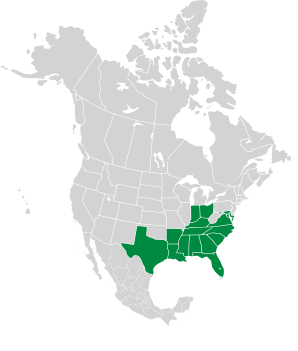
Lagerstroemia indica description by Thomas H. Kent, not updated.

© FloraFinder.org. All rights reserved.