Lapsana communis L.
Nipplewort, common nipplewort
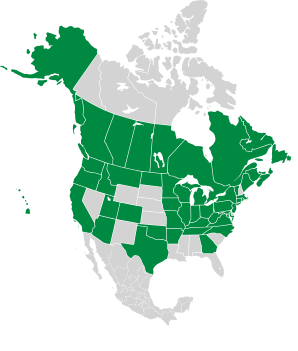
Nipplewort is native to Europe, from Britain and Scandinavia to North Africa and western and central Asia.
Plants: 6–60″ (15–152 cm) in height, either hairy or hairless. A stiff major stem is often reddish and somewhat ridged.
Leaves: Oval or round, ⅜–6 ⨉ ⅜–2½″ (1–15 ⨉ 1–7 cm). Each leaf has a large roughly triangular (deltate) lobe at the end, often with two smaller side lobes at the base that vaguely resemble nipples, hence the common name. Lower leaves also have a long petiole that is slightly winged and hairy.
Flowers: Panicles of 5-25, rarely as high as 100, each flower ¼–½″ (6.3–12 mm) across, with 18-20 pale yellow rays. Though similar in appearance to hawkweed flowers, they are somewhat paler and, instead of dense dandelion-like centers, the centers look significantly different. They flower from April to September.
Fruits: A cypsela surrounded by the hardened remains of the involucral bracts. The seeds inside are released by wind or animals.
Habitats: Disturbed soil, roadsides, woods, alkaline soils, in full or partial sun.
Nipplewort looks superficially similar to hawkweeds. See this hawkweed comparison table for details.
Medical: The milky latex exuded from cut stems and leaves is said to be soothing to the skin, specifically to nipples of nursing mothers.
Online References:
References:
Clemants, Steven; Gracie, Carol, Wildflowers in the Field and Forest, Oxford University Press, 2006, p. 162
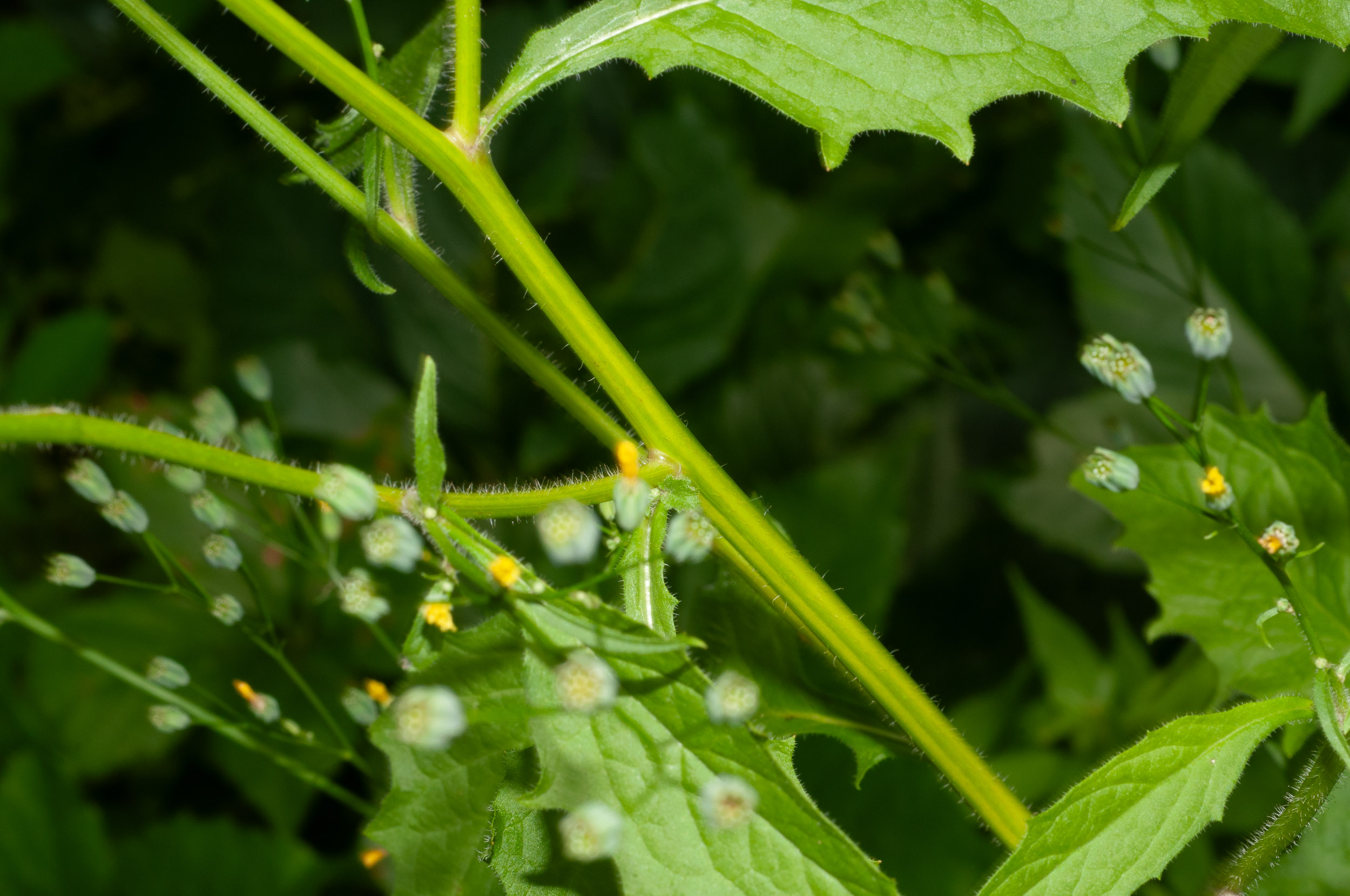
7/7/2012 · Gibbet Hill, Groton, Massachusetts · ≈ 8 × 5″ (19 × 13 cm)  ID is uncertain

7/7/2012 · Gibbet Hill, Groton, Massachusetts · ≈ 9 × 6″ (23 × 15 cm) ID is uncertain 
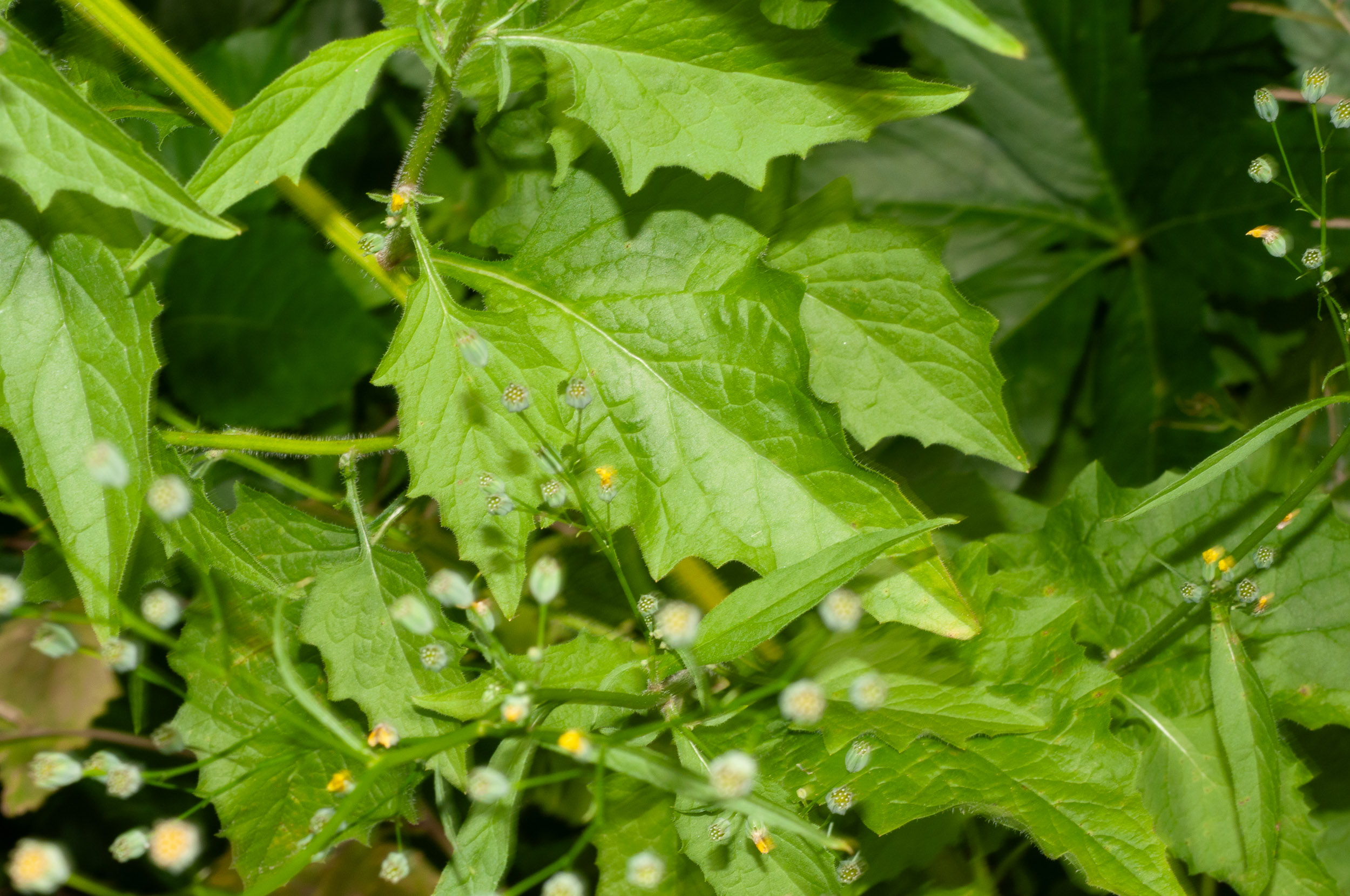
7/7/2012 · Gibbet Hill, Groton, Massachusetts · ≈ 11 × 7″ (27 × 18 cm) ID is uncertain 
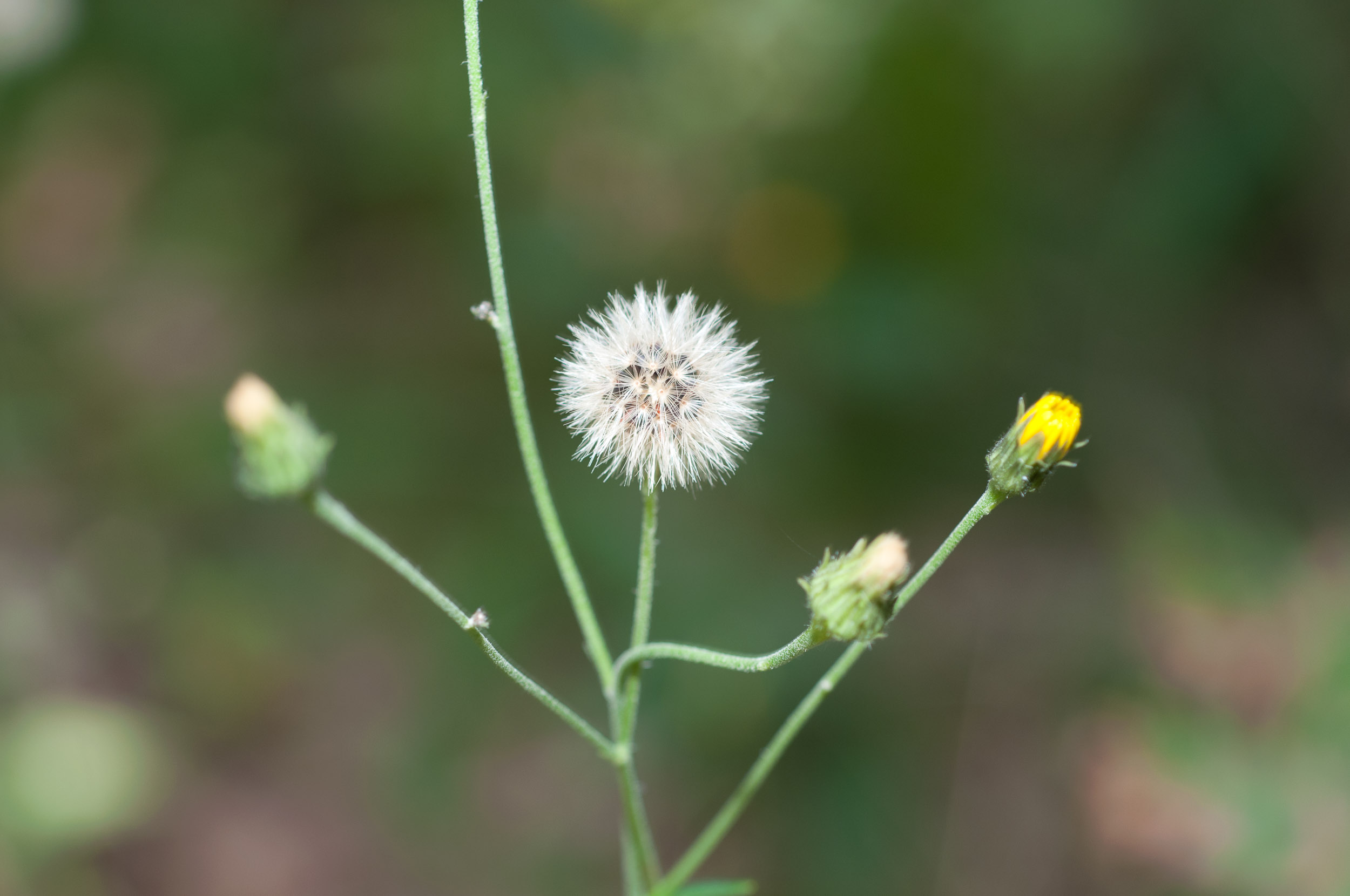
9/20/2009 · Acadia National Park, Bar Harbor, Maine · ≈ 6 × 4″ (15 × 10 cm) ID is uncertain 
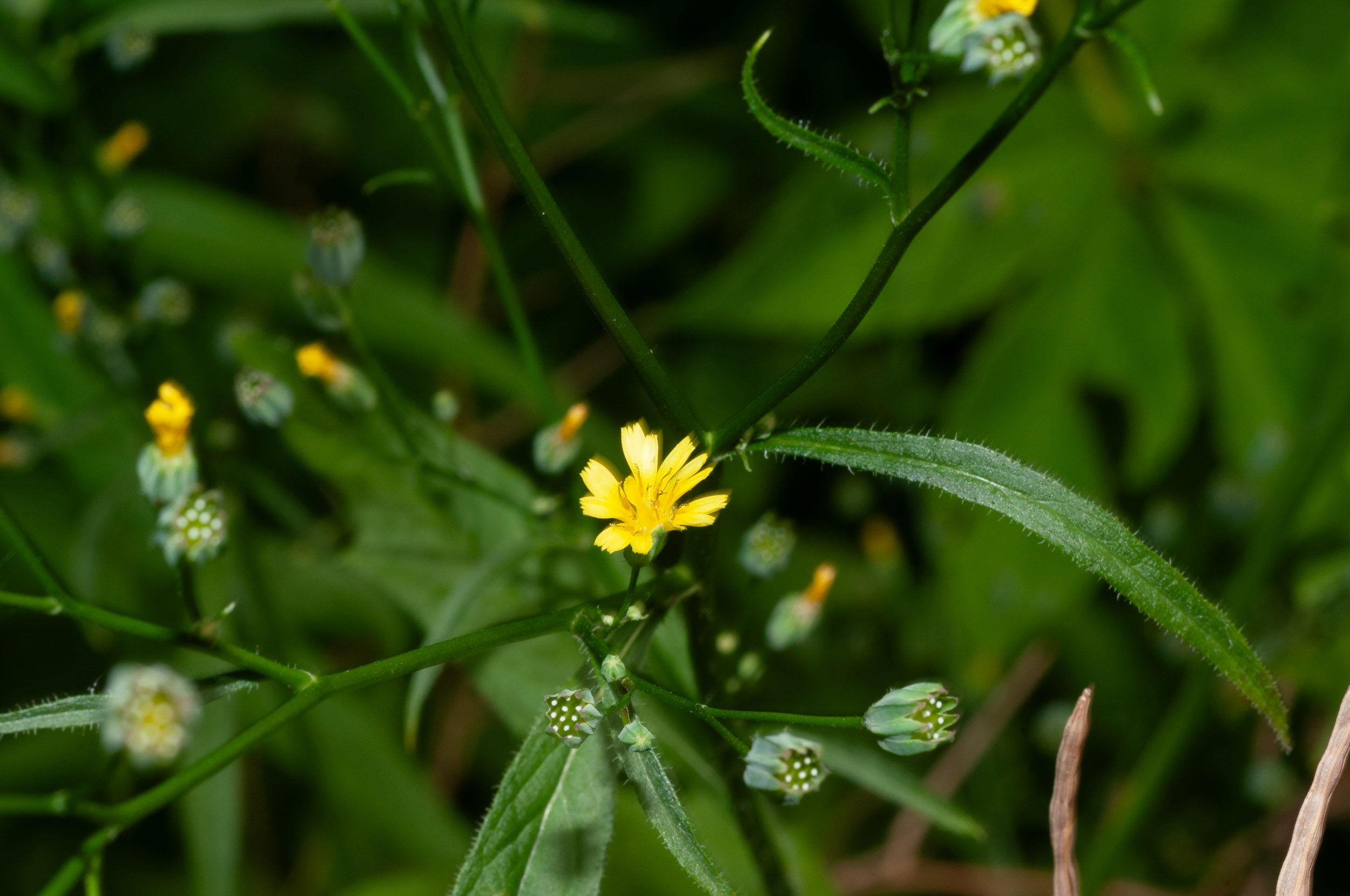
7/7/2012 · Gibbet Hill, Groton, Massachusetts · ≈ 5 × 3½″ (13 × 9.2 cm) ID is uncertain 
| Kingdom | Plantae | Plants, but not fungi, lichens, or algae (from Stearn's Botanical Latin) |
| Subkingdom | Tracheobionta | Vascular plants—plants with a “circulatory system” for delivering water and nutrients |
| Division | Magnoliophyta | Flowering plants, also known as angiosperms |
| Class | Magnoliopsida | Dicotyledons—plants with two initial seed leaves |
| Subclass | Asteridae | A large class that encompasses asters |
| Order | Asterales | Flowering plants with a central disk flower and surrounding petals, like daisies |
| Family | Asteraceae | The aster family, which also includes daisies and sunflowers; from the Greek ἀστήρ, “star,” for the star-shaped flowers |
| Genus | Lapsana | Dioscorides used this name for “wild mustard,” though this is not related to mustards |
| Species | communis | Latin for “common, general” |
Lapsana communis description by Thomas H. Kent, not updated.

© FloraFinder.org. All rights reserved.