Leonurus cardiaca L.
Motherwort, lion’s tail, heartwort, common motherwort
Motherwort, meaning simply “mother plant,” is named for its long use to treat a variety of medical problems for women. It is a native of central Asia, but it was brought to many other places and is now found worldwide. In some localities it is considered an invasive species.
Plants: Plants are 2–3′ (60–100 cm) high. The stems are square in cross-section.
Leaves: Leaves are opposite. Pairs of leaves extend from the stem every inch or so, in alternating directions exactly at right angles to each other, looking almost unnaturally orderly. Leaves are dark green, and are 2–4″ (5–10 cm) long. Younger leaves have three pointed tips, while older ones are further divided.
Flowers: Between each pair of leaves, a tuft of small pink-purple flowers appear directly on the stem, becoming more closely spaced near the top.
Fruits: Each flower becomes 4 reddish brown or brown nutlets. Each nutlet is 3-sided.
Habitats: Woodland borders, disturbed open woodlands, and partially shaded yard edges.
Medical: Traditionally motherwort served as a uterine tonic and a preventative for uterine infection in women. It contains a mild vasodilator, lowering blood pressure slightly and reducing heart rate. It has also been variously used as a sedative, to increase longevity, a “promoter” of menstruation, a blood thinner, a diuretic, a tonic for fevers, rheumatism, bronchitis, asthma, and even postpartum depression. Although motherwort does have a mild cardiac effect, none of these uses have been confirmed.
 |
Motherwort can be confused with members of Lycopus, the water-horehounds. Some comparisons. |
Online References:

9/19/2010 · Nashua River Rail Trail, Hollis, New Hampshire · ≈ 5 × 8″ (13 × 19 cm) 

10/2/2010 · Raymondskill Falls, Delaware Water Gap National Recr, Pennsylvania · ≈ 6 × 4½″ (14 × 11 cm)  ID is uncertain

10/2/2010 · Raymondskill Falls, Delaware Water Gap National Recr, Pennsylvania · ≈ 6 × 4″ (15 × 10 cm) ID is uncertain 
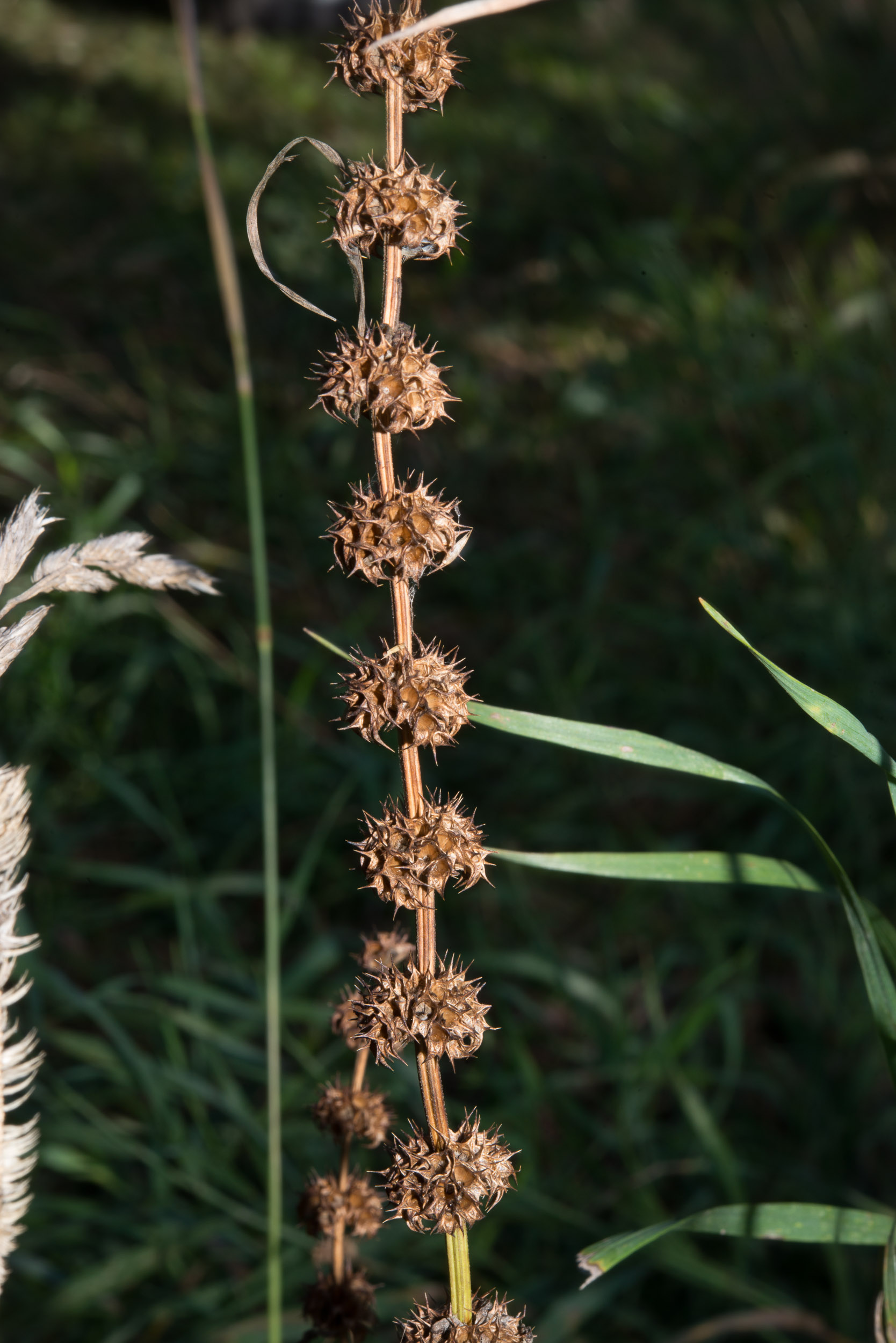
8/27/2015 · Beaver Brook Conservation Area, Hollis, New Hampshire · ≈ 5 × 8″ (13 × 19 cm) 

6/17/2010 · Mt. Lebanon St., Pepperell, Massachusetts · ≈ 4 × 6″ (10 × 15 cm) 

6/4/2010 · Nashua River Rail Trail, Ayer, Massachusetts · ≈ 9 × 14″ (23 × 35 cm) 

7/9/2019 · Beaver Brook Conservation Area, Hollis, New Hampshire 

7/23/2015 · Beaver Brook Conservation Area, Hollis, New Hampshire · ≈ 6 × 9″ (16 × 23 cm) 
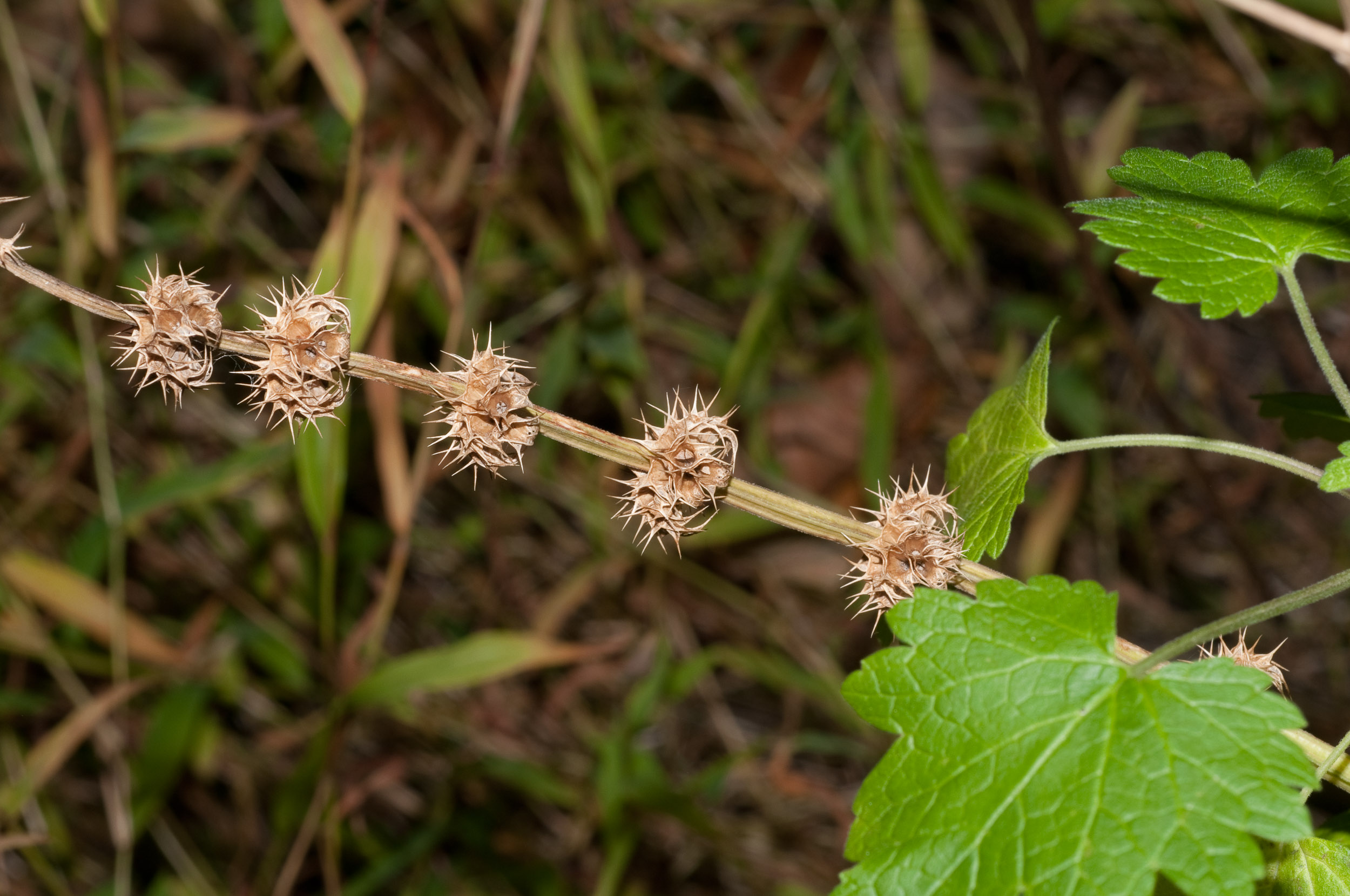
10/2/2010 · Raymondskill Falls, Delaware Water Gap National Recr, Pennsylvania · ≈ 7 × 4½″ (17 × 11 cm) ID is uncertain 

6/18/2015 · Beaver Brook Conservation Area, Hollis, New Hampshire · ≈ 6 × 9″ (15 × 22 cm) 

7/9/2019 · Beaver Brook Conservation Area, Hollis, New Hampshire 

8/17/2019 · Wildflower Trail, Beaver Brook Conservation Area, Hollis, New Hampshire · ≈ 4½ × 7″ (12 × 18 cm) 
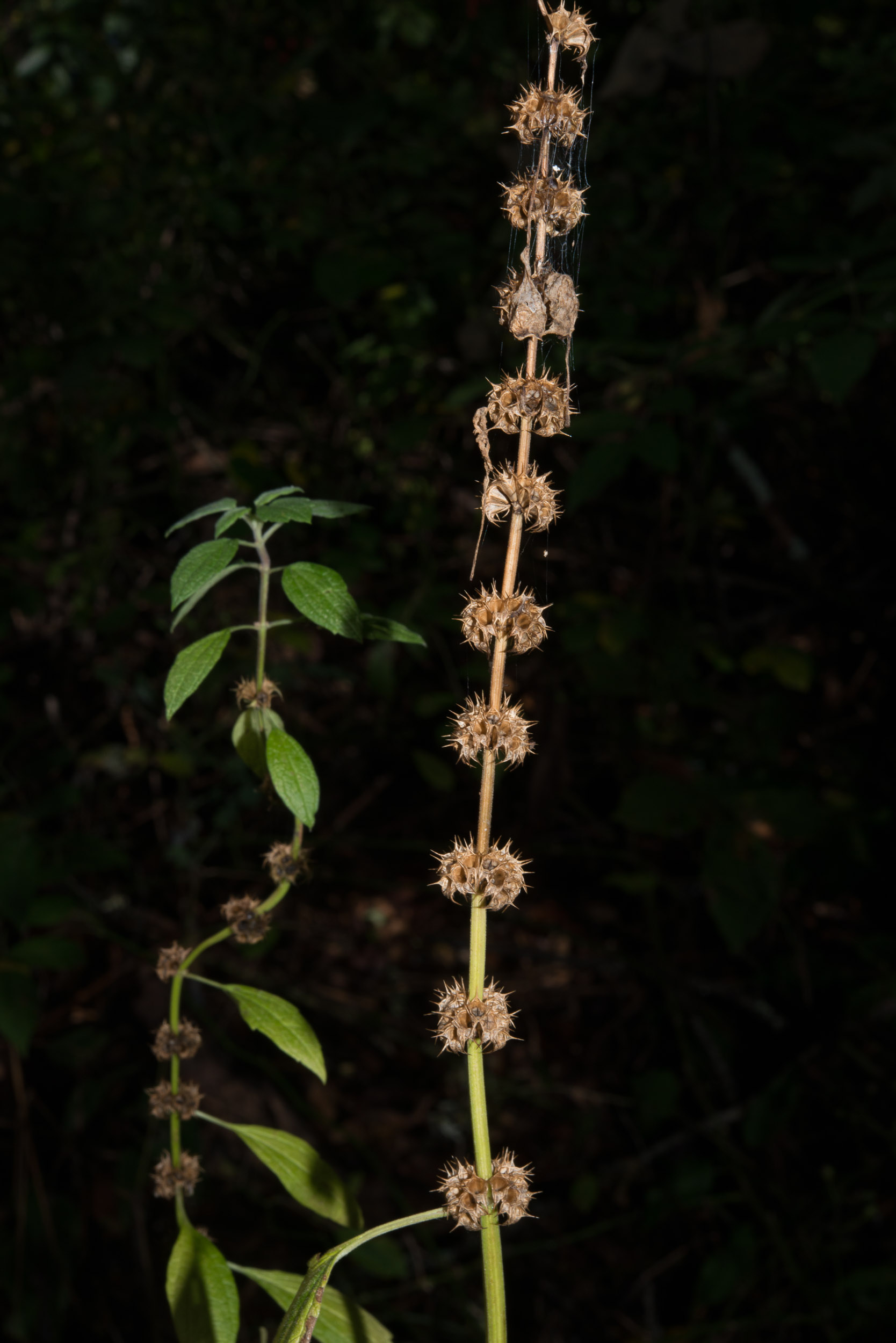
9/22/2013 · Squannacook River Wildlife Management Area, off route 119, Townsend, Massachusetts · ≈ 7 × 10″ (16 × 25 cm) 
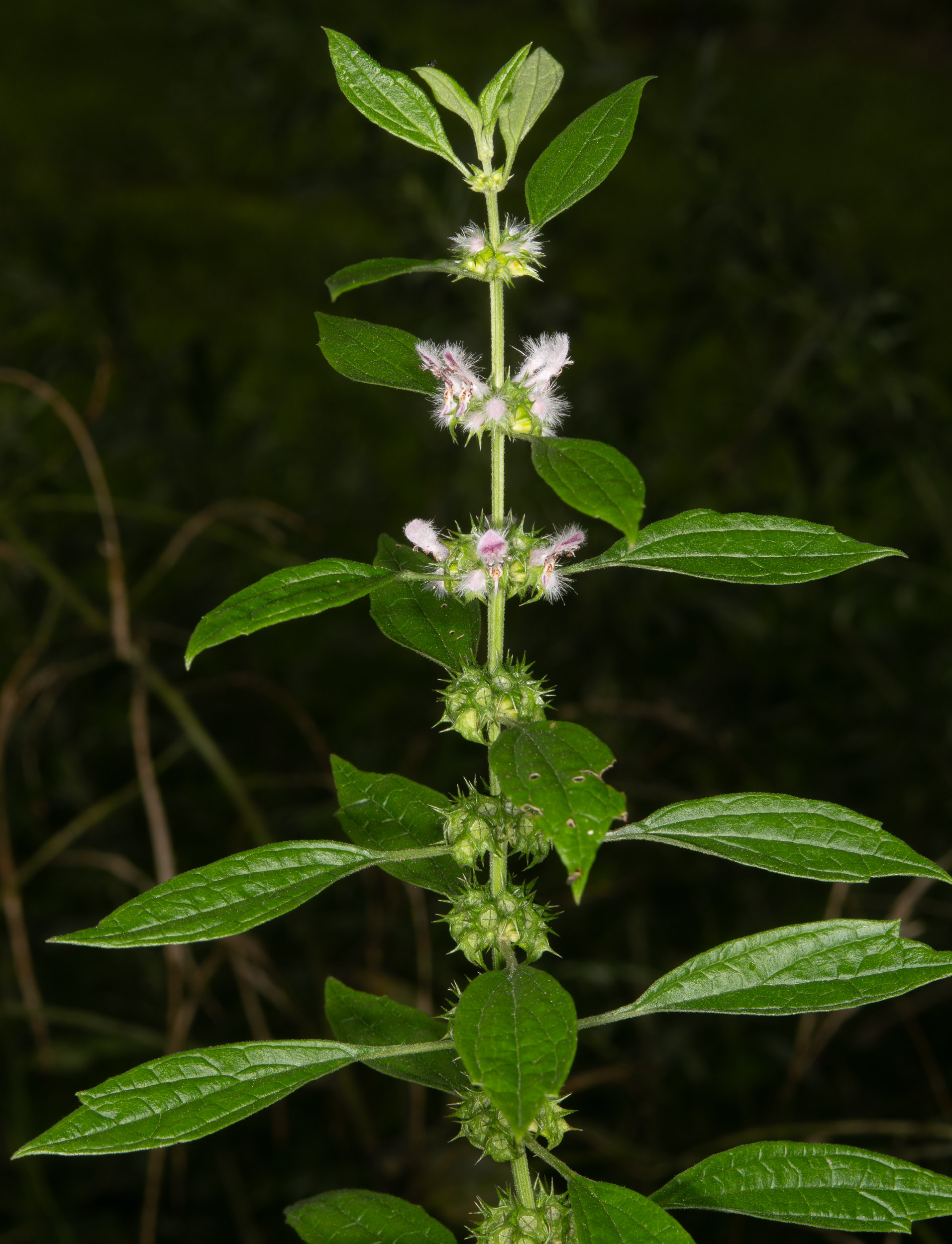
7/28/2017 · Porcupine Trail, Beaver Brook Conservation Area, Hollis, New Hampshire · ≈ 5 × 7″ (13 × 17 cm) 

6/4/2010 · Nashua River Rail Trail, Ayer, Massachusetts · ≈ 4 × 6″ (10 × 15 cm) 

7/23/2015 · Beaver Brook Conservation Area, Hollis, New Hampshire · ≈ 5 × 8″ (13 × 19 cm) 

10/2/2010 · Raymondskill Falls, Delaware Water Gap National Recr, Pennsylvania · ≈ 4 × 6″ (10 × 15 cm) ID is uncertain 
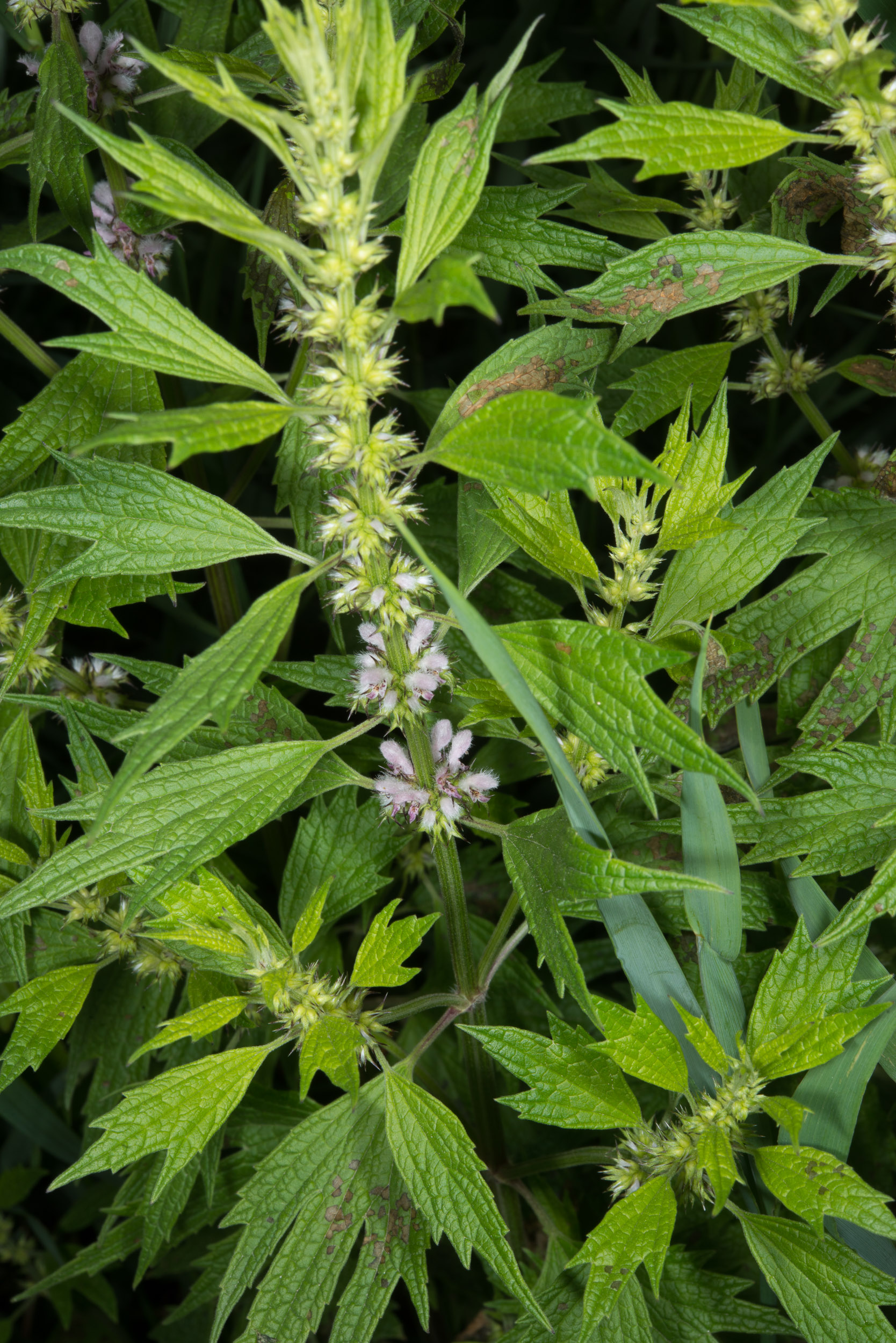
6/18/2015 · Beaver Brook Conservation Area, Hollis, New Hampshire · ≈ 6 × 9″ (16 × 23 cm) 

9/19/2010 · Nashua River Rail Trail, Hollis, New Hampshire · ≈ 6 × 9″ (14 × 22 cm) 

6/4/2010 · Nashua River Rail Trail, Ayer, Massachusetts · ≈ 7 × 11″ (18 × 27 cm) 
| Kingdom | Plantae | Plants, but not fungi, lichens, or algae (from Stearn's Botanical Latin) |
| Subkingdom | Tracheobionta | Vascular plants—plants with a “circulatory system” for delivering water and nutrients |
| Division | Magnoliophyta | Flowering plants, also known as angiosperms |
| Class | Magnoliopsida | Dicotyledons—plants with two initial seed leaves |
| Subclass | Asteridae | A large class that encompasses asters |
| Order | Lamiales | Aromatic herbs and shrubs, including lavender, lilac, olive, jasmine, ash, teak, snapdragon, sesame, psyllium, garden sage, mint, basil, and rosemary |
| Family | Lamiaceae | Mint family |
| Genus | Leonurus | From Greek leo, “lion,” and oura, “tail”: resembling a lion’s tail |
| Species | cardiaca | From cardia- or cardio-, "heart," for its cardiac effects (from Stearn's Botanical Latin) |
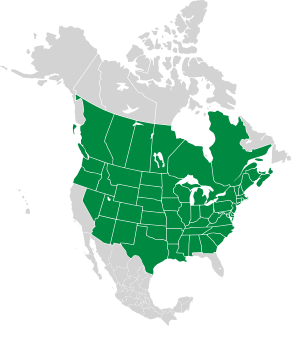
Leonurus cardiaca description by Thomas H. Kent, not updated.

© FloraFinder.org. All rights reserved.