Lobelia inflata L.
Bladderpod, Indian tobacco, wild tobacco, pukeweed, asthma weed, vomitwort
Indian tobacco is a North American native plant.
Plants: 6–28″ (15–70 cm) in height. Stems have fine hairs.
Leaves: 2–3″ (5–7.6 cm) long and half as wide, roughly oval in shape, with fine teeth
Flowers: ¼″ (6.3 mm) in size, white to pale blue or lavender in color, with a lower lip split into three sections, an an inflated base that becomes a seed pod about ¼″ (8.5 mm) across. Flowers are bilaterally symmetrical, and they appear from July to October. Usually the flower stalks are on angled, leafless branches from the main stem, in addition to the main stem itself. Although the flowers are small, these pod-studded branches, like rattles, are the most easily identified characteristic.
Fruits: Seed pods are ⅛–⅜″ (6–11 mm) in size.
Habitats: Anthropogenic (man-made or disturbed habitats), cliffs, balds, or ledges, meadows and fields, ridges or ledges, shores of rivers or lakes.
Edibility: Poisonous  This plant has been used in the
past to induce vomiting, hence the name “pukeweed.” When eaten, in addition to nausea, it can cause convulsions or coma.
These effects do not occur from smoking.
This plant has been used in the
past to induce vomiting, hence the name “pukeweed.” When eaten, in addition to nausea, it can cause convulsions or coma.
These effects do not occur from smoking.
Medical: Indian tobacco has long been smoked as a remedy for asthma, bronchitis, pneumonia, and cough, both by native Americans and by some herbalists even today. Lobeline, an active ingredient, was tried as a substitute for nicotine in helping people to quit smoking. Although it may actually help for this purpose, there is not enough research data to support it, and the U.S. Food and Drug Administration banned its use for this purpose in 1993. This plant has also been used as a purgative (like ipecac), eaten to induce vomiting, but it is too dangerous for this purpose.
Online References:

8/8/2024 · Pownalborough Courthouse Trails, Dresden, Maine 

10/22/2009 · Tom and Susan’s, Pepperell, Massachusetts · ≈ 7 × 11″ (18 × 27 cm) 

8/7/2009 · Tom and Susan’s, Pepperell, Massachusetts · ≈ 9 × 14″ (23 × 35 cm) 
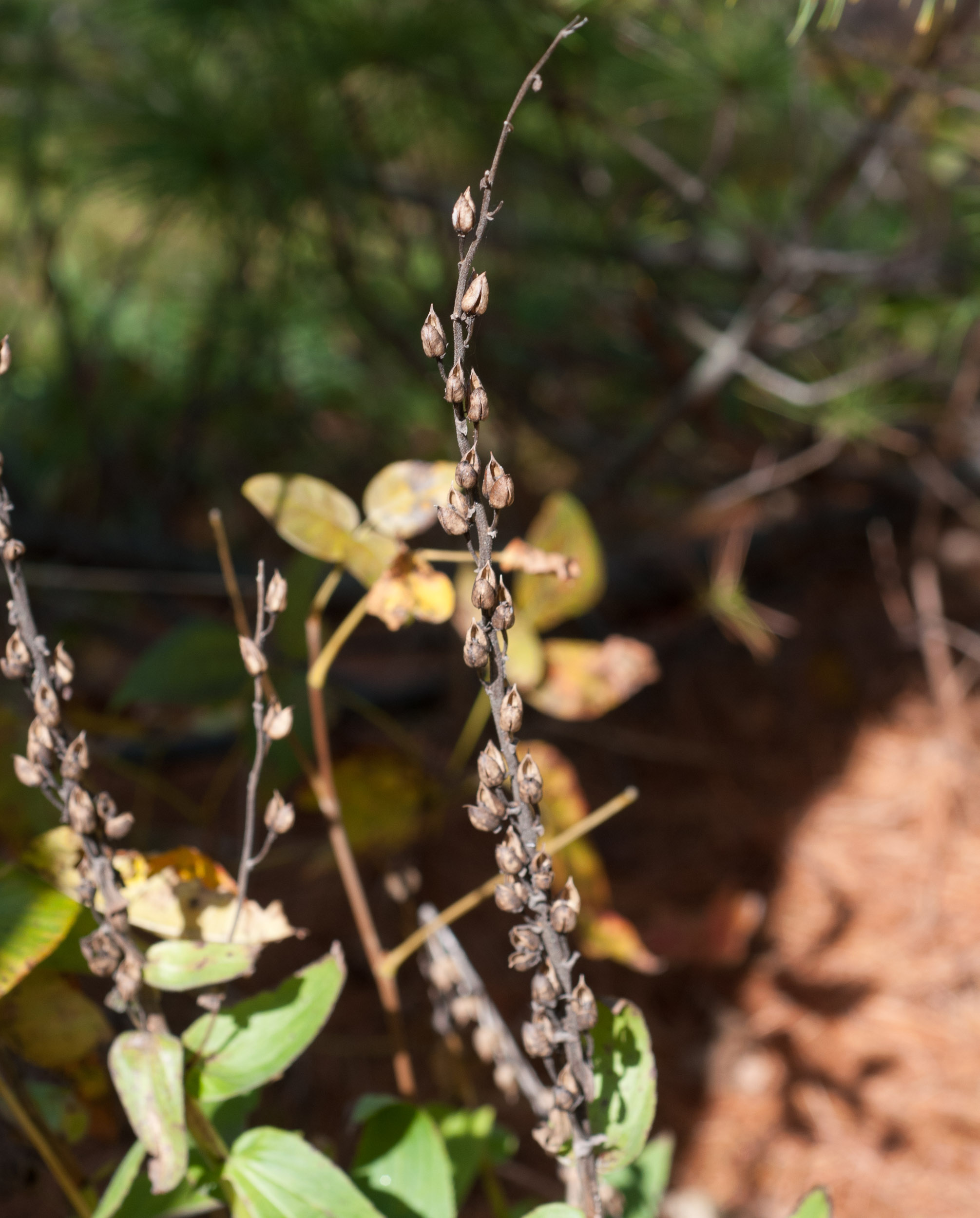
10/25/2011 · Nashua River Rail Trail, Dunstable, Dunstable, Massachusetts · ≈ 8 × 10″ (20 × 25 cm) 

8/18/2010 · J. Harry Rich Woods, off Nod Rd., Groton, Massachusetts · ≈ 9 × 11″ (23 × 28 cm) 

10/22/2009 · Tom and Susan’s, Pepperell, Massachusetts · ≈ 7 × 11″ (18 × 27 cm) 

8/18/2010 · J. Harry Rich Woods, off Nod Rd., Groton, Massachusetts · ≈ 2½ × 2½″ (6.9 × 6.3 cm) 

7/26/2025 · River Point Conservation Area, Falmouth, Maine · ≈ 2½ × 3½″ (6.9 × 9.3 cm) 

8/18/2010 · J. Harry Rich Woods, off Nod Rd., Groton, Massachusetts · ≈ 6 × 7″ (14 × 18 cm) 

8/4/2025 · Tarbox Preserve, Topsham, Maine · ≈ 5 × 9″ (13 × 22 cm) 
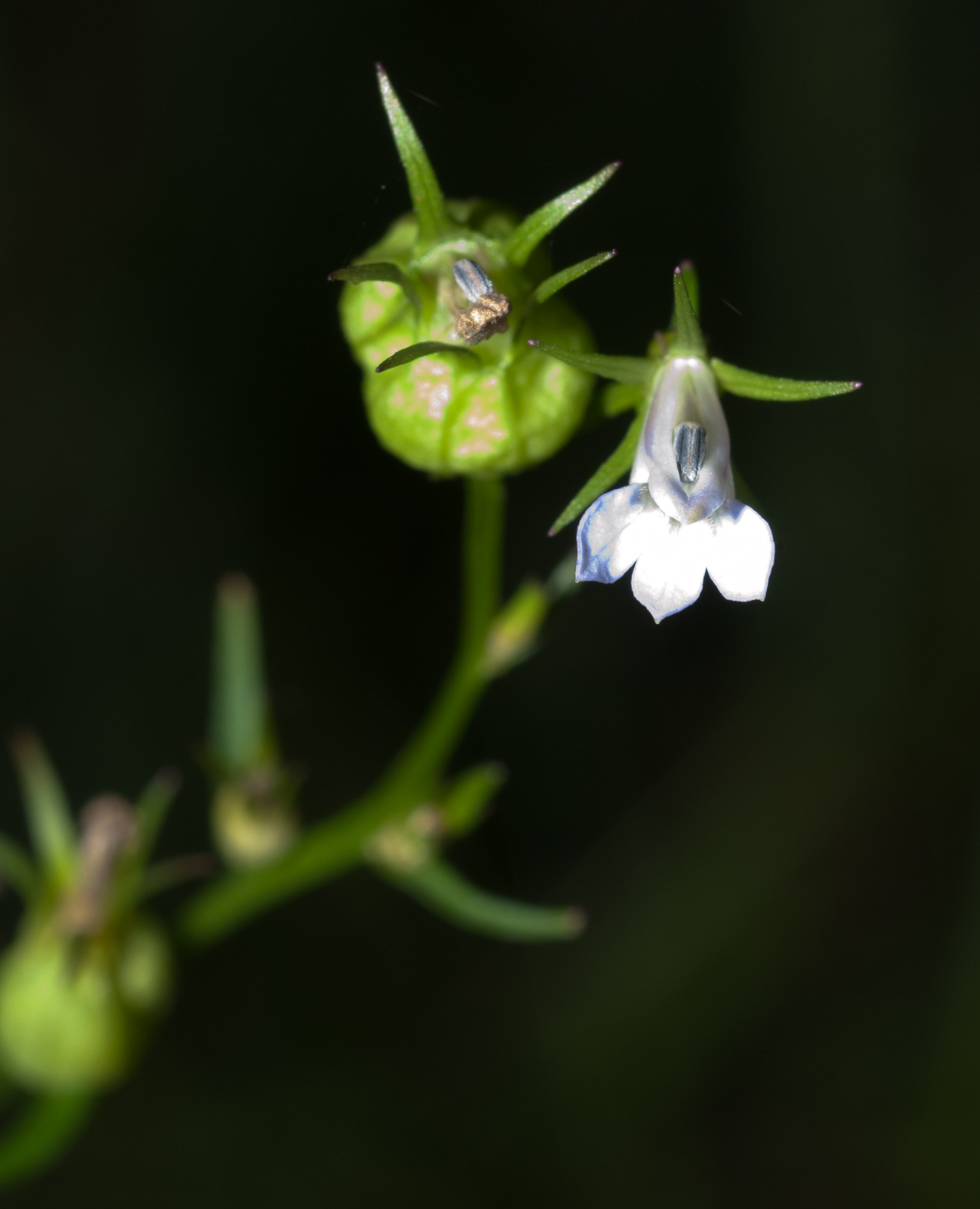
8/18/2010 · J. Harry Rich Woods, off Nod Rd., Groton, Massachusetts · ≈ 1¾ × 2½″ (4.9 × 6.1 cm) 

7/20/2010 · Nashua River Rail Trail, Ayer, Massachusetts · ≈ 5 × 5″ (13 × 13 cm) 

8/4/2025 · Tarbox Preserve, Topsham, Maine · ≈ 7 × 10″ (17 × 25 cm) 

10/22/2009 · Tom and Susan’s, Pepperell, Massachusetts · ≈ 7 × 11″ (18 × 27 cm) 

10/22/2009 · Tom and Susan’s, Pepperell, Massachusetts · ≈ 7 × 11″ (18 × 27 cm) 

8/22/2020 · Warbler’s Way, Moose Alley, Hidden Valley Nature Center, Jefferson, Maine · ≈ 4½ × 7″ (12 × 18 cm) 
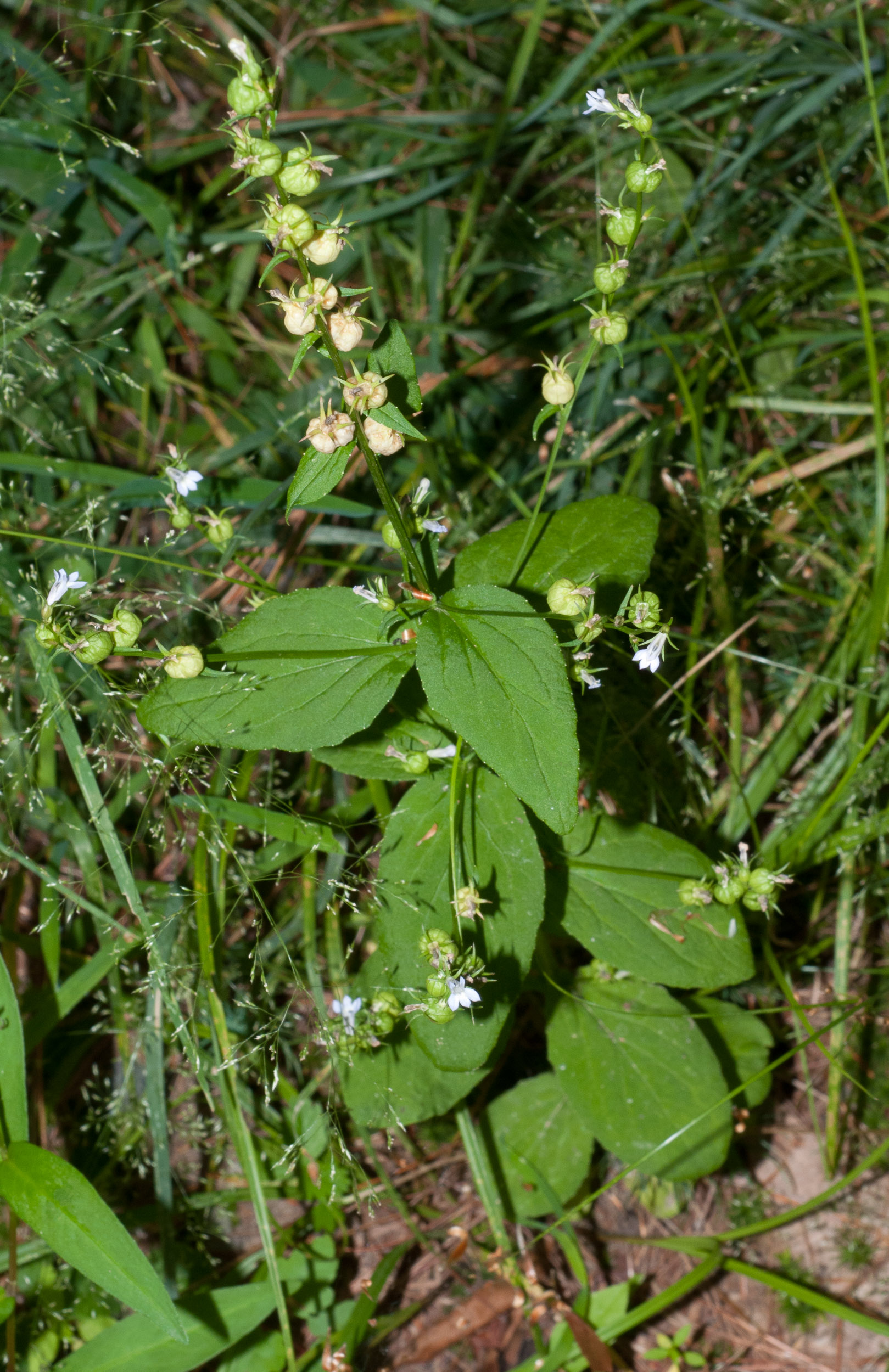
8/18/2010 · J. Harry Rich Woods, off Nod Rd., Groton, Massachusetts · ≈ 10 × 7″ (26 × 16 cm) 

9/4/2023 · Thorne Head Preserve, Bath, Maine · ≈ 5 × 8″ (13 × 21 cm) 
| Kingdom | Plantae | Plants, but not fungi, lichens, or algae (from Stearn's Botanical Latin) |
| Subkingdom | Tracheobionta | Vascular plants—plants with a “circulatory system” for delivering water and nutrients |
| Division | Magnoliophyta | Flowering plants, also known as angiosperms |
| Class | Magnoliopsida | Dicotyledons—plants with two initial seed leaves |
| Subclass | Asteridae | A large class that encompasses asters |
| Order | Asterales | Flowering plants with a central disk flower and surrounding petals, like daisies |
| Family | Campanulaceae | Campanula or bellflower family; means “bell-shaped flowers” |
| Genus | Lobelia | Named for Flemish botanist Matthias de l’Obel, also known as Lobelius |
| Species | inflata | “Inflated,” a reference to the base of the flower |
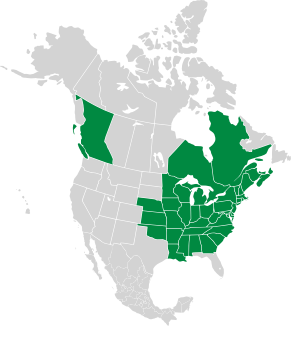
Lobelia inflata description by Thomas H. Kent, not updated.

© FloraFinder.org. All rights reserved.