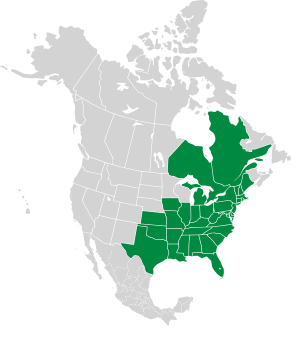
Lonicera sempervirens L. var. minor Aiton
Lonicera sempervirens L. var. sempervirens
Phenianthus sempervirens (L.) Raf.
Lonicera sempervirens L.
Trumpet honeysuckle, coral honeysuckle, woodbine
Trumpet honeysuckle is native to North America. It is popular with landscapers, and many cultivated varieties are available. These shrubs are highly flammable, and should not be planted close to homes.
Plants: Trumpet honeysuckle is a deciduous twining vine 3–20′ (91–609 cm) long, depending upon what it has to climb over. Bark is orange-brown, and peeling.
Leaves: Roughly oval in shape, opposite, bluish green, and 1–3″ (2.5–7.6 cm) long. Leaves at the base of flowers are fused at the base
Flowers: In clusters of 2-4, each red or orange with yellow interiors, 1–2″ (2.5–5 cm) long, trumpet-shaped. The clusters are very showy, and popular with hummingbirds. They appear from April to July.
Fruits: Attractive berries that are orange-red to deep red in color.
Habitats: Along roadsides, stream banks and in thickets.
 |
Some honeysuckles. |
Online References:
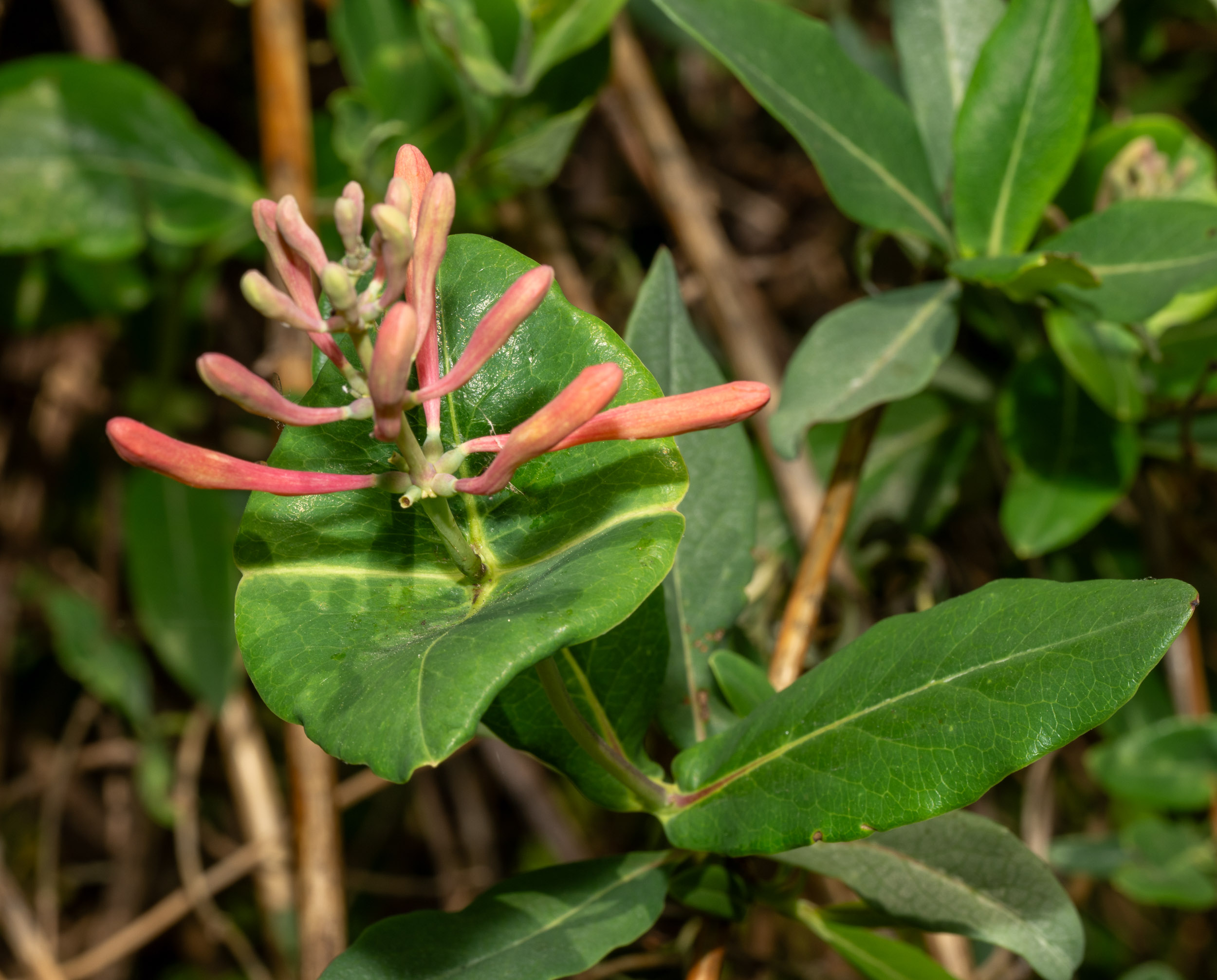
5/20/2026 · Cutler Botanic Garden, Binghamton, New York · ≈ 6 × 4½″ (15 × 12 cm) 
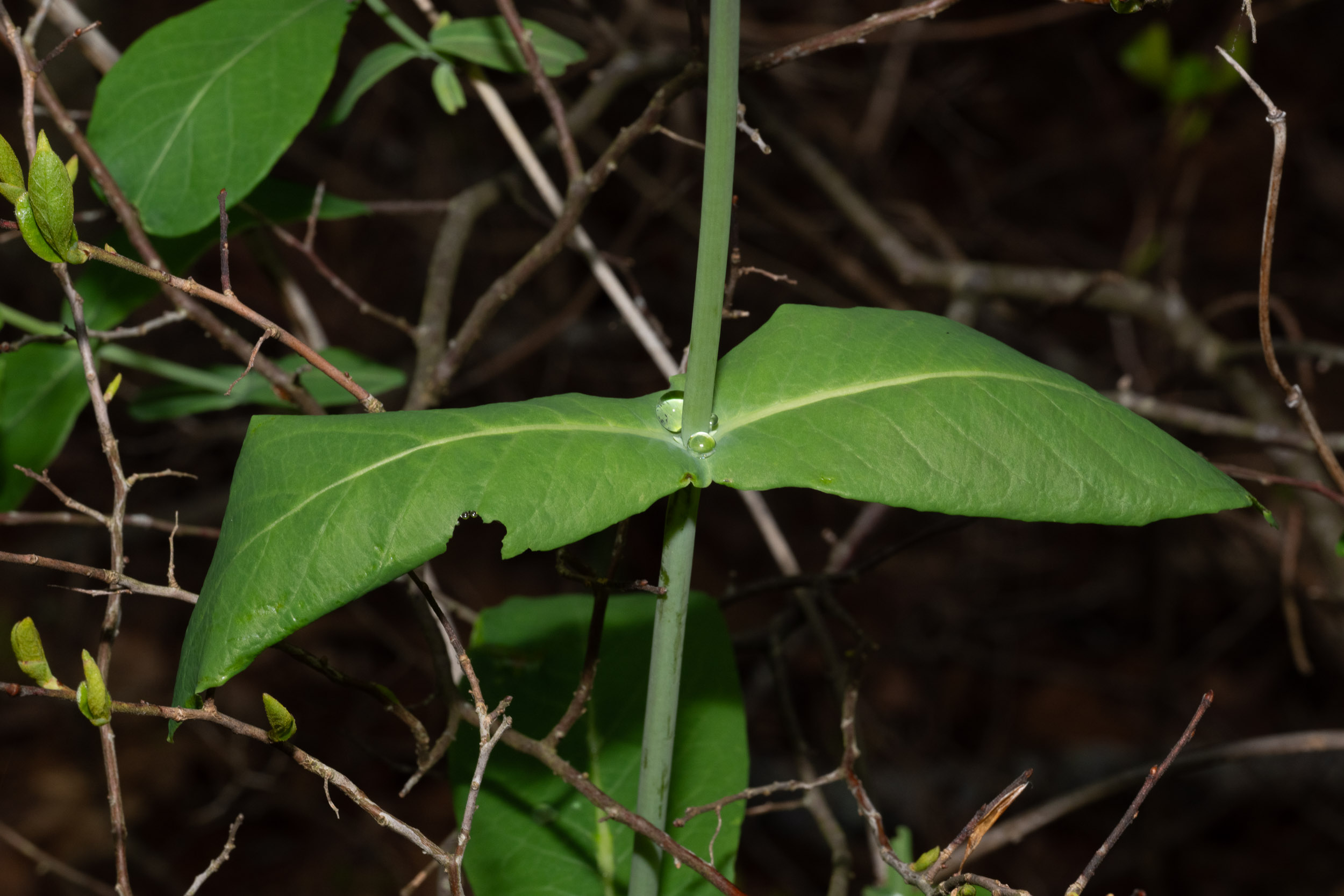
5/18/2025 · Center Point Preserve, Bowdoinham, Maine · ≈ 8 × 6″ (21 × 14 cm) 
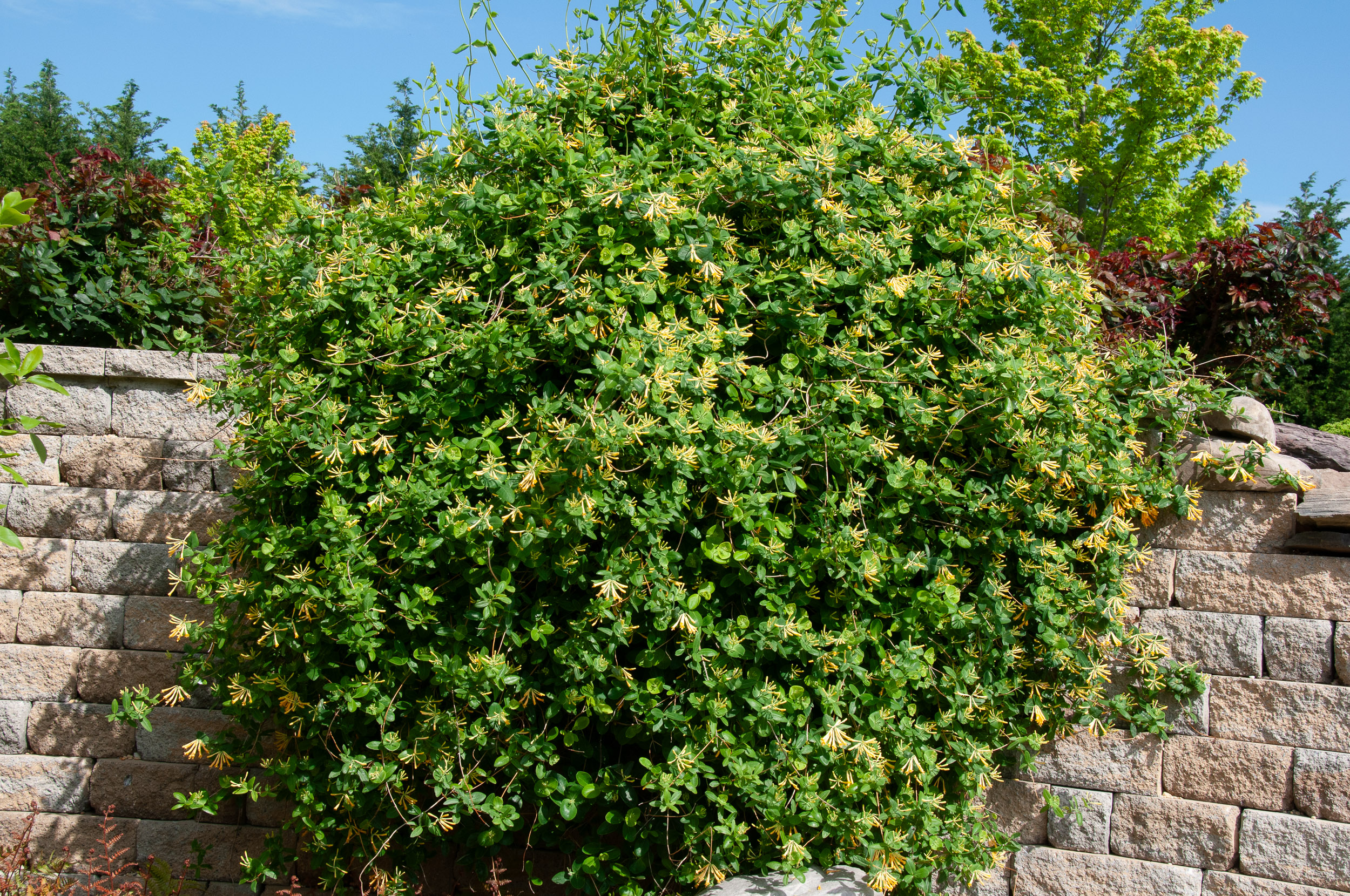
5/7/2011 · Maria’s Love Point Inn, Kent Island, Maryland  ID is uncertain
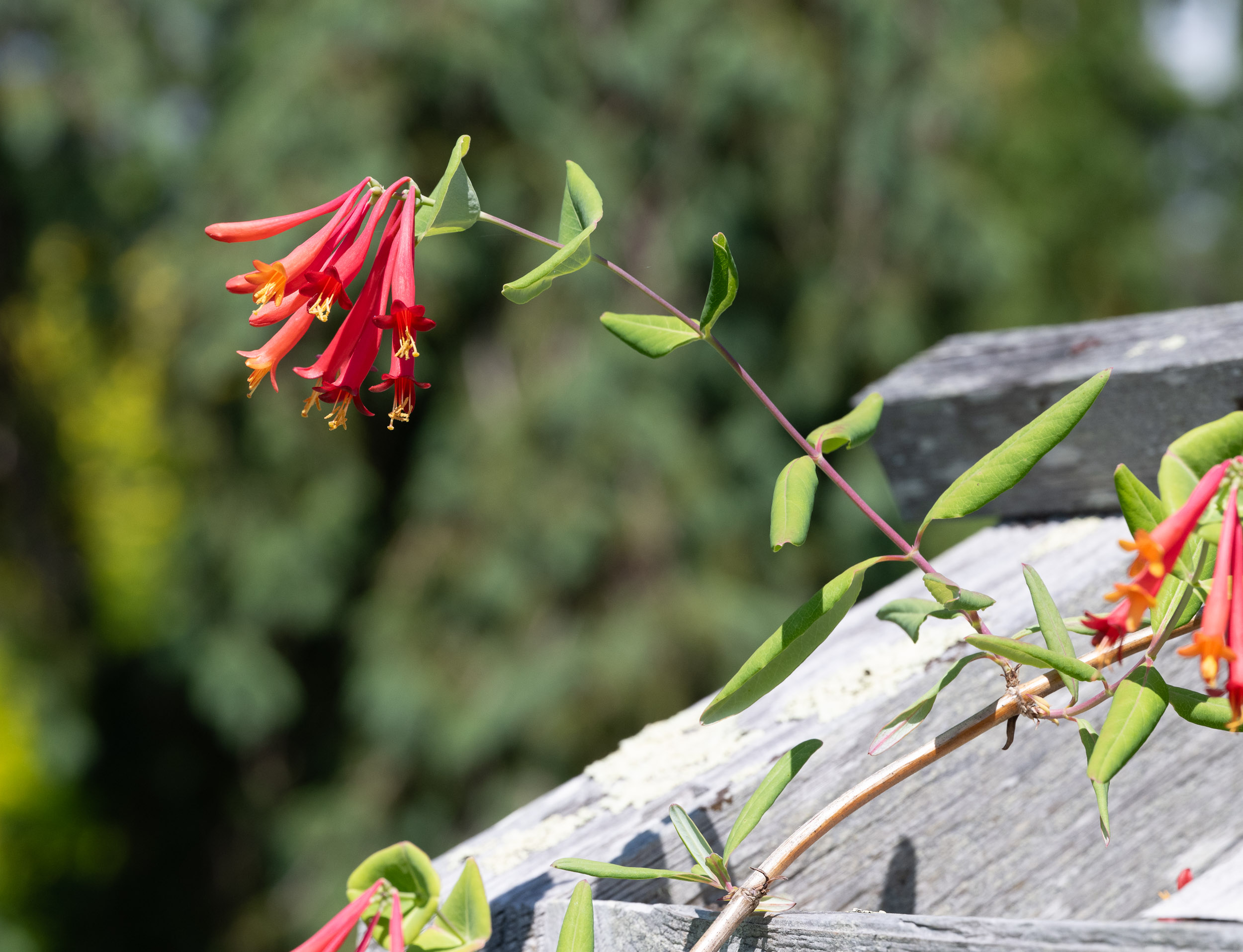
6/27/2026 · Coastal Maine Botanical Gardens, Boothbay, Maine · ≈ 11 × 9″ (28 × 21 cm) 
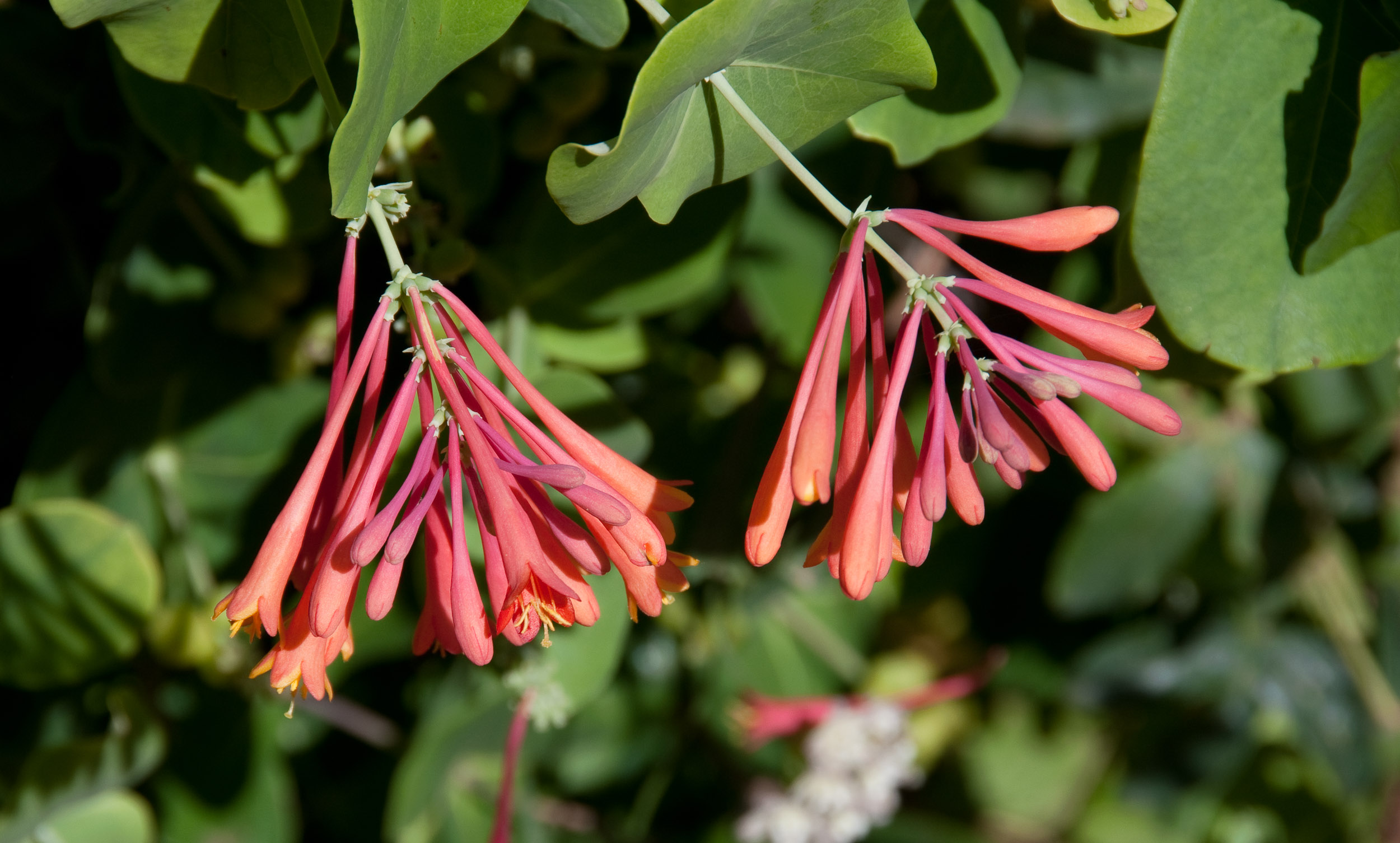
5/25/2009 · Boyce Thompson Arboretum, Superior, Arizona · ≈ 4 × 2½″ (11 × 6.7 cm) 
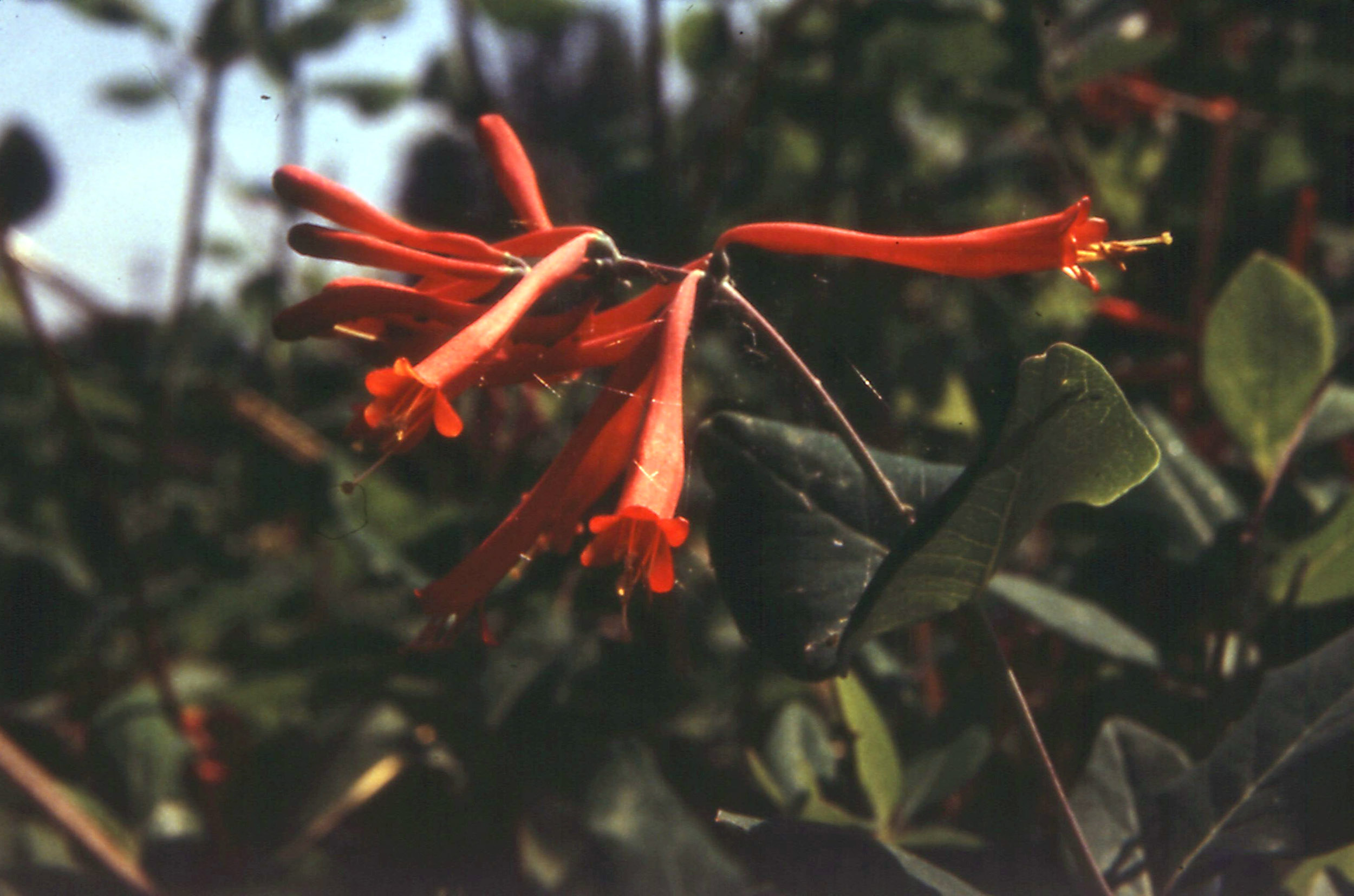
5/15/1979 · Virginia · By Tim Chandler 
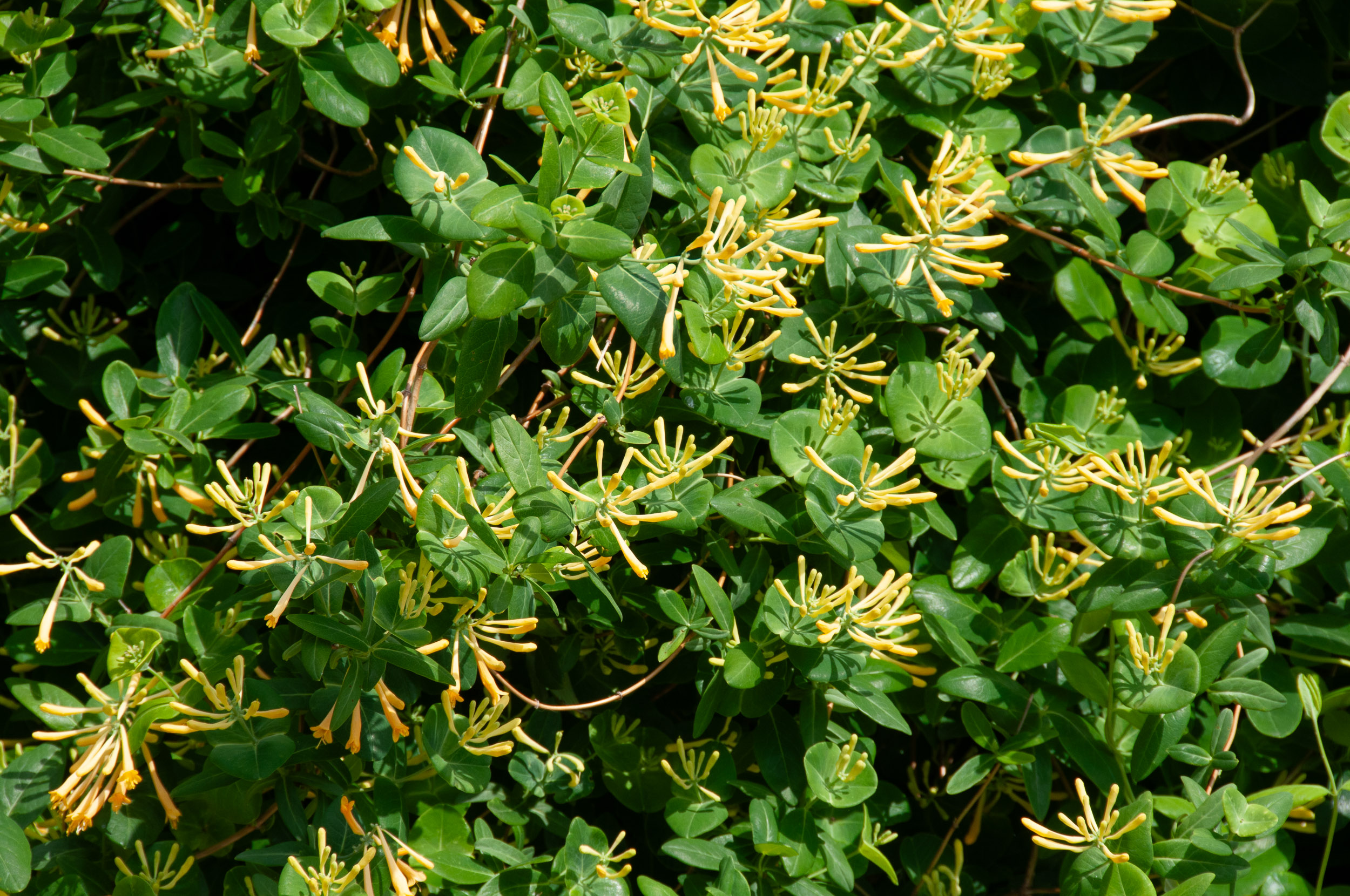
5/7/2011 · Maria’s Love Point Inn, Kent Island, Maryland ID is uncertain 
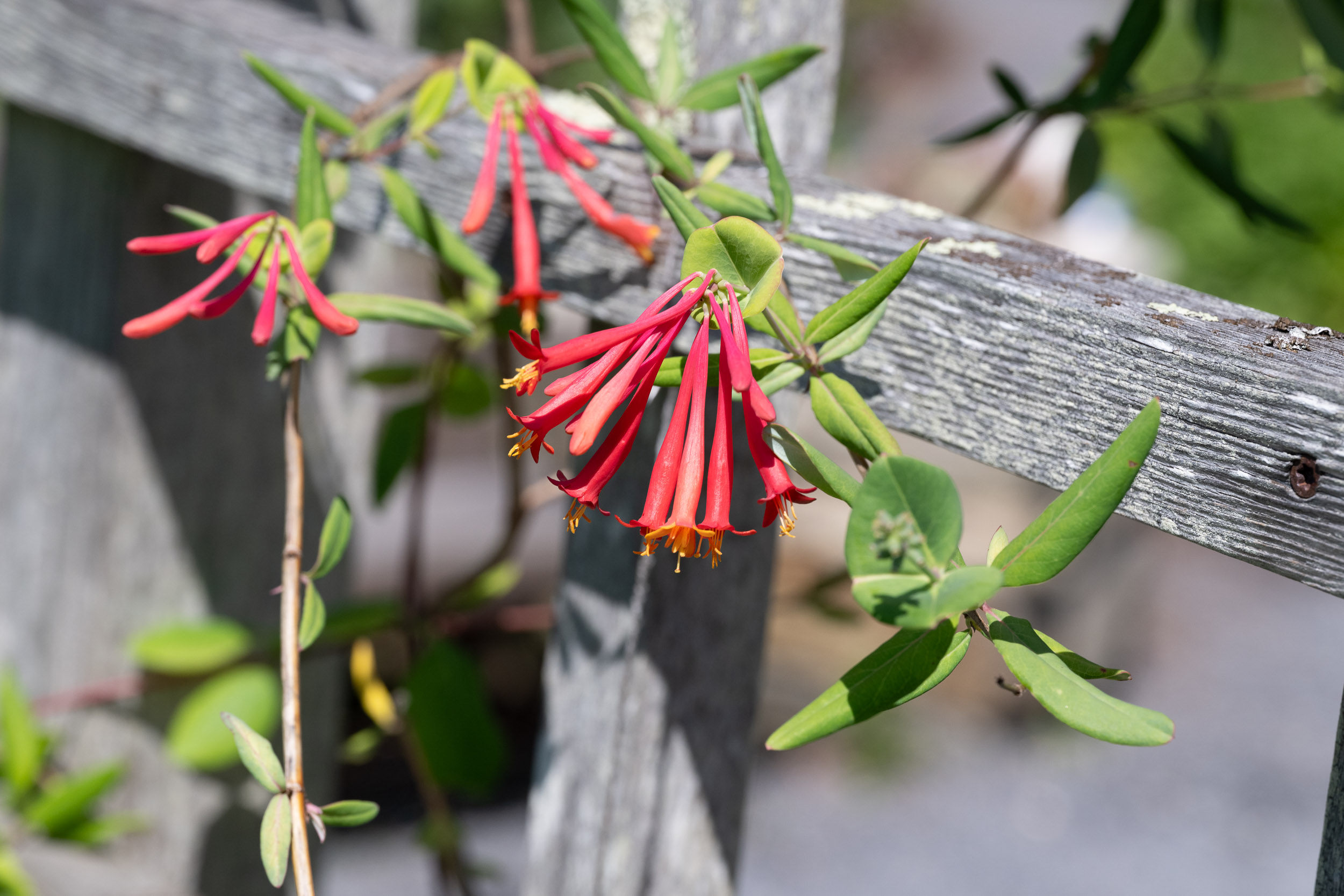
6/27/2026 · Coastal Maine Botanical Gardens, Boothbay, Maine · ≈ 11 × 8″ (28 × 19 cm) 
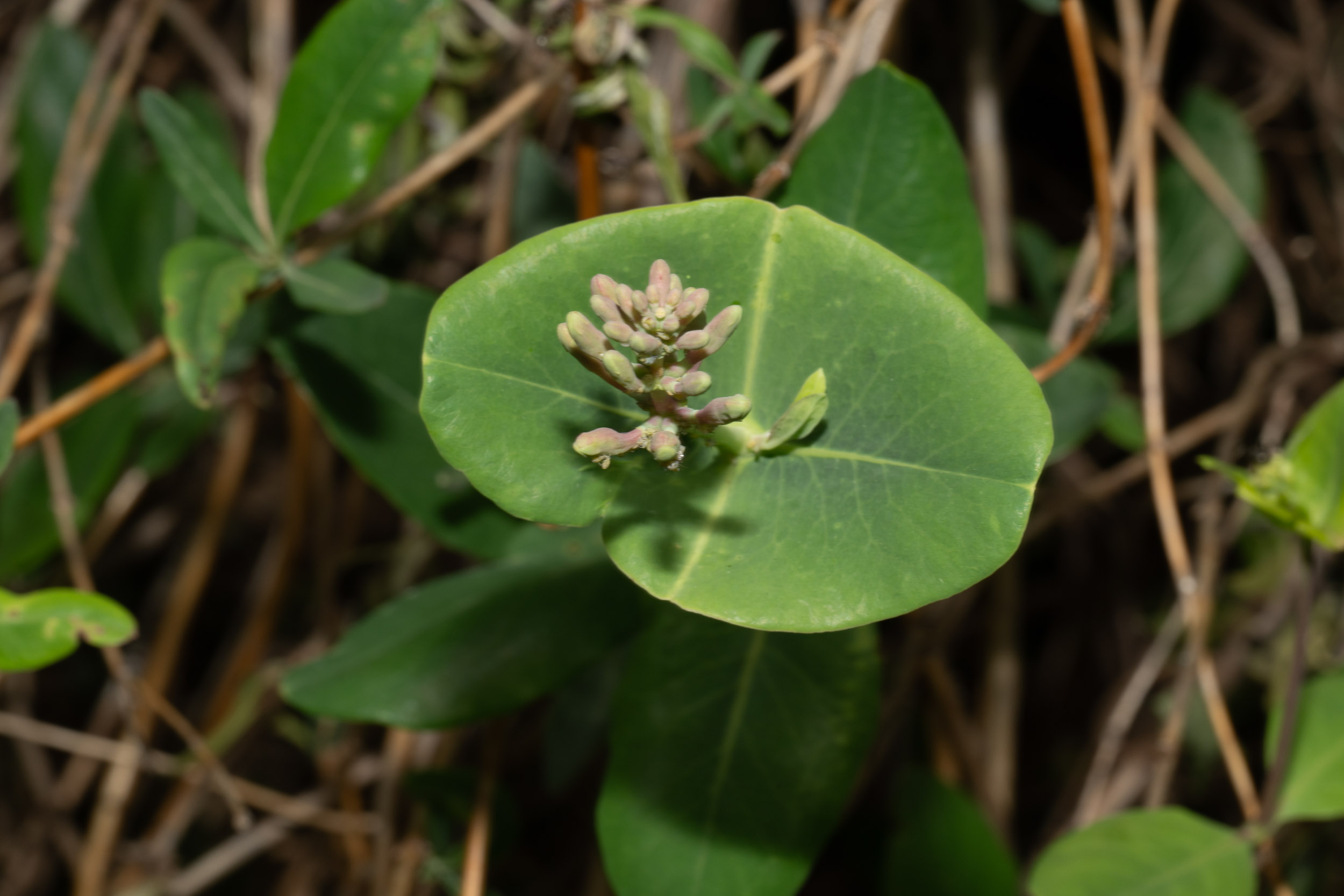
5/20/2026 · Cutler Botanic Garden, Binghamton, New York · ≈ 7 × 4½″ (17 × 11 cm) 
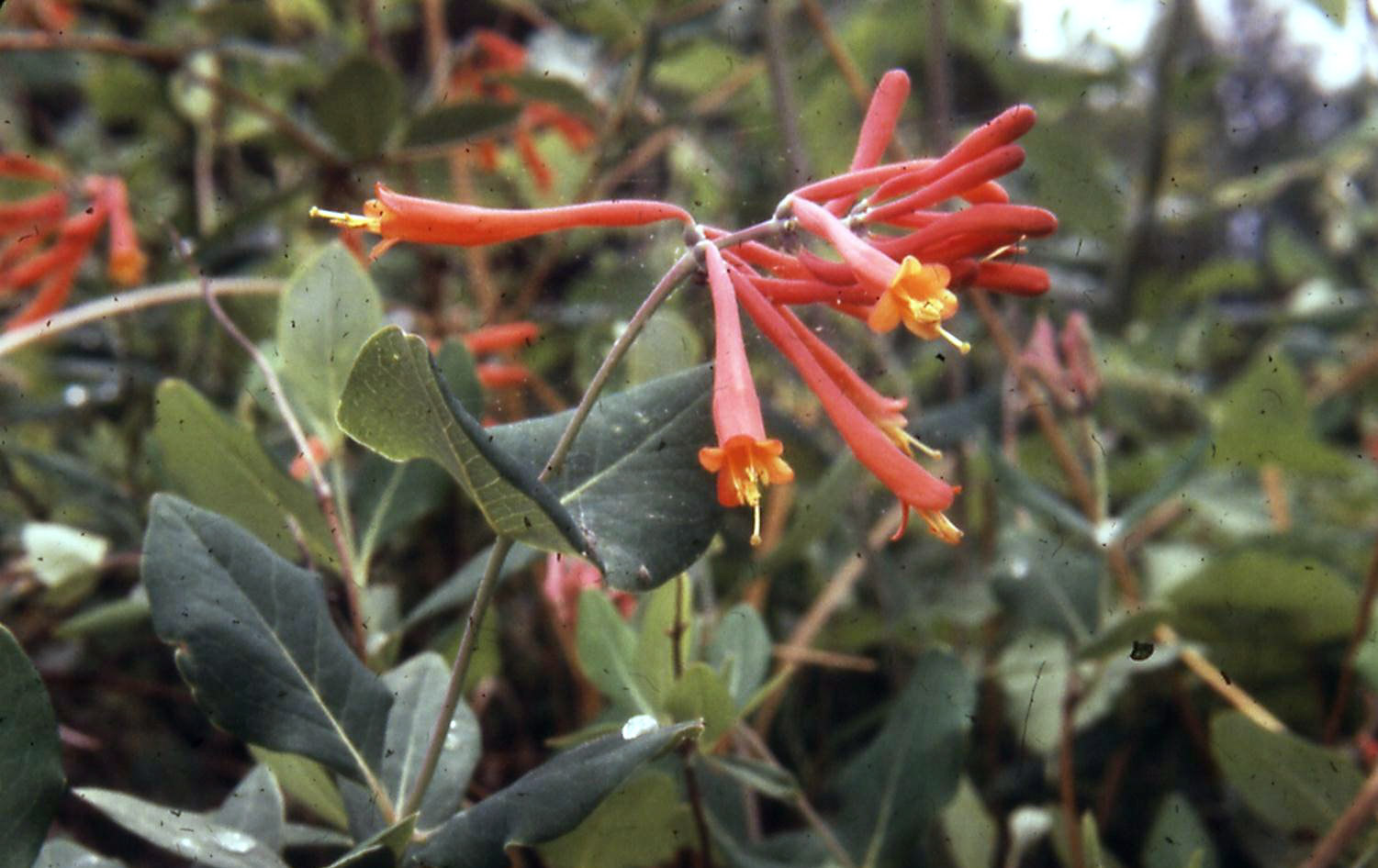
5/15/1979 · Virginia · By Tim Chandler 
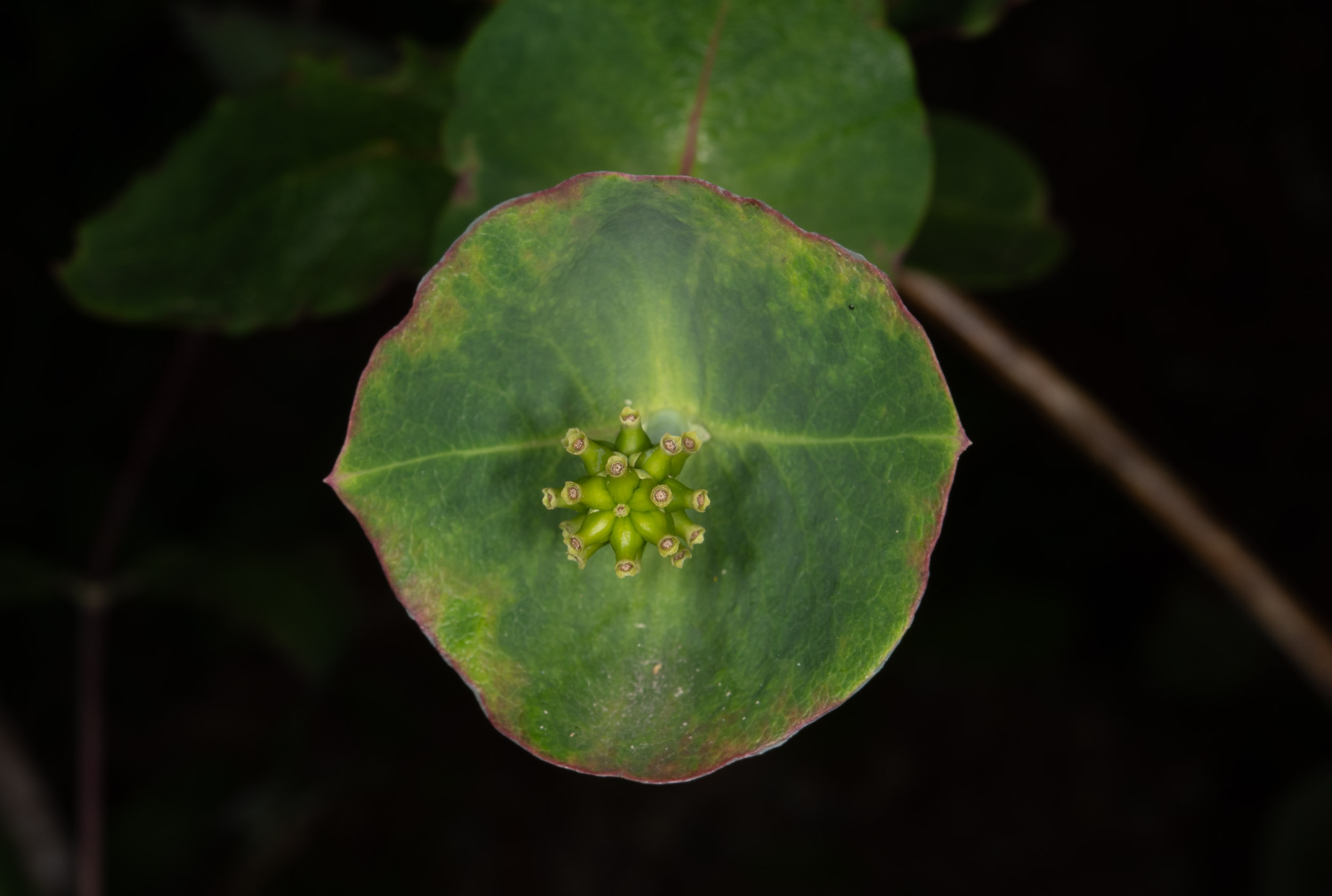
7/17/2019 · Oceanview, Falmouth, Maine · ≈ 4 × 3″ (11 × 7.4 cm) 
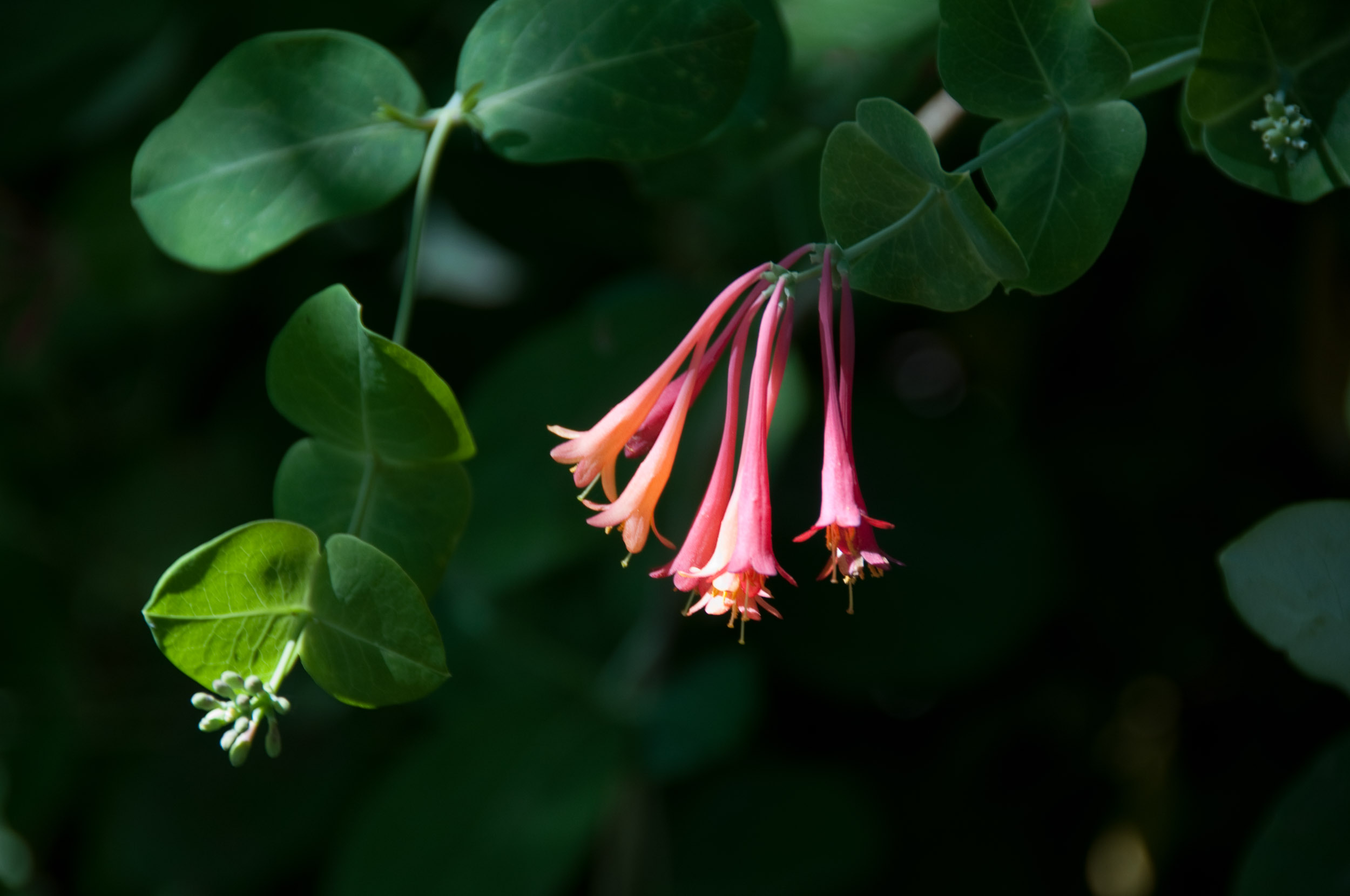
5/25/2009 · Boyce Thompson Arboretum, Superior, Arizona · ≈ 4½ × 3″ (11 × 7.9 cm) 

7/17/2019 · Oceanview, Falmouth, Maine · ≈ 3 × 3″ (8.3 × 8.1 cm) 
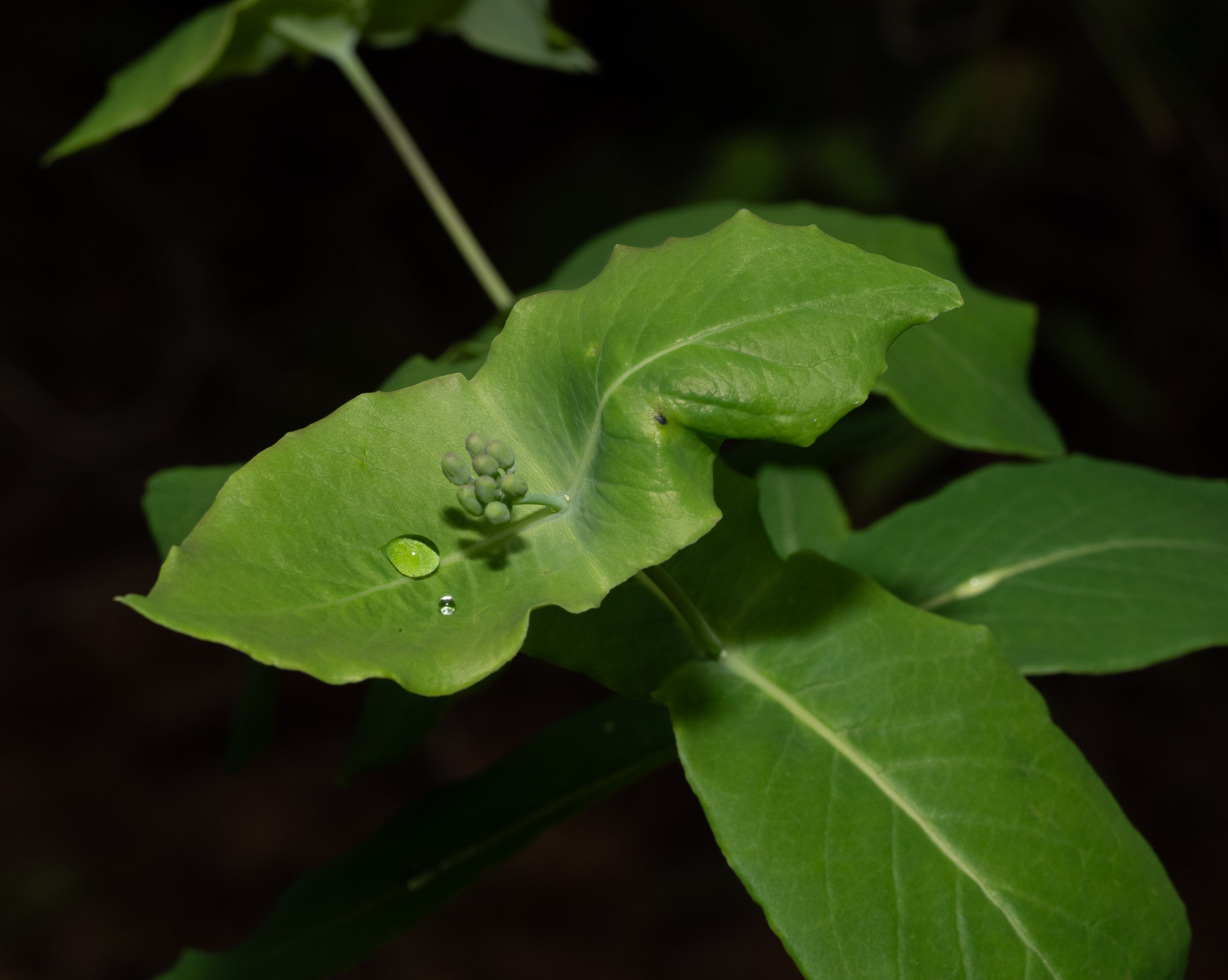
5/18/2025 · Center Point Preserve, Bowdoinham, Maine · ≈ 6 × 4½″ (14 × 11 cm) 
| Kingdom | Plantae | Plants, but not fungi, lichens, or algae (from Stearn's Botanical Latin) |
| Subkingdom | Tracheobionta | Vascular plants—plants with a “circulatory system” for delivering water and nutrients |
| Division | Magnoliophyta | Flowering plants, also known as angiosperms |
| Class | Magnoliopsida | Dicotyledons—plants with two initial seed leaves |
| Subclass | Asteridae | A large class that encompasses asters |
| Order | Dipsacales | Includes viburnum, honeysuckle, snowberry, beautybush, twinflower, many others |
| Family | Caprifoliaceae | Honeysuckle family |
| Genus | Lonicera | Either Latin for honeysuckle, though this is not a “true” honeysuckle; or named for Adam Lonitzer (1528-1586), a German herbalist, physician and botanist who wrote a standard herbal text that was reprinted many times between 1557 and 1783 |
| Species | sempervirens | Means “evergreen” |
Lonicera sempervirens description by Thomas H. Kent, not updated.

© FloraFinder.org. All rights reserved.