Lupinus succulentus Douglas ex K. Koch
Arroyo lupine, hollowleaf annual lupine, succulent lupine
These lupines have learned to get by with less water than most, and are natives of the extreme southwestern United States.
Plants: Plants are 8–39″ (20–100 cm) high.
Leaves: Palmlike, rosettes of 7-9 leaflets. Each leaflet is ¾–2 ⨉ ¼–¾″ (2–6 cm ⨉ 7–20 mm).
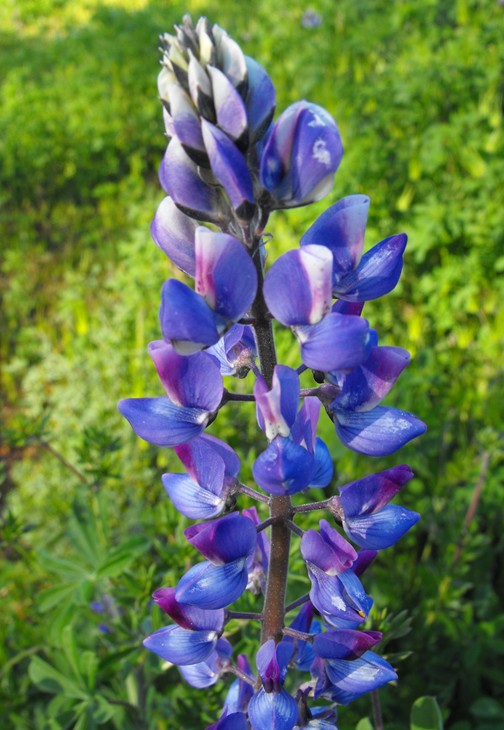
Flowers: Spikes 3½–6″ (9–15 cm) high.
Fruits: Fruits resemble pea pods, 1¼–1¾ ⨉ ¼–⅜″ (3.5–5 cm ⨉ 8–10 mm), with 6-9 seeds per pod. When the pods dry, they split explosively, launching seeds up to 20′ (6.1 m).
Habitats: Open areas, roadsides, disturbed ground, below 0.0 mils (0 µm) feet.
Edibility:  Toxic to people, dogs, cats, and horses.

Online References:
Lupinus succulentus Douglas ex K. Koch var. layneae C.P. Sm.

2/28/2010 · Anza-Borrego Desert State Park, California · ≈ 11 × 7″ (27 × 18 cm)  ID is uncertain
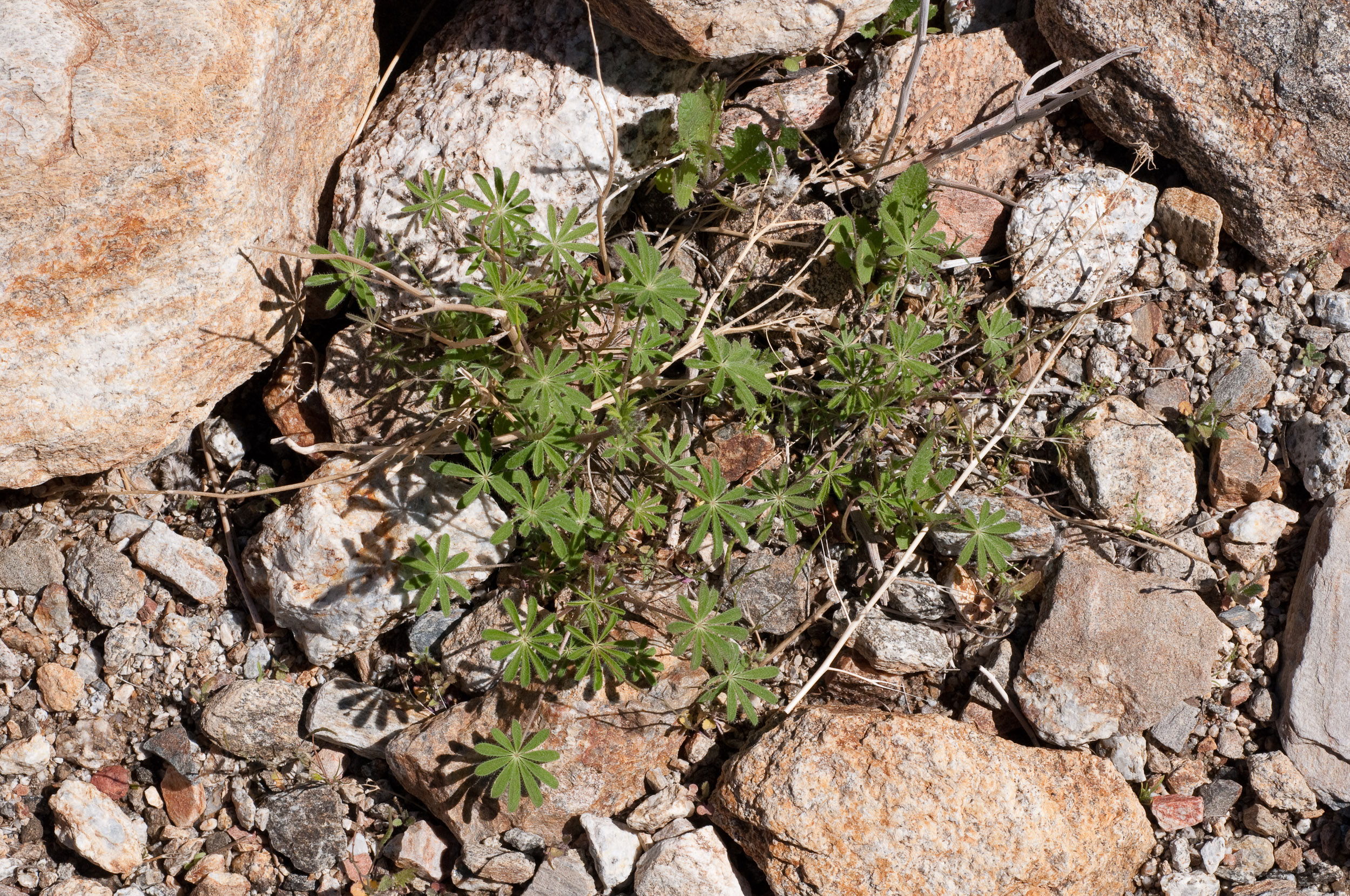
2/28/2010 · Anza-Borrego Desert State Park, California · ≈ 17 × 12″ (44 × 29 cm) ID is uncertain 

2/28/2010 · Anza-Borrego Desert State Park, California · ≈ 11 × 10″ (28 × 26 cm) ID is uncertain 

2/28/2010 · Anza-Borrego Desert State Park, California · ≈ 14 × 9″ (35 × 23 cm) ID is uncertain 

2/28/2010 · Anza-Borrego Desert State Park, California · ≈ 8 × 5″ (20 × 12 cm) ID is uncertain 
| Kingdom | Plantae | Plants, but not fungi, lichens, or algae (from Stearn's Botanical Latin) |
| Subkingdom | Tracheobionta | Vascular plants—plants with a “circulatory system” for delivering water and nutrients |
| Division | Magnoliophyta | Flowering plants, also known as angiosperms |
| Class | Magnoliopsida | Dicotyledons—plants with two initial seed leaves |
| Subclass | Rosidae | Roses, legumes, proteas, dogwoods, hydrangeas, mistletoes, euphorbias, grapes, many more |
| Order | Fabales | Legumes (pea and bean families) |
| Family | Fabaceae | Legume family (peas and beans) |
| Genus | Lupinus | “Wolf,” because of the mistaken belief that lupines ravage land they grow on; in fact, they contribute nutrients |
| Species | succulentus | thick and fleshy, juicy, from the roots succus, “juice,” and -ulentus, a suffix indicating an abundance of |
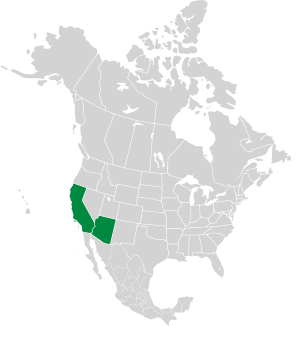
Lupinus succulentus description by Thomas H. Kent, not updated.

© FloraFinder.org. All rights reserved.