Medeola virginiana L.
Indian cucumber-root, Indian cucumber
One of my favorite plants! Indian cucumber-root is a North American native. It is a member of the lily family. Its edible root smells and tastes pretty much like cucumber, hence the name. Everything about this plant is cool! The orderly whorl of leaves near the bottom, its attractive yellow flowers atop a long stalk, the smaller whorl of three leaves near the top, the amazing bright red center of the whorl visible in the fall, and the blue-purple-black berries.
Plants: Indian cucumber-root is up to 8–16″ (20–40 cm) high. About halfway up the bare stem is a whorl of 5 to 9 leaves. Each leaf is 3–5″ (7.6–12 cm) long, and 1–2″ (2.5–5 cm) wide. The leaves are almost completely flat, oriented upward. Then more bare stem, and on most plants a smaller upper whorl with 3 to 5 leaves. This unique configuration of stems and leaves allows for unmistakable identification.
Leaves: Arranged in lower and upper whorls as described above. In the fall, leaves in the upper whorl turn red, but only near the stem; the red color persists even after the leaves turn brown.
Flowers: Yellow flowers ½–¾″ (1.3–1.9 cm) around hang downward from the upper whorl. Large red-brown stems project from the backward-curled petals.
Fruits: Berries are shiny, purple-blue, almost metallic in appearance.
Habitats: Rich, moist forests, thickets, and woodlands.
Edibility: Indigenous Americans ate the roots of these plants, which have a taste similar to cucumber. However, some sources report that the roots act as a diuretic.

Flower (a), berry (b). The edible root is at bottom, left, with a creeper to form a
new plant to the right. From The Century Dictionary and Cyclopedia, 1889; scanned by Clipart ETC. 
Online References:
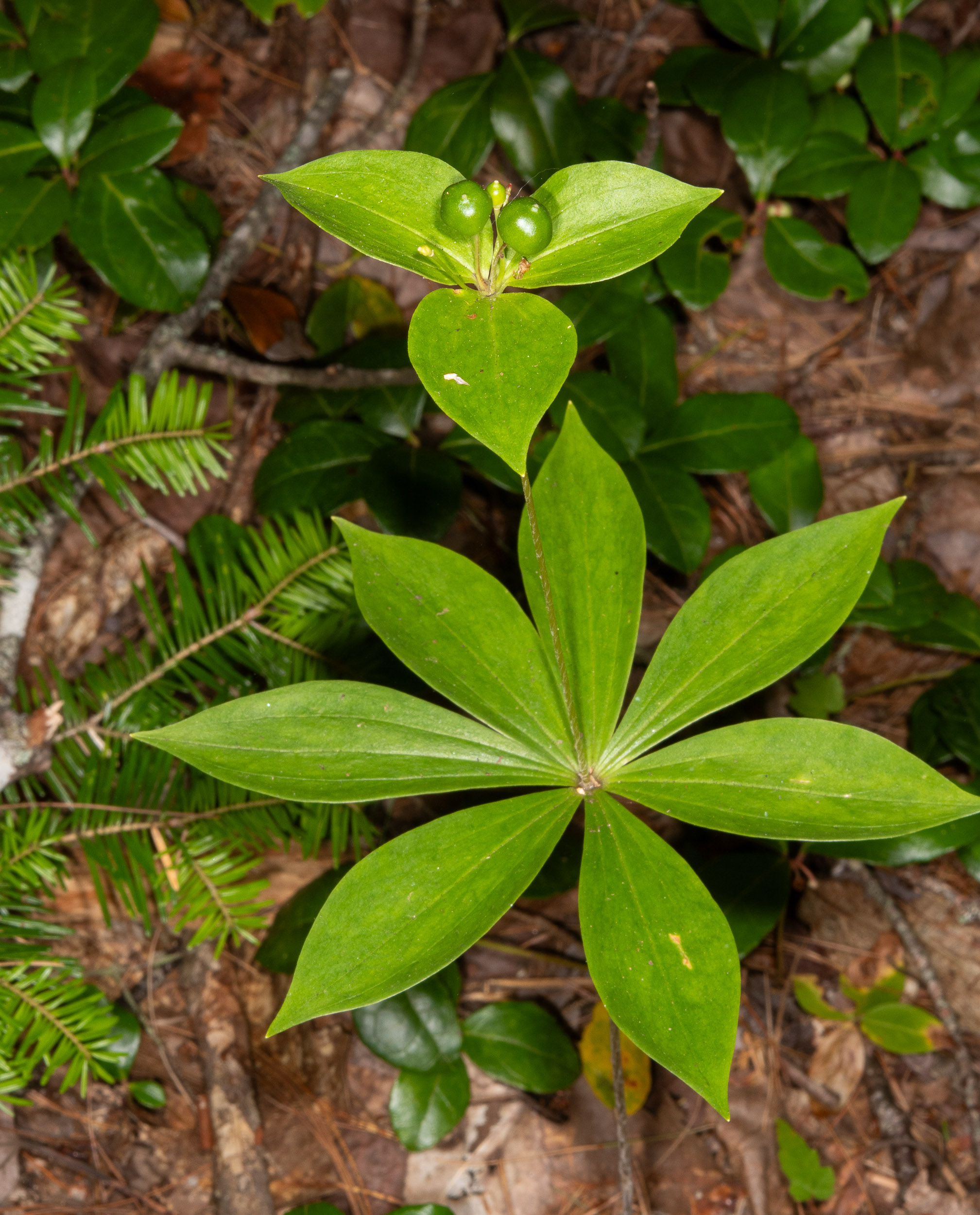
8/11/2020 · Cliff Trail, Harpswell, Maine · ≈ 6 × 8″ (16 × 20 cm) 
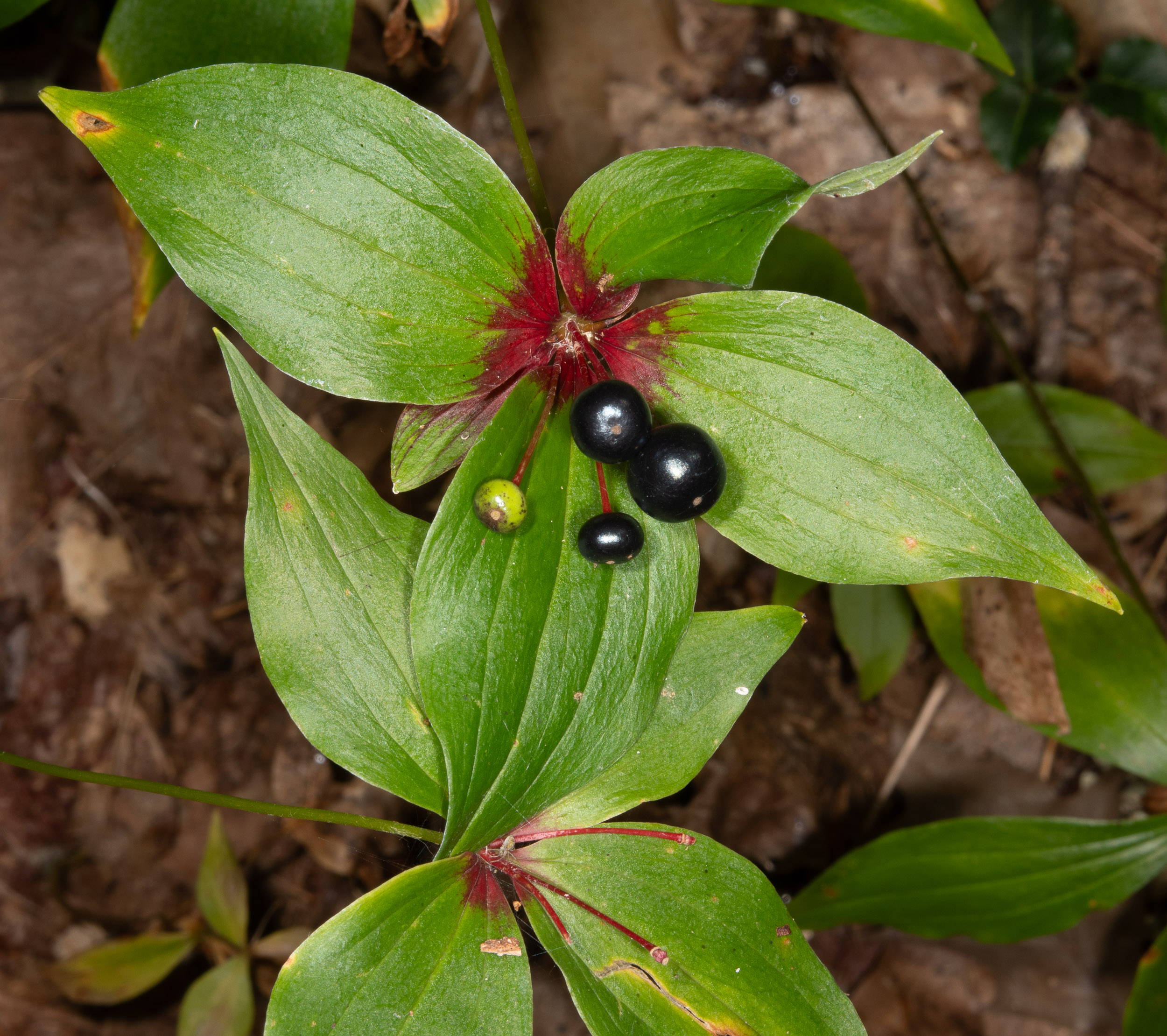
9/4/2023 · Thorne Head Preserve, Bath, Maine · ≈ 6 × 5″ (15 × 13 cm) 
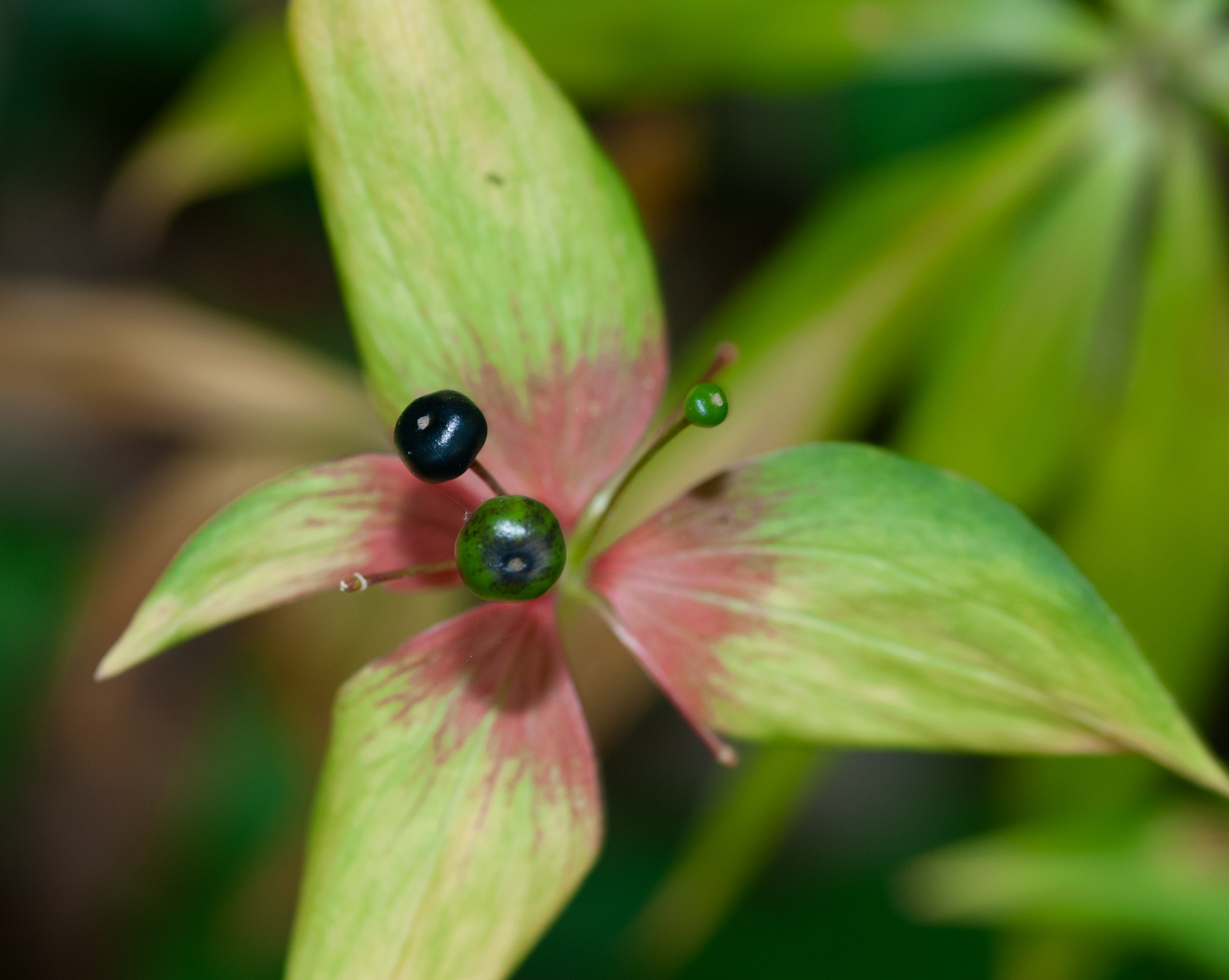
8/8/2010 · Jeff Smith Trail, Beaver Brook Association Conservation Lands, Rte. 130, Hollis, New Hampshire · ≈ 4½ × 3½″ (11 × 9.4 cm) 
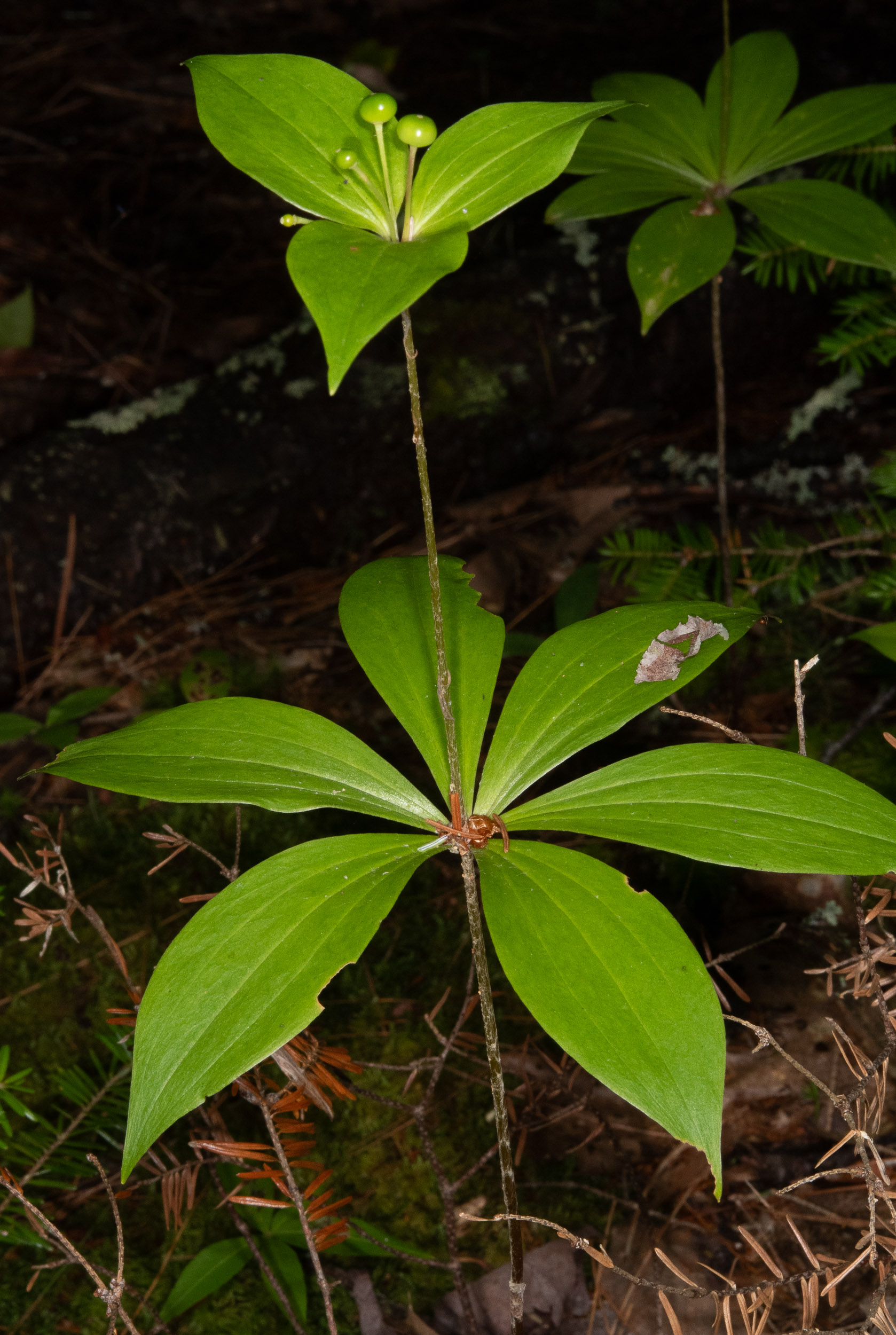
7/12/2020 · Harraseeket Trail, Wolfe’s Neck Woods State Park, Freeport, Maine · ≈ 7 × 11″ (18 × 27 cm) 
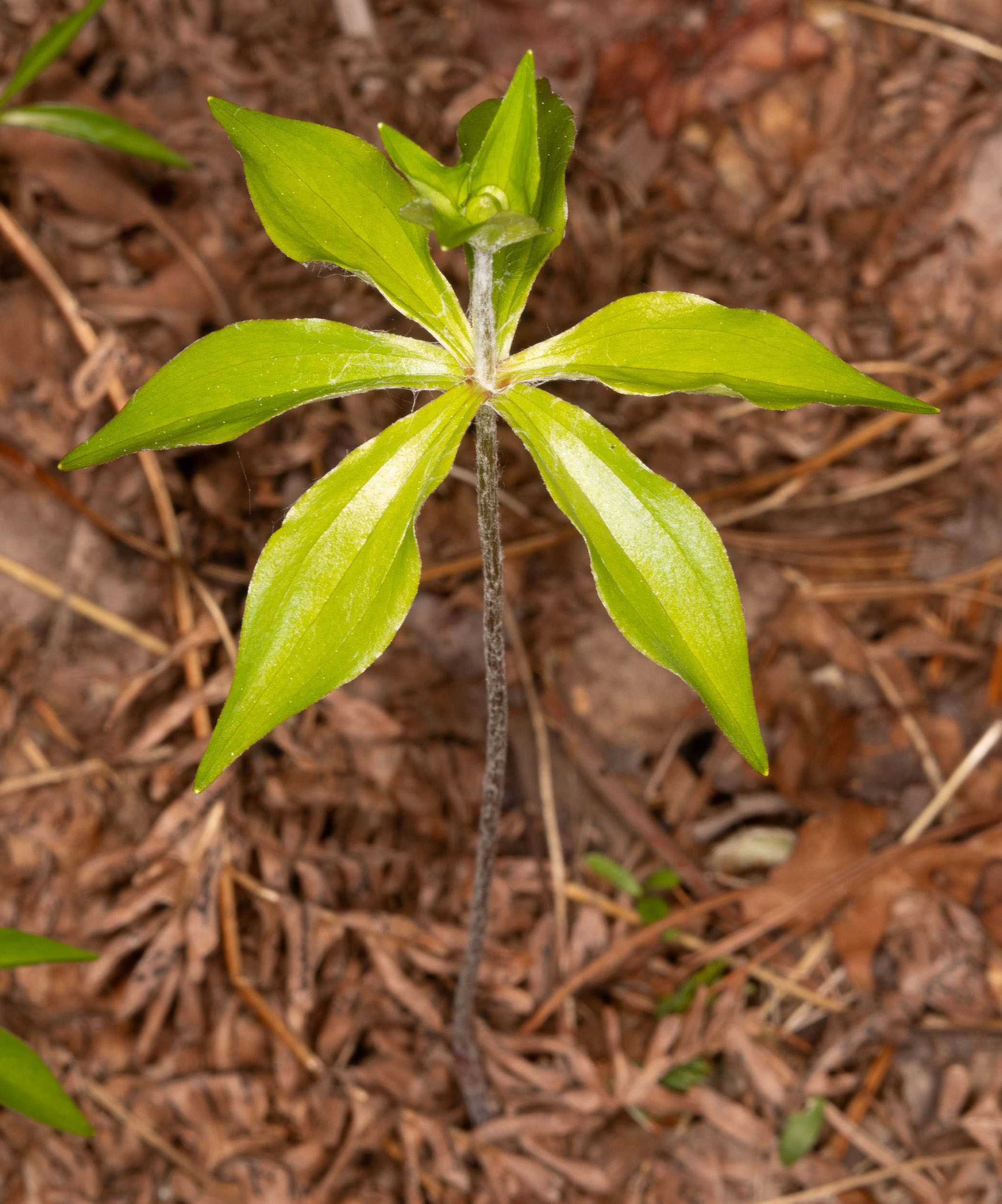
5/7/2021 · Long Reach Preserve, Harpswell, Maine · ≈ 4½ × 5″ (11 × 13 cm) 

5/12/2023 · Long Reach Preserve, Harpswell, Maine 

9/8/2020 · Acton, Massachusetts · By Daniel LaLiberte 

10/5/2016 · Pine Meadow Conservation Area, Ayer, Massachusetts 

5/17/2024 · Robert P. Tristam Coffin Wildflower Preserve, Woolwich, Maine · ≈ 4½ × 4″ (11 × 11 cm) 

8/28/2013 · Pearl Hill State Park, Townsend, Massachusetts · ≈ 6 × 6″ (16 × 14 cm) 

10/5/2009 · Nashua River Rail Trail, Groton, Massachusetts · ≈ 1¾ × 2″ (4.9 × 5.1 cm) 

Does anyone know what caused the dark-colored leaves? · 8/15/2010 · Blue Trail, Willard Brook State Park, Ashby, Massachusetts · ≈ 11 × 9″ (26 × 21 cm) 

6/2/2010 · J. Harry Rich State Forest, Groton, Massachusetts · ≈ 5 × 6″ (12 × 14 cm) 

The fern is wrapped around an indian cucumber-root (Medeola virginiana). · 8/8/2009 · Nashua River Rail Trail, Groton, Massachusetts · ≈ 8 × 12″ (20 × 31 cm) 
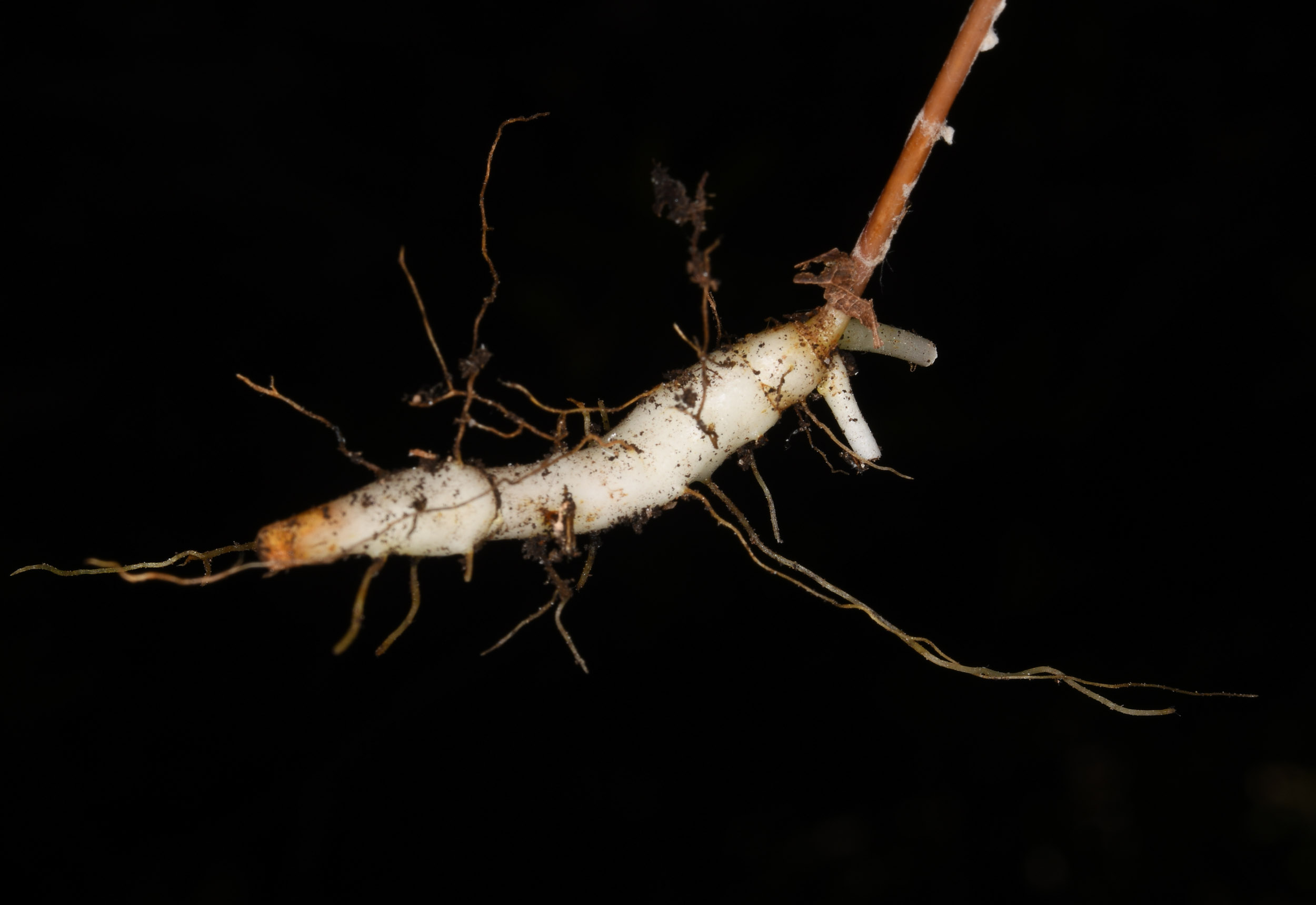
10/5/2016 · Pine Meadow Conservation Area, Ayer, Massachusetts 
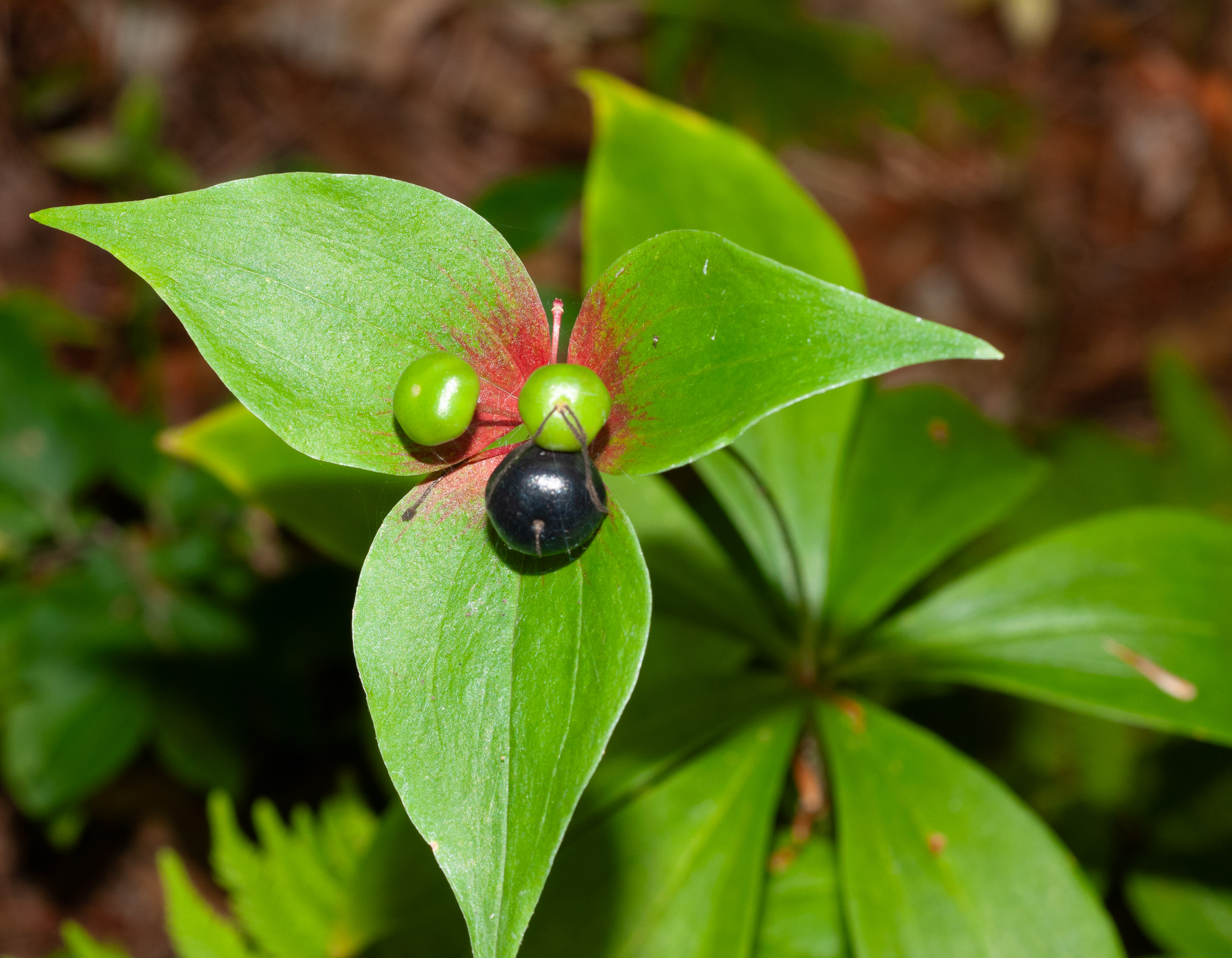
8/14/2010 · Nashua River Boat Ramp, Rte. 119, Groton, Massachusetts · ≈ 6 × 4½″ (15 × 11 cm) 

8/7/2016 · Jeff Smith Trail, Jewett St., Pepperell, Massachusetts 

6/5/2021 · Long Reach Preserve, Harpswell, Maine · ≈ 4½ × 3″ (11 × 7.9 cm) 

6/2/2010 · J. Harry Rich State Forest, Groton, Massachusetts · ≈ 6 × 3½″ (15 × 9.2 cm) 

9/30/2018 · Miller State Park, Pack Monadnock, Peterborough, New Hampshire, United States 

9/7/2020 · Maquoit Bay Conservation Area, Brunswick, Maine · ≈ 4½ × 4½″ (11 × 12 cm) 

9/7/2020 · Maquoit Bay Conservation Area, Brunswick, Maine · ≈ 4½ × 3″ (11 × 8.4 cm) 
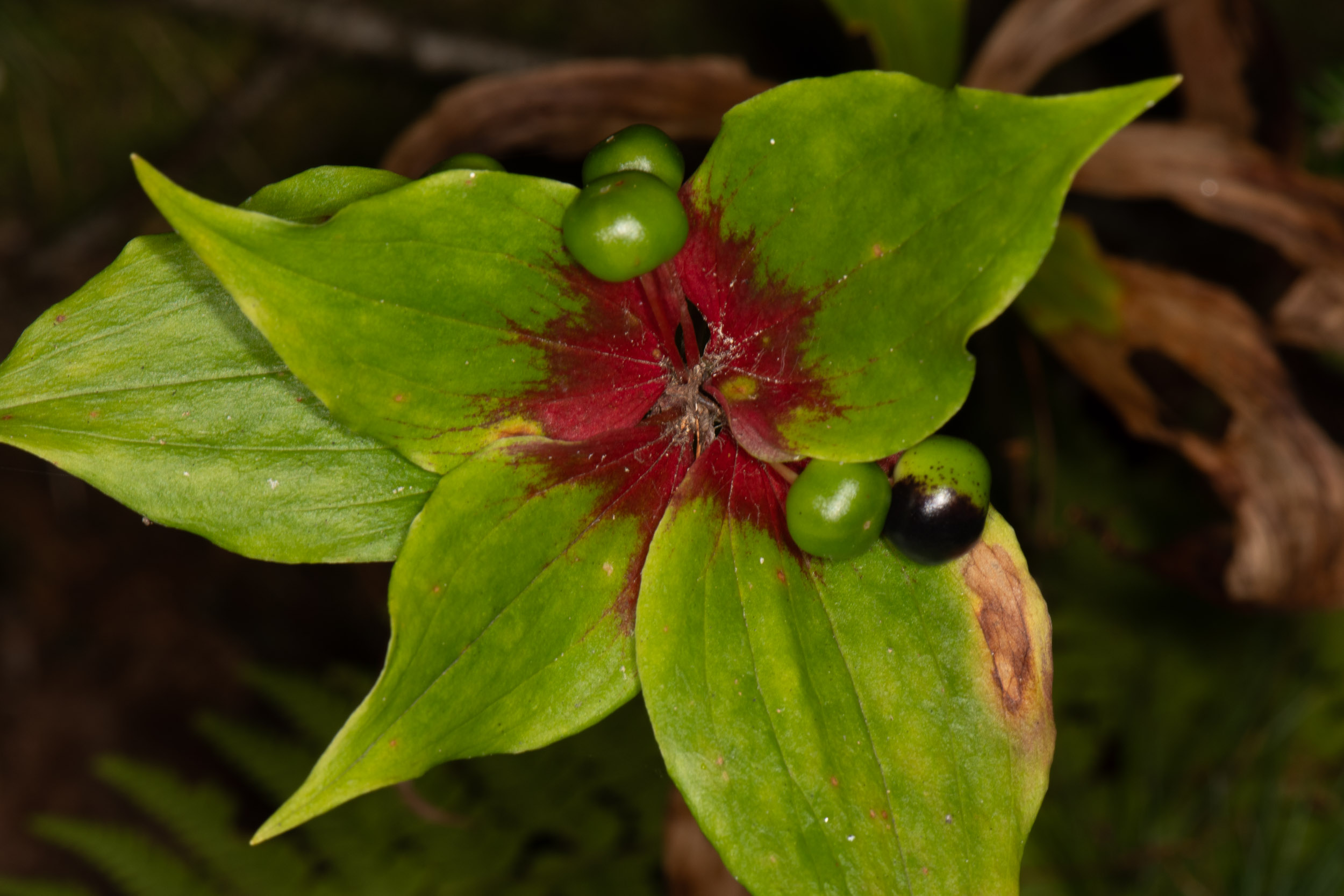
8/28/2021 · Otter Brrok Preserve, Harpswell Heritage Land Trust, Harpswell, Maine · ≈ 6 × 4″ (15 × 10 cm) 
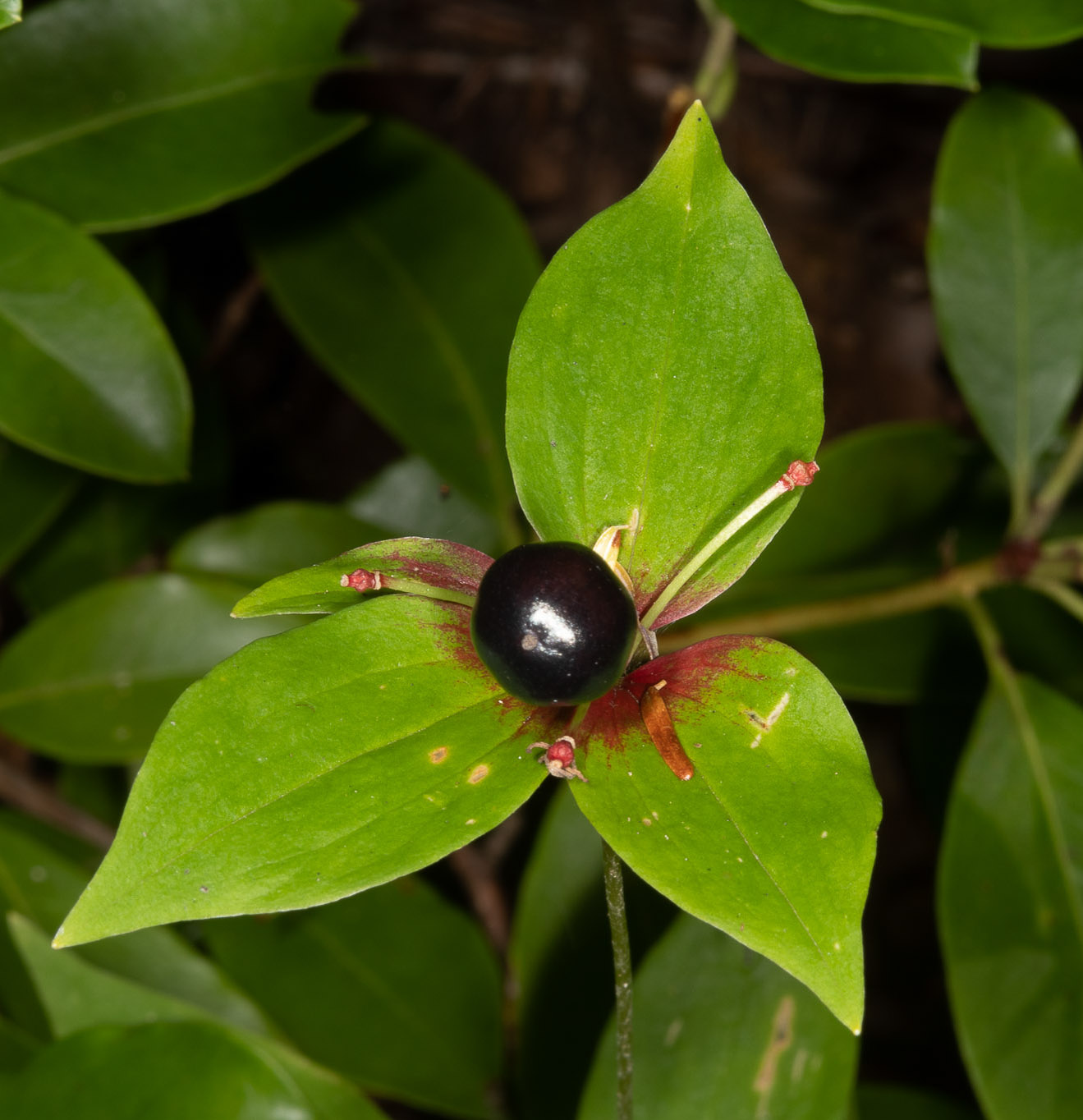
8/25/2019 · Blue Trail, Willard Brook State Park, Ashby, Massachusetts 

5/11/2021 · Hackett and Minot Trails, Harpswell, Maine · ≈ 3 × 3½″ (8.5 × 9.5 cm) 
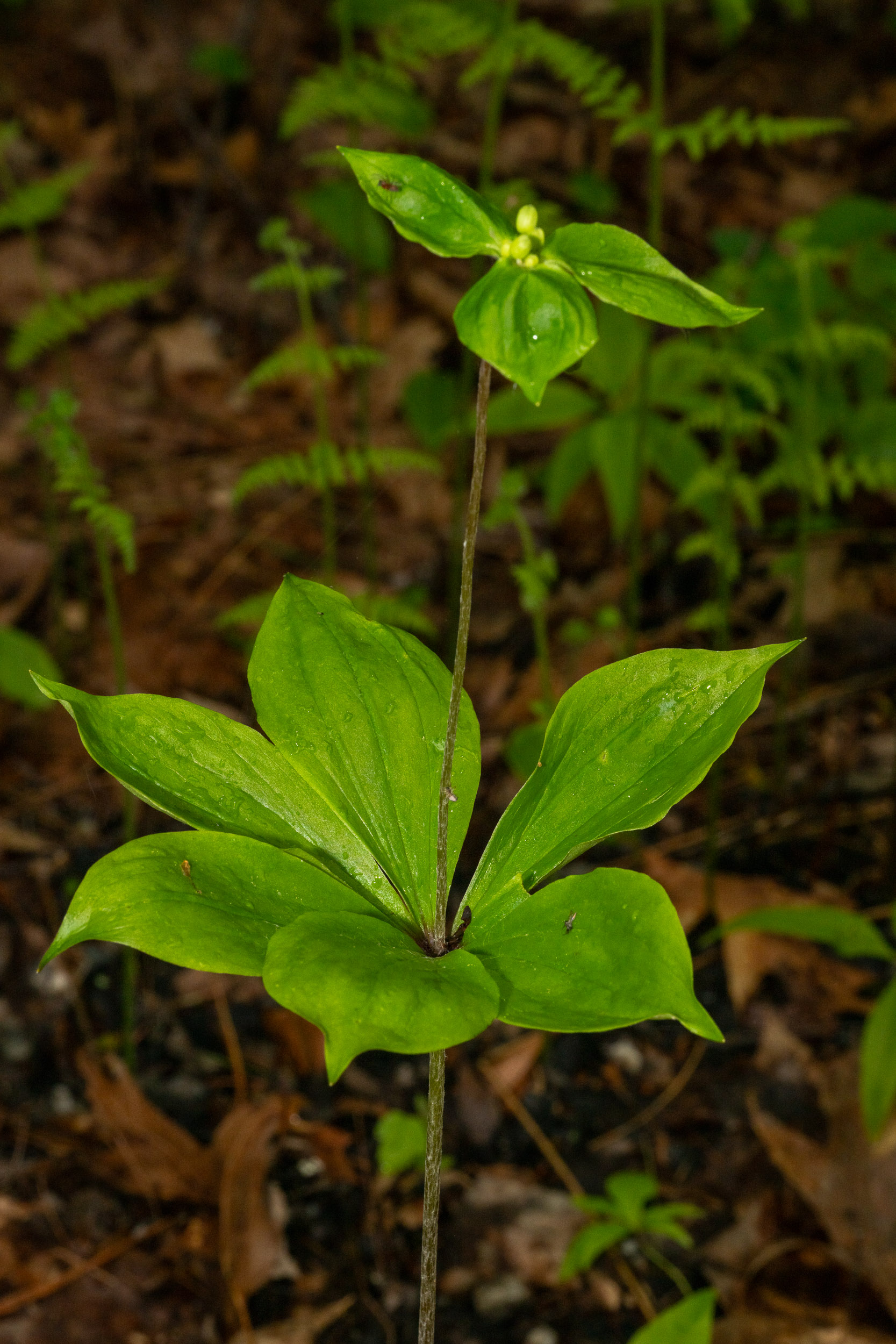
5/18/2025 · Center Point Preserve, Bowdoinham, Maine · ≈ 7 × 10″ (17 × 25 cm) 
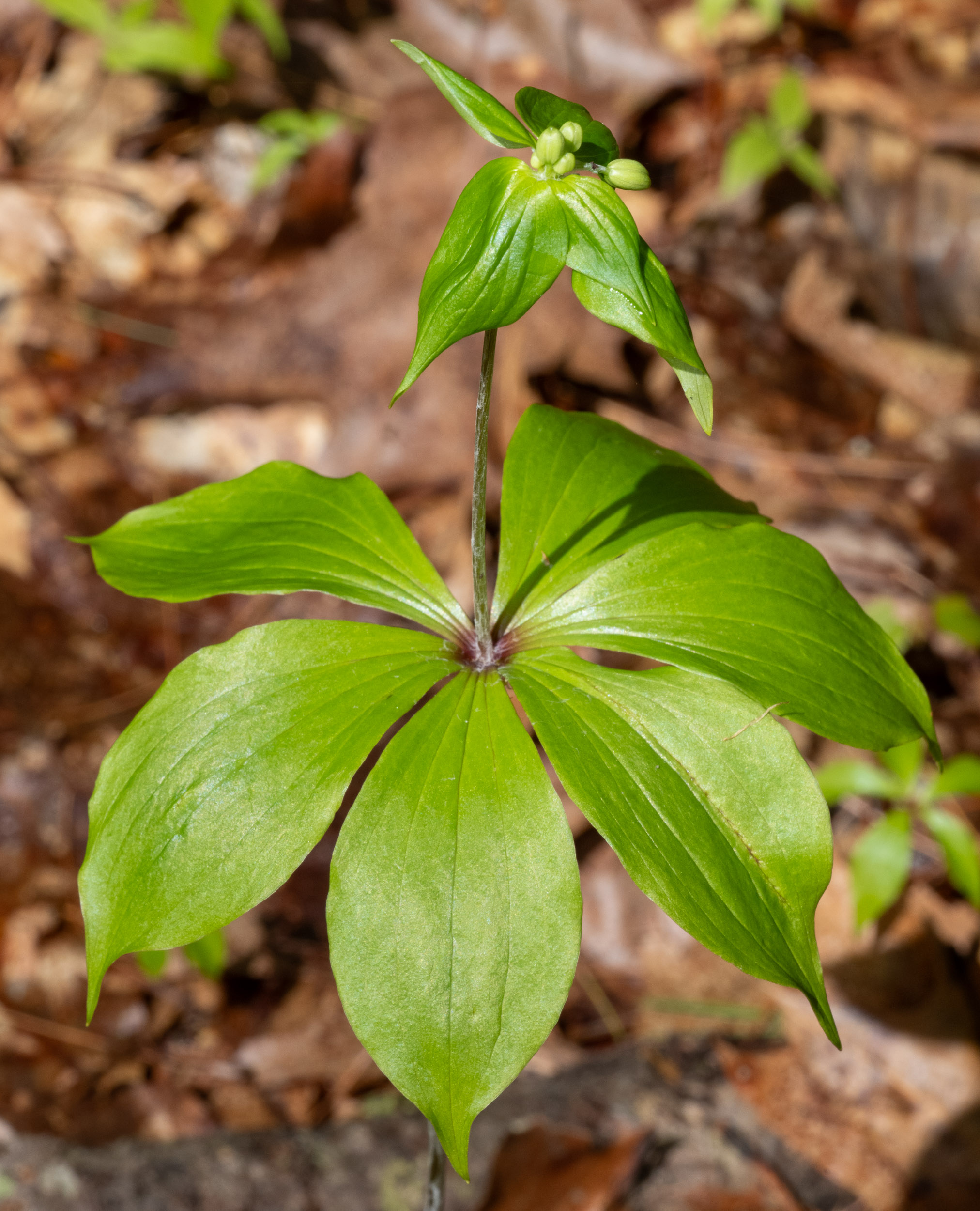
5/18/2025 · Center Point Preserve, Bowdoinham, Maine · ≈ 5 × 6″ (13 × 16 cm) 
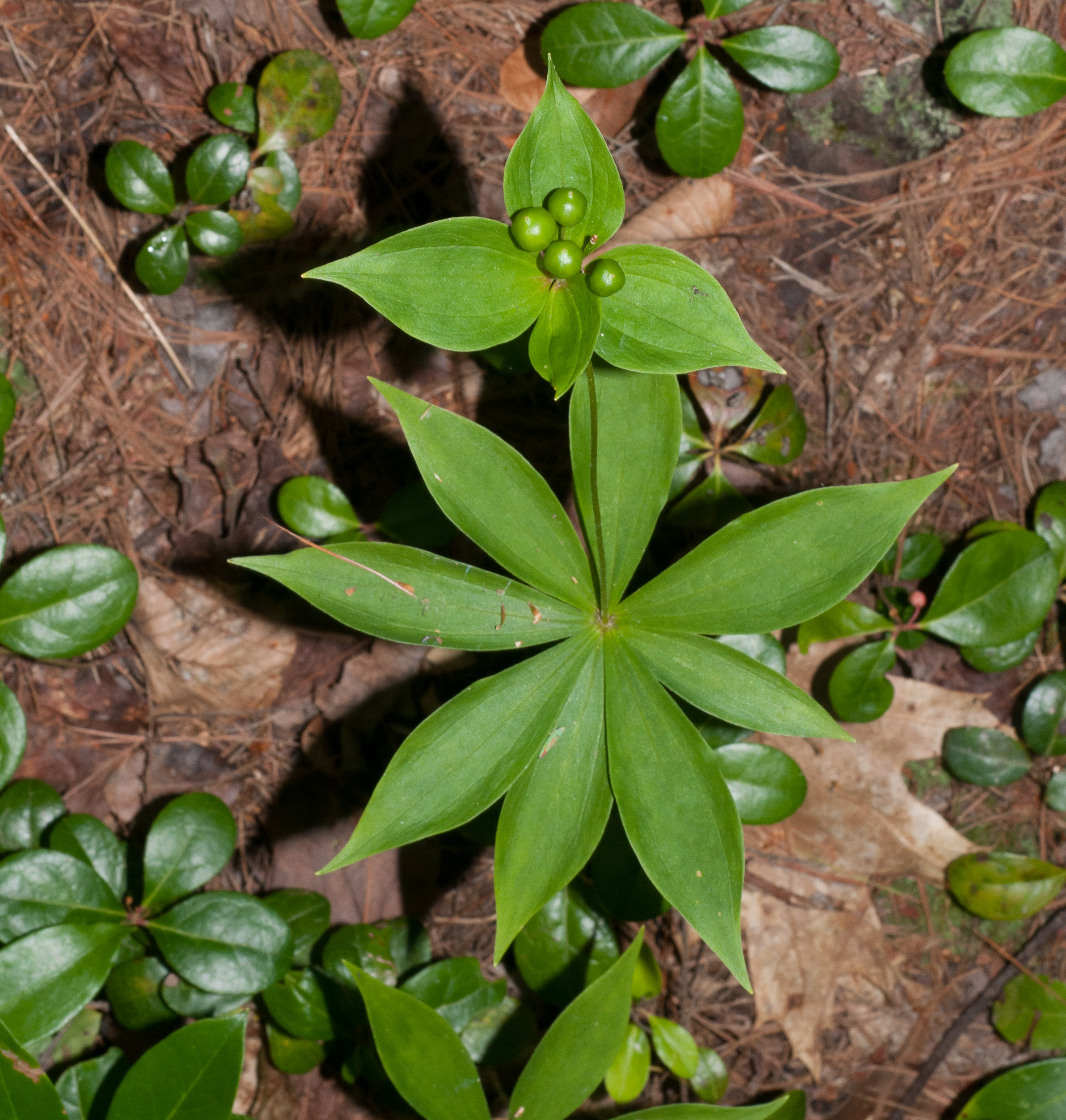
8/2/2010 · Beaver Brook Conservation Area, Rte. 130, Hollis, New Hampshire · ≈ 10 × 9″ (24 × 23 cm) 
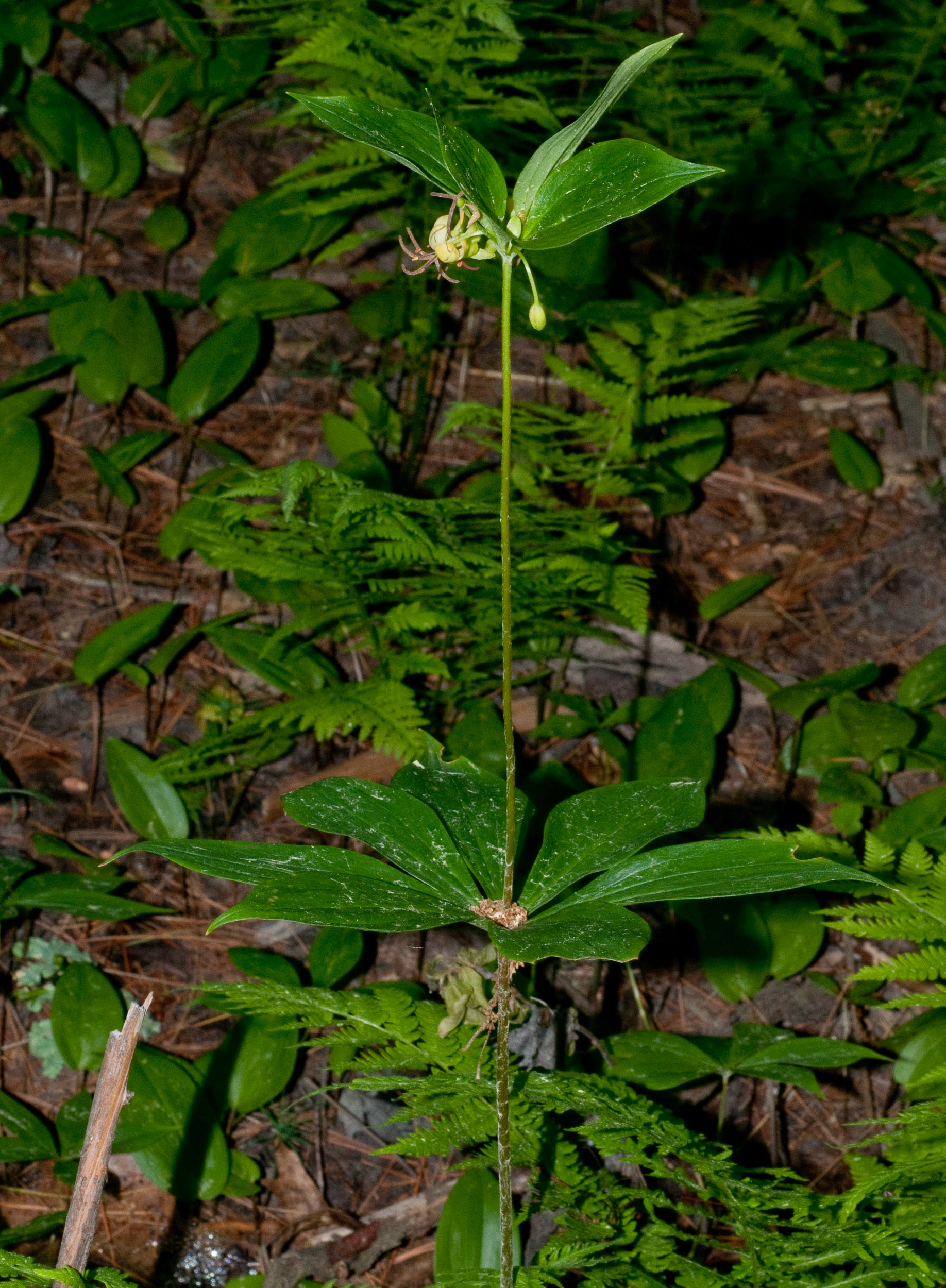
6/2/2010 · J. Harry Rich State Forest, Groton, Massachusetts · ≈ 8 × 14″ (20 × 36 cm) 
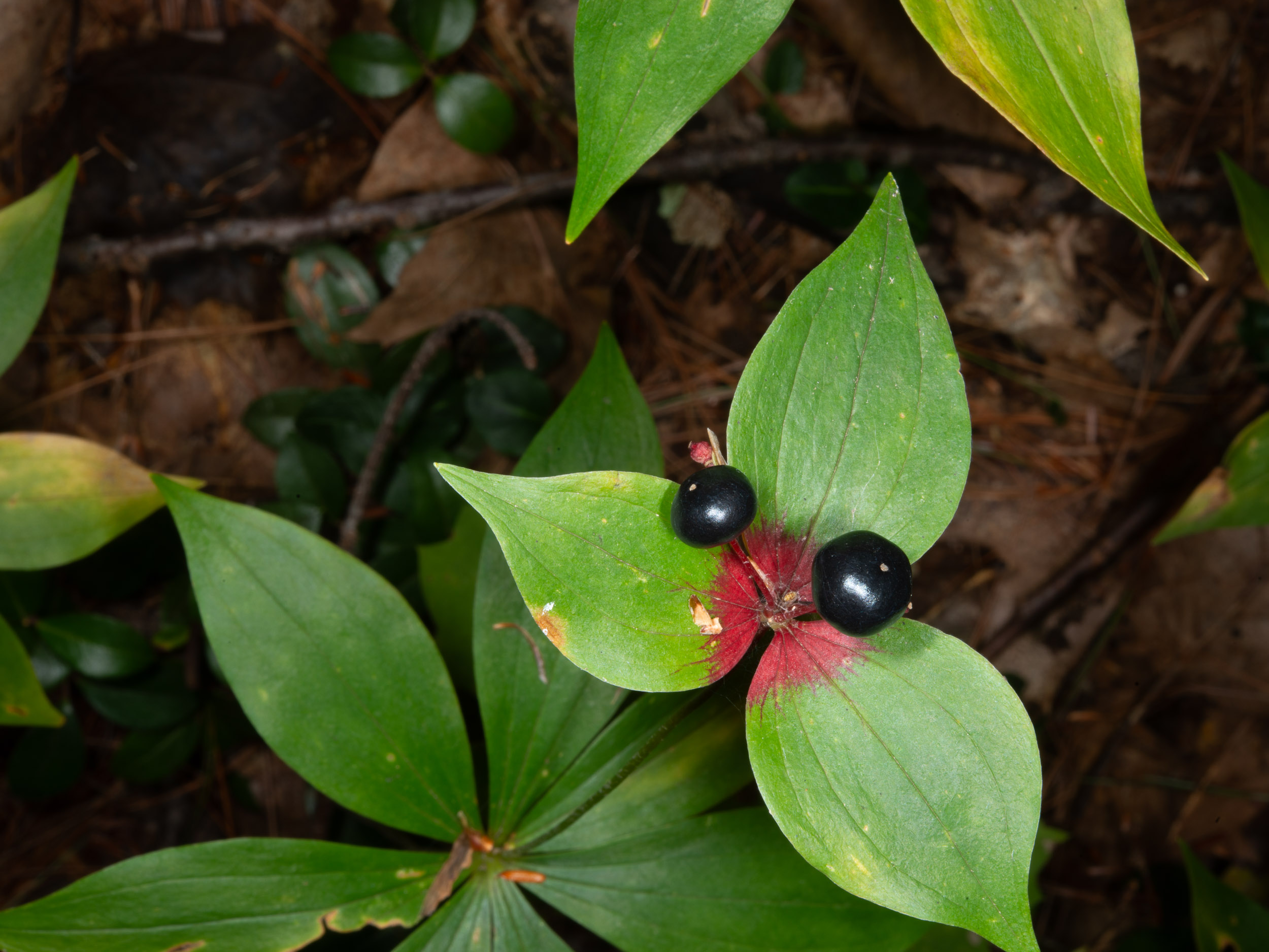
9/8/2014 · Beaver Brook Conservation Area, Hollis, New Hampshire · ≈ 7 × 5″ (17 × 13 cm) 
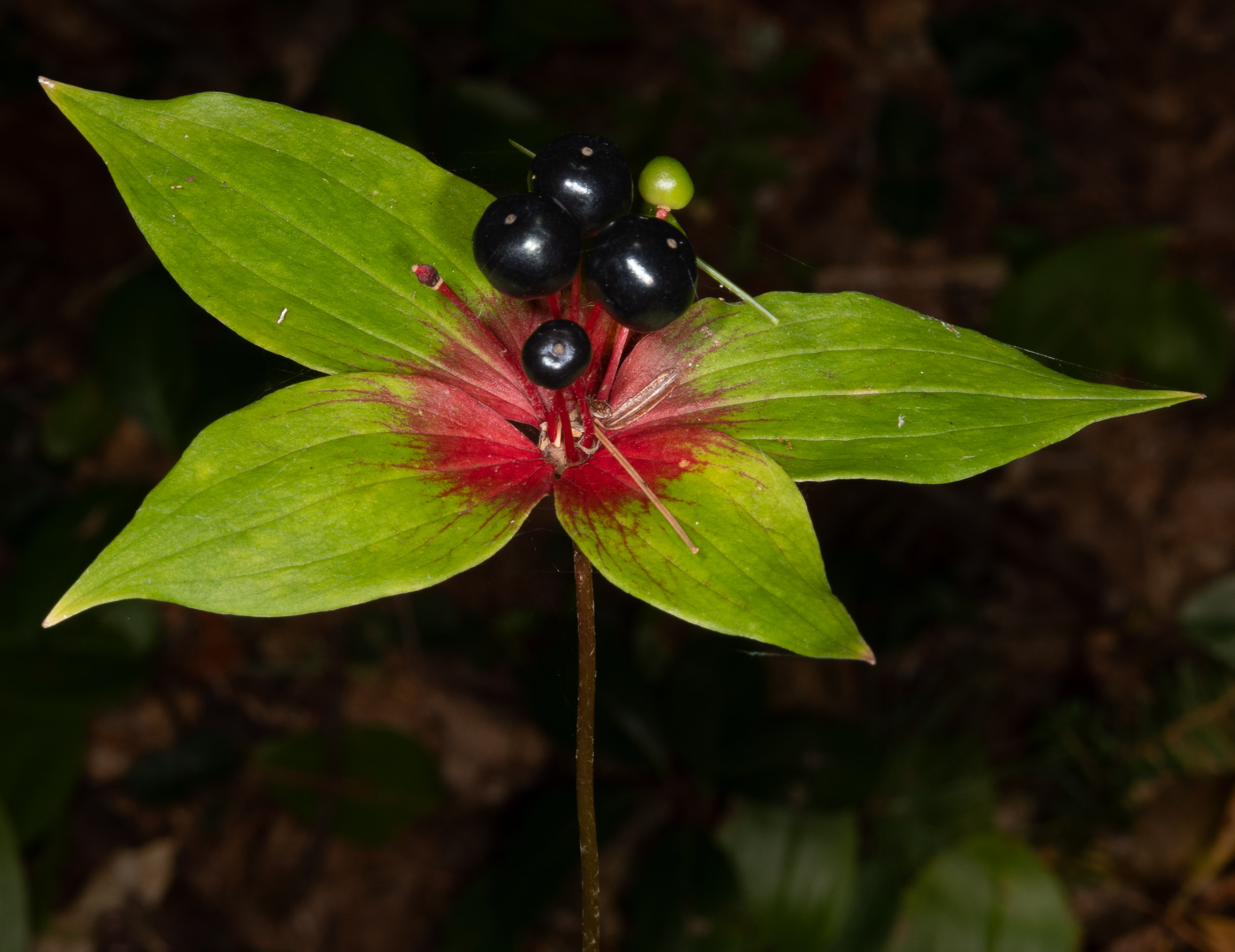
9/7/2020 · Maquoit Bay Conservation Area, Brunswick, Maine · ≈ 5 × 4″ (13 × 10 cm) 
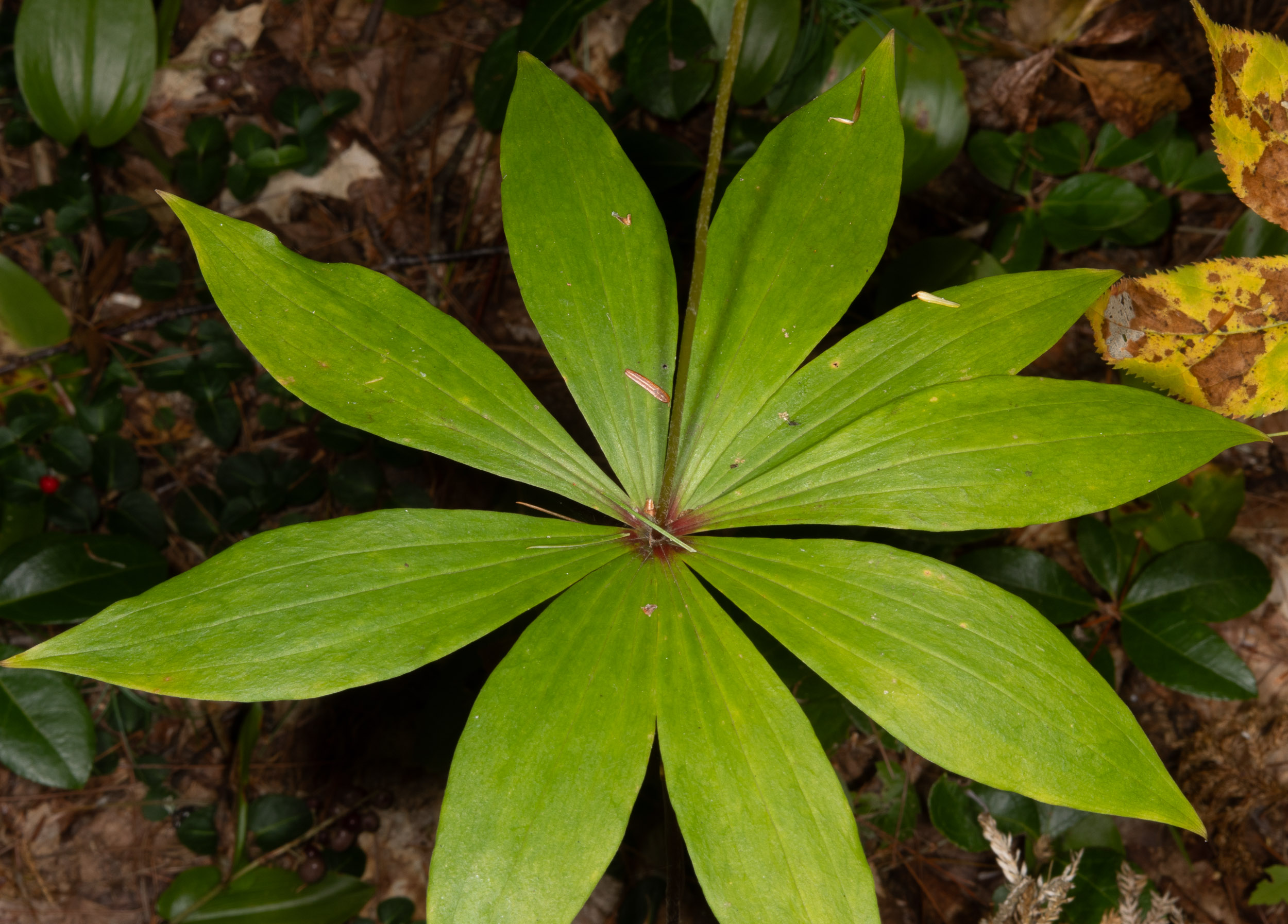
9/7/2020 · Maquoit Bay Conservation Area, Brunswick, Maine · ≈ 9 × 6″ (23 × 16 cm) 

A hartford fern (Lygodium palmatum) is wrapped around the indian cucumber-root. · 8/8/2009 · Nashua River Rail Trail, Groton, Massachusetts · ≈ 8 × 12″ (20 × 31 cm) 
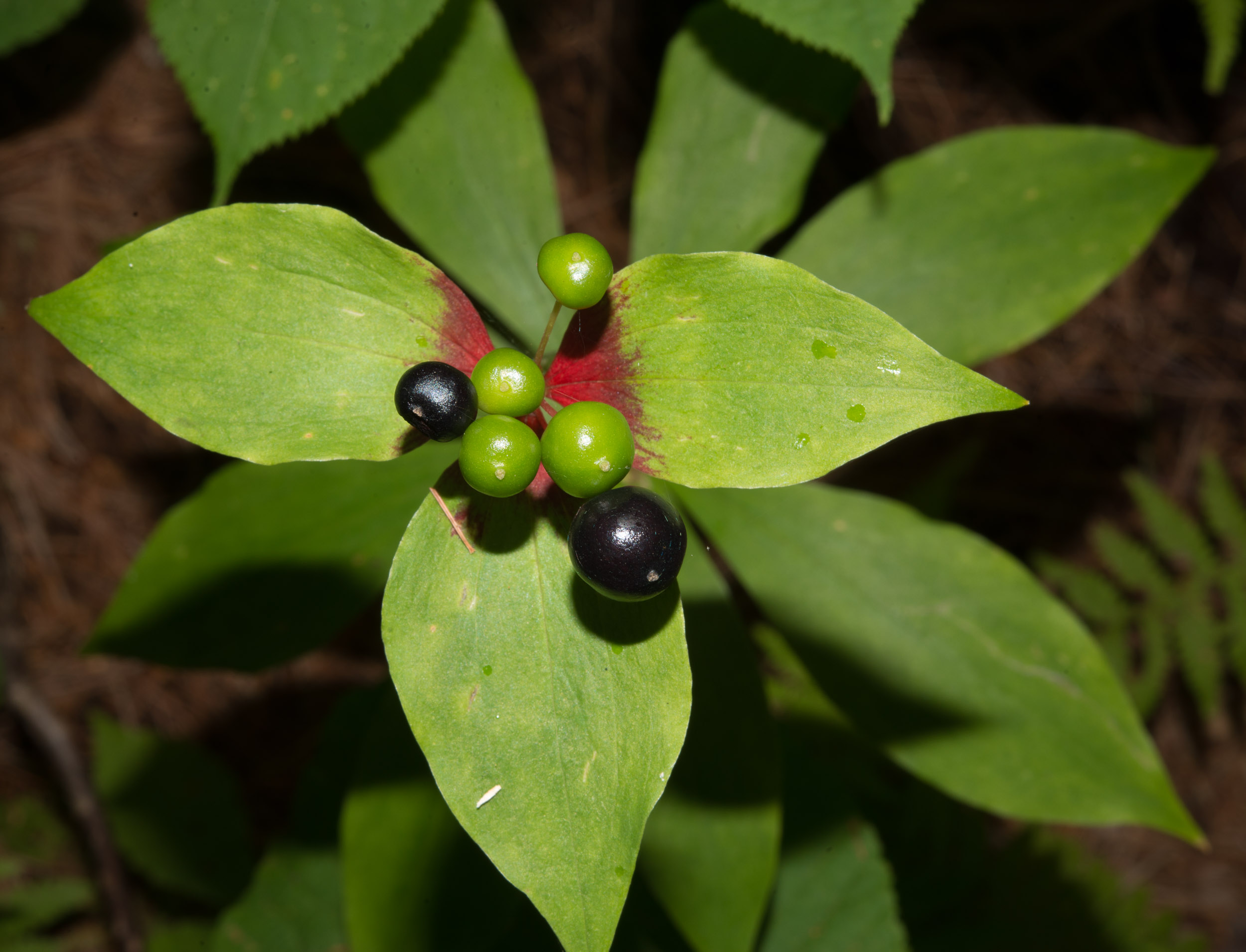
8/29/2015 · Mount Grace, Athol, Massachusetts · ≈ 6 × 4½″ (16 × 12 cm) 
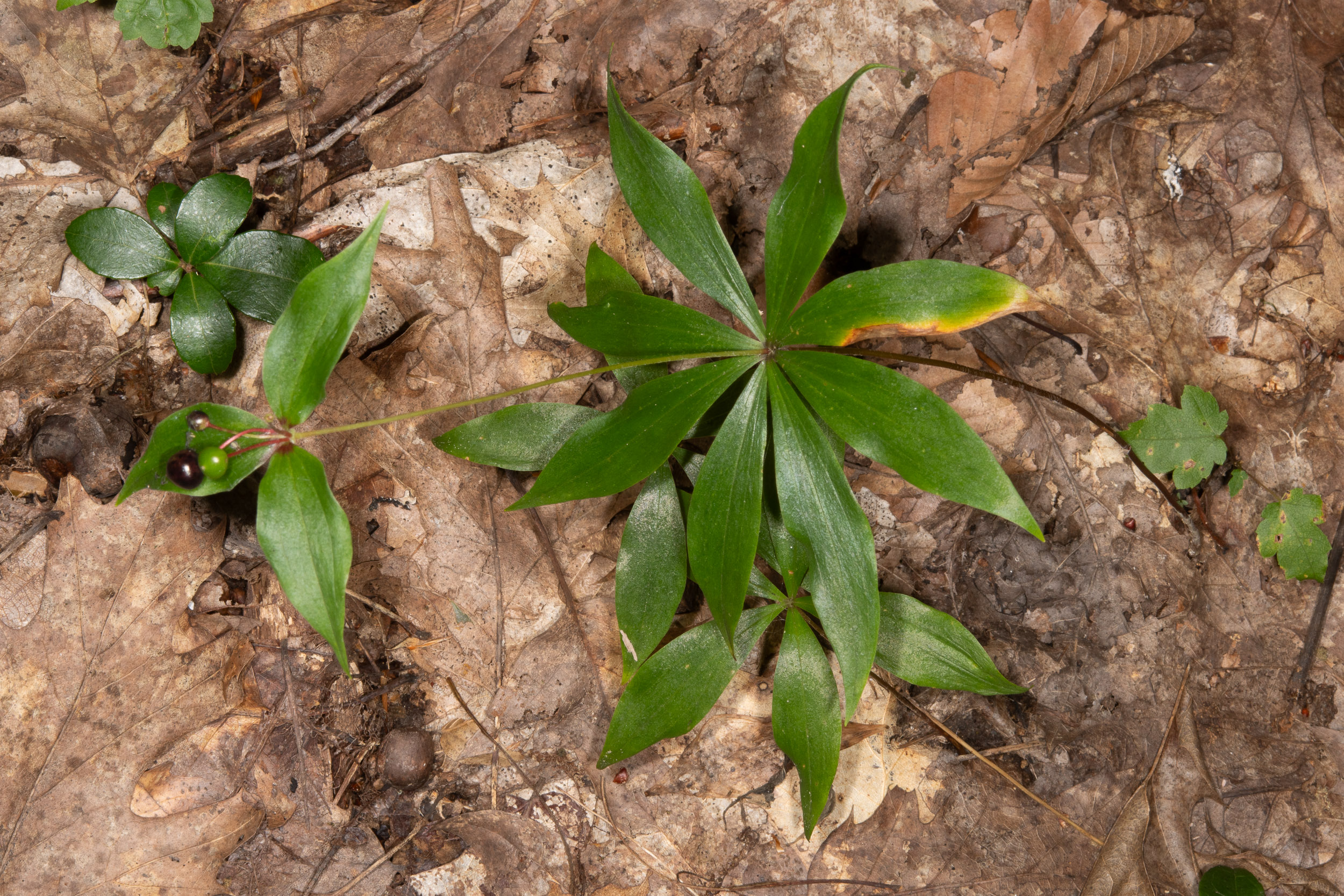
9/2/2023 · Boundary Trail, Bradbury Mountain State Park, Pownal, Maine · ≈ 12 × 8″ (31 × 20 cm) 
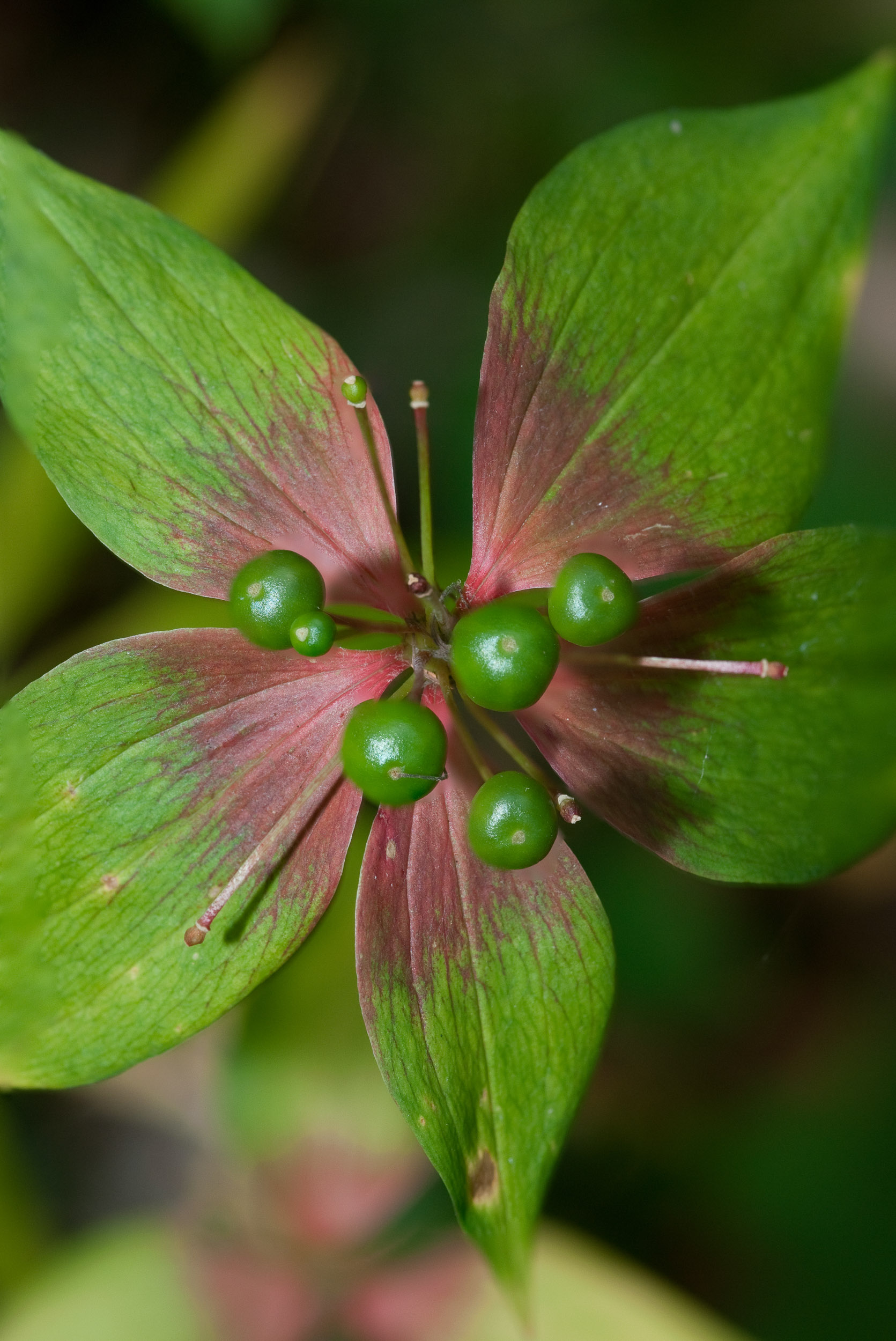
8/8/2010 · Jeff Smith Trail, Beaver Brook A, Hollis, New Hampshire 

9/4/2016 · Blue Trail, Willard Brook State Park, Ashby, Massachusetts 

9/1/2021 · Crystal Spring Farm Main Loop, Brunswick, Maine · ≈ 6 × 4½″ (14 × 11 cm) 
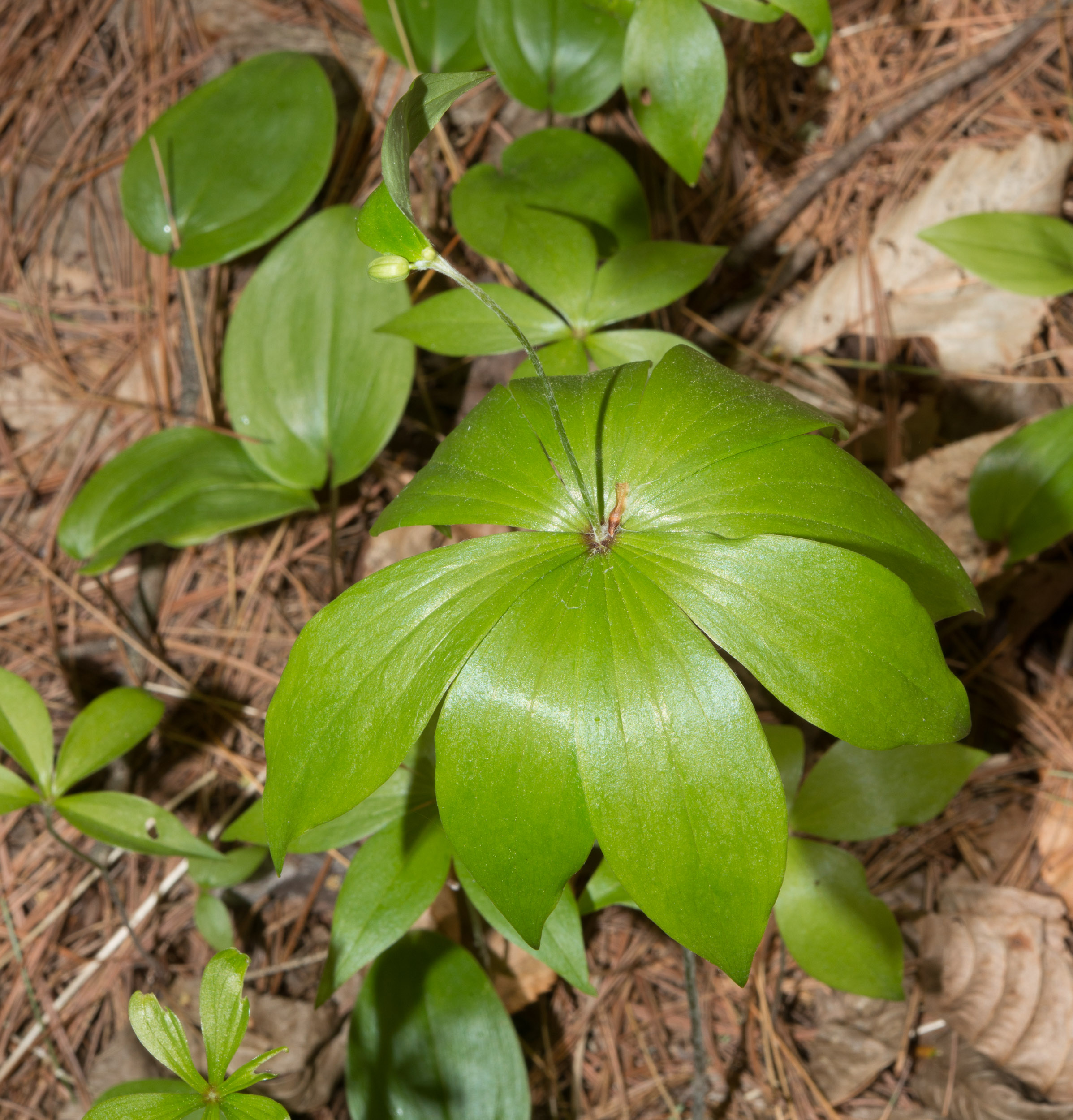
5/20/2014 · Beaver Brook Conservation Area, Hollis, New Hampshire · ≈ 6 × 6″ (15 × 15 cm) 
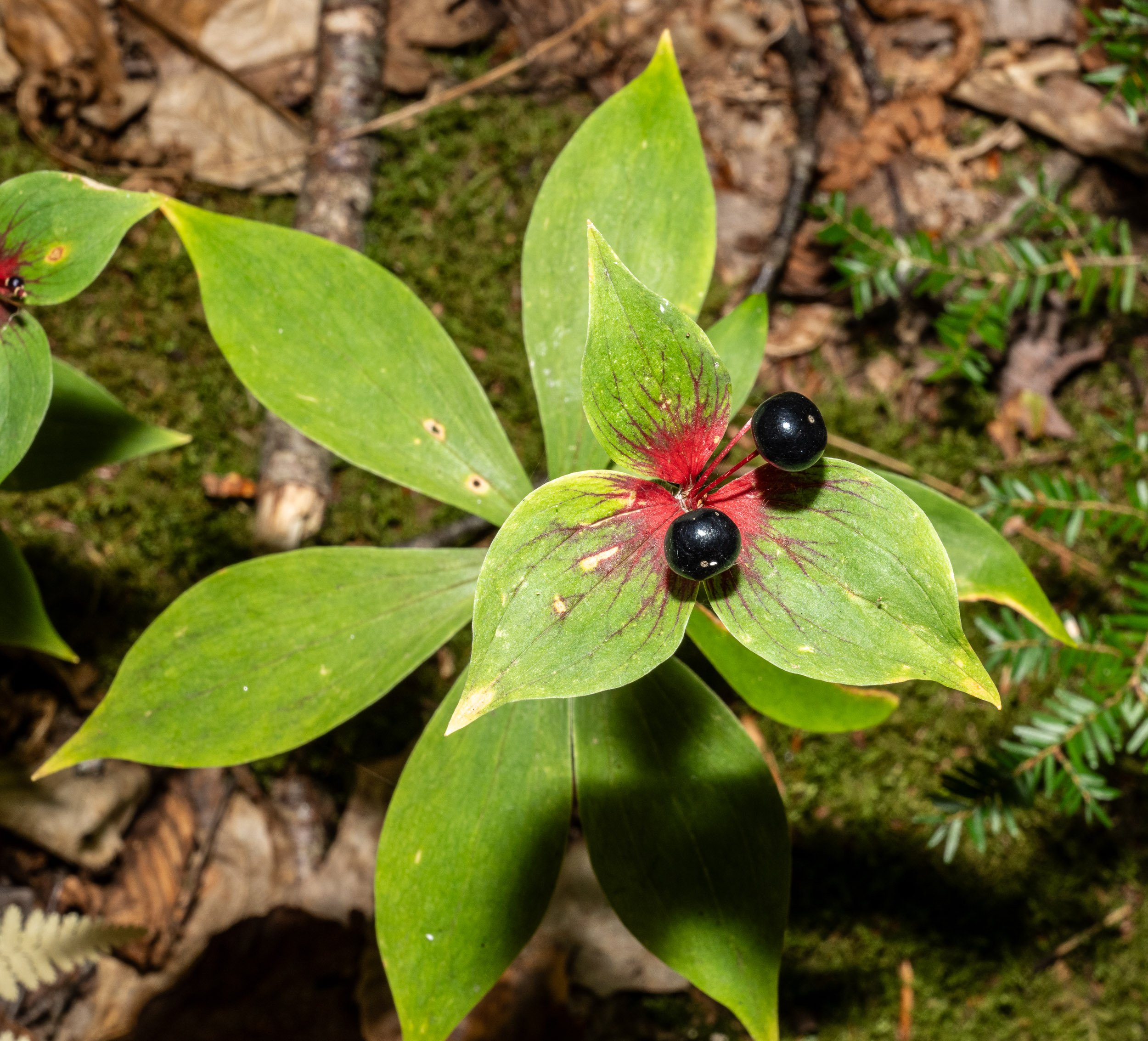
9/16/2025 · Pownalborough Courthouse Trails, Dresden, Maine · ≈ 6 × 6″ (16 × 15 cm) 

8/8/2010 · Jeff Smith Trail, Beaver Brook Association Conservation Lands, Rte. 130, Hollis, New Hampshire · ≈ 2½ × 3½″ (6.3 × 9.4 cm) 
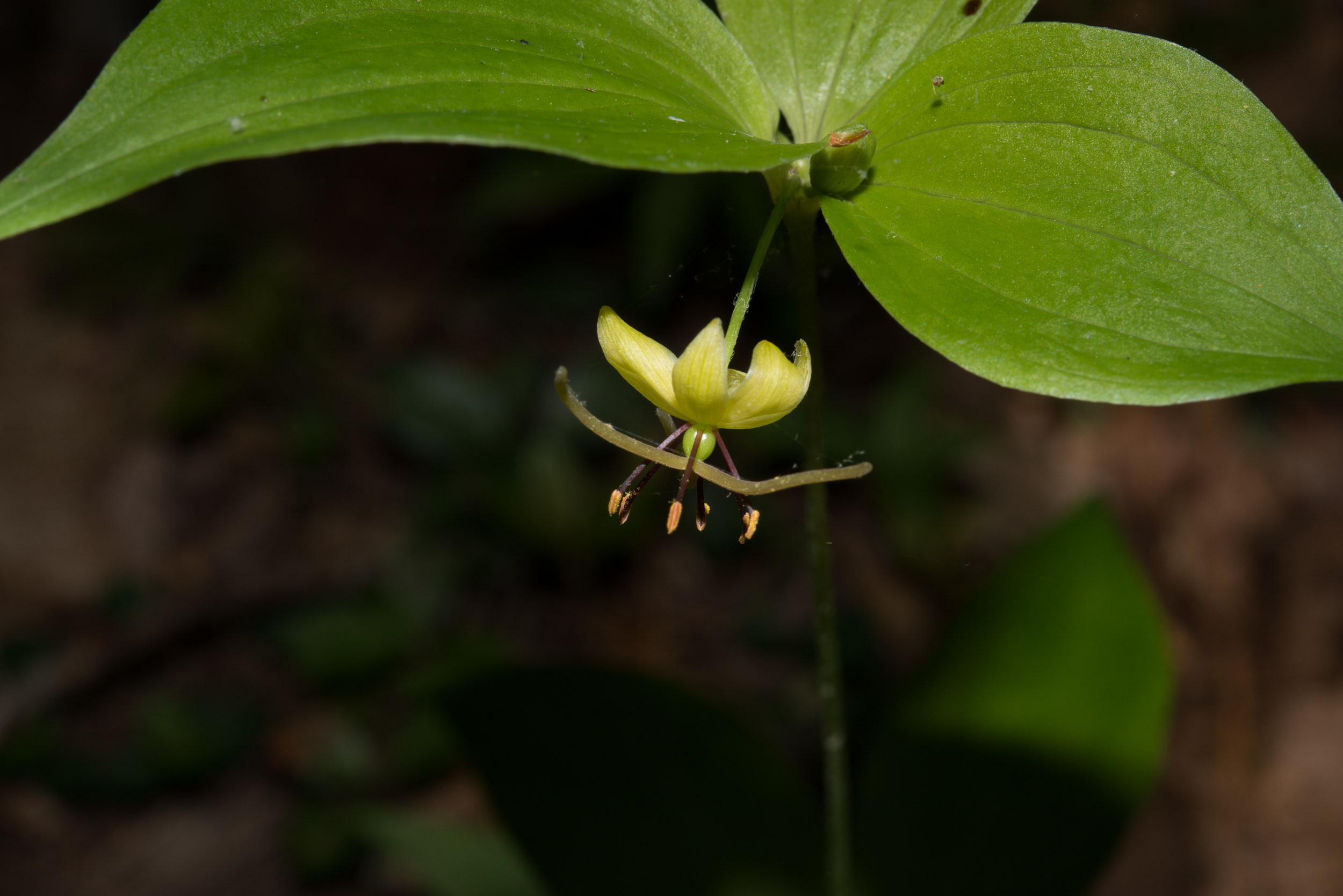
6/1/2013 · Beaver Brook Conservation Area, Hollis, New Hampshire · ≈ 6 × 3½″ (14 × 9.6 cm) 
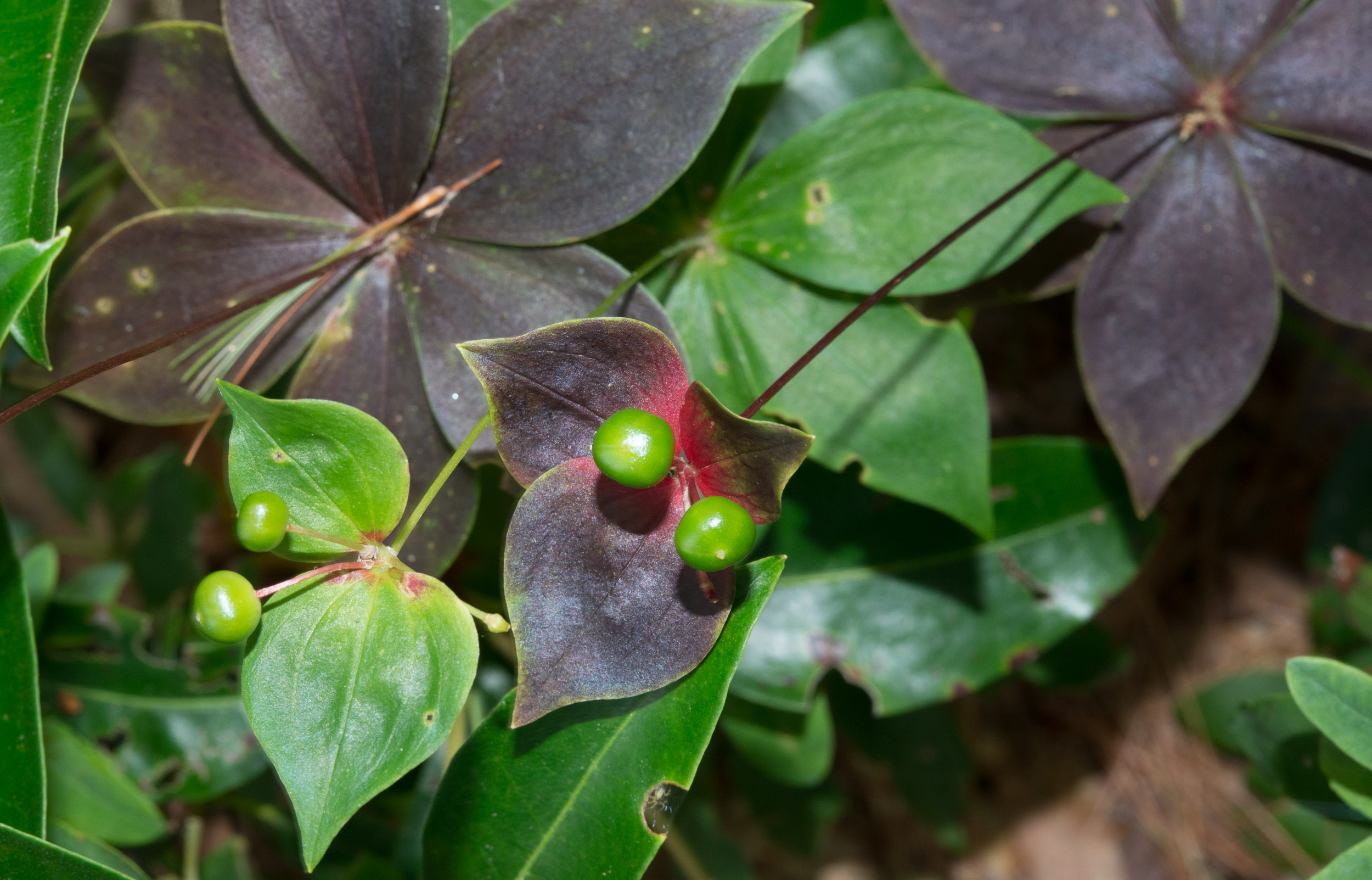
8/9/2015 · Beaver Brook Conservation Area · ≈ 7 × 4½″ (18 × 11 cm) 
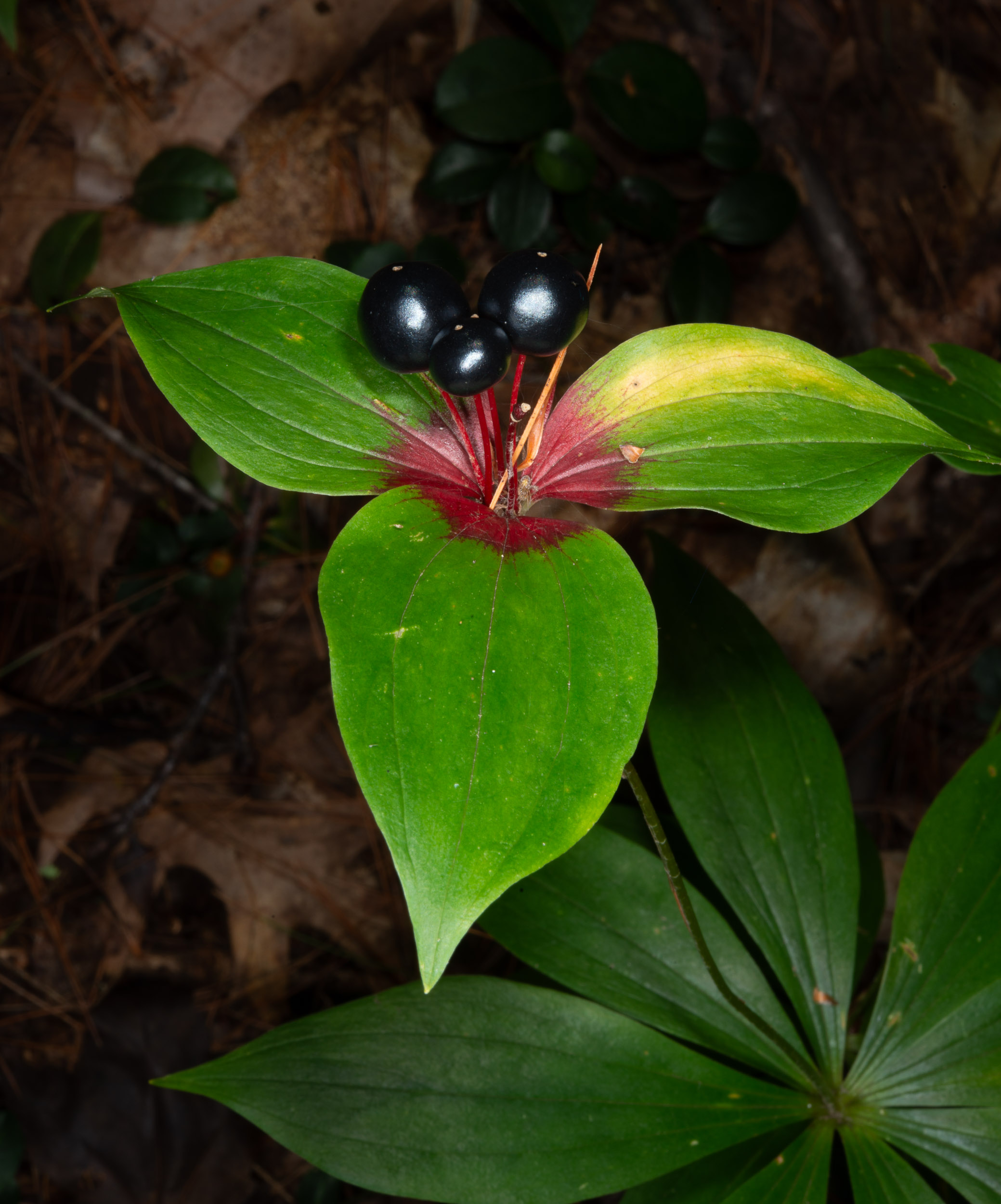
9/8/2014 · Beaver Brook Conservation Area, Hollis, New Hampshire · ≈ 7 × 6″ (18 × 15 cm) 

8/9/2015 · Beaver Brook Conservation Area · ≈ 8 × 6″ (20 × 14 cm) 
| Kingdom | Plantae | Plants, but not fungi, lichens, or algae (from Stearn's Botanical Latin) |
| Subkingdom | Tracheobionta | Vascular plants—plants with a “circulatory system” for delivering water and nutrients |
| Division | Magnoliophyta | Flowering plants, also known as angiosperms |
| Class | Liliopsida | Monocots (plants with a single seed leaf); includes the lily family |
| Subclass | Liliidae | Includes lilies, orchids, and many others |
| Order | Liliales | Includes lilies, tulips, trilliums, greenbriars, and others |
| Family | Liliaceae | Lilly family |
| Genus | Medeola | For the sorceress Medea, for attributed medicinal uses |
| Species | virginiana | “From Virginia” |

Medeola virginiana description by Thomas H. Kent, not updated.

© FloraFinder.org. All rights reserved.