Nuphar lutea (L.) Sm.
Yellow pond lily, spatterdock
Pond lilies are North American natives, also found in Eurasia. The genus Nuphar contains several similar species, though the exact count is a matter of interpretation. “Splitters” recognize as many as twelve species and subspecies, while “lumpers” acknowledge as few as one. Recent molecular evidence is more in favor with the splitters. The most common variety in North America is Nuphar lutea ssp. variegata. The photos here are of a somewhat less common variety, Nuphar lutea ssp. advena, sometimes called Nuphar advena. The primary difference between these two is that the former has leaves that lie flat on the water surface, while the latter has leaves that are often raised above the water surface.
Plants: Pond lilies have leaves that float on or are raised a few inches above the water surface, and attractive yellow cuplike flowers on stems that poke about six inches above the surface of the water. Underwater stems reach to roots in the water bottom. The stems convey oxygen to the roots, allowing growth in oxygen-deficient environments. Pond lilies grow in fresh, stagnant or slow-moving water that is up to 16′ (5 m) deep.
Leaves: Oval, 4–16″ (10–40 cm) around, and glossy.
Flowers: 1½–2½″ (3.8–6.3 cm) around, with six “petals” (actually sepals) and many small petals that really are petals. They flower from May to September.
Fruits: An oval capsule up to 1½″ (3.8 cm) long, strongly ribbed and purplish.
Habitats: Shallow lakes, ponds, swamps, river and stream margins, canals, ditches, and tidal reaches of freshwater streams, up to 1.9 mi (3 km) in elevation.
Edibility: The leaves, roots and seeds are edible. From Plants for a Future:
Medical:
Root - raw or cooked. The root can be soaked in water in order to remove a bitter taste. After long boiling, it has a taste like sheep’s liver. The root can also be dried and ground into a powder then used as a thickener in soups, or can be added to cereal flours when making bread, cakes etc. Seed - raw or cooked. It can be roasted, then ground into a powder and eaten raw or used to thicken soups etc. The seed can also be toasted like popcorn.
Online References:
The USDA Plants Database (Nuphar lutea (L.) Sm. ssp. advena (Aiton) Kartesz & Gandhi)
The USDA Plants Database (Nuphar lutea (L.) Sm. ssp. variegata (Durand) E.O. Beal)
Www.wildflowersoftexas.com (Nuphar lutea (L.) Sm. ssp. advena (Aiton) Kartesz & Gandhi)

7/9/2012 · Nashua River Rail Trail, Groton Center, Groton, Massachusetts 

6/5/2010 · Nashua River Rail Trail, Groton Center, Groton, Massachusetts 
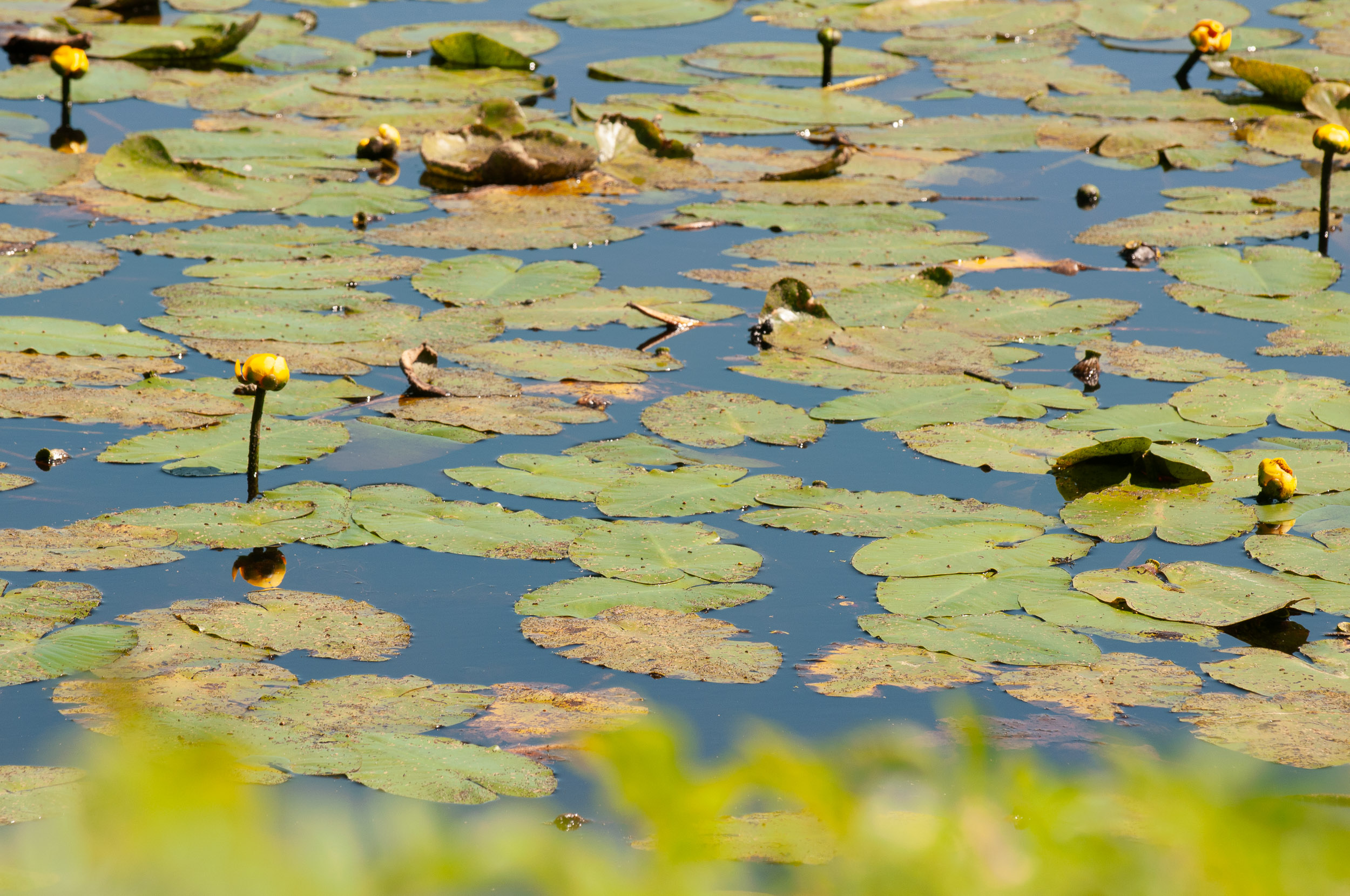
7/9/2012 · Nashua River Rail Trail, Groton Center, Groton, Massachusetts 

5/22/2010 · Nashua River Rail Trail, Groton Center, Groton, Massachusetts 
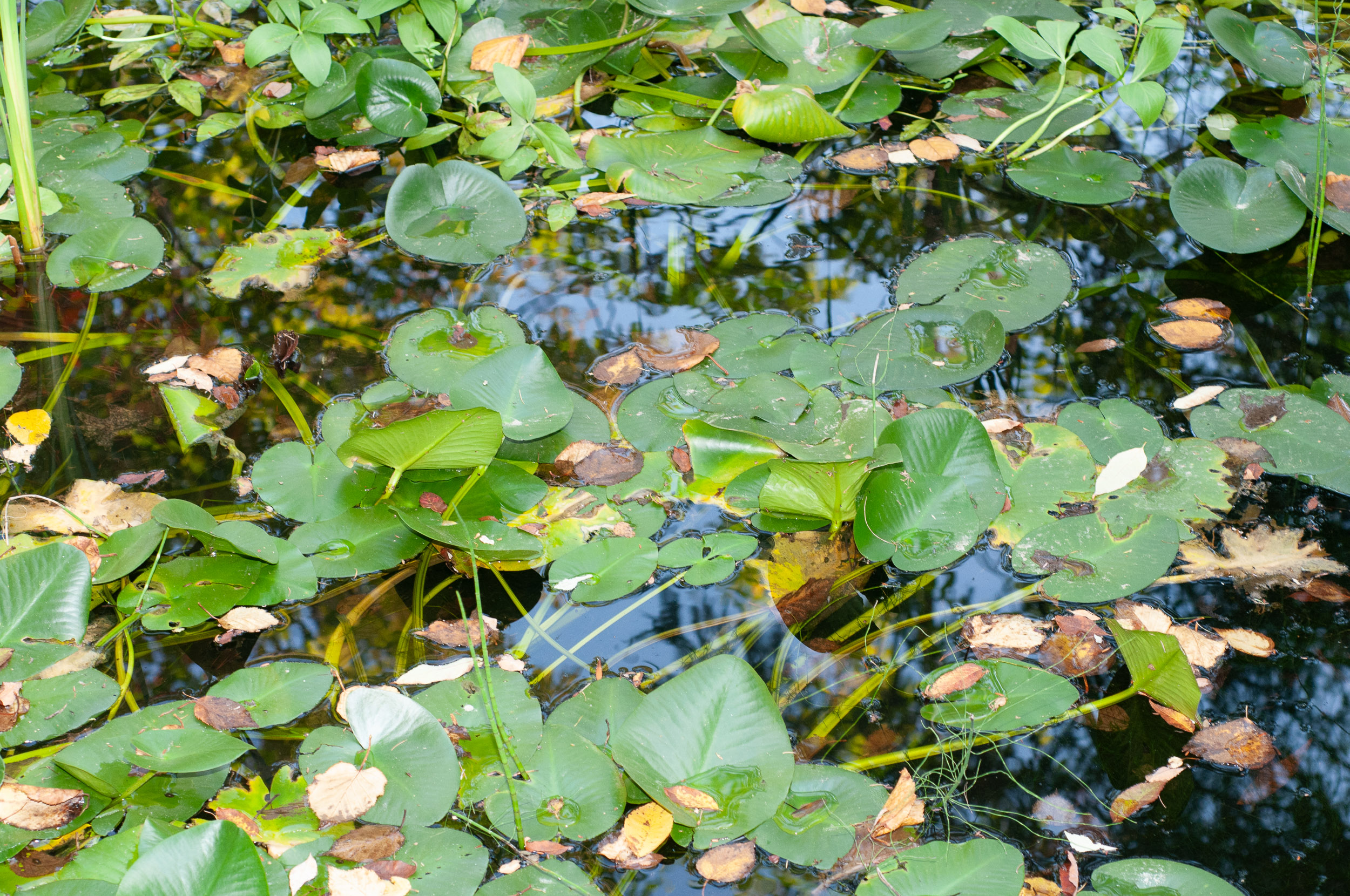
9/20/2009 · Wild Gardens of Acadia, Acadia National Park, Bar Harbor, Maine 
| Kingdom | Plantae | Plants, but not fungi, lichens, or algae (from Stearn's Botanical Latin) |
| Subkingdom | Tracheobionta | Vascular plants—plants with a “circulatory system” for delivering water and nutrients |
| Division | Magnoliophyta | Flowering plants, also known as angiosperms |
| Class | Magnoliopsida | Dicotyledons—plants with two initial seed leaves |
| Subclass | Magnoliidae | Includes magnolias, nutmeg, bay laurel, cinnamon, avocado, black pepper, and many others |
| Order | Nymphaeales | Water lilies and other aquatic plants |
| Family | Nymphaeaceae | Water lily family |
| Genus | Nuphar | Derived from the Persian nufar |
| Species | lutea | “Yellow,” from a source of yellow dye called lutum. |
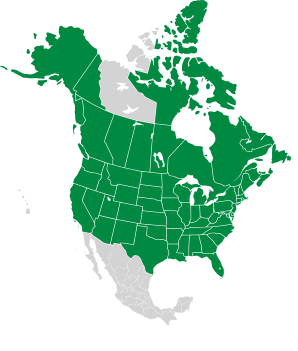
Nuphar lutea description by Thomas H. Kent, not updated.

© FloraFinder.org. All rights reserved.