Nymphaea odorata Aiton
Fragrant water lily, beaver root, American white waterlily
Fragrant water lily is native to North and Central America. Beautiful in the wild, and coveted as an ornamental, it is nevertheless considered an invasive in some habitats. Plants spread slowly, but they eventually commandeer large patches of water less than eight feet deep at the expense of other plants.
Plants: Water lilies are instantly recognizable by their round, flat leaves, often turned up slightly at the edges in order to float.
Leaves: Leaves are “lily pads,” 4–12″ (10–30 cm) around, with a cone-shaped portion missing, resembling green Pacmen. Waxy surfaces and upturned edges keep the leaves afloat. Upper surfaces are green, somewhat glossy; undersides are often purplish. They are attached by long petioles (stems) that lead down to root systems on pond bottoms.
Flowers: If they are flowering, as they do during the first half of the day, you’ll see their large, very attractive, white (sometimes pink), fragrant blossoms. These iconic blossoms are 3–8″ (7.6–20 cm) around, with 25 or more white petals and yellow centers made up of as many as 70 prominent yellow stamens.
Fruits: Pollinated flowers are pulled underwater, where the seeds develop. Fruit is round and berry-like, containing oval seeds ⅛–¼″ (3.2–6.3 mm) long.
Habitats: Clear, slow-moving or still fresh water with ample sunlight.
Edibility: Young unrolling leaves and unopened flower buds may be boiled for 5-10 minutes and served buttered.
Online References:
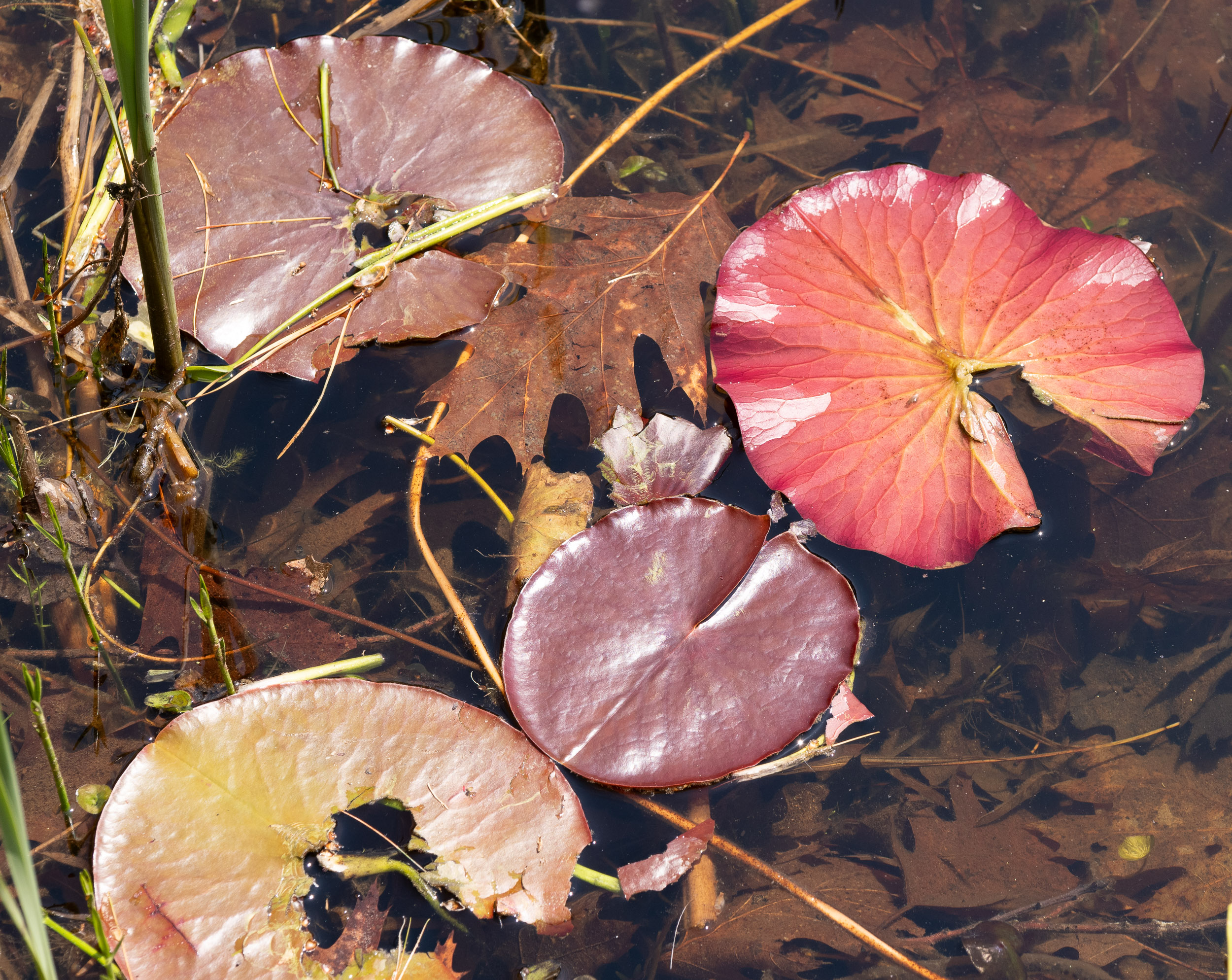
5/10/2023 · James and Lavina Kemp Preserve, Berry Woods Preserve, Georgetown, Maine 
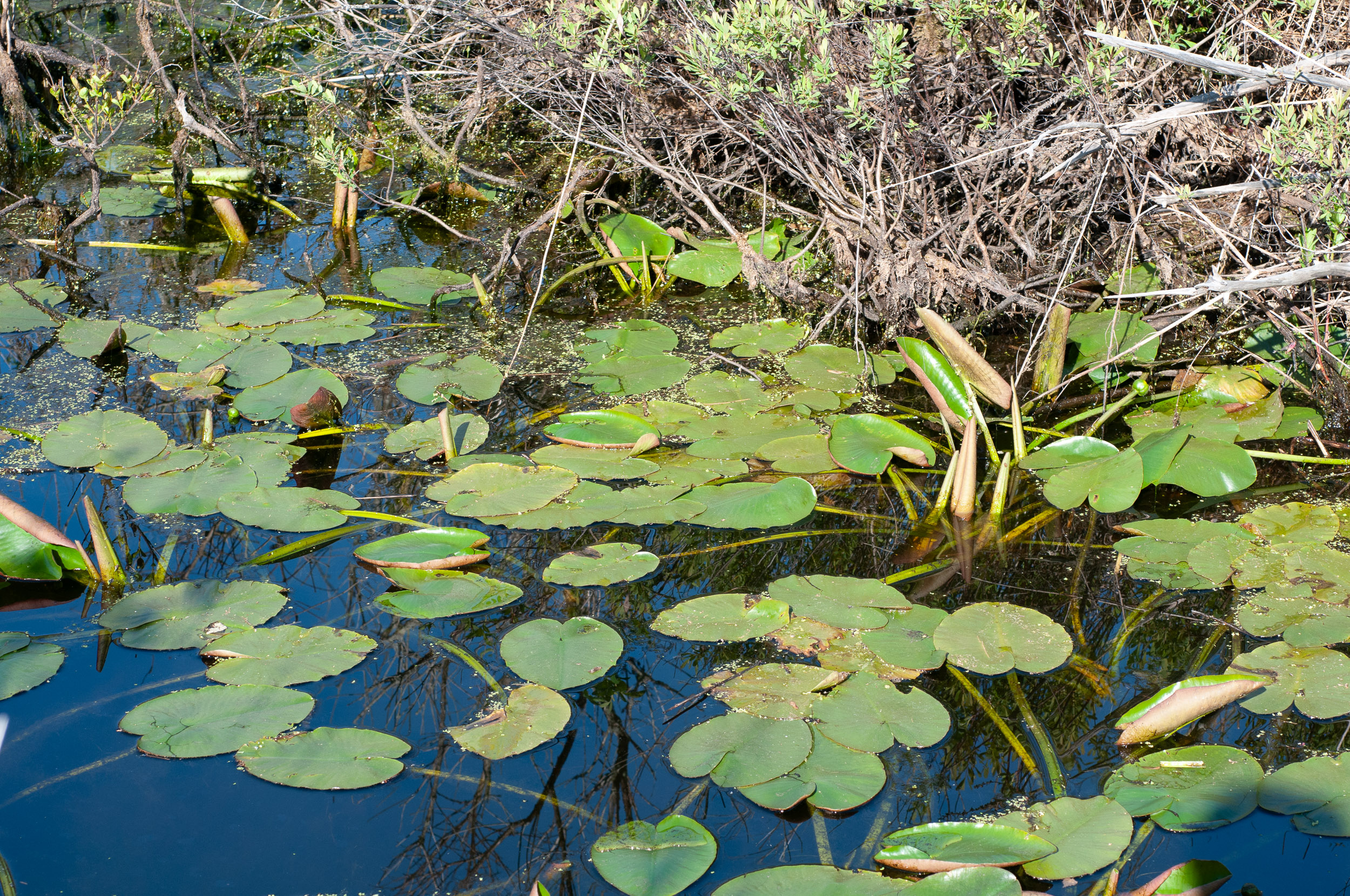
5/13/2010 · Nashua River Rail Trail, Groton Center, Groton, Massachusetts  ID is uncertain

7/29/2010 · Nashua River Rail Trail, Nashoba Hospital, Ayer, Massachusetts 

8/8/2010 · Jeff Smith Trail, Beaver Brook Association Conservation Lands, Rte. 130, Hollis, New Hampshire 

8/7/2016 · Jeff Smith Trail, Jewett St., Pepperell, Massachusetts 

8/2/2010 · Beaver Brook Conservation Area, Rte. 130, Hollis, New Hampshire 

6/20/2016 · Wildlife Pond Trail, Beaver Brook Conservation Area, Hollis, New Hampshire 

7/8/2016 · Dunstable Rural Land Trust, Dunstable, Massachusetts 

7/11/2012 · Jeff Smith Trail, Pepperell, Massachusetts 
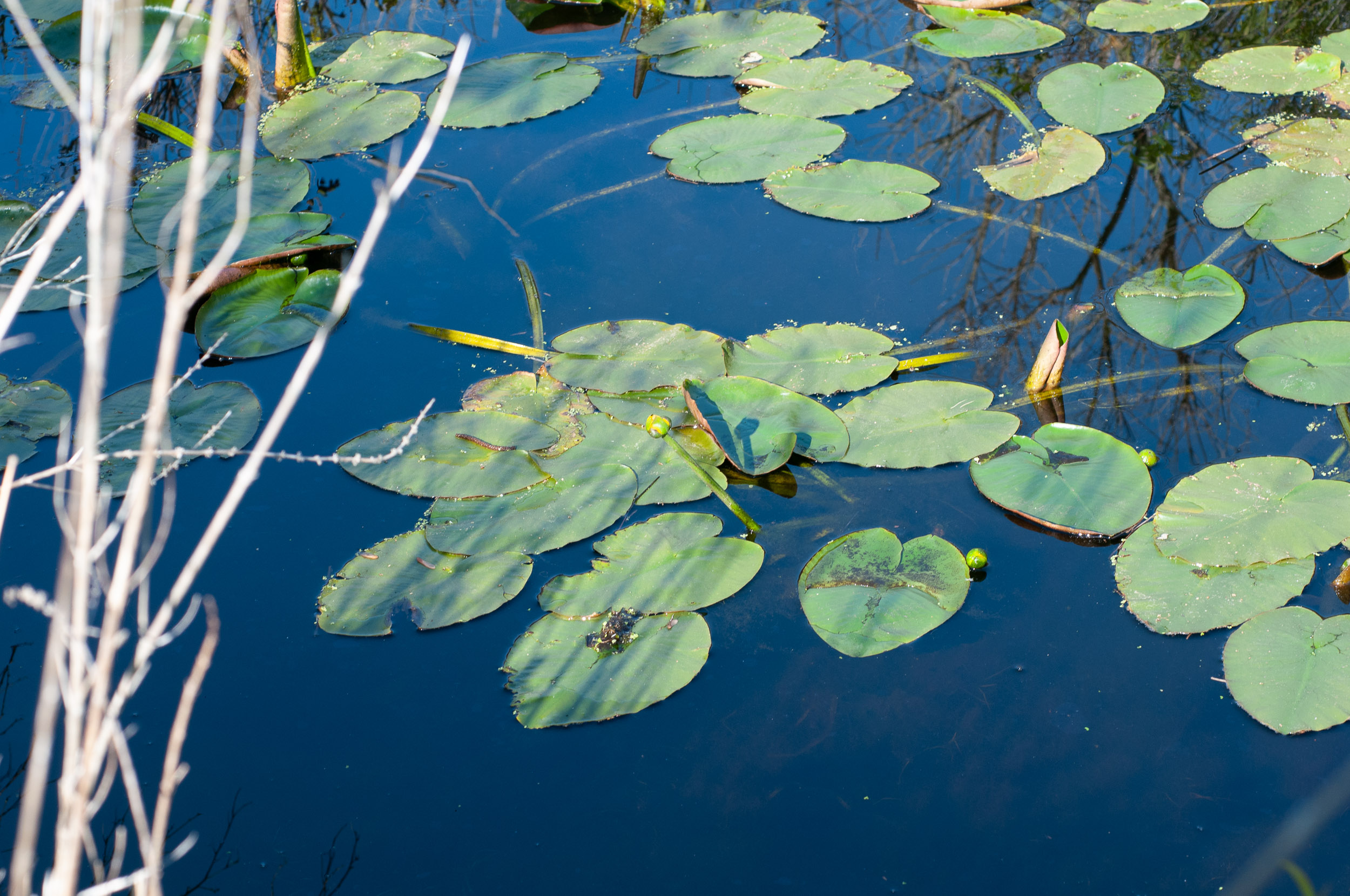
5/13/2010 · Nashua River Rail Trail, Groton Center, Groton, Massachusetts ID is uncertain 

6/25/2015 · Far and Near 
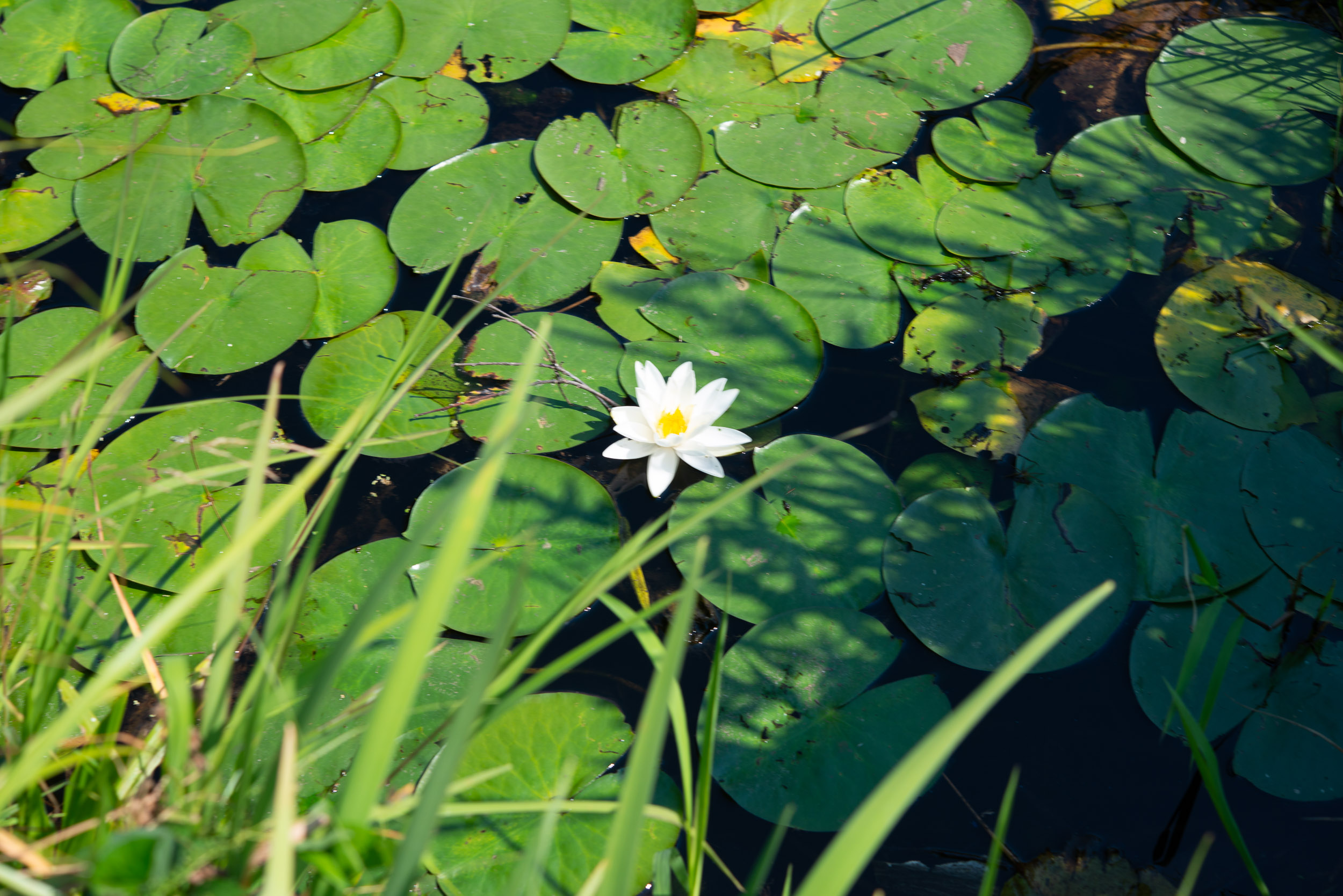
8/21/2013 · Estuary Trail, Shipley Swamp, Westford, Massachusetts 
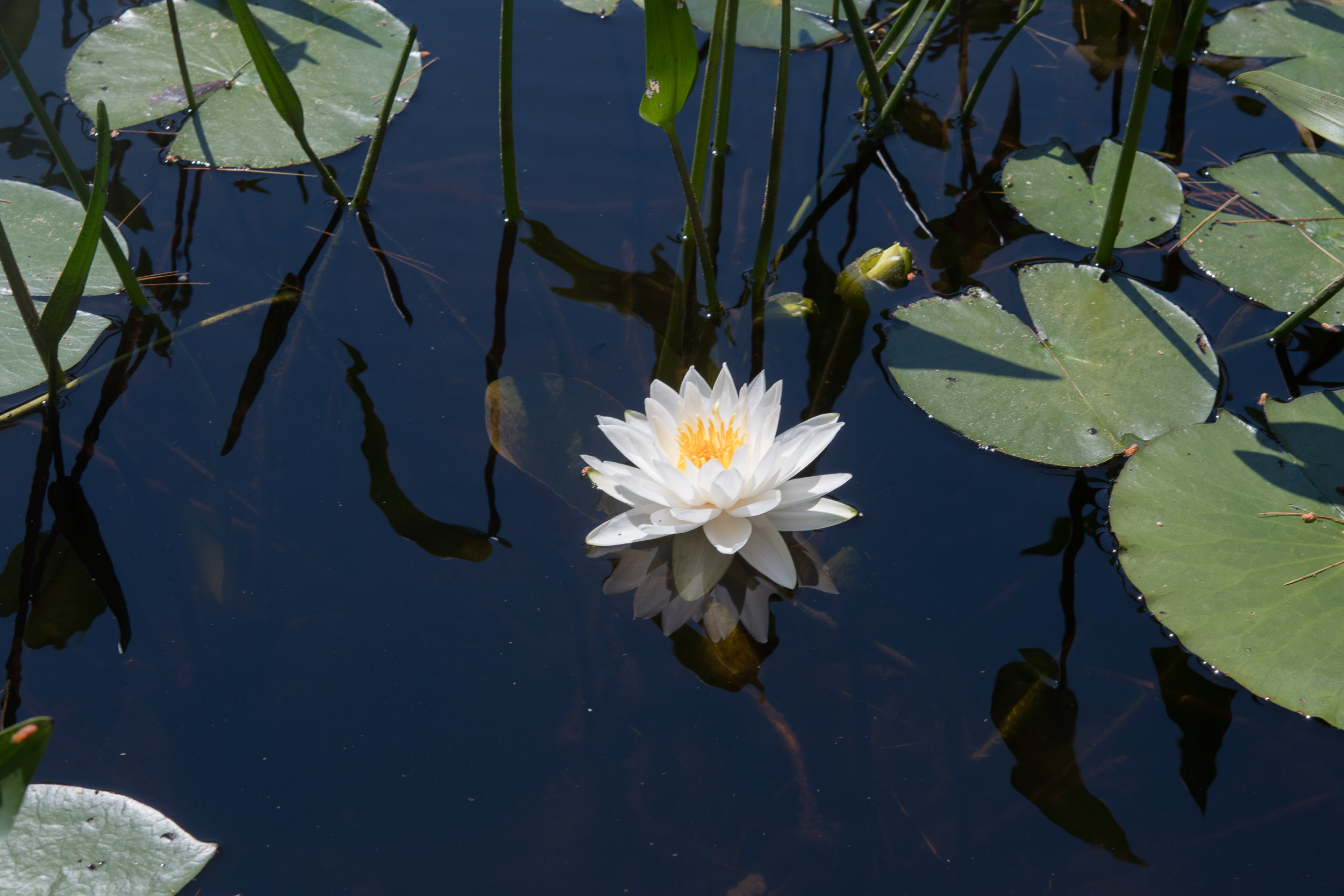
6/20/2016 · Wildlife Pond Trail, Beaver Brook Conservation Area, Hollis, New Hampshire 

[Blue flowers are Pickerelweed (Pontederia cordata)] · 7/18/2010 · Great Brook Farm State Park, Carlisle, Massachusetts ID is uncertain 

7/8/2016 · Dunstable Rural Land Trust, Dunstable, Massachusetts 

8/28/2021 · Center Pond Preserve, Phippsburg, Maine · By Priscilla Seimer 

7/18/2010 · Great Brook Farm State Park, Carlisle, Massachusetts ID is uncertain 

6/20/2016 · Wildlife Pond Trail, Beaver Brook Conservation Area, Hollis, New Hampshire 

6/20/2016 · Wildlife Pond Trail, Beaver Brook Conservation Area, Hollis, New Hampshire 

7/26/2009 · By Jacquelyn Boyt 

9/9/2017 · Habitat Loop Trail, Pine Meadow Conservation Trust Land, Groton Harvard Road, Ayer, Massachusetts 
| Kingdom | Plantae | Plants, but not fungi, lichens, or algae (from Stearn's Botanical Latin) |
| Subkingdom | Tracheobionta | Vascular plants—plants with a “circulatory system” for delivering water and nutrients |
| Division | Magnoliophyta | Flowering plants, also known as angiosperms |
| Class | Magnoliopsida | Dicotyledons—plants with two initial seed leaves |
| Subclass | Magnoliidae | Includes magnolias, nutmeg, bay laurel, cinnamon, avocado, black pepper, and many others |
| Order | Nymphaeales | Water lilies and other aquatic plants |
| Family | Nymphaeaceae | Water lily family |
| Genus | Nymphaea | From the Greek Νυμφαία, possibly related to Νύμφη, meaning “nymph” |
| Species | odorata | Means “scented” |

Nymphaea odorata description by Thomas H. Kent, not updated.

© FloraFinder.org. All rights reserved.