Opuntia galapageia var. brossettii Backeb.
Opuntia galapageia subsp. megasperma (J.T.Howell) Guiggi
Opuntia galapageia subvar. orientalis (J.T.Howell) Backeb.
Opuntia megasperma J.T.Howell
Opuntia megasperma subsp. mesophytica (Lundh) Lodé
Opuntia megasperma var. mesophytica
Opuntia megasperma subsp. orientalis J.T.Howell
Opuntia megasperma var. orientalis (J.T.Howell) D.M.Porter
Opuntia megasperma subsp. typica J.T.Howell
Opuntia galapageia Hensl.
Galápagos prickly pear, tree prickly pear
Galápagos prickly pear cactus is found in the Galápagos Islands, at elevations up to 4921′ (1.5 km). Charles Darwin noticed that cactus finches preferred its fruits and flowers, dispersing its seeds. Doves and mockingbirds also eat the fruit. Tortoises and land animals eat the pads. A wide variety of subspecies, many unique to a single island, are both a great example of how species adapt to even slightly different conditons, and a taxonomic nightmare. Predation by various tortoise species (or lack thereof, on tortoise-free islands) likely contributed to the evolution of different forms on different islands.
Many variants previously listed as separate species or subspecies have more recently been lumped together as subspecies of Opuntia galapageia .
Plants: A shrubby or tree-like cactus. It may remain low and creeping, or become tree-like, with a woody trunk and reddish brown “bark,” reaching 8–16′ (2.5–5 m) in height. The bark is not woody, but rather composed of many layers of a honeycomb-like material, almost like corrugated cardboard. Its habit, joints, spines, and fruits are all highly variable. It may form large, sprawling thickets. Stems are a series of fleshy pads up to 1′ ⨉ 9″ (37 ⨉ 22 cm), covered with evenly spaced clusters of 1 to 28 yellowish-white or brown spines. These spines are soft and flexible instead of rigid.
Leaves: Small leaves, often dropped in the heat, are 1/16–⅛″ (2–6 mm) long.
Flowers: Yellow flowers are up to 3″ (8 cm) long.
Fruits: Fruits are large, green, and fleshy. They are approximately ovoid, but highly variable in shape in size among subspecies, and usually contain multiple seeds.
Habitats: Endemic to the Galápagos Islands, at elevations up to 4921′ (1.5 km).
Here is a list of subspecies, their respective islands, and older synonyms.
- Opuntia galapageia var. galapageia
Pinta, Santiago, Floreana, San Cristóbal, Española - Opuntia galapageia subvar. barringtonensis (E.Y.Dawson) Backeb.
Santa FeThese are among the biggest, with trunks up to 4′ (1.2 m) around, and fruits up to 2½″ (7 cm) long when mature.
Opuntia echios var. barringtonensis - Opuntia galapageia var. gigantea (J.T.Howell) Backeb.
Santa CruzThe largest of the subspecies, they are 9½–39′ (3–12 m) tall.
Opuntia echios var. gigantea (J.T.Howell) D.M.Porter
Opuntia echios subsp. gigantea J.T.Howell - Opuntia galapageia var. helleri (K.Schum. ex B.L.Rob.) Backeb.
Darwin, Genovesa, Marchena, WolfOpuntia helleri K.Schum. - Opuntia galapageia subvar. inermis (E.Y.Dawson) Backeb.
IsabelaFound at Volcán Sierra Negra. It can reach 20′ (6 m), and produces fruits 1½–2″ (4–5.2 cm) long.
Opuntia echios var. inermis E.Y.Dawson - Opuntia galapageia var. insularis (A.Stewart) Backeb.
Fernandina, IsabelaOpuntia insularis A.Stewart - Opuntia galapageia var. macrocarpa E.Y.Dawson
Pinzon - Opuntia galapageia var. myriacantha (F.A.C.Weber) Backeb.
Baltra, Daphne, and some of the smaller islandsOccurs in both treelike and shrubby forms, and may reach 9½′ (3 m) tall. Seeds are 1/16–⅛″ (2–3 mm) long.
Opuntia echios
Opuntia galapageia var. echios
Opuntia myriacantha F.A.C.Weber - Opuntia galapageia var. profusa E.F.Anderson & Walk.
Isabela, Santiago, RábidaThese never exceed the size of a large shrub, 3–6½′ (1–2 m) tall. Resembles a heap of jumbled pads.
- Opuntia galapageia var. saxicola (J.T.Howell) Backeb.
IsabelaOpuntia saxicola J.T.Howell - Opuntia galapageia var. zacana (J.T.Howell) Backeb.
North SeymourThese never exceed the size of a large shrub, 3–6½′ (1–2 m) tall.
Opuntia zacana J.T.Howell
Opuntia echios var. zacana (J.T.Howell) Backeb.
Online References:
References:
McMullen, Conley K., Flowering Plants of the Galápagos, Comstock Publishing Associates, 1999, p. 325-327
Fitter, Julian; Fitter, Daniel; Hosking, David, Wildlife of the Galápagos, Princeton University Press, 2015, p. 172-174
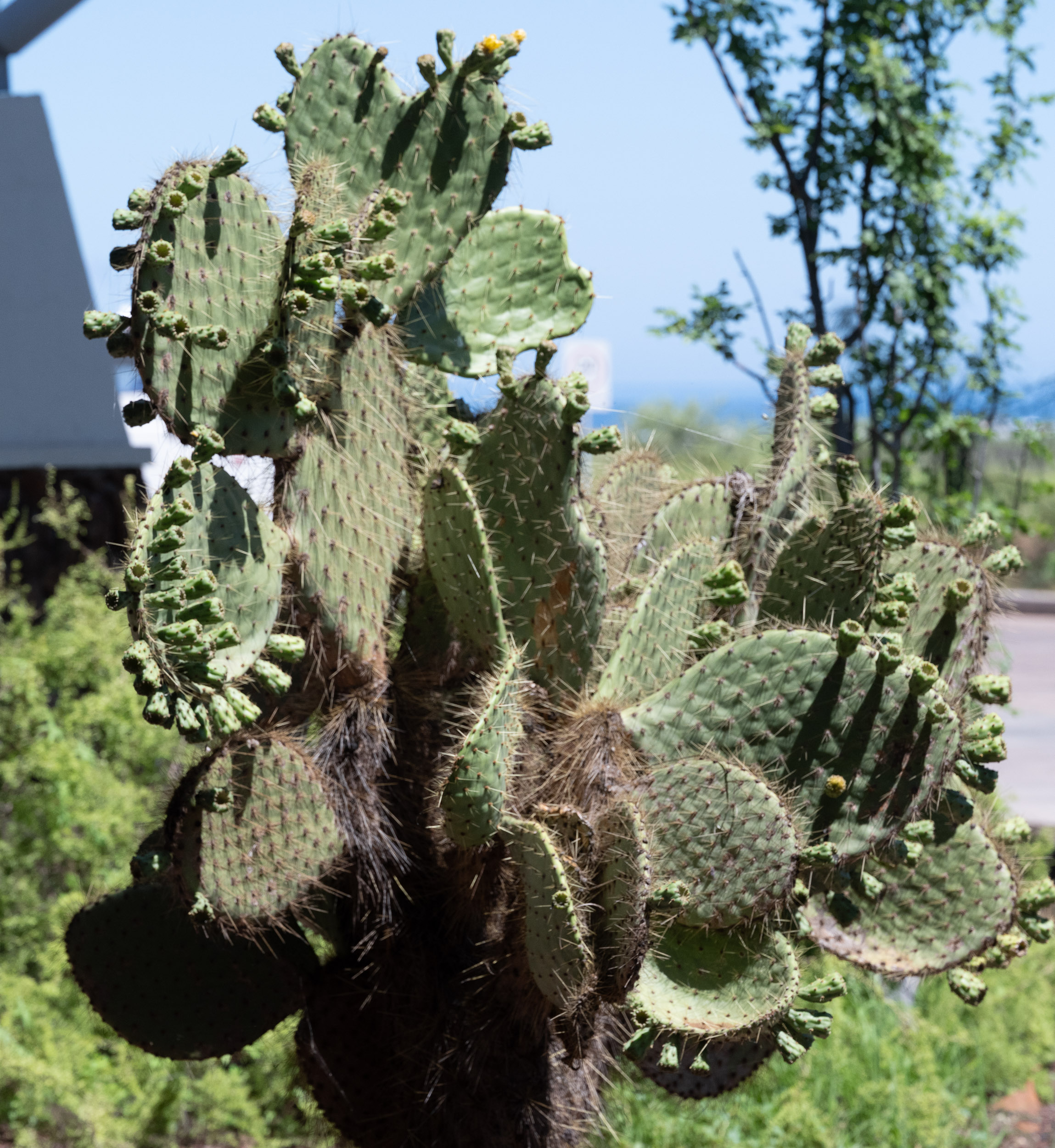
(Opuntia galapageia var. myriacantha) · 3/30/2025 · Galápagos Airport, Baltra, Galápagos Islands, Ecuador 
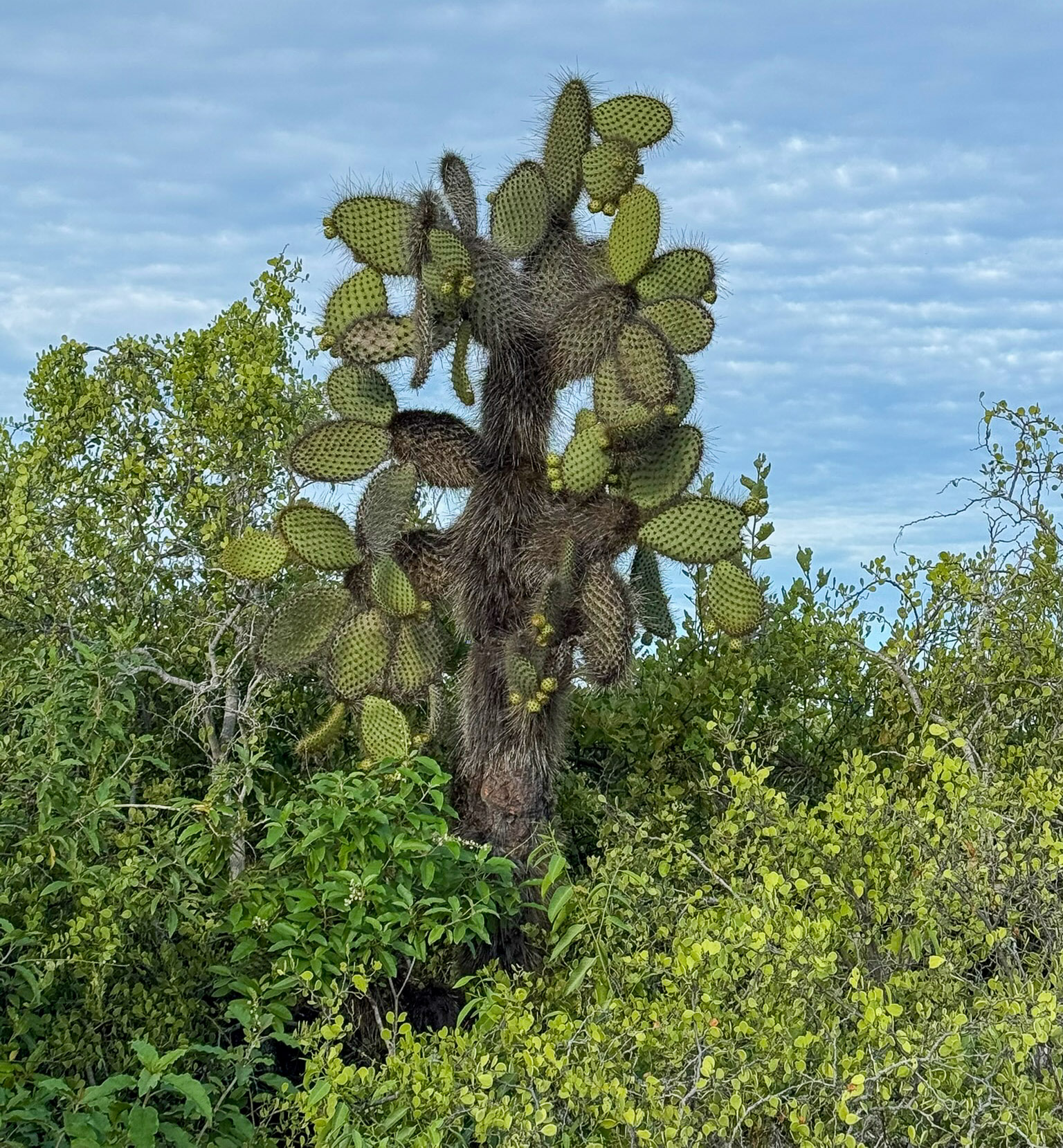
(Opuntia galapageia var. gigantea) · 4/3/2025 · Las Bachas Beach, Santa Cruz, Galápagos Islands, Ecuador · By Kathryn Morgis 
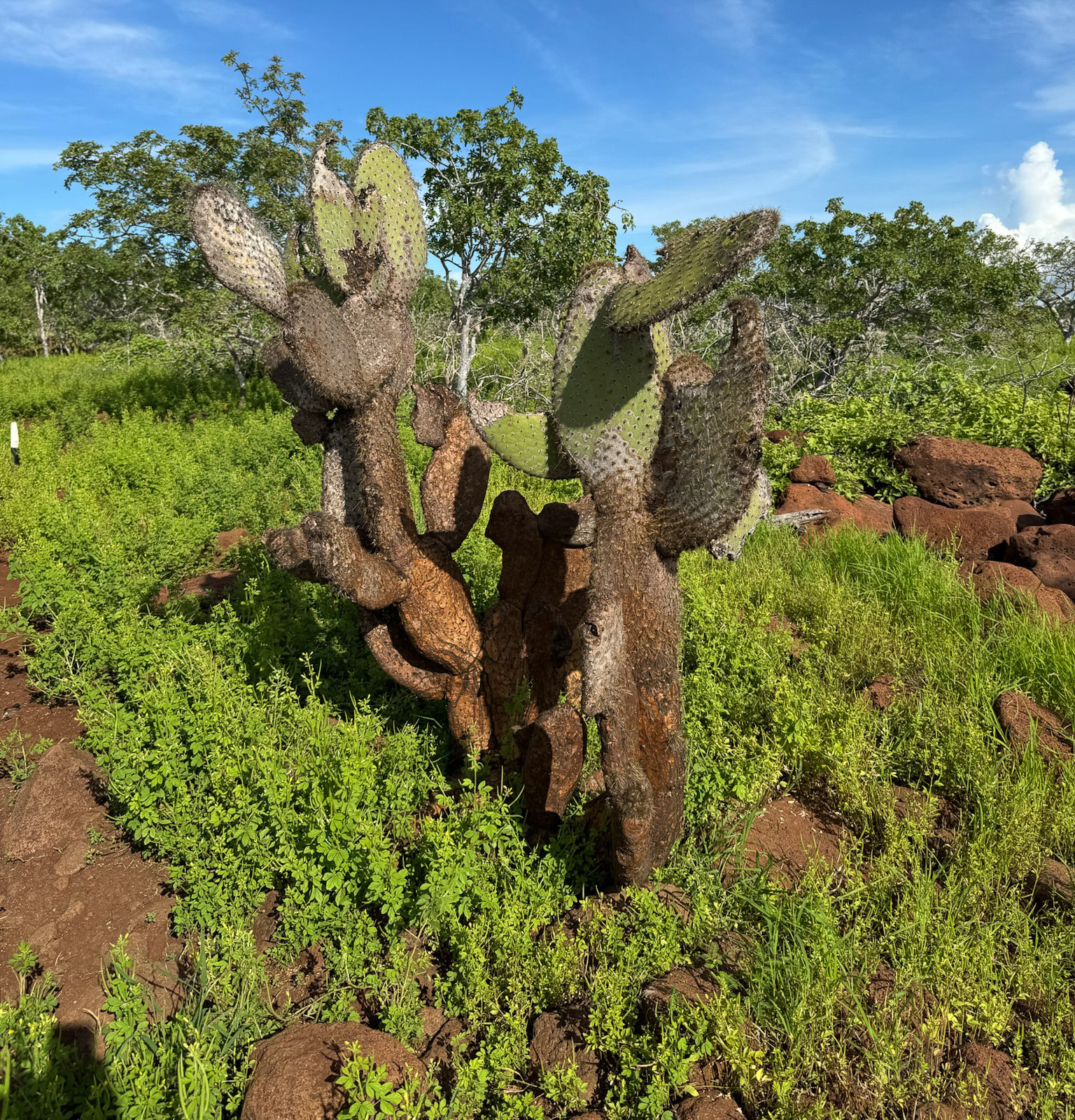
(Opuntia galapageia var. zacana) · 4/3/2025 · North Seymour, Galápagos Islands, Ecuador · By Kathryn Morgis 
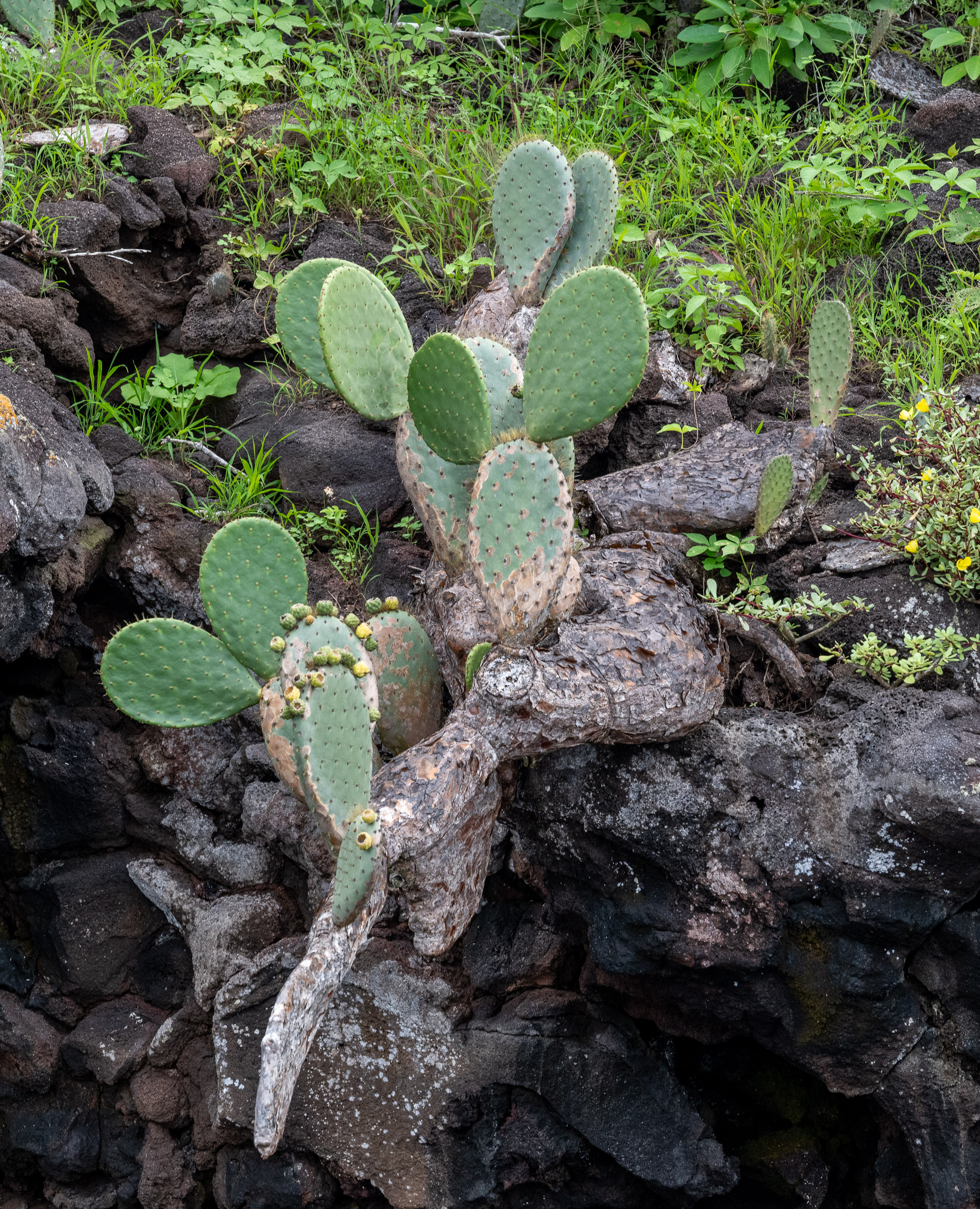
(Opuntia galapageia var. profusa) · 3/31/2025 · Rábida, Galápagos Islands, Ecuador 

(Opuntia galapageia var. profusa) · 3/31/2025 · Rábida, Galápagos Islands, Ecuador · By Kathryn Morgis 
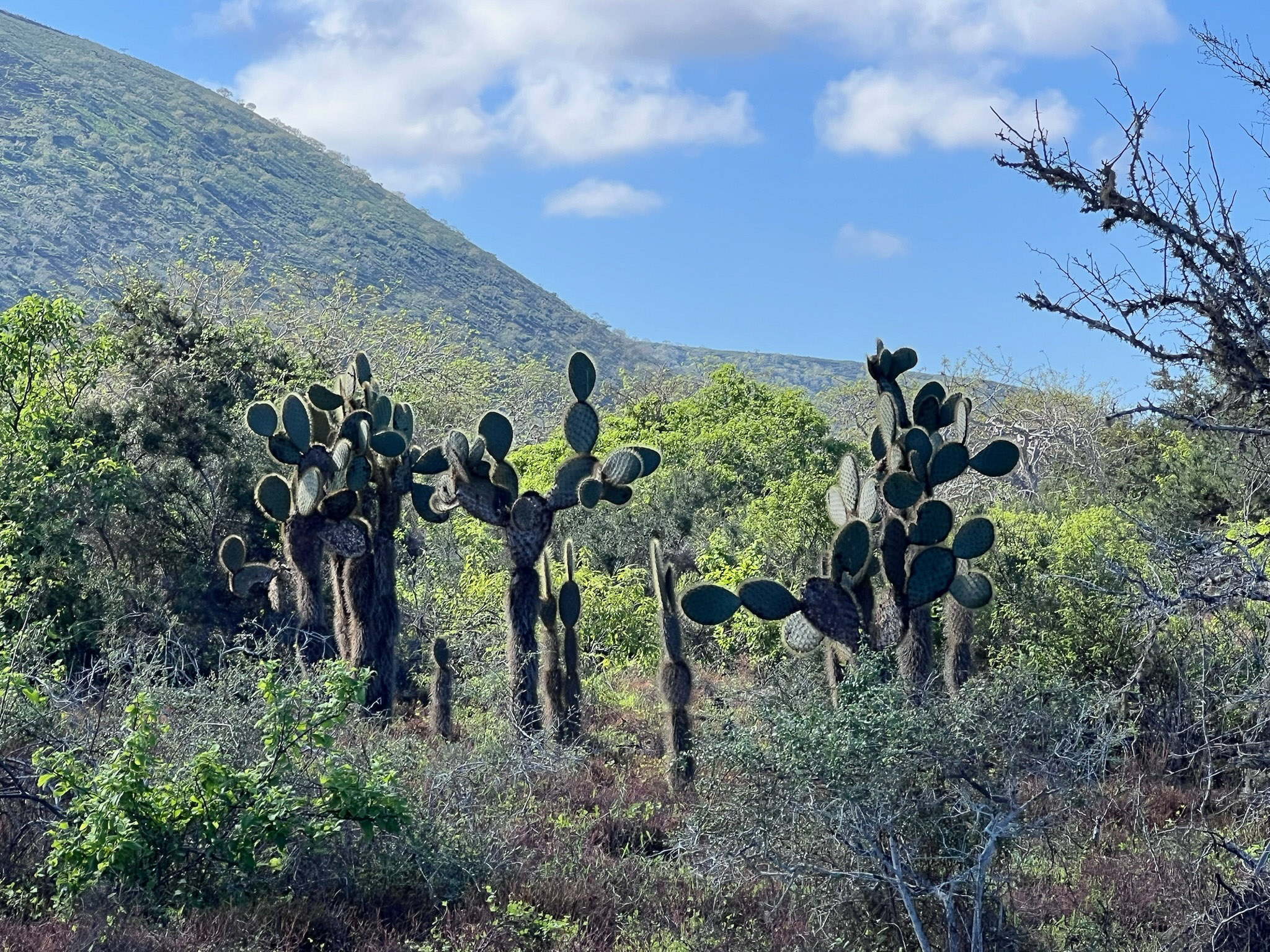
(Opuntia galapageia var. galapageia) · 3/31/2025 · Puerto Egas, Santiago, Galápagos Islands, Ecuador · By Heather Kent 
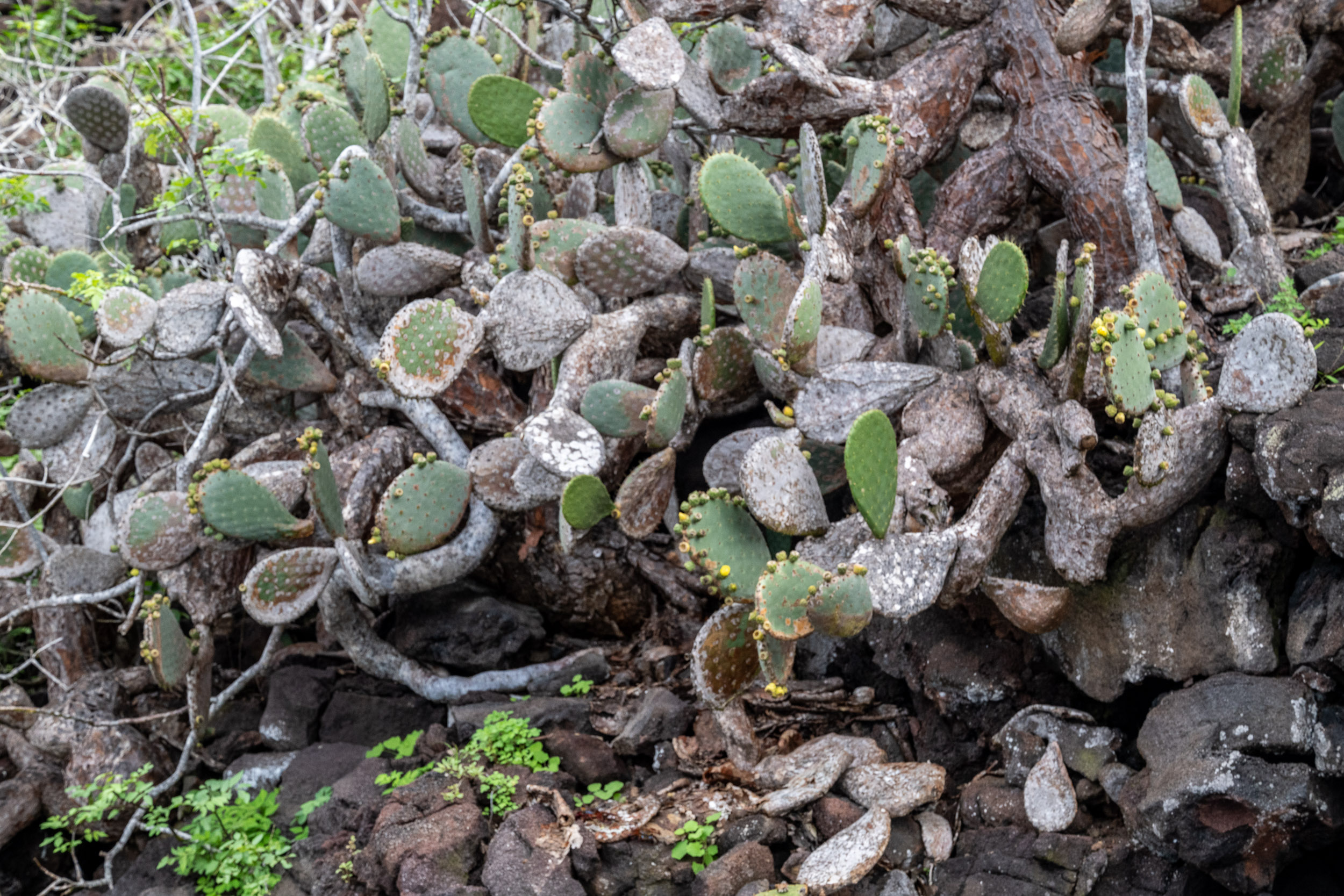
(Opuntia galapageia var. profusa) · 3/31/2025 · Rábida, Galápagos Islands, Ecuador 
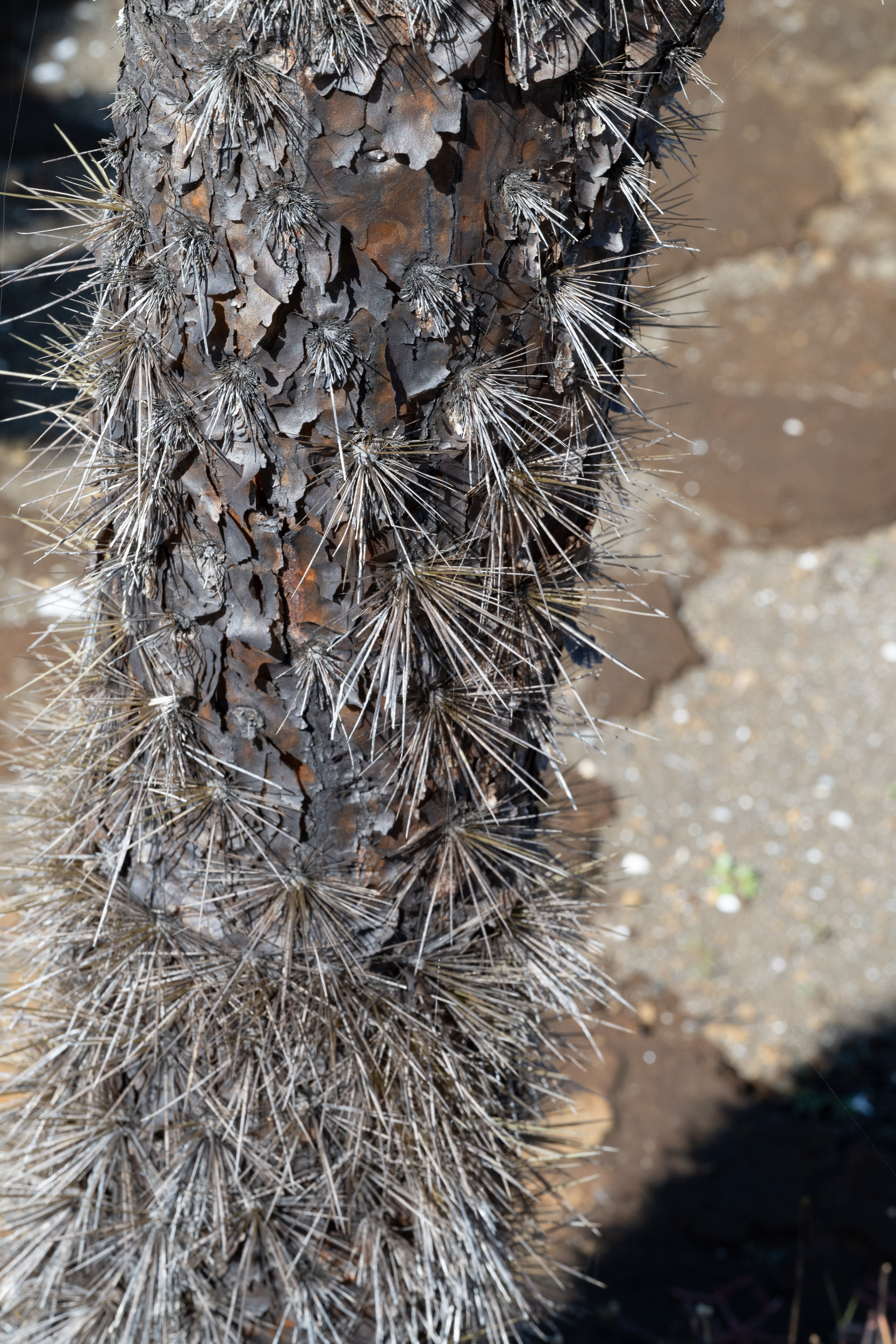
(Opuntia galapageia var. galapageia) · 3/31/2025 · Puerto Egas, Santiago, Galápagos Islands, Ecuador · ≈ 9 × 13″ (22 × 34 cm) 

(Opuntia galapageia var. profusa) · 3/31/2025 · Rábida, Galápagos Islands, Ecuador 
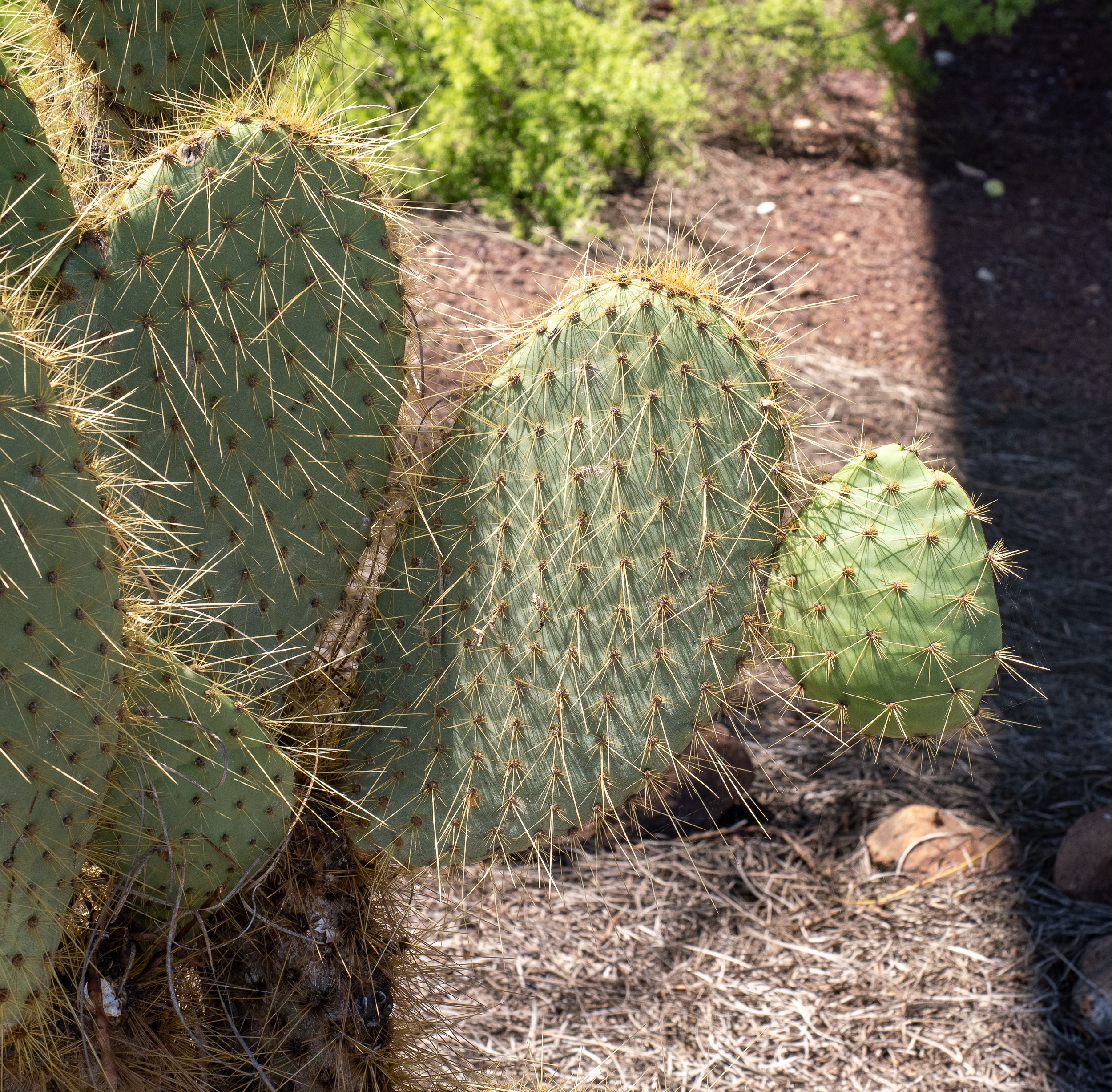
(Opuntia galapageia var. myriacantha) · 3/30/2025 · Galápagos Airport, Baltra, Galápagos Islands, Ecuador 
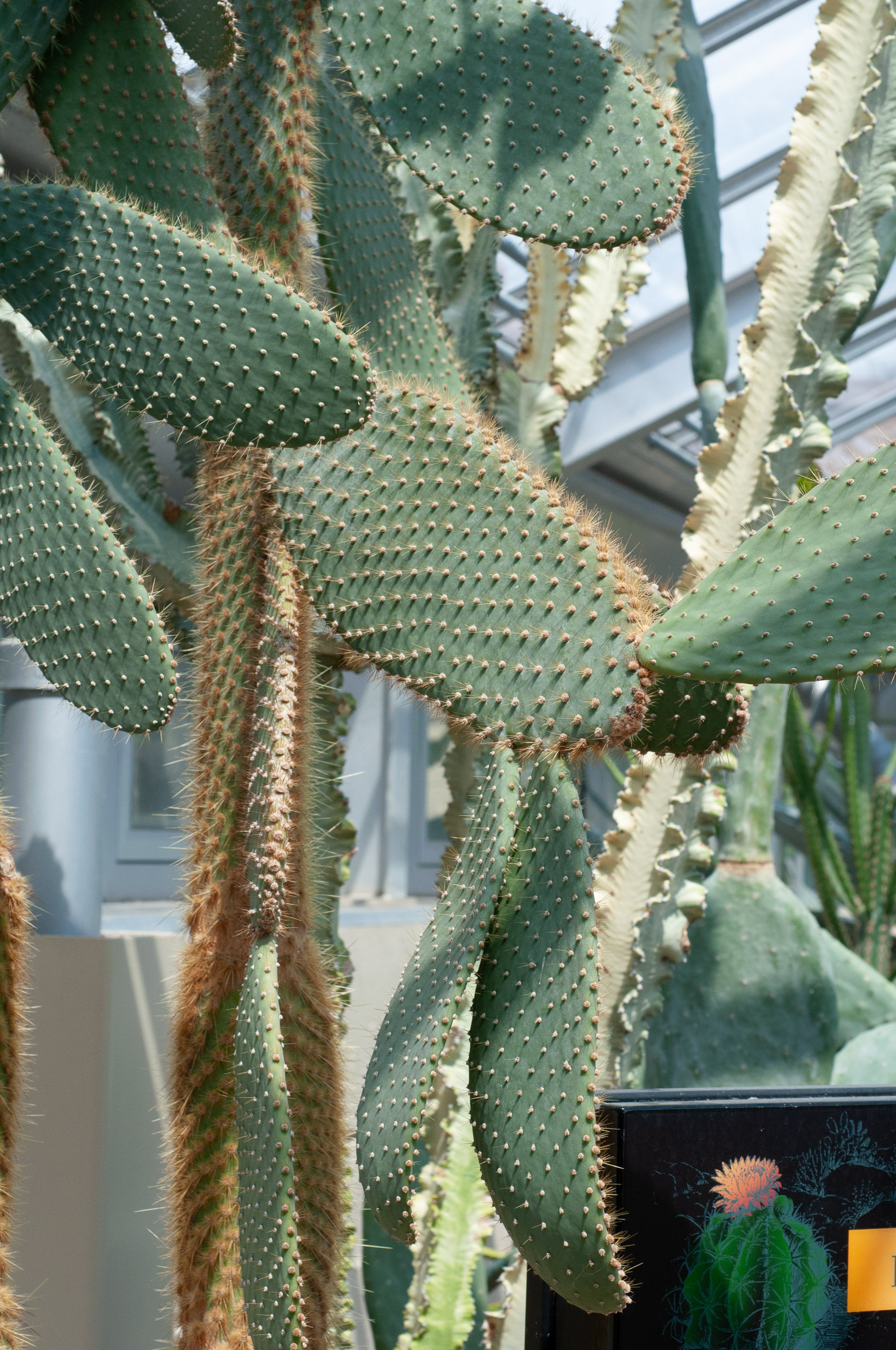
Subspecies unknown. · 4/6/2011 · Howard Peters Rawlings Conservatory & Botanic Gardens, Druid Hill Park, Baltimore, Maryland 

(Opuntia galapageia var. profusa) · 3/31/2025 · Rábida, Galápagos Islands, Ecuador · By Kathryn Morgis 
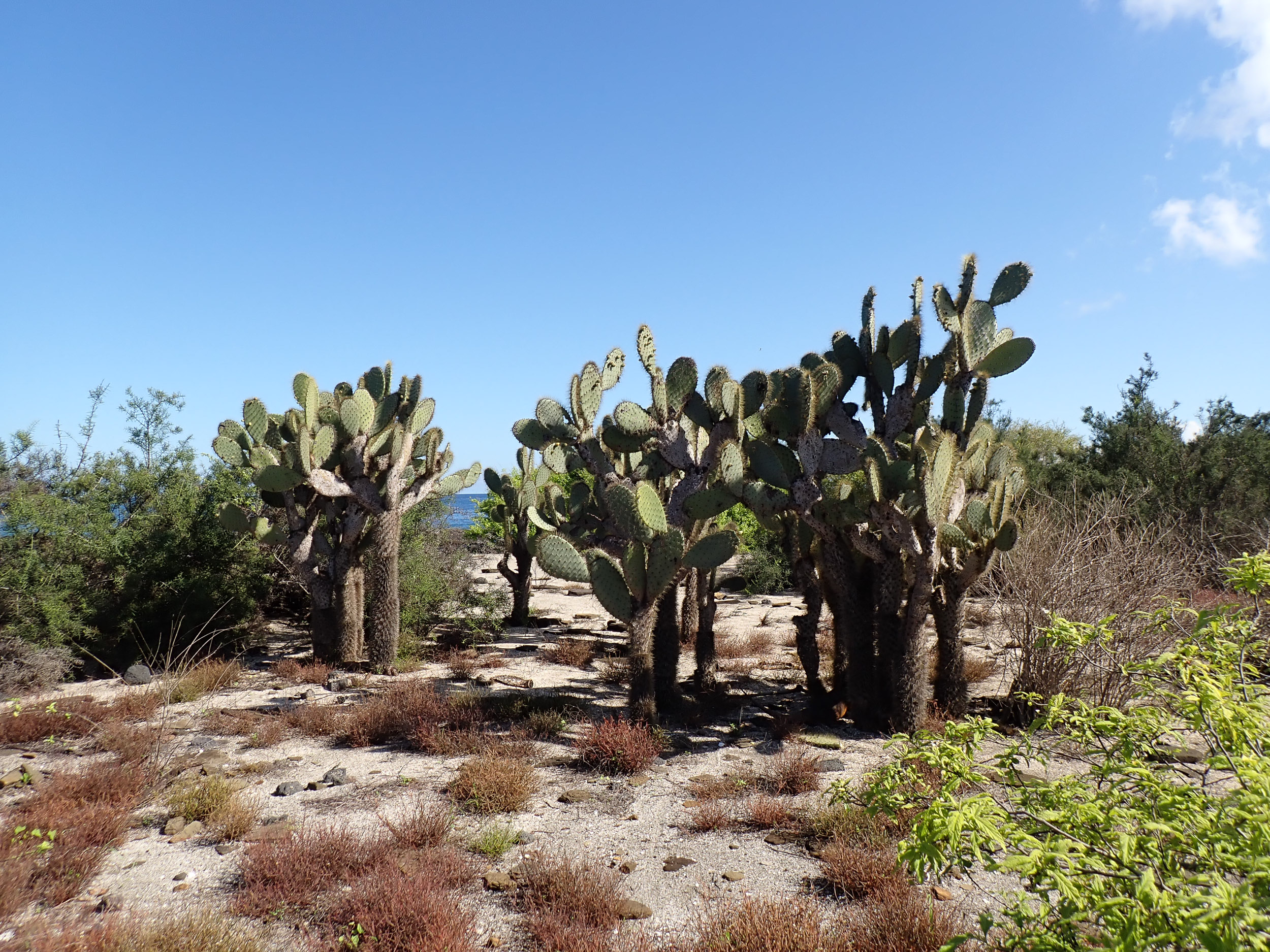
(Opuntia galapageia var. galapageia) · 3/31/2025 · Puerto Egas, Santiago, Galápagos Islands, Ecuador · By Heather Kent and Kathryn Morgis 
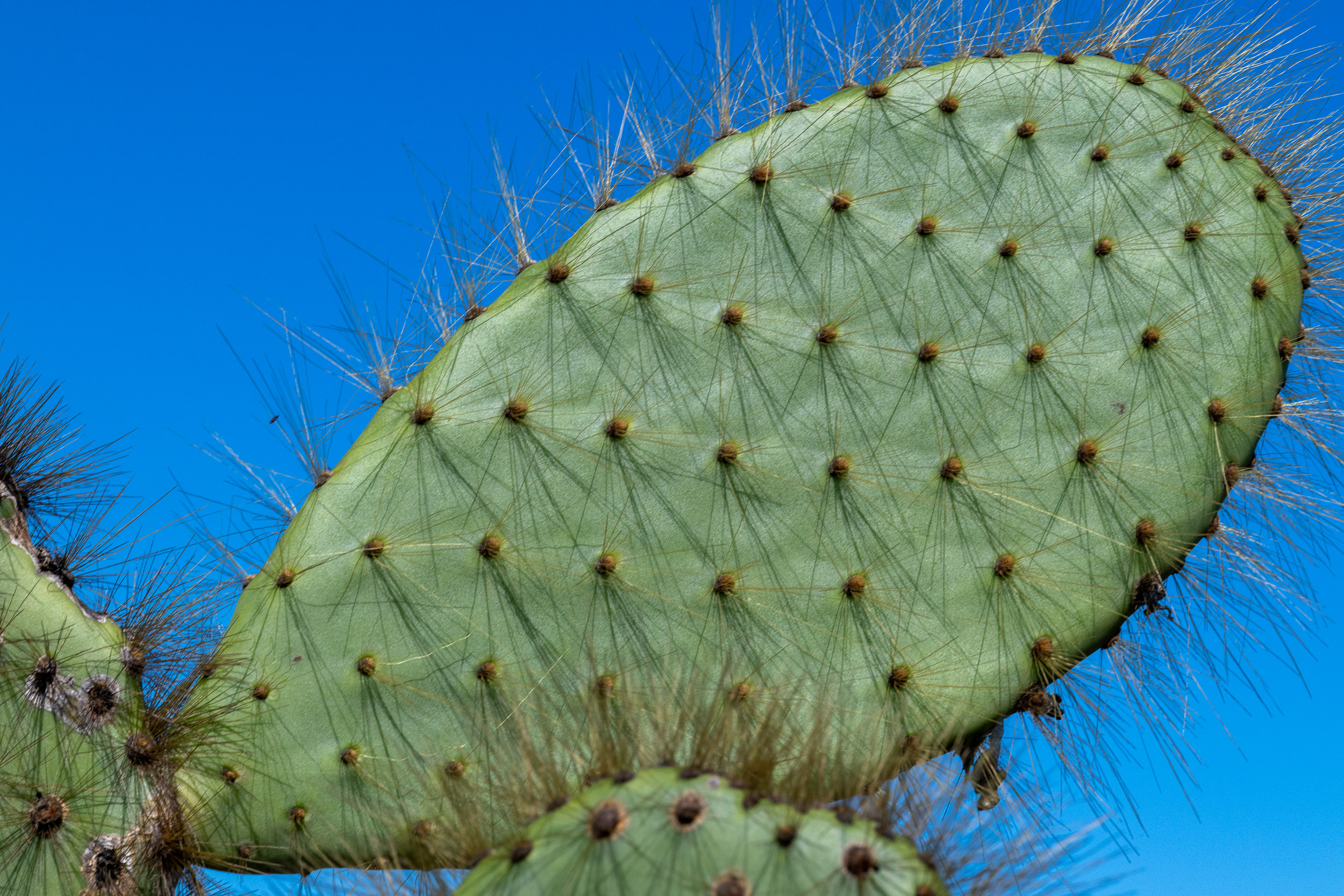
(Opuntia galapageia var. galapageia) · 3/31/2025 · Puerto Egas, Santiago, Galápagos Islands, Ecuador · ≈ 16 × 11″ (40 × 27 cm) 
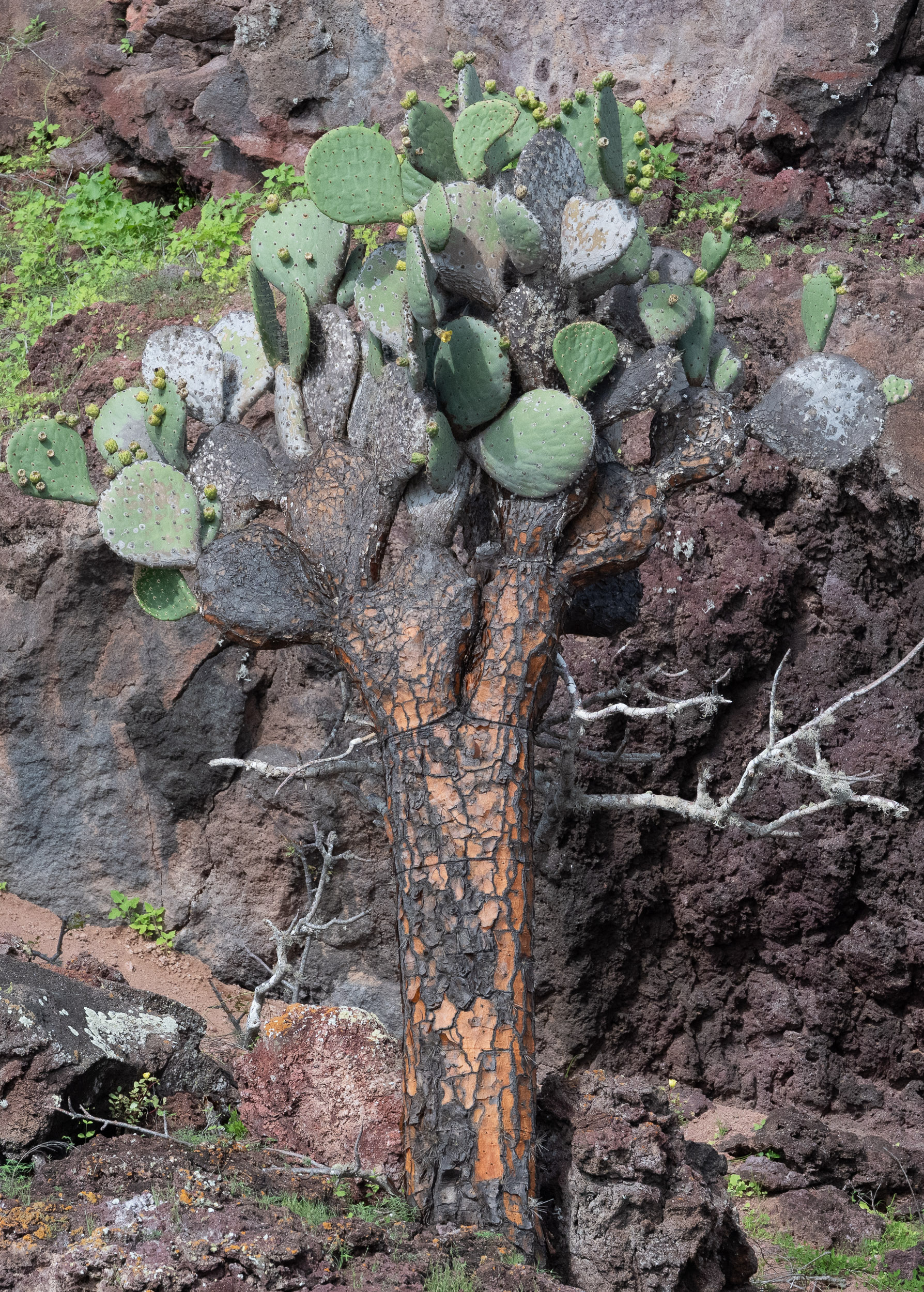
(Opuntia galapageia var. profusa) · 3/31/2025 · Rábida, Galápagos Islands, Ecuador 
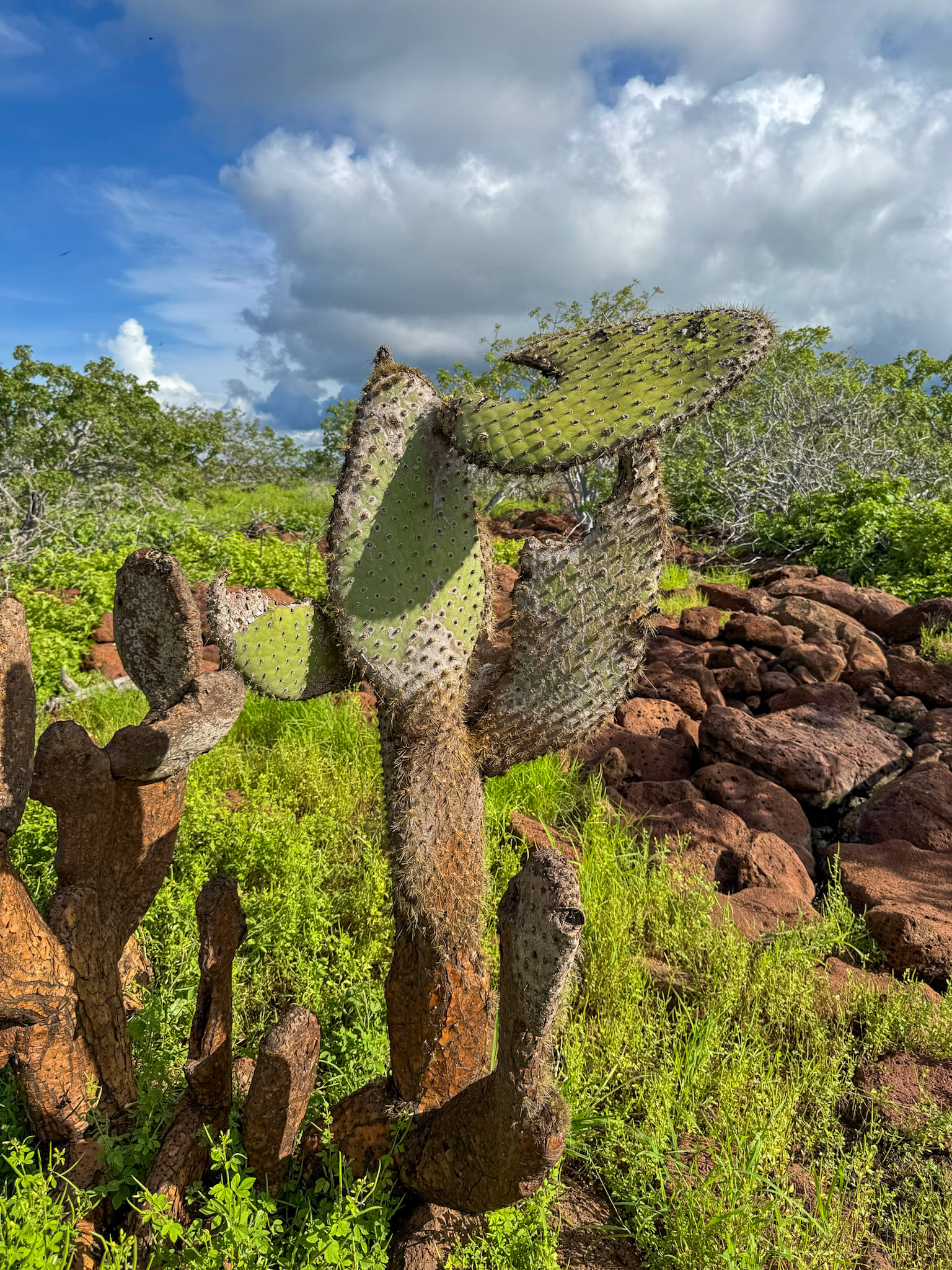
(Opuntia galapageia var. zacana) · 4/3/2025 · North Seymour, Galápagos Islands, Ecuador · By Kathryn Morgis 
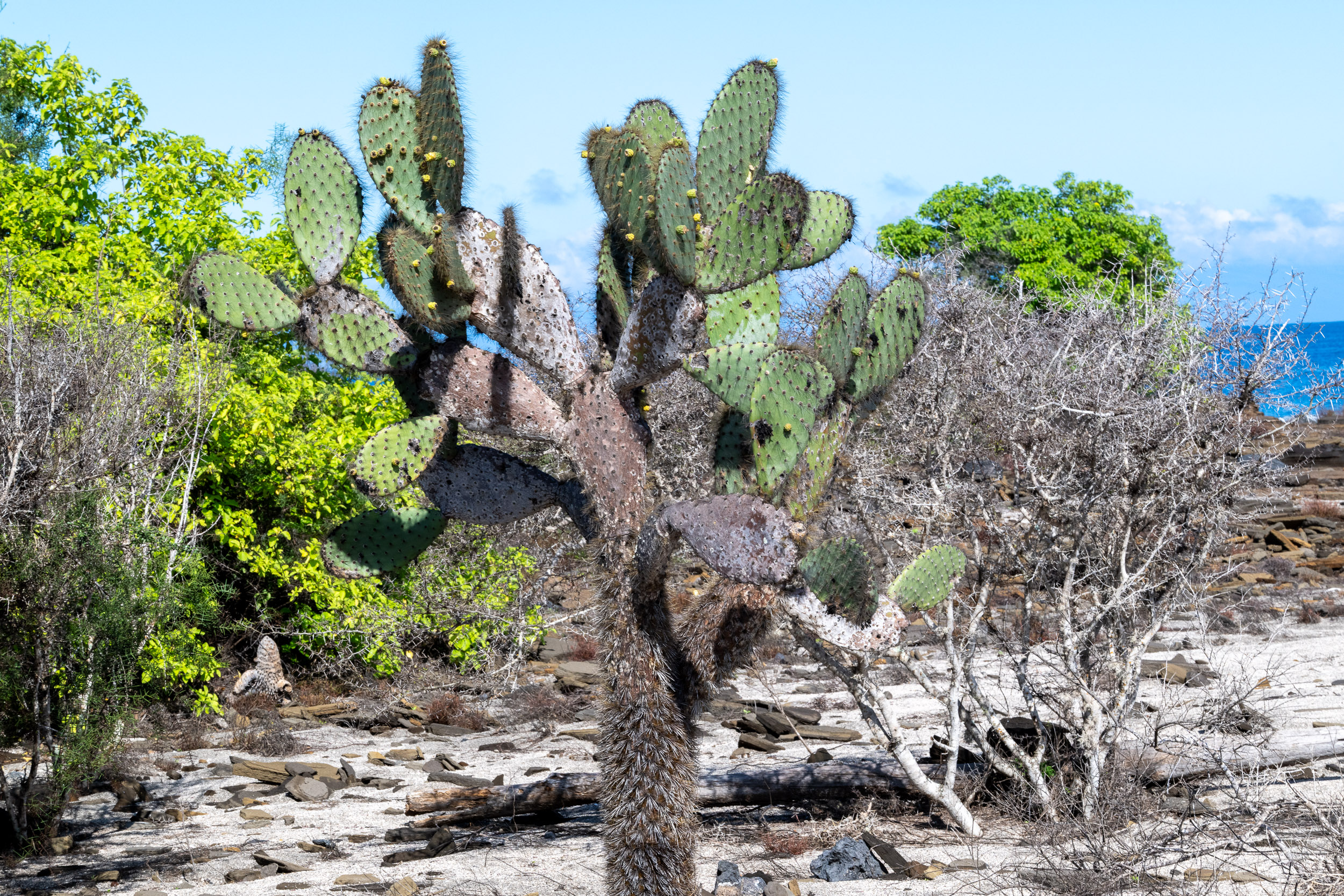
(Opuntia galapageia var. galapageia) · 3/31/2025 · Puerto Egas, Santiago, Galápagos Islands, Ecuador 

(Opuntia galapageia var. galapageia) · 3/31/2025 · Puerto Egas, Santiago, Galápagos Islands, Ecuador · By Heather Kent 

(Opuntia galapageia var. myriacantha) · 3/30/2025 · Galápagos Airport, Baltra, Galápagos Islands, Ecuador · ≈ 16 × 11″ (40 × 27 cm) 
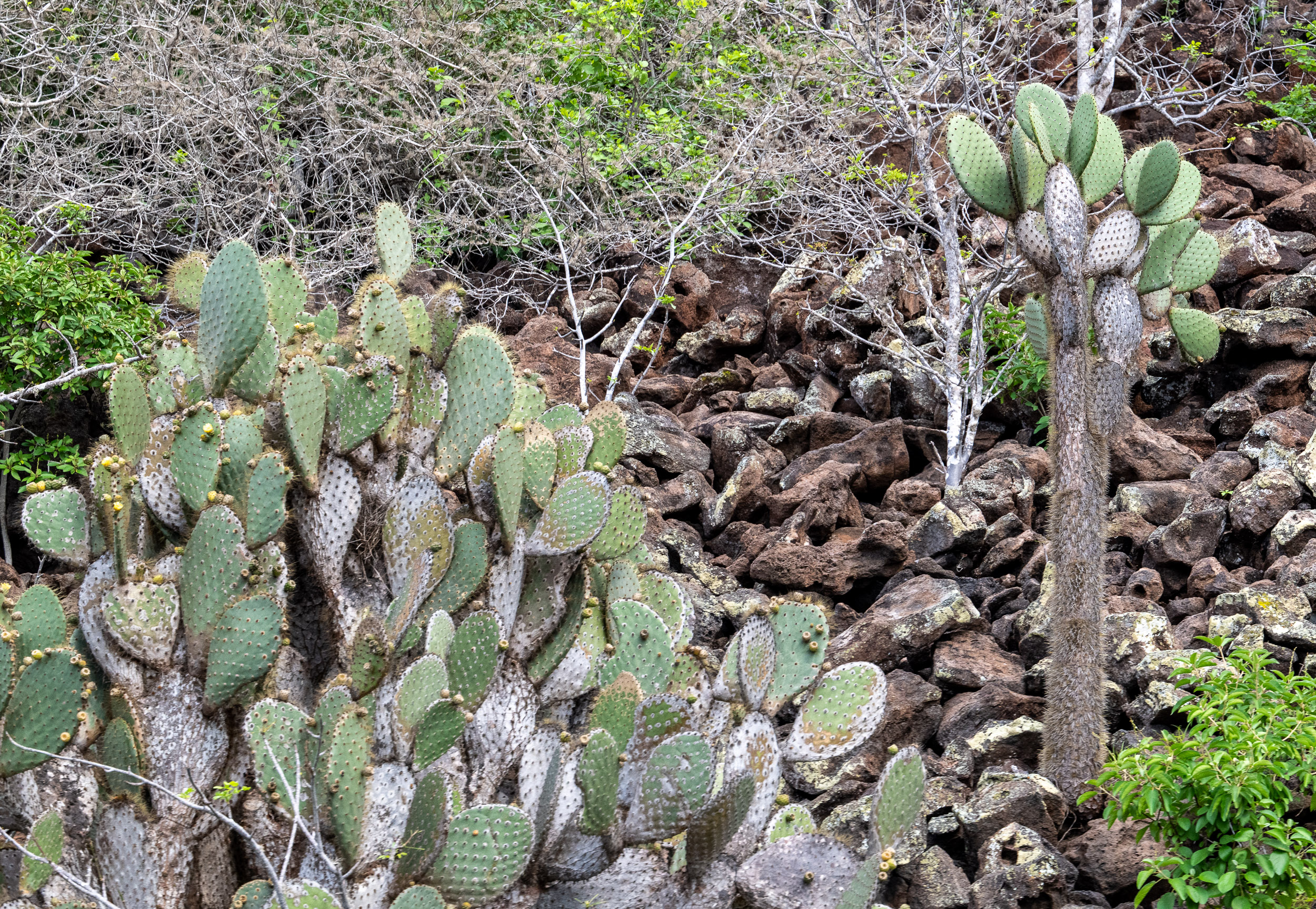
(Opuntia galapageia var. profusa) · 3/31/2025 · Rábida, Galápagos Islands, Ecuador 
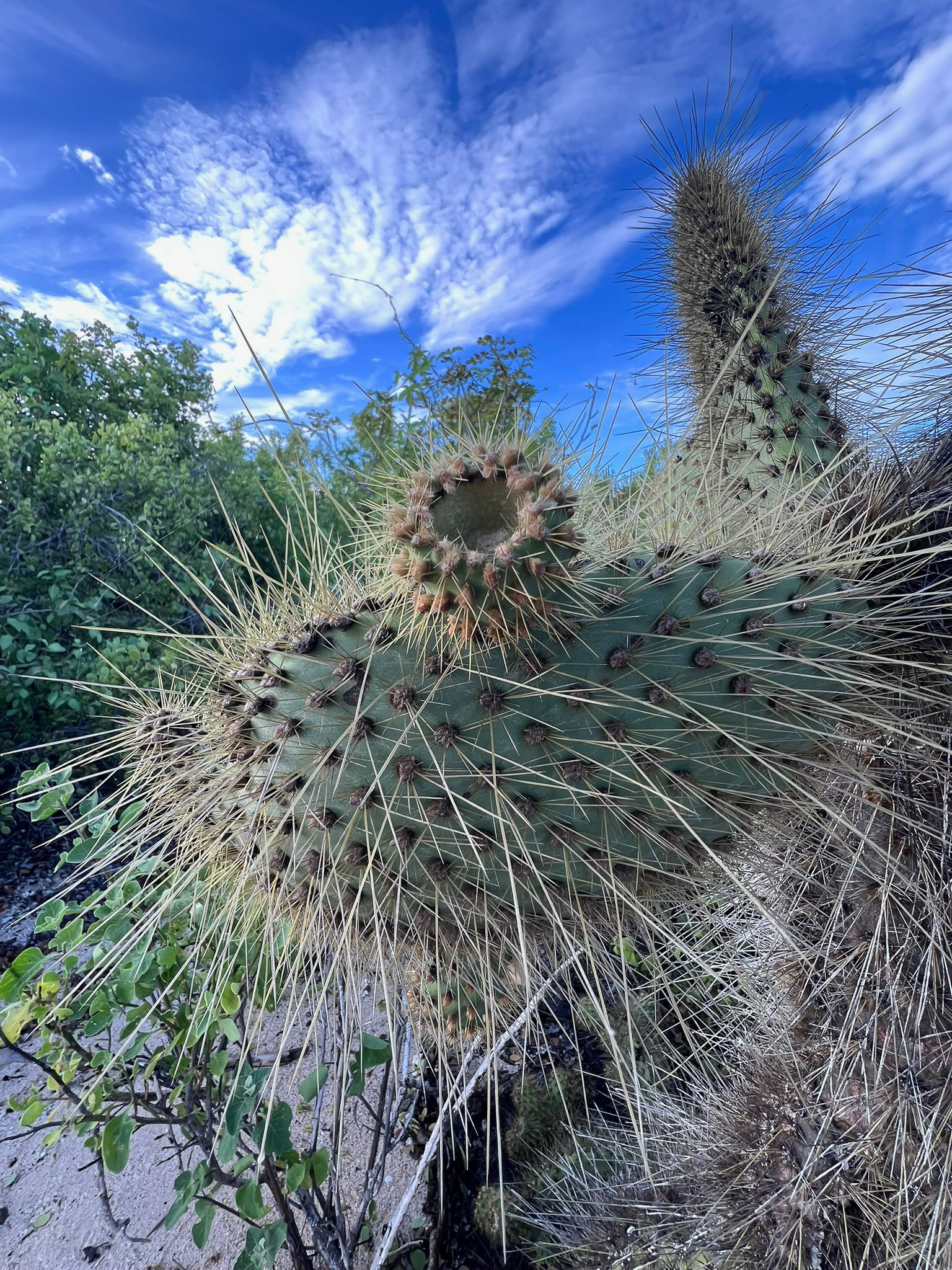
(Opuntia galapageia var. gigantea) · 4/3/2025 · Las Bachas Beach, Santa Cruz, Galápagos Islands, Ecuador · By Heather Kent 

(Opuntia galapageia var. myriacantha) · 3/30/2025 · Galápagos Airport, Baltra, Galápagos Islands, Ecuador 
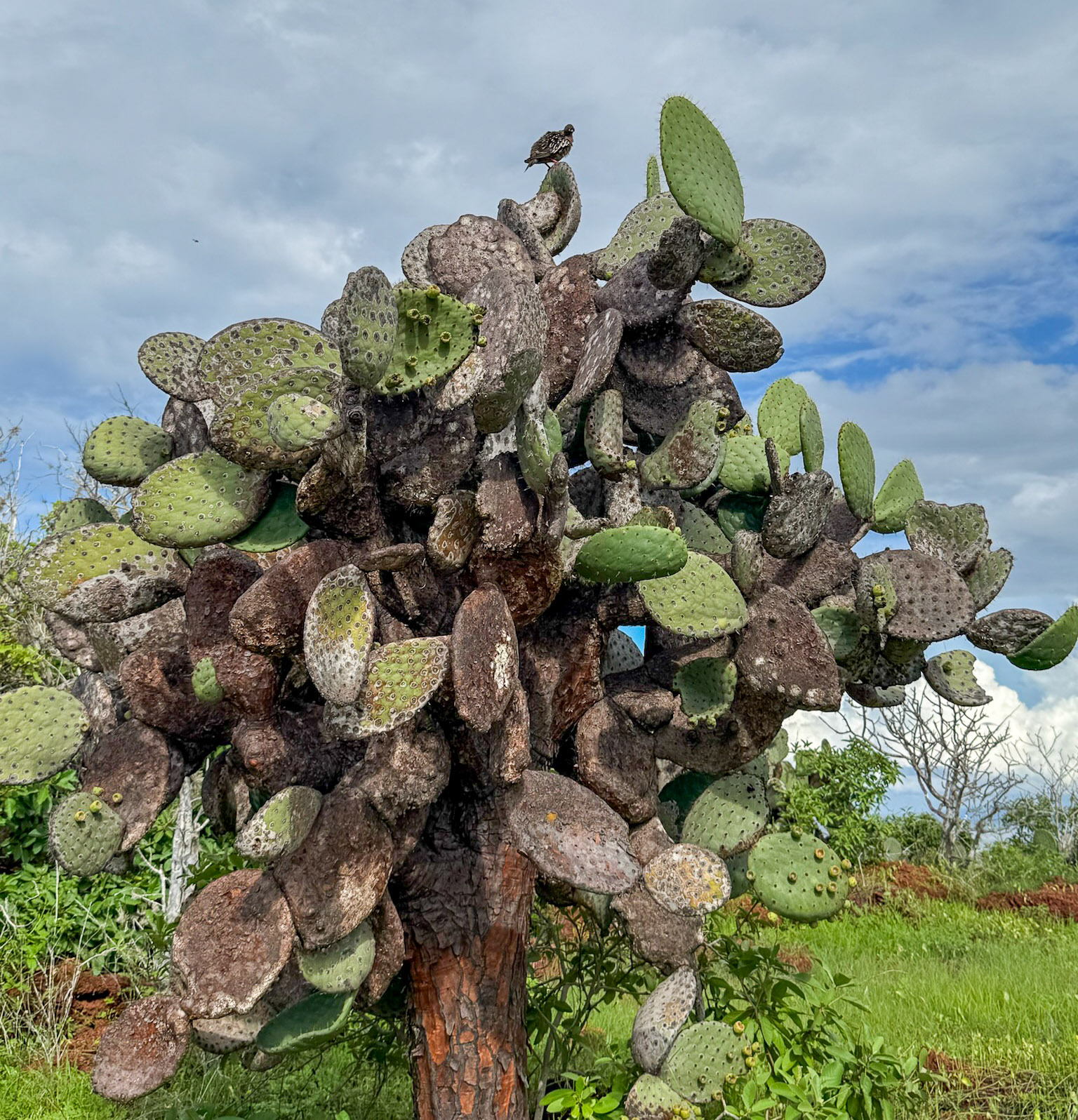
(Opuntia galapageia var. profusa) · 3/31/2025 · Rábida, Galápagos Islands, Ecuador · By Kathryn Morgis 

(Opuntia galapageia var. galapageia) · 4/4/2025 · Puerto Baquerizo Moreno, San Cristóbal, Galápagos Islands, Ecuador · By Kathryn Morgis 
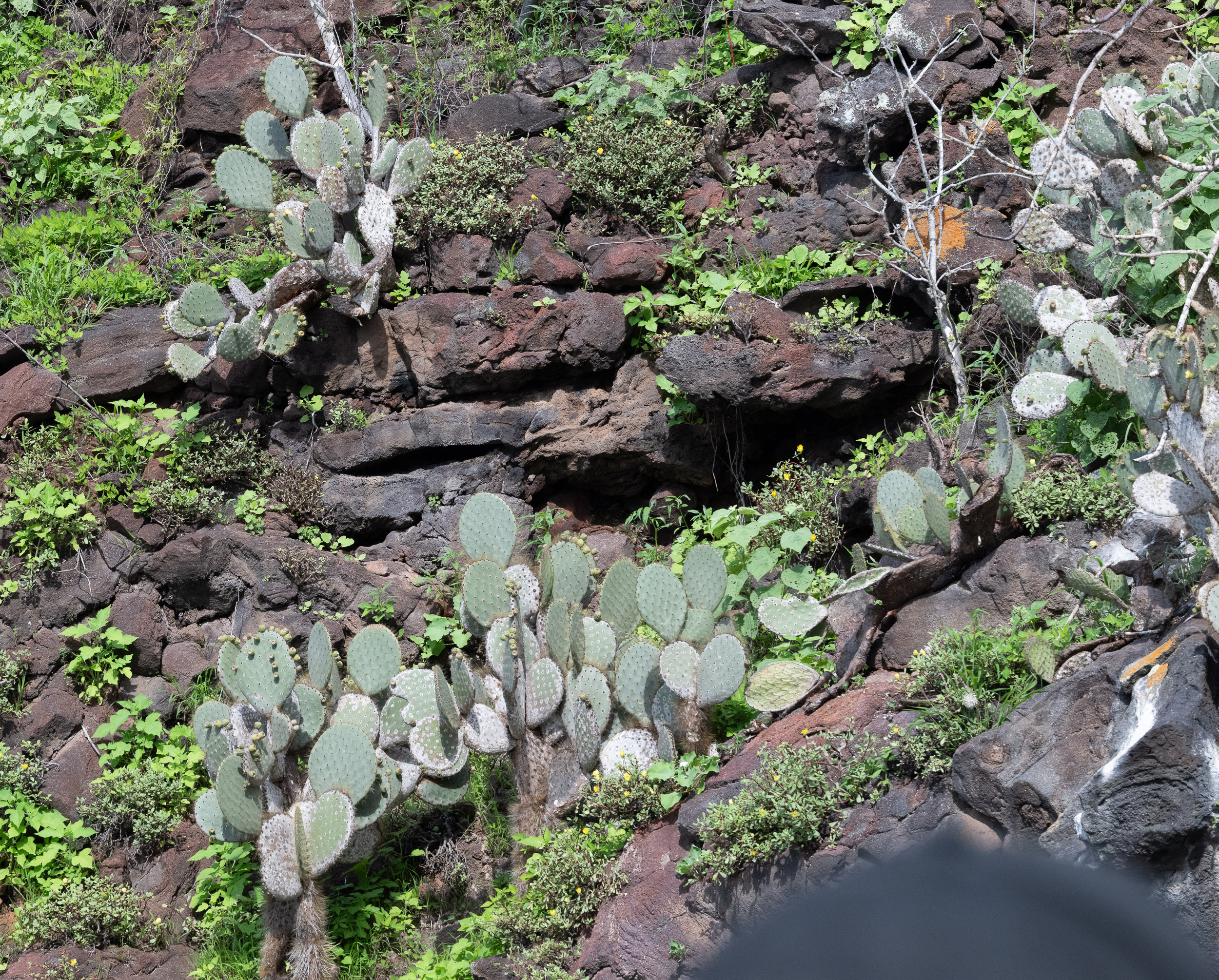
(Opuntia galapageia var. profusa) · 3/31/2025 · Rábida, Galápagos Islands, Ecuador 
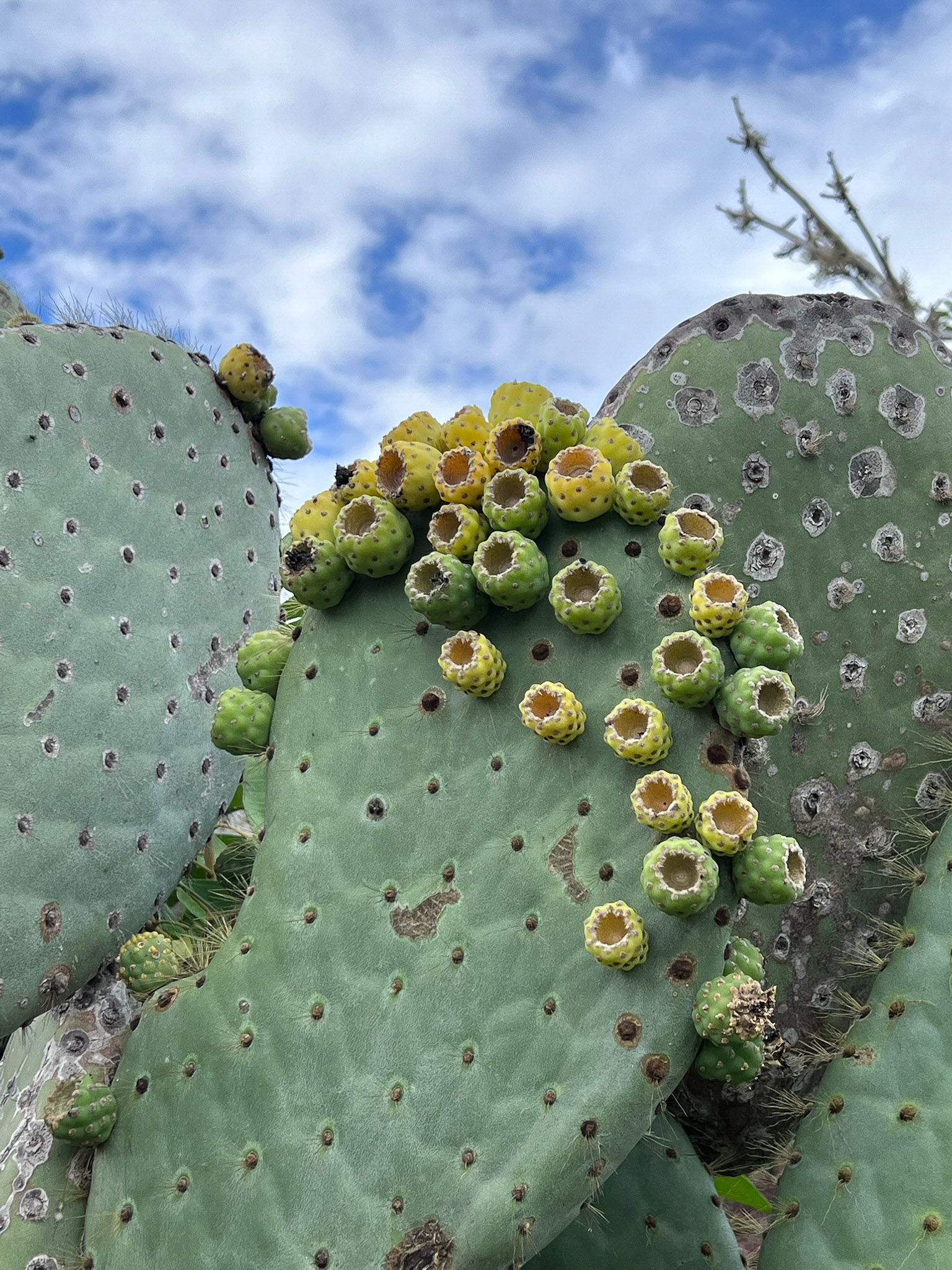
(Opuntia galapageia var. profusa) · 3/31/2025 · Rábida, Galápagos Islands, Ecuador · By Heather Kent 

(Opuntia galapageia var. myriacantha) · 3/30/2025 · Galápagos Airport, Baltra, Galápagos Islands, Ecuador 

(Opuntia galapageia var. profusa) · 3/31/2025 · Rábida, Galápagos Islands, Ecuador 

(Opuntia galapageia var. profusa) · 3/31/2025 · Rábida, Galápagos Islands, Ecuador 
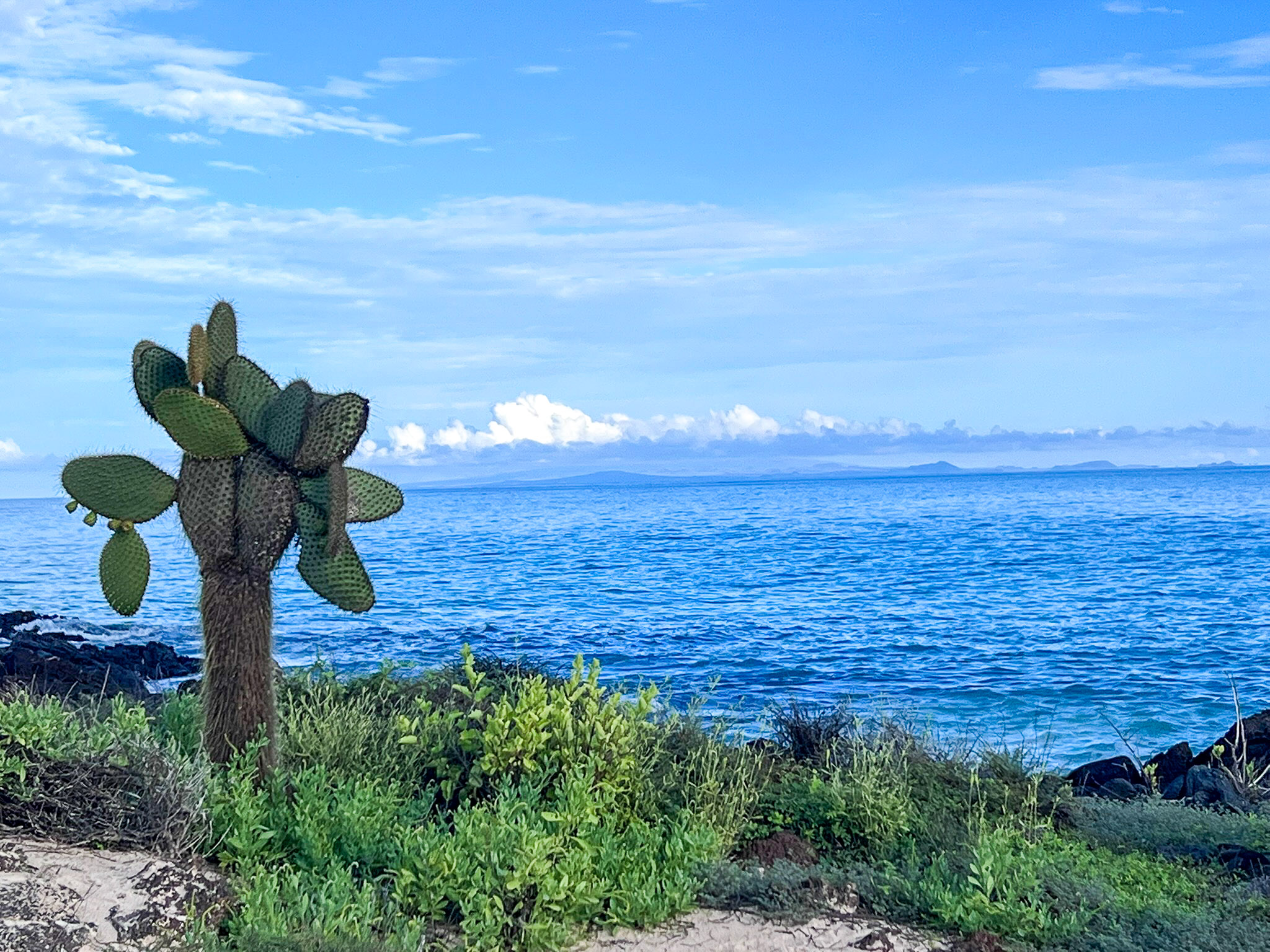
(Opuntia galapageia var. gigantea) · 4/3/2025 · Las Bachas Beach, Santa Cruz, Galápagos Islands, Ecuador · By Heather Kent 
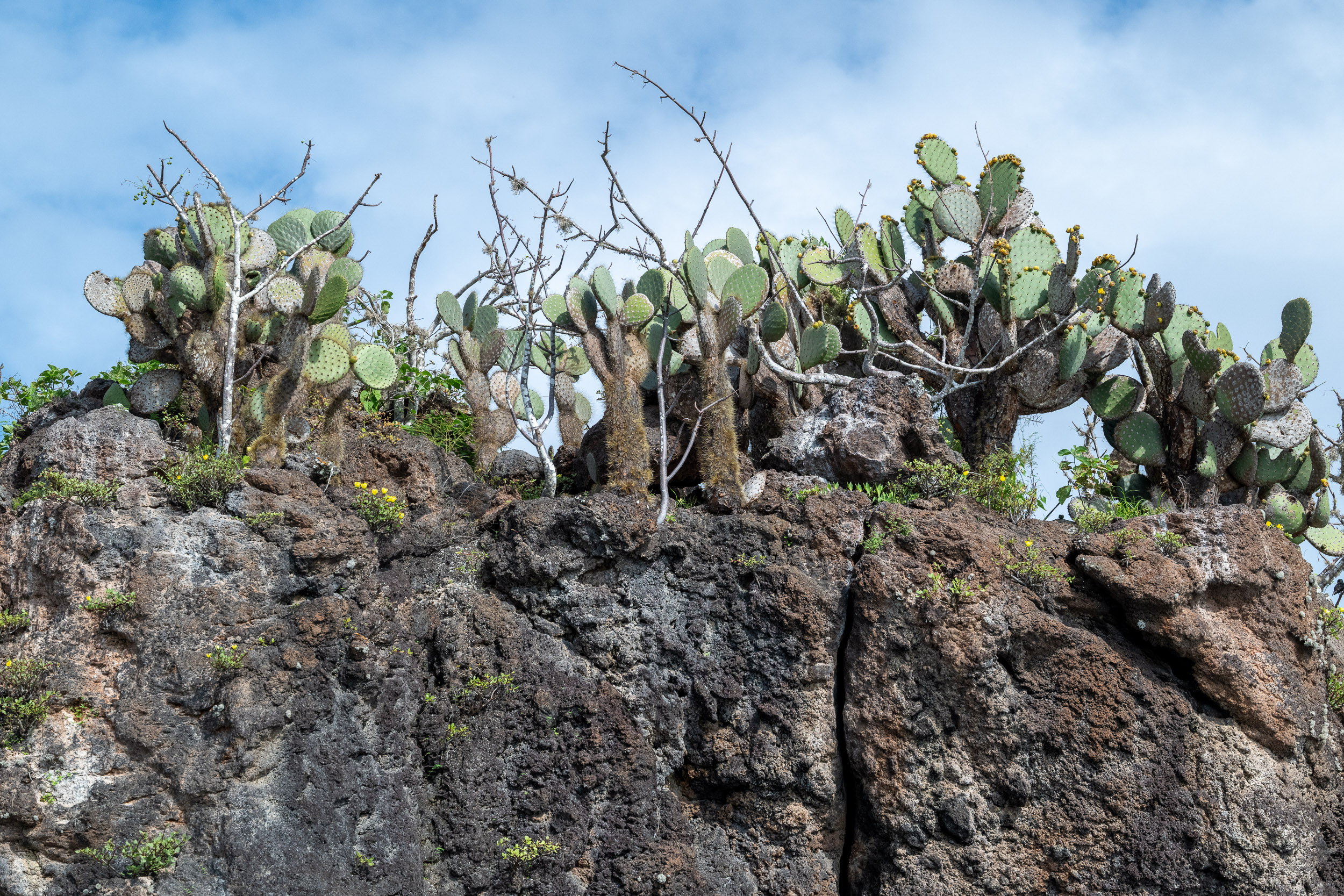
(Opuntia galapageia var. profusa) · 3/31/2025 · Rábida, Galápagos Islands, Ecuador 
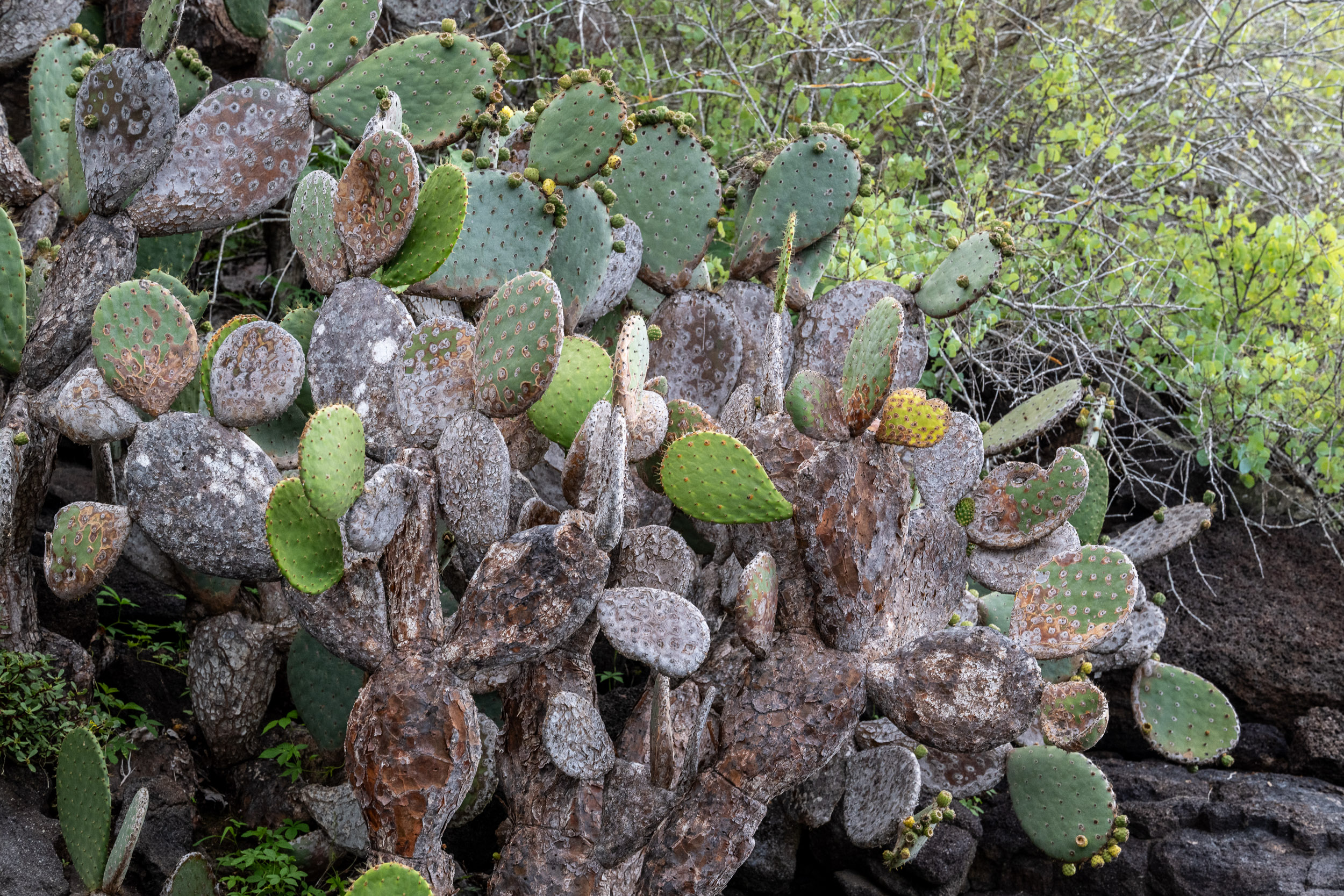
(Opuntia galapageia var. profusa) · 3/31/2025 · Rábida, Galápagos Islands, Ecuador 
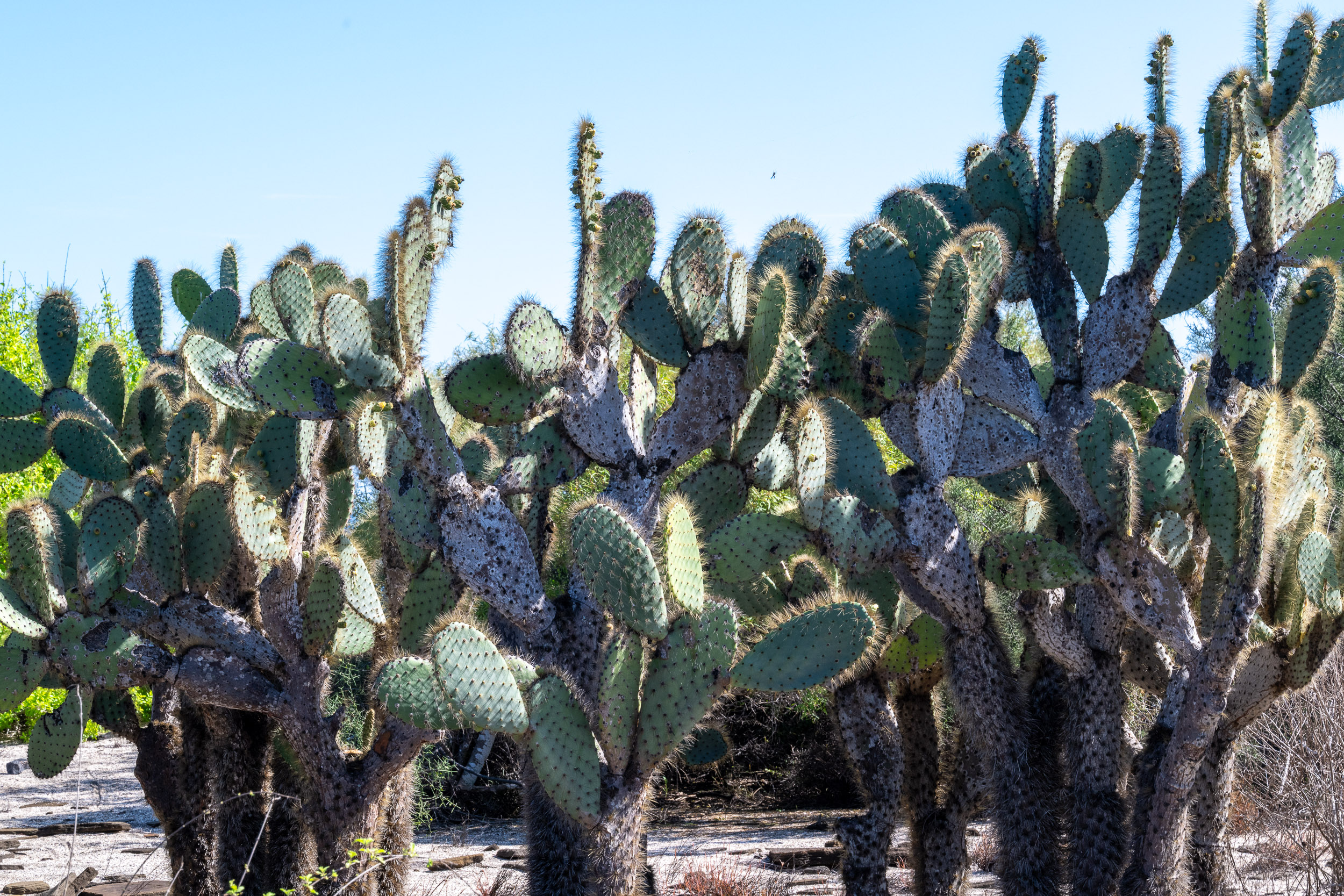
(Opuntia galapageia var. galapageia) · 3/31/2025 · Puerto Egas, Santiago, Galápagos Islands, Ecuador 

(Opuntia galapageia var. myriacantha) · 3/30/2025 · Galápagos Airport, Baltra, Galápagos Islands, Ecuador 
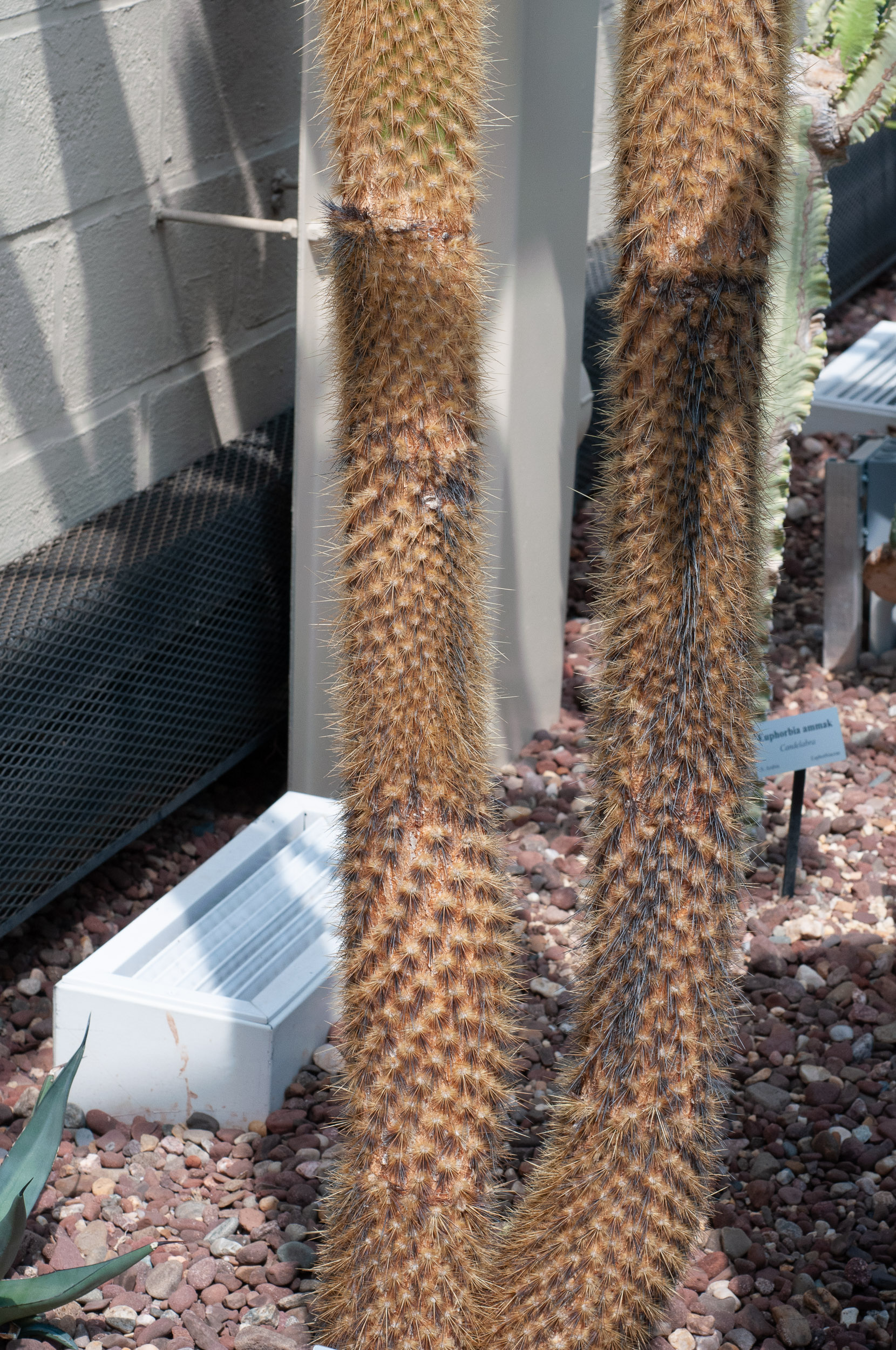
Subspecies unknown. · 4/6/2011 · Howard Peters Rawlings Conservatory & Botanic Gardens, Druid Hill Park, Baltimore, Maryland 
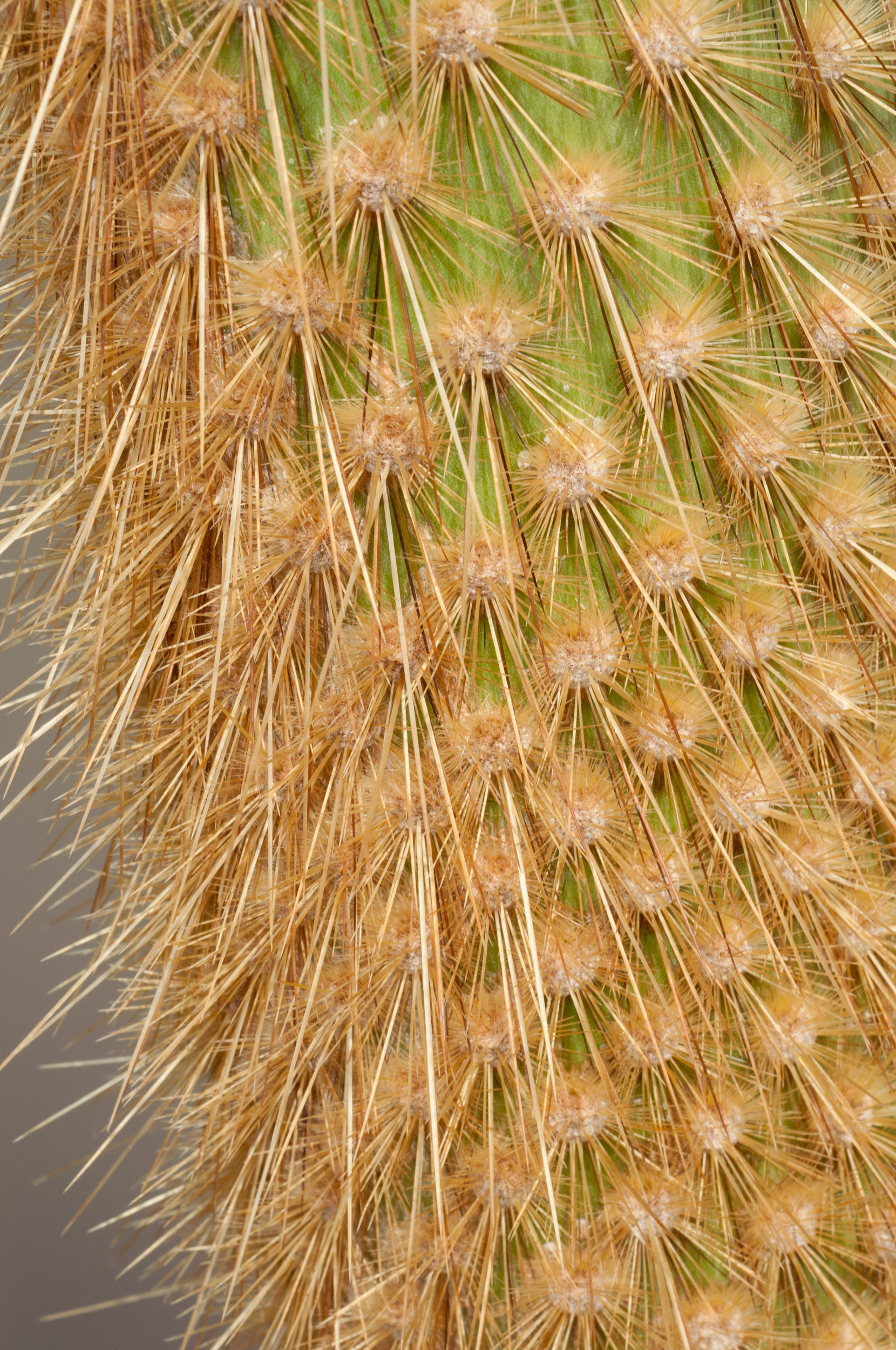
Subspecies unknown. · 4/6/2011 · Howard Peters Rawlings Conservatory & Botanic Gardens, Druid Hill Park, Baltimore, Maryland · ≈ 4½ × 7″ (11 × 17 cm) 

(Opuntia galapageia var. galapageia) · 4/2/2025 · Lava Fields, Sullivan Bay, Santiago, Galápagos Islands, Ecuador 
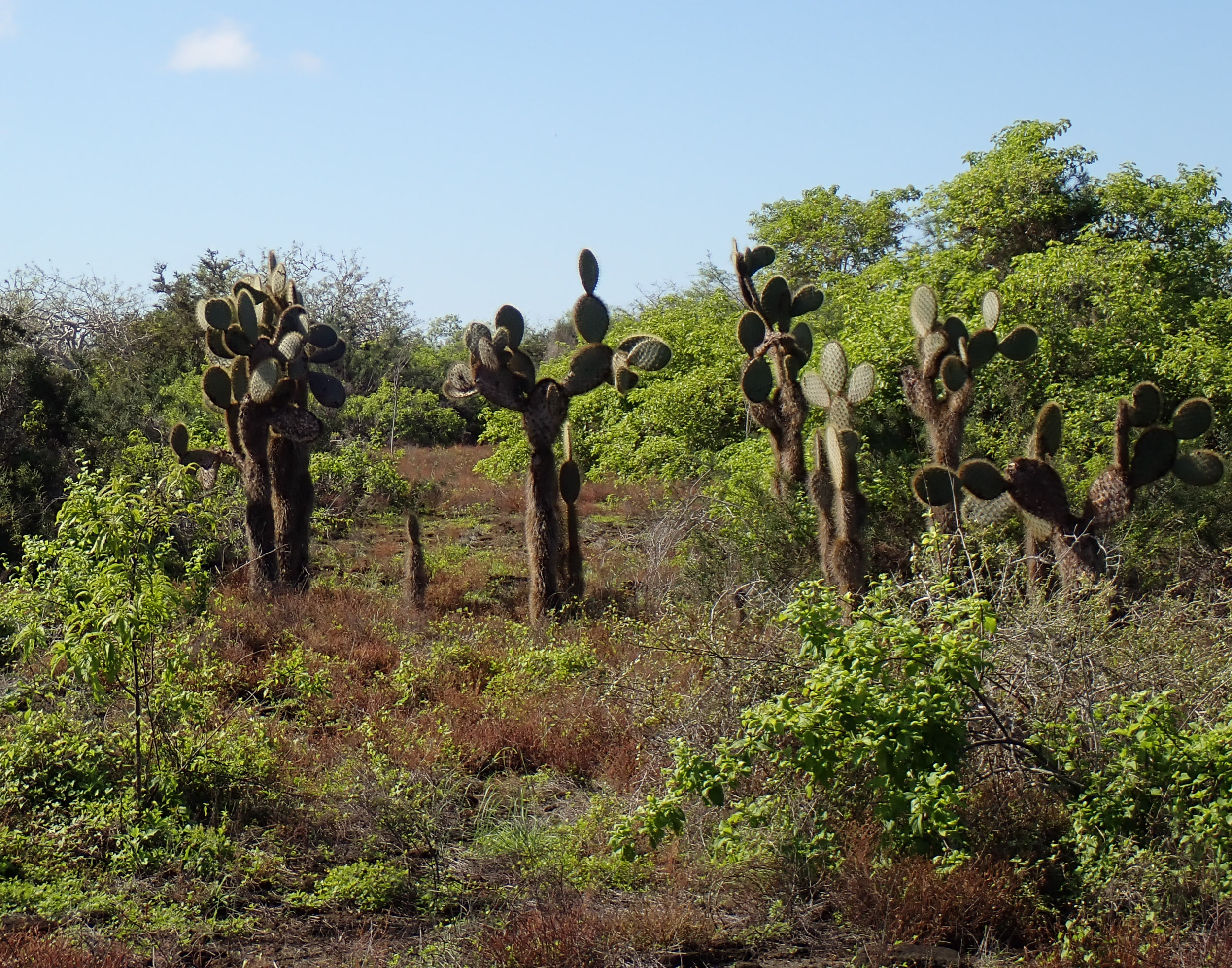
(Opuntia galapageia var. galapageia) · 3/31/2025 · Puerto Egas, Santiago, Galápagos Islands, Ecuador · By Heather Kent and Kathryn Morgis 

(Opuntia galapageia var. myriacantha) · 3/30/2025 · Galápagos Airport, Baltra, Galápagos Islands, Ecuador 
| Kingdom | Plantae | Plants, but not fungi, lichens, or algae (from Stearn's Botanical Latin) |
| Subkingdom | Tracheobionta | Vascular plants—plants with a “circulatory system” for delivering water and nutrients |
| Division | Magnoliophyta | Flowering plants, also known as angiosperms |
| Class | Magnoliopsida | Dicotyledons—plants with two initial seed leaves |
| Subclass | Caryophyllidae | Cacti, many other succulents, carnivorous plants, and leadworts |
| Order | Caryophyllales | Includes cacti, carnations, amaranths, ice plants, and many carnivorous plants |
| Family | Cactaceae | Succulent (water-storing) plants, often spiny |
| Genus | Opuntia | Prickly pears |
| Species | galapageia | From the Galápagos Islands |
Opuntia galapageia description by Thomas H. Kent, not updated.

© FloraFinder.org. All rights reserved.