Cercidium floridum Benth. ex A. Gray ssp. floridum
Parkinsonia florida (Benth. ex A. Gray) S. Watson
Blue palo verde, blue paloverde, palo verde
Blue Palo Verde is a native of the Sonoran Desert.
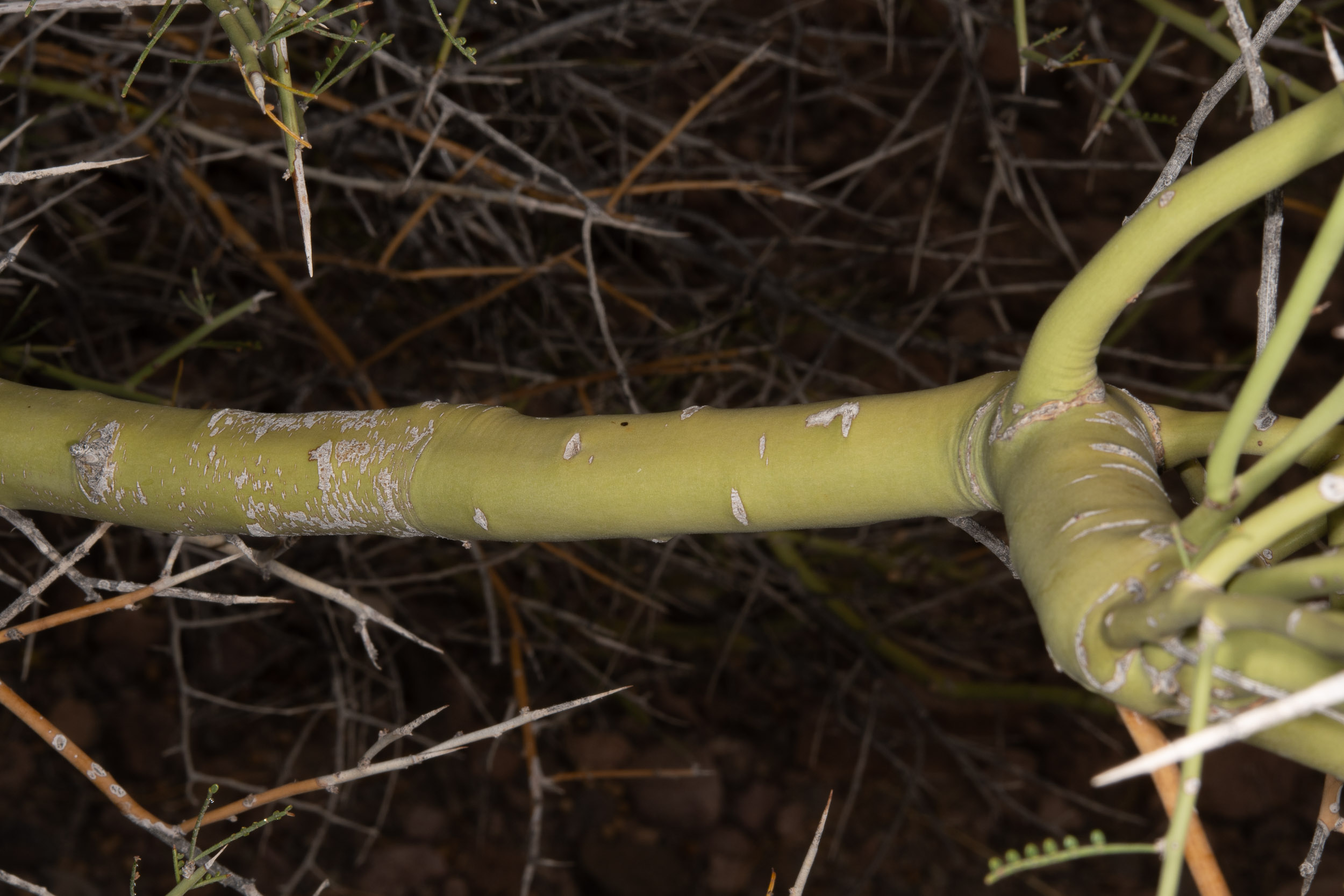
Plants: 15–30′ (4.6–9.1 m) in height, with gray-green, photosynthetic bark.
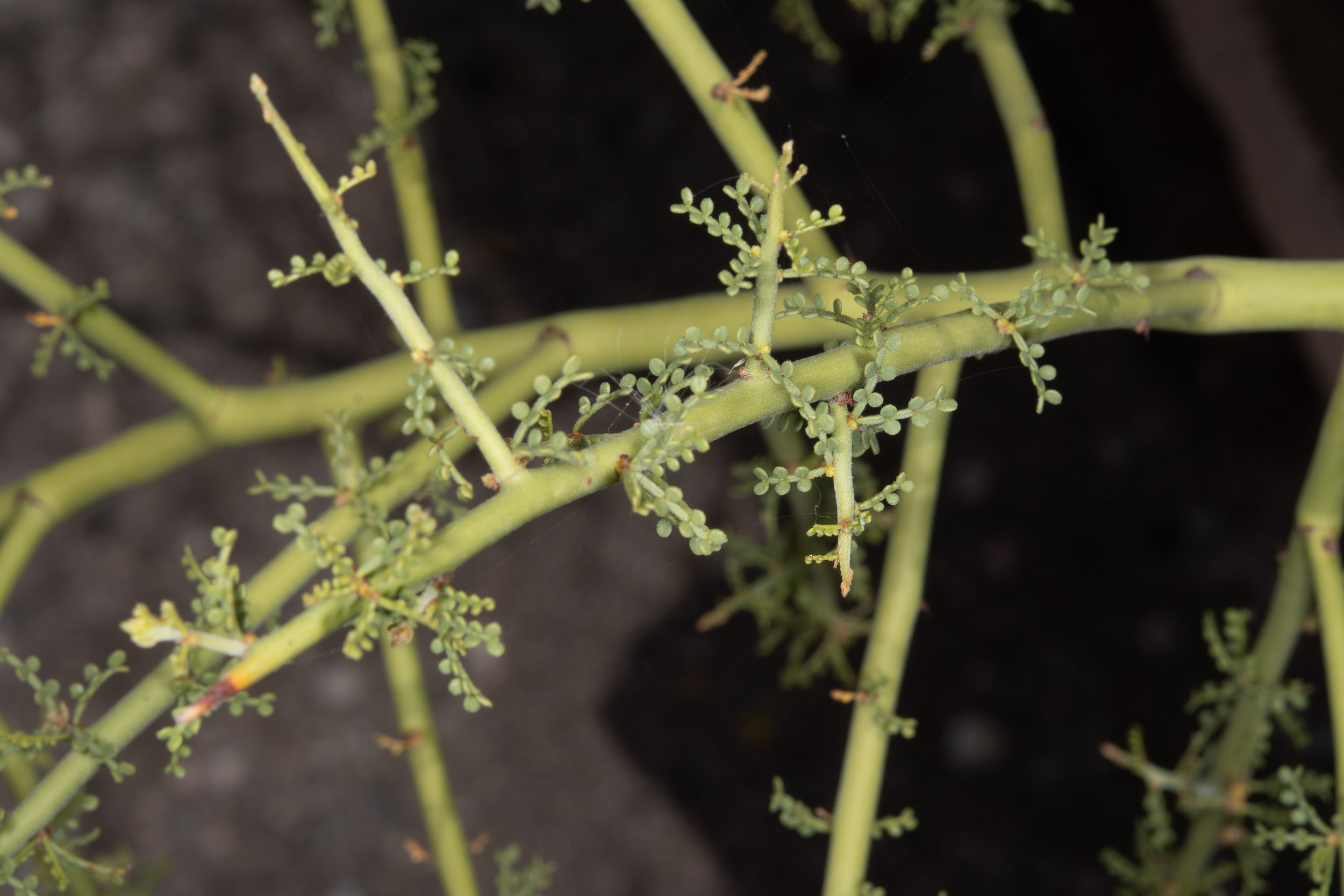
Leaves: Bipinnate, with leaflets ⅛–¼″ (3.2–6.3 mm) long.
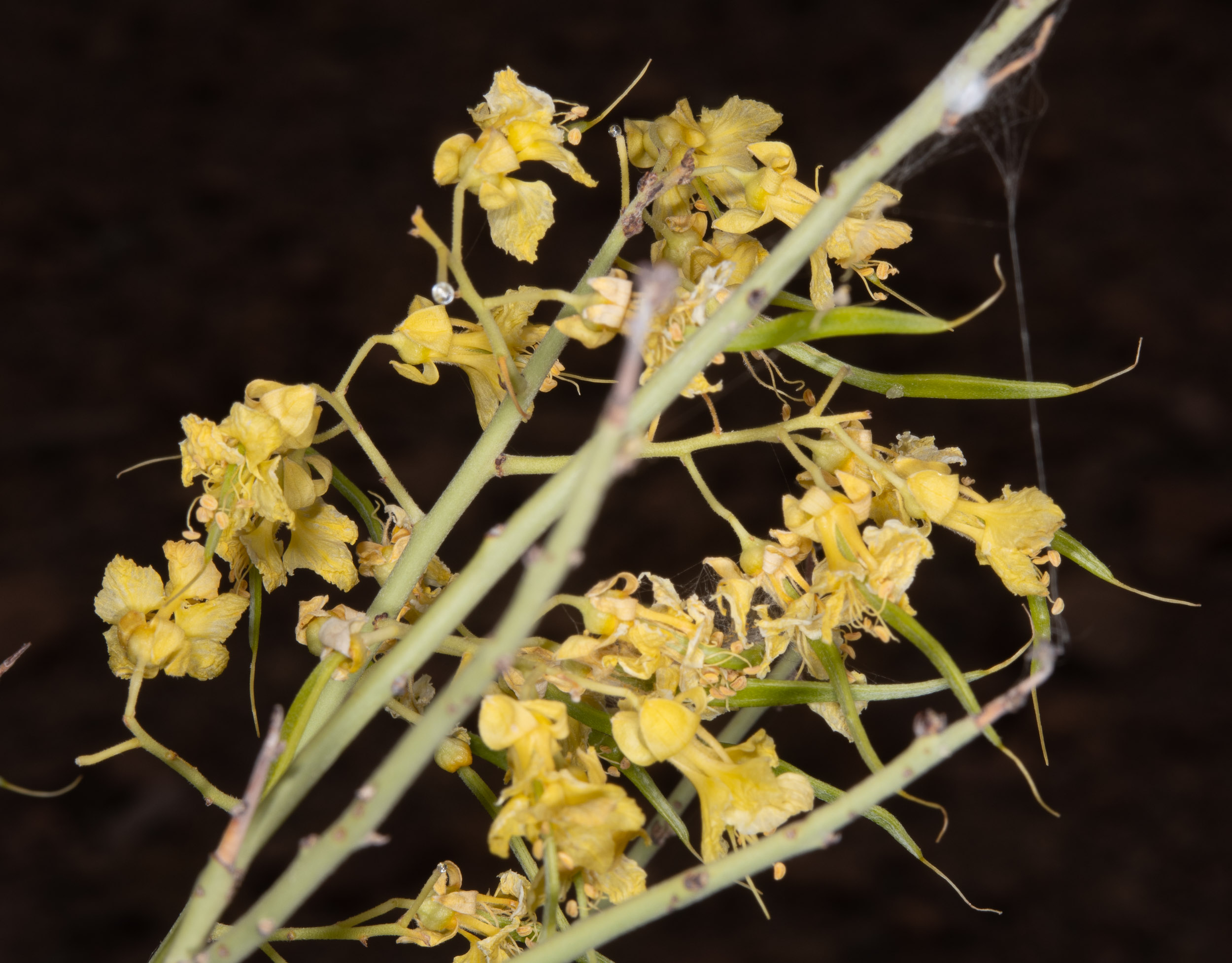
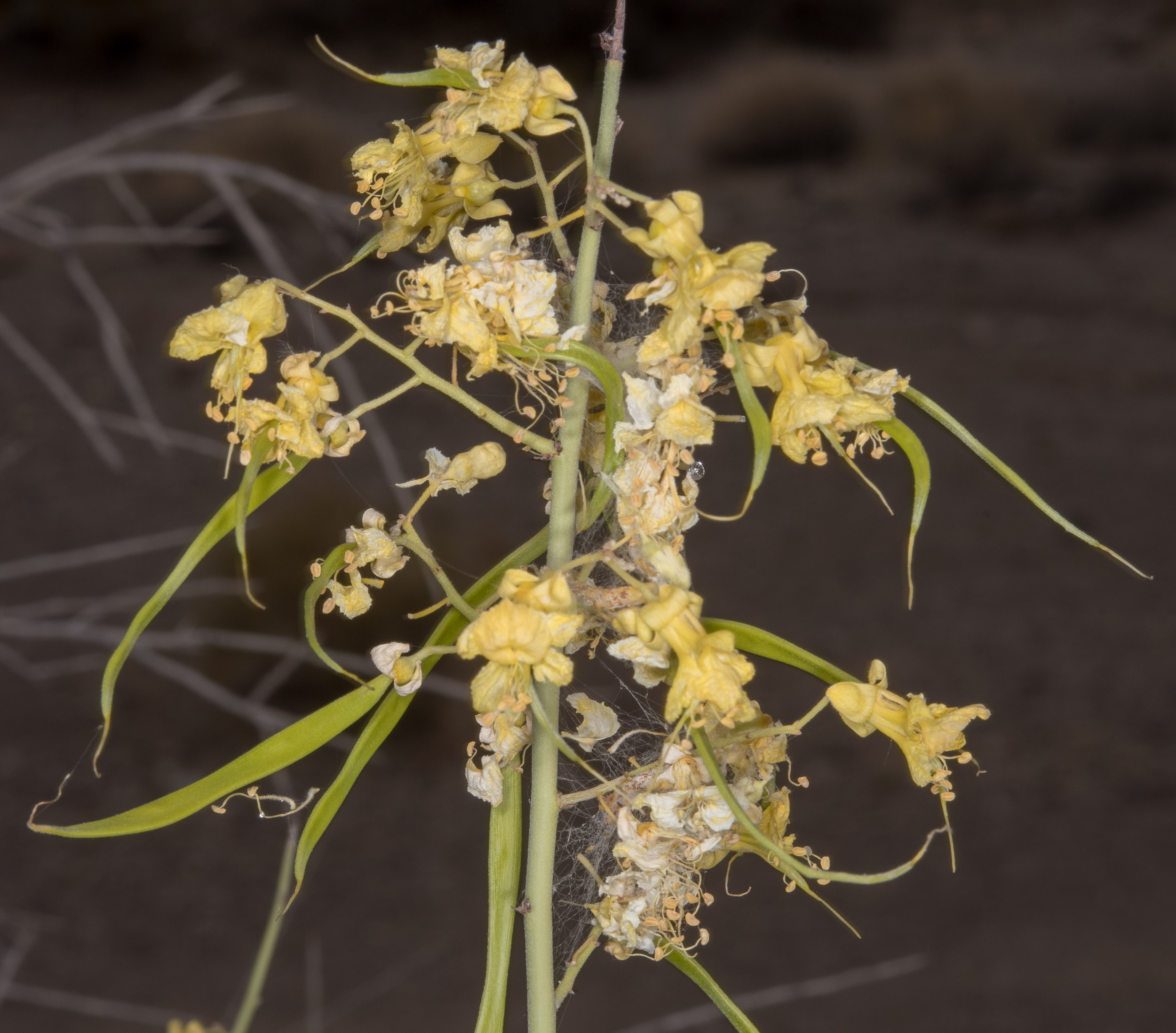
Flowers: Inflorescences are 1½–4½″ (4–12 cm) long. Each inflorescence has one or more bright yellow, pea-like flowers.
Fruits: Flat legumes resembling pea pods, 1½–4″ (4–10 cm) long.
Habitats: In desert areas, typically near rivers or desert wash areas that receive at least intermittent water. It is found in association with honey mesquite, smoketree, ironwood, desert willow, and catclaw acacia.
 |
Some palo verdes. |

Flowering blue paloverde. By Stan Shebs. 
Online References:
5/1/2018 · Bill Williams River National Wildlife Refuge, Lake Havasu City, Arizona · ≈ 5 × 3½″ (13 × 8.7 cm) 

5/2/2018 · Bajada Trail, Joshua Tree National Park, California · ≈ 10 × 6″ (24 × 16 cm) 
5/1/2018 · Sara Park, Lake Havasu City, Arizona · ≈ 5 × 4″ (12 × 10 cm) 
5/1/2018 · Sara Park, Lake Havasu City, Arizona · ≈ 10 × 6″ (24 × 16 cm) 

5/1/2018 · Bill Williams River National Wildlife Refuge, Lake Havasu City, Arizona · ≈ 8 × 5″ (20 × 13 cm) 

5/2/2018 · Bajada Trail, Joshua Tree National Park, California · ≈ 15 × 10″ (39 × 26 cm) 
5/1/2018 · Sara Park, Lake Havasu City, Arizona · ≈ 6 × 4½″ (14 × 12 cm) 

5/2/2018 · Bajada Trail, Joshua Tree National Park, California · ≈ 6 × 4″ (15 × 10 cm) 

5/1/2018 · Bill Williams River National Wildlife Refuge, Lake Havasu City, Arizona 

5/1/2018 · Bill Williams River National Wildlife Refuge, Lake Havasu City, Arizona · ≈ 6 × 4″ (16 × 11 cm) 

2/28/2010 · Anza-Borrego Desert State Park, California 
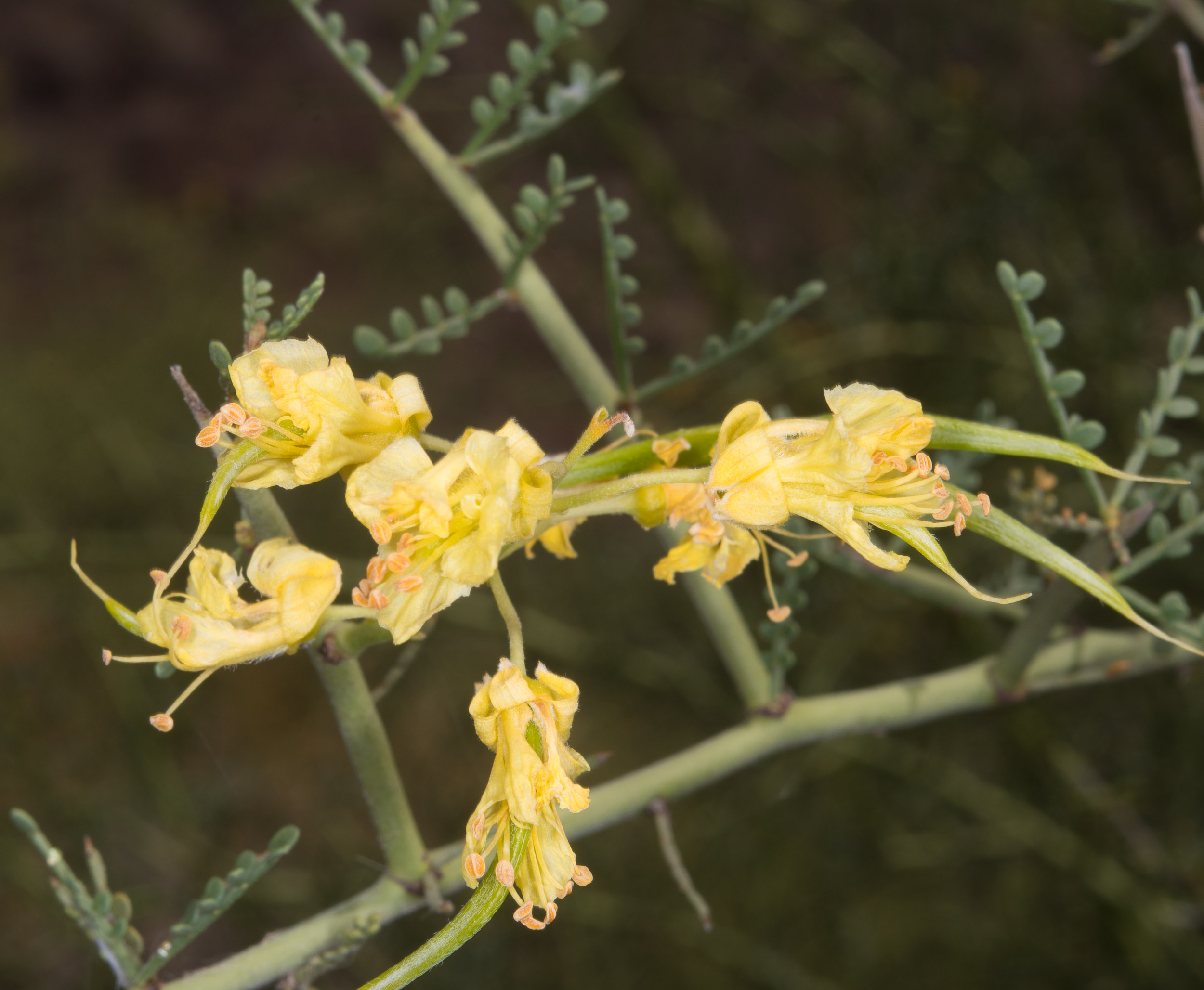
5/1/2018 · Bill Williams River National Wildlife Refuge, Lake Havasu City, Arizona · ≈ 4 × 3½″ (10 × 8.7 cm) 
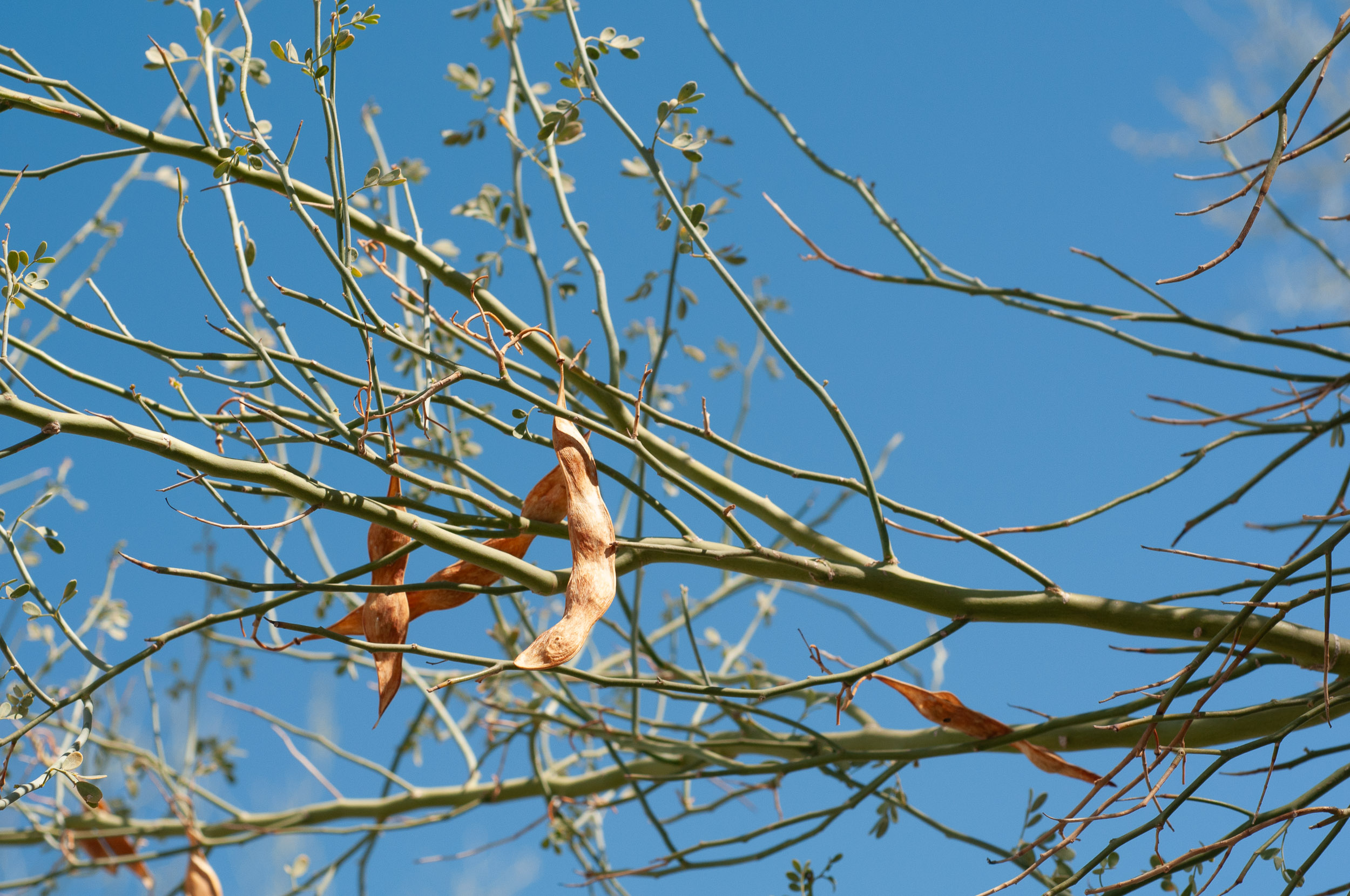
2/28/2010 · Anza-Borrego Desert State Park, California · ≈ 14 × 9″ (35 × 23 cm) 

5/1/2018 · Bill Williams River National Wildlife Refuge, Lake Havasu City, Arizona · ≈ 10 × 6″ (24 × 16 cm) 
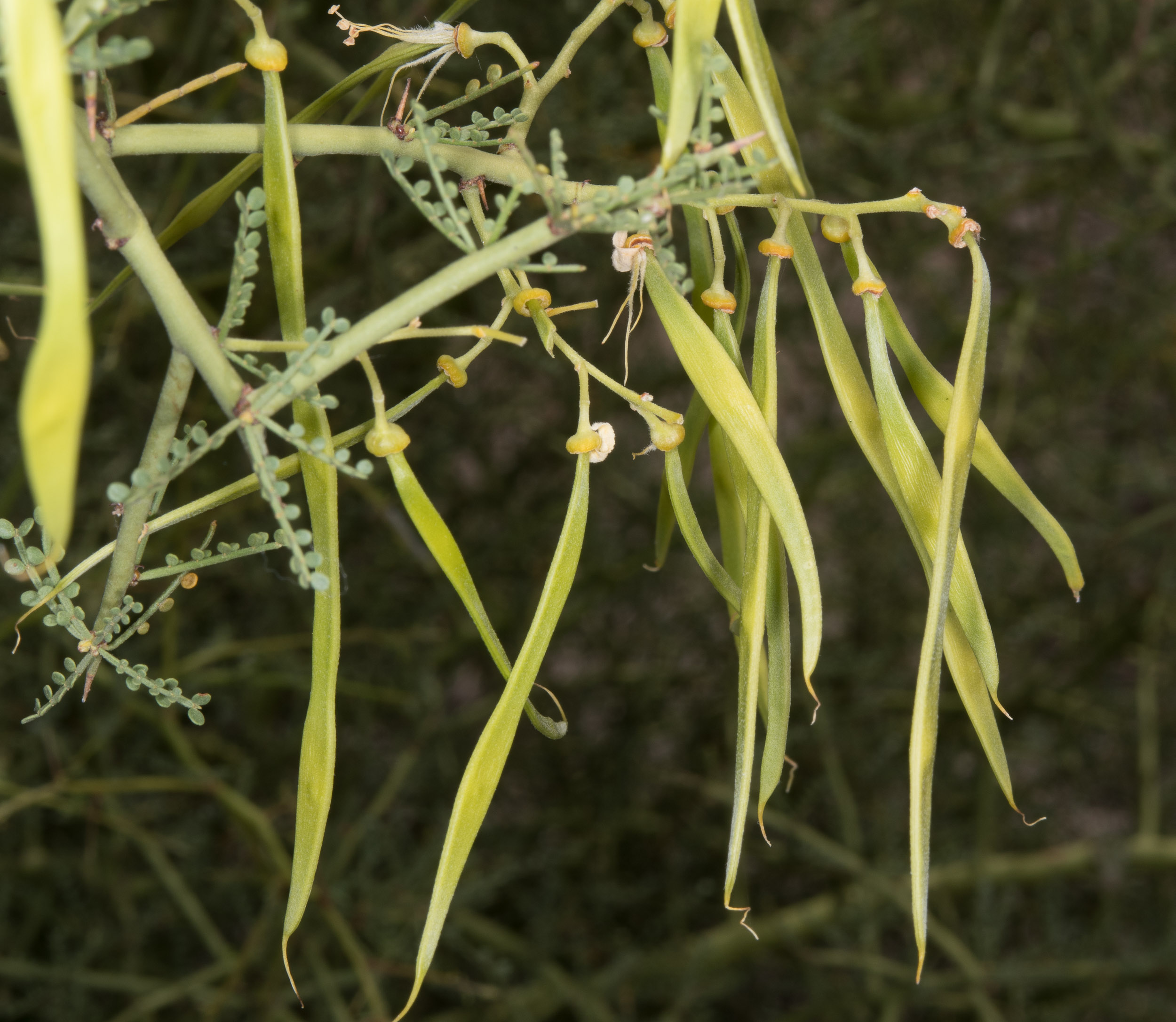
5/1/2018 · Bill Williams River National Wildlife Refuge, Lake Havasu City, Arizona · ≈ 5 × 4″ (12 × 11 cm) 
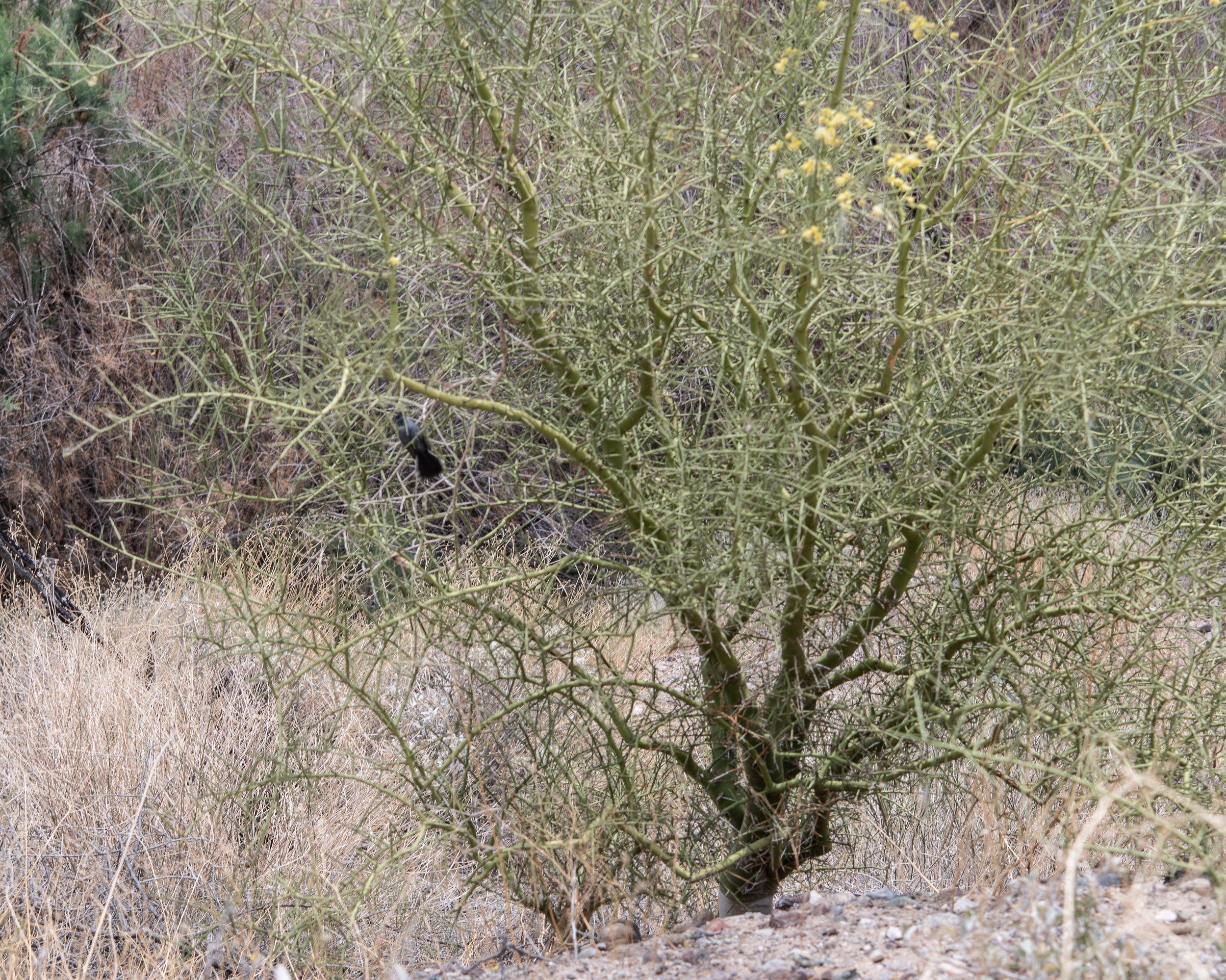
5/1/2018 · Bill Williams River National Wildlife Refuge, Lake Havasu City, Arizona 

5/2/2018 · Bajada Trail, Joshua Tree National Park, California · ≈ 7 × 4½″ (18 × 12 cm) 
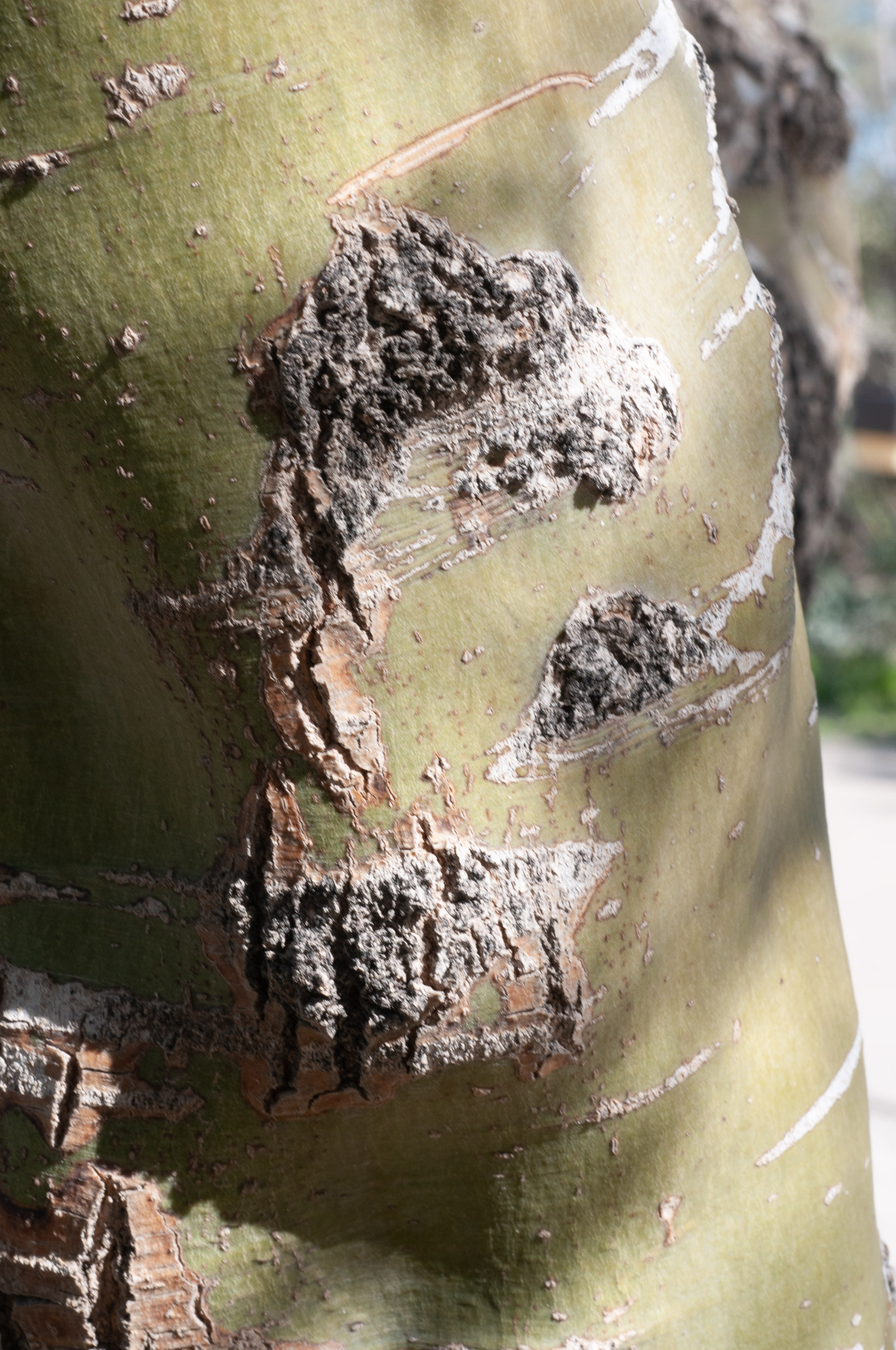
2/28/2010 · Anza-Borrego Desert State Park, California · ≈ 6 × 9″ (14 × 22 cm) 
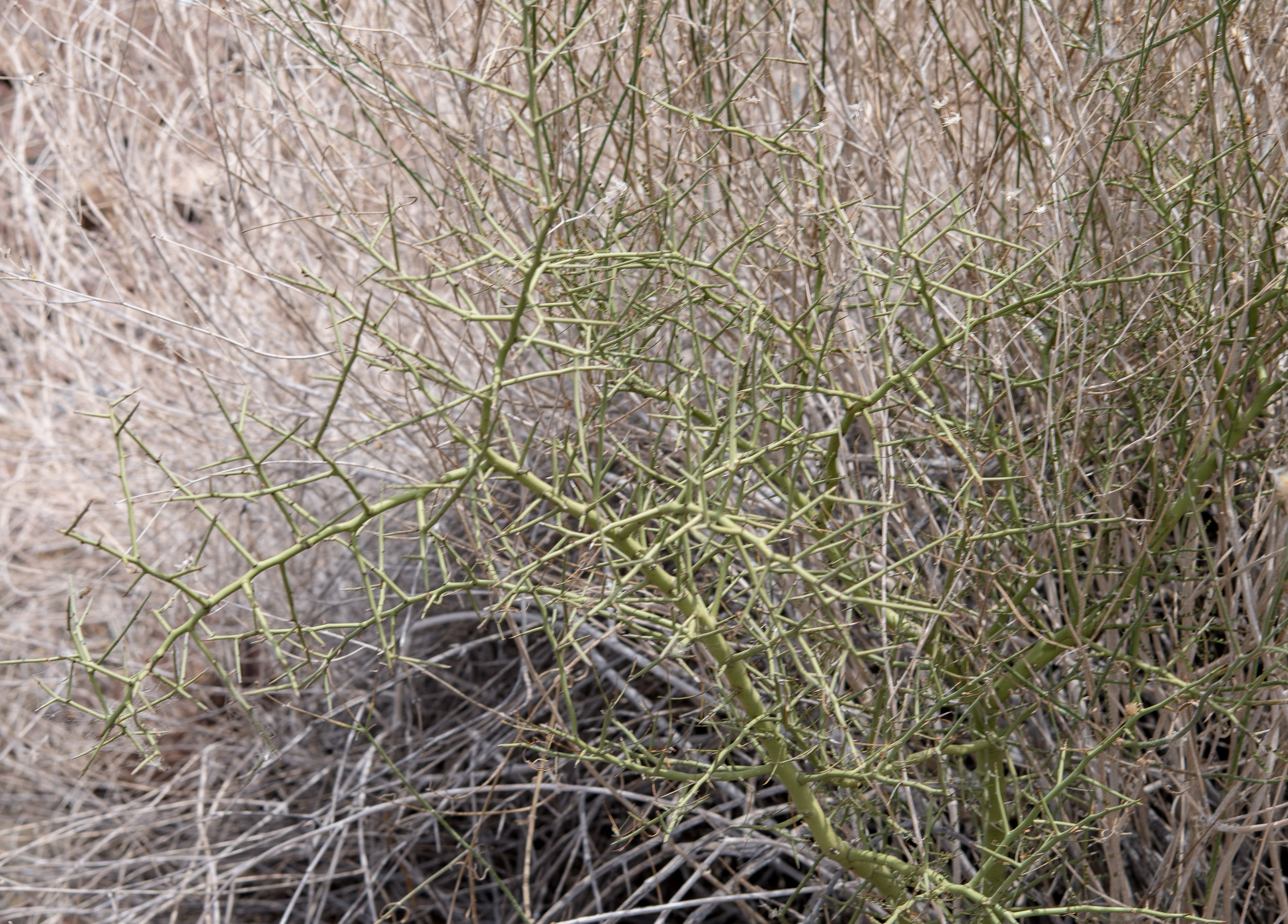
5/1/2018 · Bill Williams River National Wildlife Refuge, Lake Havasu City, Arizona 

5/1/2018 · Bill Williams River National Wildlife Refuge, Lake Havasu City, Arizona · ≈ 8 × 5″ (20 × 13 cm) 
| Kingdom | Plantae | Plants, but not fungi, lichens, or algae (from Stearn's Botanical Latin) |
| Subkingdom | Tracheobionta | Vascular plants—plants with a “circulatory system” for delivering water and nutrients |
| Division | Magnoliophyta | Flowering plants, also known as angiosperms |
| Class | Magnoliopsida | Dicotyledons—plants with two initial seed leaves |
| Subclass | Rosidae | Roses, legumes, proteas, dogwoods, hydrangeas, mistletoes, euphorbias, grapes, many more |
| Order | Fabales | Legumes (pea and bean families) |
| Family | Fabaceae | Legume family (peas and beans) |
| Genus | Parkinsonia | Named for John Parkinson, author, botanist, Apothecary of London and king’s herbalist to James I |
| Species | florida | Either (1) free flowering, producing abundant flowers; or (2) bright |
Parkinsonia florida description by Thomas H. Kent, not updated.

© FloraFinder.org. All rights reserved.
