Pastinaca sativa L.
Parsnip, wild parsnip
Wild parsnip is native to Europe and Asia, but was long ago introduced for cultivation to North America, where it is now widespread. It is common in disturbed soils. It shows up in fields, prairies, meadows, roadsides, and waste areas. It is classified as invasive or borderline invasive in many areas, such as Yellowstone National Park.
Plants: 2–5′ (60–152 cm) tall, with smooth (glabrous), angular, hollow, ribbed stems.
Leaves: Alternate, odd pinnate, lobed, and toothed. Lower leaves have longer stems (petioles), and are up to 1½′ long ⨉ 6″ across (45 ⨉ 15 cm). Leaves closer to the top are up to 3 ⨉ 2″ (7.6 ⨉ 5 cm), on shorter petioles.
Flowers: Yellow, in umbels 3–8″ (7.6–20 cm) across. Umbels are flat or umbrella-shaped, composed of 15-25 umbellets. Each umbellet in turn contains between 12 and 35 flowers. Individual flowers are about ⅛″ (3.2 mm) around, with five petals. Flowers appear from July to August.
Fruits: Each flower becomes a single seed ⅛–¼″ (5–7 mm) in size. Seeds are indehiscent—that is, they don’t split open when they ripen. Each seed is surrounded by small “wings.”
Habitats: Moist to mesic black soil prairies, savannas, pastures and fields, weedy meadows, areas along railroads and roadsides, vacant lots, and waste areas.
Edibility: Although foliage can cause phytophotodermatitis, roots are edible, and smaller and sweeter than those of cultivated parsnips. Roots are sweeter if harvested after some autumn frosts, and may be baked or eaten raw.
Medical: Leaves and stems can cause phytophotodermatitis: skin irritation or blistering if handled in the presence of sunlight, due to the presence of furocoumarins. Accounts vary: some say the effect is rare, mild, or short-lived, while others warn of more severe effects. Wild parsnip foliage and roots are used in some folk medicines, and although it is not known to be harmful in prescribed amounts, neither has it been studied for efficacy.
Online References:
References:
Pastinaca sativa L. var. pratensis Pers.
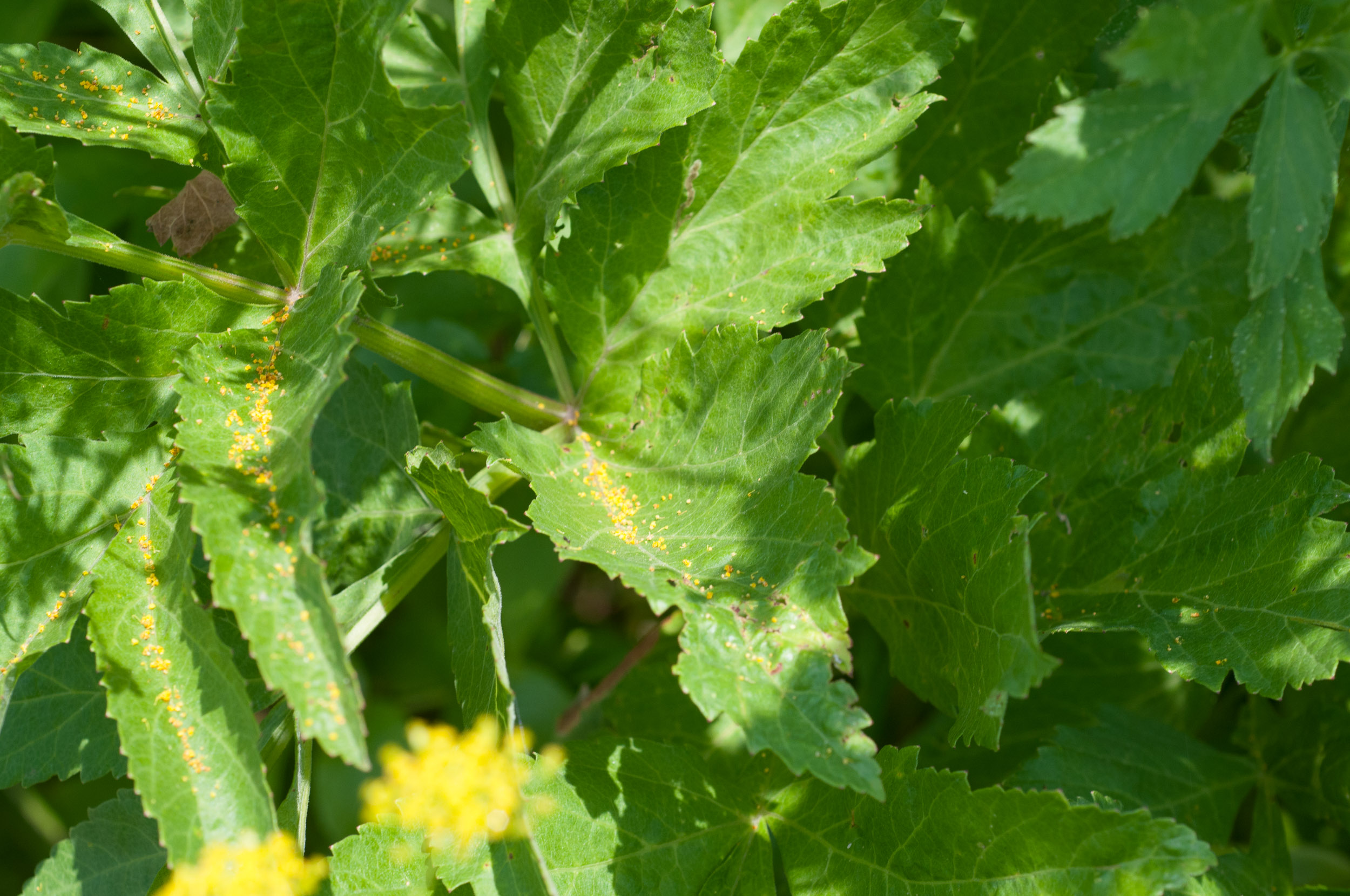
7/15/2012 · Slipway Restaurant, Thomaston, Maine · ≈ 9 × 6″ (23 × 15 cm)  ID is uncertain

7/15/2012 · Slipway Restaurant, Thomaston, Maine · ≈ 6 × 4″ (15 × 10 cm) ID is uncertain 

9/14/2010 · Garden in the Woods, Framingham, Massachusetts · ≈ 4 × 6″ (10 × 15 cm) 
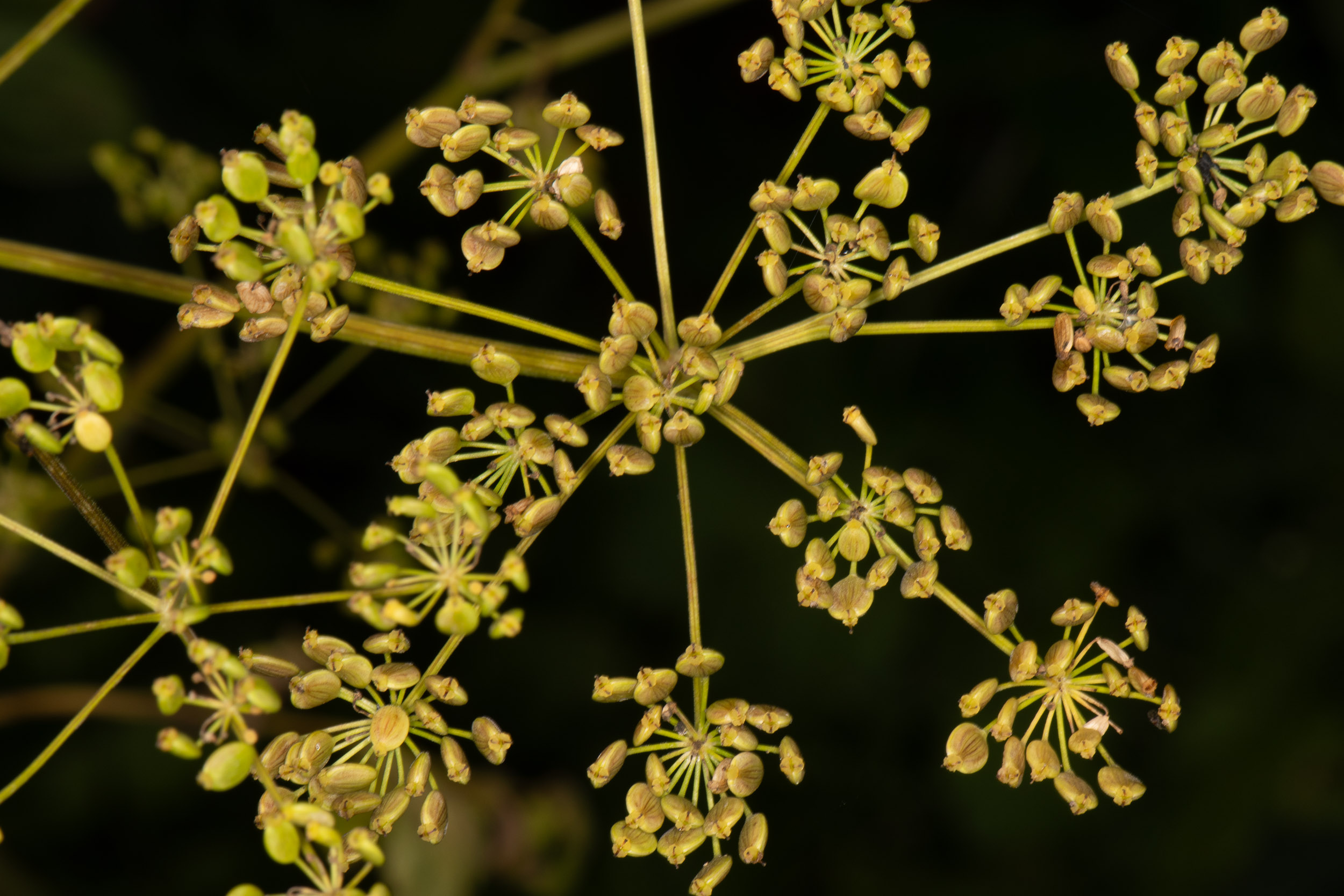
9/7/2021 · Kennebec River Bridge, Bowdoinham, Maine · ≈ 6 × 4″ (15 × 10 cm) 

7/15/2012 · Slipway Restaurant, Thomaston, Maine · ≈ 8 × 5″ (19 × 13 cm) ID is uncertain 

9/7/2021 · Kennebec River Bridge, Bowdoinham, Maine · ≈ 4 × 6″ (10 × 16 cm) 
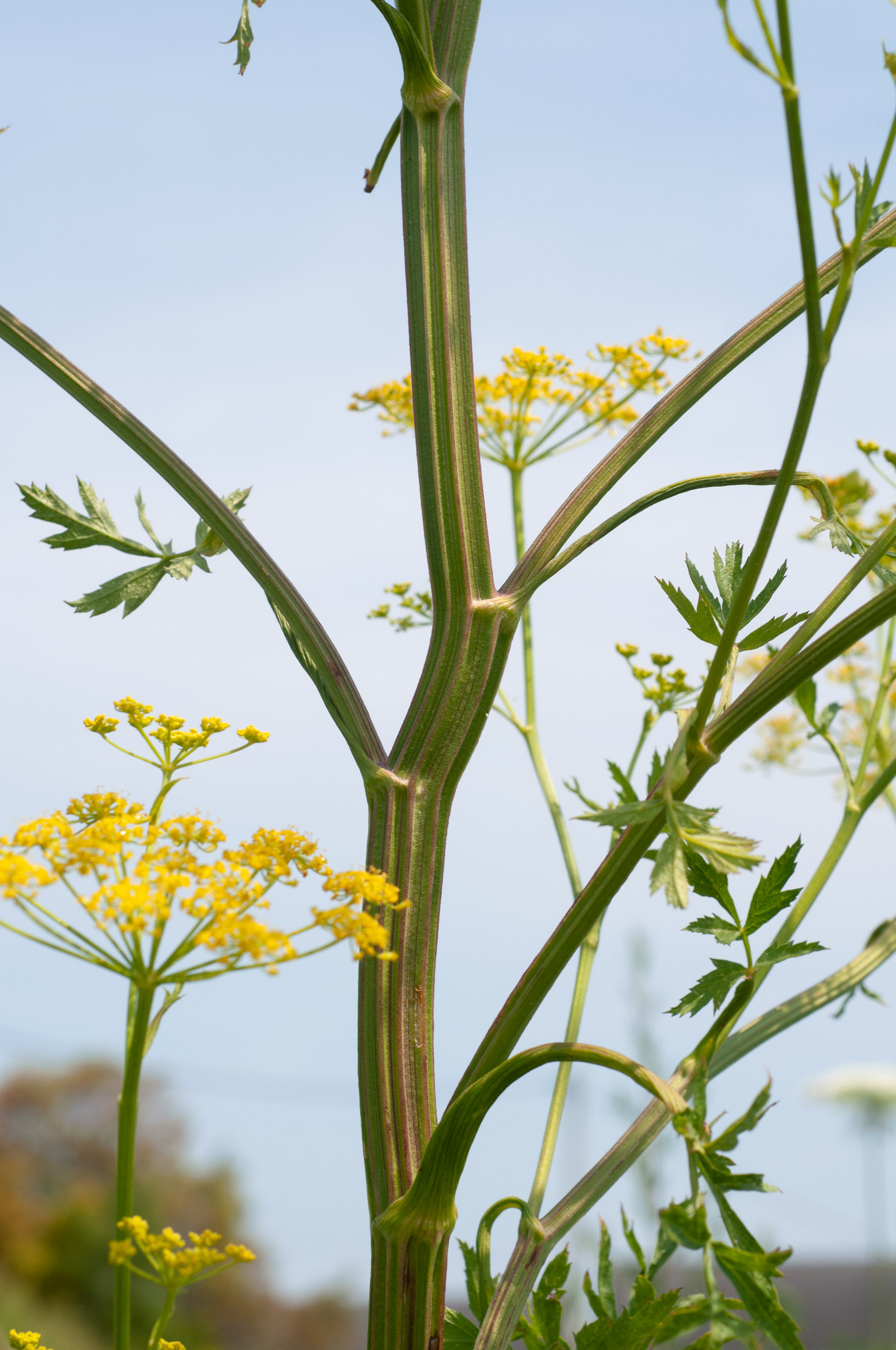
7/15/2012 · Slipway Restaurant, Thomaston, Maine · ≈ 8 × 12″ (20 × 31 cm) ID is uncertain 

7/19/2017 · West Virginia · ≈ 4½ × 7″ (12 × 18 cm) 
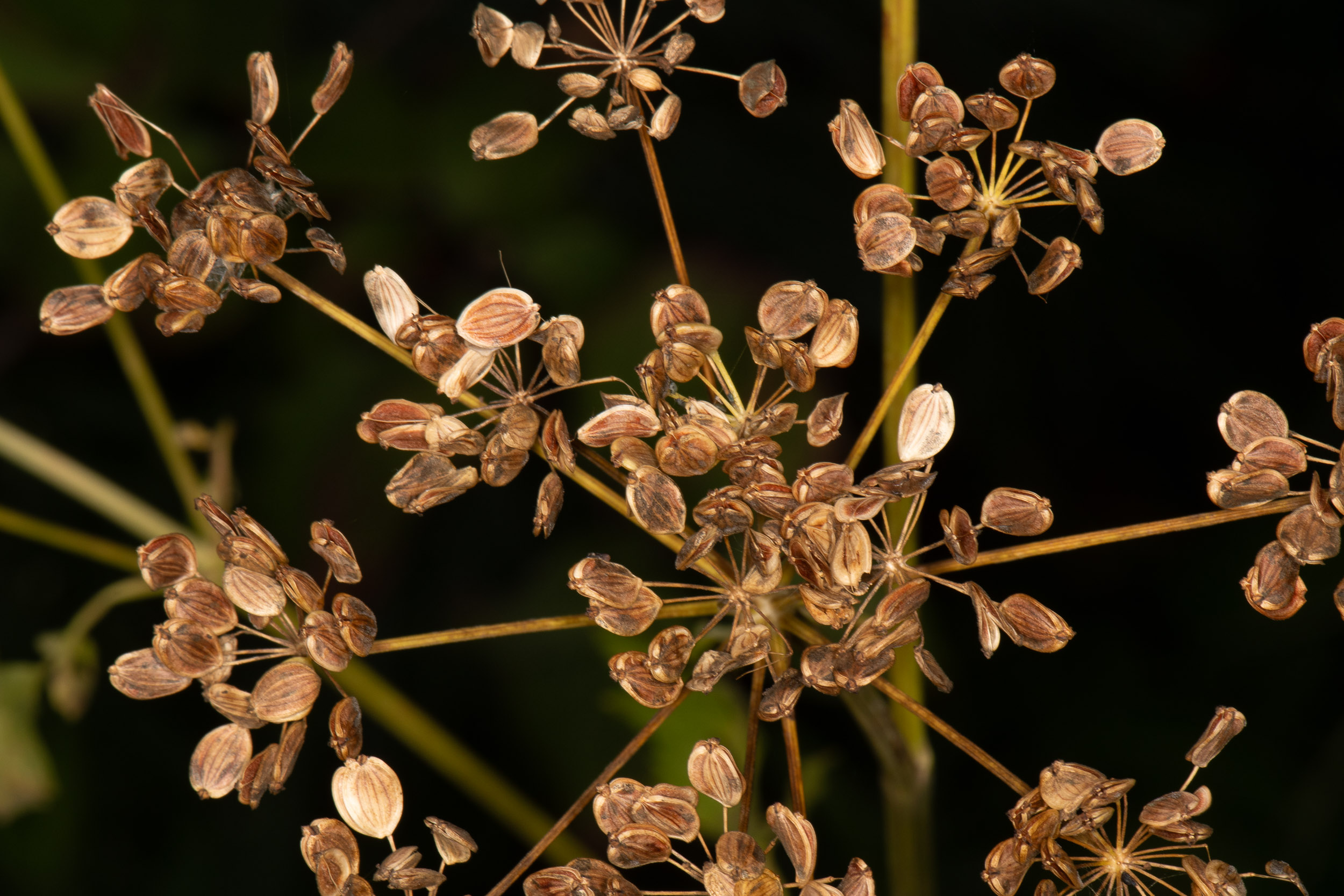
9/7/2021 · Kennebec River Bridge, Bowdoinham, Maine · ≈ 6 × 4″ (15 × 10 cm) 

7/19/2017 · West Virginia · ≈ 4 × 2½″ (10 × 6.7 cm) 
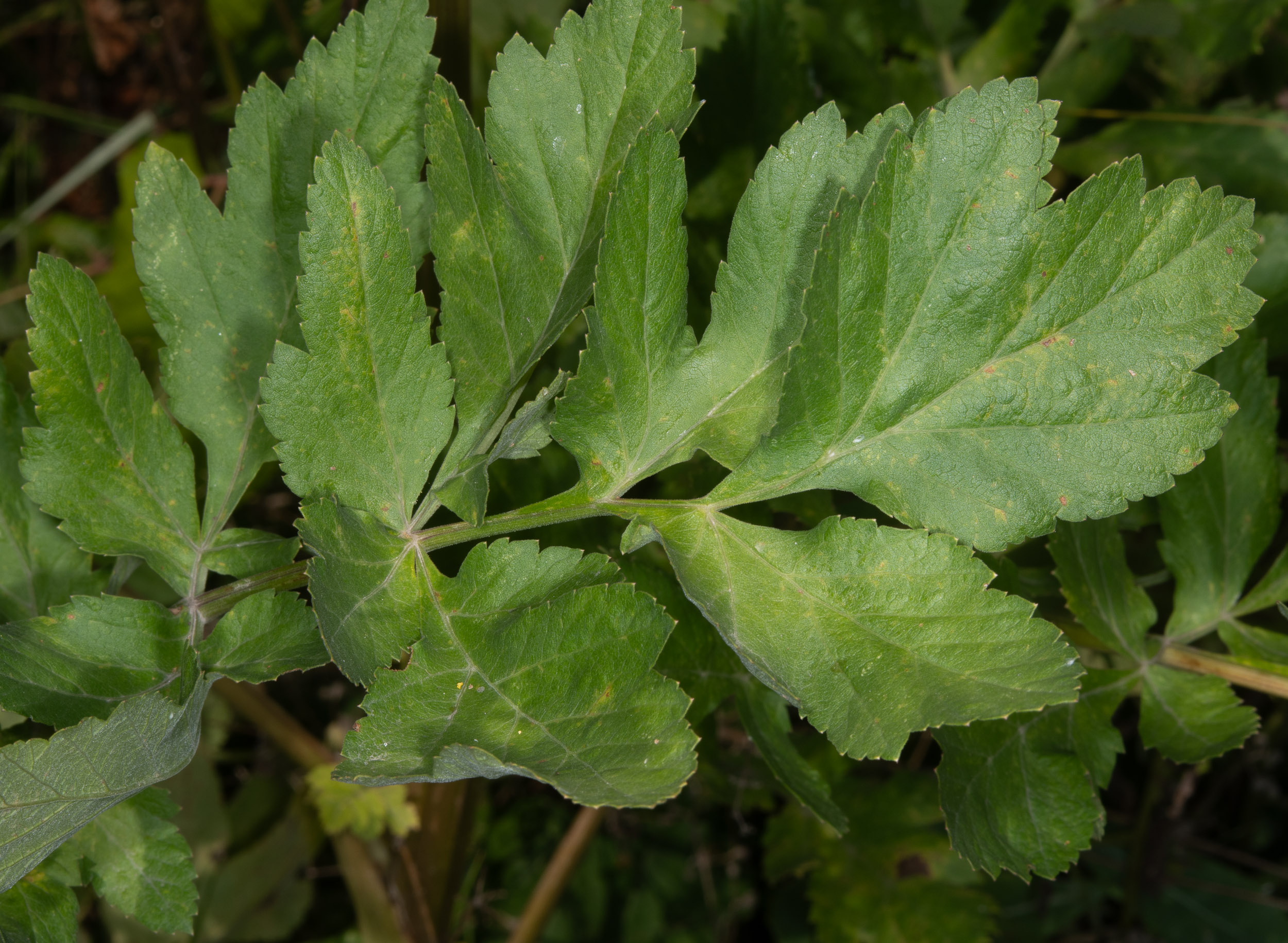
7/19/2017 · West Virginia · ≈ 7 × 5″ (19 × 13 cm) 

7/19/2017 · West Virginia · ≈ 4 × 3″ (11 × 7.6 cm) 
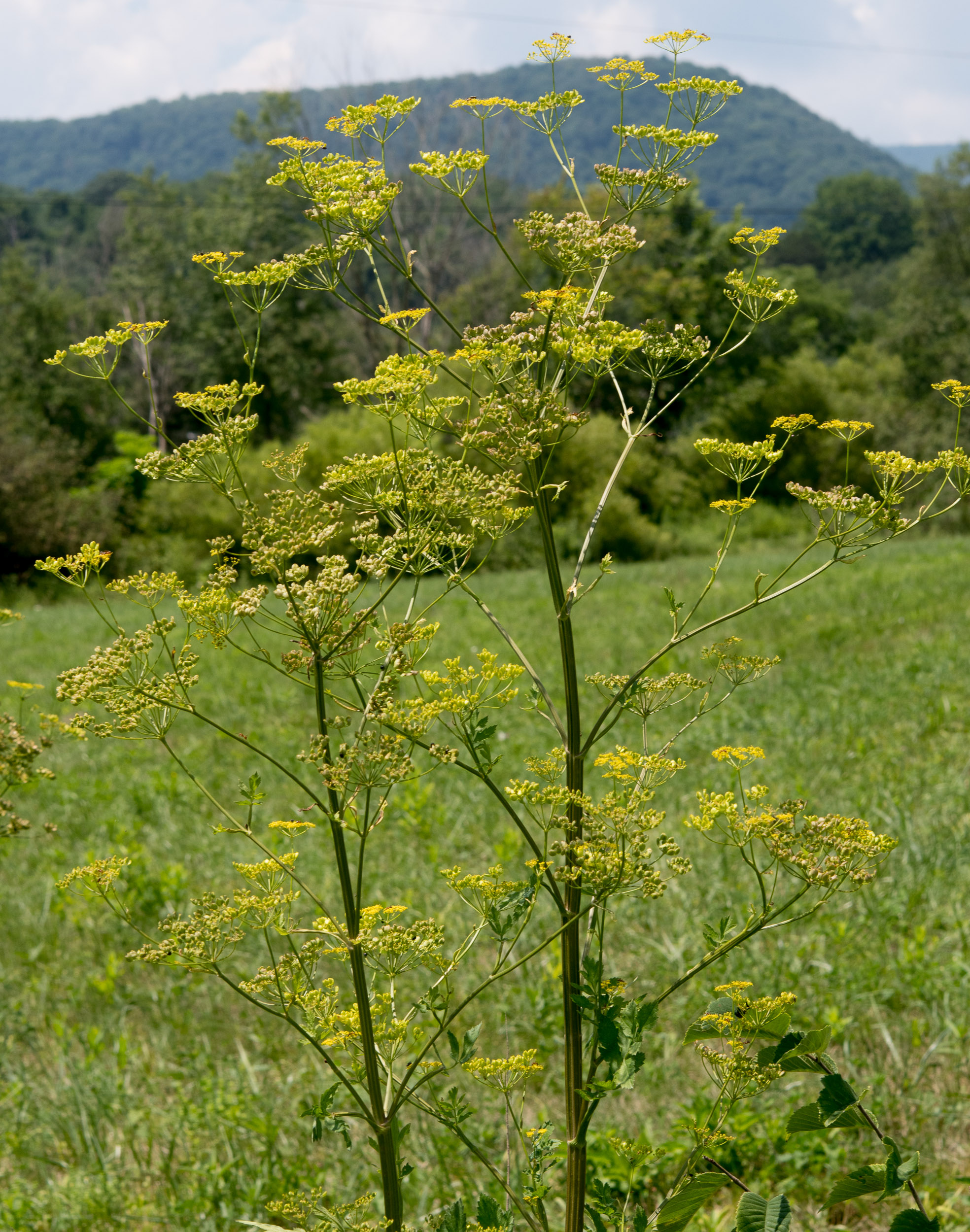
7/19/2017 · West Virginia 
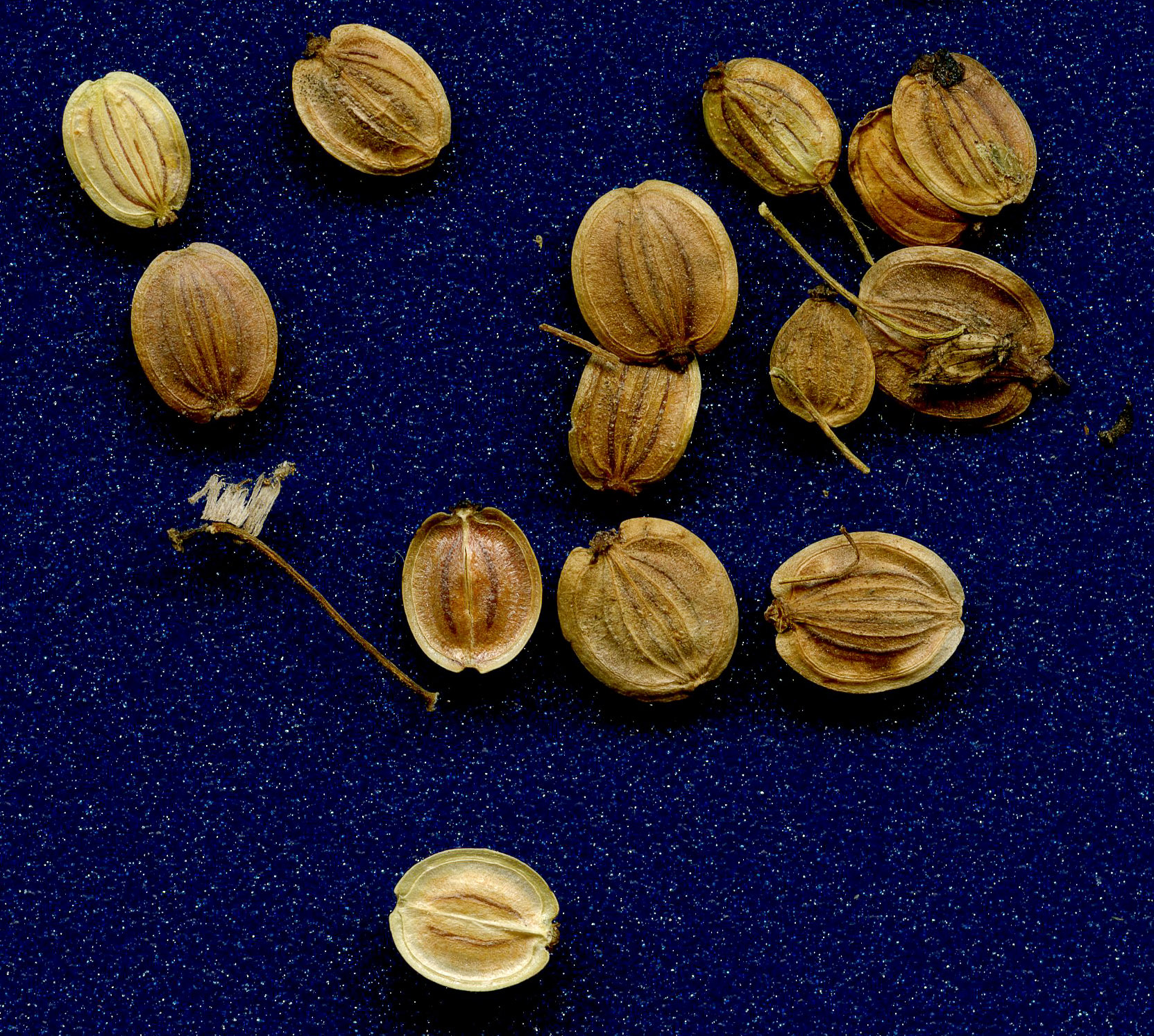
Seeds from a cultivar. · 1/5/2026 · Gordon and Kathy’s, Prospect, Maine 
| Kingdom | Plantae | Plants, but not fungi, lichens, or algae (from Stearn's Botanical Latin) |
| Subkingdom | Tracheobionta | Vascular plants—plants with a “circulatory system” for delivering water and nutrients |
| Division | Magnoliophyta | Flowering plants, also known as angiosperms |
| Class | Magnoliopsida | Dicotyledons—plants with two initial seed leaves |
| Subclass | Asteridae | A large class that encompasses asters |
| Order | Apiales | Includes carrots, celery, parsley, and ivy |
| Family | Apiaceae | Carrot or parsley family, also includes angelica, anise, caraway, celery, chervil, cicely, coriander/cilantro, cumin, dill, fennel, hemlock, lovage, Queen Anne’s Lace, parsnip |
| Genus | Pastinaca | One source says from the Latin pastino, “ to prepare the ground for planting,” while another says from the Latin pastus, “food.” This was the ancient name of the parsnip and may give a clue as to the origin of the Italian word pasta |
| Species | sativa | Means “that which is sown,” indicating the plant is a cultivated one |
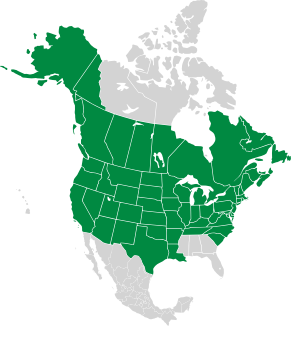
Pastinaca sativa description by Thomas H. Kent, not updated.

© FloraFinder.org. All rights reserved.