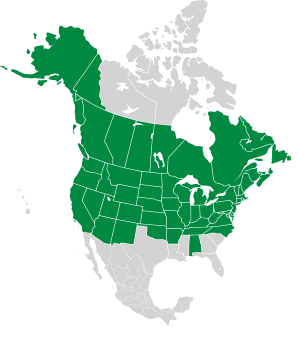
Phalaris arundinacea L. var. picta L.
Phalaroides arundinacea (L.) Raeusch. var. picta (L.) Tzvelev
Phalaris arundinacea L.
Reed canary grass
[An article has not been written yet.]

6/9/2017 · Acton Arboretum, Acton, Massachusetts · ≈ 5 × 8″ (13 × 20 cm) 
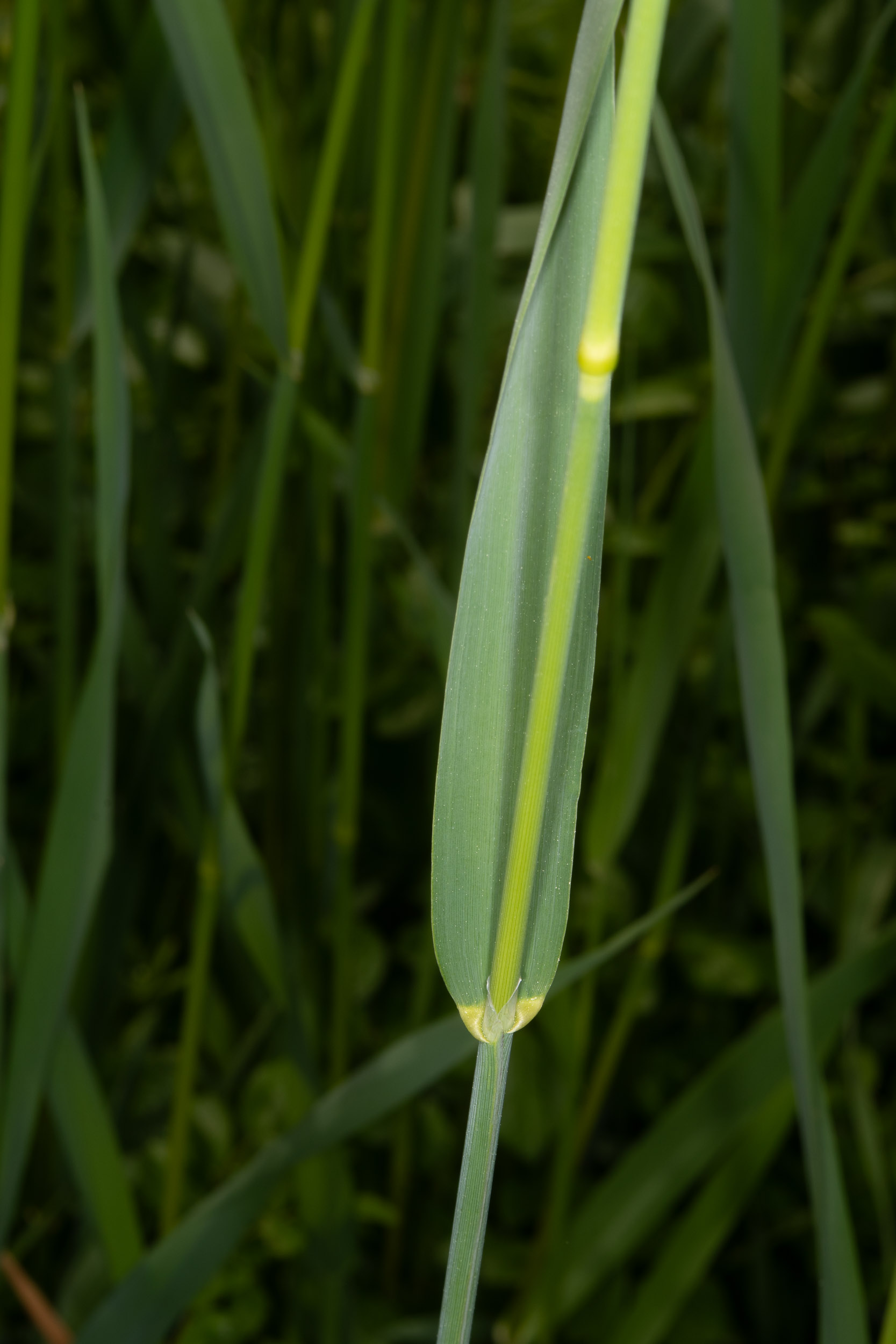
6/9/2017 · Acton Arboretum, Acton, Massachusetts · ≈ 4 × 6″ (11 × 16 cm) 
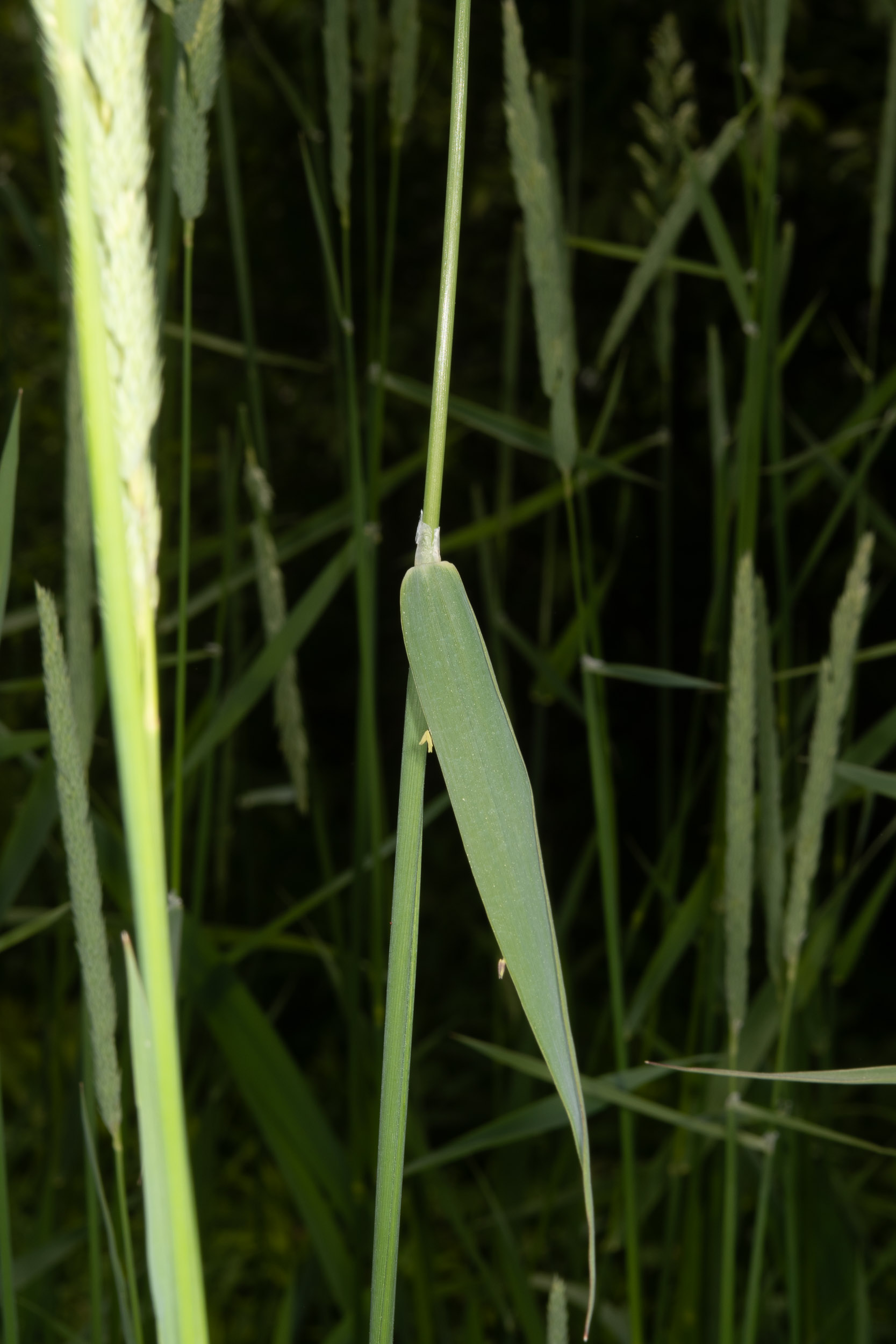
6/9/2017 · Acton Arboretum, Acton, Massachusetts · ≈ 6 × 10″ (16 × 24 cm) 

6/9/2017 · Acton Arboretum, Acton, Massachusetts · ≈ 6 × 10″ (16 × 24 cm) 

6/12/2023 · Viles Arboretum, Augusta, Maine 
| Kingdom | Plantae | Plants, but not fungi, lichens, or algae (from Stearn's Botanical Latin) |
| Subkingdom | Tracheobionta | Vascular plants—plants with a “circulatory system” for delivering water and nutrients |
| Division | Magnoliophyta | Flowering plants, also known as angiosperms |
| Class | Liliopsida | Monocots (plants with a single seed leaf); includes the lily family |
| Subclass | Commelinidae | Dayflowers and spiderworts, and several others |
| Order | Cyperales | Flowering plants including grasses |
| Family | Poaceae | Grasses (but not sedges or rushes) |
| Genus | Phalaris | An ancient Greek name used by Dioscorides for a kind of grass with shiny spikelets, according to Umberto Quattrocchi from phalaros, “having a patch of white, crested,” and/or phalos, “shining, bright, white” |
| Species | arundinacea | Resembling a reed |
Phalaris arundinacea description by Thomas H. Kent, not updated.

© FloraFinder.org. All rights reserved.