Picea mariana (Mill.) Britton Sterns & Poggenb.
Black spruce
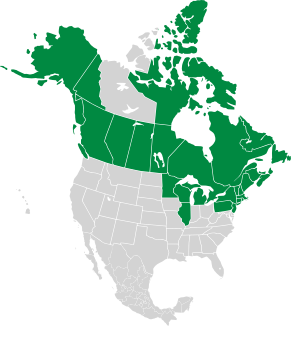
Black spruce is native to temperate regions of North America. It is migrating gradually northward as a result of global warming.
Plants: Trees are slow-growing narrow evergreens with straight trunks and drooping branches with upturned tips. Bark is thin, scaly, and gray-brown. Branches pressed to the ground by winter snows take root, producing rings of new trees.
Leaves: Needles are linear, stiff, sharp-tipped, up to ¾″ (2 cm) long, with a diamond-shaped cross section. They are attached in a spiral pattern. They are dark blue-green, often coated with a powdery white substance.
Flowers: Trees produce red male flowers that turn yellow to light brown, as well as purple female flowers that are upright, appearing in the upper crowns. Flowers appear from April to May.
Fruits: Cones are ½–1″ (1.5–3 cm) long, smaller than other conifers. They are almost round and gray to black in color, in dense clusters near the top of the tree.
Habitats: Wetter lowland regions, or drier upland and alpine regions to elevations as high as 5000′ (1.5 km). It likes long, cold winters and short summers.
Edibility: Tea, spruce gum from the bark, spruce oil from the needles (a flavoring or medicine), and even spruce beer are made from black spruce.
Medical: Spruce oil prepared from spruce needles has been approved for use in treating colds, coughs, fevers, inflammation of the mouth and pharynx, nauralgias, and rheumatism. There are many unproven uses as well.
Online References:
References:
Picea mariana (Mill.) Britton Sterns & Poggenb. var. mariana

9/24/2023 · Rte 6/15, Moosehead Lake Region, Maine 
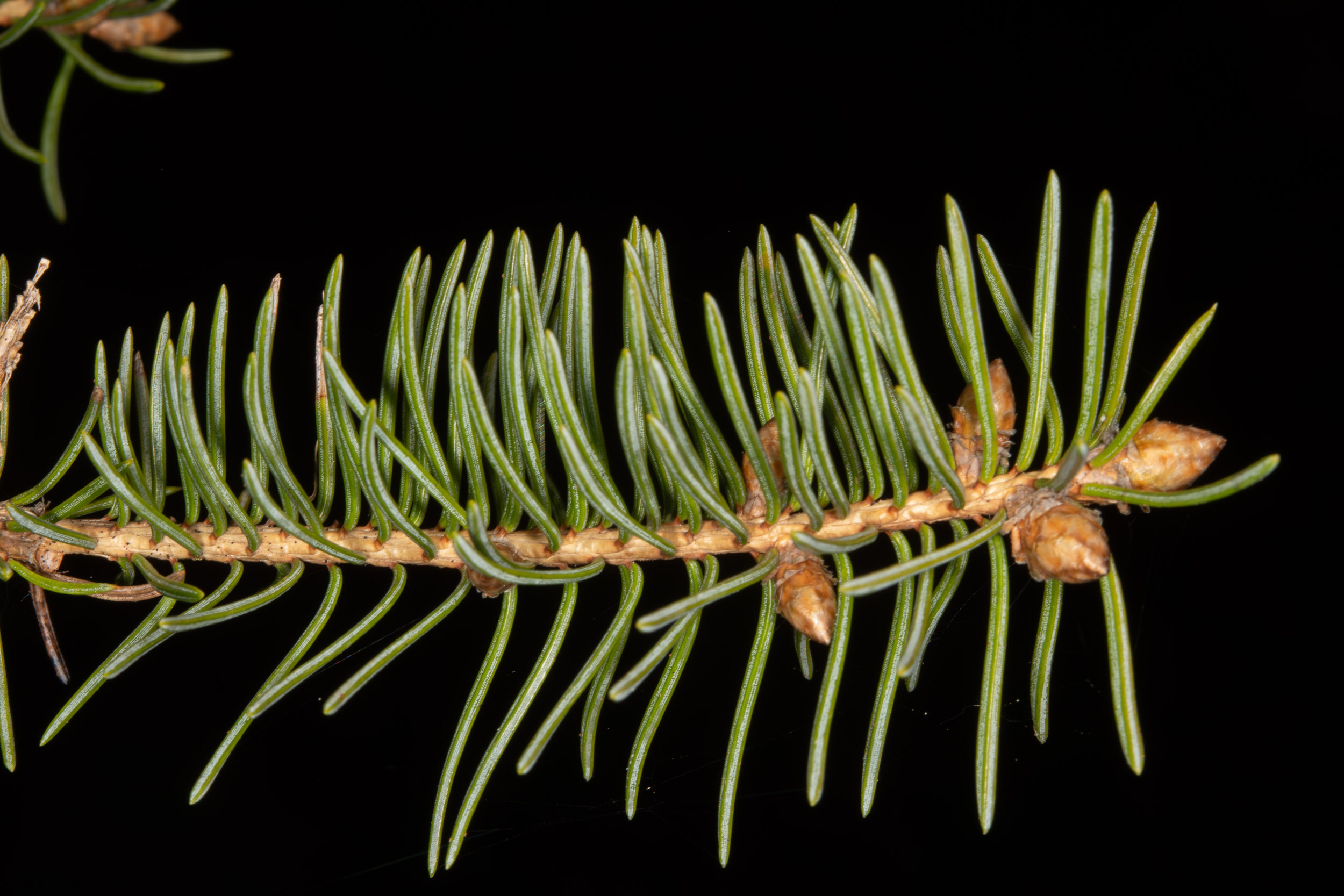
5/9/2021 · Mitchell Field, Harpswell, Maine · ≈ 5 × 3½″ (13 × 8.7 cm) 

7/12/2015 · Mt. Kearsarge, Wilmot/Warner, New Hampshire 

9/20/2009 · Wild Gardens of Acadia, Acadia National Park, Bar Harbor, Maine 
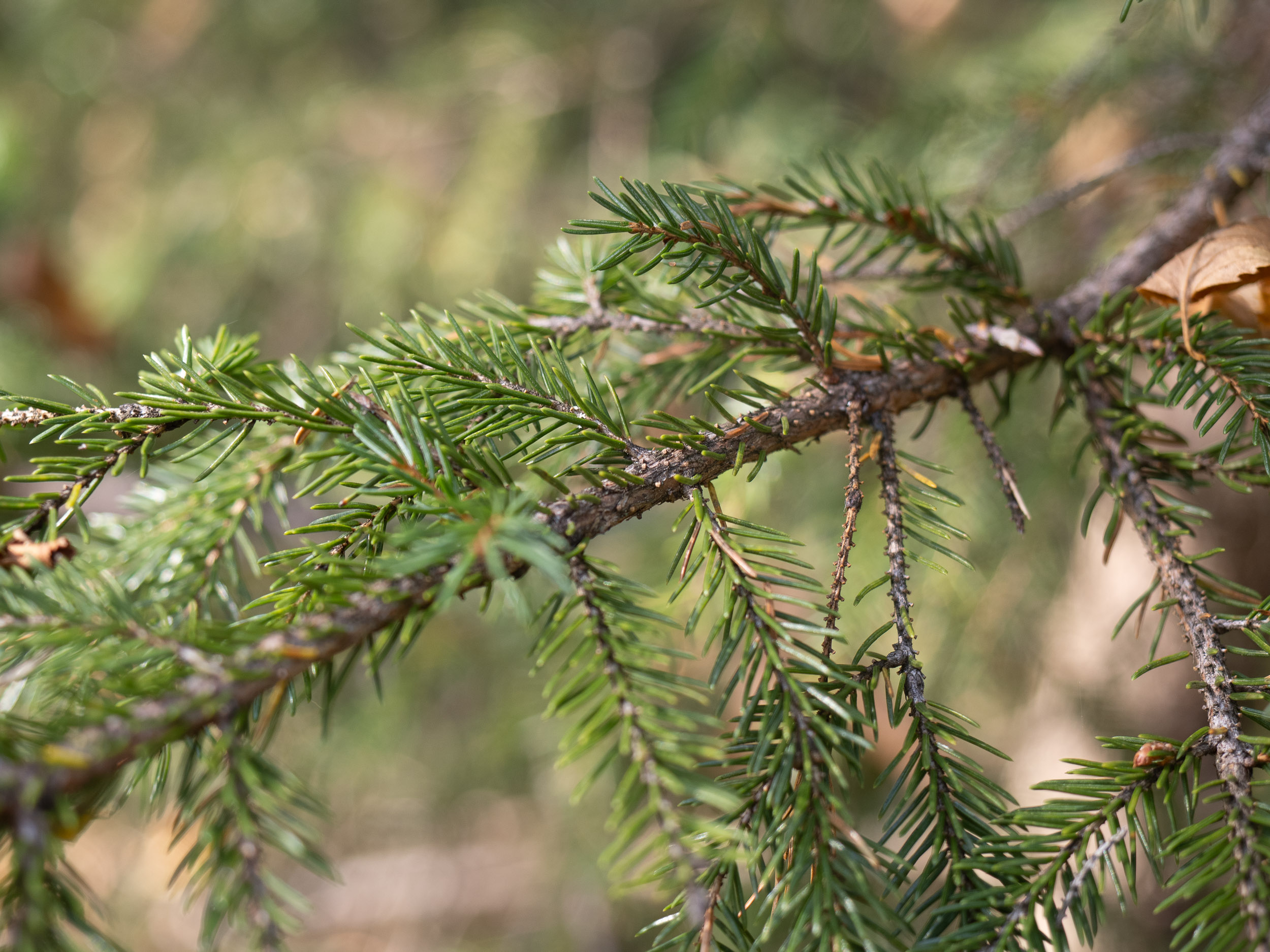
10/5/2023 · Quill Hill, Rangeley, Maine 

7/13/2015 · Mt. Mansfield, Stowe/Cambridge, Vermont · ≈ 5 × 8″ (13 × 19 cm) 

9/7/2013 · Beech Hill, Dublin, New Hampshire · ≈ 12 × 8″ (31 × 21 cm) 

11/3/2023 · Otter Brrok Preserve, Harpswell Heritage Land Trust, Harpswell, Maine 

7/13/2015 · Mt. Mansfield, Stowe/Cambridge, Vermont · ≈ 8 × 5″ (19 × 13 cm) 

8/3/2025 · Saco Heath Preserve, Saco, Maine · ≈ 7 × 10″ (17 × 25 cm) 

10/6/2023 

5/9/2021 · Mitchell Field, Harpswell, Maine · ≈ 6 × 4″ (16 × 11 cm) 

5/9/2021 · Mitchell Field, Harpswell, Maine · ≈ 5 × 3½″ (13 × 9.2 cm) 

9/7/2013 · Beech Hill, Dublin, New Hampshire · ≈ 8 × 5″ (19 × 13 cm) 
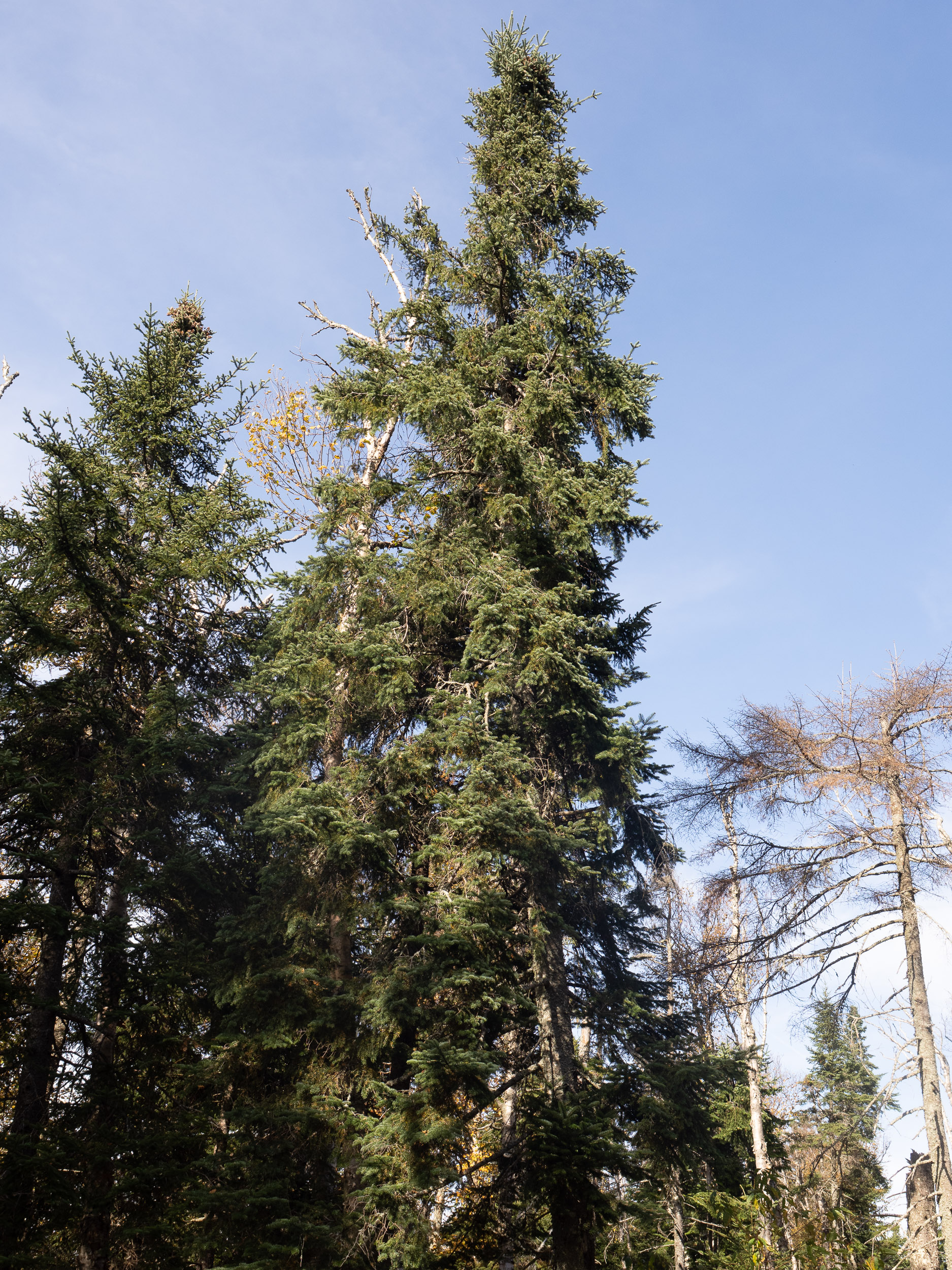
10/5/2023 · Quill Hill, Rangeley, Maine 

The burls are caused by a virus. · 9/5/2000 · Acadia National Park, Bar Harbor, Maine 
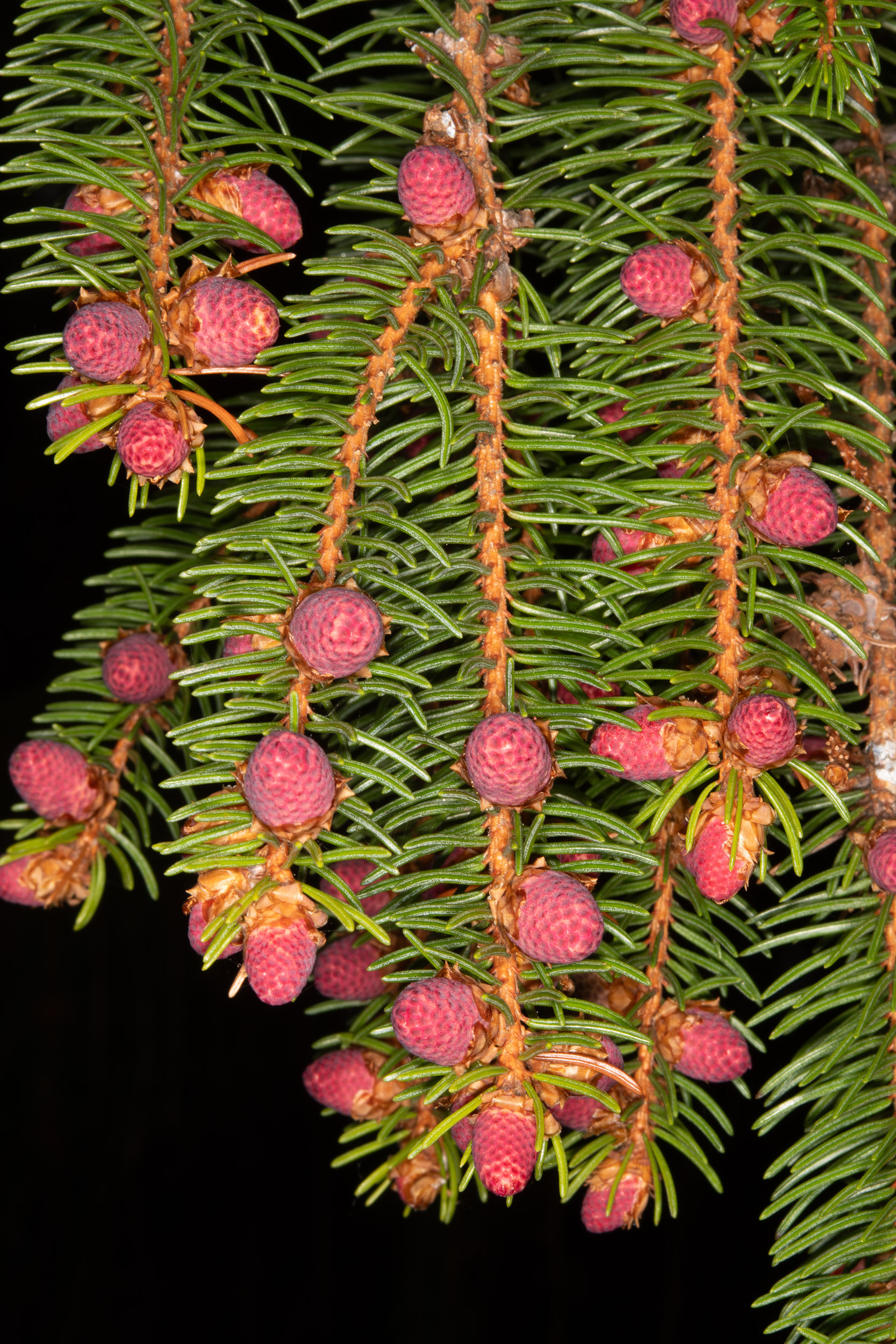
5/11/2021 · Harpswell Historic Park, Harpswell Garden Club, Harpswell, Maine · ≈ 4 × 6″ (11 × 16 cm) 

11/1/2011 

8/22/2020 · Kettle Hole Bog, Hidden Valley Nature Center, Jefferson, Maine · ≈ 6 × 10″ (16 × 24 cm) 

9/29/2013 · North Bubble Hike, Acadia National Park, Bar Harbor, Maine 

9/7/2013 · Beech Hill, Dublin, New Hampshire 
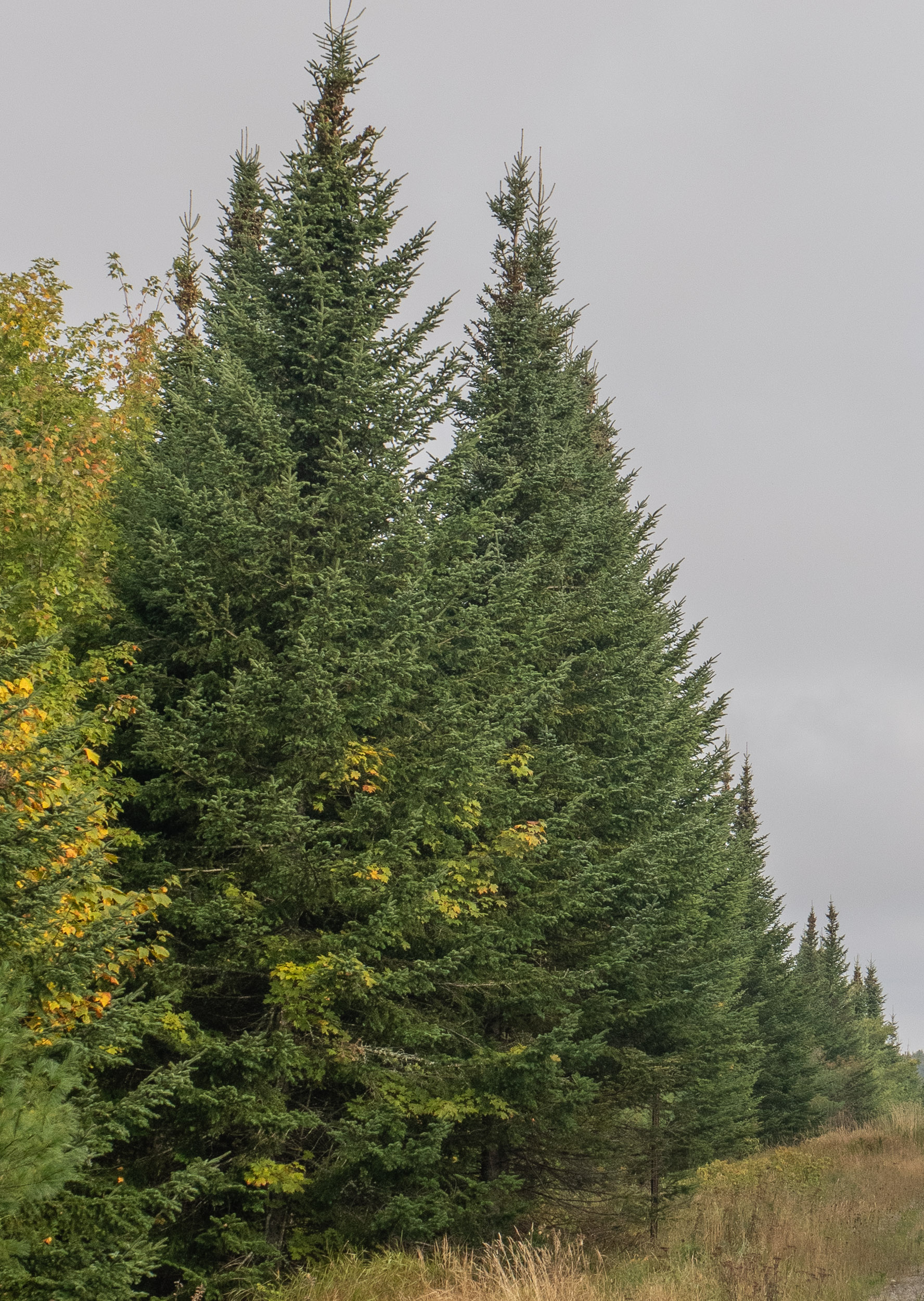
9/24/2023 · Rte 6/15, Moosehead Lake Region, Maine 
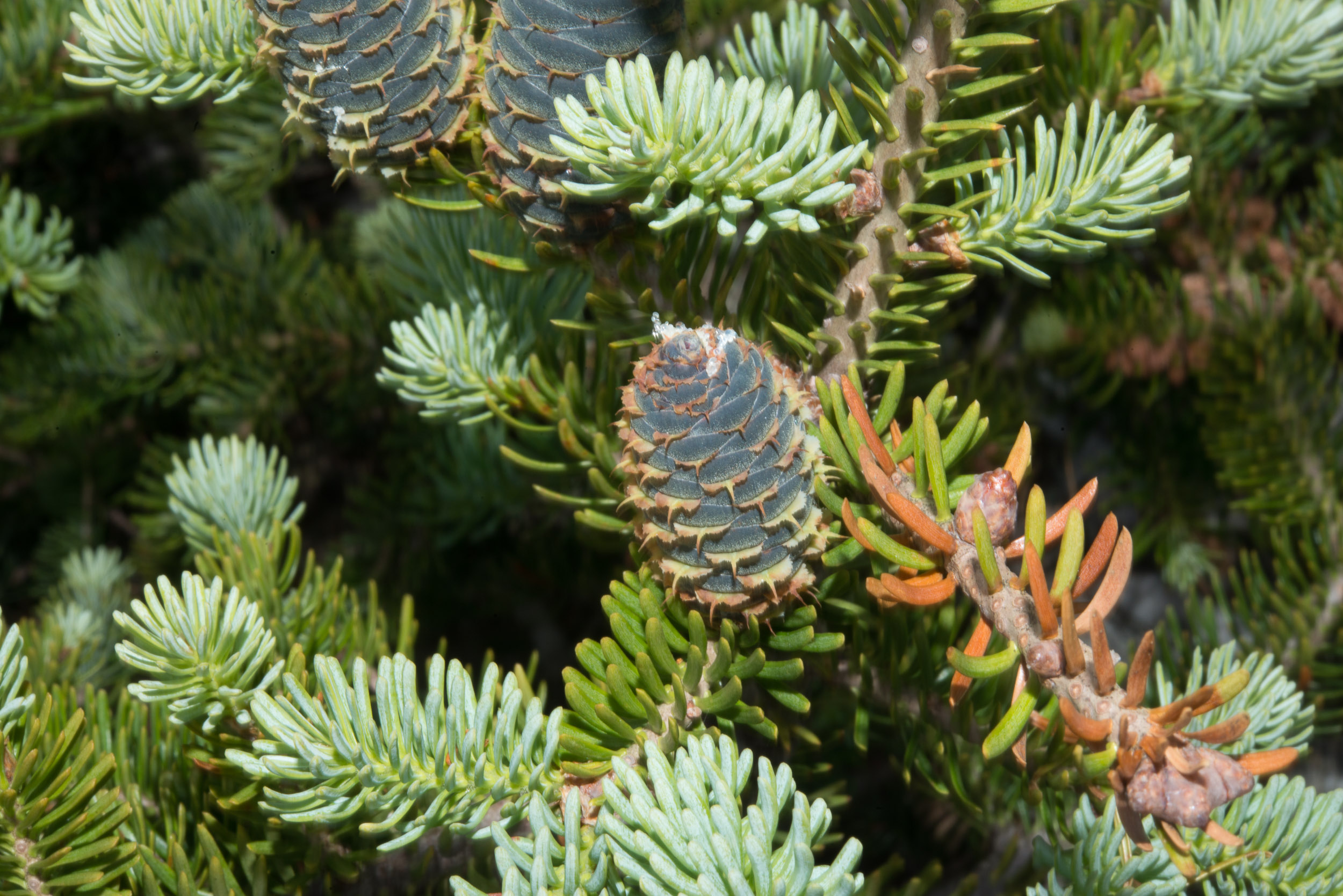
7/13/2015 · Mt. Mansfield, Stowe/Cambridge, Vermont · ≈ 7 × 4½″ (18 × 12 cm) 

8/3/2025 · Saco Heath Preserve, Saco, Maine · ≈ 8 × 6″ (21 × 14 cm) 
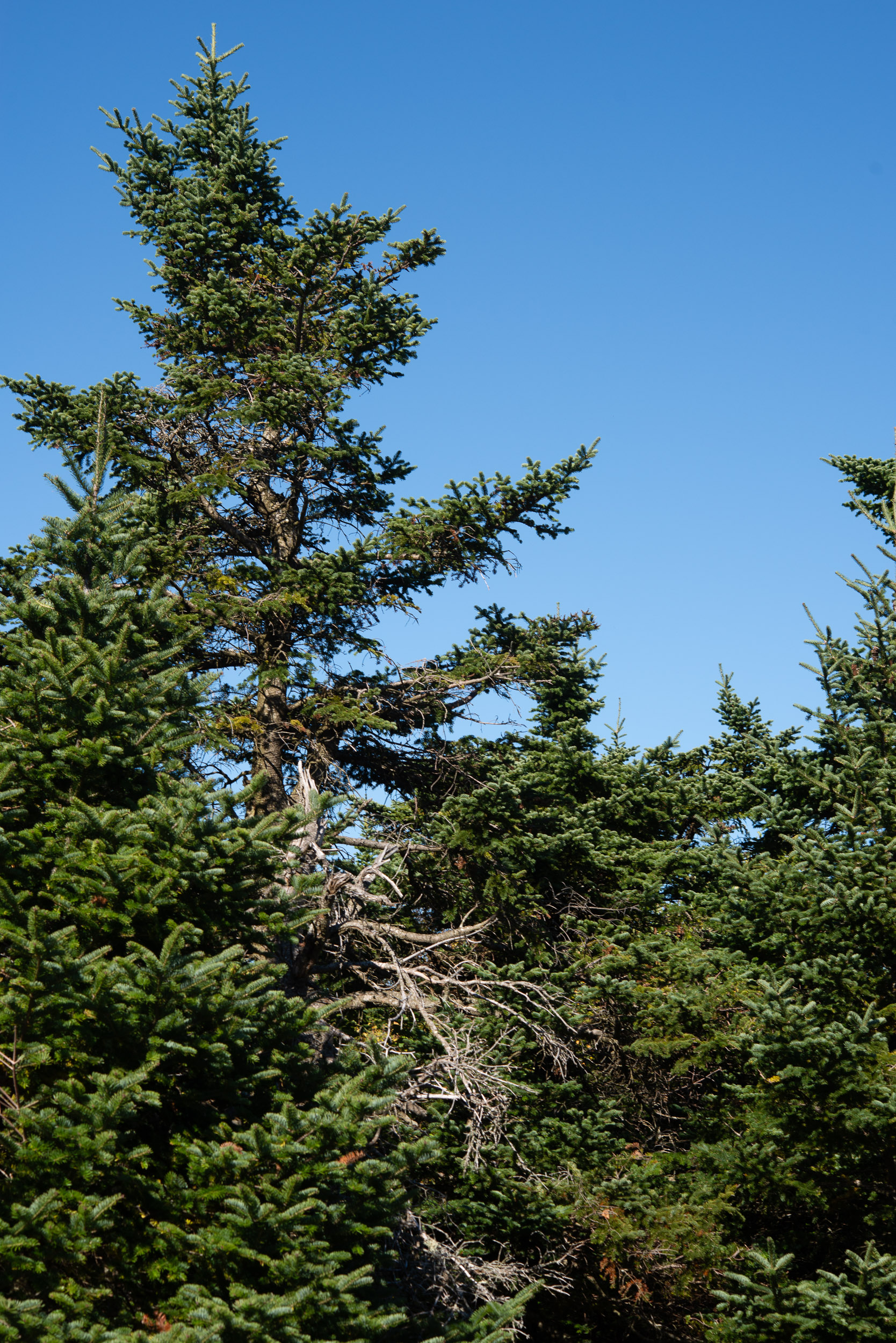
9/28/2013 · Cadillac Mountain, Acadia National Park, Bar Harbor, Maine 

8/22/2020 · Kettle Hole Bog, Hidden Valley Nature Center, Jefferson, Maine · ≈ 8 × 5″ (20 × 13 cm) 

10/5/2023 · Quill Hill, Rangeley, Maine 

9/28/2013 · Cadillac Mountain, Acadia National Park, Bar Harbor, Maine 

9/7/2013 · Beech Hill, Dublin, New Hampshire · ≈ 5 × 8″ (13 × 19 cm) 
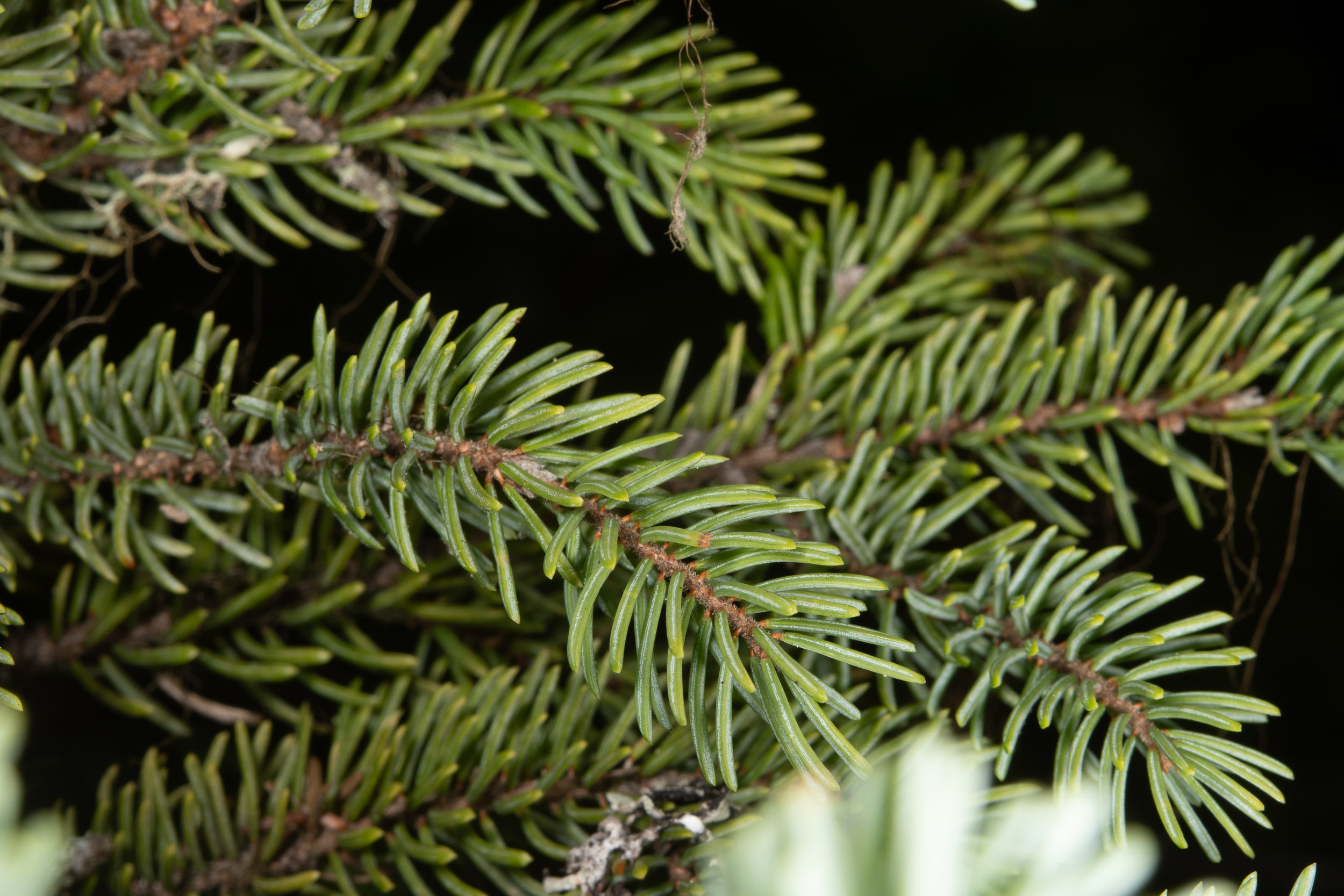
8/22/2020 · Kettle Hole Bog, Hidden Valley Nature Center, Jefferson, Maine · ≈ 4 × 2½″ (11 × 7.3 cm) 

7/13/2015 · Mt. Mansfield, Stowe/Cambridge, Vermont · ≈ 8 × 6″ (20 × 14 cm) 

8/15/2015 · Screw Auger Falls, Grafton Notch State Park, Newry, Maine 

7/13/2015 · Mt. Mansfield, Stowe/Cambridge, Vermont · ≈ 8 × 5″ (19 × 13 cm) 

8/3/2025 · Saco Heath Preserve, Saco, Maine · ≈ 8 × 5″ (19 × 12 cm) 
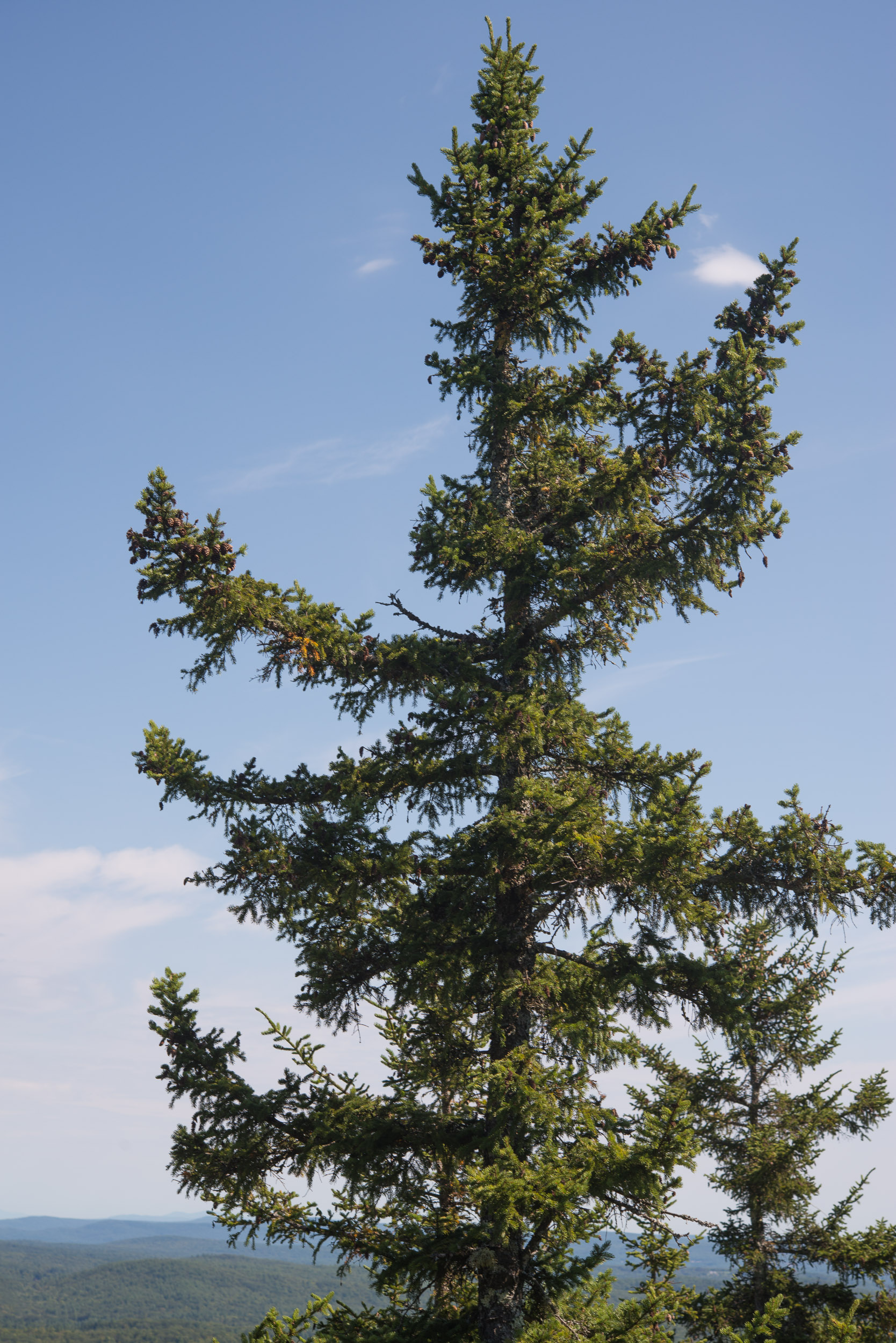
9/7/2013 · Beech Hill, Dublin, New Hampshire 

10/5/2023 · Quill Hill, Rangeley, Maine 

9/28/2013 · Cadillac Mountain, Acadia National Park, Bar Harbor, Maine 

8/9/2025 · Garcelon Bog, Lewiston, Maine · ≈ 6 × 4″ (16 × 10 cm) 
| Kingdom | Plantae | Plants, but not fungi, lichens, or algae (from Stearn's Botanical Latin) |
| Subkingdom | Tracheobionta | Vascular plants—plants with a “circulatory system” for delivering water and nutrients |
| Division | Coniferophyta | Conifers—cone-bearing trees (and a few shrubs) |
| Class | Pinopsida | Gymnosperms such as cedars, Douglas-firs, cypresses, firs, junipers, kauri, larches, pines, hemlocks, redwoods, spruces, and yews |
| Order | Pinales | Cone-bearing plants: cedar, cypress, fir, juniper, larch, pine, redwood, spruce, yew, and others |
| Family | Pinaceae | Pine family: cedars, firs, hemlocks, larches, pines and spruces |
| Genus | Picea | Spruce; means “pitch” |
| Species | mariana | Means “from Maryland” |
Picea mariana description by Thomas H. Kent, not updated.

© FloraFinder.org. All rights reserved.