Pinus elliottii Engelm.
Slash pine, yellow slash pine, swamp pine
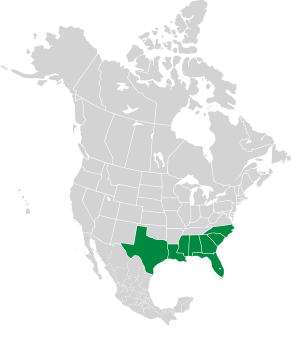
Slash pine is so called because it is a common inhabitant of “slashes”—that is, swampy ground overgrown with trees and bushes. (This rather strange meaning of “slash” probably derives from the Norwegian word slask, meaning “mud” or “slush.”) It is native to the southeastern United States, and is found at elevations below 492′ (150 m). Some botanists distinguish Pinus elliottii var. densus, or Florida slash pine, from P. elliottii var. elliottii, a variety whose range includes Florida and some surrounding states. Florida slash pine has denser wood, a grass-like seedling stage, longer needles usually in fascicles of two, and opened cones average 4″ (10 cm) long with rounded bottoms. Other botanists cannot discern a clear distinction. Here, we lump them together. Trees live up to 200 years.
Plants: Trees are up to 98′ (30 m) in height, with trunks up to 2½′ (80 cm) in diameter. Most trees are straight, branching only near the top. Bark is orange to purple-brown, irregularly furrowed into loosely rectangular scaly plates.
Leaves: Needles are in groups of 2 or 3, each 6–8 ⨉ ⅜–½″ (15–20 ⨉ 1.2–1.5 cm). They are dark green and straight or somewhat twisted, and yellow- to blue-green.
Flowers: Buds are cylindric, silver-brown, ½–¾″ (1.5–2 cm) long.
Fruits: Pollen cones are cylindric, 1–1½″ (3–4 cm) long, and purplish, emerging from a branch tip in small clusters. Seed cones occur singly or in pairs, opening to a light chocolate brown color. Good cone crops occur every 3 or 4 years.
Habitats: Swampy ground overgrown with trees and bushes.
Online References:

4/14/2015 · Pinelands, Everglades National Park, Florida  ID is uncertain
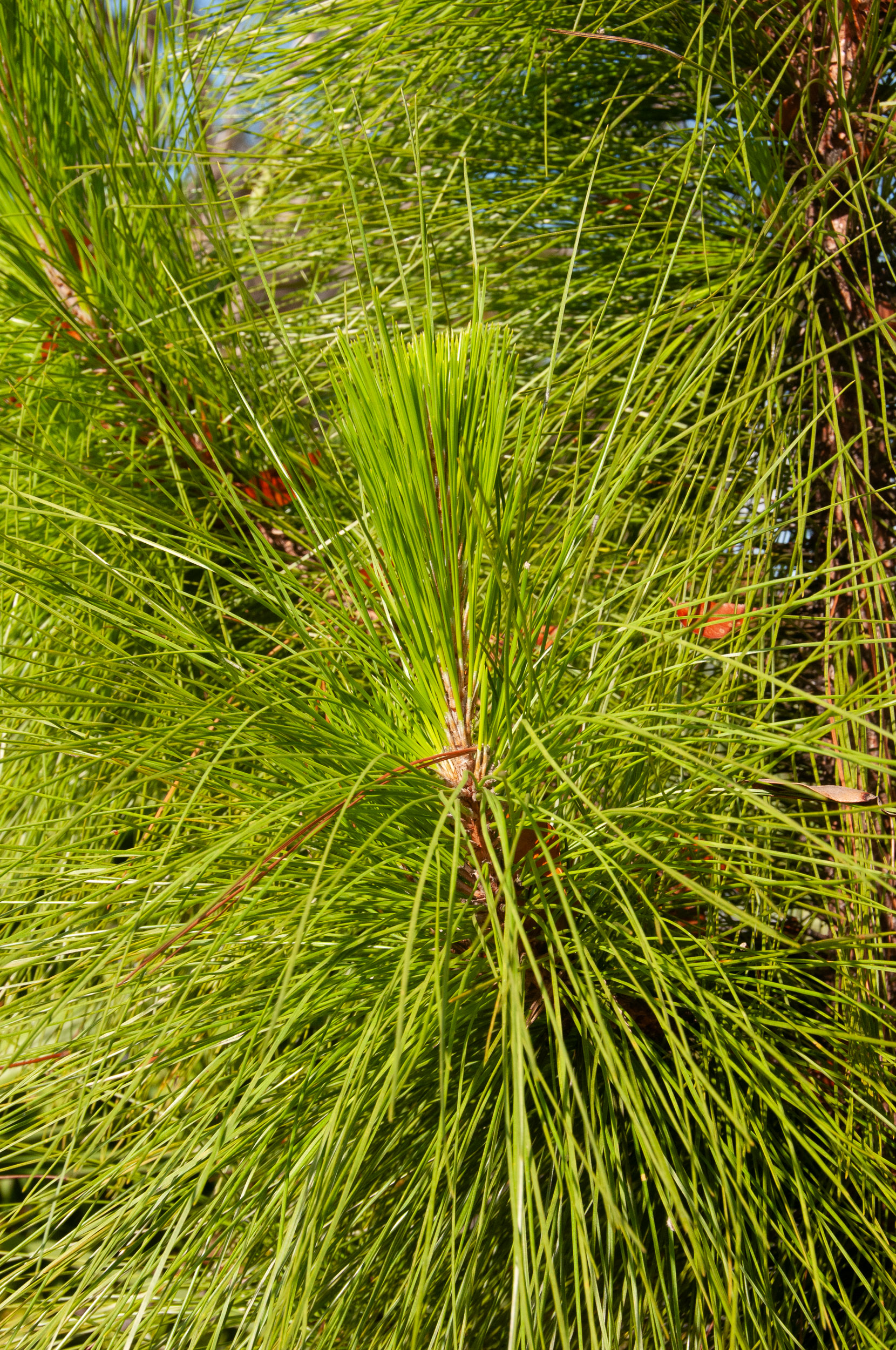
4/13/2015 · Ernest F. Coe Visitor Center, Everglades National Park, Florida · By Susan M. Kent · ≈ 11 × 17″ (28 × 42 cm) 

4/14/2015 · Long Pine Key, Everglades National Park, Florida · ≈ 5 × 6″ (13 × 15 cm) 

4/14/2015 · Pinelands, Everglades National Park, Florida ID is uncertain 

4/14/2015 · Pinelands, Everglades National Park, Florida ID is uncertain 

4/13/2015 · Mahogany Hammock Trail, Everglades National Park, Florida 

4/14/2015 · Pinelands, Everglades National Park, Florida · ≈ 1½ × 2½′ (53 × 79 cm) ID is uncertain 

4/13/2015 · Ernest F. Coe Visitor Center, Everglades National Park, Florida · By Susan M. Kent · ≈ 3 × 4½′ (91 × 136 cm) 

4/14/2015 · Pinelands, Everglades National Park, Florida · ≈ 1 × 2′ (39 × 59 cm) ID is uncertain 
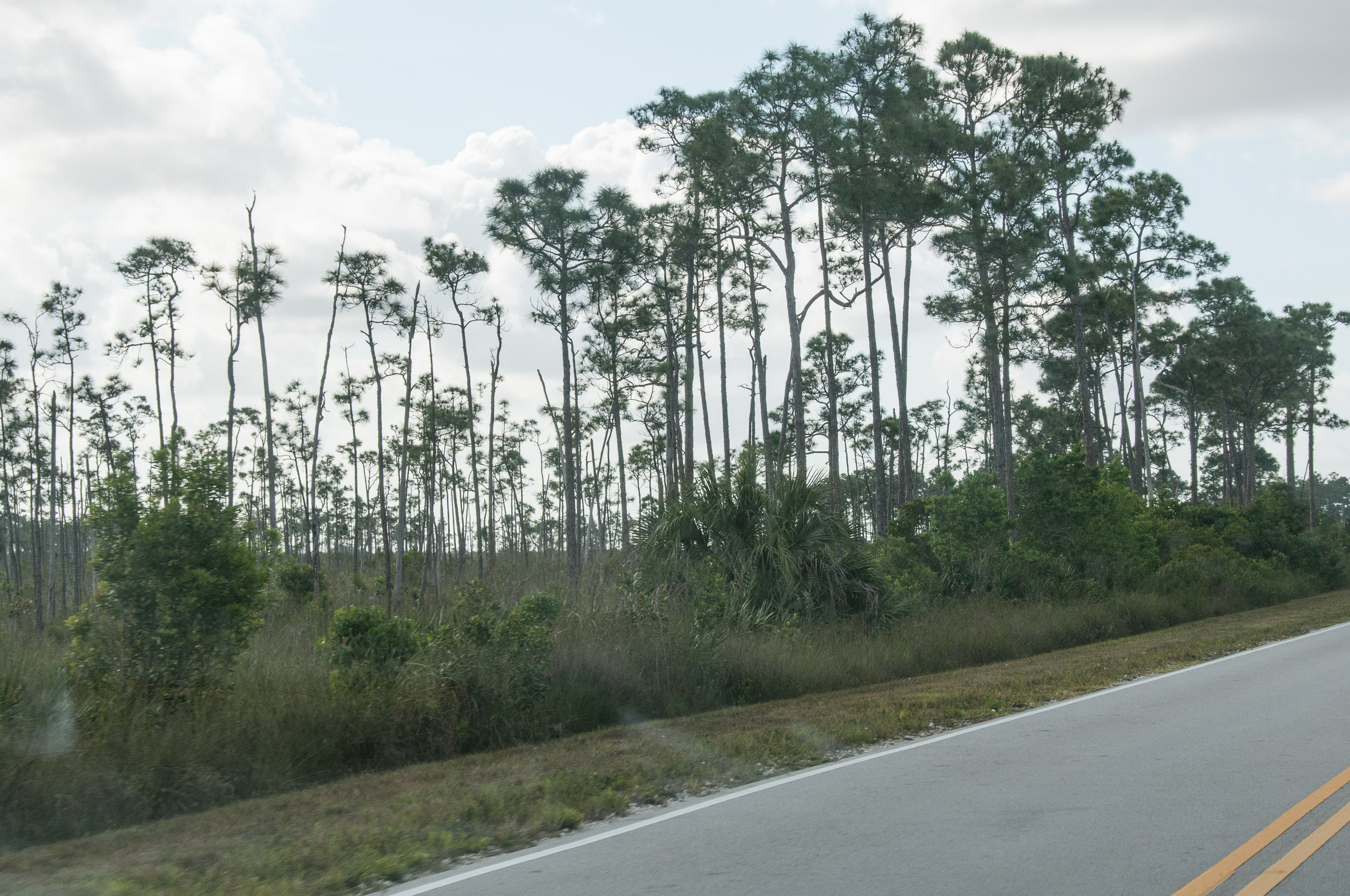
4/13/2015 · Everglades National Park, Florida · By Susan M. Kent 
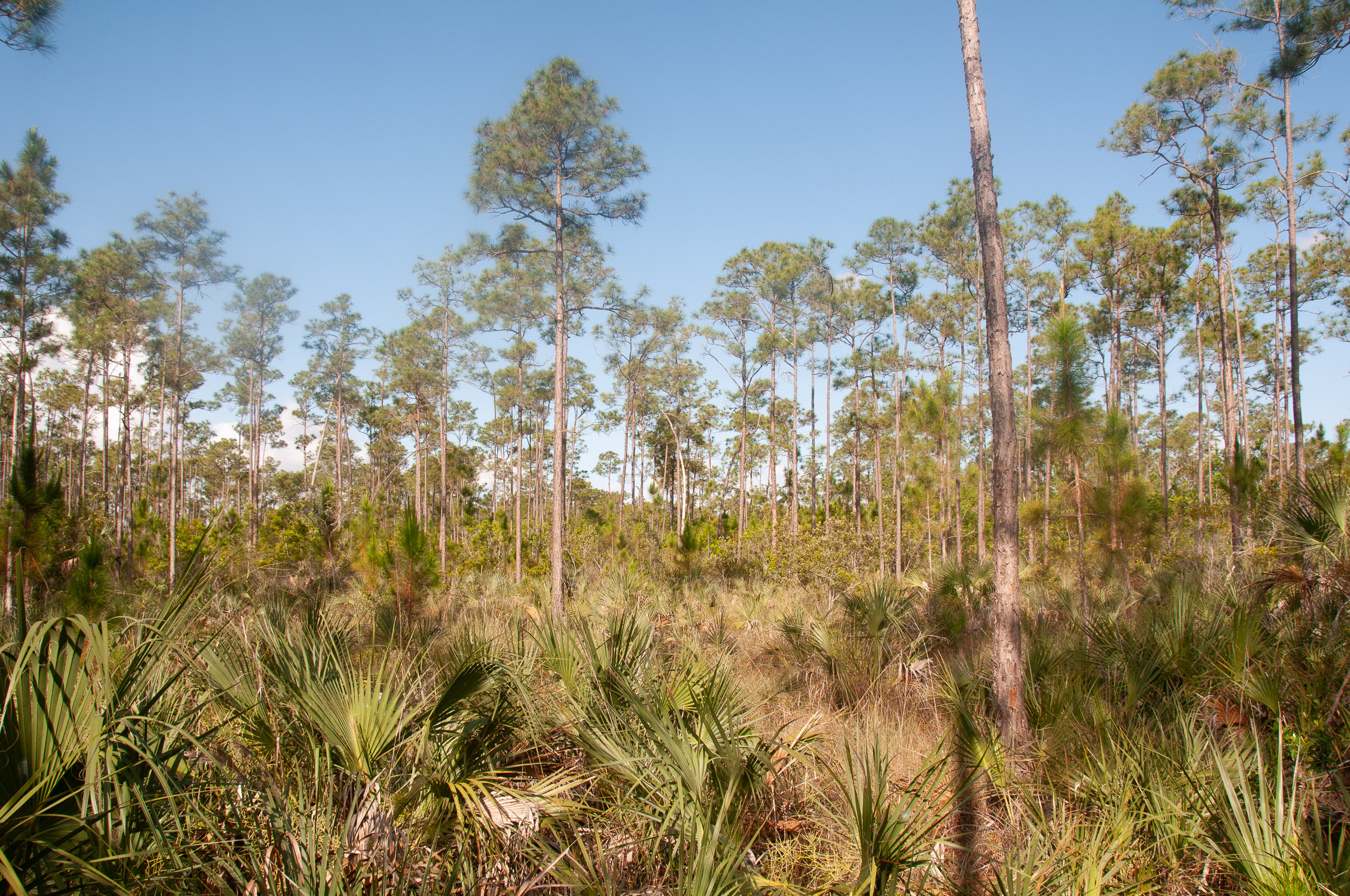
4/14/2015 · Pinelands, Everglades National Park, Florida ID is uncertain 
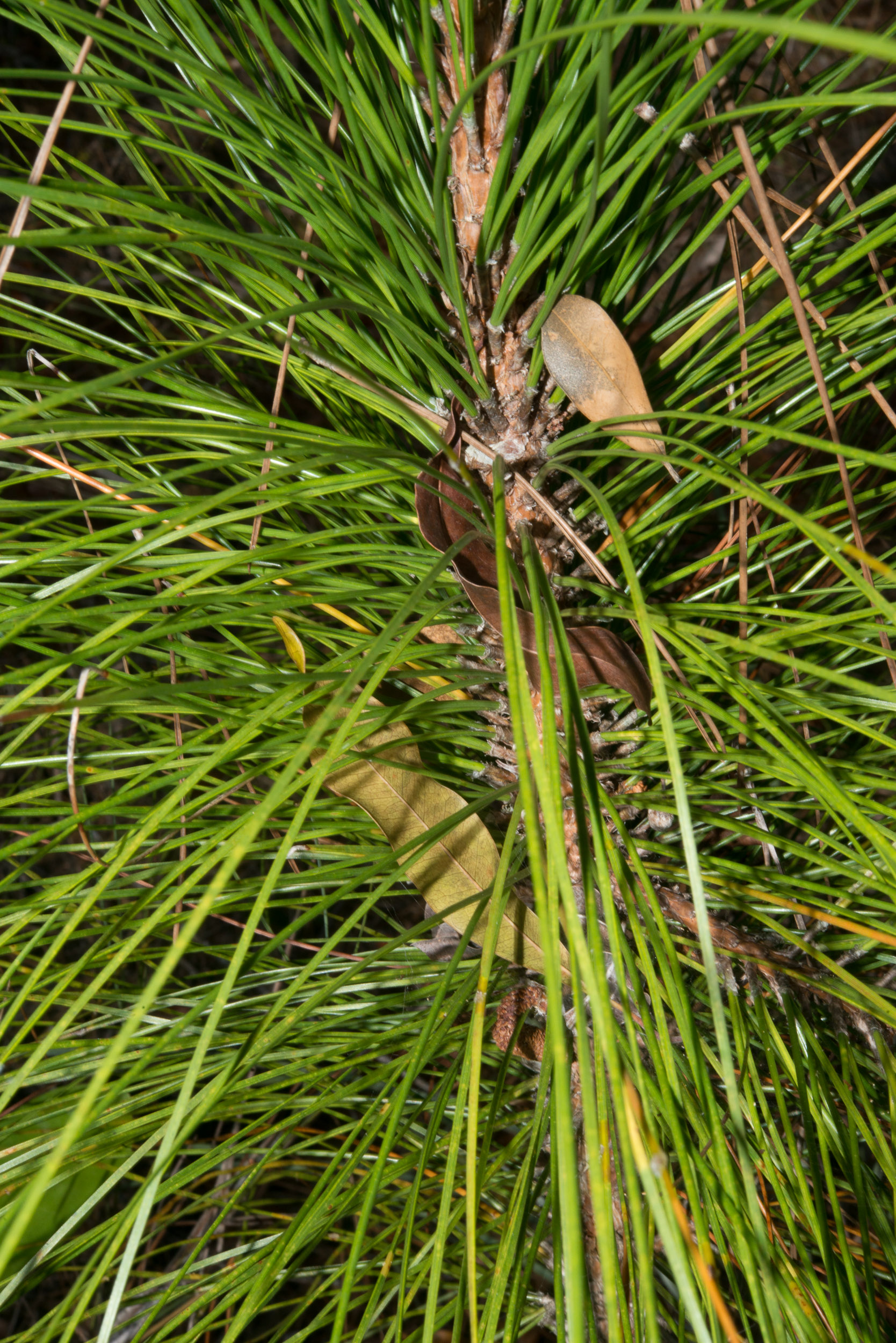
4/14/2015 · Pinelands, Everglades National Park, Florida · ≈ 8 × 12″ (21 × 31 cm) ID is uncertain 
| Kingdom | Plantae | Plants, but not fungi, lichens, or algae (from Stearn's Botanical Latin) |
| Subkingdom | Tracheobionta | Vascular plants—plants with a “circulatory system” for delivering water and nutrients |
| Division | Coniferophyta | Conifers—cone-bearing trees (and a few shrubs) |
| Class | Pinopsida | Gymnosperms such as cedars, Douglas-firs, cypresses, firs, junipers, kauri, larches, pines, hemlocks, redwoods, spruces, and yews |
| Order | Pinales | Cone-bearing plants: cedar, cypress, fir, juniper, larch, pine, redwood, spruce, yew, and others |
| Family | Pinaceae | Pine family: cedars, firs, hemlocks, larches, pines and spruces |
| Genus | Pinus | Latin for “pine” |
| Species | elliottii |
Pinus elliottii description by Thomas H. Kent, not updated.

© FloraFinder.org. All rights reserved.