Polygala sanguinea L.
Field milkwort, blood milkwort, purple milkwort
Field milkwort is a North American native plant. These plants do well in sandy or rocky soils with low nutritional content, in both dry or moist conditions.
Plants: 3–16″ (7.6–40 cm) in height, with a hairless stem, although it may look pock-marked and irregular near the top from flowers that have dropped away. A cross-section of the stem resembles the keel of a ship or has four sharply-defined edges. The thin taproot smells a bit like wintergreen.
Leaves: Linear or narrowly elliptic, attached directly to the stem (sessile) or via very short stems, up to ⅛ ⨉ 1/16–⅛″ (3 ⨉ 2–5 mm). They may be either alternate or opposite.
Flowers: A compact raceme atop each stem, which may be purplish-pink, rose-colored, white, or pale green. The coloring comes from enlarged sepals called “wings.” The entire flowerhead is up to ¾″ (2 cm) tall and about ⅜″ (1 cm) around. They appear from May to October.
Fruits: Each tiny flower becomes a tiny capsule with two hairy seeds.
Habitats: Prairies, open woods, moist meadows.
Online References:
References:
Clemants, Steven; Gracie, Carol, Wildflowers in the Field and Forest, Oxford University Press, 2006, p. 82
Polygala viridescens L.

9/16/2013 · Townsend Wildlife Management Area, Townsend, Massachusetts · ≈ 6 × 5″ (16 × 13 cm) 
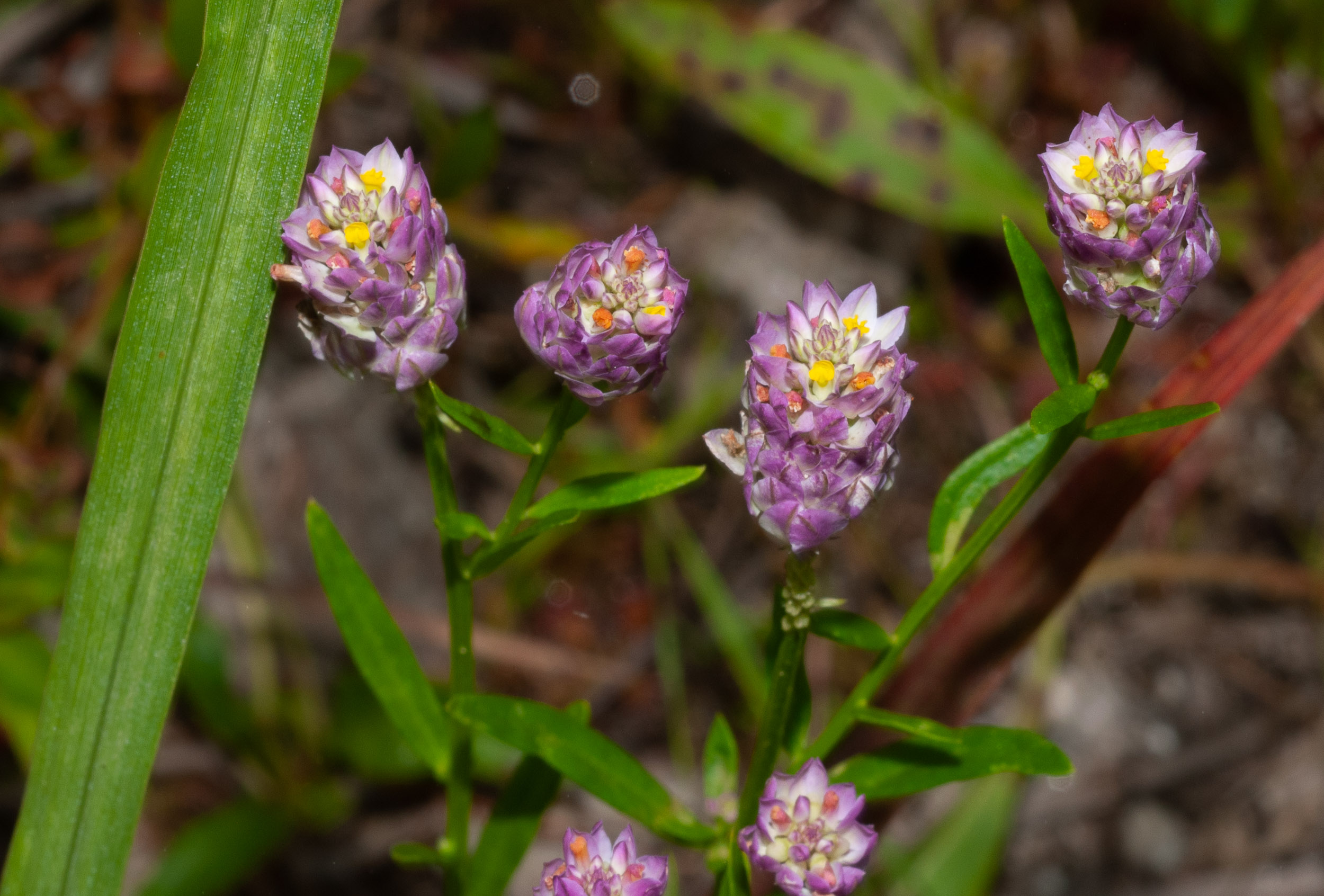
8/3/2012 · Bemis Rd Conservation Area, Pepperell, Massachusetts · ≈ 4 × 2½″ (10 × 7.1 cm) 
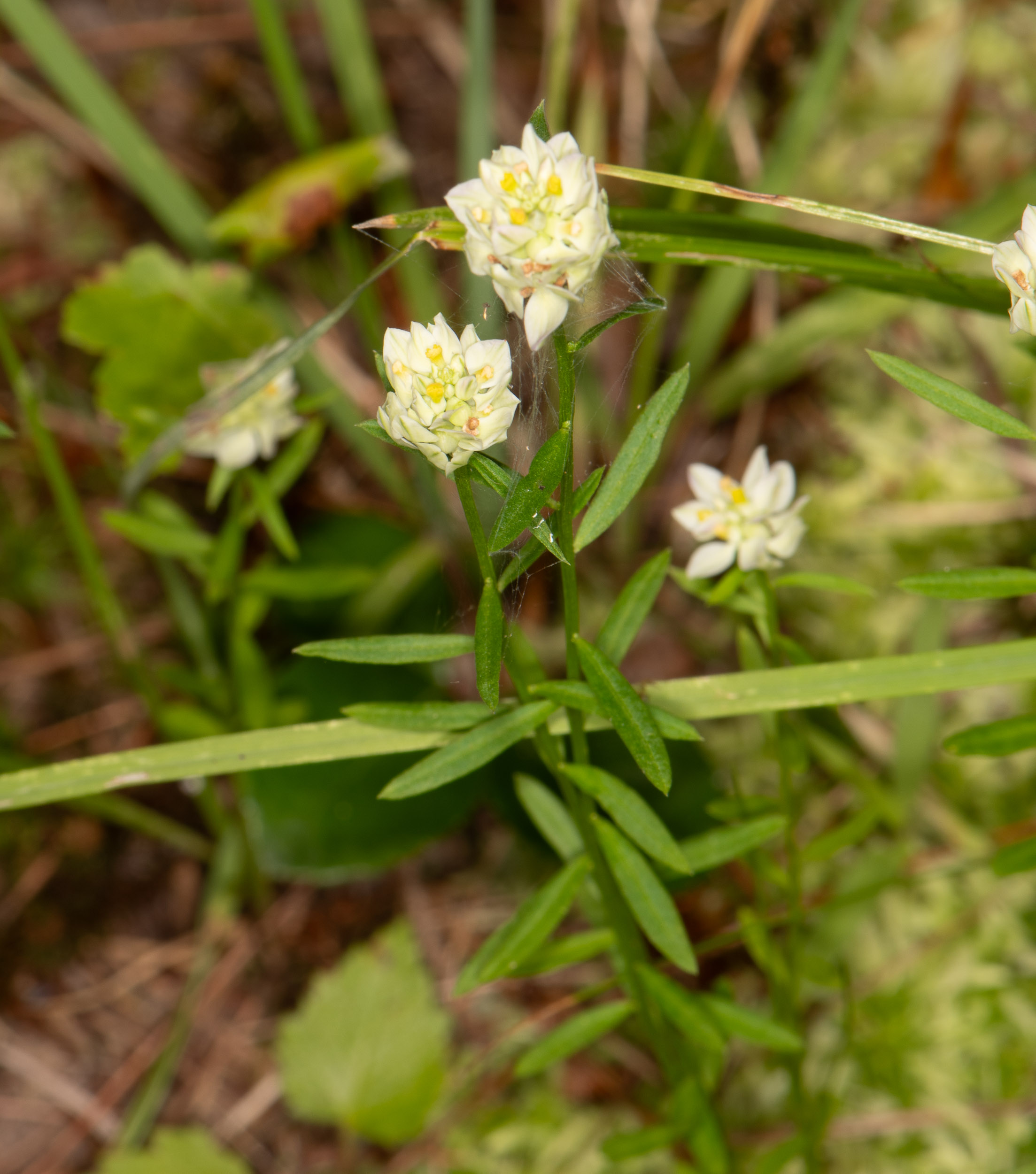
8/17/2021 · Center Pond Preserve, Red Trail, Phippsburg, Maine · ≈ 3½ × 4″ (9.4 × 10 cm) 
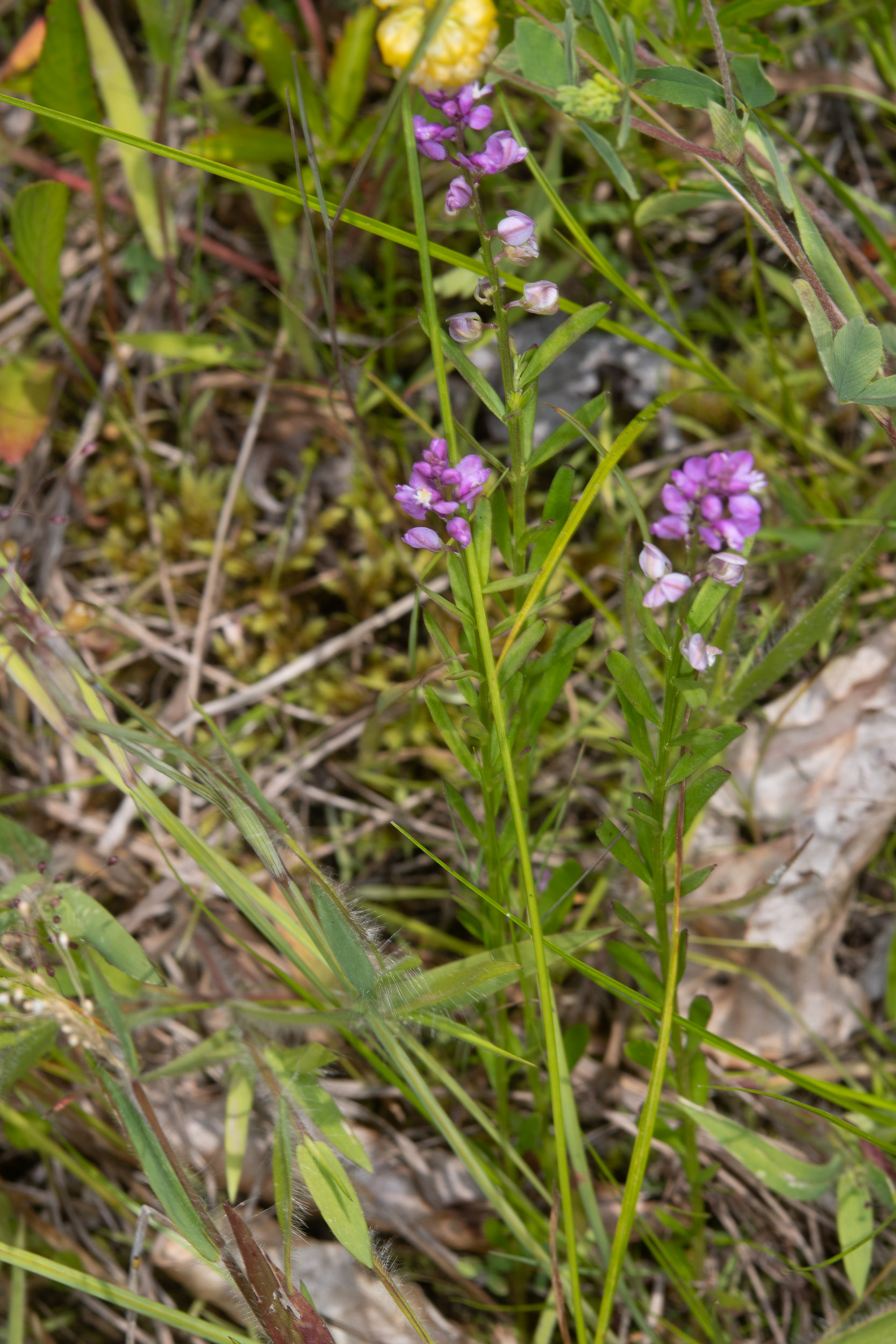
7/6/2017 · Mt. Watatic, access road, Ashby, Massachusetts · ≈ 4 × 6″ (11 × 16 cm) 

9/16/2013 · Townsend Wildlife Management Area, Townsend, Massachusetts · ≈ 6 × 6″ (15 × 14 cm) 

Individual flowers are bilaterally symmetrical, and consist of two “wings,” which are actually sepals; and a smaller yellow corolla, the true flower. There are also three more sepals and three petals, but they are too small to see in this view. · 1/13/2026 · Bemis Rd Conservation Area, Pepperell, Massachusetts 

9/11/2017 · Mt. Watatic, access road, Ashby, Massachusetts · ≈ 4 × 2½″ (10 × 6.9 cm) 

10/7/2021 · Power Lines Trails, Highland Green, Topsham, Maine · ≈ 3 × 2″ (7.4 × 5.5 cm) 
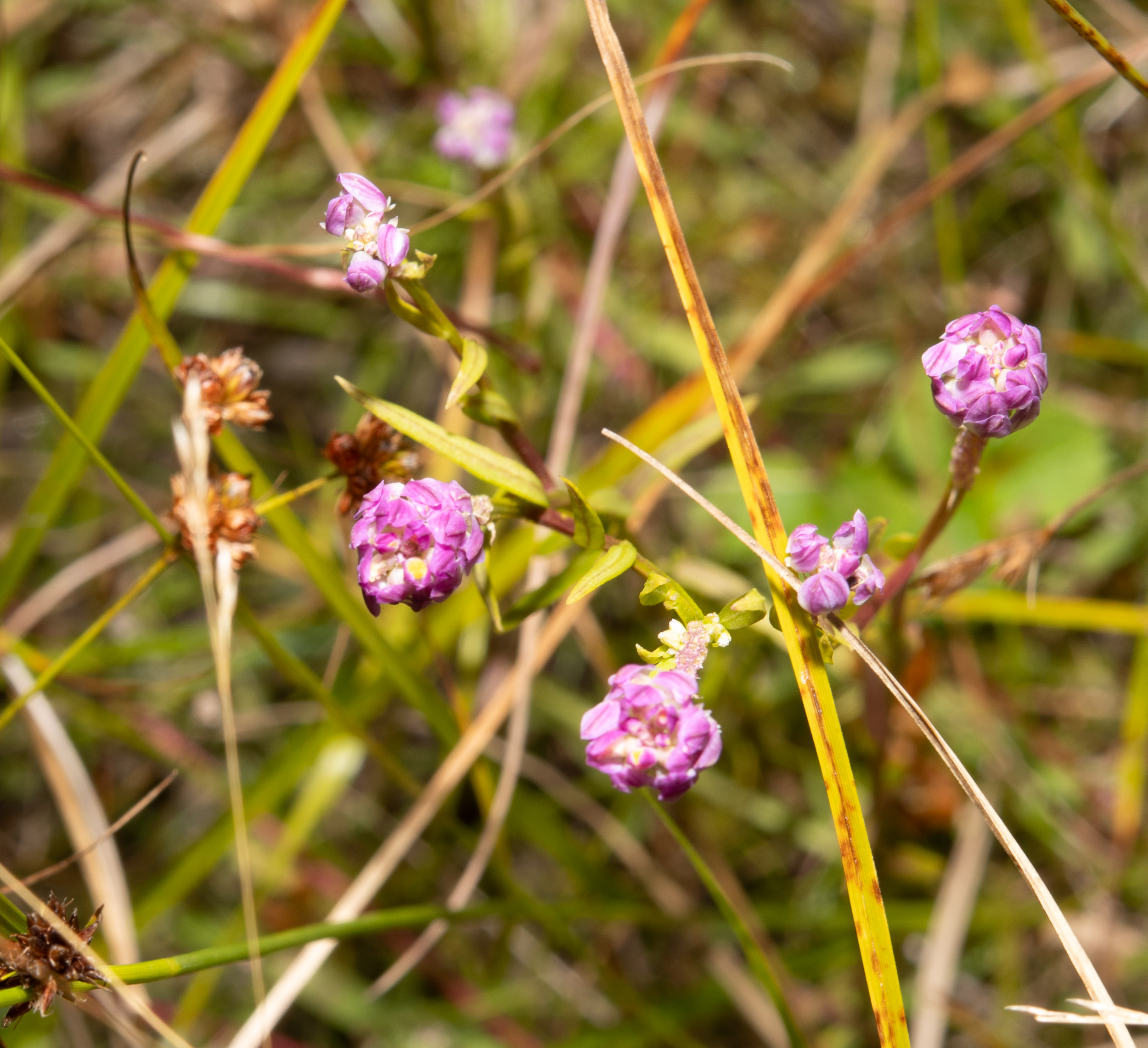
9/11/2017 · Mt. Watatic, access road, Ashby, Massachusetts · ≈ 3 × 3″ (8.3 × 7.6 cm) 
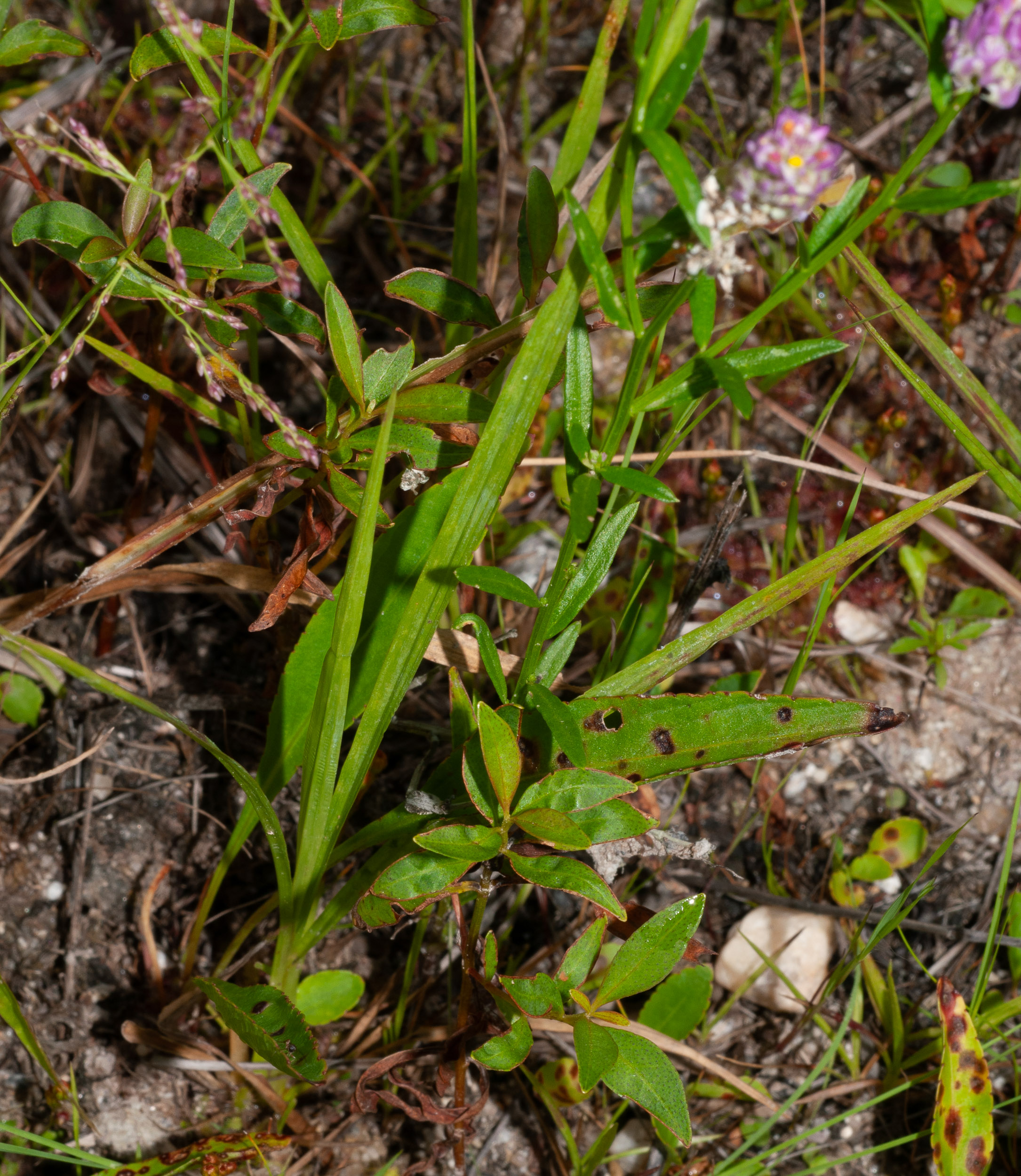
8/3/2012 · Bemis Rd Conservation Area, Pepperell, Massachusetts · ≈ 5 × 6″ (13 × 15 cm) 

8/17/2021 · Center Pond Preserve, Red Trail, Phippsburg, Maine · ≈ 3½ × 4″ (8.7 × 11 cm) 

9/16/2013 · Townsend Wildlife Management Area, Townsend, Massachusetts · ≈ 2½ × 2½″ (7.2 × 7.1 cm) 

8/17/2021 · Center Pond Preserve, Red Trail, Phippsburg, Maine · ≈ 4 × 6″ (10 × 15 cm) 
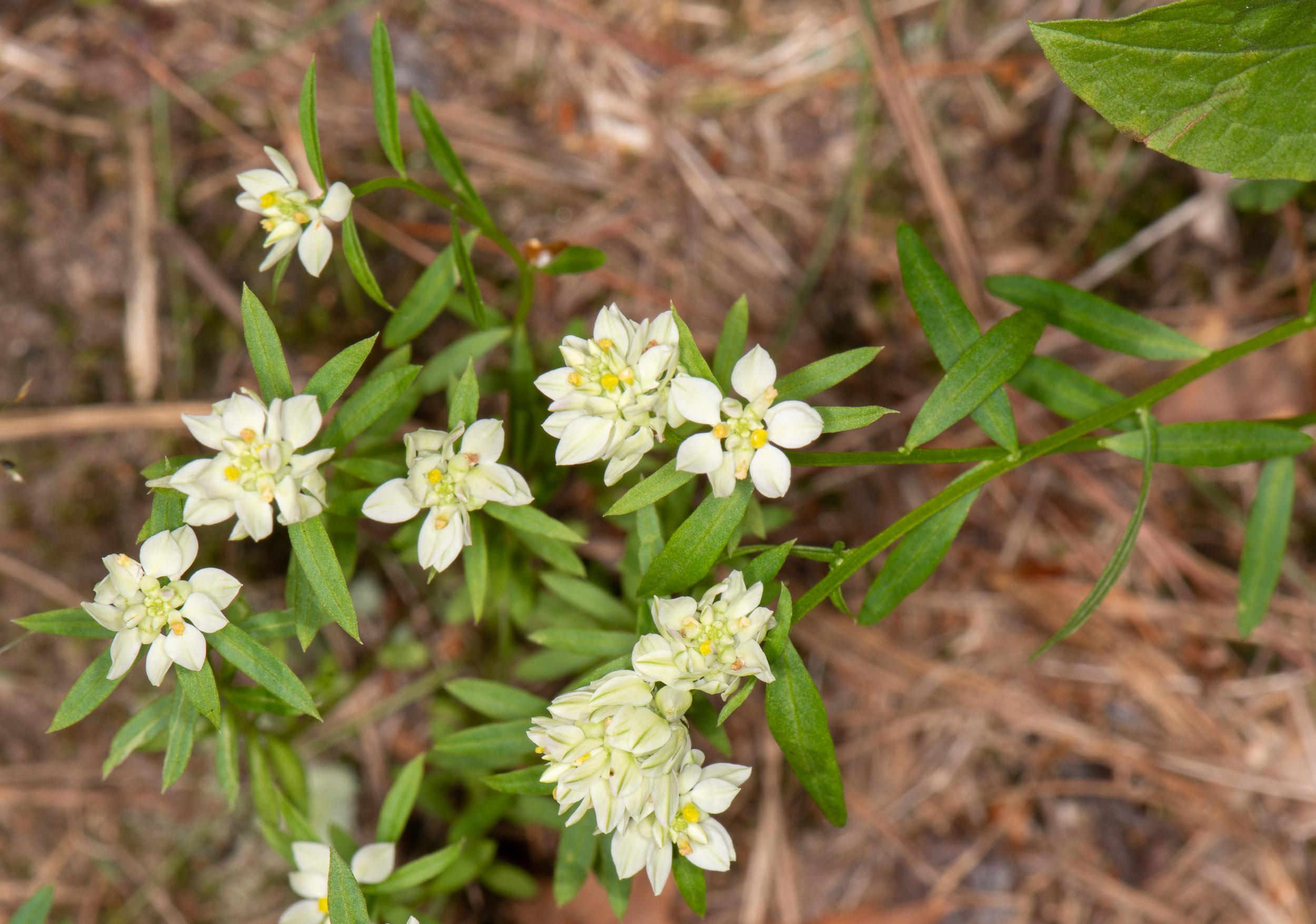
8/17/2021 · Center Pond Preserve, Red Trail, Phippsburg, Maine · ≈ 4½ × 3″ (12 × 8.5 cm) 

9/11/2017 · Mt. Watatic, access road, Ashby, Massachusetts · ≈ 3½ × 3½″ (9.8 × 8.6 cm) 

8/3/2012 · Bemis Rd Conservation Area, Pepperell, Massachusetts · ≈ 3½ × 5″ (9 × 13 cm) 

8/3/2012 · Bemis Rd Conservation Area, Pepperell, Massachusetts · ≈ 7 × 4½″ (16 × 11 cm) 
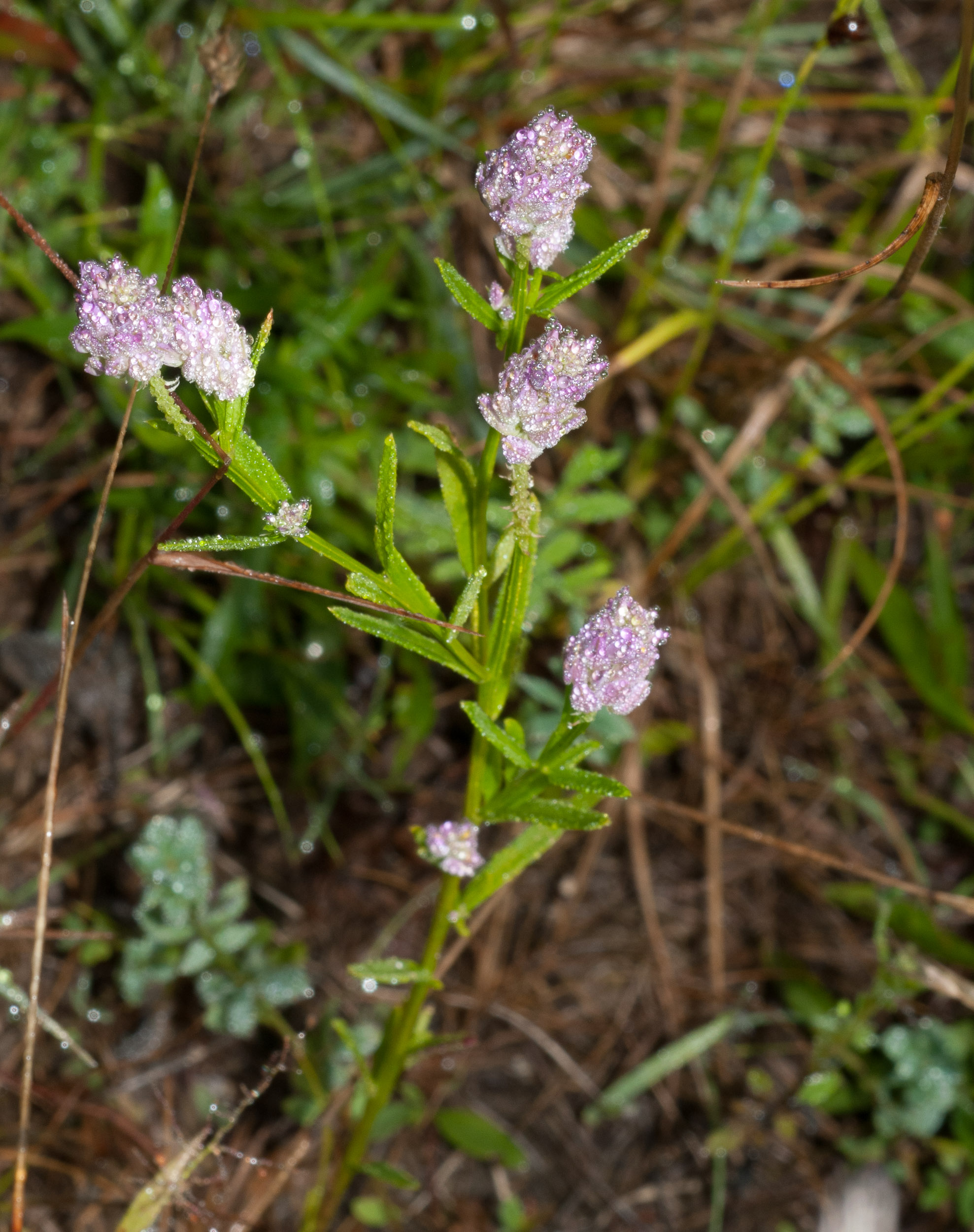
8/7/2012 · Townsend Wildlife Management Area, Townsend, Massachusetts · ≈ 4 × 5″ (10 × 13 cm) 

8/3/2012 · Bemis Rd Conservation Area, Pepperell, Massachusetts · ≈ 4½ × 5″ (11 × 13 cm) 
| Kingdom | Plantae | Plants, but not fungi, lichens, or algae (from Stearn's Botanical Latin) |
| Subkingdom | Tracheobionta | Vascular plants—plants with a “circulatory system” for delivering water and nutrients |
| Division | Magnoliophyta | Flowering plants, also known as angiosperms |
| Class | Magnoliopsida | Dicotyledons—plants with two initial seed leaves |
| Subclass | Rosidae | Roses, legumes, proteas, dogwoods, hydrangeas, mistletoes, euphorbias, grapes, many more |
| Order | Polygalales | Includes milkwort, krameria, and Barbados cherry families |
| Family | Polygalaceae | Milkwort family. Also called Diclidantheraceae, Moutabeaceae, Xanthophyllaceae) |
| Genus | Polygala | From Greek polys, “many or much,” and gala, “milk,” since some of these species were believed to increase milk yields in cattle |
| Species | sanguinea | From Latin sanguineus, "blood red" (from Stearn's Botanical Latin) |

Polygala sanguinea description by Thomas H. Kent, not updated.

© FloraFinder.org. All rights reserved.