Polygonum convolvulus L.
Black bindweed, wild buckwheat, false buckwheat
Wild buckwheat is a European native, now established throughout North America.
Plants: A vine that snakes along the ground or clambers over other plants or anything else it can latch onto, winding itself in a clockwise direction around supports. Plants are up to 3′ (1 m) long. At points where leaves attach there is an ocrea, or sheath.
Leaves: Alternate and roughly triangular to heart-shaped, with smooth edges. The lower corners of each triangle are pointed inward toward the leaf petiole (stem). Leaves are ½–2 ⨉ ¼–1″ (1.5–6 cm ⨉ 7–30 mm) wide.
Flowers: ⅛″ (4 mm) each, in long thin clusters, sort of weird-looking, greenish-white to greenish-pink
Fruits: Small triangular achenes, with one seed in each achene.
Habitats: Warm, sunny, well-drained sandy or limestone soil types, typically on disturbed or cultivated land.
 |
Similar species. |
Online References:
References:
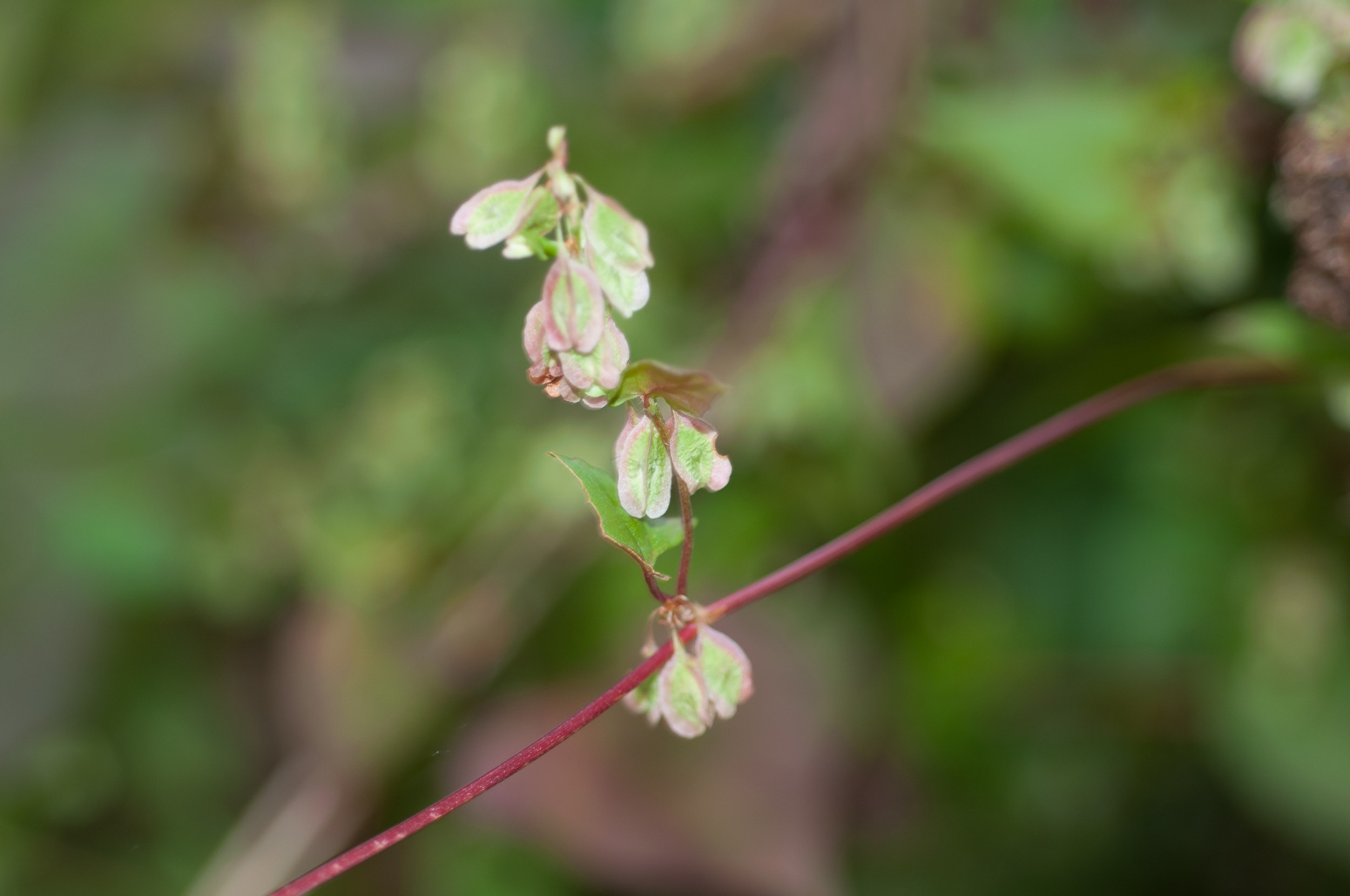
9/18/2010 · Nashua River Rail Trail, Groton Center, Groton, Massachusetts · ≈ 7 × 4½″ (17 × 11 cm)  ID is uncertain
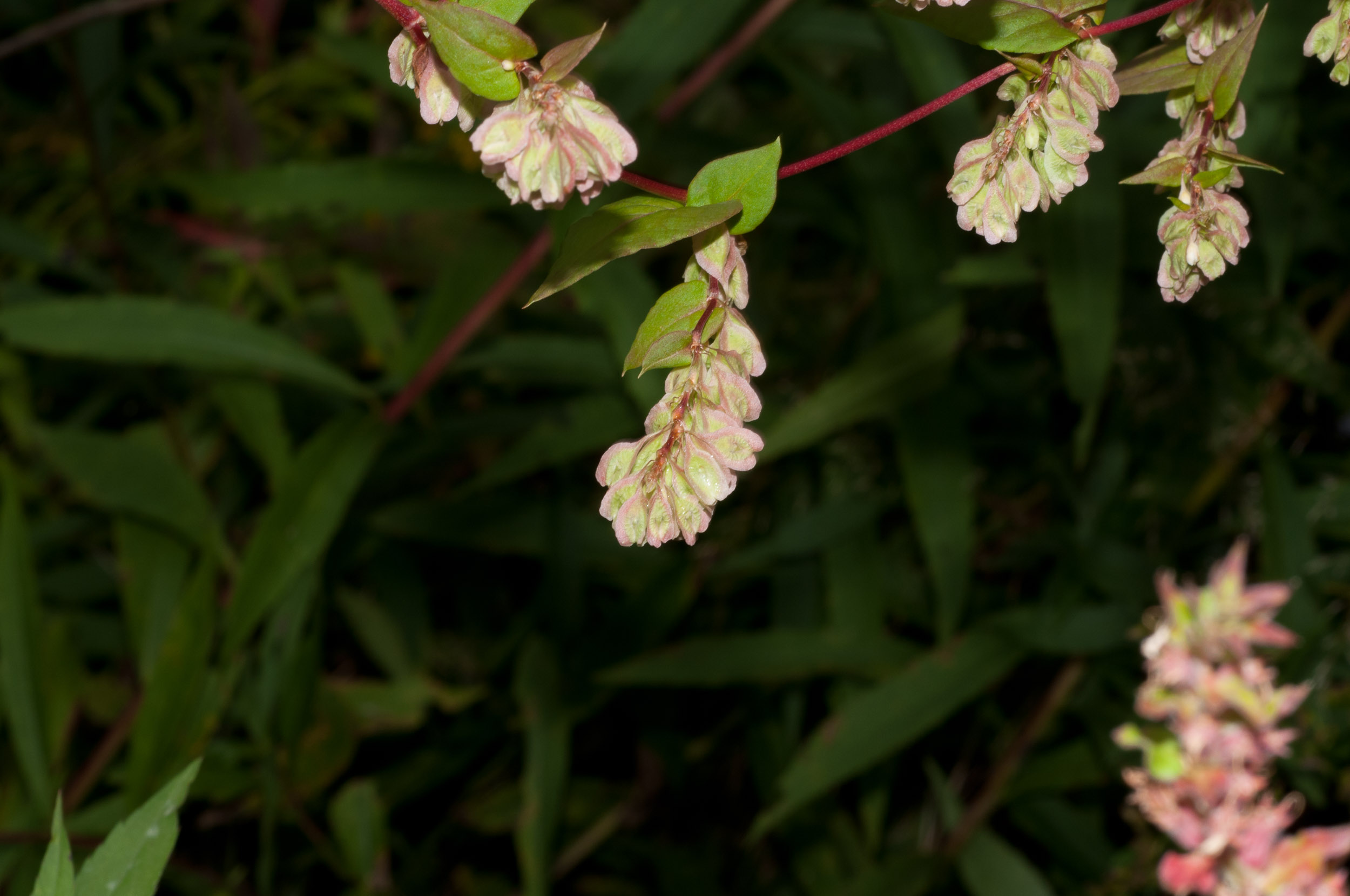
9/18/2010 · Nashua River Rail Trail, Groton Center, Groton, Massachusetts · ≈ 9 × 6″ (22 × 14 cm) ID is uncertain 

9/11/2010 · Nashua River Rail Trail, Groton Center, Groton, Massachusetts · ≈ 15 × 10″ (39 × 26 cm) 
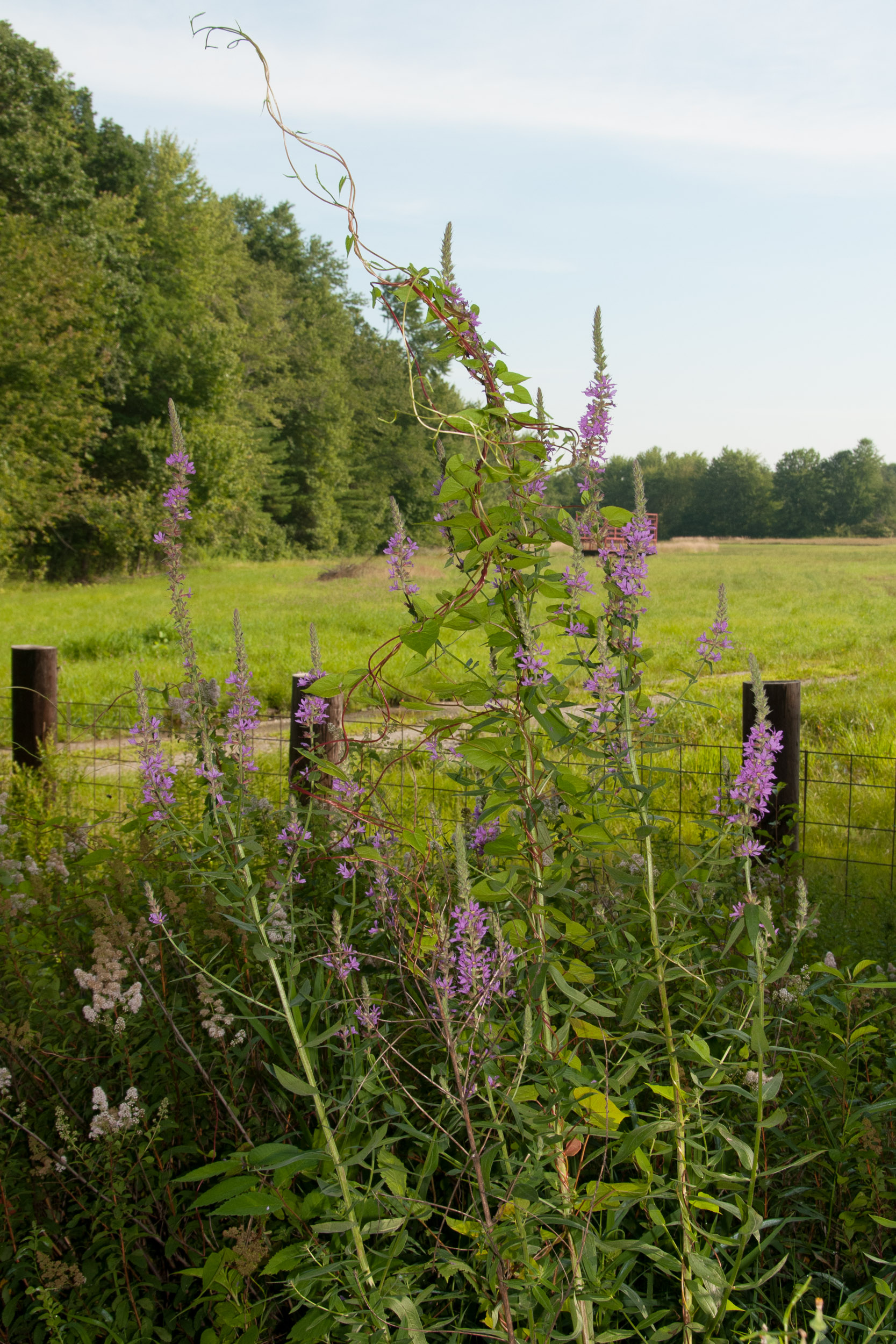
Note the climbing False Buckwheat (Polygonum scandens) overtaking the loosestrife. · 7/28/2009 · Near Nashua River Boat Ramp, Groton, Massachusetts · ≈ 2½ × 3½′ (75 × 112 cm) 
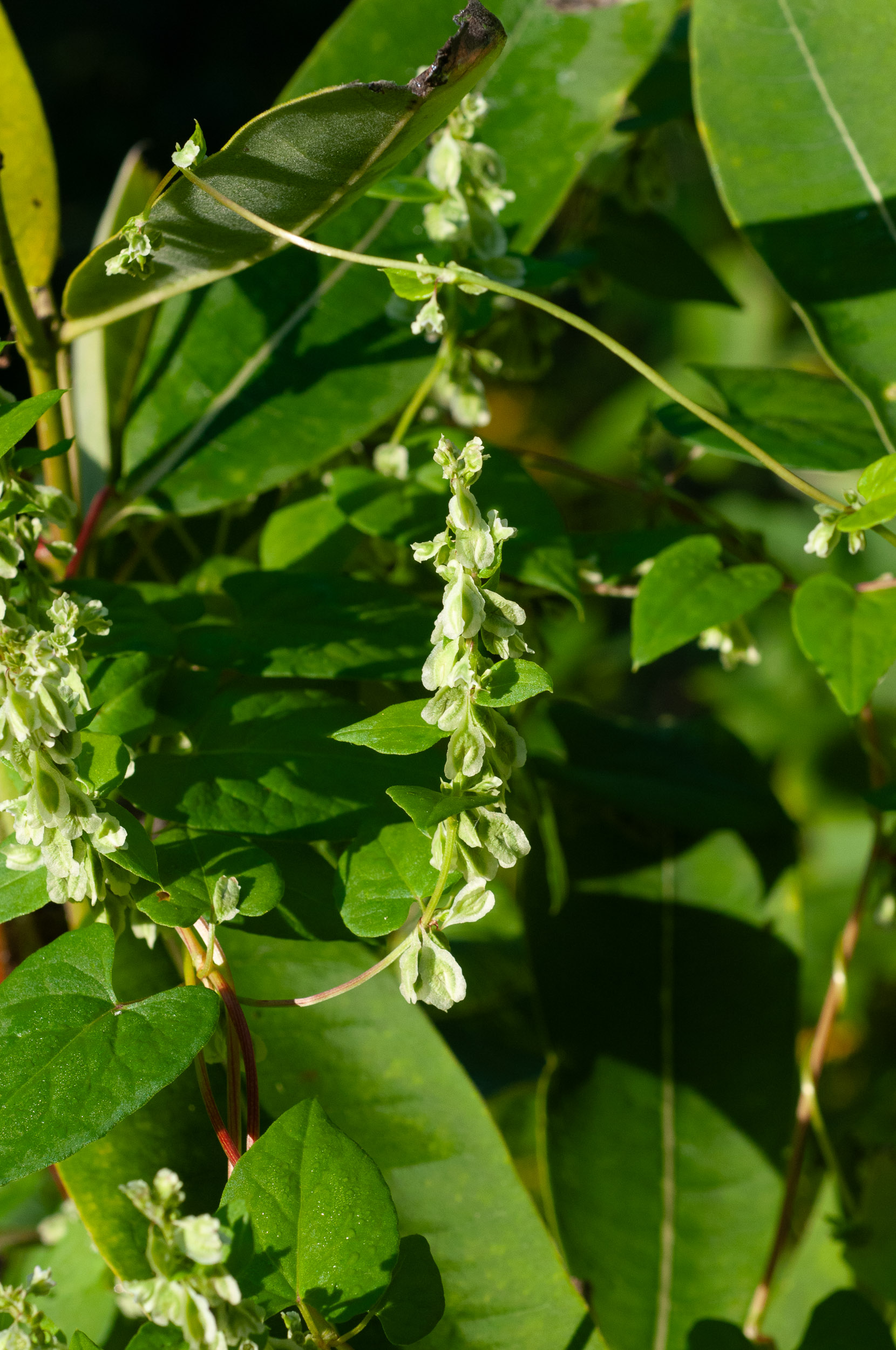
9/3/2009 · Nashua River Rail Trail, Ayer, Massachusetts · ≈ 6 × 9″ (14 × 22 cm) ID is uncertain 

9/18/2010 · Nashua River Rail Trail, Groton Center, Groton, Massachusetts · ≈ 7 × 5″ (17 × 13 cm) ID is uncertain 
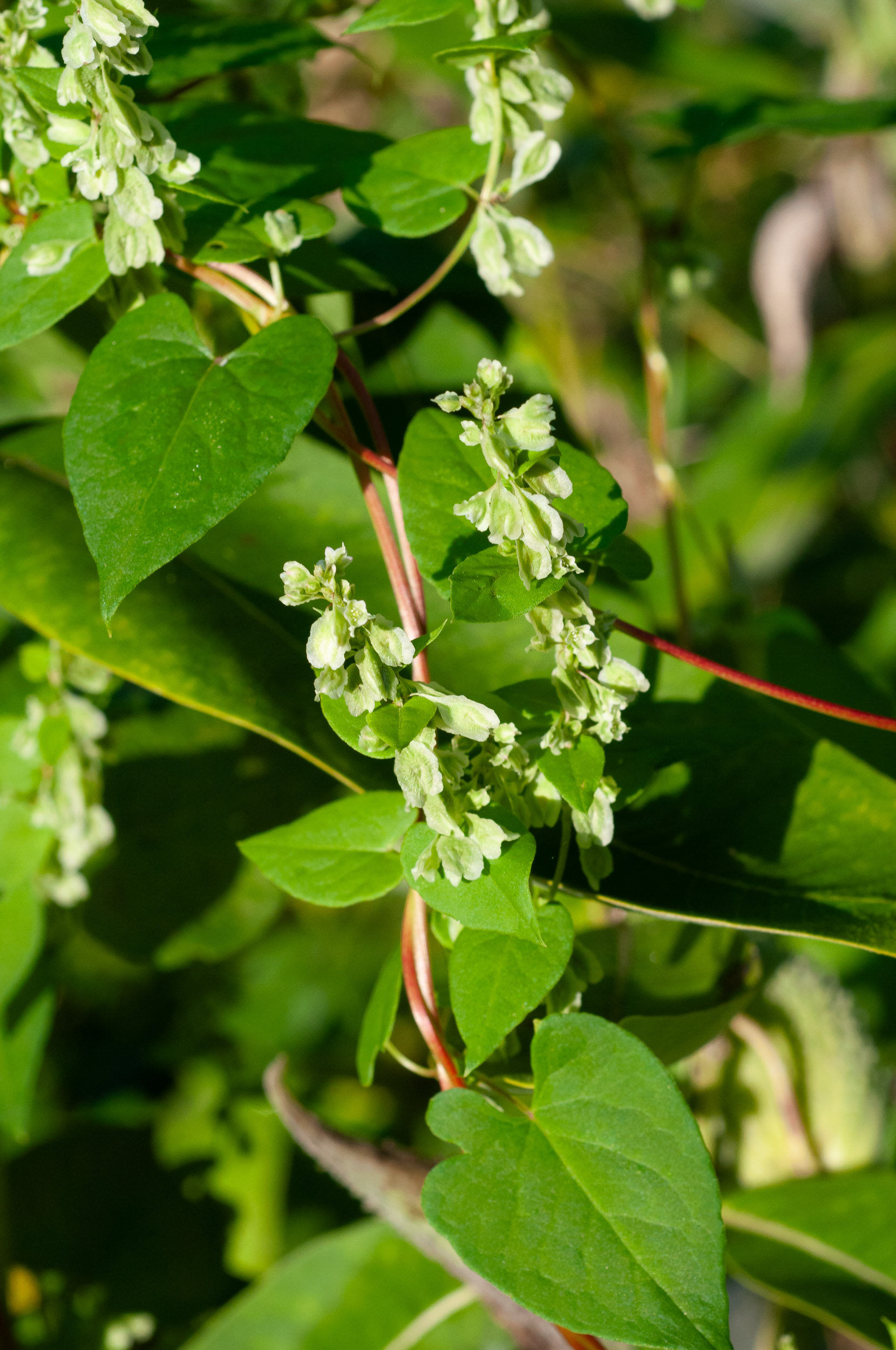
9/3/2009 · Nashua River Rail Trail, Ayer, Massachusetts · ≈ 5 × 8″ (13 × 19 cm) ID is uncertain 
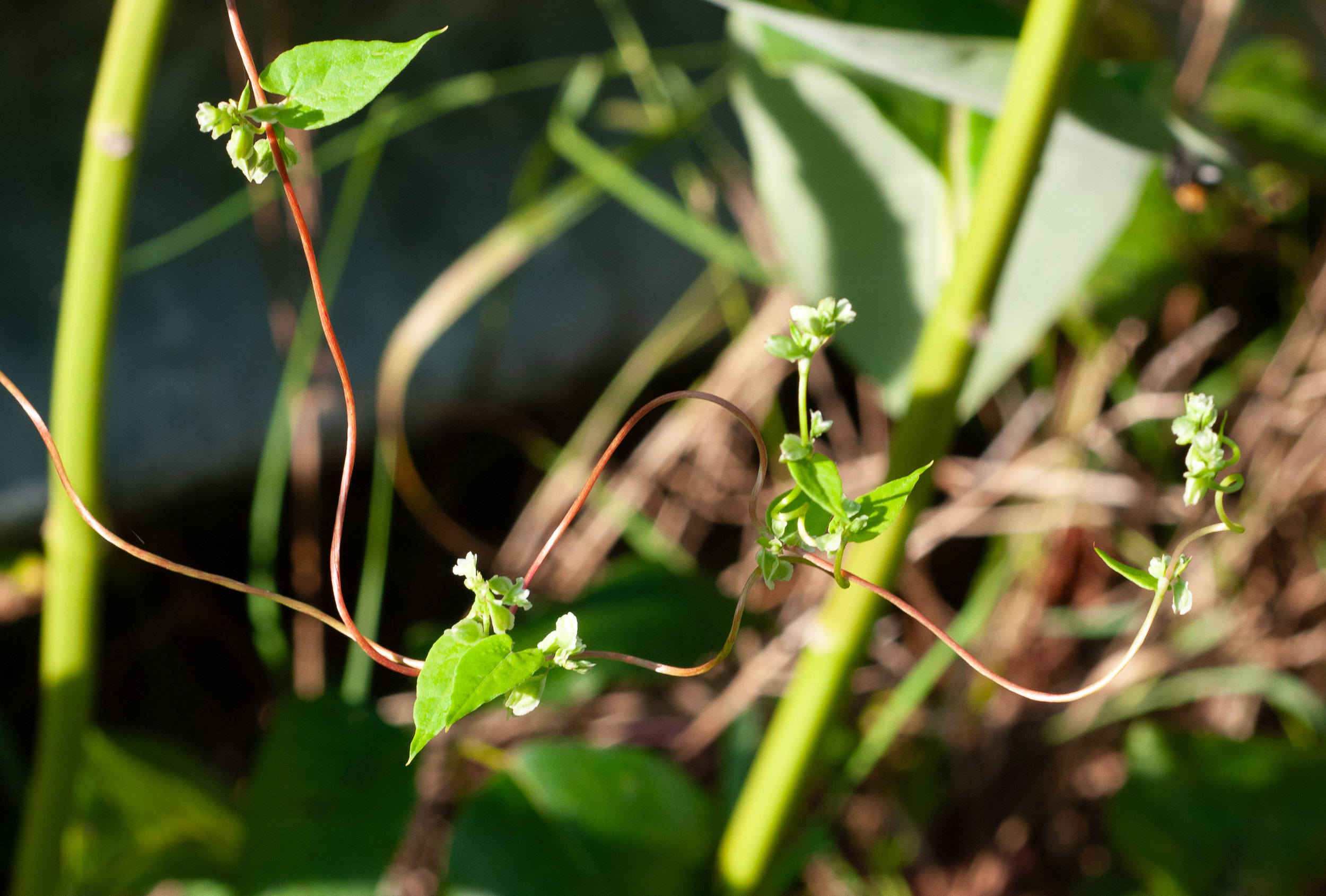
9/3/2009 · Nashua River Rail Trail, Ayer, Massachusetts · ≈ 8 × 5″ (19 × 12 cm) ID is uncertain 

9/3/2009 · Nashua River Rail Trail, Ayer, Massachusetts · ≈ 6 × 9″ (14 × 22 cm) ID is uncertain 
| Kingdom | Plantae | Plants, but not fungi, lichens, or algae (from Stearn's Botanical Latin) |
| Subkingdom | Tracheobionta | Vascular plants—plants with a “circulatory system” for delivering water and nutrients |
| Division | Magnoliophyta | Flowering plants, also known as angiosperms |
| Class | Magnoliopsida | Dicotyledons—plants with two initial seed leaves |
| Subclass | Caryophyllidae | Cacti, many other succulents, carnivorous plants, and leadworts |
| Order | Caryophyllales | Includes cacti, carnations, amaranths, ice plants, and many carnivorous plants |
| Family | Polygonaceae | Knotweed or smartweed family |
| Genus | Polygonum | Greek poly, “many,” and gonu, “knee,” for the swollen jointed stems |
| Species | convolvulus | From Latin convolvere, “to twine around” |

Polygonum convolvulus description by Thomas H. Kent, not updated.

© FloraFinder.org. All rights reserved.