Polygonum lapathifolium L.
Nodding smartweed, pale smartweed, dock-leaved smartweed, curlytop knotweed
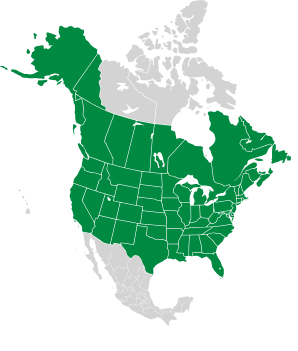
Nodding smartweed is a North American native. The genus Polygonum means
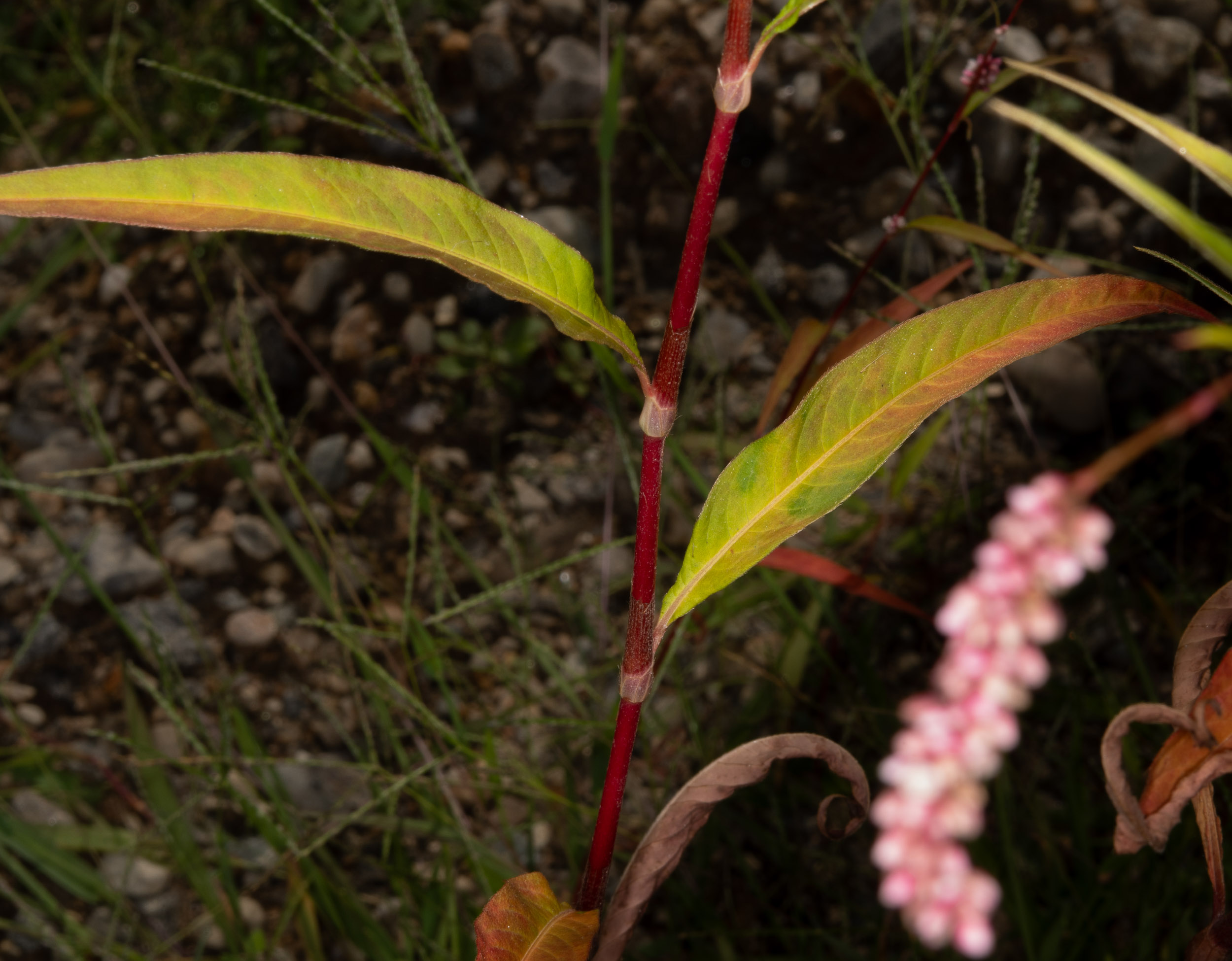
“many knees”—a reference to the swollen, jointed sheaths the are found wherever leaf stems meet the vine.
Plants: 2–5′ (60–152 cm) high, usually upright,
sometimes sprawling (the stems aren’t very strong), with green or deep red hairless stems.
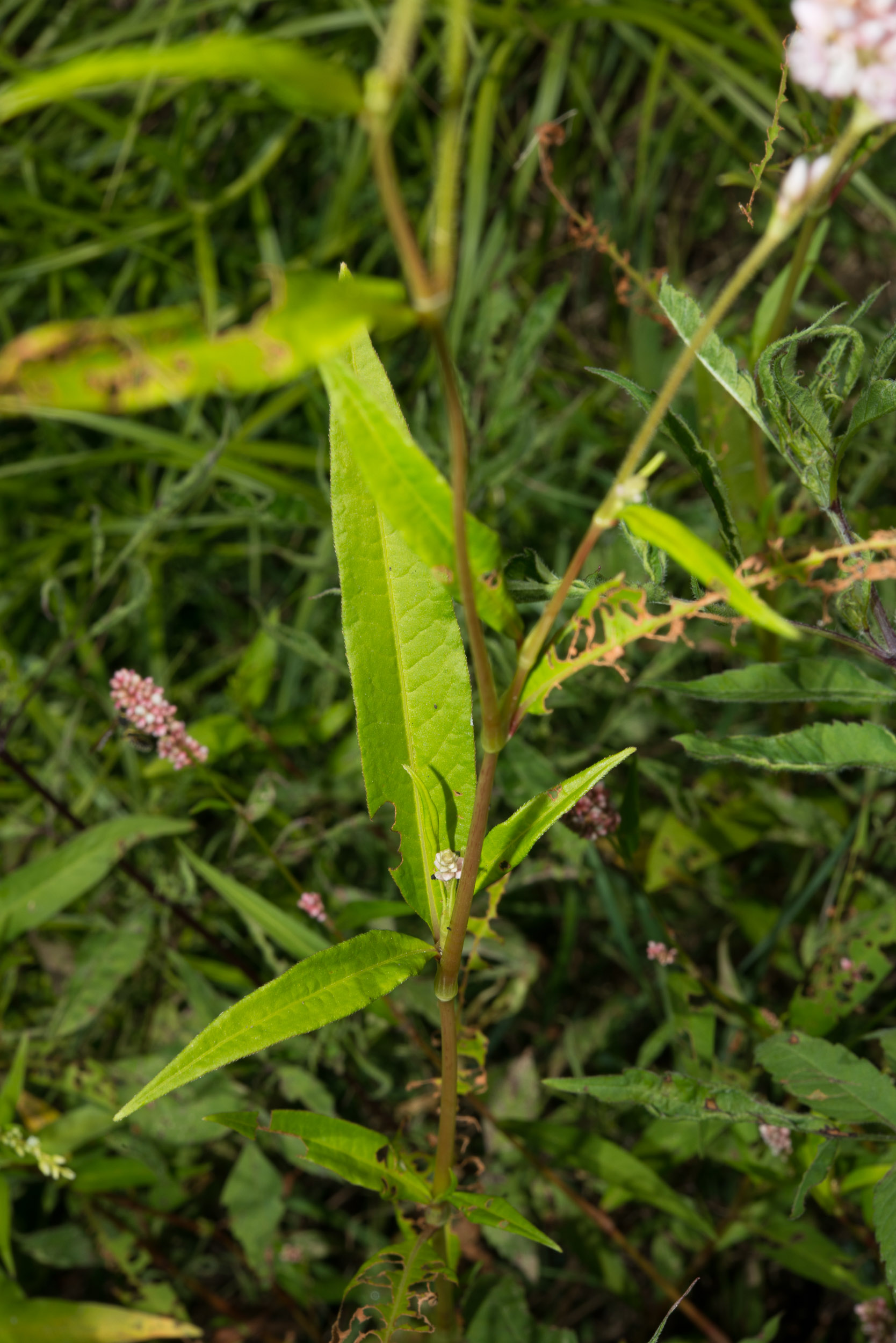
Leaves: Alternate lanceolate Petioles ocrea with few or no hairs
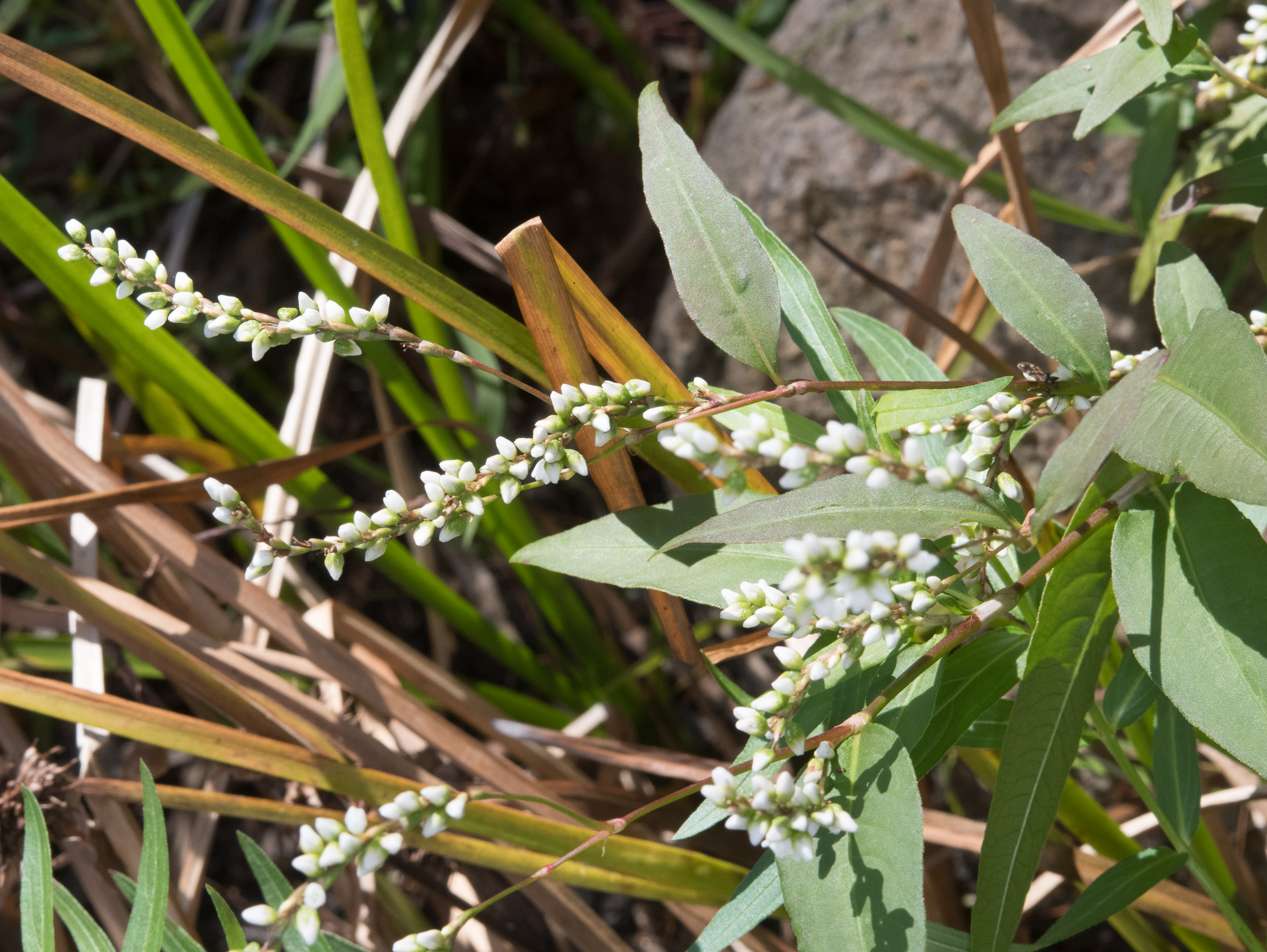
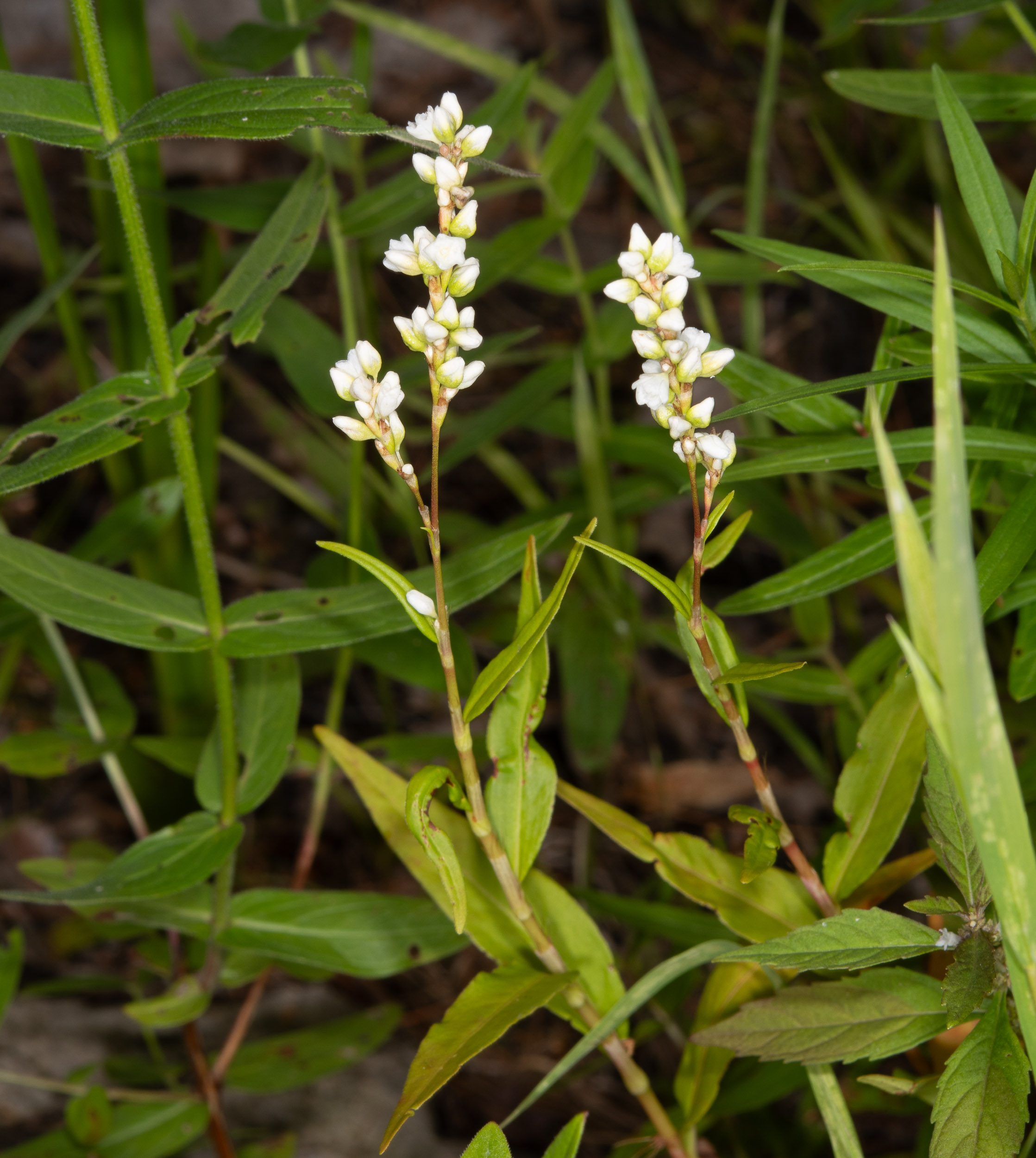
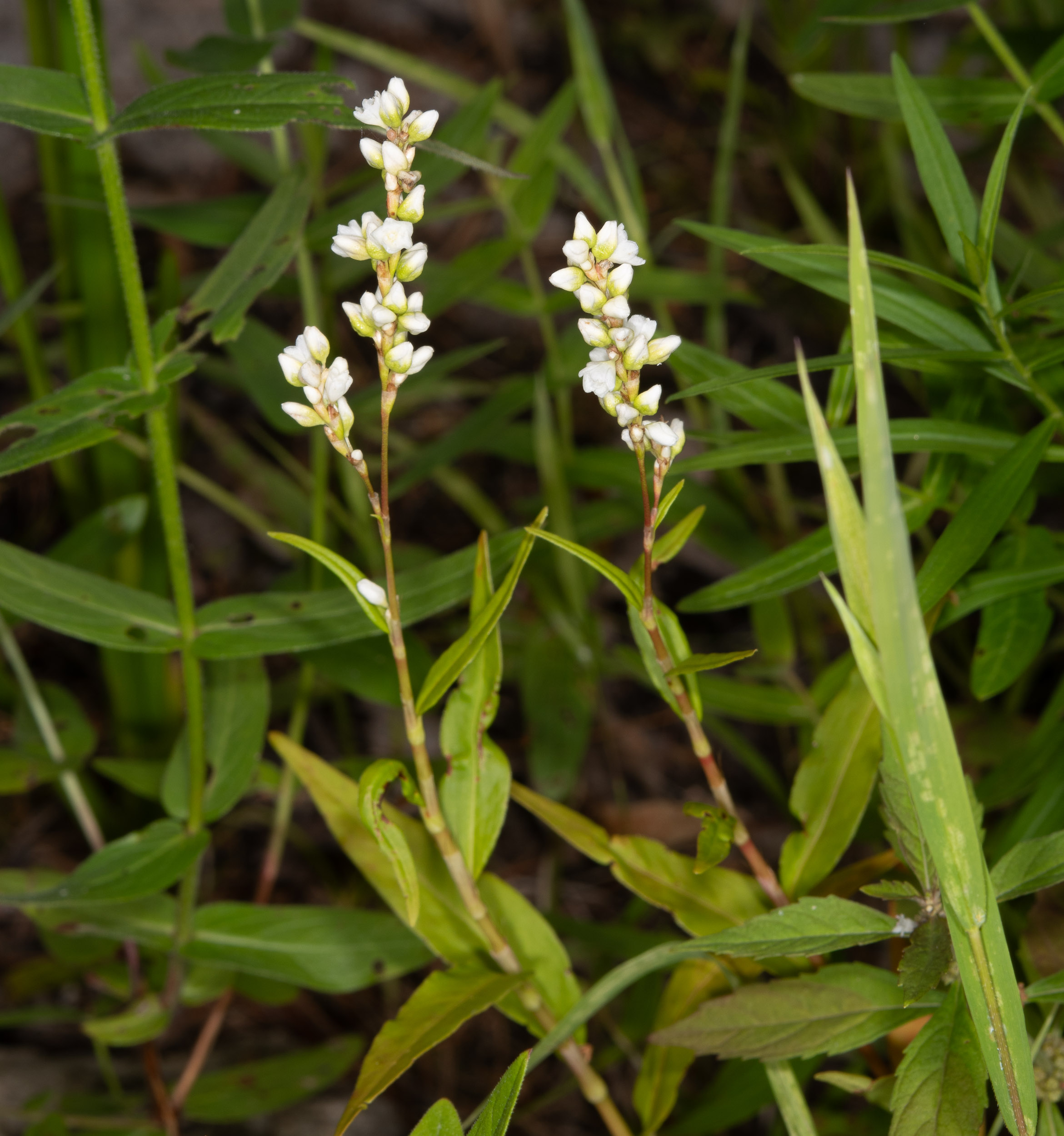
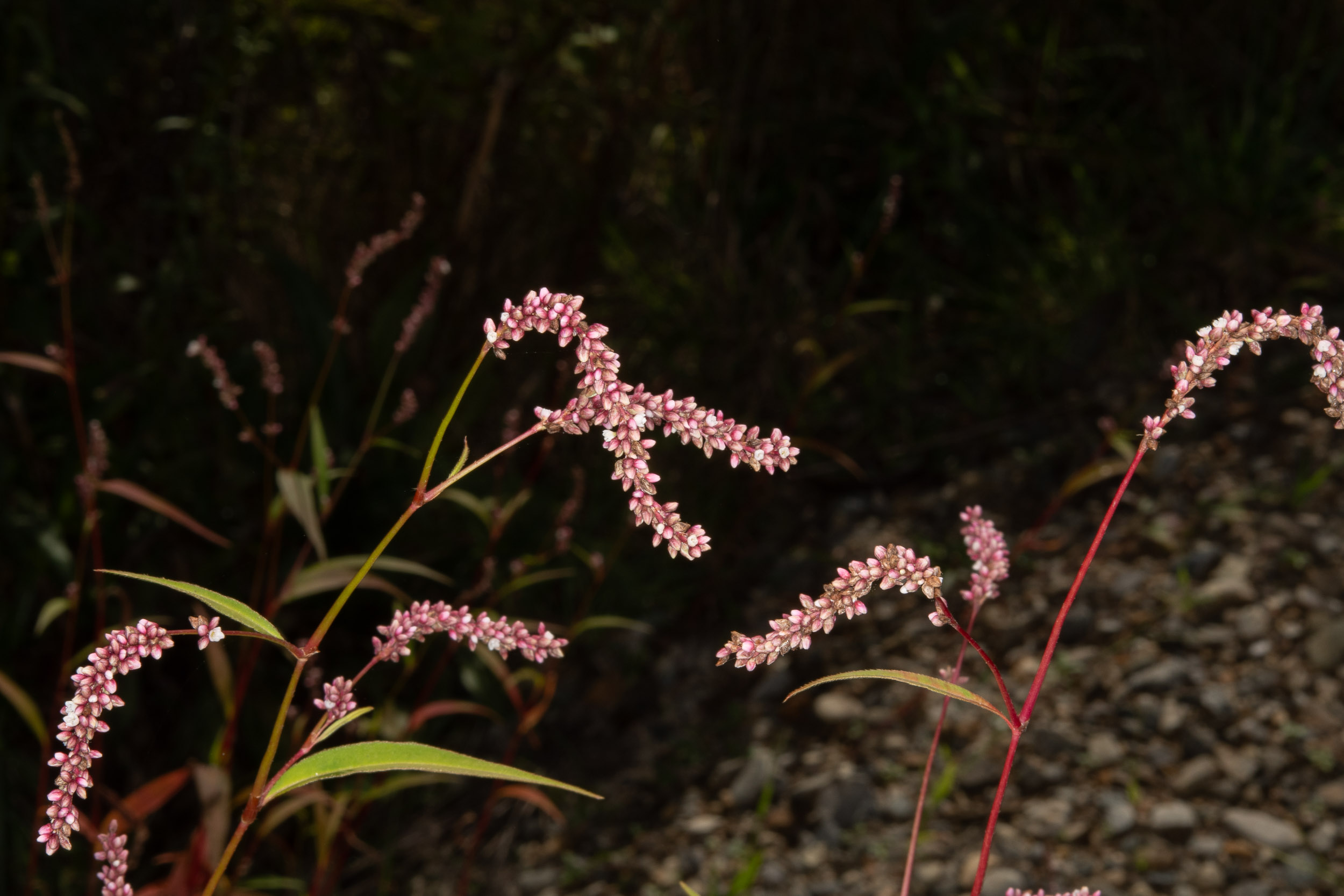
Flowers: Greenish-white to pink, in columns about ¼–⅜″ (6.3–9.5 mm) in diameter
and 1–3″ (2.5–7.6 cm) long. Numerous clusters may be upright, arched, or drooping. The tiny, individual flowers
never actually open.
Fruits: Egg-shaped, less than 1/16″ (2 mm) long, brown to
black, glossy, containing a single seed.
Habitats: Und in wet areas, such as swamps.
Online References:
References:
Older scientific or horticultural names
Persicaria incarnata (Elliott) Small
Persicaria lapathifolia (L.) Gray
Persicaria tomentosa (Schrank) E.P. Bicknell
Polygonum incarnatum Elliott
Polygonum incanum F.W. Schmidt
Polygonum lapathifolium L. var. incanum (F.W. Schmidt) W.D.J. Koch
Polygonum lapathifolium L. var. nodosum (Pers.) Small
Polygonum lapathifolium L. var. ovatum A. Braun
Polygonum lapathifolium L. ssp. pallidum (With.) Fr.
Polygonum lapathifolium L. var. prostratum Wimm.
Polygonum lapathifolium L. var. salicifolium Sibth.
Polygonum nodosum Pers.
Polygonum oneillii Brenckle
Polygonum pensylvanicum L. ssp. oneillii (Brenckle) Hultén
Polygonum scabrum Moench
Polygonum tomentosum Schrank
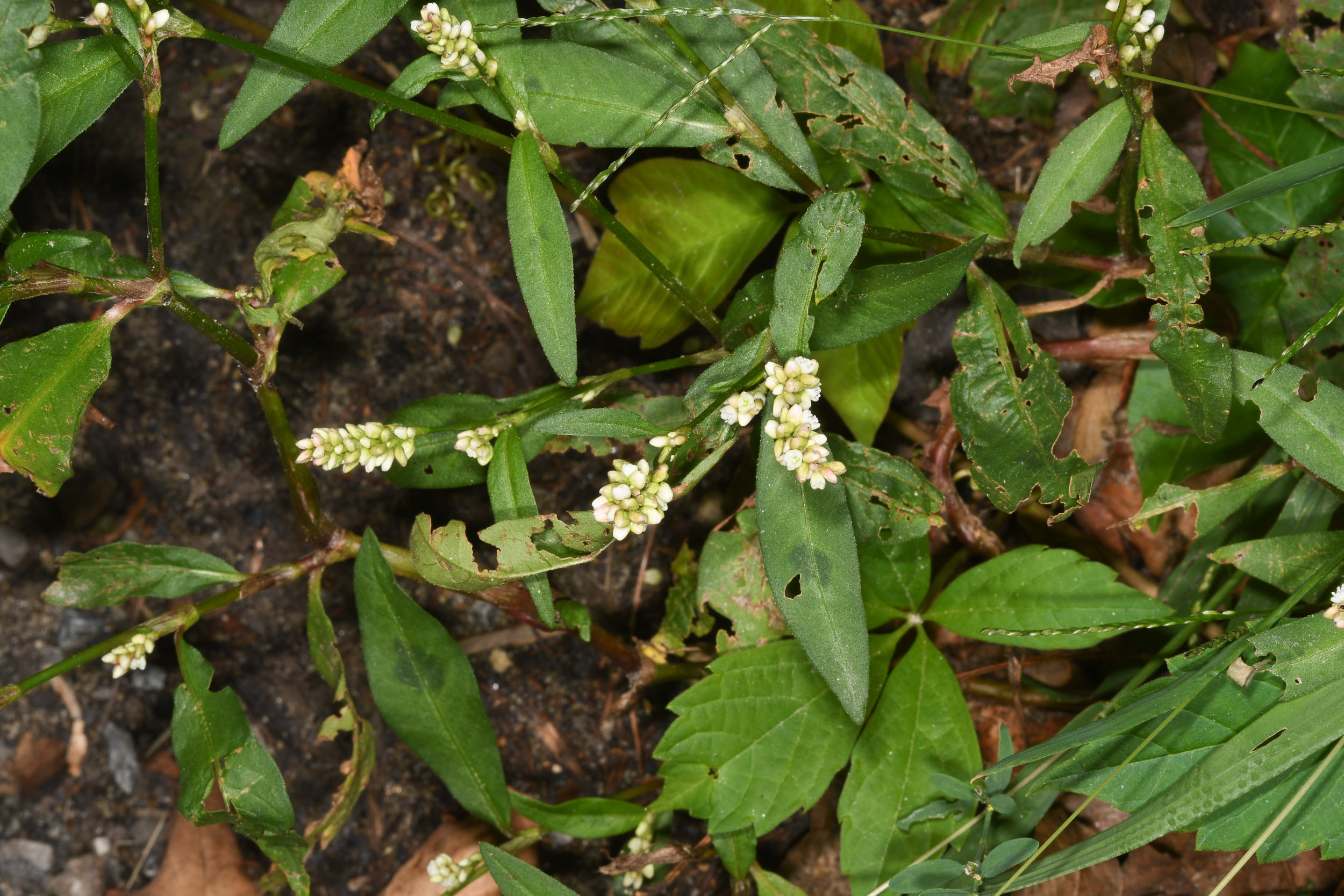
9/4/2020 · Wilson’s Cove Trail, Harpswell Heritage Land Trust, Harpswell, Maine · ≈ 2½ × 3½″ (7.3 × 9.4 cm)
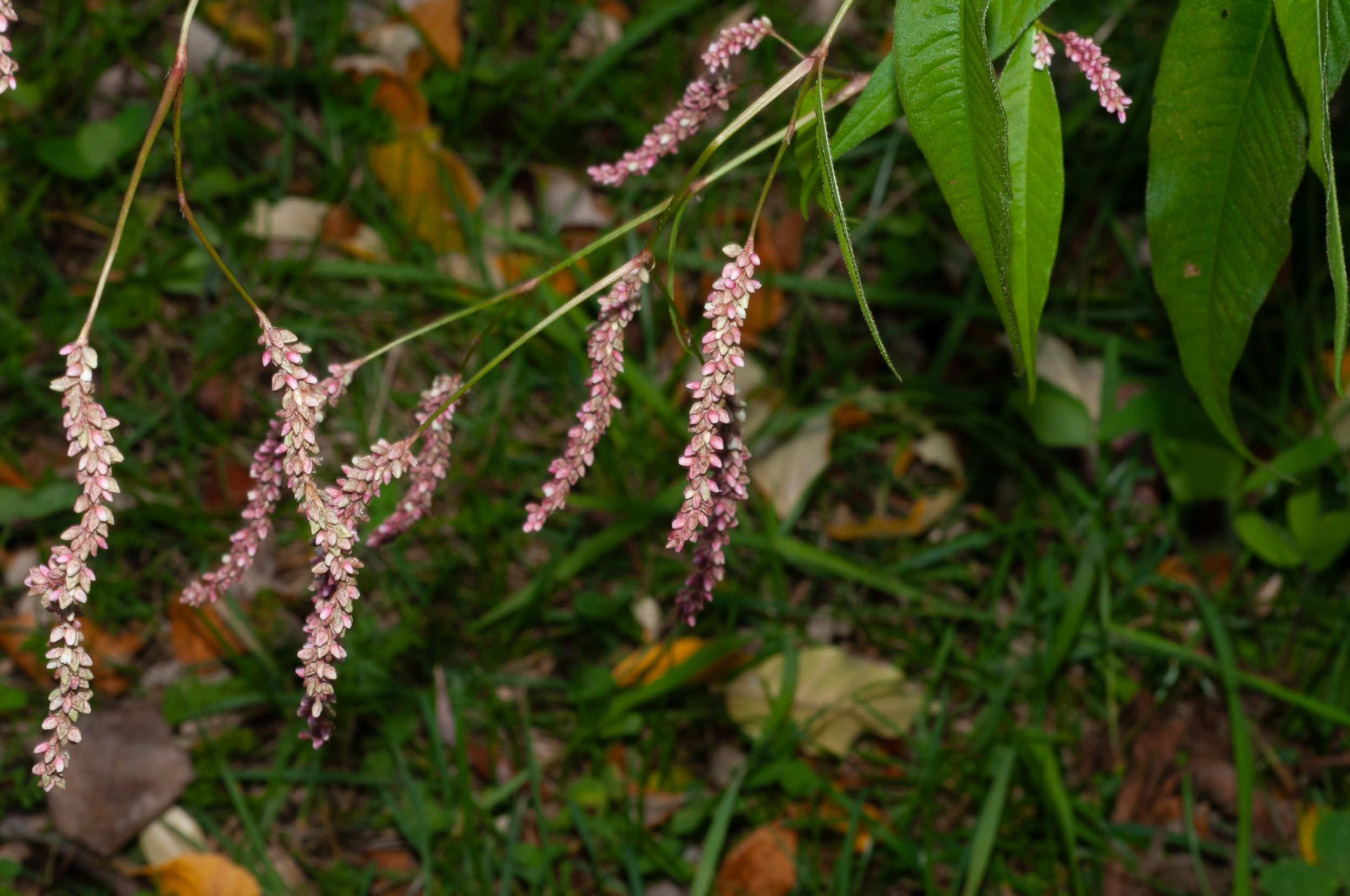
10/5/2016 · Pine Meadow Conservation Area, Ayer, Massachusetts · ≈ 10 × 6″ (24 × 16 cm)
9/14/2023 · Nature Conservancy Access Trail, Sprague Pond, Phippsburg, Maine · ≈ 10 × 6″ (24 × 16 cm)
8/17/2013 · Hopkinton State Park, Hopkinton, Massachusetts · ≈ 9 × 6″ (23 × 16 cm)
10/17/2011 · Nashua River Rail Trail , Groton Center, Groton, Massachusetts · ≈ 12 × 8″ (31 × 20 cm)
10/5/2016 · Pine Meadow Conservation Area, Ayer, Massachusetts · ≈ 7 × 5″ (18 × 13 cm)
9/17/2021 · Woodward Point Preserve, Brunswick, Maine · ≈ 3½ × 5″ (9 × 13 cm)
9/9/2017 · Habitat Loop Trail, Pine Meadow Conservation Trust Land, Groton Harvard Road, Ayer, Massachusetts · ≈ 4½ × 5″ (12 × 13 cm)
9/9/2017 · Habitat Loop Trail, Pine Meadow Conservation Trust Land, Groton Harvard Road, Ayer, Massachusetts · ≈ 4½ × 5″ (12 × 13 cm)
9/17/2021 · Woodward Point Preserve, Brunswick, Maine · ≈ 6 × 3½″ (14 × 9.4 cm)
8/17/2013 · Hopkinton State Park, Hopkinton, Massachusetts · ≈ 3½ × 5″ (9.1 × 12 cm)
9/14/2023 · Nature Conservancy Access Trail, Sprague Pond, Phippsburg, Maine · ≈ 8 × 6″ (21 × 16 cm)
9/10/2016 · Arlington St., Groton, Massachusetts
10/17/2011 · Nashua River Rail Trail , Groton Center, Groton, Massachusetts · ≈ 9 × 6″ (23 × 15 cm)
10/17/2011 · Nashua River Rail Trail , Groton Center, Groton, Massachusetts · ≈ 9 × 6″ (23 × 15 cm)
9/4/2020 · Wilson’s Cove Trail, Harpswell Heritage Land Trust, Harpswell, Maine · ≈ 4 × 6″ (10 × 15 cm)
9/14/2023 · Nature Conservancy Access Trail, Sprague Pond, Phippsburg, Maine · ≈ 4½ × 3½″ (12 × 8.6 cm)
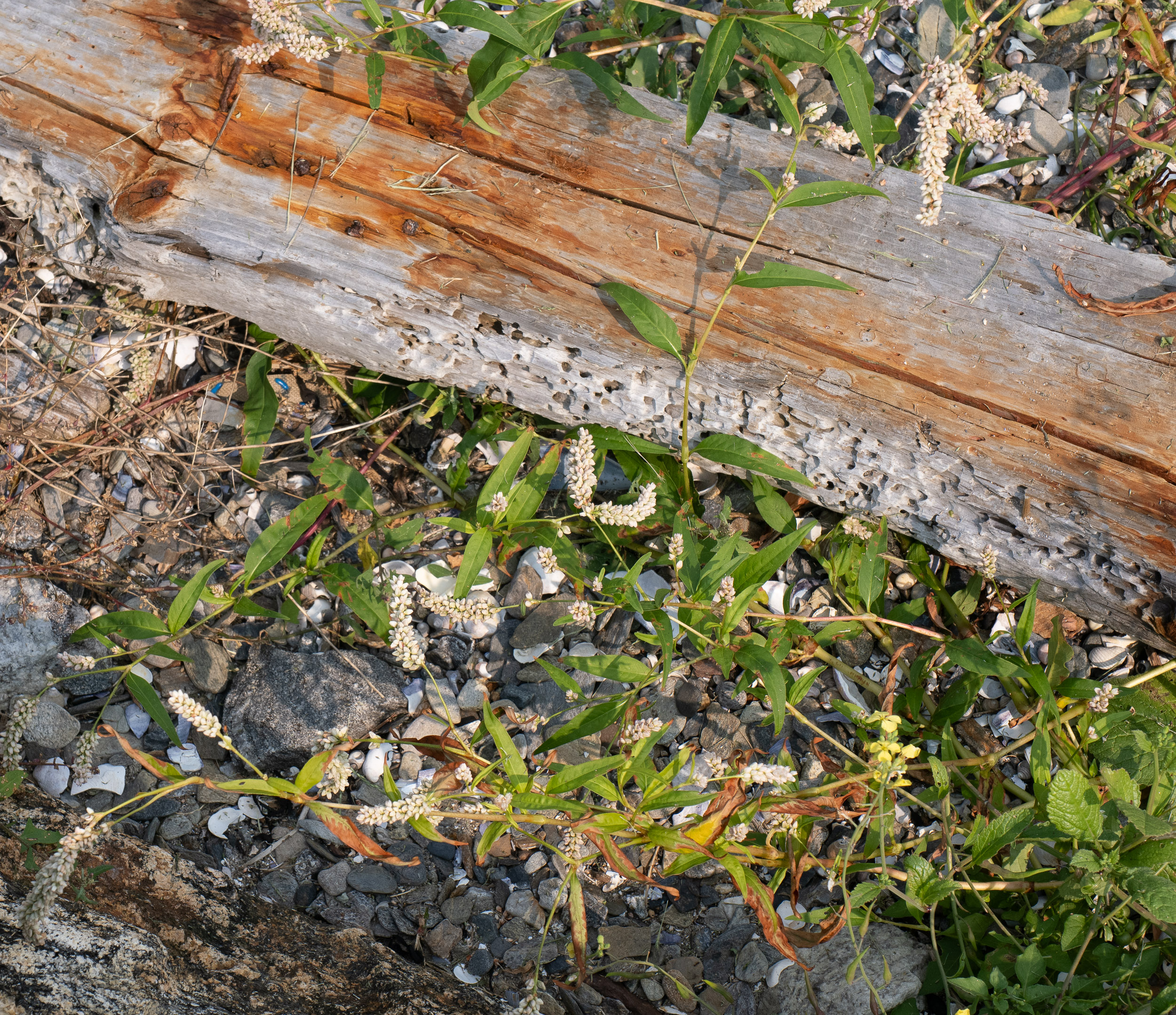
9/6/2023 · Beach near Cook’s Lobster and Ale House, Bailey Island, Maine
9/6/2023 · Beach near Cook’s Lobster and Ale House, Bailey Island, Maine
9/9/2017 · Habitat Loop Trail, Pine Meadow Conservation Trust Land, Groton Harvard Road, Ayer, Massachusetts · ≈ 7 × 4½″ (16 × 12 cm)
9/6/2023 · Beach near Cook’s Lobster and Ale House, Bailey Island, Maine
9/4/2020 · Wilson’s Cove Trail, Harpswell Heritage Land Trust, Harpswell, Maine · ≈ 4 × 5″ (10 × 13 cm)
9/6/2023 · Beach near Cook’s Lobster and Ale House, Bailey Island, Maine
Kingdom Plantae Plants, but not fungi, lichens, or algae (from Stearn's Botanical Latin )
Subkingdom Tracheobionta Vascular plants—plants with a “circulatory system” for delivering water and nutrients
Division Magnoliophyta Flowering plants, also known as angiosperms
Class Magnoliopsida Dicotyledons—plants with two initial seed leaves
Subclass Caryophyllidae Cacti, many other succulents, carnivorous plants, and leadworts
Order Caryophyllales Includes cacti, carnations, amaranths, ice plants, and many carnivorous plants
Family Polygonaceae Knotweed or smartweed family
Genus Polygonum Greek poly, “many,” and gonu, “knee,” for the swollen jointed stems
Species lapathifolium “Like Lapathum,” (now the genus is called Rumex)
About plant names...
Polygonum lapathifolium description by Thomas H. Kent, not updated.
© FloraFinder.org. All rights reserved.



 ID is uncertain