Polytrichum commune Hedw.
Common haircap moss, haircap moss, polytrichum moss
This moss is very common in habitats that receive adequate moisture.
| Most mosses are very low-growing, but haircap moss is from 1¾–12″ (5–30 cm) tall, sometimes even reaching 2′ (70 cm). There’s a reason mosses are small: they are non-vascular plants—lacking a mechanism for transporting water and nutrients throughout the plant. By contrast, other plants use a trick called transpiration. Water evaporates out of pores in the leaves, drawing water up from the roots and throughout the plant. Without transpiration, mosses have to stay small in order to survive. Haircap mosses, though, have evolved a modest vascular system, so they can grow larger. |
Plants: These mosses form extensive dense, verdant soft carpets. Individual plants are often 1¾–4″ (5–10 cm) in height, and can exceed 12″ (30 cm). Stems are usually unbranched.
Leaves: Leaves are ⅛–¼″ (6–8 mm), rarely up to ⅜″ (1.2 cm) in length. They are long and narrow, erect when dry and curved when wet, dark green to brown in old age. They are crescent-shaped in cross-section, resembling miniature Aloe vera leaves. Viewed from above, the sharp leaves look starlike, and they are arranged in a spiral around the stem.
Fruits: Thin green or red stems called seta are 1¾–3½″ (5–9 cm) long. They support a green to golden brown fibrous bundle, the calyptra. The calyptra is about ⅛–⅜″ (5–10 mm) tall and ⅛″ (4 mm) around, with a sharp tip. The calyptra encloses the capsule, a structure 1/16–3/16″ (3–6 mm) long, somewhat cubical, that is brown to dark red-brown.
Habitats: Bogs, forest stream edges, and similar moist, somewhat shaded habitats. If it remains wet, it tolerates full sun.
Online References:
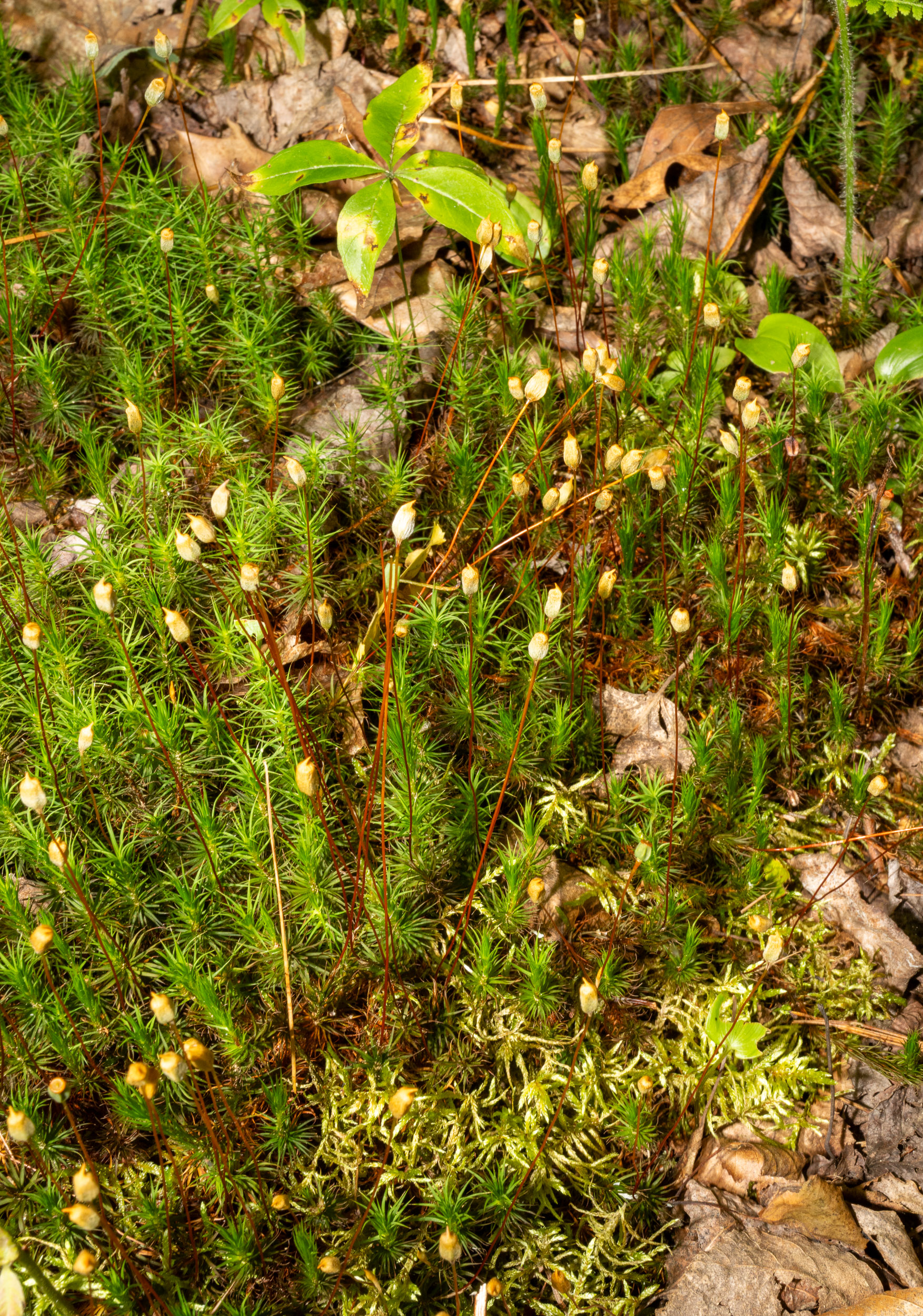
7/5/2025 · Cathance River Nature Preserve, Topsham, Maine · ≈ 9 × 13″ (22 × 31 cm) 
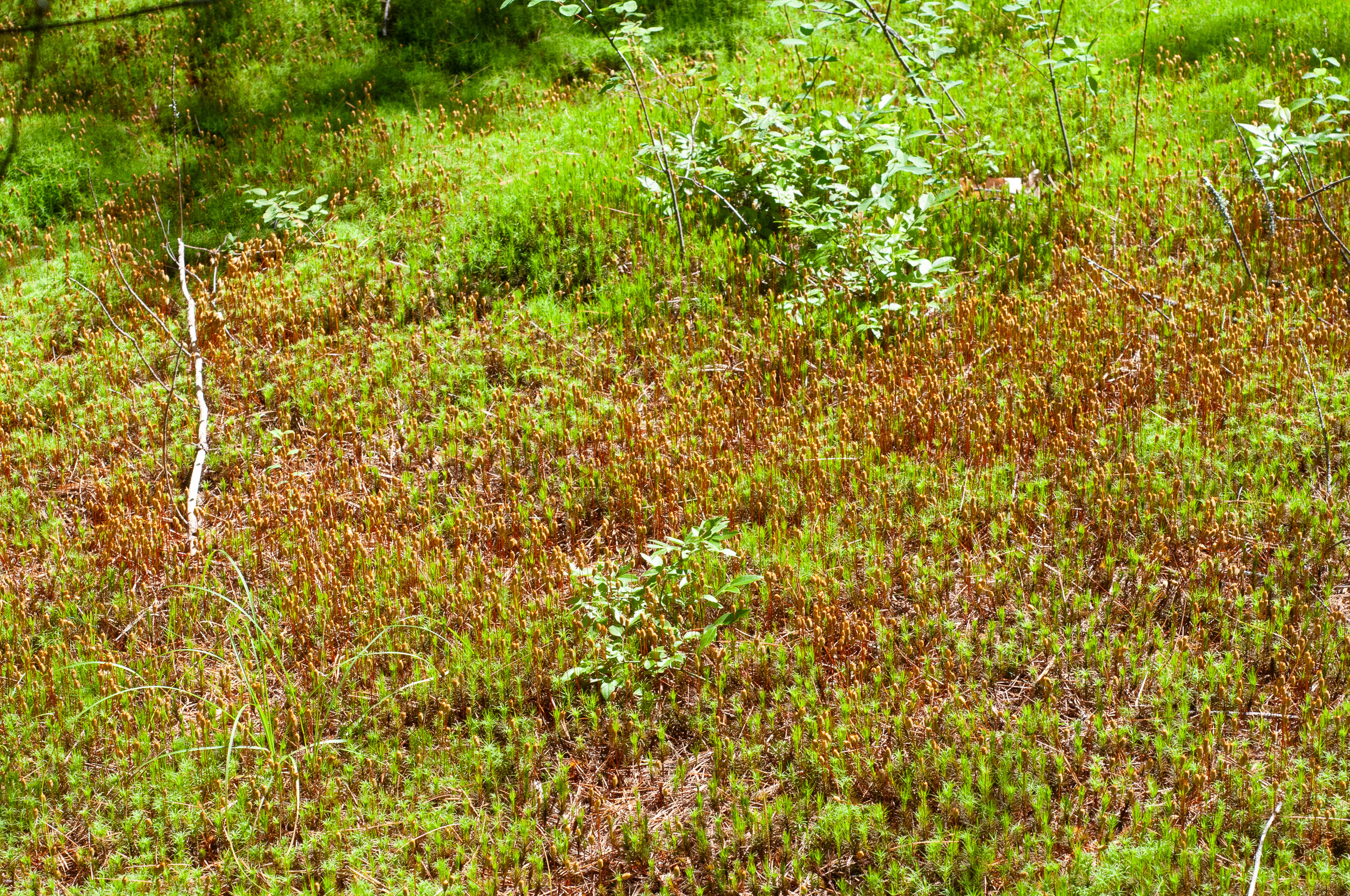
6/15/2012 · Townsend State Forest, Townsend, Massachusetts 

About 2" x 1.75". · 1/5/2026 · Townsend State Forest, Townsend, Massachusetts 
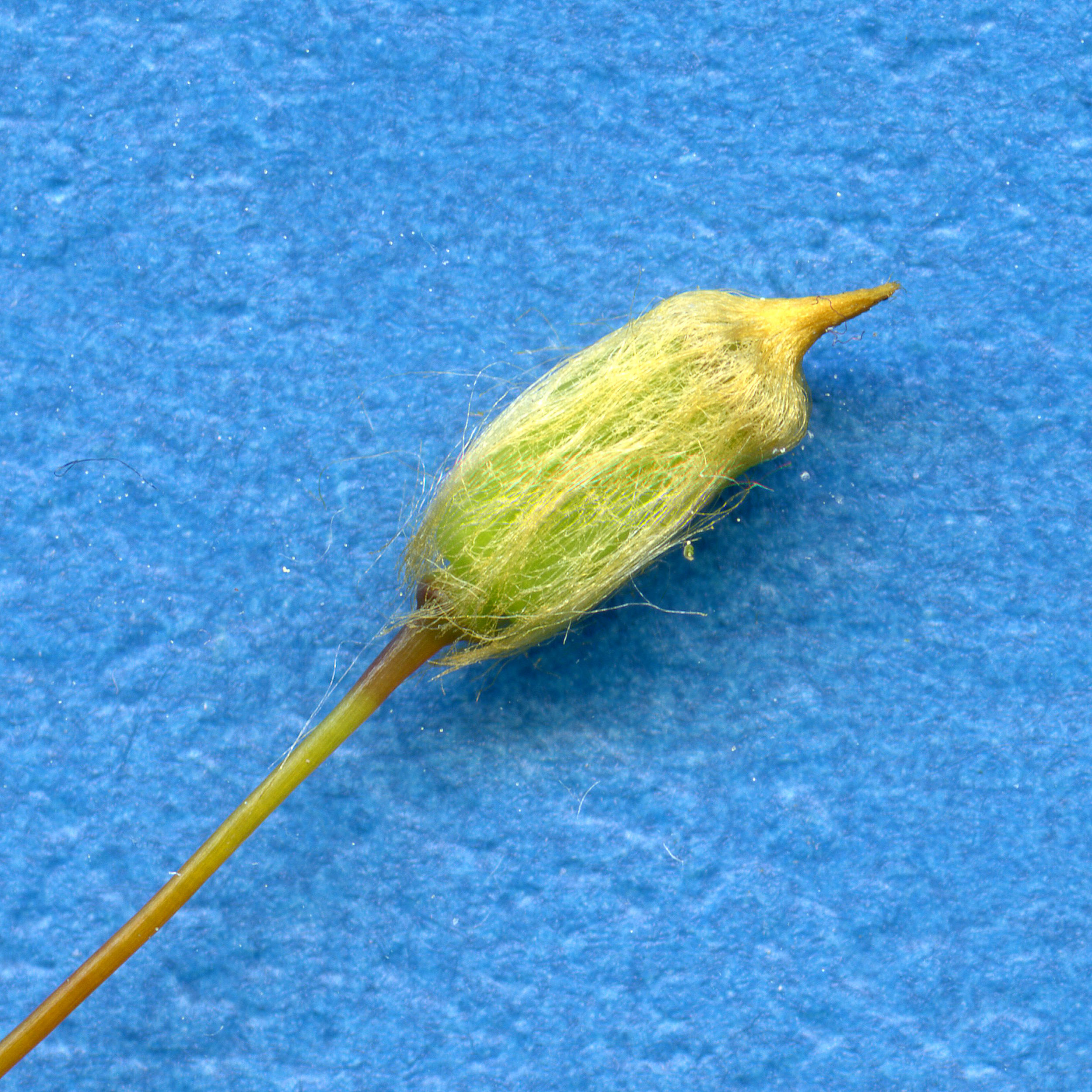
About .5" x .5". · 1/5/2026 · Townsend State Forest, Townsend, Massachusetts 
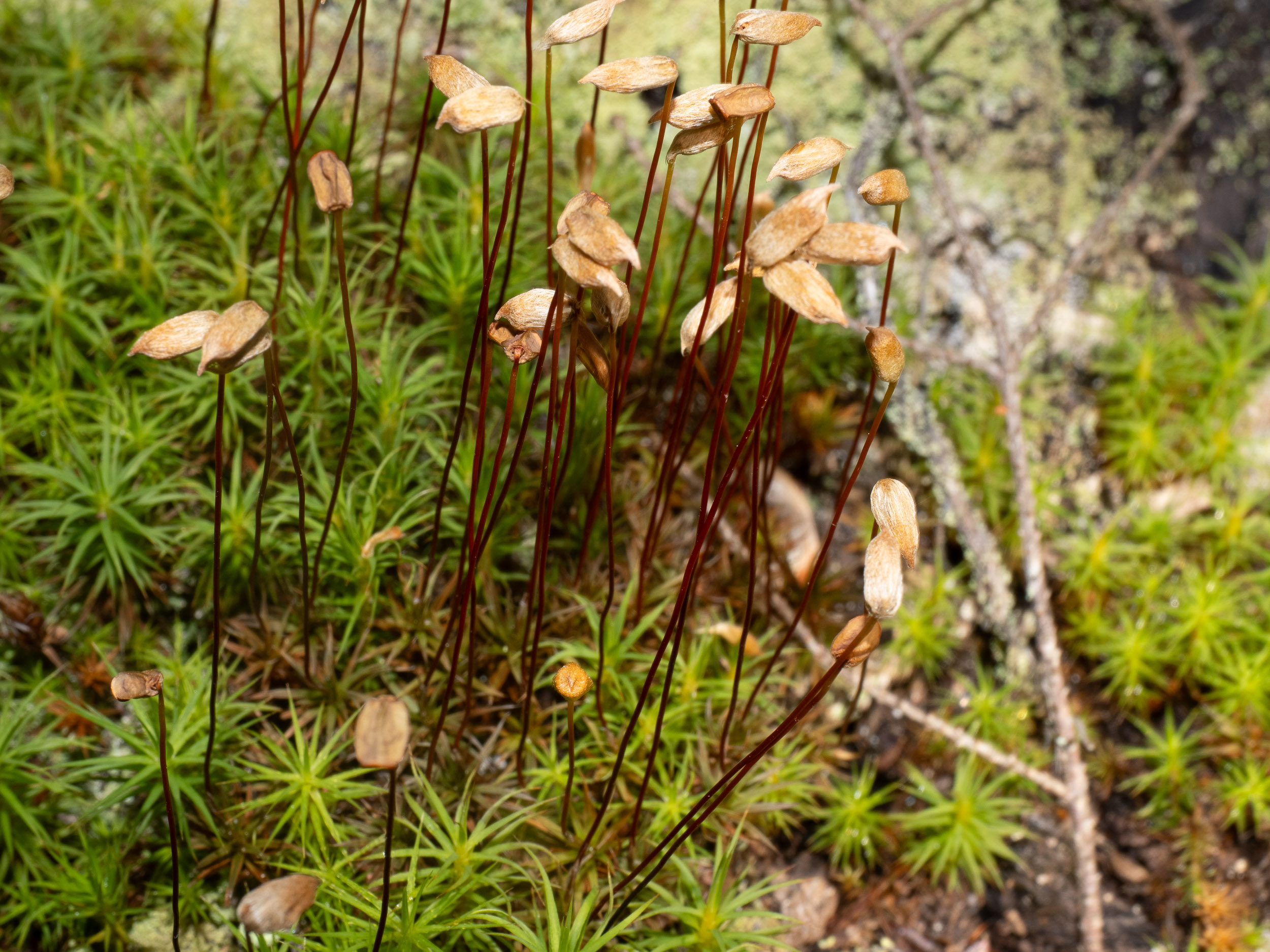
7/31/2023 · Otter Brrok Preserve, Harpswell Heritage Land Trust, Harpswell, Maine 

8/7/2013 · Amos Kendall Conservation Land, Dunstable, Massachusetts · ≈ 8 × 5″ (19 × 13 cm) 
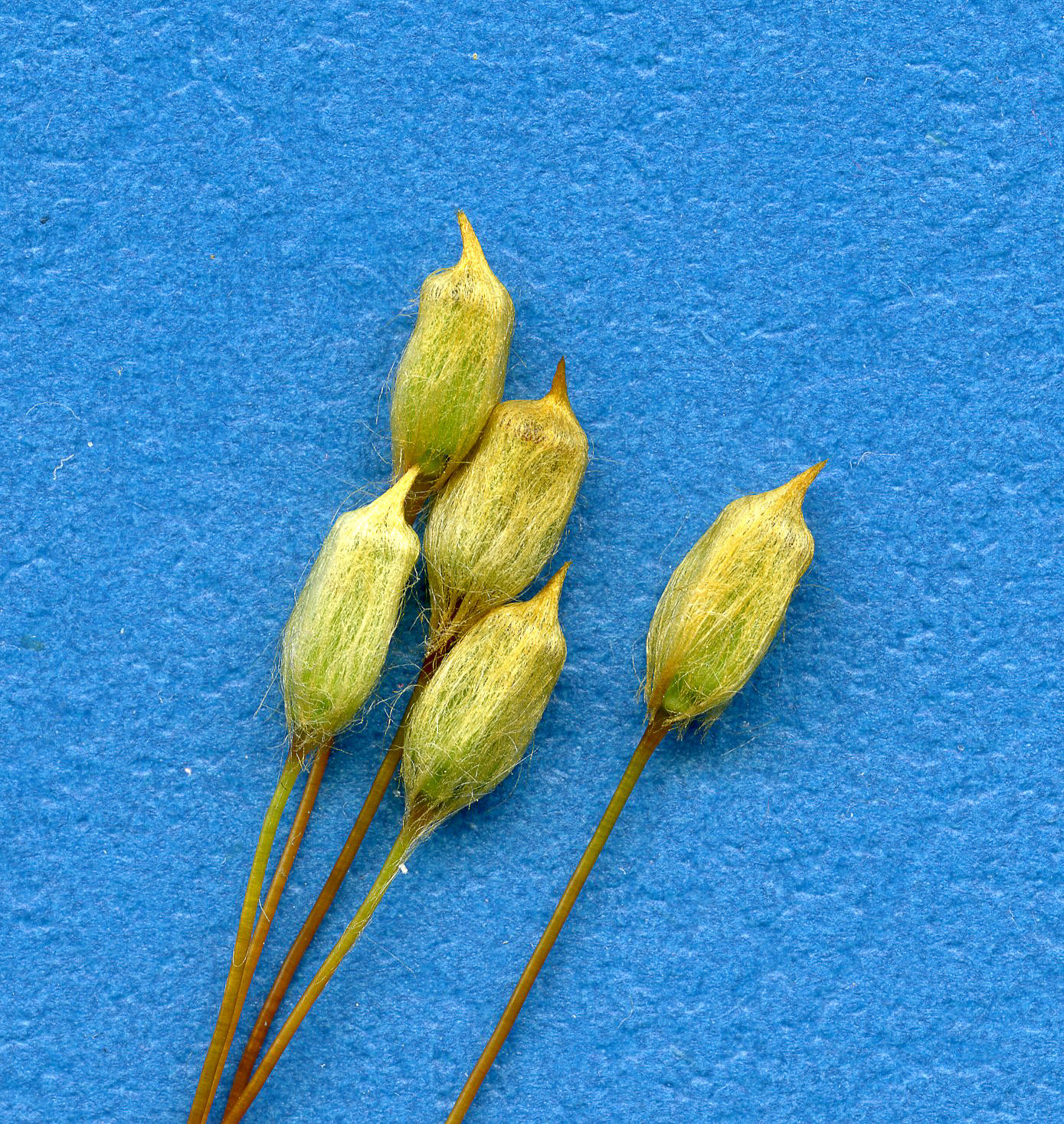
About 0.75" x 0.75". · 1/5/2026 · Townsend State Forest, Townsend, Massachusetts 
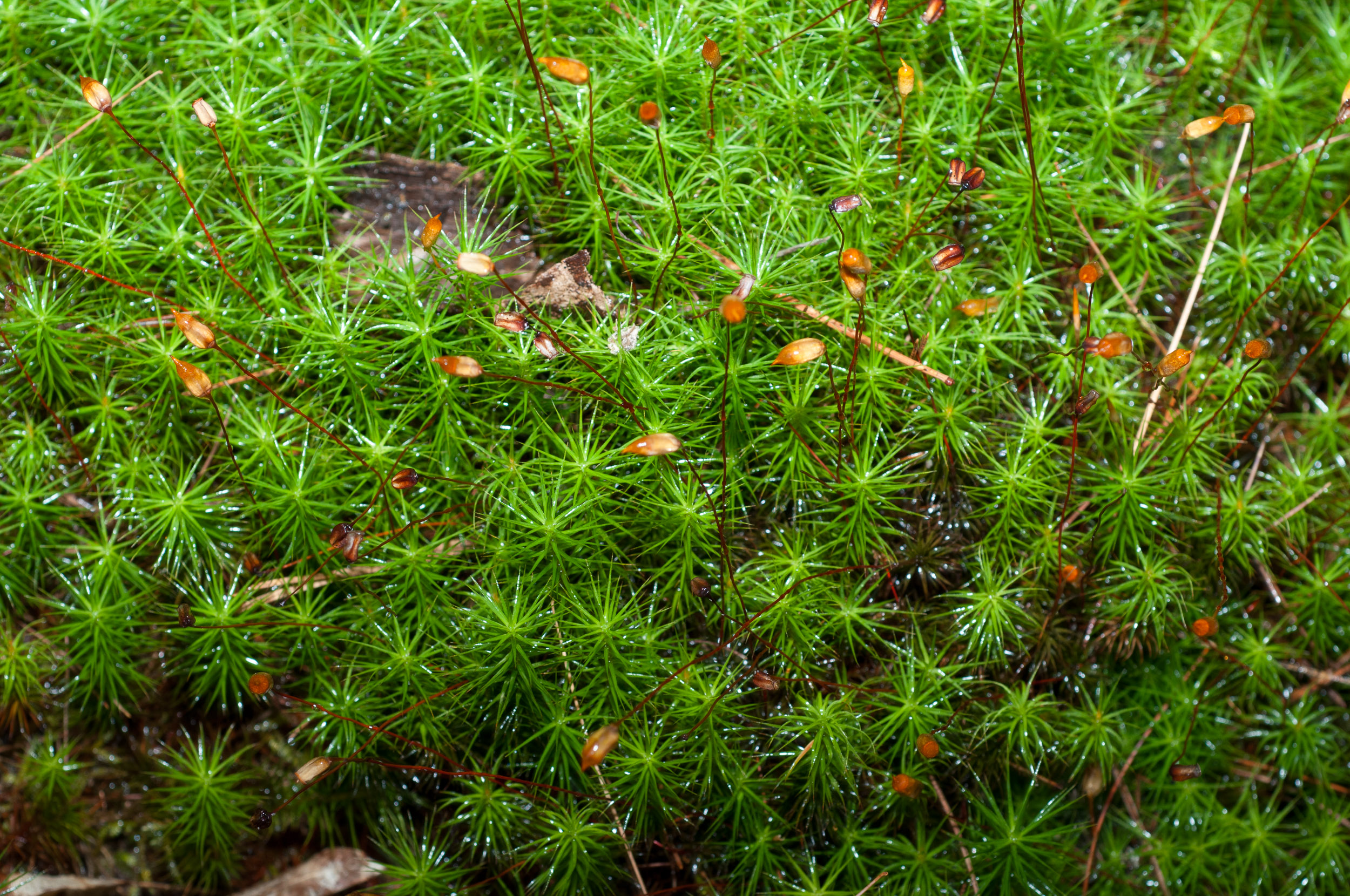
8/12/2009 · Pearl Hill State Park, Townsend, Massachusetts · ≈ 11 × 7″ (27 × 18 cm) 
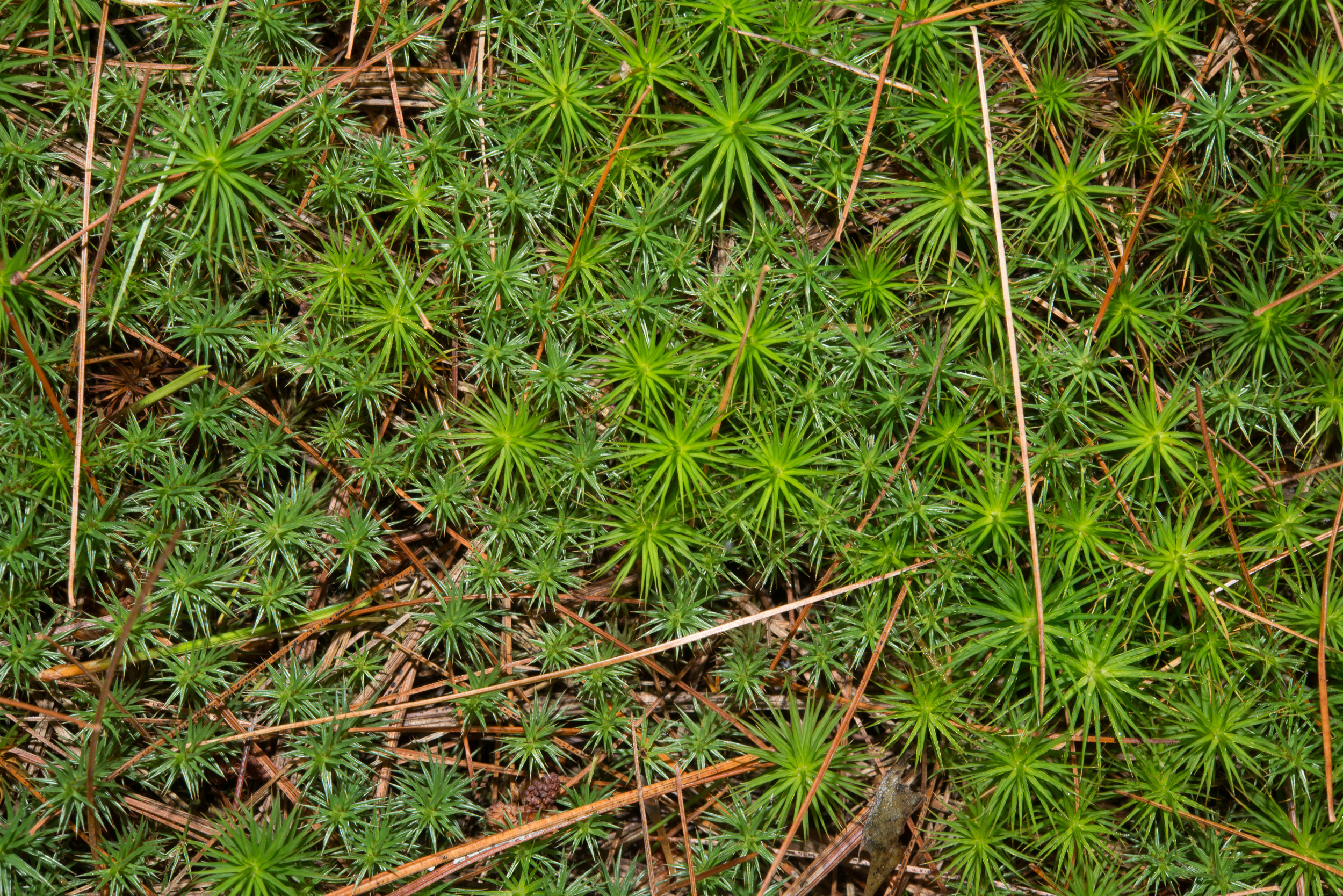
8/7/2013 · Amos Kendall Conservation Land, Dunstable, Massachusetts · ≈ 8 × 5″ (19 × 13 cm) 
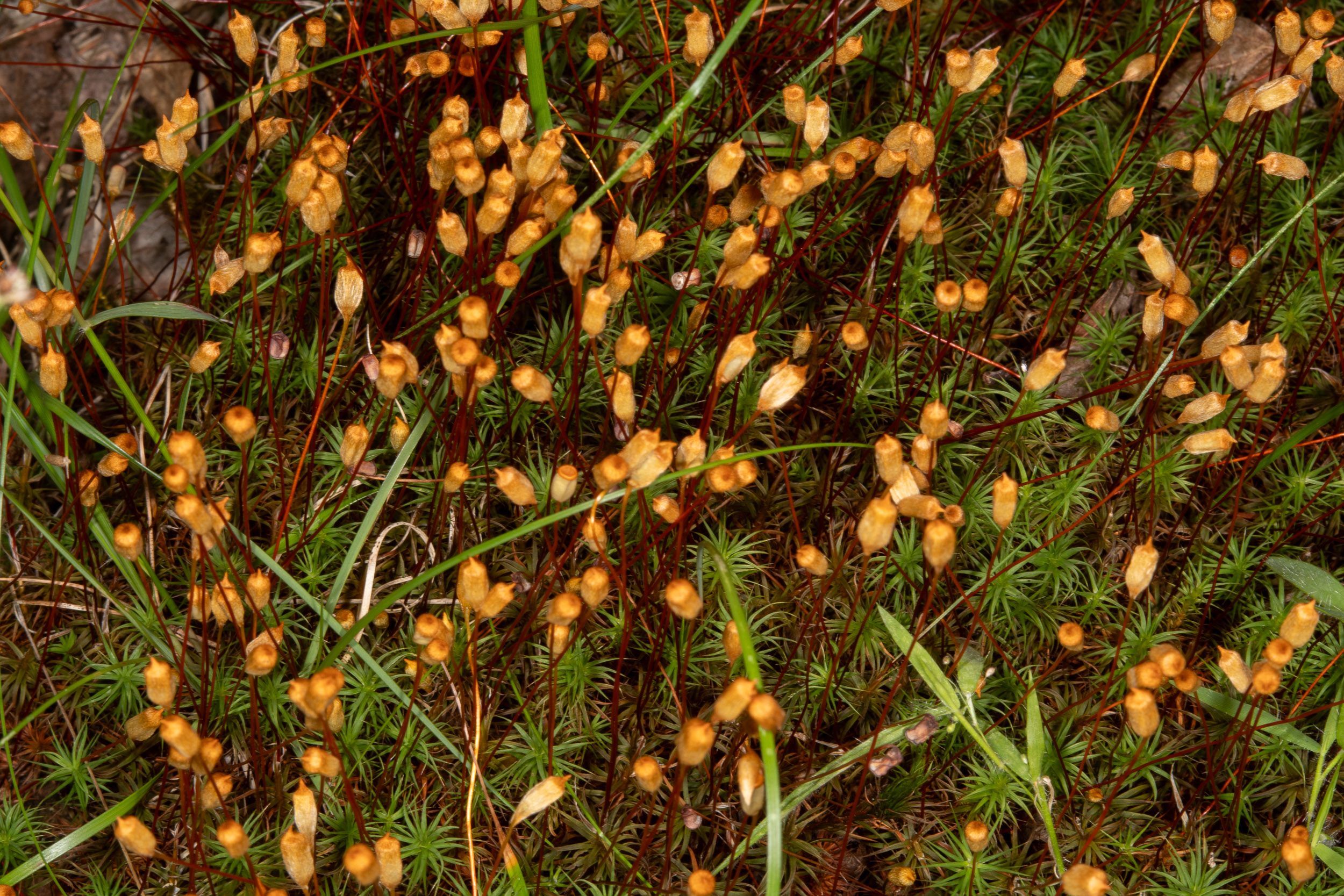
7/15/2020 · Cathance River Nature Preserve, Topsham, Maine · ≈ 10 × 6″ (24 × 16 cm) 

7/28/2013 · Andres Institute of Art, Big Bear Mountain, Brookline, New Hampshire · ≈ 8 × 7″ (19 × 16 cm) 

6/15/2012 · Townsend State Forest, Townsend, Massachusetts · ≈ 7 × 4½″ (17 × 11 cm) 
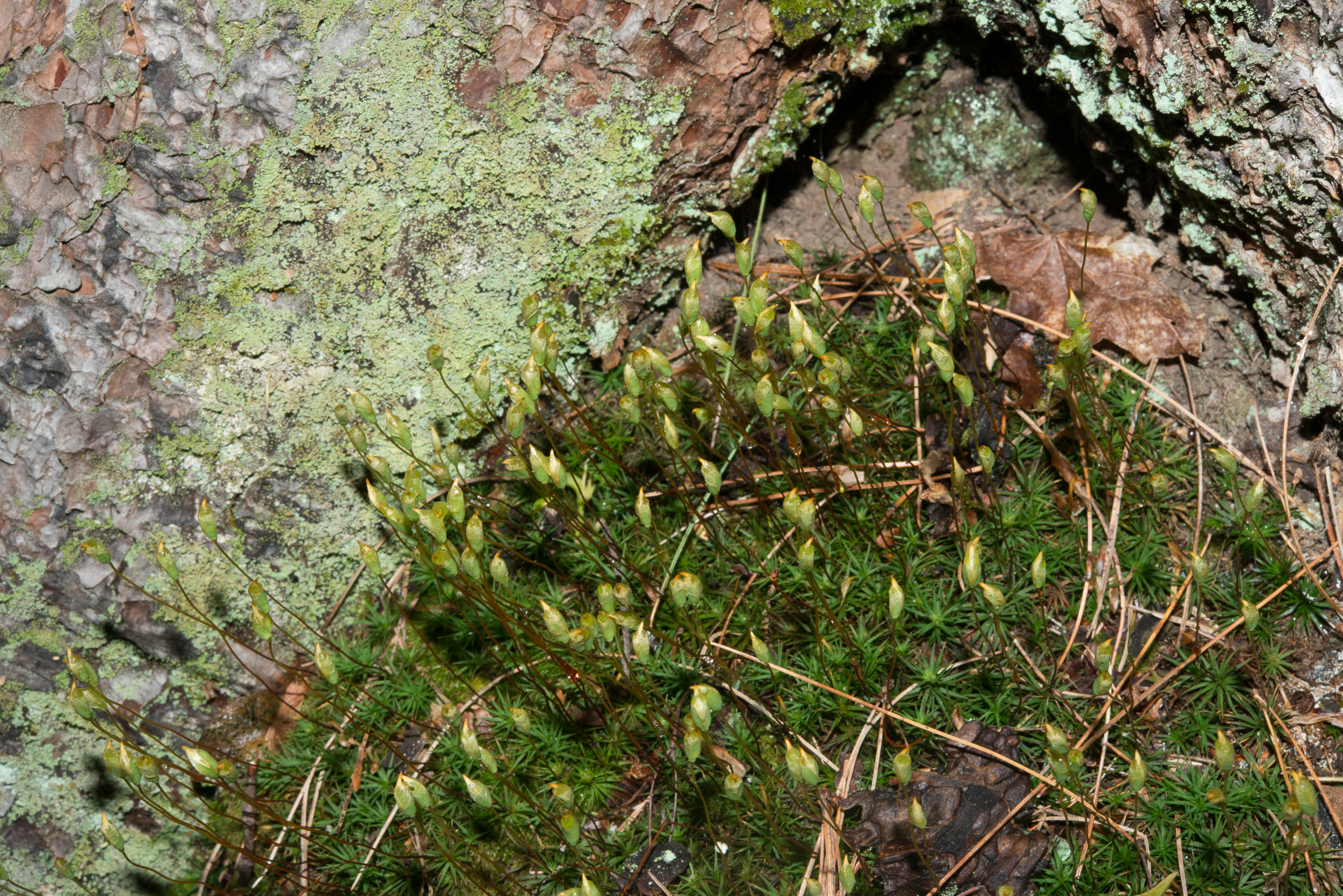
6/2/2013 · Beaver Brook Conservation Area, Hollis, New Hampshire · ≈ 10 × 7″ (25 × 16 cm) 
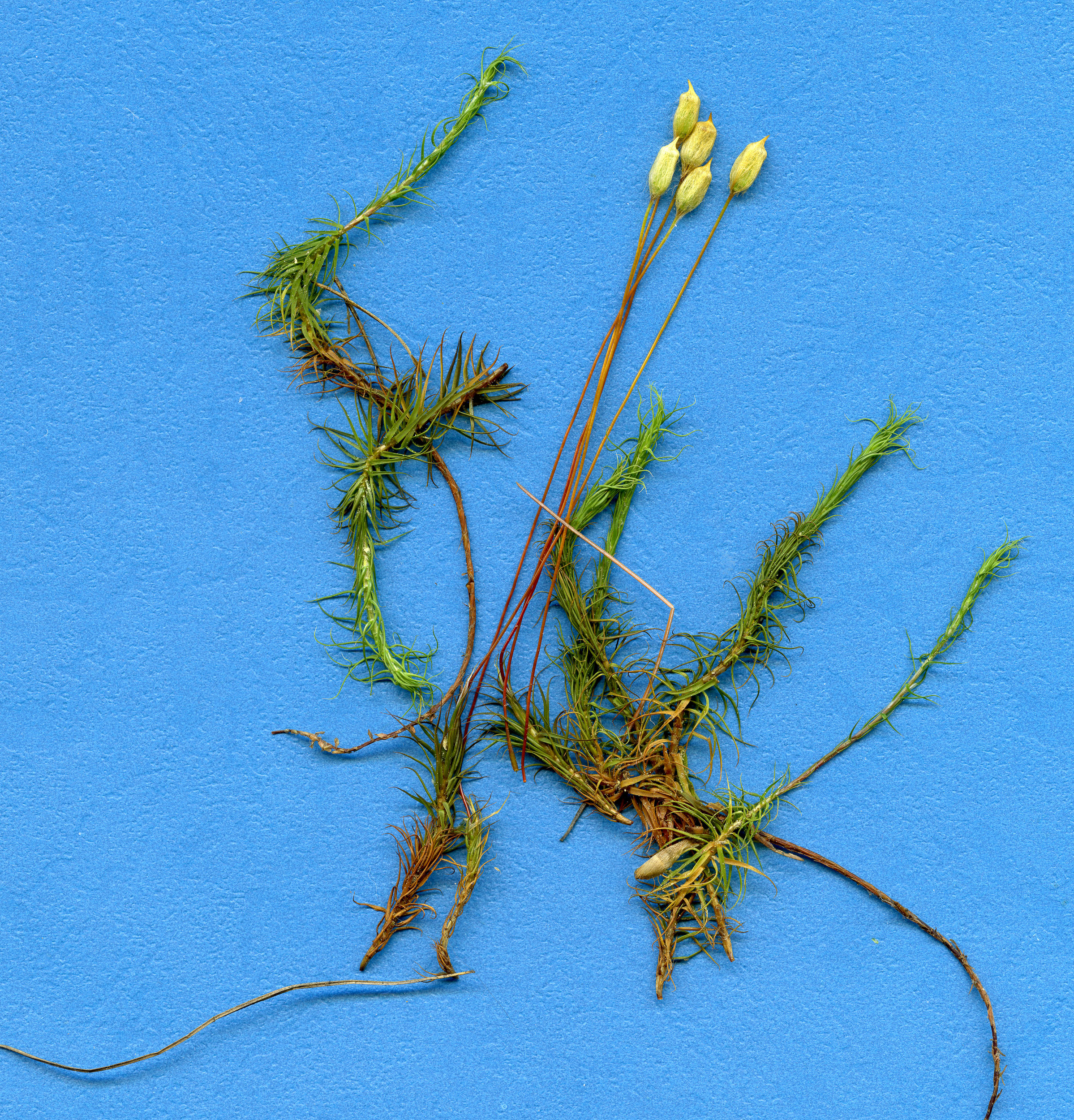
About 3" x 3.5". · 7/4/2026 · Townsend State Forest, Townsend, Massachusetts 
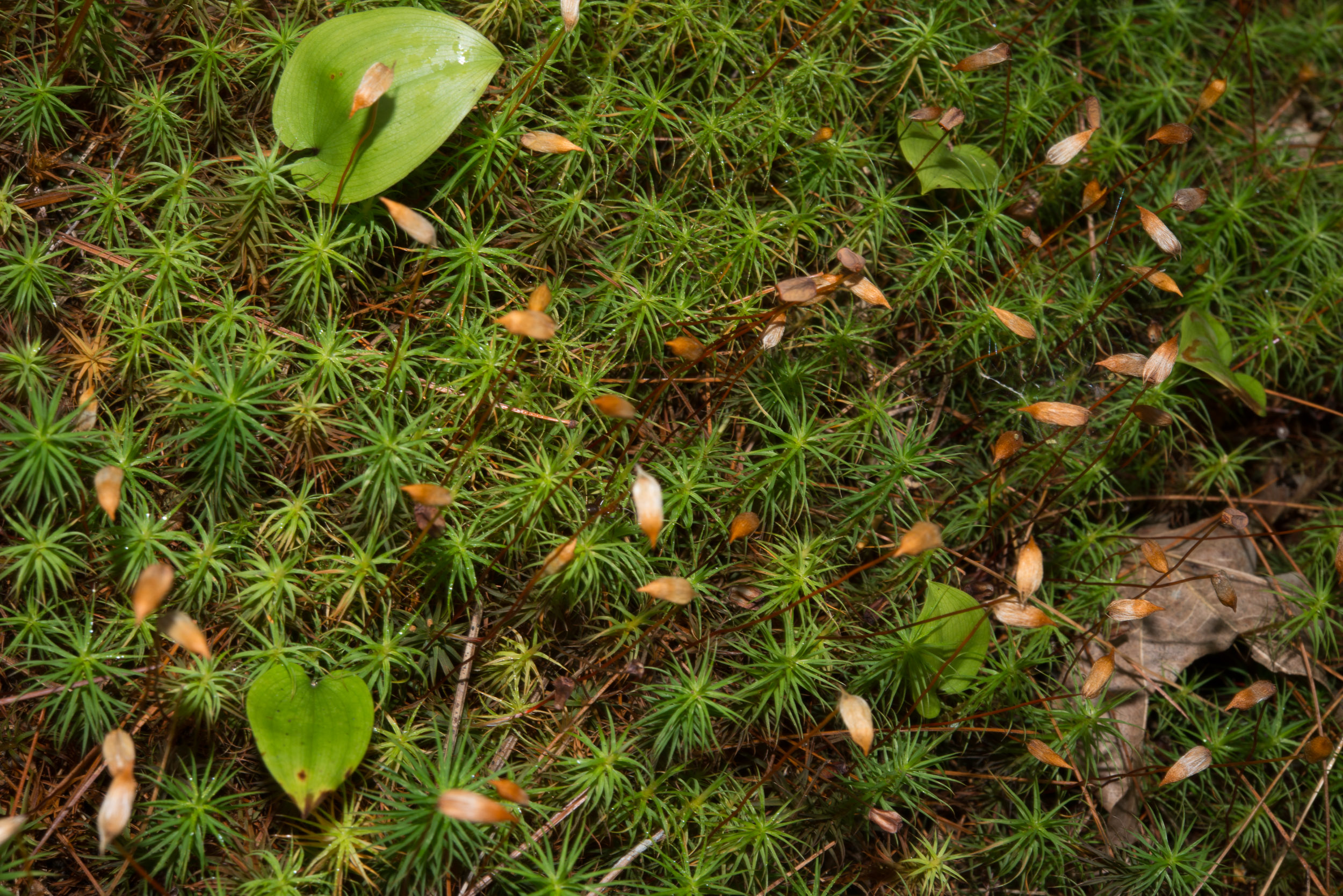
8/7/2013 · Amos Kendall Conservation Land, Dunstable, Massachusetts · ≈ 10 × 7″ (25 × 16 cm) 
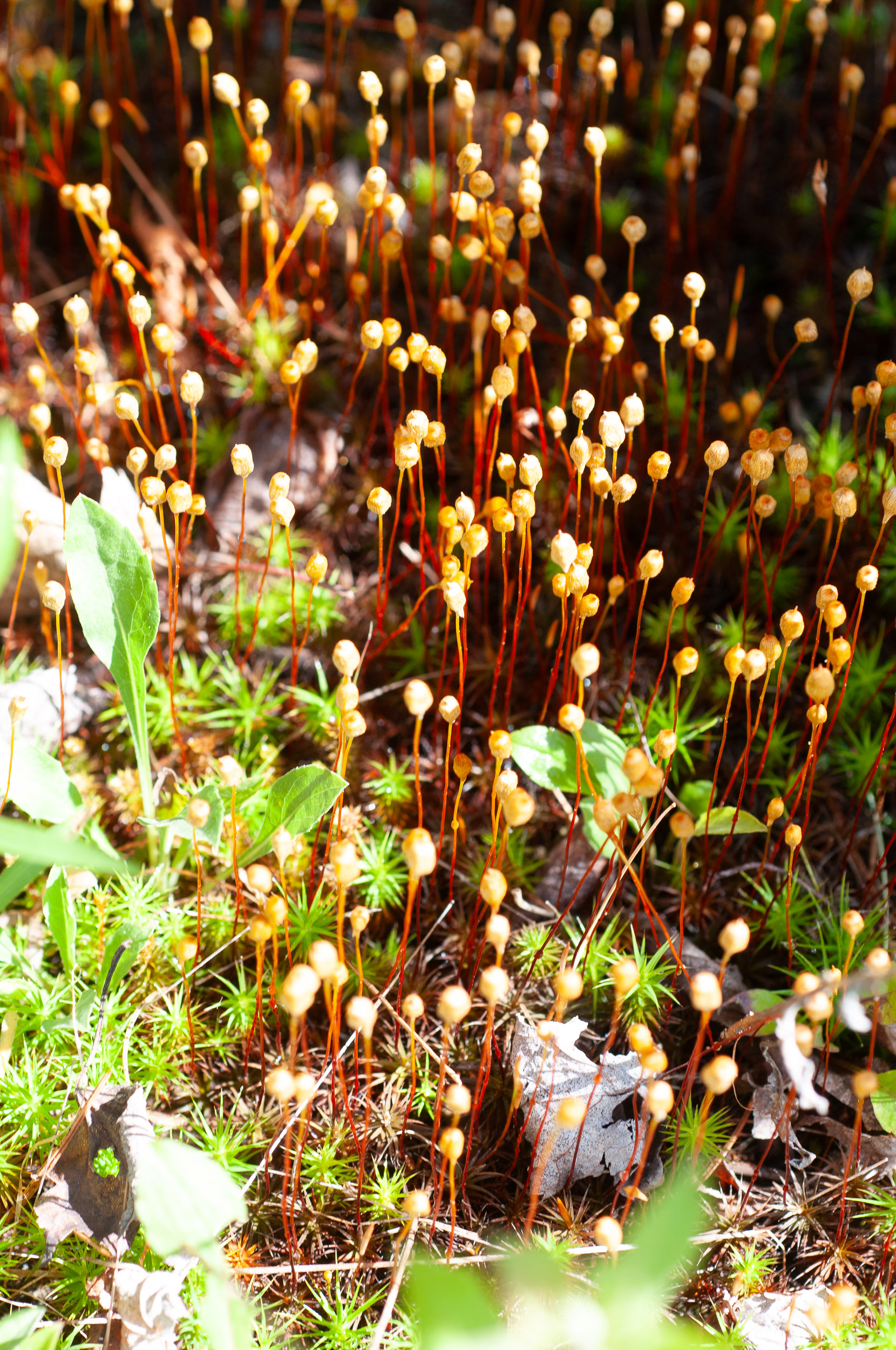
6/8/2012 · Townsend Wildlife Management Area, Townsend, Massachusetts · ≈ 7 × 11″ (18 × 27 cm) 

7/12/2015 · Mt. Kearsarge, Wilmot/Warner, New Hampshire · ≈ 10 × 7″ (25 × 16 cm) 
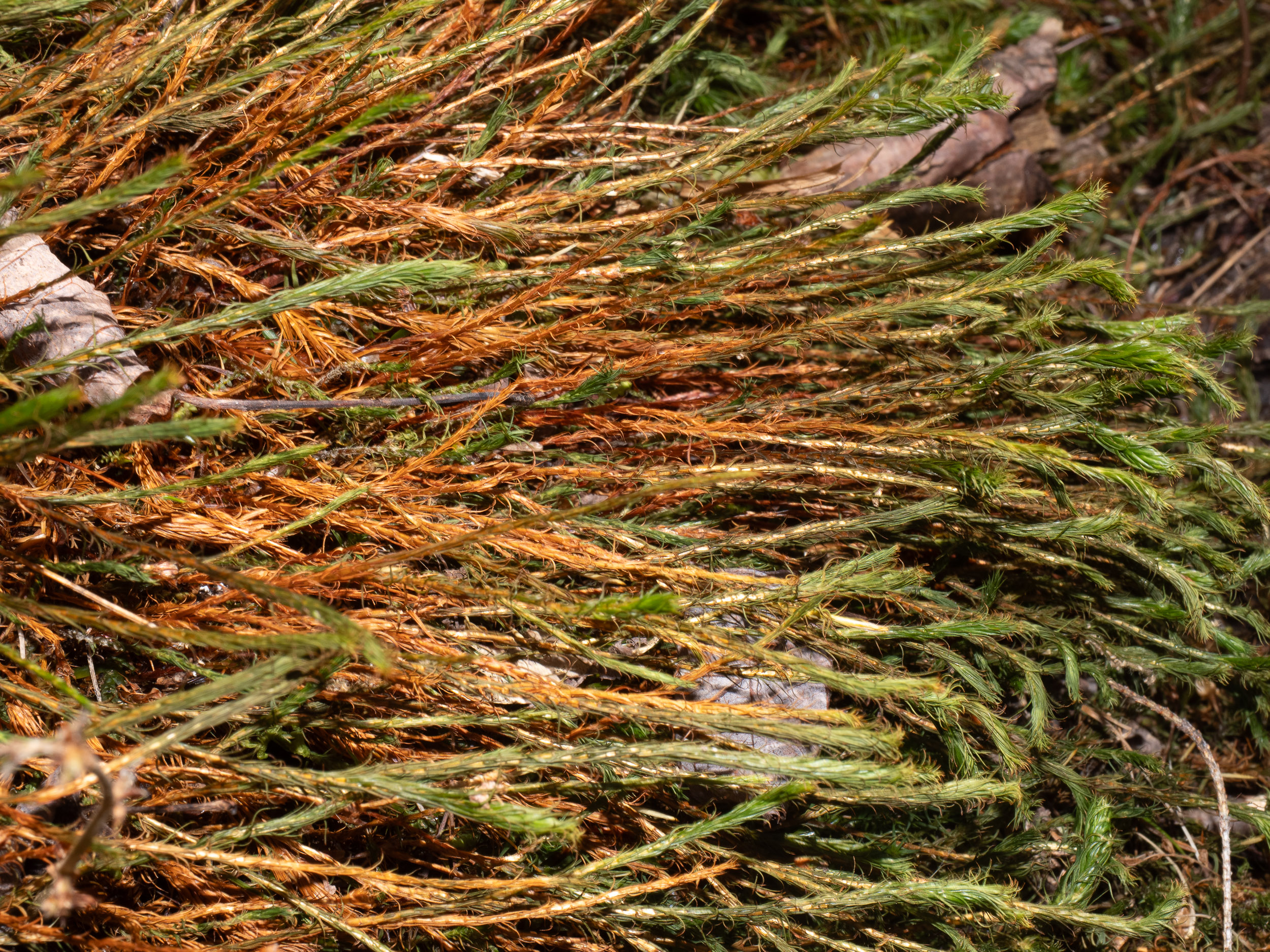
3/12/2024 · Calderwood Preserve, Freeport, Maine 

The two darker-colored plants have male "splash cups" on top, where sperm is produced. · 9/29/2010 · Nashua River Rail Trail, Ayer, Massachusetts · ≈ 4½ × 3″ (11 × 7.9 cm)  ID is uncertain
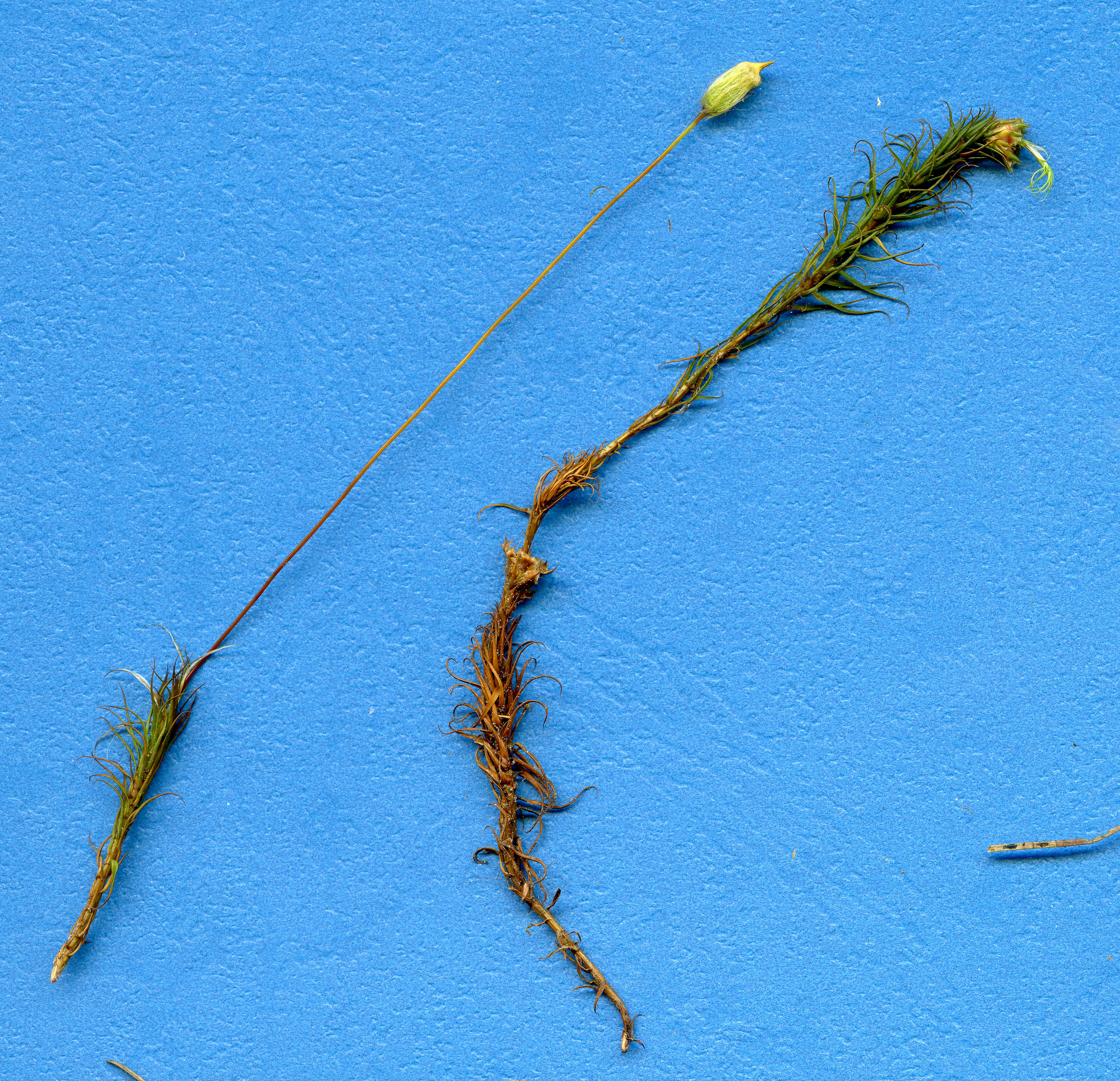
About 3" x 3". · 1/5/2026 · Townsend State Forest, Townsend, Massachusetts 

About 2" x 1.75". · 1/5/2026 · Townsend State Forest, Townsend, Massachusetts 
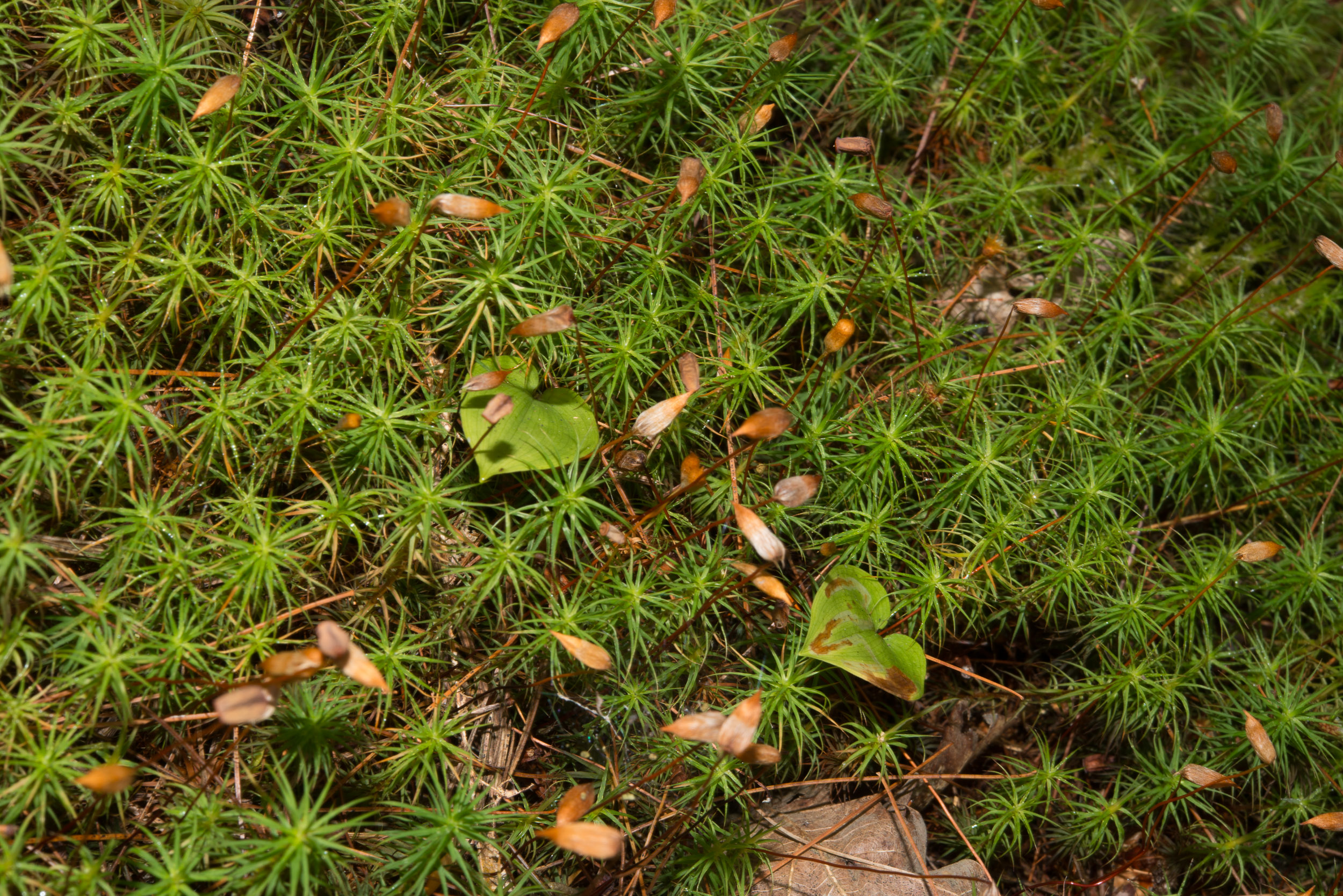
8/7/2013 · Amos Kendall Conservation Land, Dunstable, Massachusetts · ≈ 10 × 7″ (25 × 16 cm) 
| Kingdom | Plantae | Plants, but not fungi, lichens, or algae (from Stearn's Botanical Latin) |
| Division | Bryophyta | Mosses |
| Subdivision | Musci | Mosses (all 12,000 of them) |
| Class | Bryopsida | Mosses with arthrodontous spore capsules, which is most of them |
| Subclass | Bryidae | Mosses with a double peristome with alternating tooth segments |
| Order | Polytrichales | A group of mosses which tend to be among the larger ones, with a thickened central stem and root |
| Family | Polytrichaceae | A group of mosses which tend to be among the larger ones, with a thickened central stem and root |
| Genus | Polytrichum | From Greek poly, “many,” trichum, “hair” |
| Species | commune |
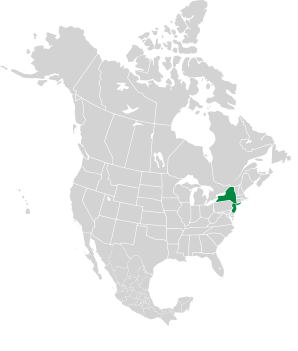
Polytrichum commune description by Thomas H. Kent, not updated.

© FloraFinder.org. All rights reserved.