Prunus virginiana L.
Common chokecherry, chokecherry
Chokecherries are widespread natives of North America.
Plants: Chokecherries are small deciduous trees up to about 18′ (5.5 m) high.
Leaves: Oval, ⅞–4″ long ⨉ ⅜–1¾″ wide (2.5–10 ⨉ 1.2–5 cm), with serrated edges.
Flowers: Racemes of flowers are 1½–4″ (4–11 cm) long. Fragrant flowers have five lobes, and are ¼–½″ (8.5–12 mm) around.
Fruits: Drupes are profuse, ⅛–½″ (6–14 mm) in diameter, and bright red, ripening to dark purple or black.
Habitats: Moist woods; stream banks; prairie hillsides; fence rows; rocky bluffs; roadsides.
Edibility: They aren’t called chokecherries for nothing. The
drupes, both sour and bitter, are barely edible when fully ripe, but they contain
a large pit that contains amygdalin, converted by your body to cyanide, a potent poison  .
With pits safely removed, the flesh of chokecherries can be used to create jams, jellies,
and pie fillings.
.
With pits safely removed, the flesh of chokecherries can be used to create jams, jellies,
and pie fillings.
Don't confuse chokecherries with chokeberries, and note some similar cherry species:
 |
Similar species |

From the USDA Plants Database. 
Online References:

7/20/2012 · J. Harry Rich Dirt Road, Groton, Massachusetts · ≈ 7 × 4½″ (17 × 11 cm) 

8/5/2010 · Nashua River Rail Trail, East Pepperell, Massachusetts · ≈ 4½ × 7″ (11 × 17 cm) 

5/27/2014 · Dunstable Rural Land Trust, Dunstable, Massachusetts · ≈ 5 × 4½″ (13 × 12 cm) 

5/21/2013 · Beaver Brook Conservation Area, Hollis, New Hampshire · ≈ 5 × 3½″ (12 × 9.5 cm) 

That's a brown-tail caterpilar (Euproctis chrysorrhoea) · 5/26/2023 · Pownalborough Courthouse Trail, Dresden, Maine 

8/25/2017 · Pack Monadnock, near summit, Peterborough, New Hampshire · ≈ 6 × 4″ (16 × 11 cm) 
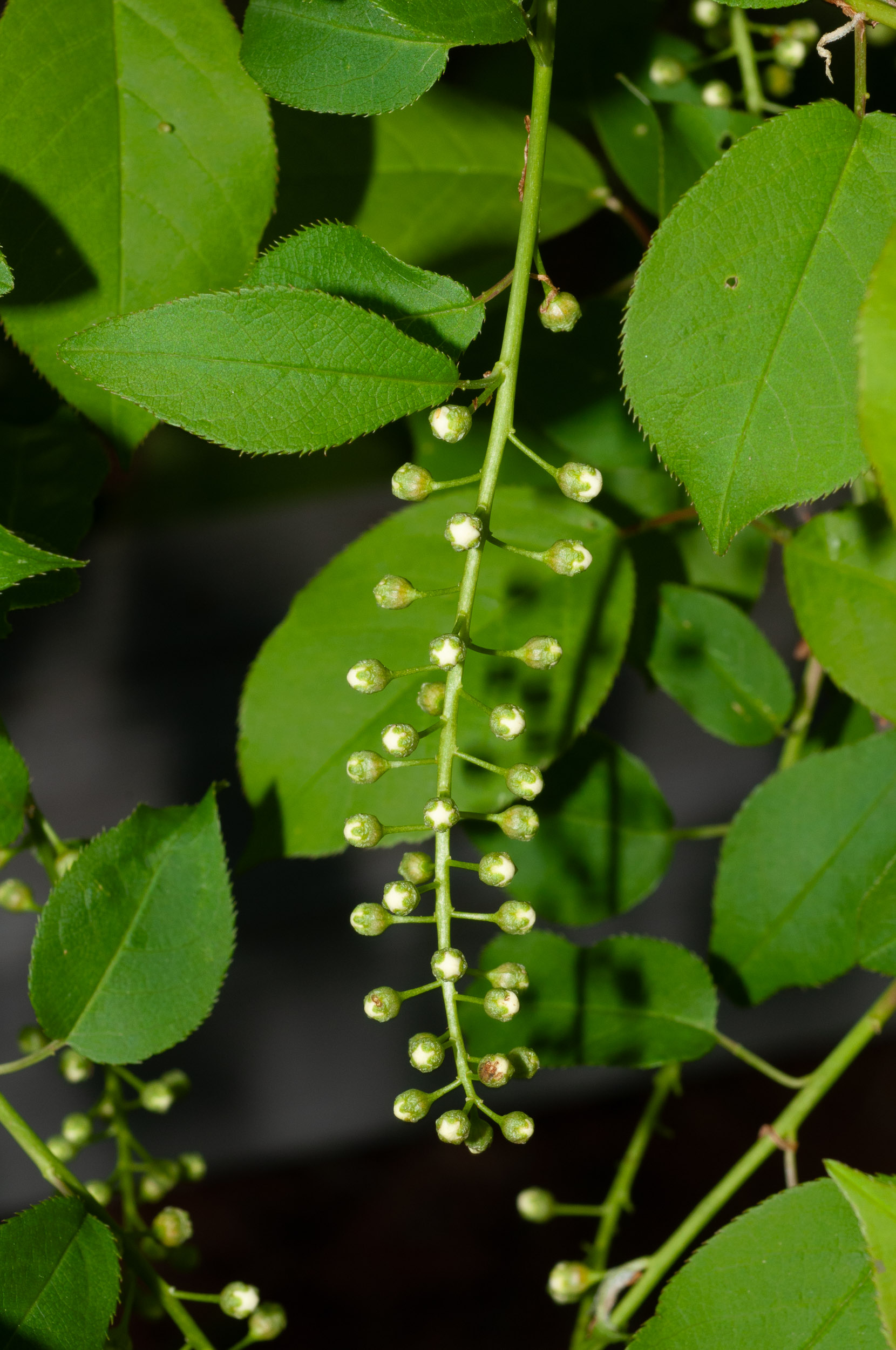
4/25/2012 · Nashua River Rail Trail, Groton, Groton, Massachusetts · ≈ 4 × 6″ (10 × 15 cm) 

7/22/2021 · Mitchell Field, Harpswell, Maine · ≈ 7 × 11″ (18 × 28 cm) 

5/27/2014 · Dunstable Rural Land Trust, Dunstable, Massachusetts · ≈ 7 × 4½″ (16 × 12 cm) 

7/8/2010 · Nashua River Rail Trail, Groton Center, Groton, Massachusetts · ≈ 6 × 7″ (16 × 17 cm)  ID is uncertain
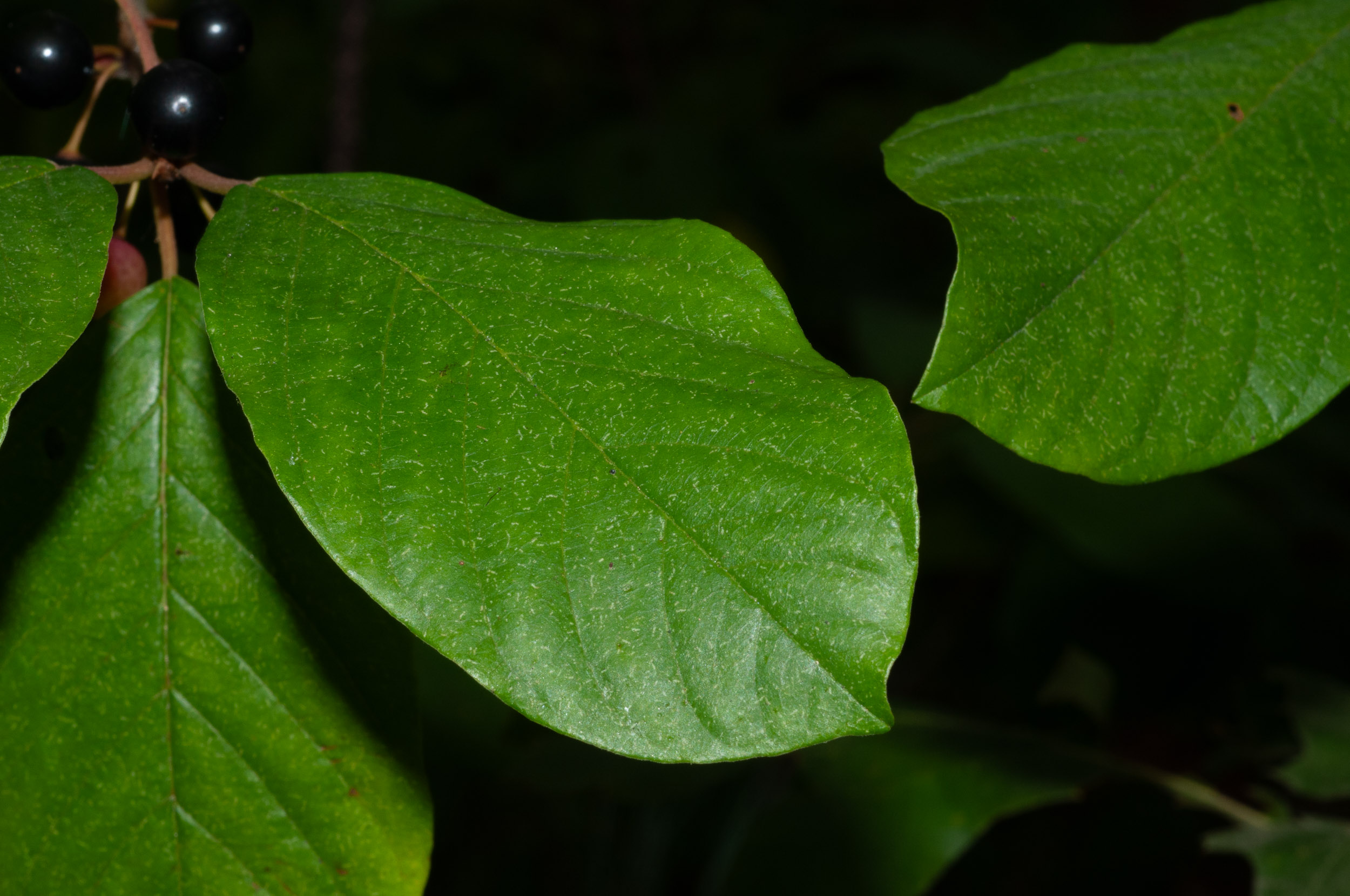
7/20/2012 · J. Harry Rich Dirt Road, Groton, Massachusetts · ≈ 6 × 4″ (15 × 10 cm) 

6/29/2006 · By Sheri Hagwood @ USDA-NRCS PLANTS Database 
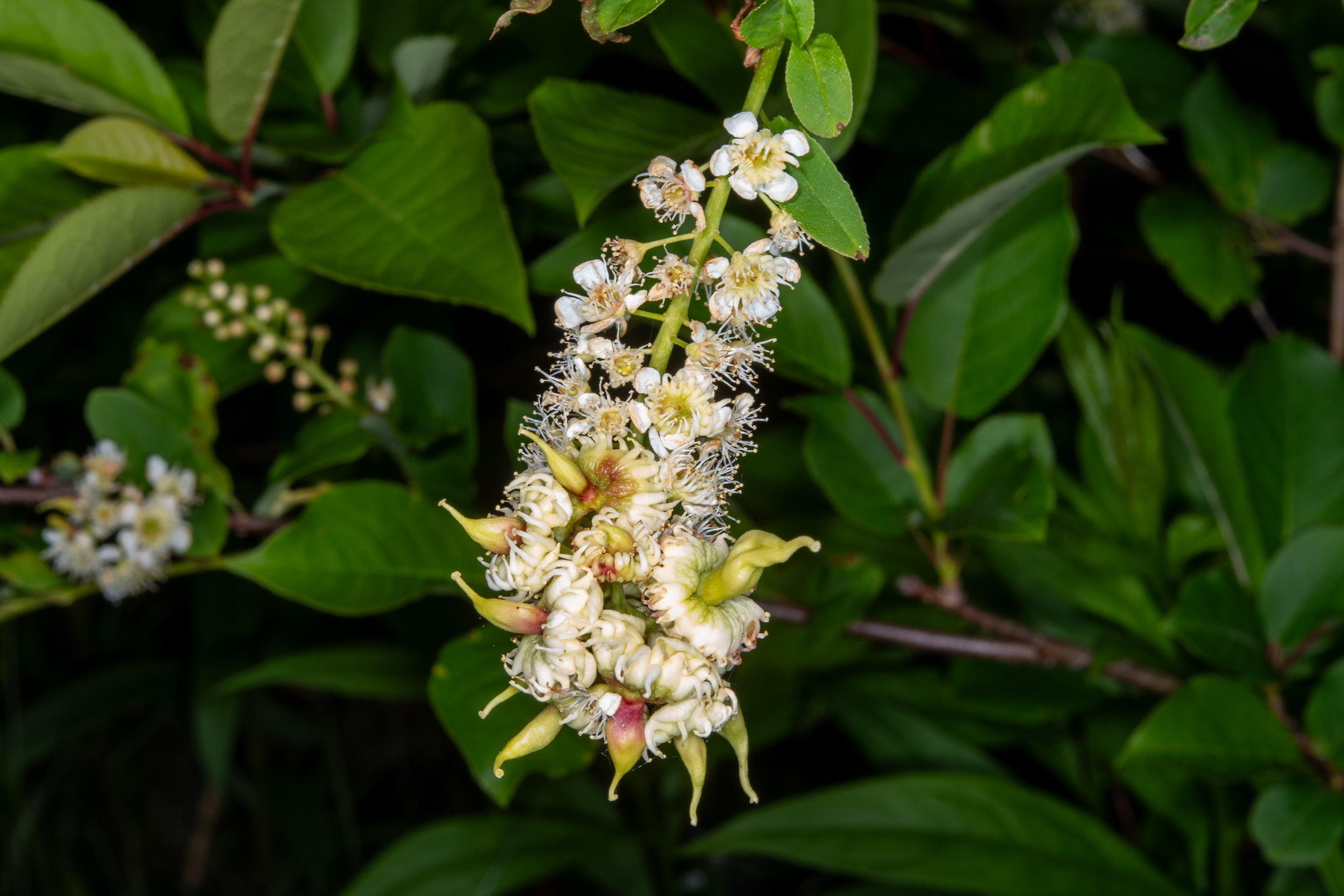
I haven't been able to identify these galls · 5/30/2025 · Bass Falls Preserve, Alna, Maine · ≈ 6 × 4″ (16 × 11 cm) 

6/9/2016 · Monhegan Island, Maine 
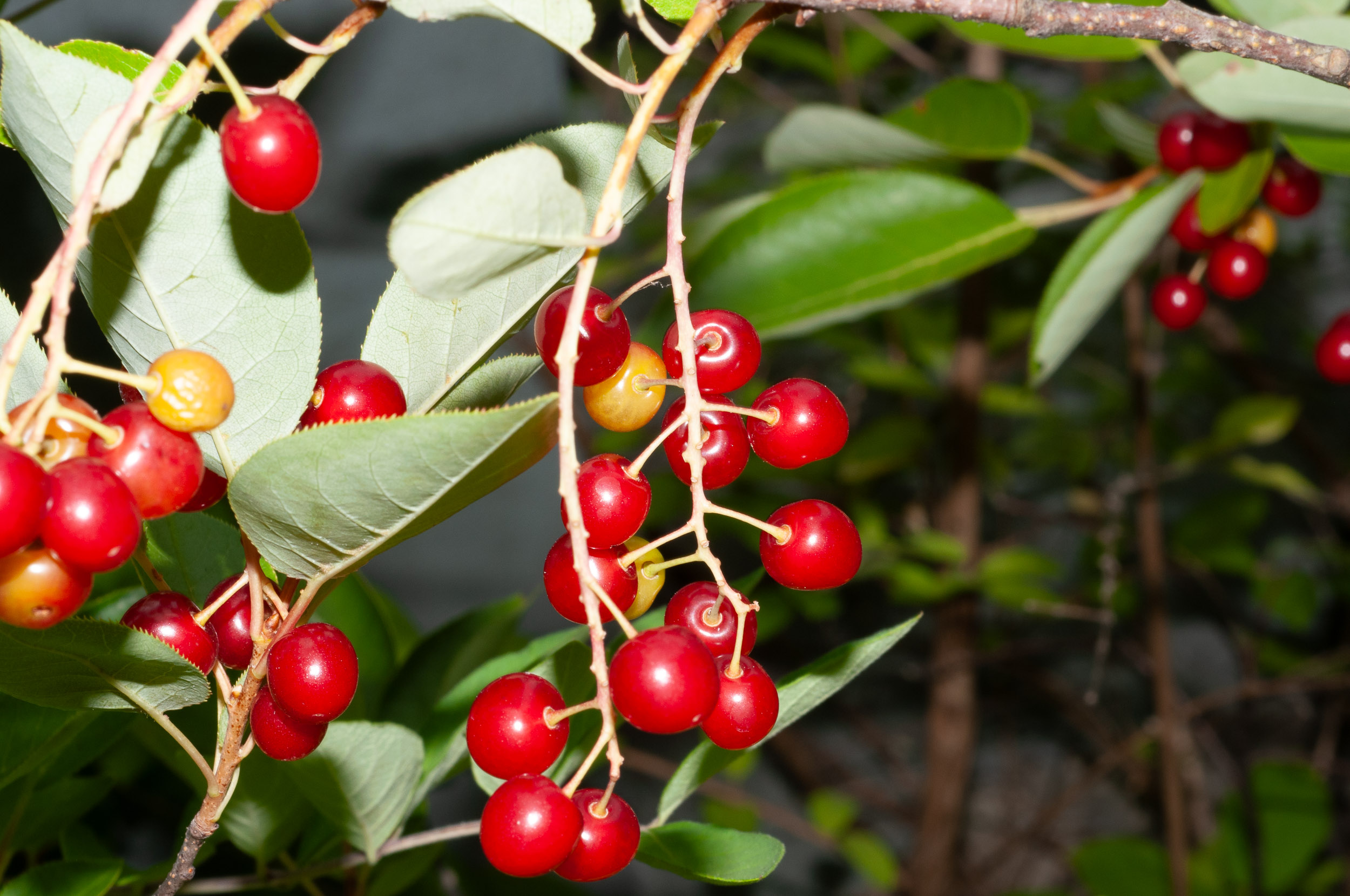
7/8/2010 · Nashua River Rail Trail, Groton Center, Groton, Massachusetts · ≈ 7 × 4½″ (17 × 11 cm) ID is uncertain 
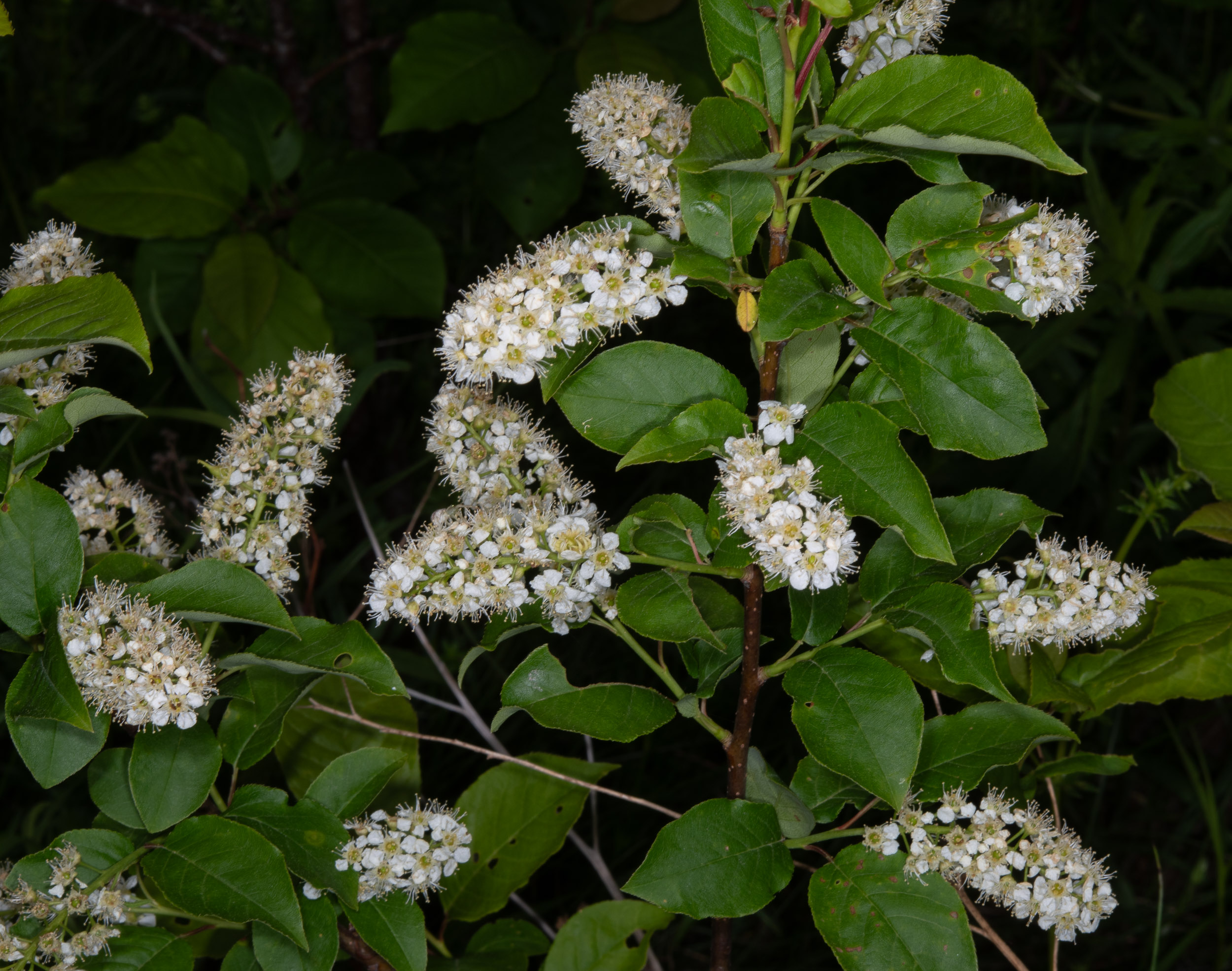
5/30/2025 · Bass Falls Preserve, Alna, Maine · ≈ 10 × 8″ (26 × 20 cm) 

8/13/2017 · Burges Pond, Westford, Massachusetts · ≈ 10 × 6″ (24 × 16 cm) 

7/20/2012 · J. Harry Rich Dirt Road, Groton, Massachusetts · ≈ 6 × 9″ (15 × 23 cm) 
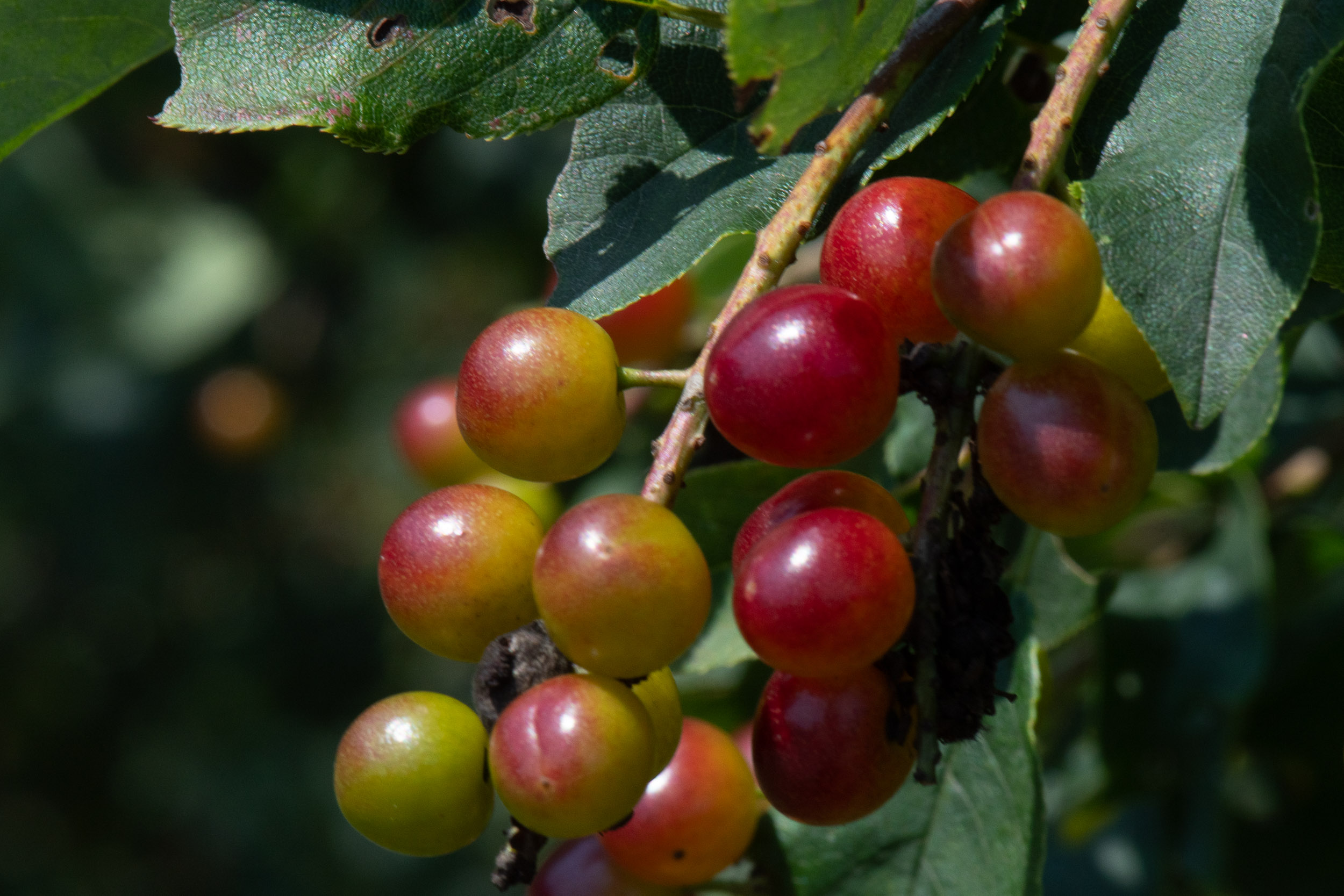
7/22/2021 · Mitchell Field, Harpswell, Maine · ≈ 4½ × 3″ (11 × 7.9 cm) 

6/1/2010 · Nashua River Rail Trail, Groton Center, Groton, Massachusetts · ≈ 5 × 8″ (13 × 19 cm) 

7/20/2012 · J. Harry Rich Dirt Road, Groton, Massachusetts · ≈ 6 × 4″ (14 × 10 cm) 

7/8/2010 · Nashua River Rail Trail, Groton Center, Groton, Massachusetts · ≈ 3 × 3½″ (7.5 × 8.6 cm) ID is uncertain 
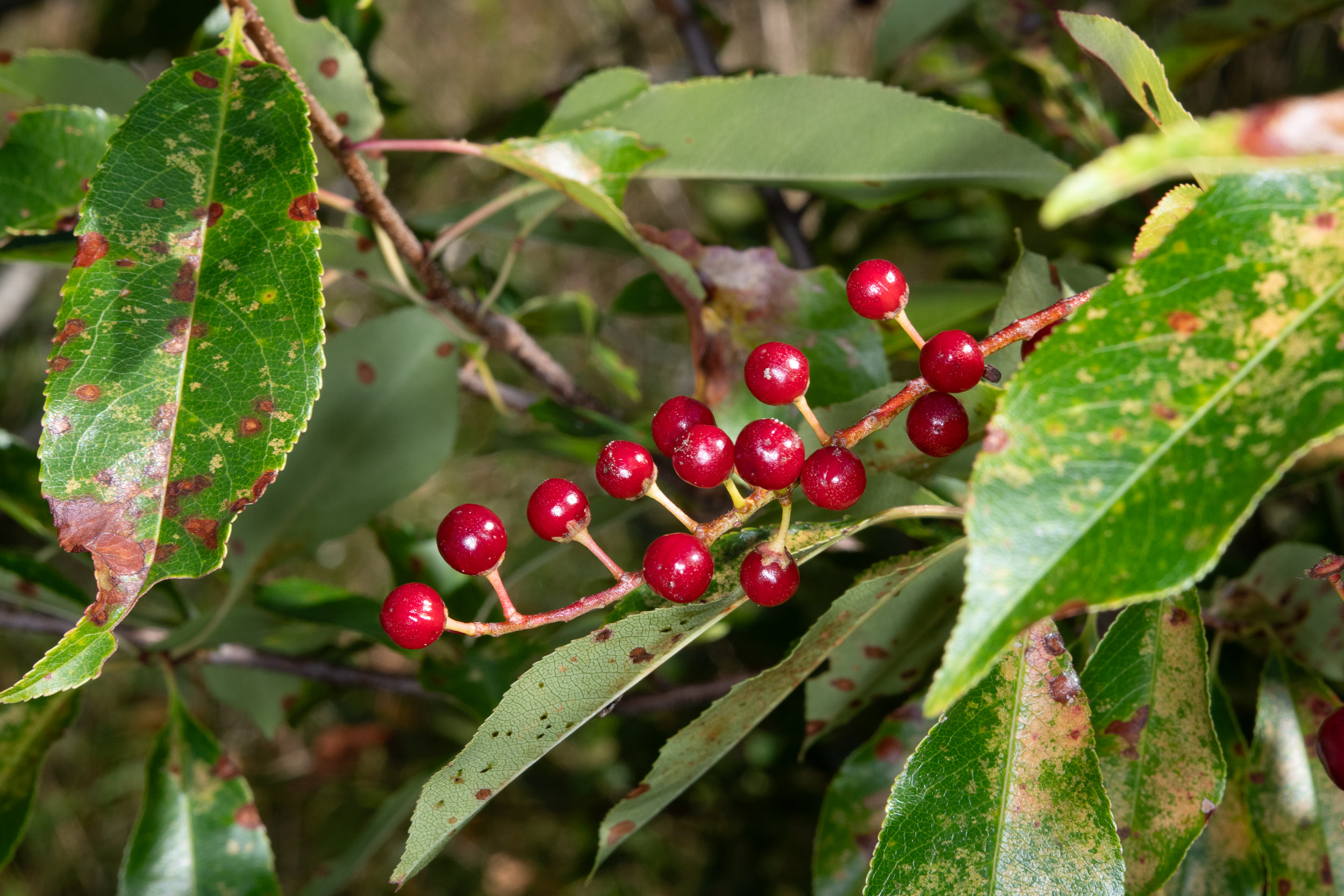
8/24/2023 · Morse Mountain, Phippsburg, Maine · ≈ 7 × 4½″ (18 × 12 cm) 
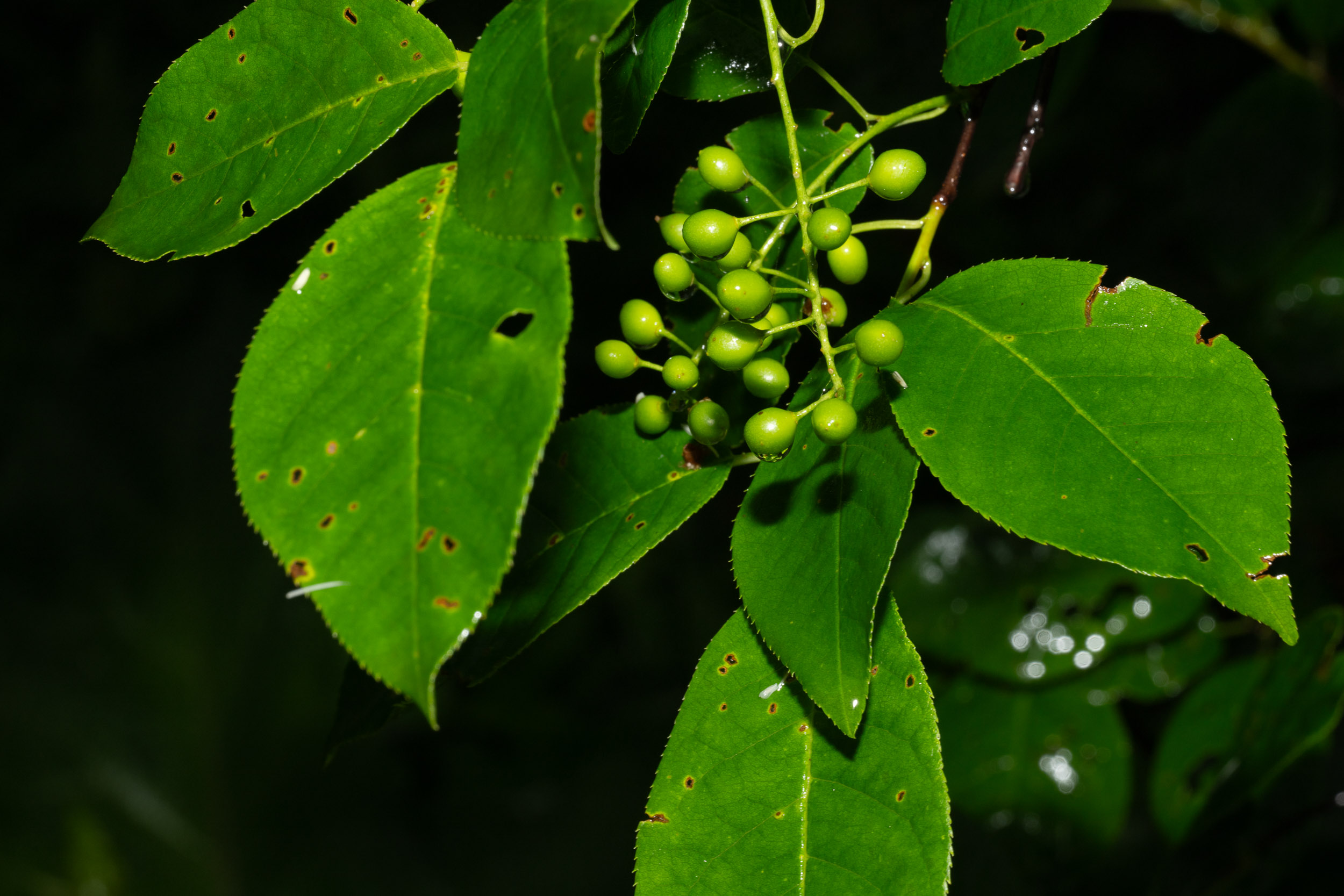
5/22/2026 · Skyline Drive, Shenandoah National Park, Virginia · ≈ 8 × 5″ (20 × 13 cm) 

6/26/2010 · Nashua River Rail Trail, Groton Center, Groton, Massachusetts · ≈ 17 × 12″ (44 × 29 cm) 

5/28/2021 · Brunswick Commons, Brunswick, Maine · ≈ 11 × 7″ (28 × 18 cm) 

I haven't been able to identify these galls · 5/30/2025 · Bass Falls Preserve, Alna, Maine · ≈ 10 × 6″ (24 × 16 cm) 
| Kingdom | Plantae | Plants, but not fungi, lichens, or algae (from Stearn's Botanical Latin) |
| Subkingdom | Tracheobionta | Vascular plants—plants with a “circulatory system” for delivering water and nutrients |
| Division | Magnoliophyta | Flowering plants, also known as angiosperms |
| Class | Magnoliopsida | Dicotyledons—plants with two initial seed leaves |
| Subclass | Rosidae | Roses, legumes, proteas, dogwoods, hydrangeas, mistletoes, euphorbias, grapes, many more |
| Order | Rosales | Rose family and eight others |
| Family | Rosaceae | Includes apples, apricots, plums, cherries, peaches, pears, raspberries, strawberries, almonds, roses, meadowsweets, photinias, firethorns, rowans, and hawthorns; many others |
| Genus | Prunus | Includes plums, cherries, peaches, apricots, and almonds |
| Species | virginiana | “From Virginia” |

Prunus virginiana description by Thomas H. Kent, not updated.

© FloraFinder.org. All rights reserved.