Pulsatilla occidentalis (S. Watson) Freyn
White pasqueflower, western pasque flower, mountain pasqueflower, pulsatille
I still haven’t seen a white pasqueflower in person, but when I spied a group of cotton balls bobbing in the volcanic soil on the roadside on the way to Crater Lake on Mt. Mazama, I was captivated. Took me awhile to identify them. White pasqueflowers like higher elevations along the west coast of North America.
Plants: The plants are 8–24″ (20–60 cm) high. These plants are found at high elevations, from about the tree line to about 1.9 mi (3 km)
Leaves: Leaves are light green, fernlike.
Flowers: White or slightly yellowish, 1¼–2″ (3.2–5 cm) across, with 8 petals and yellow centers. Each stem bears a single flower.
Fruits: Seedheads are roughly circular, slightly elongated, a bit shaggy looking, grayish white, soft looking. At close range there are tiny red threads.
Habitats: Gravelly, rocky slopes, moist meadows, at higher elevations.

Photo by Walter Siegmund, taken on the Knapsack Pass climber’s route, Mount Rainier National Park, on 7/28/2007, elevation 6070’. 

Photo by Walter Siegmund, on the Rainshadow Loop Nature Trail, Olympic National Park, 7/4/2008, elevation 5912’. 
Edibility: Poisonous.  All members of the buttercup
family are poisonous.
All members of the buttercup
family are poisonous.
Habitats: Gravelly, rocky slopes, moist meadows, at higher elevations.
Online References:
References:
Anemone occidentalis S. Watson
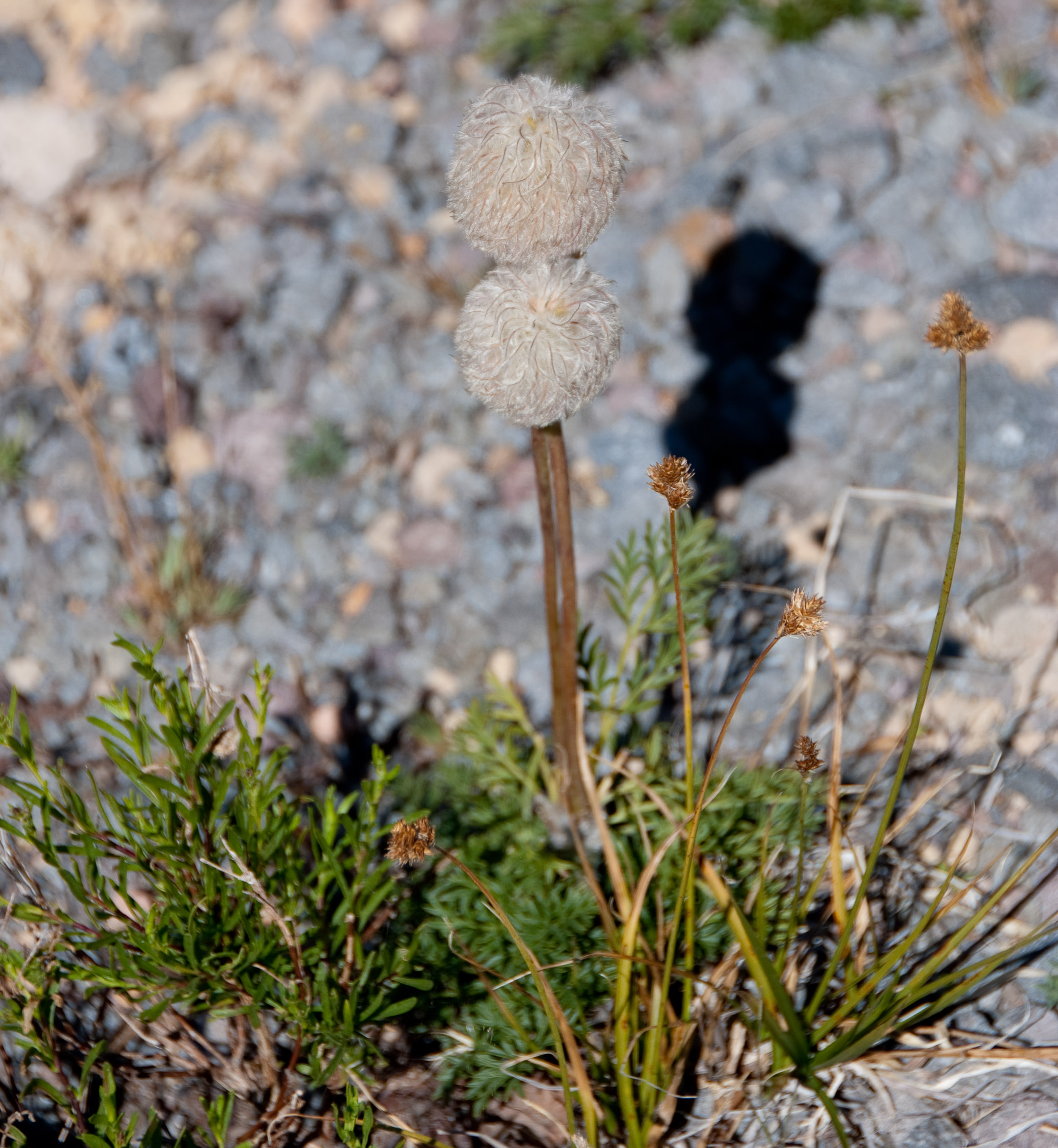
The elevation is about 8,000'. · 8/29/2007 · Mt. Mazama Crater Lake Rim Road, Oregon 
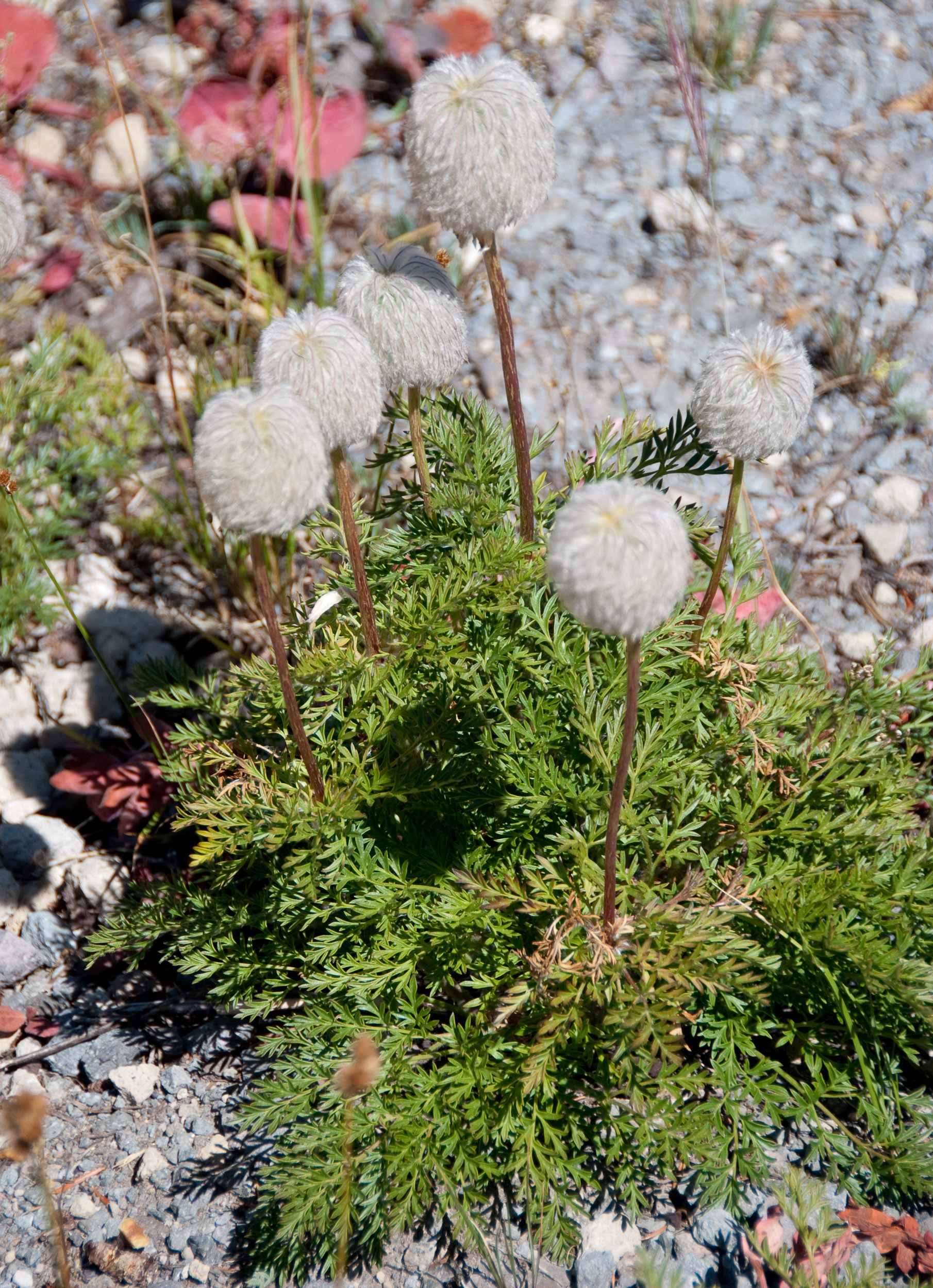
The elevation is about 8,000'. · 8/29/2007 · Mt. Mazama Crater Lake Rim Road, Oregon 
| Parents | Unknown | Genus is not in the current taxonomy |
| Genus | Pulsatilla | From Latin pulsare, ”to beat“ or ”sway,“ a reference to the way the flowers sway in the wind |
| Species | occidentalis | From the west, western |
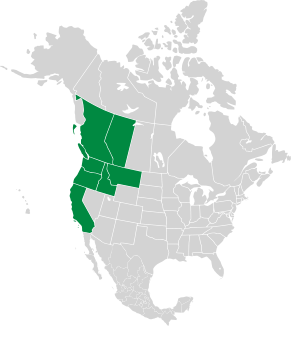
Pulsatilla occidentalis description by Thomas H. Kent, not updated.

© FloraFinder.org. All rights reserved.