Robinia pseudoacacia L. var. pyramidalis Pepin
Robinia pseudoacacia L. var. rectissima (L.) Raber
Robinia pseudoacacia L.
Black locust
Black locust is native to the southeastern United States. It has been planted and become naturalized in temperate parts of Europe, Africa, Asia, Australia, and North America. In some areas it has become common to invasive. They spread by seed or by producing extensive suckers, creating large clonal colonies, and require plenty of sun. There are many cultivars.
Plants: These deciduous trees reach 40–100′ (12–30 m), with trunks up to 2–4′ (60–121 cm) in diameter. Bark is light brown or dark gray brown, ridged and furrowed, with bits of red or orange visible in grooves. Young trees are spiny, but mature trees often lack spines. Branches are zigzagged, rounded or grooved, changing from silvery to pale green, then to reddish or brown.
Leaves: Leaves are alternate, odd pinnate, 6–14″ (15–35 cm) long, divided into 7 to 23 small leaflets. Leaflets are elliptic, and dark blue-green, lighter beneath. Dark purple prickers develop from stipules at leaf bases, ¼–¾″ (6.3–20 mm) long, each with a flared base and sharp tip.
Flowers: Large, beautiful hanging racemes of scented flowers, 4–8″ (10–20 cm) long. The flower clusters resemble wisteria. Flowers are creamy white, or rarely pink or purple, each about 1″ (2.5 cm) in size. The calyx at the base of each flower is reddish-purple. They appear in May-June and last for only 7 to 10 days.
Fruits: Flat, smooth, dark orange-brown pea-like pods 2–4″ (5–10 cm) long, with 4-8 kidney-shaped seeds. They persist all winter.
Habitats: Thickets, on clay banks, in waste areas, or along fence rows.
Edibility: Poisonous  Bark, young leaves, and seeds are poisonous
if eaten. Poisoning symptoms include depression, weakness, dilated pupils, vomiting, bloody diarrhea, weak pulse,
coldness of arms and legs, paleness, and shock. Flowers, however, are edible.
After soaking in warm water for several minutes to remove dirt, flowers can be battered and
deep fried, or chopped and added to muffin or pancake batter.
Bark, young leaves, and seeds are poisonous
if eaten. Poisoning symptoms include depression, weakness, dilated pupils, vomiting, bloody diarrhea, weak pulse,
coldness of arms and legs, paleness, and shock. Flowers, however, are edible.
After soaking in warm water for several minutes to remove dirt, flowers can be battered and
deep fried, or chopped and added to muffin or pancake batter.
Online References:

6/7/2017 · Burns Loop Trail, Beaver Brook Conservation Area, Burns/Holland Farm, Milford, New Hampshire 
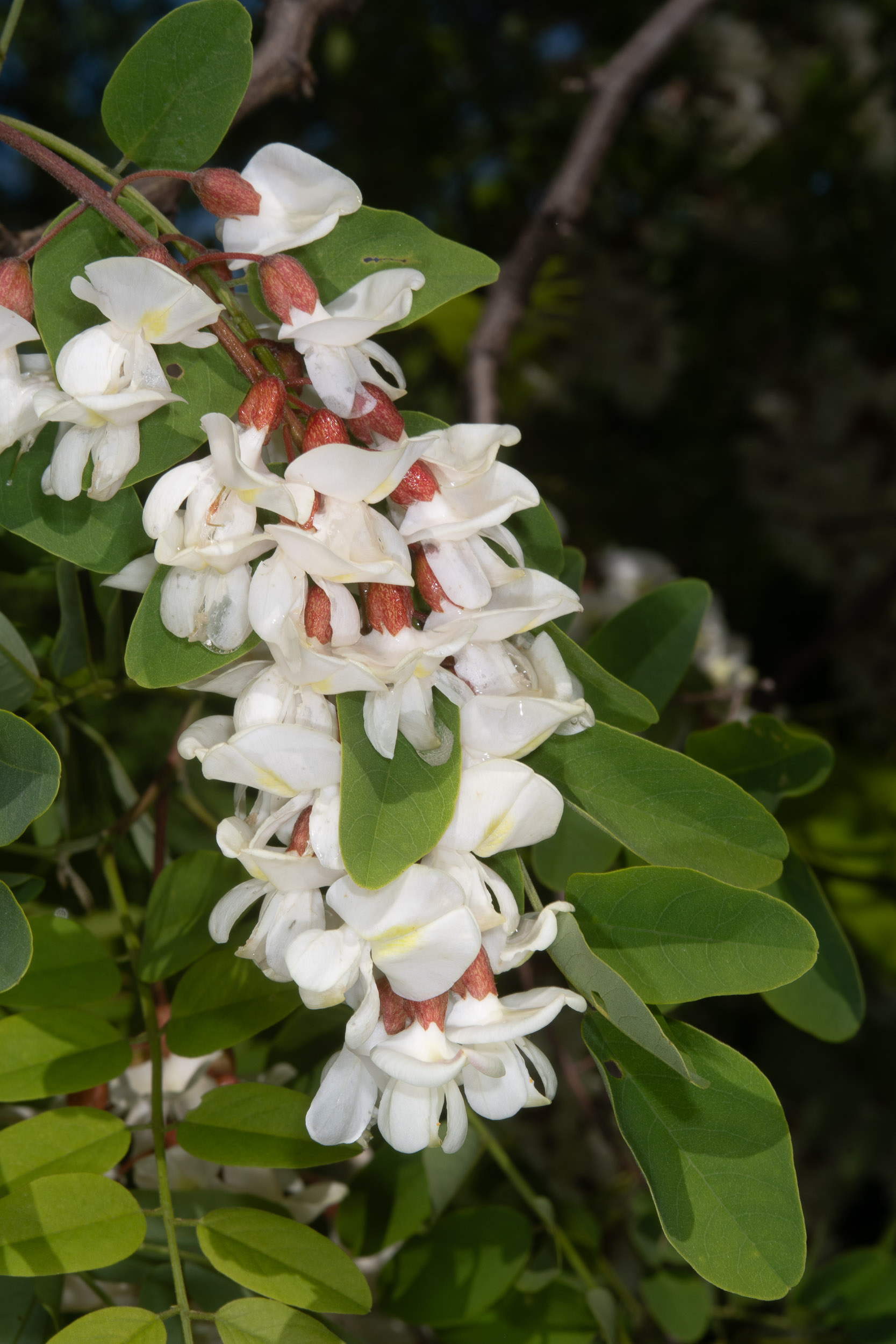
6/7/2017 · Burns Loop Trail, Beaver Brook Conservation Area, Burns/Holland Farm, Milford, New Hampshire · ≈ 4 × 6″ (11 × 16 cm) 

5/31/2010 · Mt. Lebanon St., Pepperell, Massachusetts · ≈ 8 × 5″ (19 × 13 cm)  ID is uncertain

8/6/2013 · Dunstable Rural Land Trust, Dunstable, Massachusetts · ≈ 14 × 11″ (35 × 26 cm) 

5/31/2010 · Mt. Lebanon St., Pepperell, Massachusetts · ≈ 1½ × 1′ (52 × 34 cm) ID is uncertain 
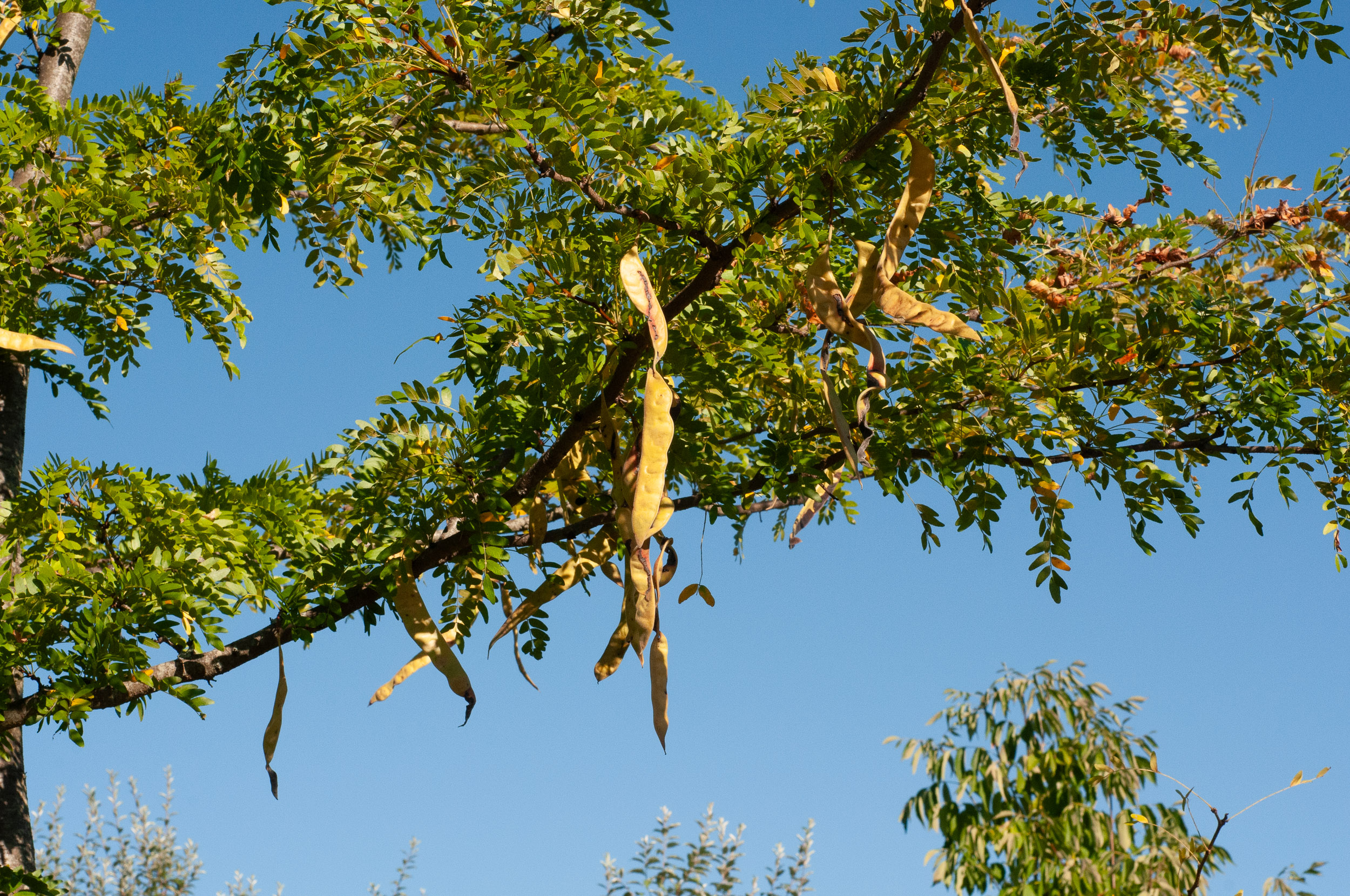
9/5/2010 · Nashua River Rail Trail, near Nashoba Hospital, Ayer, Massachusetts 

8/6/2013 · Dunstable Rural Land Trust, Dunstable, Massachusetts 
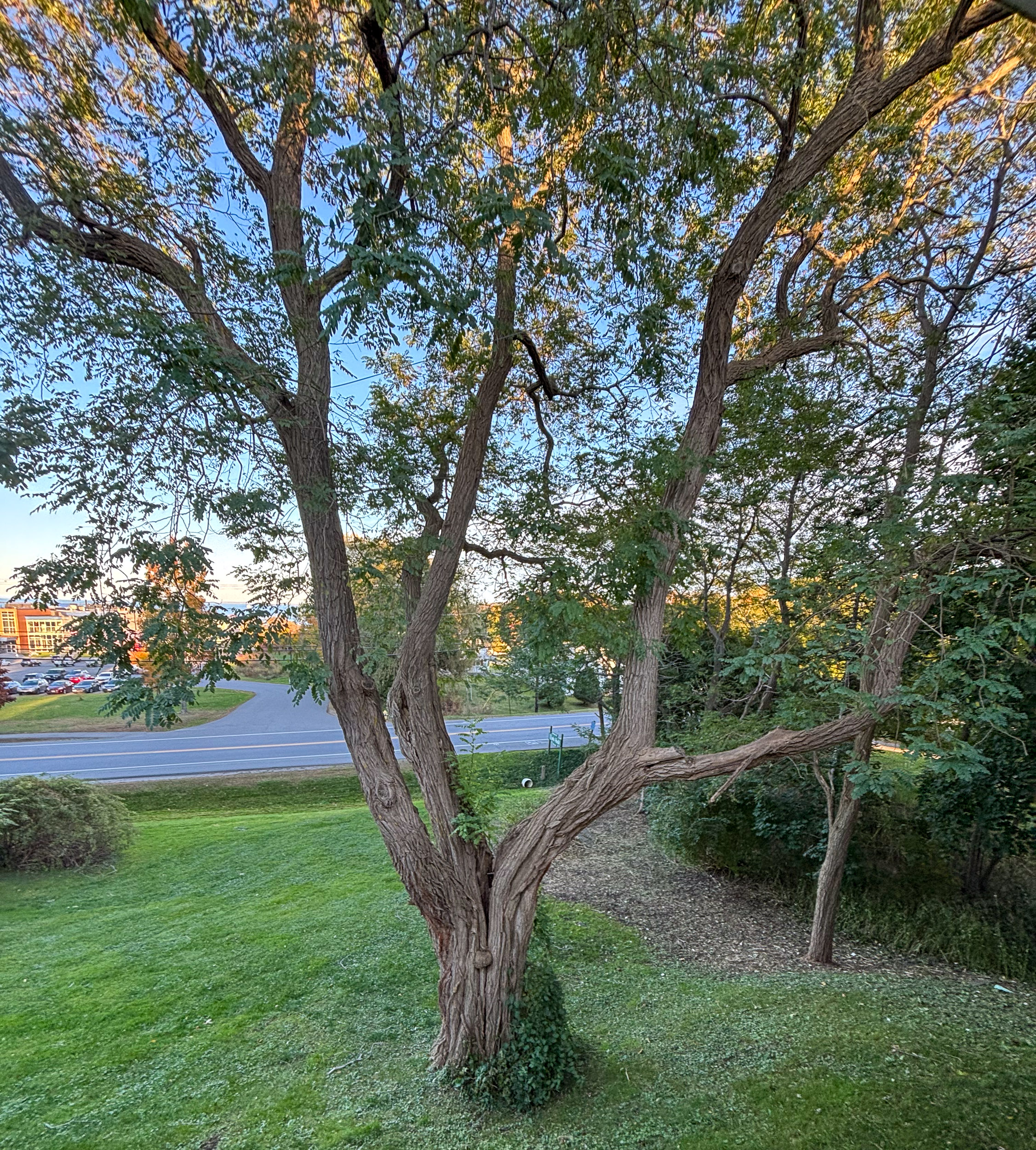
10/17/2024 · Primos, Rocikland, Maine 
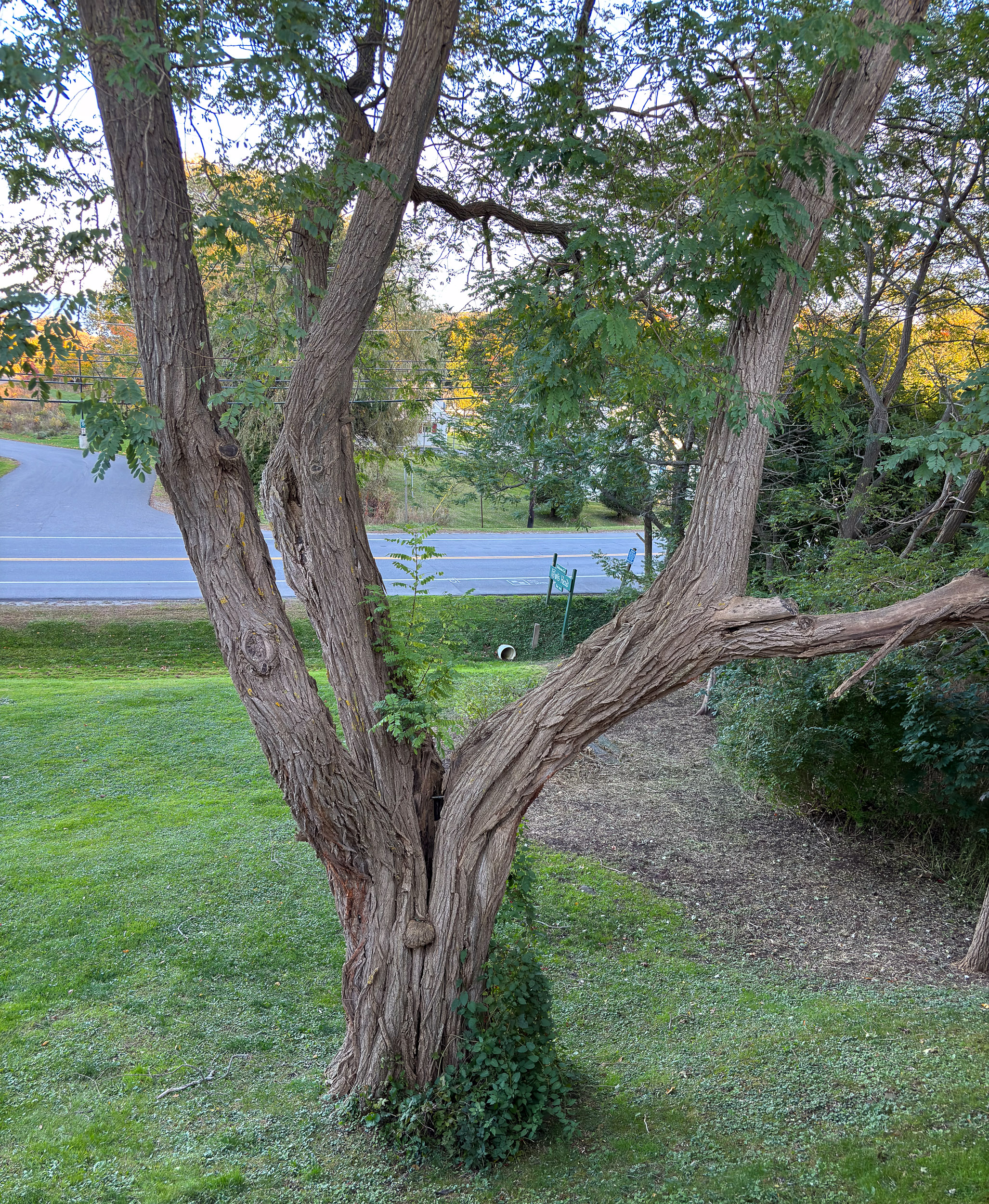
10/17/2024 · Primos, Rocikland, Maine 

9/5/2010 · Nashua River Rail Trail, near Nashoba Hospital, Ayer, Massachusetts ID is uncertain 
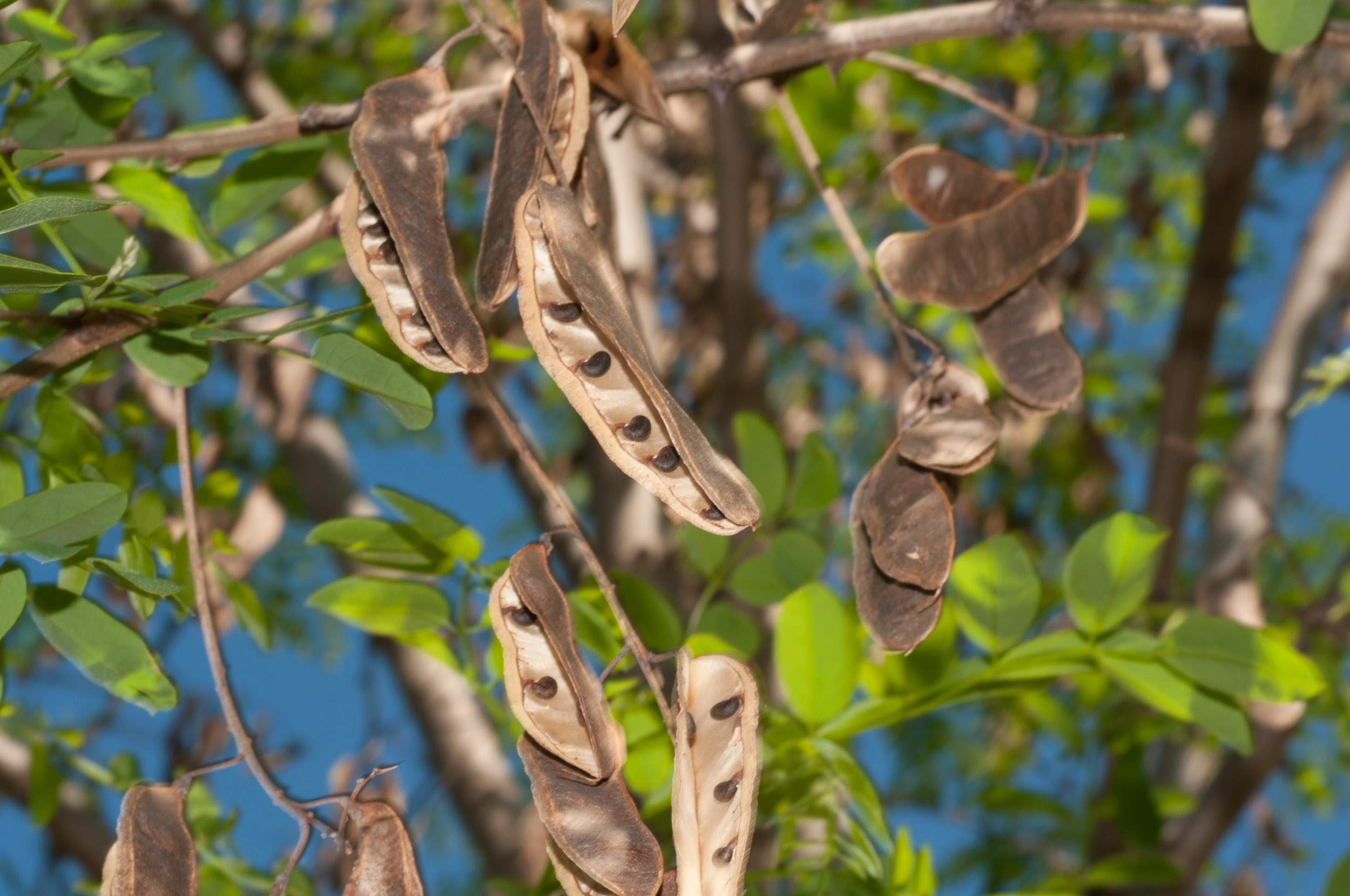
5/4/2010 · Nashua River Rail Trail, East Pepperell, Massachusetts · ≈ 9 × 6″ (22 × 14 cm) 

6/1/2010 · Nashua River Rail Trail, Groton Center, Groton, Massachusetts · ≈ 1½ × 1′ (52 × 34 cm) ID is uncertain 

5/4/2010 · Nashua River Rail Trail, East Pepperell, Massachusetts · ≈ 4½ × 7″ (11 × 17 cm) 

6/7/2017 · Burns Loop Trail, Beaver Brook Conservation Area, Burns/Holland Farm, Milford, New Hampshire · ≈ 8 × 5″ (20 × 13 cm) 

6/1/2010 · Nashua River Rail Trail, Groton Center, Groton, Massachusetts · ≈ 4½ × 7″ (11 × 17 cm) ID is uncertain 
| Kingdom | Plantae | Plants, but not fungi, lichens, or algae (from Stearn's Botanical Latin) |
| Subkingdom | Tracheobionta | Vascular plants—plants with a “circulatory system” for delivering water and nutrients |
| Division | Magnoliophyta | Flowering plants, also known as angiosperms |
| Class | Magnoliopsida | Dicotyledons—plants with two initial seed leaves |
| Subclass | Rosidae | Roses, legumes, proteas, dogwoods, hydrangeas, mistletoes, euphorbias, grapes, many more |
| Order | Fabales | Legumes (pea and bean families) |
| Family | Fabaceae | Legume family (peas and beans) |
| Genus | Robinia | Parisians Jean and Vespasian Robin, gardeners to Henri IV and Louis XIII, first to cultivate locust trees |
| Species | pseudoacacia | “Looks like Acacia” |
Robinia pseudoacacia description by Thomas H. Kent, not updated.

© FloraFinder.org. All rights reserved.
