Rosa rubiginosa L.
Sweetbriar, sweet brier, eglantine, sweetbriar rose
Sweetbrier hails from Europe, northern Africa, and western Asia. It was introduced to North America prior to 1551, and has become naturalized here.
Plants: This shrub is 6½–9½′ (2–3 m) high. Stems have many stout curved thorns (though not nearly as many as rugosa rose).
Leaves: Foliage smells like apples. Leaves are odd pinnate—occurring in clusters of 5 or 7 evenly sized opposite leaves with the odd leaf at the end of the branch. Individual leaves are about ½″ (1.3 cm) long, oval, with double serrations.
Flowers: Loose clusters of one to eight, each 1–1½″ (2.5–3.8 cm) around, pink or bright pink, with 5 petals.
Fruits: Up to ⅞″ (2.5 cm) in diameter, bright red-orange, sometimes elongated into ovals.
Habitats: Dry, open or disturbed sites, with a preference for limestone (calcium-bearing) soils.
See our wild rose comparison guide for further information.
Edibility: Although the fruit can be cooked and used for jam, it is a frustrating process, since the usable portion of the fruit is a thin layer above the seeds, and the seeds are encased in hairlike fibers that can irritate the mouth and digestive tract if accidentally eaten. Petals are edible if the bitter white bases are first removed. Young shoots are edible as well.
Online References:
Rosa eglanteria L., nom. utique rej.
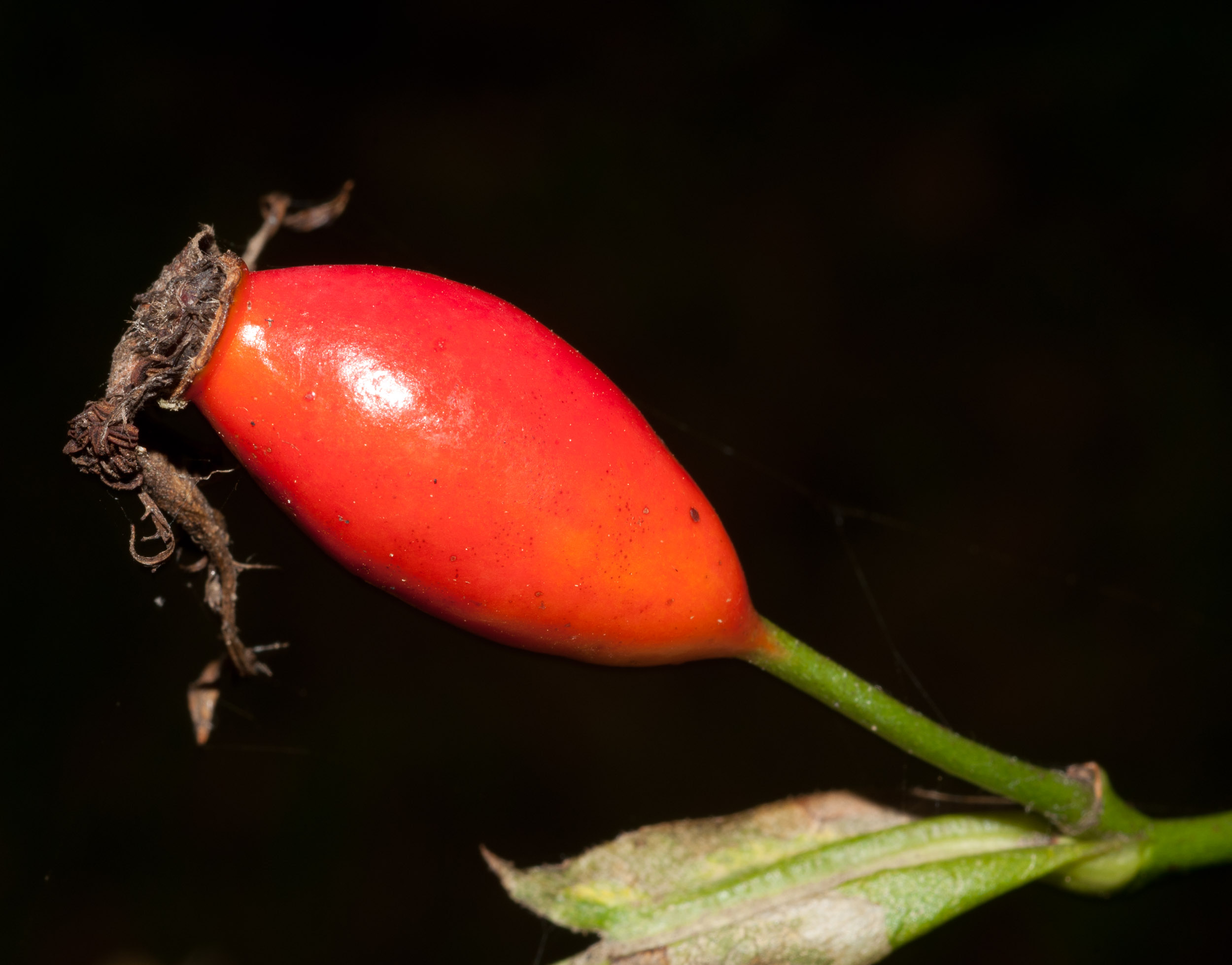
9/25/2010 · Nashua River Rail Trail, Groton Center, Groton, Massachusetts · ≈ 3 × 2½″ (8.3 × 6.6 cm)  ID is uncertain

8/28/2007 · Jedediah Smith Redwoods State Park, Stout Grove, Crescent City, California ID is uncertain 

8/27/2016 · Williams Barn and Sørhaug Woods, Groton, Massachusetts 
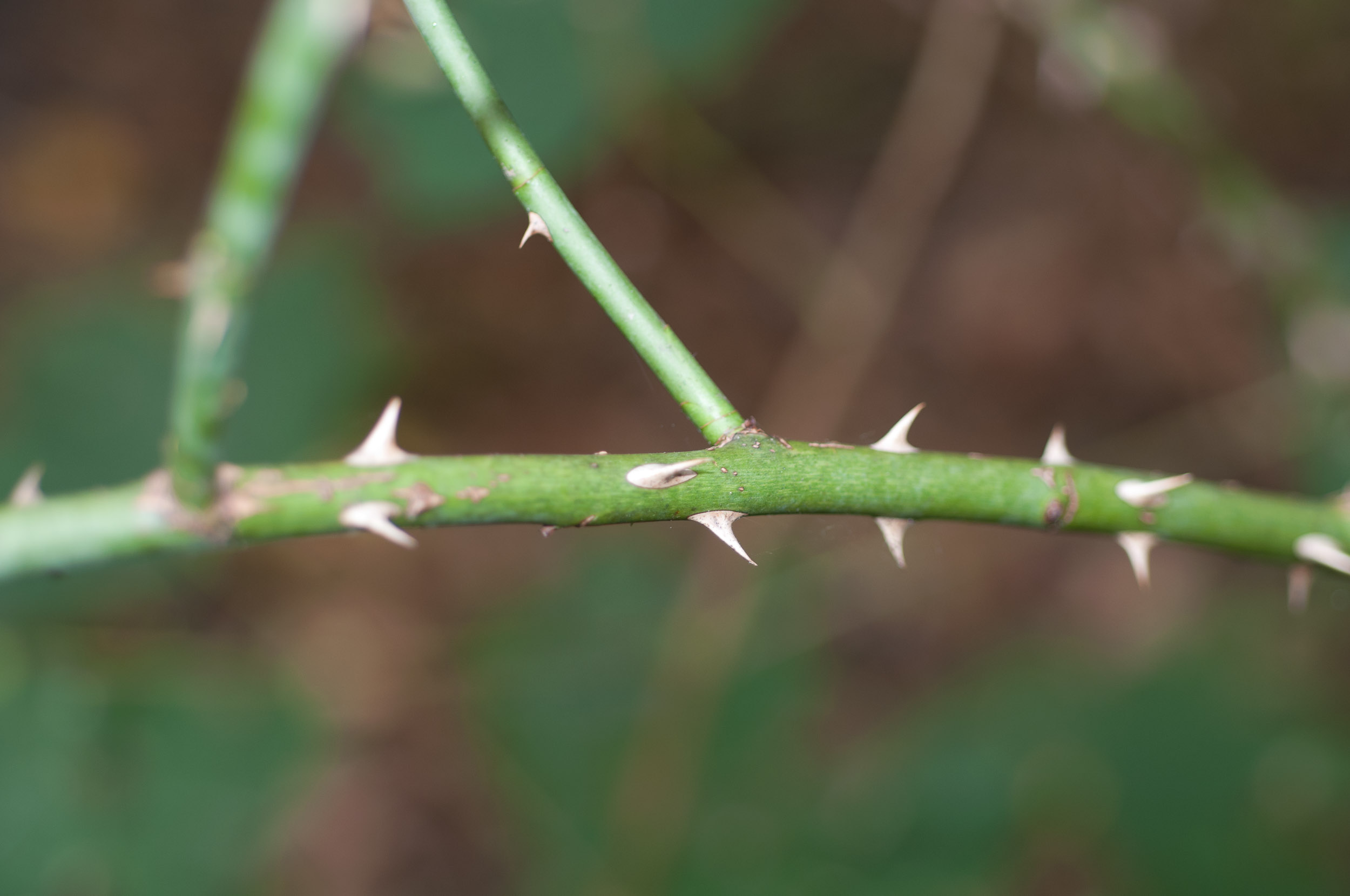
9/25/2010 · Nashua River Rail Trail, Groton Center, Groton, Massachusetts · ≈ 8 × 5″ (19 × 13 cm) ID is uncertain 

This is an infection of Rose rosette virus · 8/27/2016 · Williams Barn and Sørhaug Woods, Groton, Massachusetts 
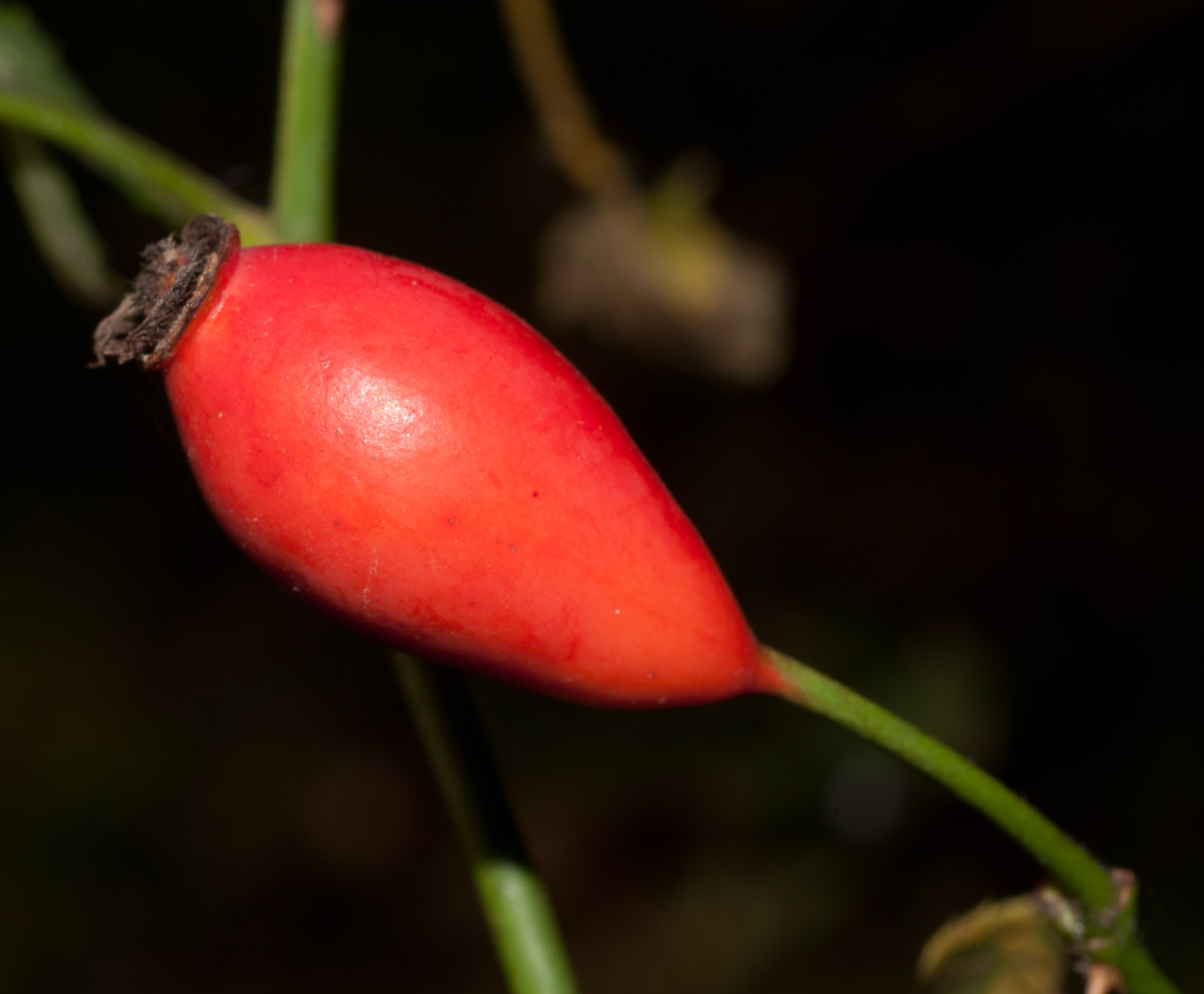
9/25/2010 · Nashua River Rail Trail, Groton Center, Groton, Massachusetts · ≈ 3 × 2½″ (7.9 × 6.6 cm) ID is uncertain 
| Kingdom | Plantae | Plants, but not fungi, lichens, or algae (from Stearn's Botanical Latin) |
| Subkingdom | Tracheobionta | Vascular plants—plants with a “circulatory system” for delivering water and nutrients |
| Division | Magnoliophyta | Flowering plants, also known as angiosperms |
| Class | Magnoliopsida | Dicotyledons—plants with two initial seed leaves |
| Subclass | Rosidae | Roses, legumes, proteas, dogwoods, hydrangeas, mistletoes, euphorbias, grapes, many more |
| Order | Rosales | Rose family and eight others |
| Family | Rosaceae | Includes apples, apricots, plums, cherries, peaches, pears, raspberries, strawberries, almonds, roses, meadowsweets, photinias, firethorns, rowans, and hawthorns; many others |
| Genus | Rosa | From a Latin name so old its meaning is no longer known |
| Species | rubiginosa | Means “rusty” |
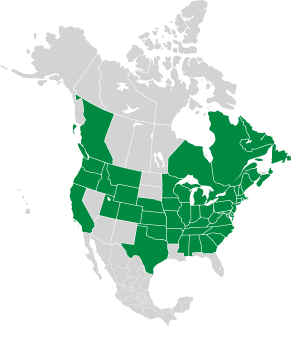
Rosa rubiginosa description by Thomas H. Kent, not updated.

© FloraFinder.org. All rights reserved.