Rudbeckia hirta L.
Black-eyed Susan, blackeyed Susan
These cheerful North American natives brighten meadows wherever they crop up, which is practically everywhere. Perhaps this explains why they have so many common names. Black-eyed Susans are also popular with gardeners, and many cultivated varieties have been developed.
Plants: up to 3′ (1 m) tall, but usually closer to half that height.
Leaves: Longest leaves are at the base, where they reach 4–7″ (10–18 cm). The lower leaves are diamond-shaped, with three conspicuous veins. Leaves dwindle in size further up the stems, becoming lance-shaped and covered with fuzzy hairs.
Flowers: Attractive yellow ray flowers up to 3″ (8 cm) in diameter appear atop hairy, rough-feeling stems. The centers are shaped a bit like a beehive, and composed of tiny dark brown or purplish disk flowers.
Fruits: The center disk becomes a head of dry, dark brown-black, 4-sided seeds that lack a tuft of hairs. The hairy bracts and seed head persists into winter.
Habitats: Dry fields, meadows, roadsides, or along lake shores.
Online References:
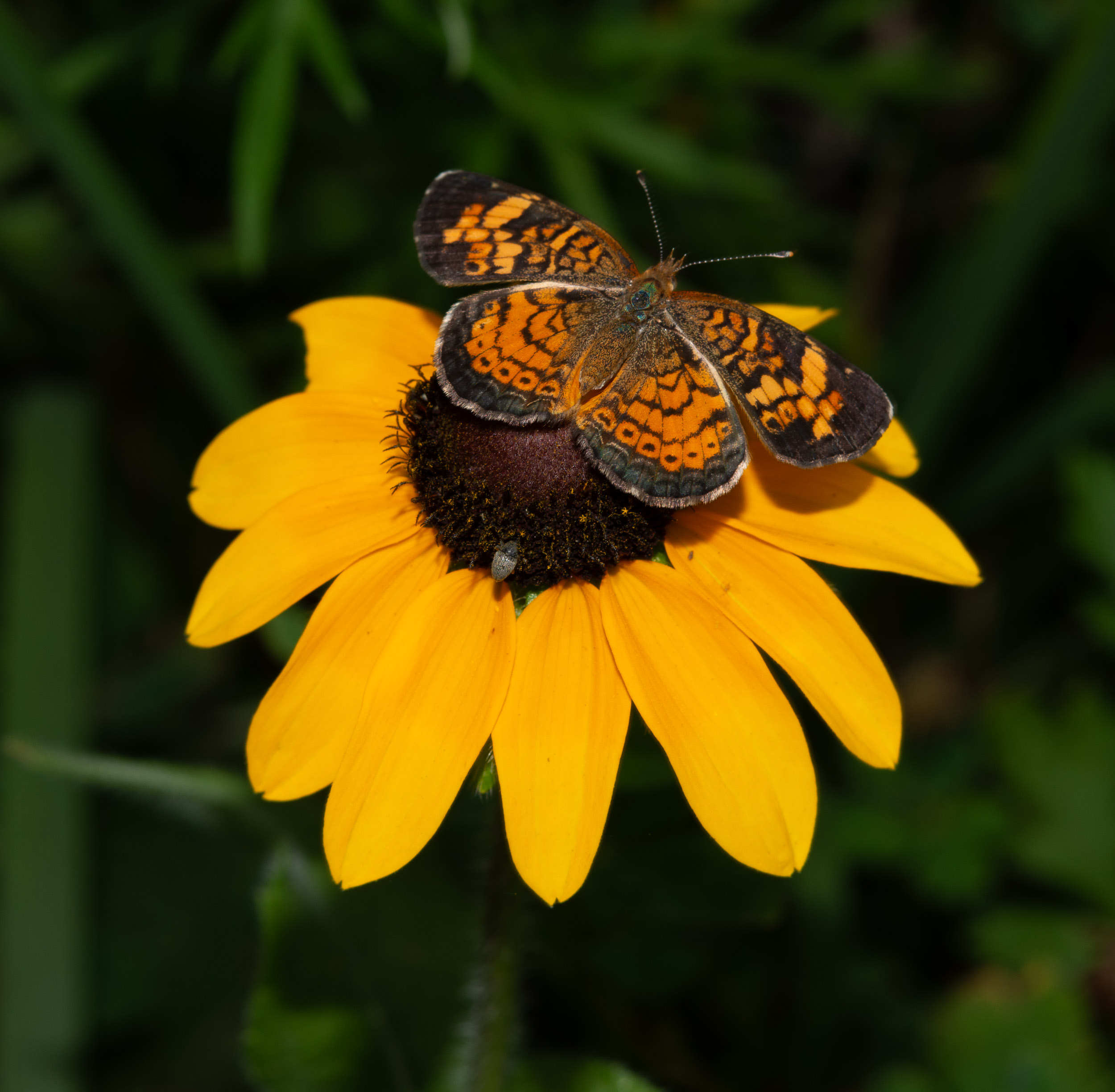
Pearl crescent butterflies (Phyciodes tharos) like this one have a special affinity for these flowers. · 7/20/2013 · Wooden Bridge, East Pepperell, Massachusetts · ≈ 4 × 4″ (10 × 10 cm) 
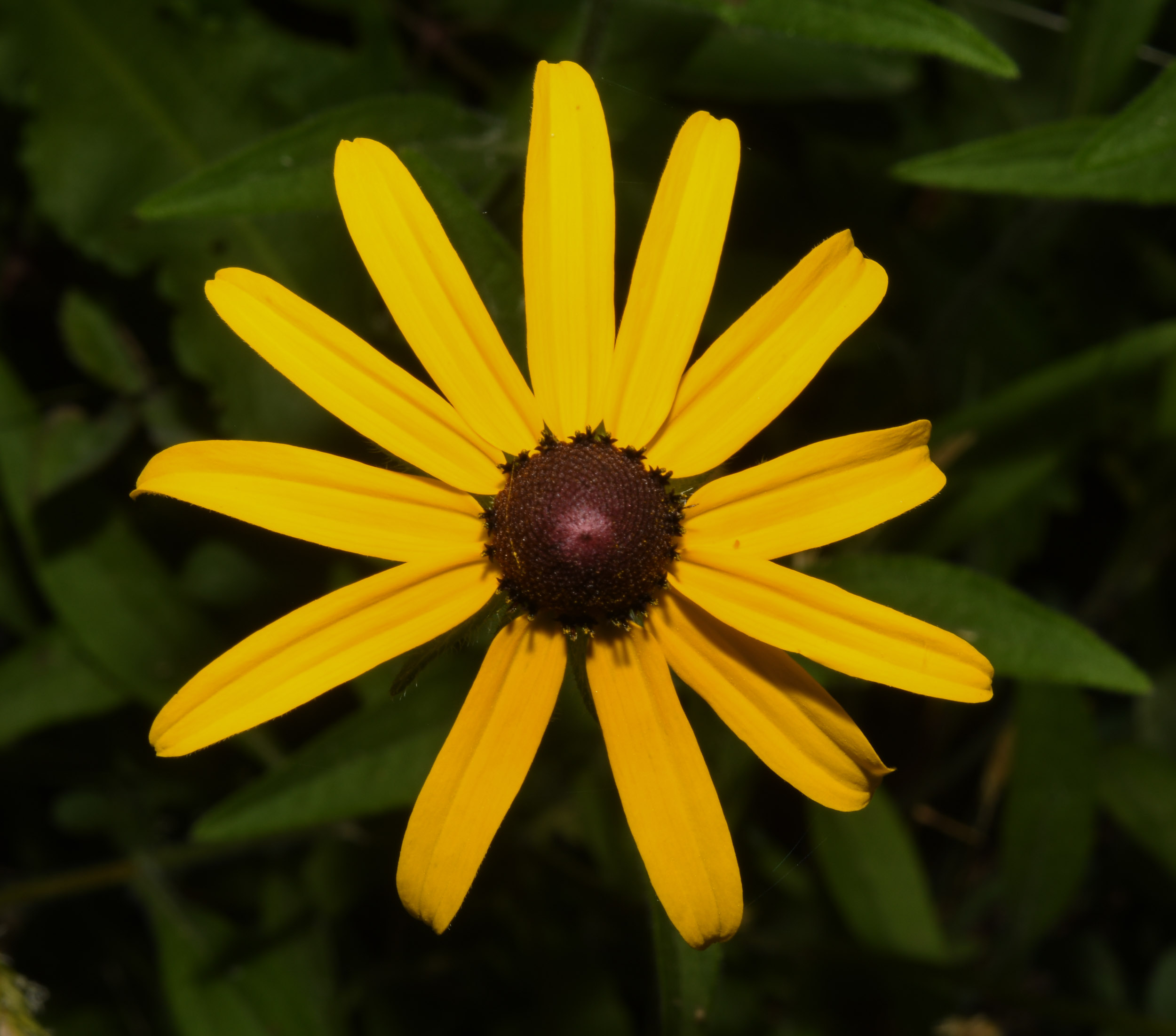
6/27/2016 · Nashua River Rail Trail, near Nashoba Hospital, Ayer, Massachusetts 

6/27/2016 · Nashua River Rail Trail, near Nashoba Hospital, Ayer, Massachusetts 

8/1/2009 · Gordon & Kathy’s, Prospect, Maine · ≈ 15 × 10″ (37 × 24 cm) 
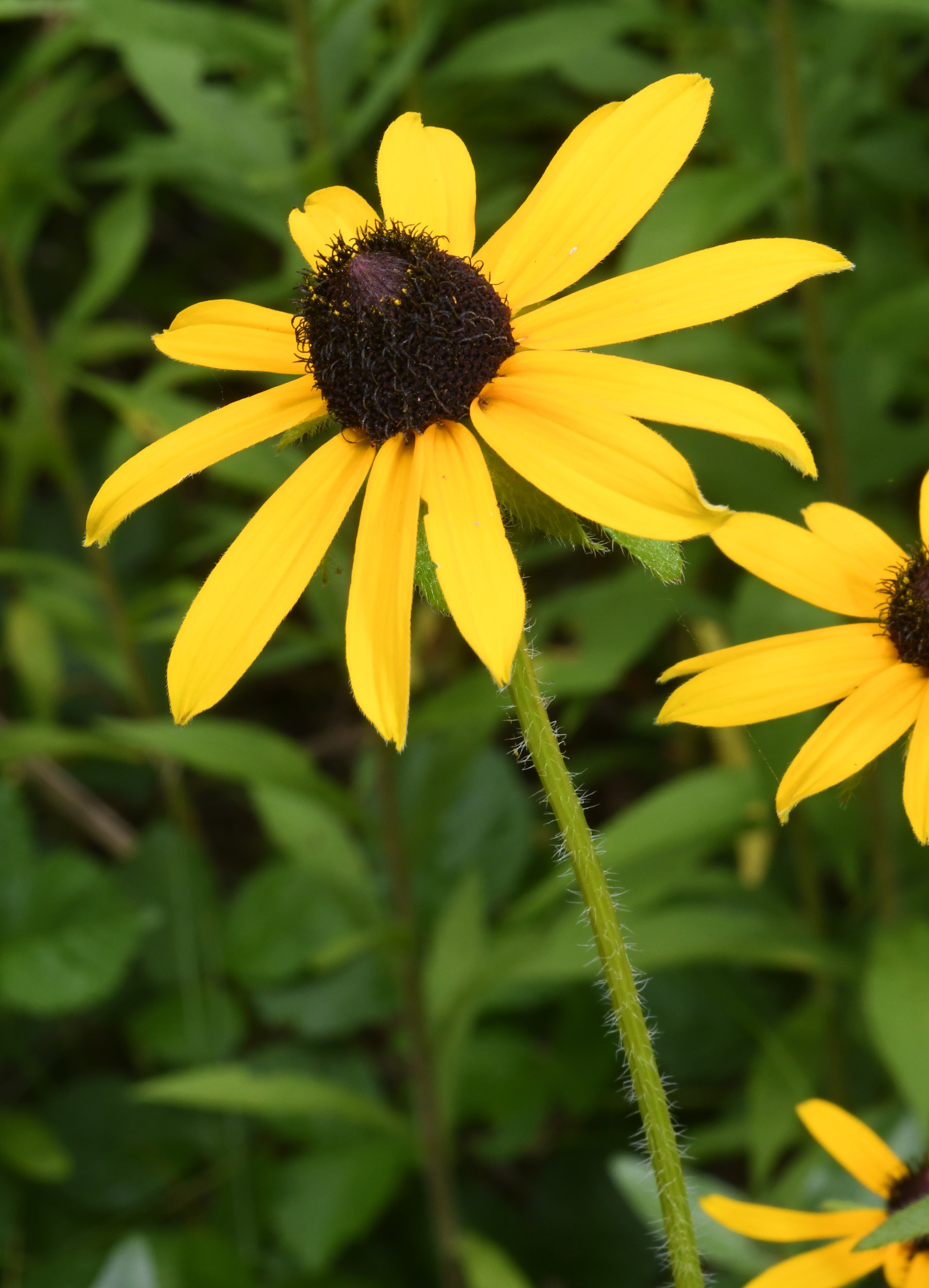
7/8/2016 · Dunstable Rural Land Trust, Dunstable, Massachusetts 

7/11/2012 · Jeff Smith Trail, Pepperell, Massachusetts · ≈ 7 × 4½″ (17 × 11 cm) 

8/14/2013 · Beaver Brook Conservation Area, Hollis, New Hampshire · ≈ 4½ × 4½″ (11 × 11 cm)  ID is uncertain
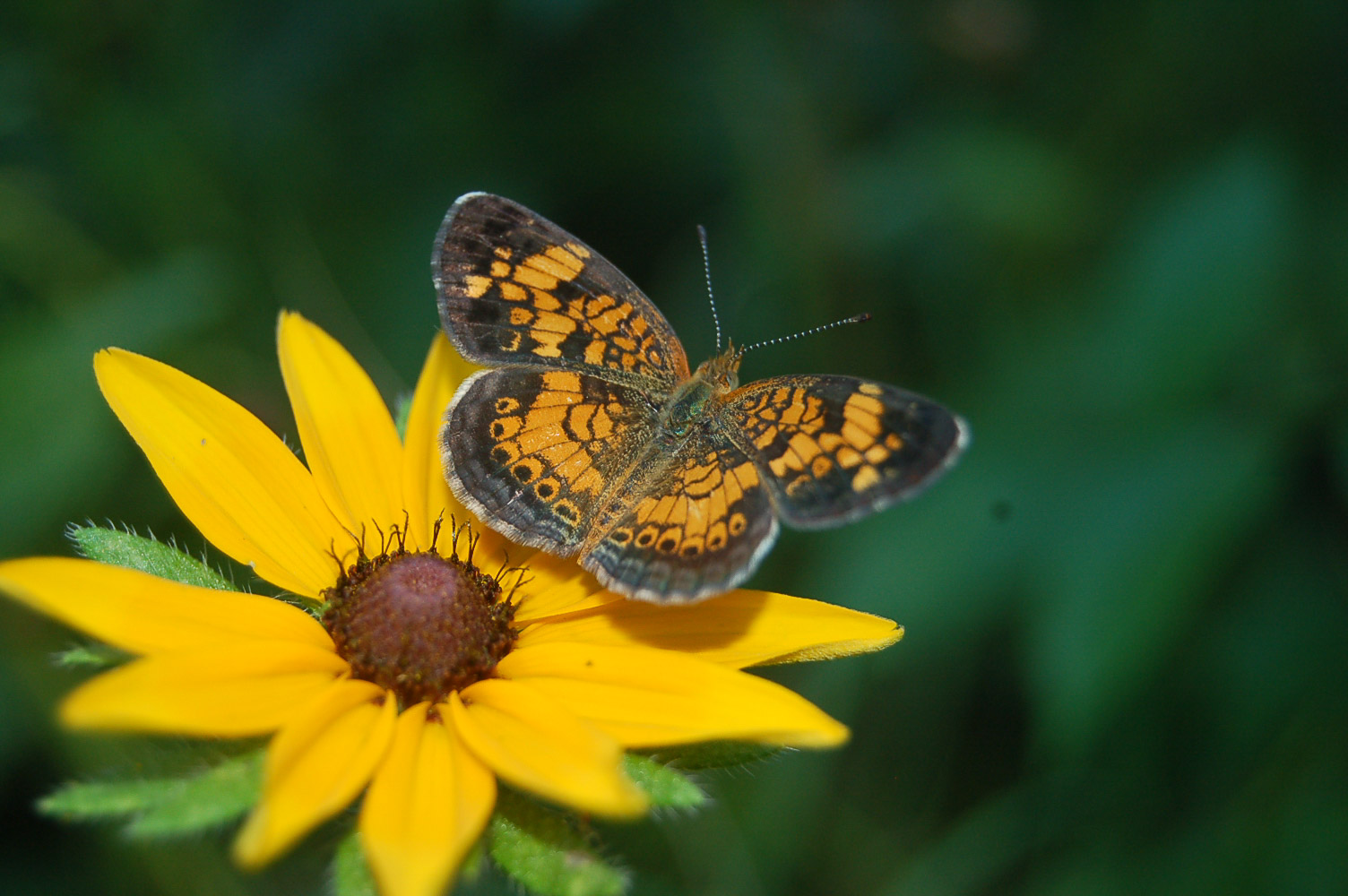
That’s a Phyciodes tharos, or pearl crescent butterfly · 6/26/2012 · By Jacquelyn Boyt 

7/8/2016 · Dunstable Rural Land Trust, Dunstable, Massachusetts 

8/1/2009 · Gordon & Kathy’s, Prospect, Maine · ≈ 5 × 3½″ (13 × 8.8 cm) 
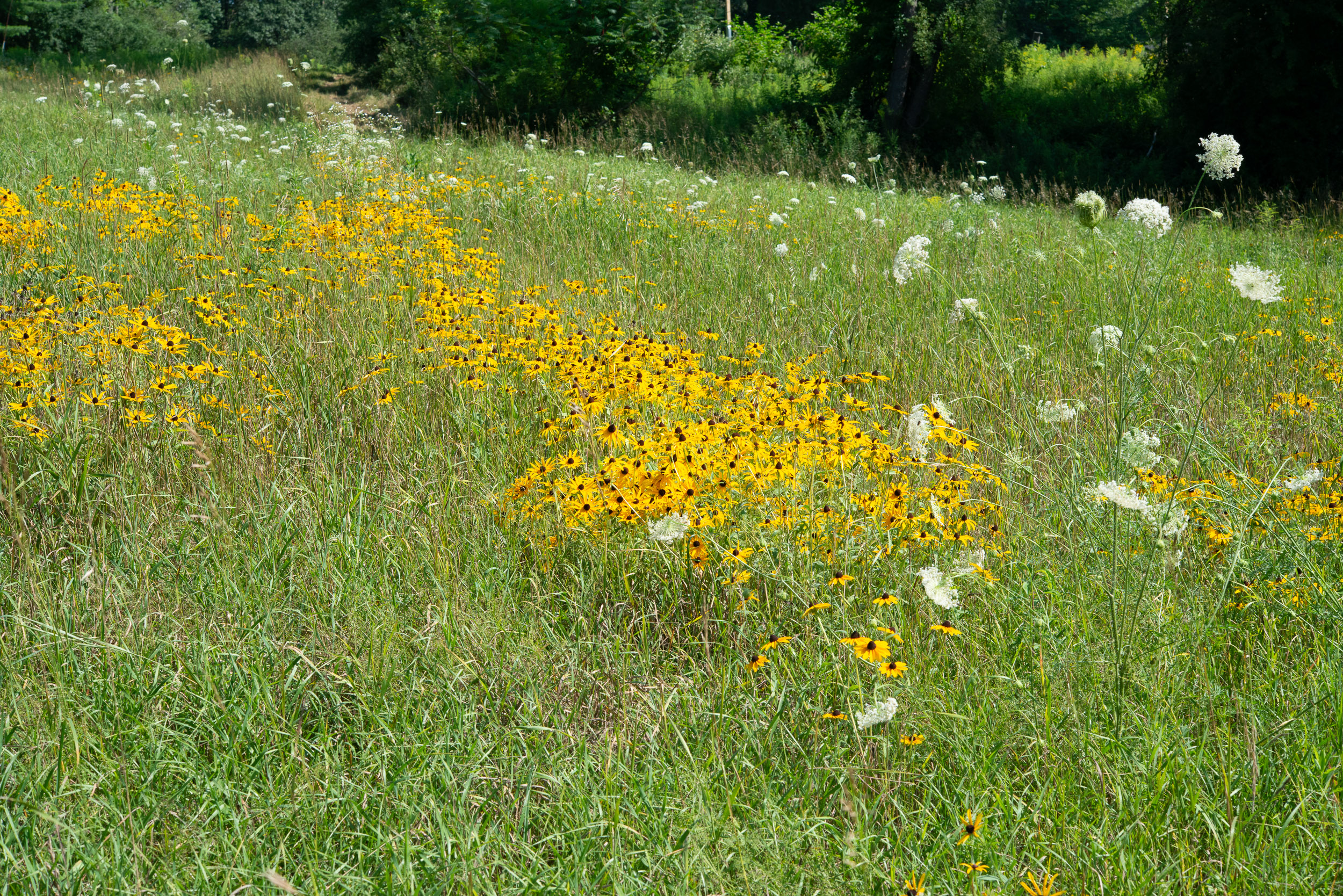
7/24/2013 · Beaver Brook Conservation Area, Hollis, New Hampshire 

10/18/2008 · Kimball’s Ice Cream, Westford, Massachusetts 
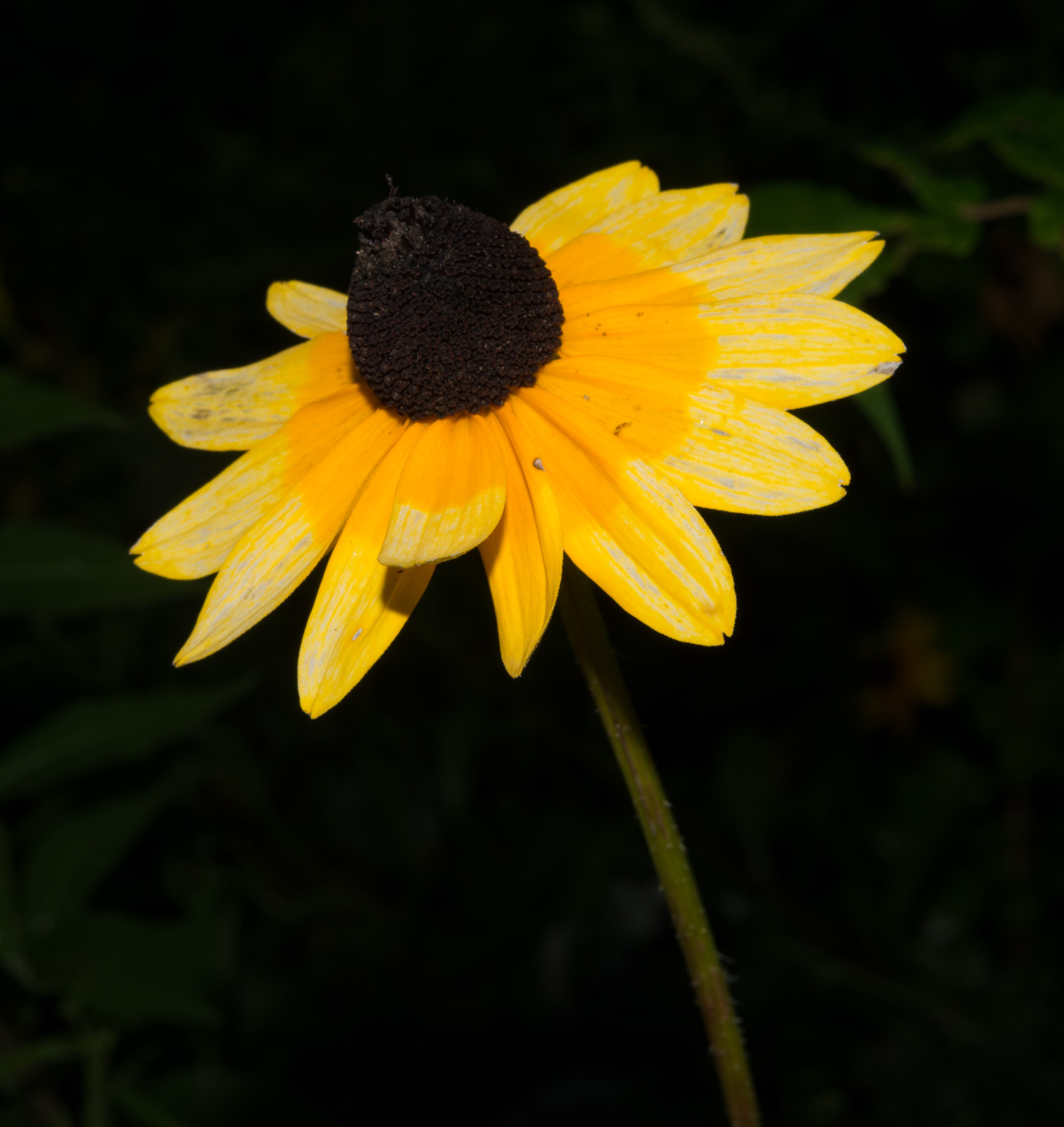
8/14/2013 · Beaver Brook Conservation Area, Hollis, New Hampshire · ≈ 4½ × 4½″ (11 × 12 cm) ID is uncertain 
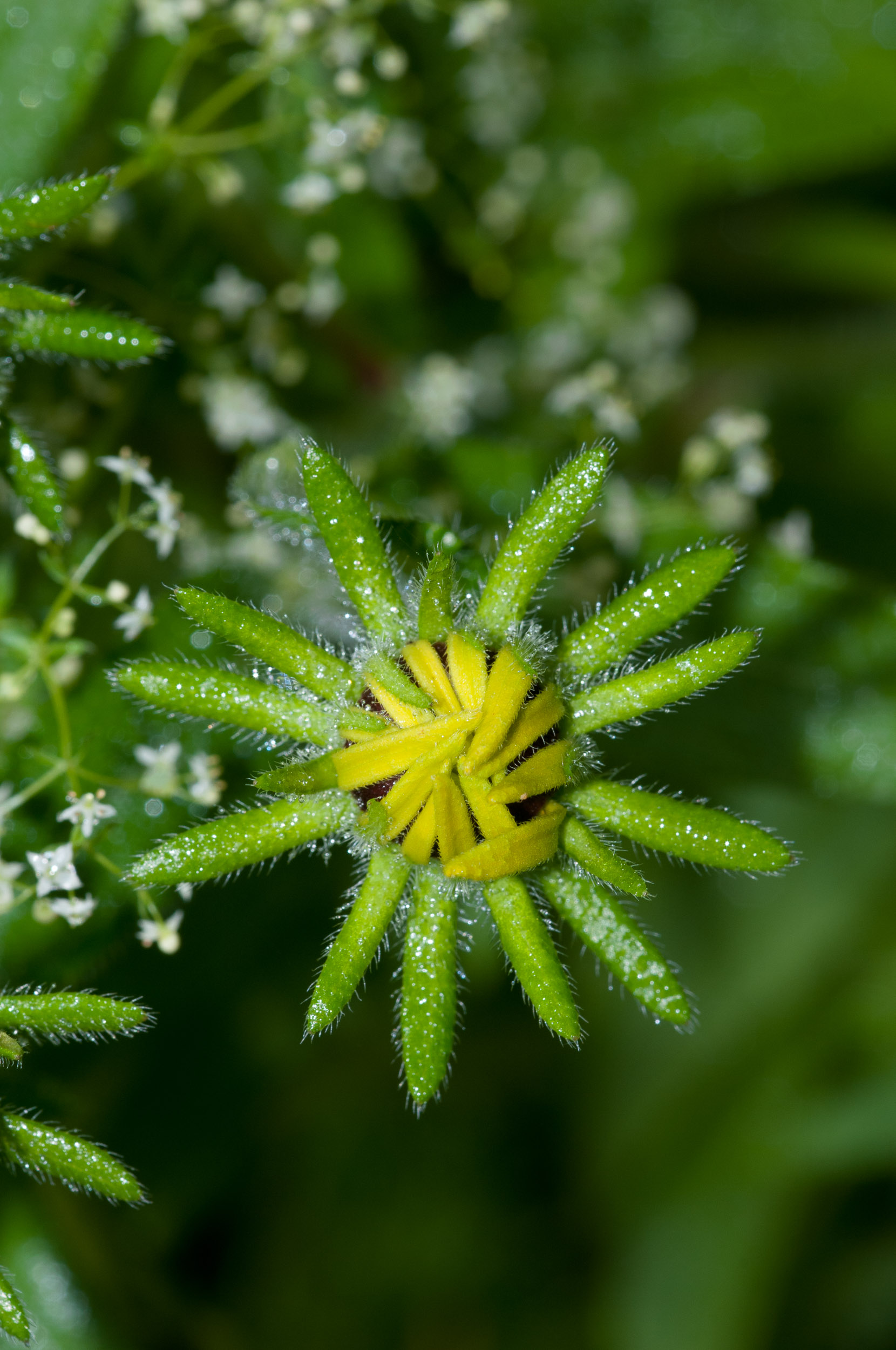
6/11/2010 · Nashua River Rail Trail, Groton Center, Groton, Massachusetts · ≈ 3 × 4½″ (7.5 × 11 cm) 
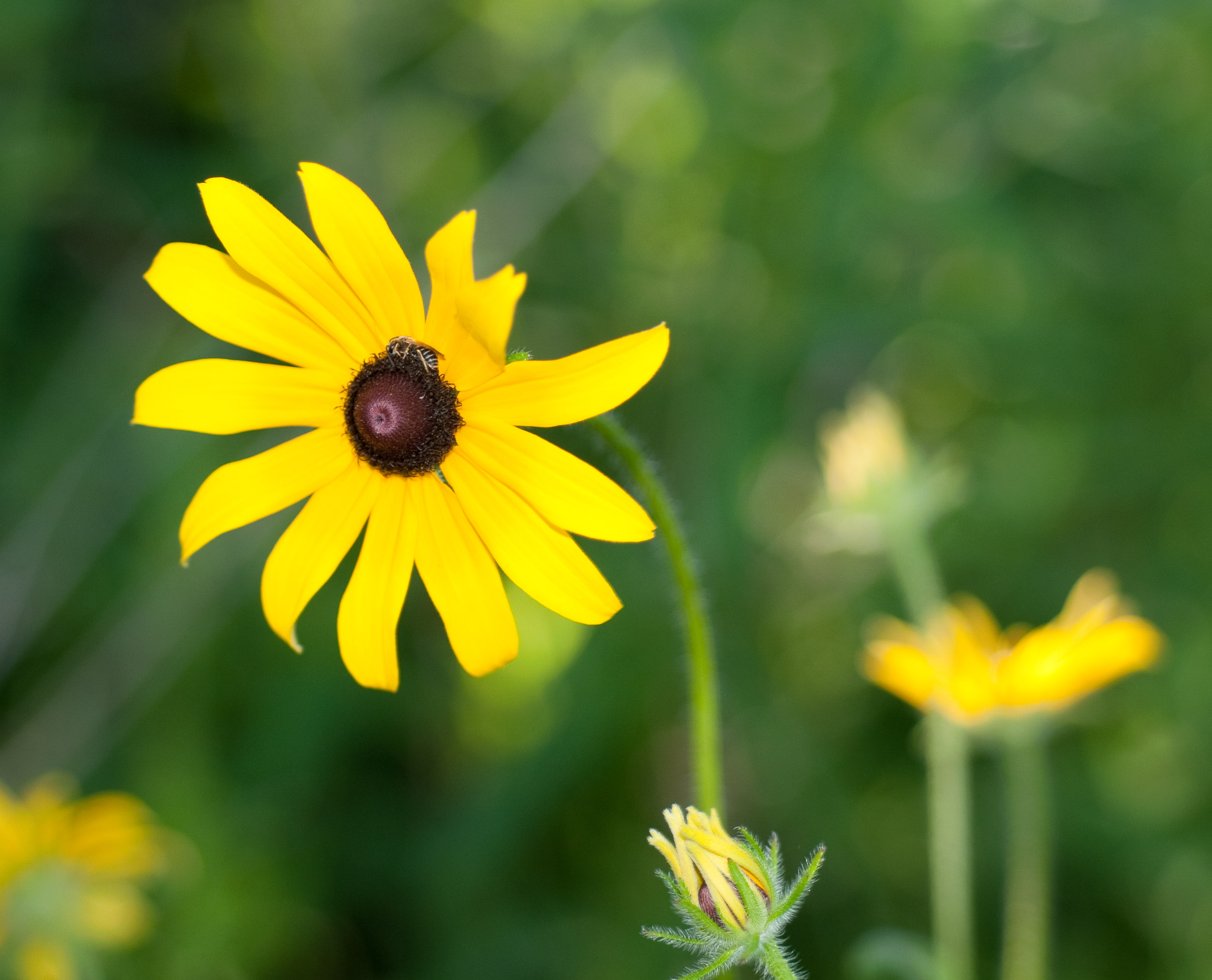
6/30/2010 · Nashua River Rail Trail, Groton Center, Groton, Massachusetts · ≈ 7 × 6″ (17 × 14 cm) 

7/8/2016 · Dunstable Rural Land Trust, Dunstable, Massachusetts 

8/1/2009 · Gordon & Kathy’s, Prospect, Maine · ≈ 9 × 6″ (22 × 15 cm) 

7/20/2023 · Curtis Farm Preserve, Harpswell, Maine 
| Kingdom | Plantae | Plants, but not fungi, lichens, or algae (from Stearn's Botanical Latin) |
| Subkingdom | Tracheobionta | Vascular plants—plants with a “circulatory system” for delivering water and nutrients |
| Division | Magnoliophyta | Flowering plants, also known as angiosperms |
| Class | Magnoliopsida | Dicotyledons—plants with two initial seed leaves |
| Subclass | Asteridae | A large class that encompasses asters |
| Order | Asterales | Flowering plants with a central disk flower and surrounding petals, like daisies |
| Family | Asteraceae | The aster family, which also includes daisies and sunflowers; from the Greek ἀστήρ, “star,” for the star-shaped flowers |
| Genus | Rudbeckia | Named after the Swedish father and son who were professors of botany and predecessors of Linnaeus, Olaus Johannis Rudbeck (1630-1702) and Olaus Olai Rudbeck (1660-1740) |
| Species | hirta | Hairy |

Rudbeckia hirta description by Thomas H. Kent, not updated.

© FloraFinder.org. All rights reserved.