Sanguinaria canadensis L.
Bloodroot
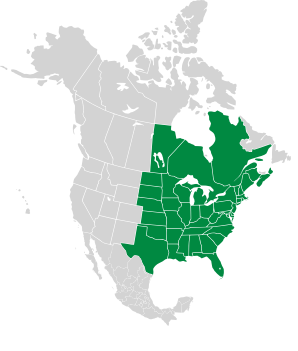
Bloodroot is native to eastern North America. It is named for its bright orange roots, which branch and spread to form large colonies. An yellow-orange dye is made from the roots.
Plants: 4½–16″ (12–40 cm) high.
Leaves: Each plant typically has a single leaf up to 4½″ (12 cm) across, with multiple rounded lobes. They are bumpy on the upper surface, and the undersides are pale bluish green, with large raised veins. Young plants flower while the leaf is still tightly furled around the flower stem, like a sheath, even though the leaf is on its own stem.
Flowers: White with a yellow center, with 8-15 petals, 6–10″ (15–25 cm) above the ground, appearing from March to May. (Some cultivated varieties have doubled flowers, one right on top of the other.) The petals are variable, sometimes fairly narrow and sharp-tipped; others wider and more rounded.
Fruits: Shaped like a miniature cone or ear of corn, about ¾–1″ (1.9–2.5 cm) long.
Habitats: Moist to dry woods and thickets, often on floodplains and near shores or streams on slopes; also in clearings and meadows or on dunes.
Medical: The reddish root sap is poisonous, producing a burning sensation on the tongue. By some accounts it is harmful to the skin. Native peoples used the root sap to treat rheumatism, asthma, fevers, bronchial ailments, and skin conditions. The sap was sometimes used as a face and body paint. The Ponca tribe believed it to be a kind of love potion as well. After applying some sap to their hand, they contrived to hold the hand of a maiden they wished to marry, and after a few days, she would do so. Today’s applications are more prosaic: an bloodroot alkaloid called sanguinarine is used in mouthwash and toothpaste as a plaque inhibitor. We don’t recommend that you use it for anything, though, since the FDA considers it “unsafe.”
Online References:
References:
Sanguinaria canadensis L. var. rotundifolia (Greene) Fedde
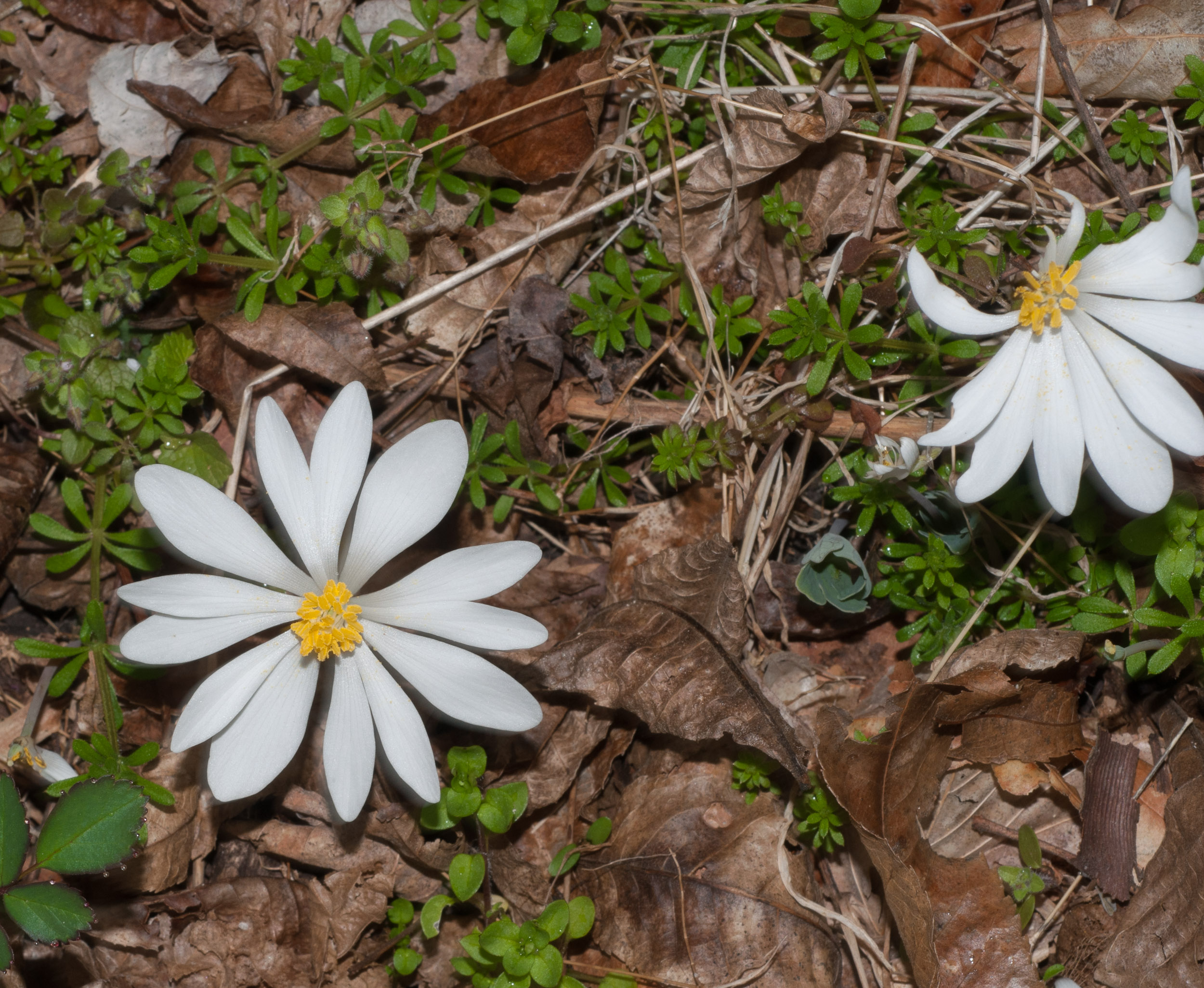
3/20/2012 · Gunpowder Falls State Park, Phoenix Rd, Phoenix, Maryland · ≈ 8 × 6″ (19 × 16 cm) 
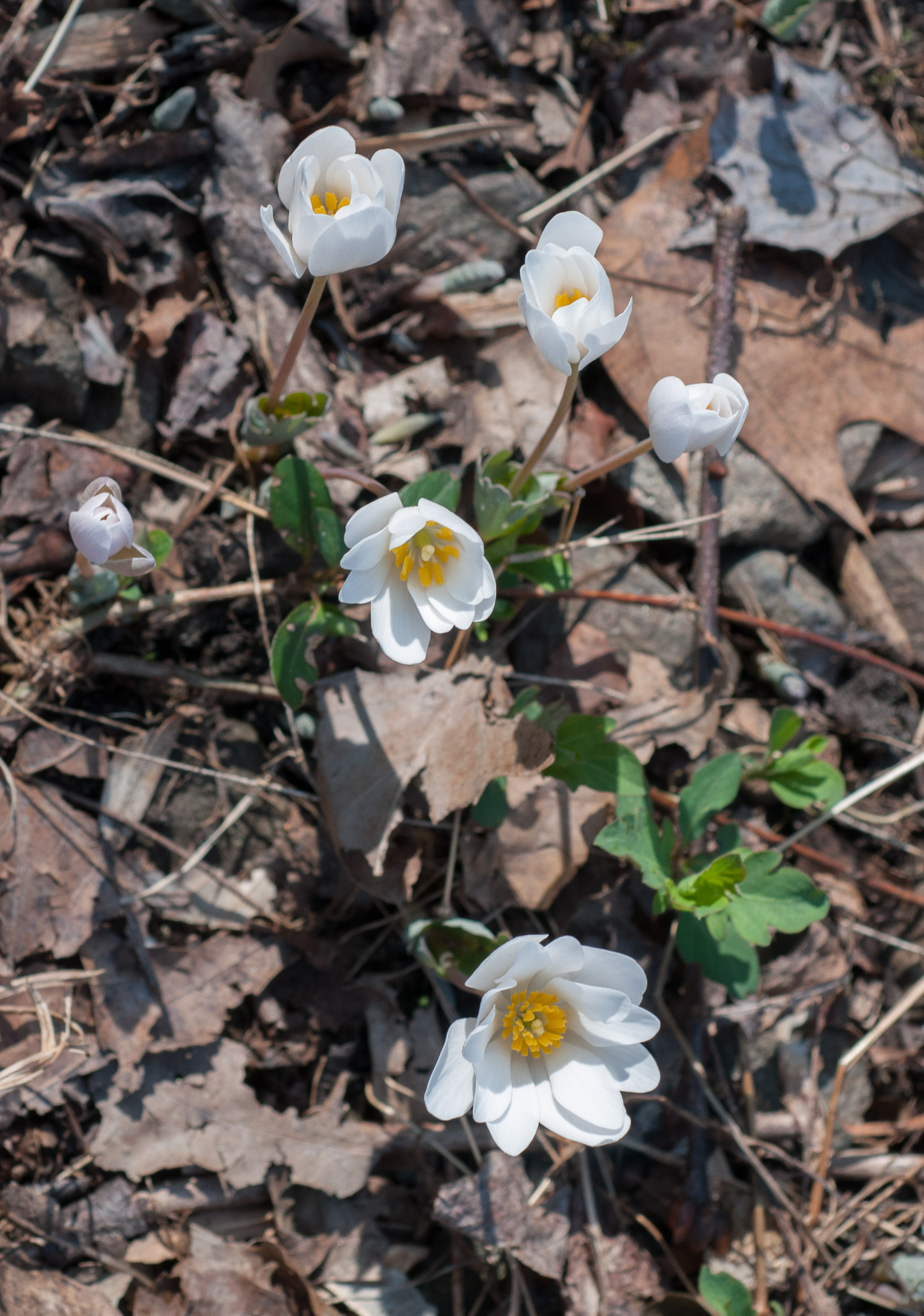
3/19/2012 · Gunpowder Falls State Park, Cockeysville, Maryland · ≈ 8 × 6″ (21 × 14 cm) 

3/30/2012 · Middlesex Fells Reservation, Medford, Massachusetts · By Susan Cole Kelly 

3/24/2012 · Nashua River Rail Trail, Groton, Massachusetts · ≈ 7 × 6″ (19 × 15 cm) 
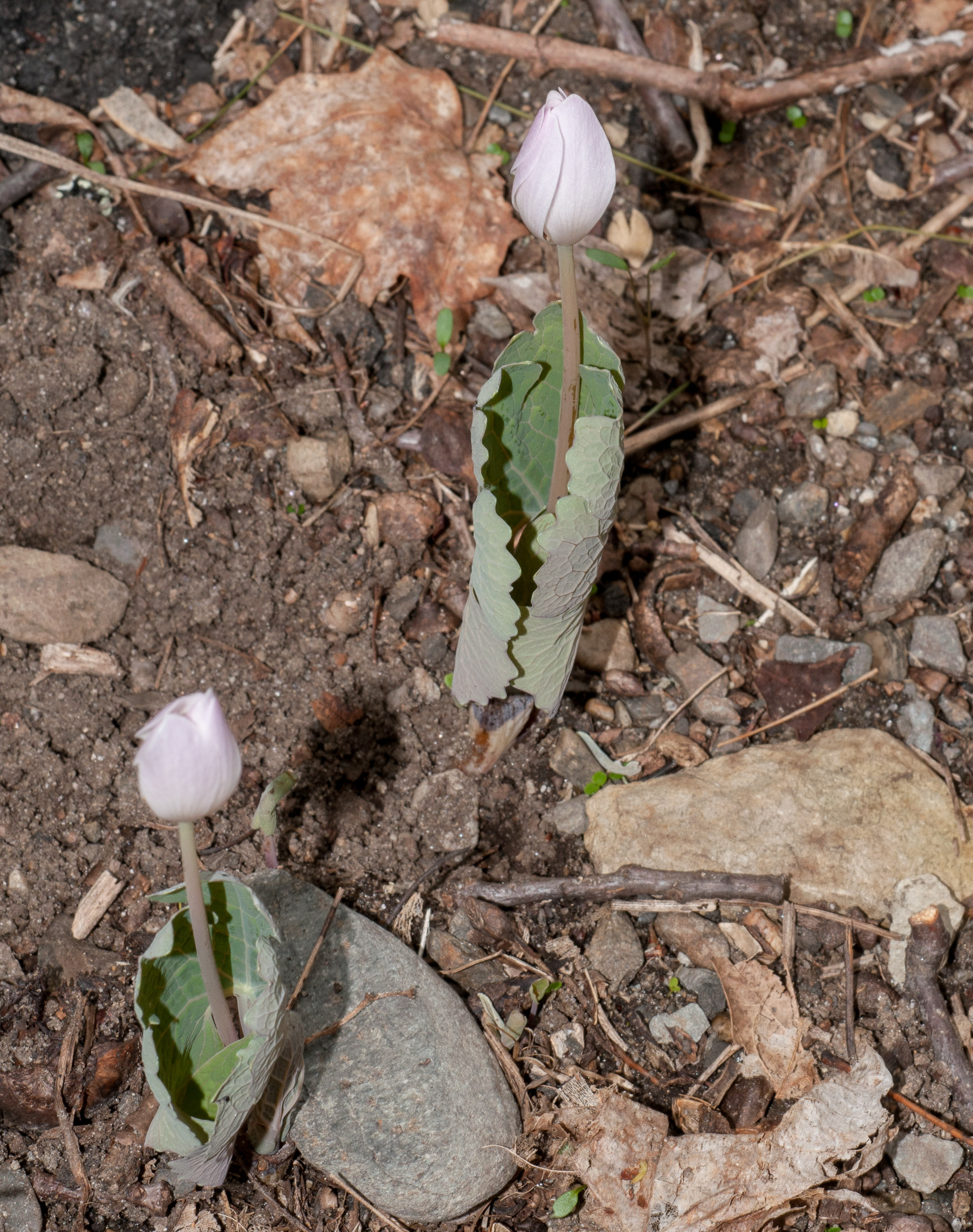
3/24/2012 · Nashua River Rail Trail, Groton, Massachusetts · ≈ 6 × 8″ (15 × 19 cm) 
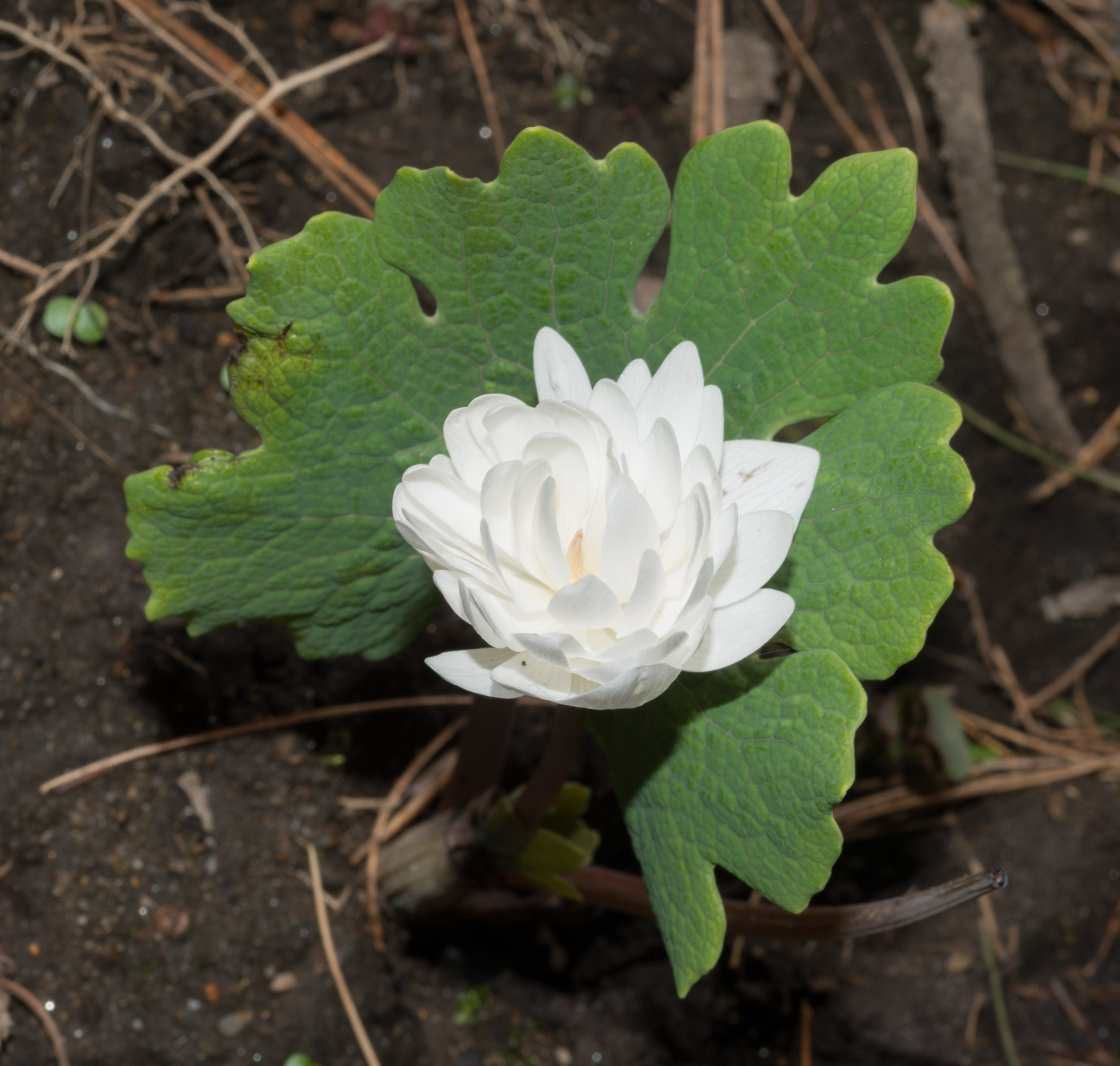
4/30/2013 · Acton Arboretum, Acton, Massachusetts · ≈ 5 × 5″ (13 × 12 cm) 
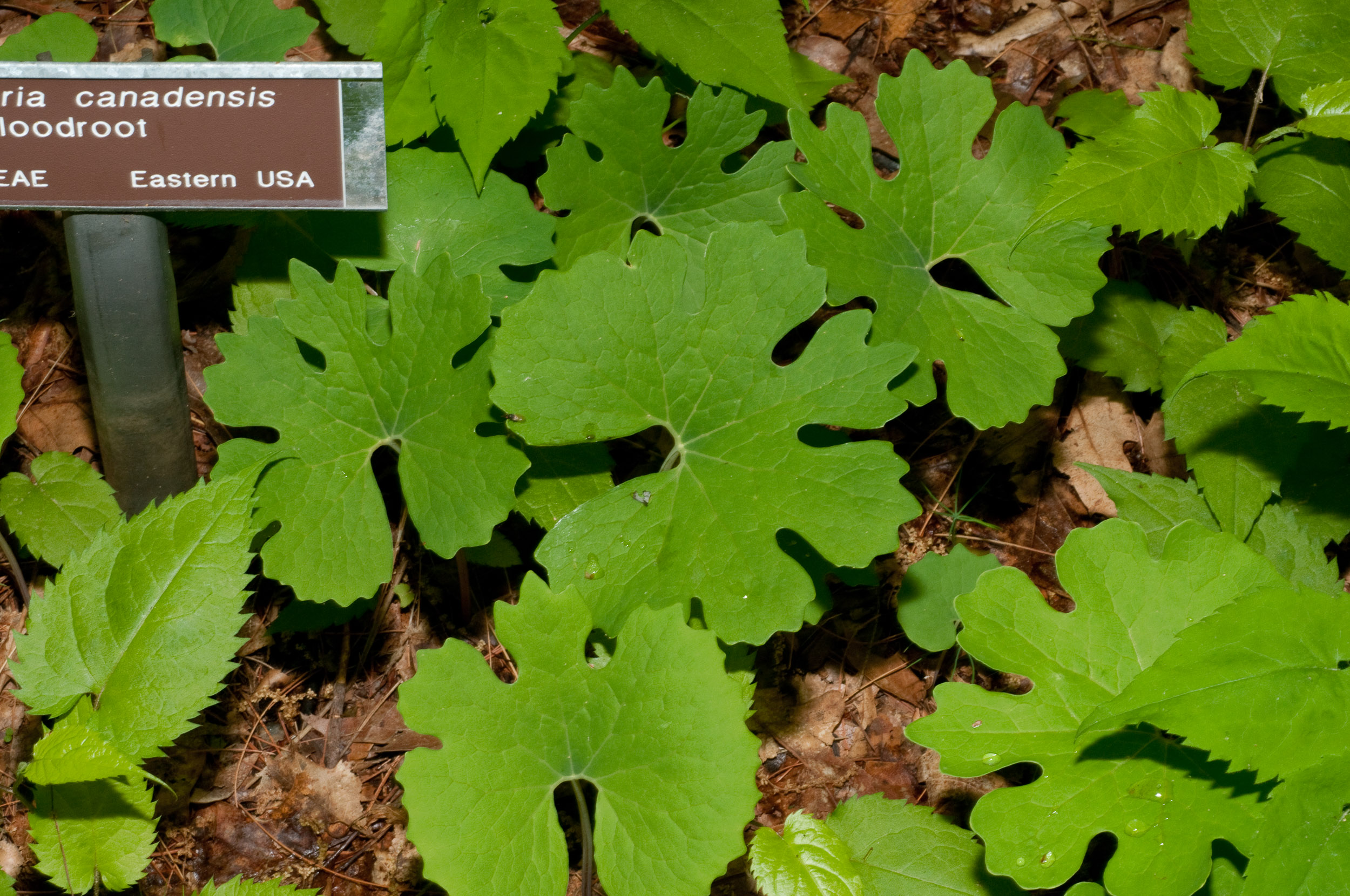
5/15/2010 · Garden in the Woods, Framingham, Massachusetts · ≈ 17 × 12″ (44 × 29 cm) 
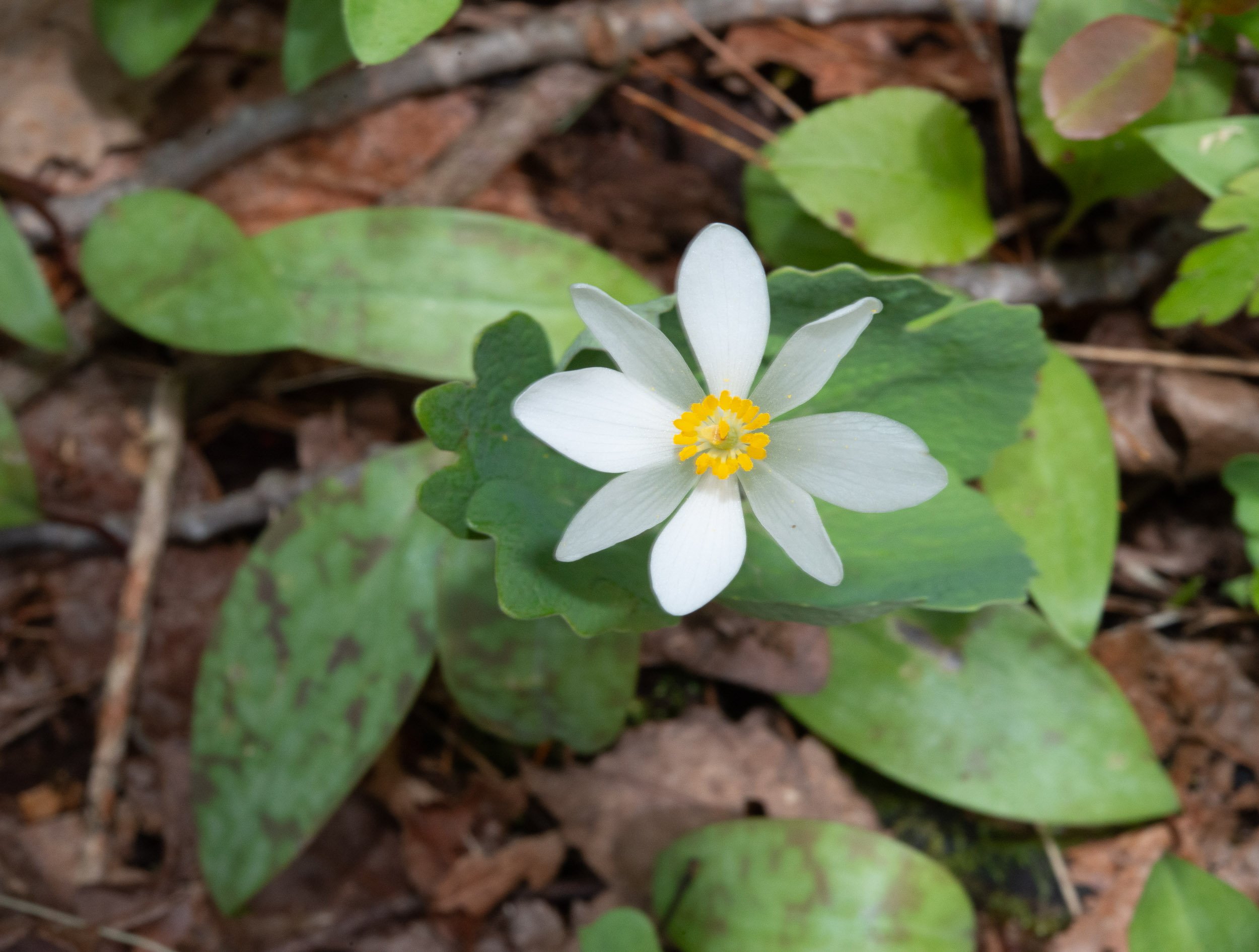
5/3/2014 · Beaver Brook Conservation Area, Hollis, New Hampshire · ≈ 6 × 4½″ (15 × 12 cm) 
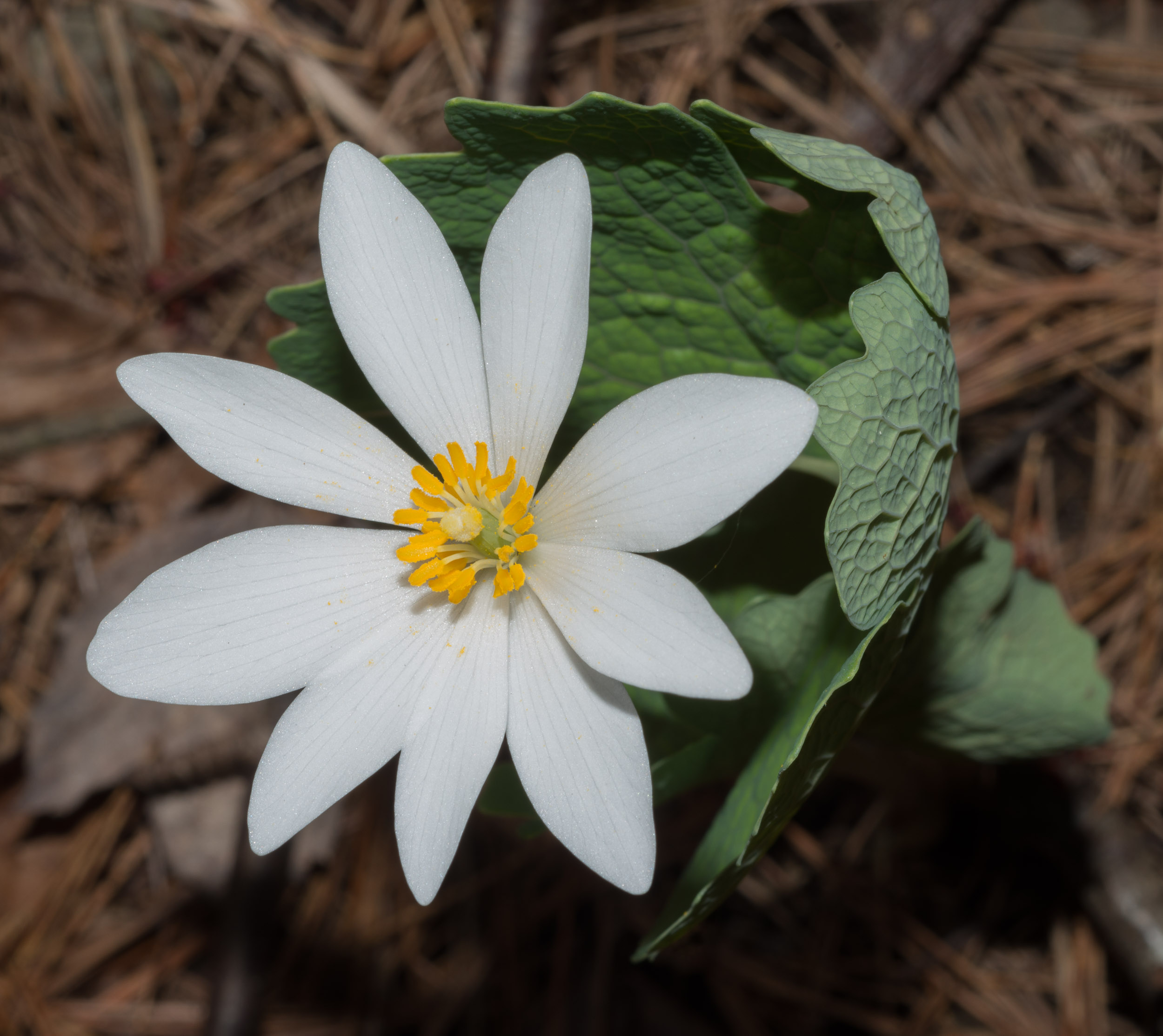
4/29/2013 · Beaver Brook Conservation Area, Hollis, New Hampshire · ≈ 4½ × 4″ (11 × 10 cm) 

3/20/2012 · Gunpowder Falls State Park, Phoenix Rd, Phoenix, Maryland · ≈ 8 × 7″ (20 × 16 cm) 
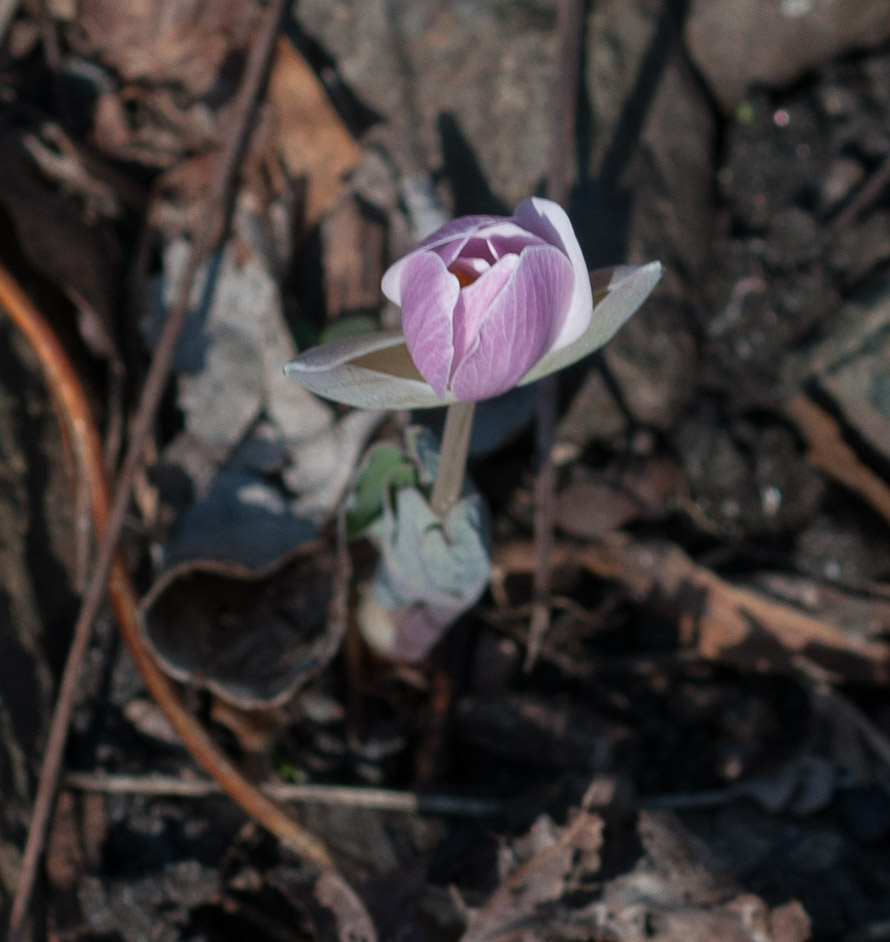
Pink form. · 3/19/2012 · Gunpowder Falls State Park, Cockeysville, Maryland · ≈ 2½ × 2½″ (6.8 × 6.5 cm) 
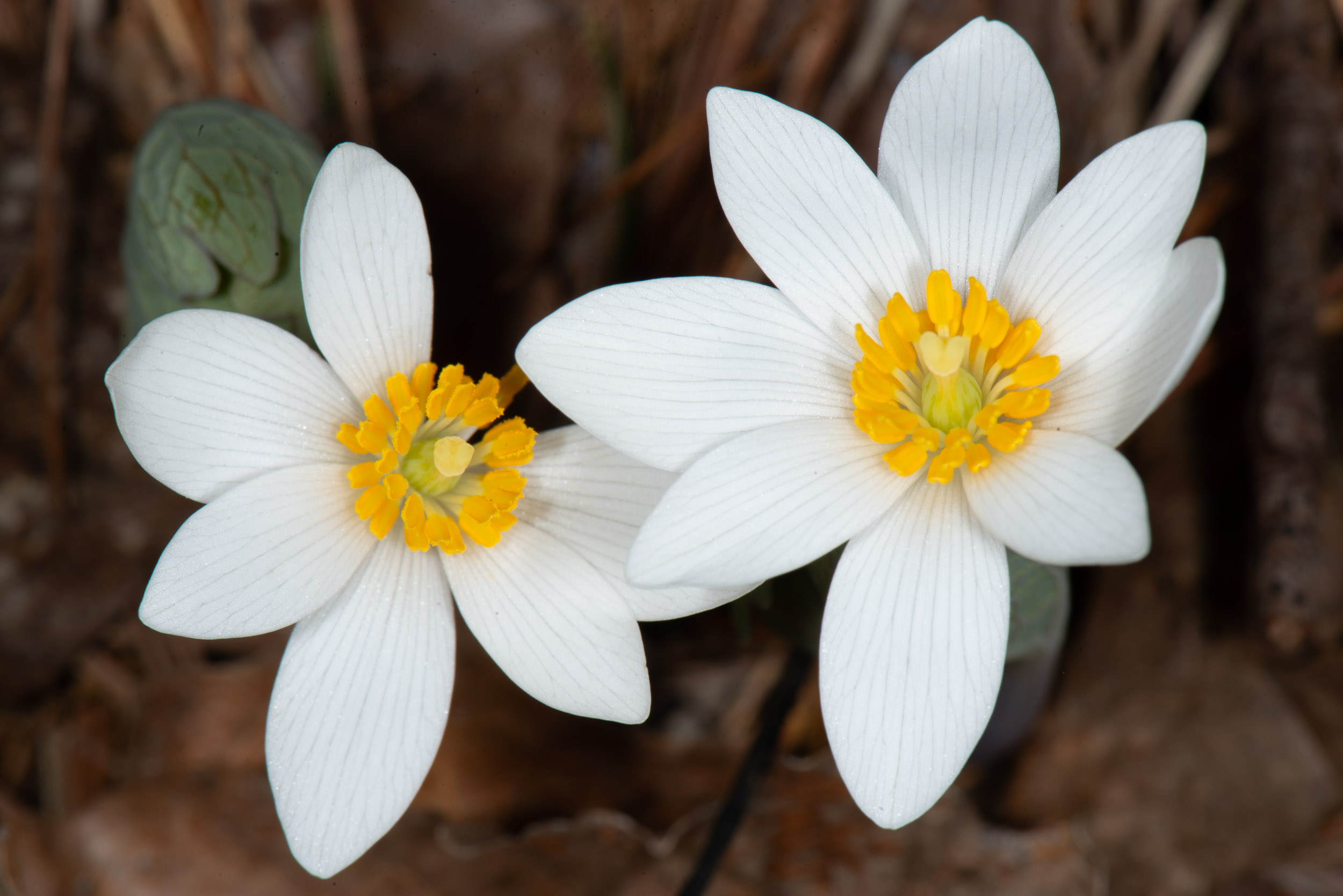
4/22/2015 · Beaver Brook Conservation Area, Hollis, New Hampshire · ≈ 5 × 3½″ (13 × 8.7 cm) 

5/26/2024 · McLaughlin Garden and Homestead, South Paris, Maine 
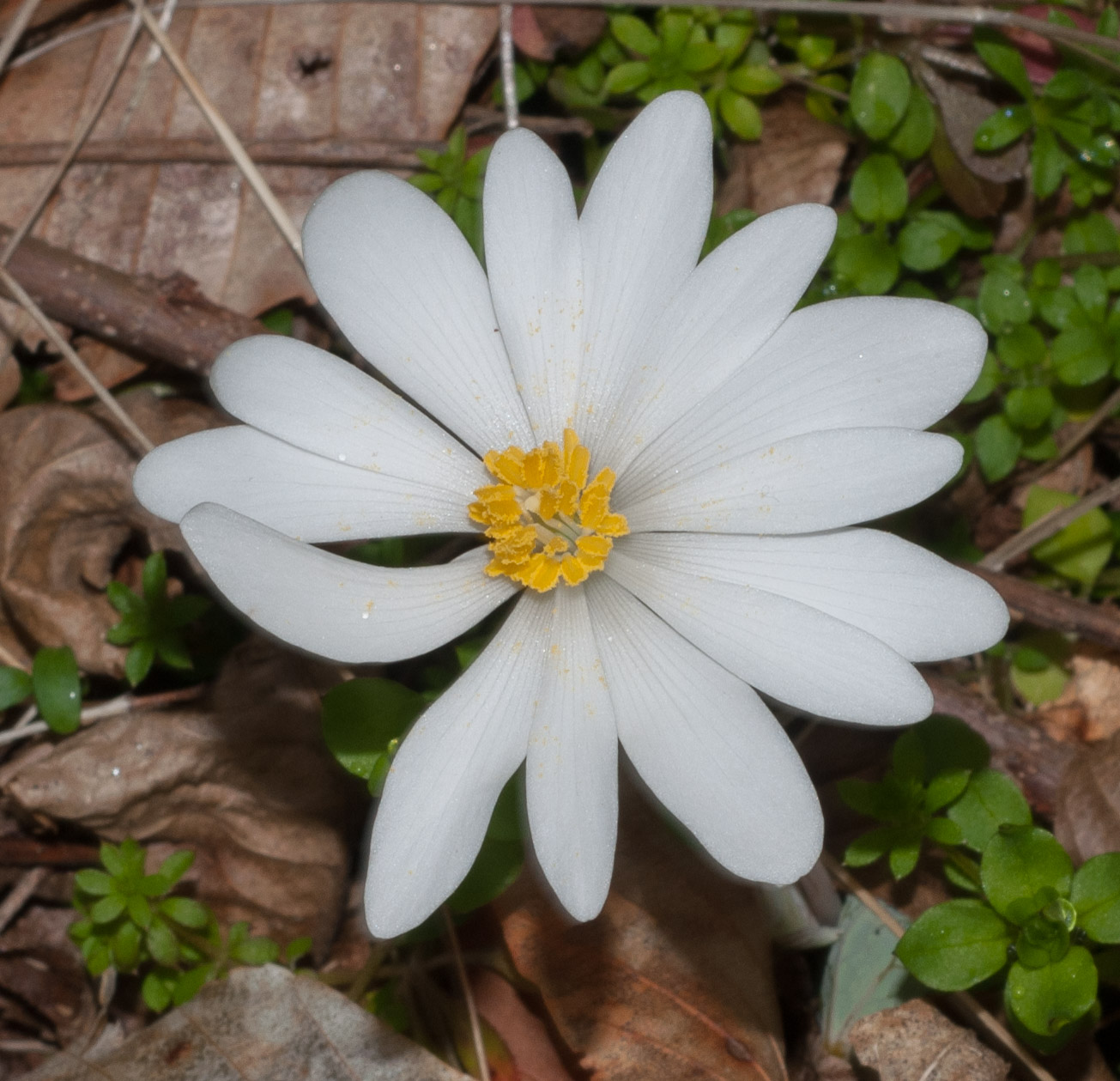
3/20/2012 · Gunpowder Falls State Park, Phoenix Rd, Phoenix, Maryland · ≈ 3 × 3″ (8.5 × 8.2 cm) 

4/23/2016 · Big Tree/Porcupine Trail, Beaver, Hollis, Massachusetts 
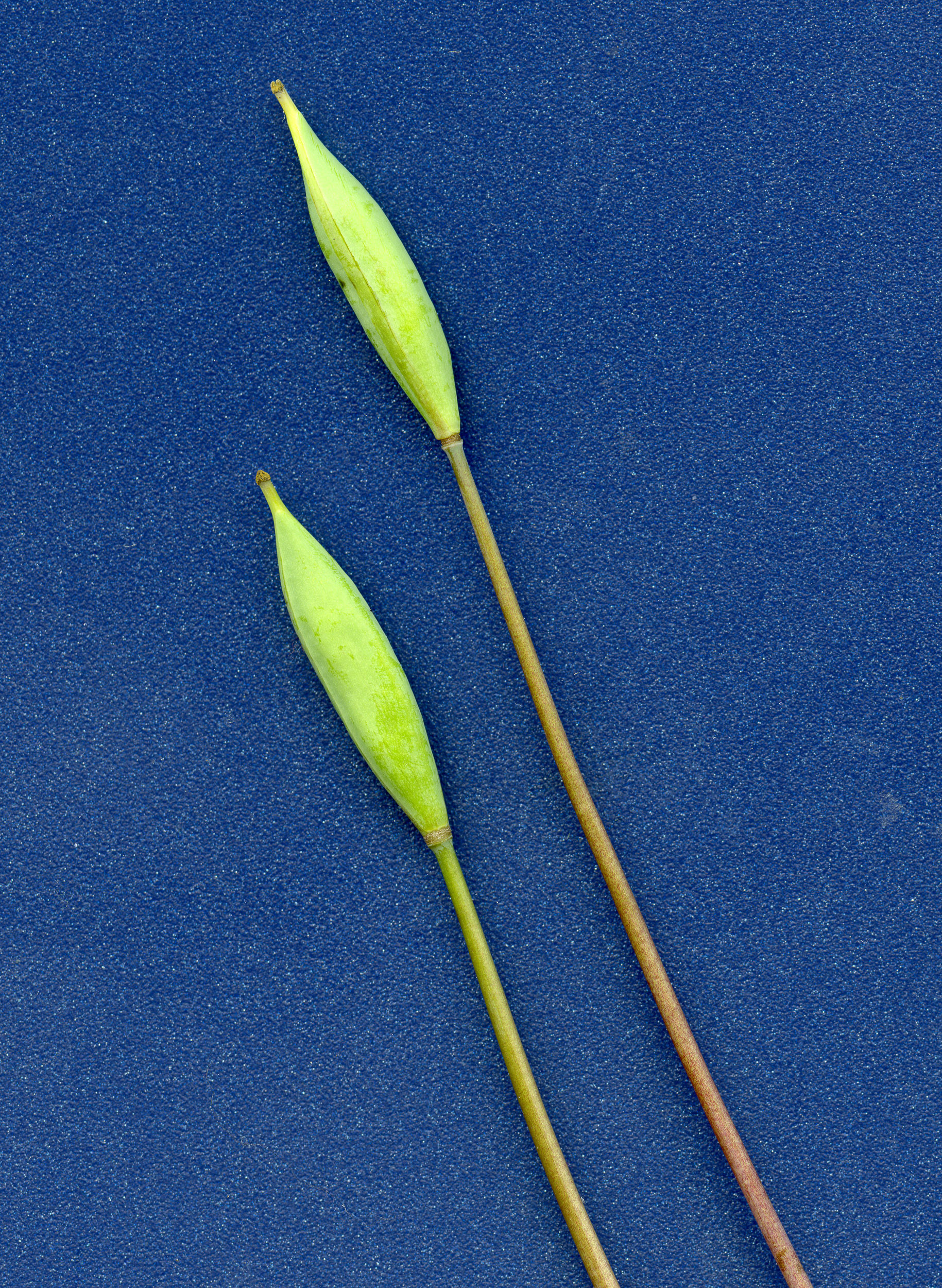
1/5/2026 · Nashua River Rail Trail, Groton, Groton, Massachusetts 

4/23/2016 · Big Tree/Porcupine Trail, Beaver, Hollis, Massachusetts 

1/5/2026 · Nashua River Rail Trail, Groton, Groton, Massachusetts 
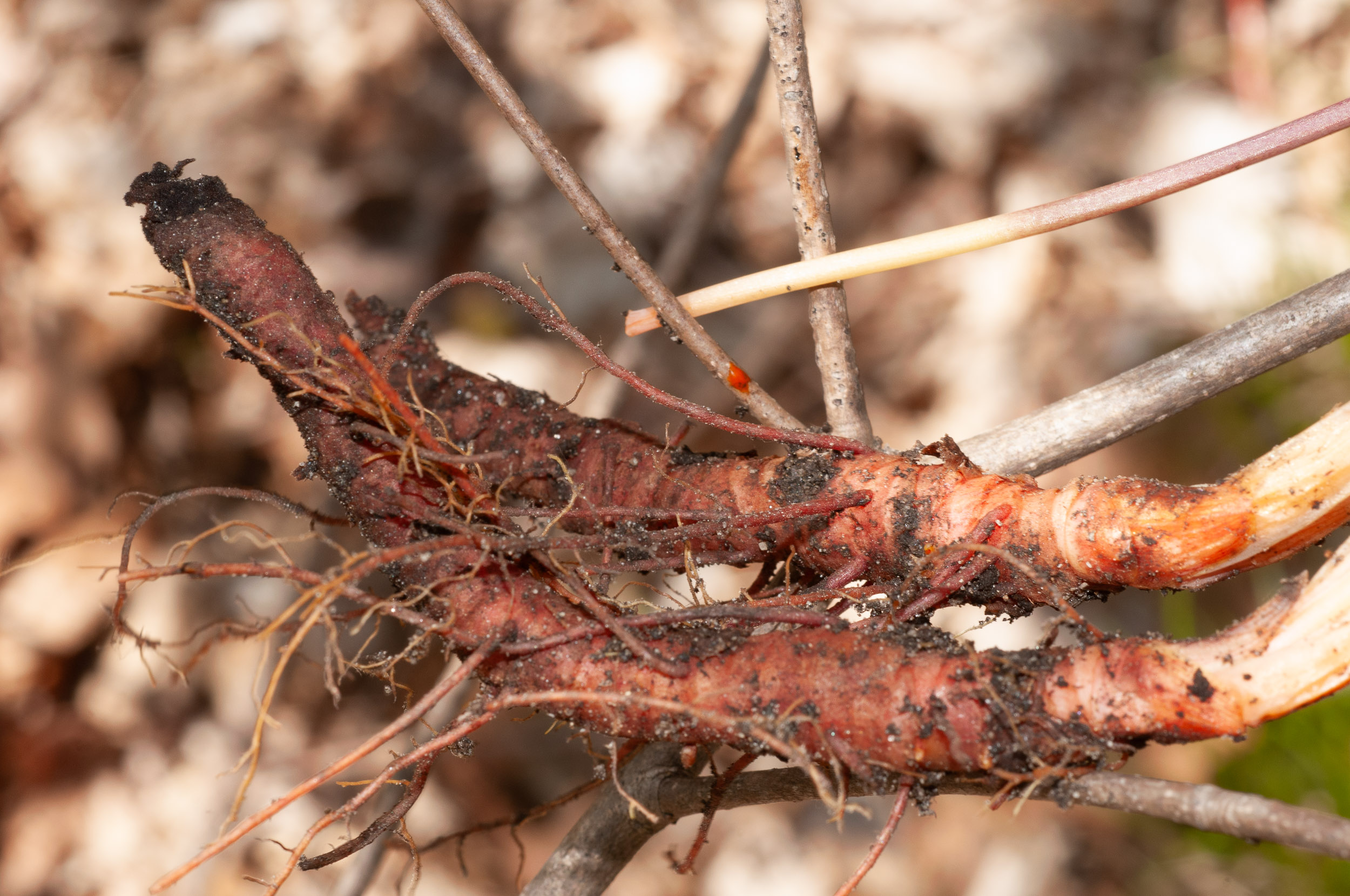
4/28/2012 · Nashua River Rail Trail, Groton, Groton, Massachusetts · ≈ 6 × 4″ (15 × 10 cm) 
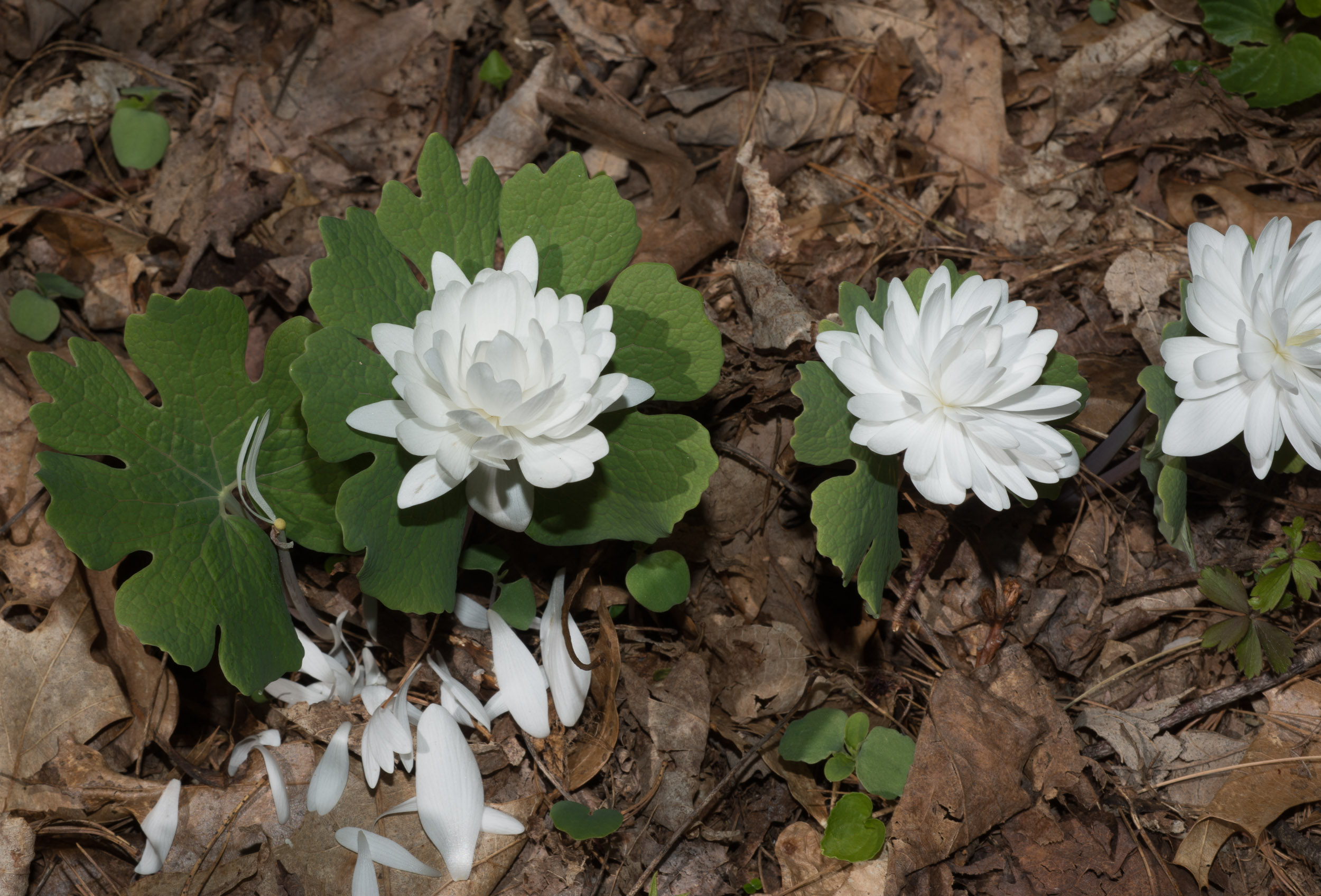
4/30/2013 · Acton Arboretum, Acton, Massachusetts · ≈ 12 × 8″ (30 × 20 cm) 

4/22/2016 · Wildflower Trail, Beaver Brook Conservation Area, Hollis, New Hampshire · ≈ 3½ × 3″ (8.9 × 8.2 cm) 

5/11/2010 · Nashua River Rail Trail, Pepperell, Massachusetts · ≈ 10 × 8″ (26 × 19 cm) 

4/22/2015 · Beaver Brook Conservation Area, Hollis, New Hampshire · ≈ 6 × 4″ (16 × 10 cm) 
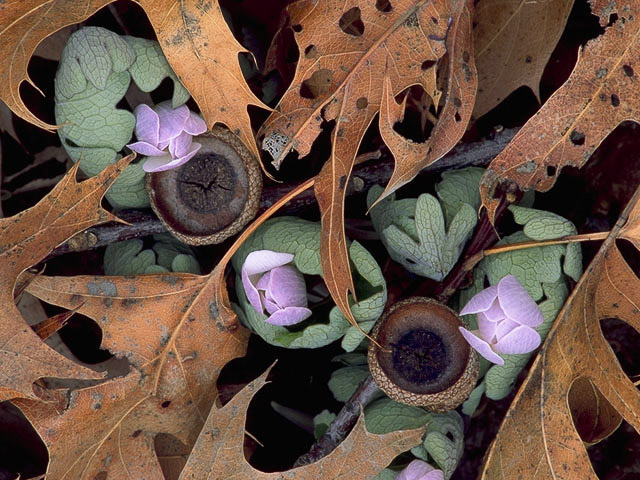
1/5/2026 · By Jacquelyn Boyt 
| Kingdom | Plantae | Plants, but not fungi, lichens, or algae (from Stearn's Botanical Latin) |
| Subkingdom | Tracheobionta | Vascular plants—plants with a “circulatory system” for delivering water and nutrients |
| Division | Magnoliophyta | Flowering plants, also known as angiosperms |
| Class | Magnoliopsida | Dicotyledons—plants with two initial seed leaves |
| Subclass | Magnoliidae | Includes magnolias, nutmeg, bay laurel, cinnamon, avocado, black pepper, and many others |
| Order | Papaverales | A group that includes buttercups and other poisonous plants |
| Family | Papaveraceae | Poppy family |
| Genus | Sanguinaria | Means “a plant that stanches blood” |
| Species | canadensis | “Of or referring to Canada” |
Sanguinaria canadensis description by Thomas H. Kent, not updated.

© FloraFinder.org. All rights reserved.