Scapania nemorea (L.) Grolle
[An article has not been written yet.]

5/3/2025 · Merritt Mountain, Phippsburg, Maine · ≈ 4 × 6″ (10 × 16 cm)  ID is uncertain
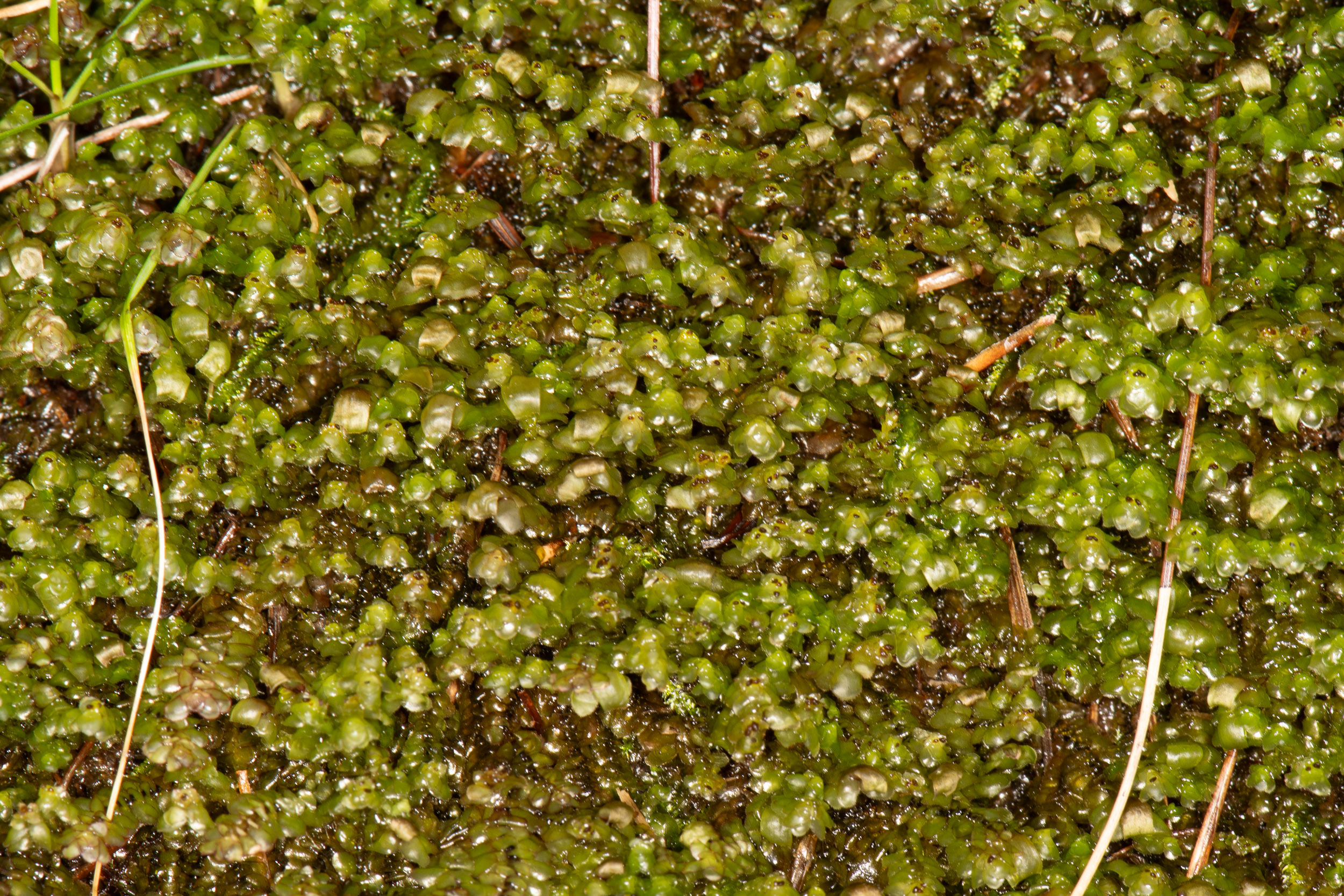
9/4/2021 · Bradbury Mountain State Park, Pownal, Maine · ≈ 4½ × 3″ (11 × 7.9 cm) 
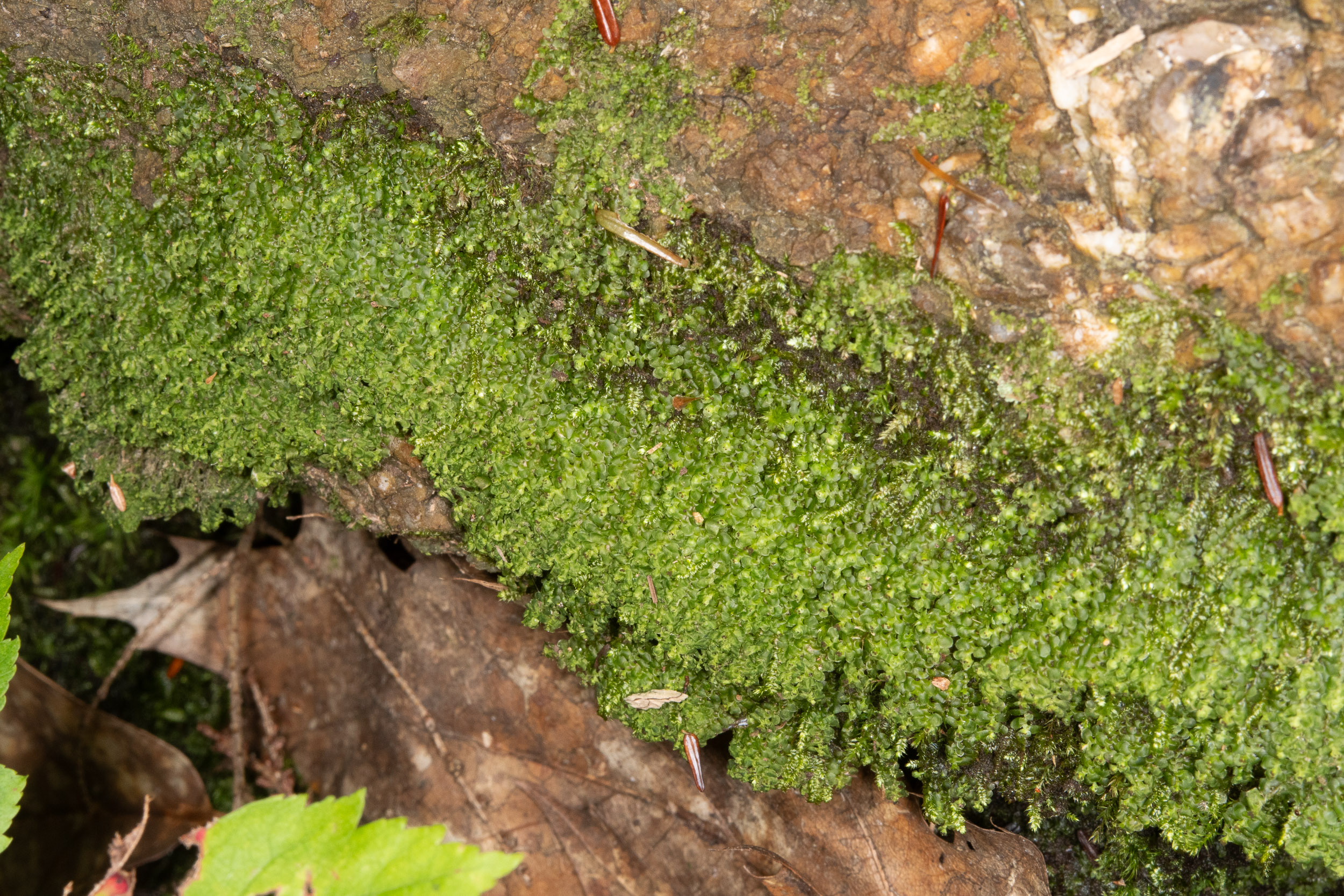
9/2/2023 · Boundary Trail, Bradbury Mountain State Park, Pownal, Maine · ≈ 6 × 4″ (16 × 11 cm) 

9/4/2021 · Bradbury Mountain State Park, Pownal, Maine · ≈ 4 × 2½″ (10 × 7 cm) 
| Kingdom | Plantae | Plants, but not fungi, lichens, or algae (from Stearn's Botanical Latin) |
| Division | Hepatophyta | Liverworts: simple, non-vascular plants |
| Subdivision | Hepaticae | Thallose and leafy liverworts |
| Class | Hepatopsida | Liverworts with prostrate form, extending horizontally, with leaflike form |
| Subclass | Jungermanniae | Hepatic mosses, named for botanist Ludwig Jungermann |
| Order | Jungermanniales | Liverworts with thin leaf-like flags on each side of the stem; other liveworts lack evidence of leaves |
| Family | Scapaniaceae | A primarily Northern Hemisphere family of leafy liverworts, commonly known as earworts |
| Genus | Scapania | From the Latin scapan, meaning ”to scoop“ or ”to dig,“ which reflects its habitat preferences, often found in muddy or wet areas |
| Species | nemorea | Grolle and Isoviita both treated this as a reference to J. nemorea (1759), while Stotler & Zehr argued that ”nemorea“ in 1759 is an error, corrected to ”nemorosa“ in 1763. However, Grolle & Isoviita presented evidence that ”nemorea“ is correct, and the latter is therefore treated as illegitimate |
Scapania nemorea description by Thomas H. Kent, not updated.

© FloraFinder.org. All rights reserved.