Simarouba glauca DC.
Paradise tree, dysentery-bark, bitterwood
Paradise tree is native to Florida, South America, and the Lesser Antilles, growing at elevations below 3281′ (1 km).
Plants: These evergreen trees reach up to 50′ (15 m) in height, and 30′ (9.1 m) around. The trunk is up to 30′ (9 m) tall and 1–1½′ (40–50 cm) around. Outer bark is gray, with fine cracks; inner bark is creamy. Roots are shallow, partly above ground.
Leaves: Leaves are up to 1′ (40 cm) long, divided into 3-21 leaflets (pinnately compound). Leaflets are shiny, leathery, 2–4″ (5–10 cm) long, and oblong.
Flowers: Flowers are yellowish, but tiny and inconspicuous.
Fruits: Fruits are dark purple, 1″ (2.5 cm) long, and edible.
Habitats: The understory of hardwood hammocks, in tropical habitats.
Edibility: Seeds can be processed to produce an edible oil. Fruits are edible.
Medical: Bark from this tree has been used successfully in the past to treat malaria and dysentery, and in many areas in the South American rainforest, it still is. The tree has a long history as a source of herbal medicine, and is the target of much study.
Online References:
Www.jpsr.pharmainfo.in (A Critical Review on Medicinally Important Oil Yielding Plant Laxmitaru (Simarouba glauca DC.))
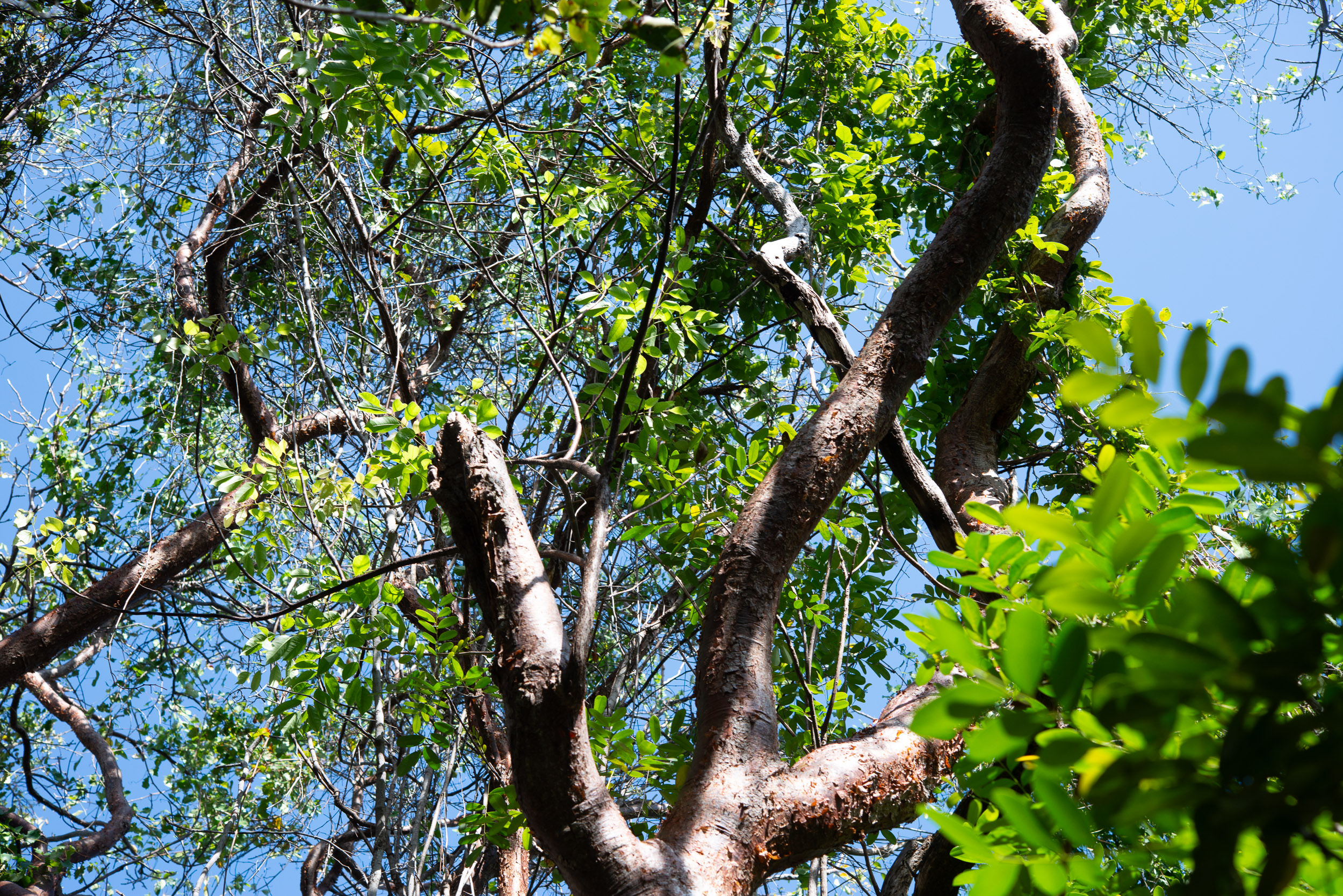
4/14/2015 · Dagny Johnson Key Largo Hammock Botanical State Park, Key Largo, Florida 
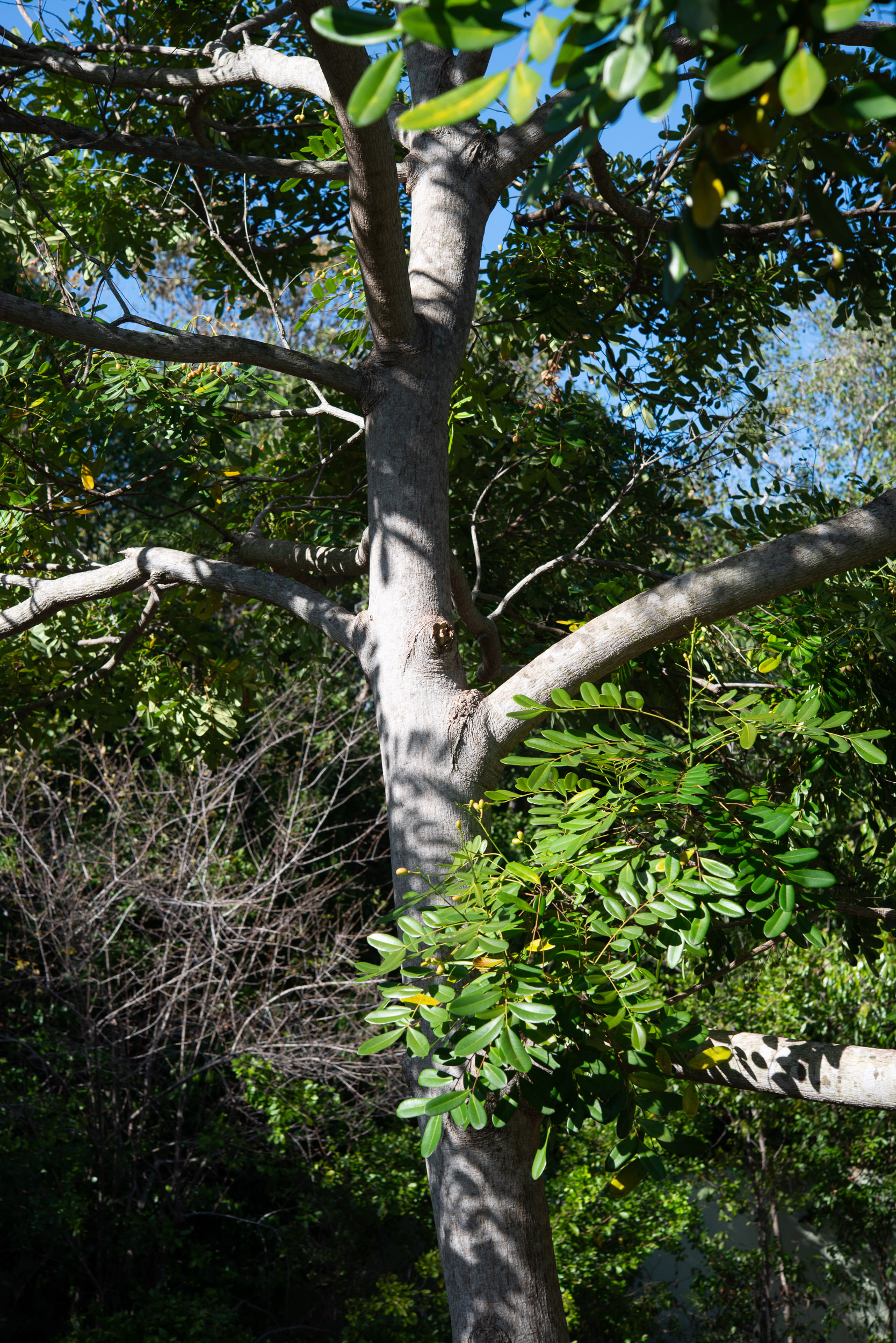
4/14/2015 · Dagny Johnson Key Largo Hammock Botanical State Park, Key Largo, Florida 

4/14/2015 · Dagny Johnson Key Largo Hammock Botanical State Park, Key Largo, Florida · ≈ 1½ × 1′ (47 × 31 cm) 
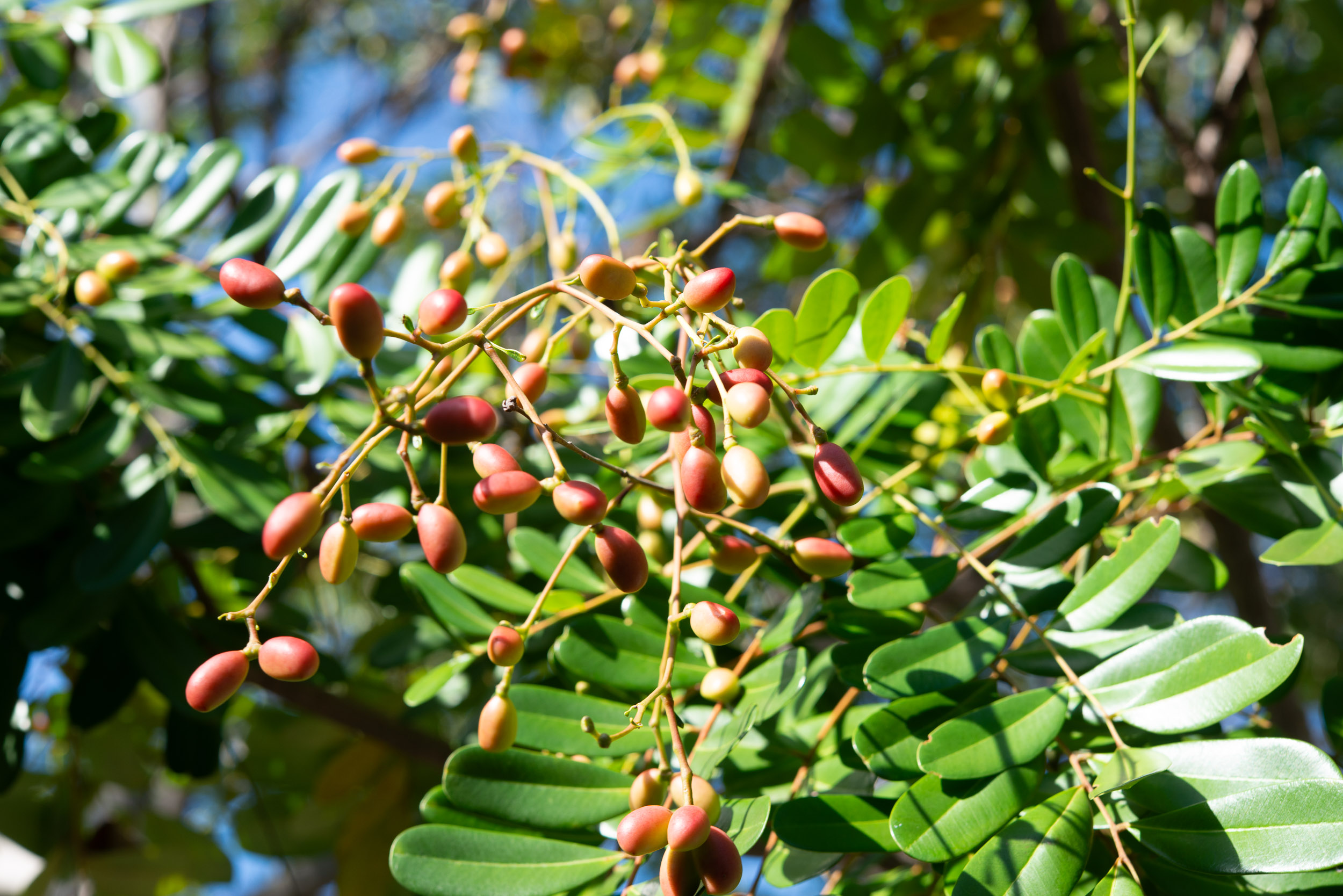
4/14/2015 · Dagny Johnson Key Largo Hammock Botanical State Park, Key Largo, Florida · ≈ 15 × 10″ (37 × 25 cm) 
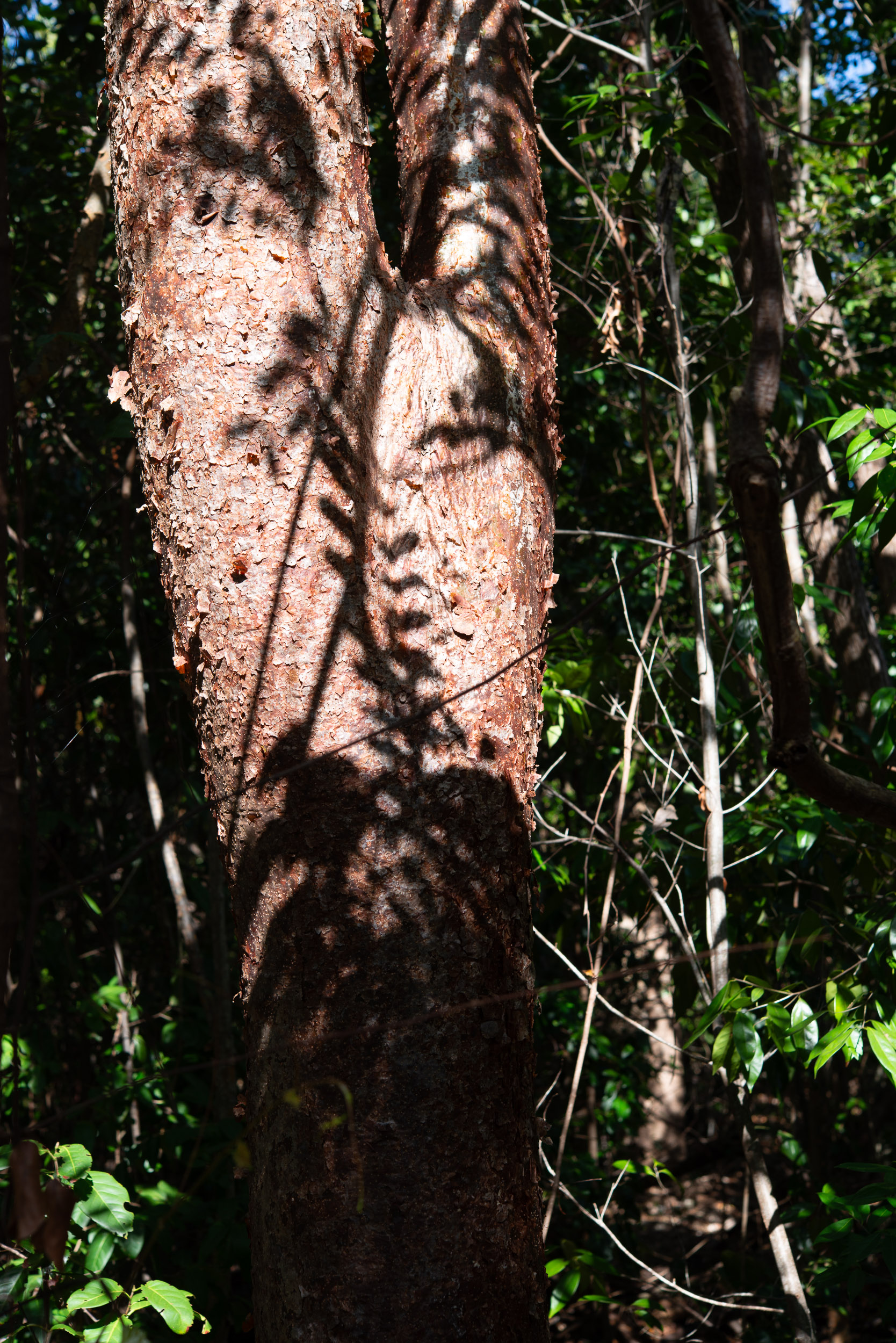
4/14/2015 · Dagny Johnson Key Largo Hammock Botanical State Park, Key Largo, Florida 

4/14/2015 · Dagny Johnson Key Largo Hammock Botanical State Park, Key Largo, Florida · ≈ 1½ × 1′ (47 × 31 cm) 
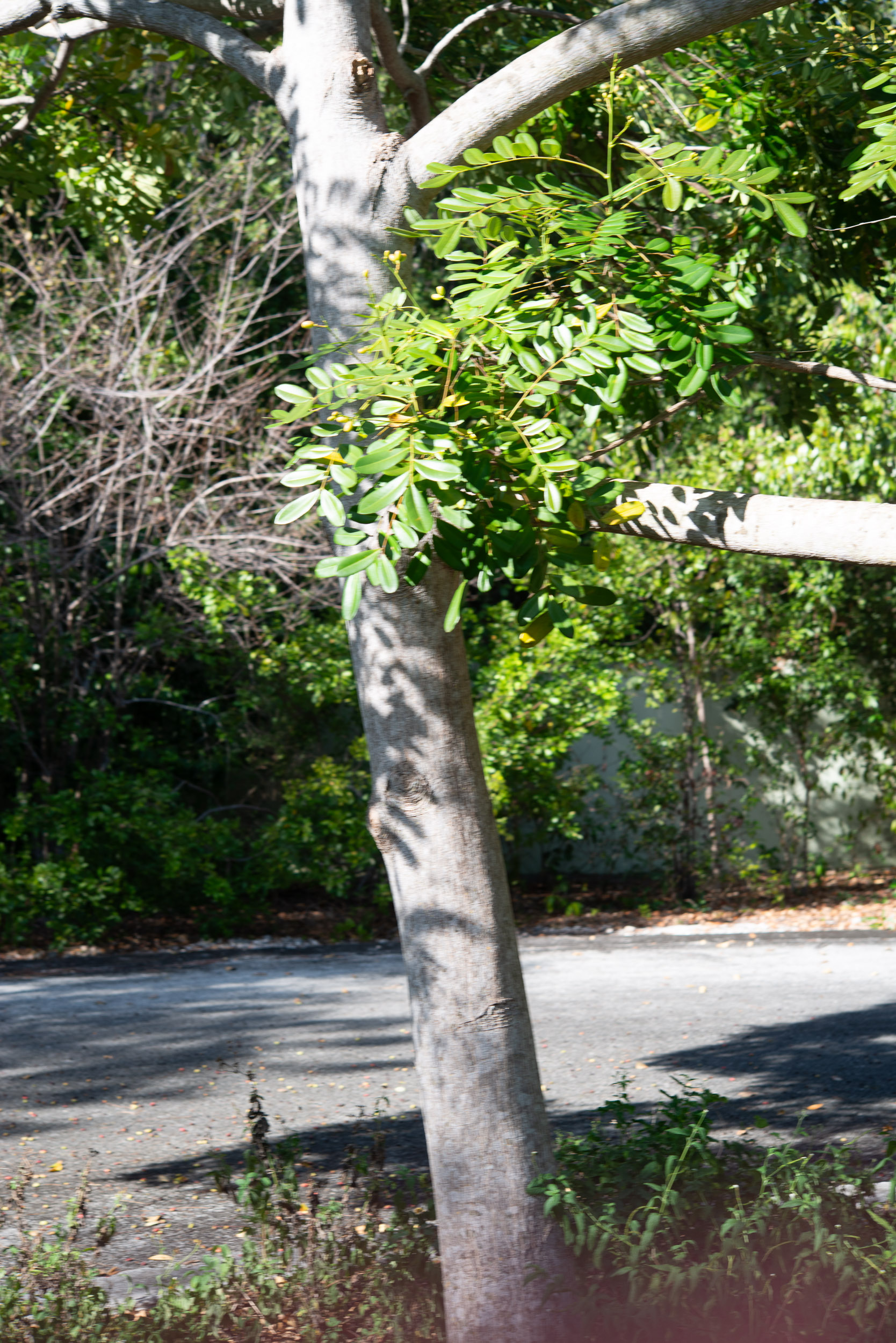
4/14/2015 · Dagny Johnson Key Largo Hammock Botanical State Park, Key Largo, Florida 

4/14/2015 · Dagny Johnson Key Largo Hammock Botanical State Park, Key Largo, Florida 
| Kingdom | Plantae | Plants, but not fungi, lichens, or algae (from Stearn's Botanical Latin) |
| Subkingdom | Tracheobionta | Vascular plants—plants with a “circulatory system” for delivering water and nutrients |
| Division | Magnoliophyta | Flowering plants, also known as angiosperms |
| Class | Magnoliopsida | Dicotyledons—plants with two initial seed leaves |
| Subclass | Rosidae | Roses, legumes, proteas, dogwoods, hydrangeas, mistletoes, euphorbias, grapes, many more |
| Order | Sapindales | Includes citrus; maples, horse-chestnuts, lychees and rambutans; mangos and cashews; frankincense and myrrh; mahogany and neem |
| Family | Simaroubaceae | A small mostly tropical family including Quassia, Simarouba, and Ailanthus |
| Genus | Simarouba | From New Latin, from Carib simaruba, “bitter” plus “wood” |
| Species | glauca | Glaucous, from the Greek meaning “bluish-gray,” referring primarily to the leaves, and specifically to “bloom,” the fine, whitish powder that coats the leaves of certain plants |

Simarouba glauca description by Thomas H. Kent, not updated.

© FloraFinder.org. All rights reserved.