Simmondsia californica Nutt.
Simmondsia chinensis (Link) C.K. Schneid.
Jojoba, pignut, goat nut, deer nut, wild hazel, quinine nut, coffeeberry, goat-nut, coffee bush, quinine plant
Jojoba (pronounced “huh-HO-buh”) is native to the Sonoran and Mojave deserts in the American southwest and Mexico. Plants live for 100-200 years. It contains a liquid wax that is extracted commercially for its high stability and high tolerance of heat.
Plants: Jojoba is a dense shrub reaching 3–6½′ (1–2 m).
Leaves: Gray-green or blue-green in color, and ¾–1¾ ⨉ ½–1″ (2–5 ⨉ 1.5–3 cm).
Flowers: Greenish yellow, and lack true petals (though the leafy bracts look like green petals).
Fruits: Berries up to 1″ (2.5 cm) in diameter.
Habitats: Desert shrub habitats and lower elevations of chaparral vegetation.
Edibility: Jojoba nuts are edible when roasted; they can also be used to make coffee.
Medical: Jojoba, which is apparently an emetic, was used as a folk medicine by Baja California indians for a wide range of ailments ranging from colds and head sores to cancer.
Online References:
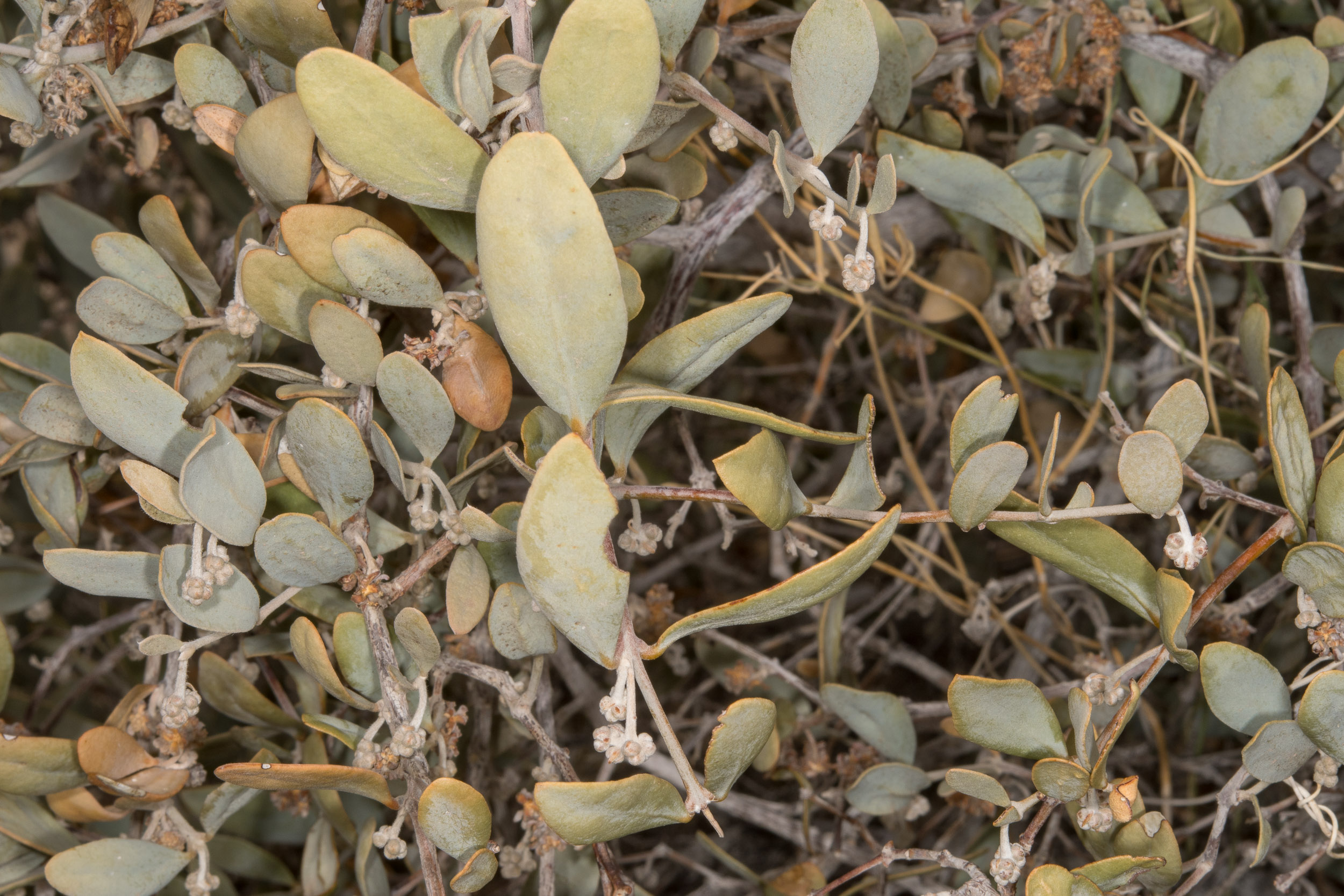
5/2/2018 · Pinto Basin Road, Joshua Tree National Park · ≈ 8 × 5″ (20 × 13 cm) 
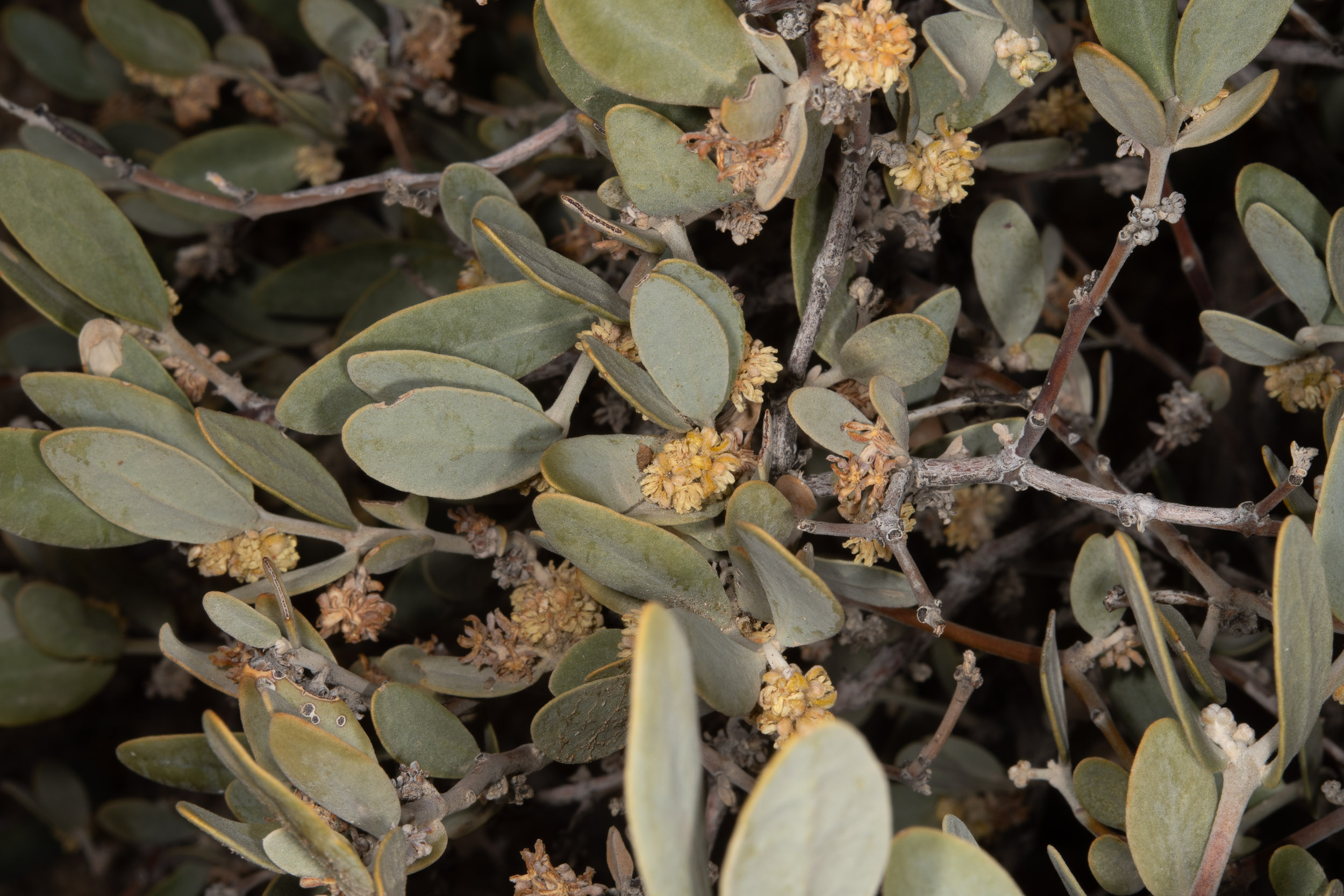
5/2/2018 · Forty-nine Palms Canyon Trail, Forty-nine Palms Oasis, Joshua Tree, California · ≈ 6 × 4″ (16 × 11 cm) 

5/2/2018 · Cottonwood Spring, Joshua Tree National Park, California · ≈ 10 × 6″ (24 × 16 cm) 

5/2/2018 · Bajada Trail, Joshua Tree National Park, California · ≈ 6 × 4″ (16 × 11 cm) 

5/2/2018 · Forty-nine Palms Canyon Trail, Forty-nine Palms Oasis, Joshua Tree, California · ≈ 6 × 4″ (16 × 11 cm) 

5/2/2018 · Cottonwood Spring, Joshua Tree National Park, California 

2/28/2010 · Anza-Borrego Desert State Park, California · ≈ 9 × 6″ (22 × 14 cm) 
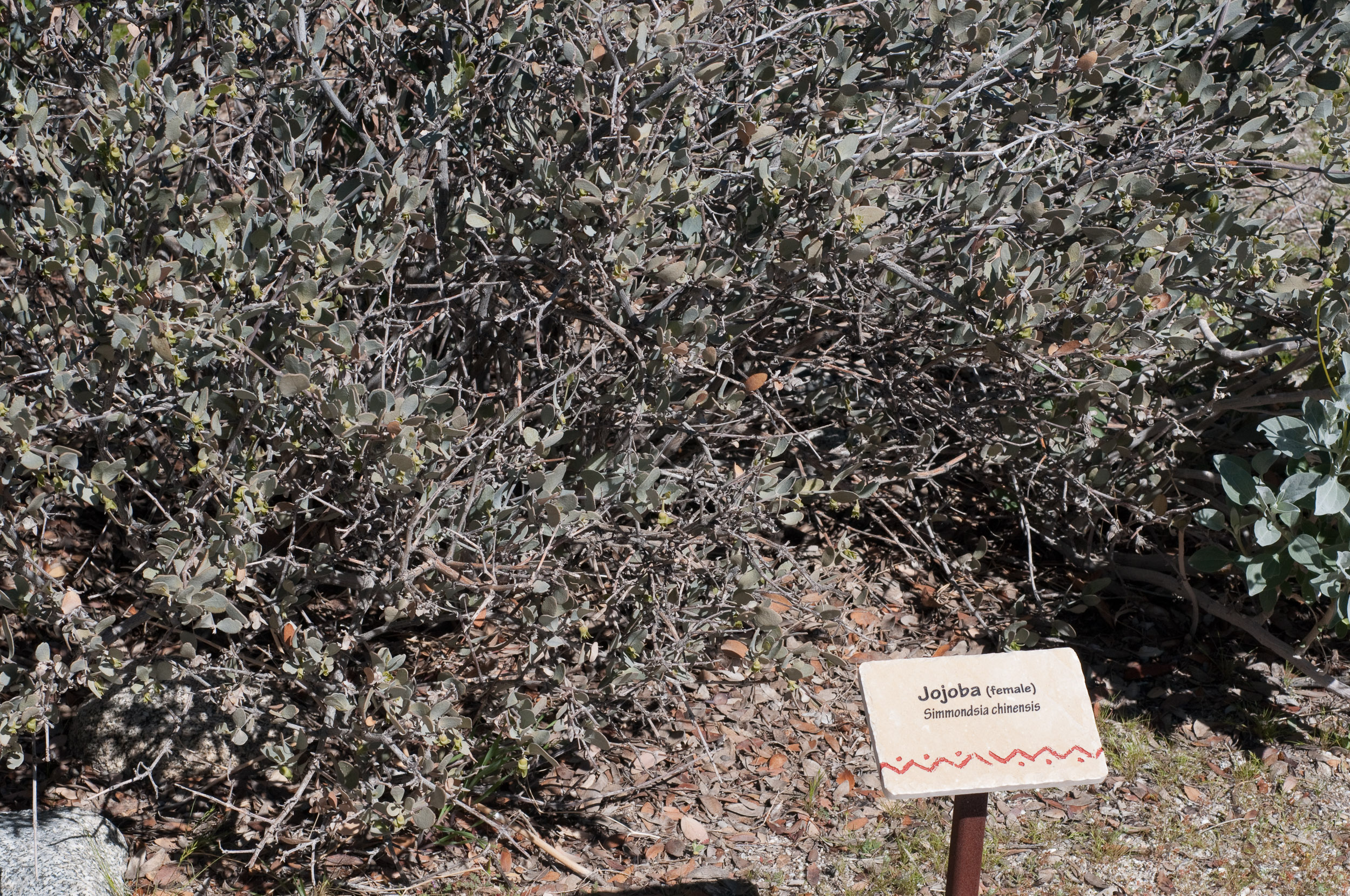
Female. · 2/28/2010 · Anza-Borrego Desert State Park, California 

2/28/2010 · Anza-Borrego Desert State Park, California · ≈ 12 × 17″ (29 × 44 cm) 
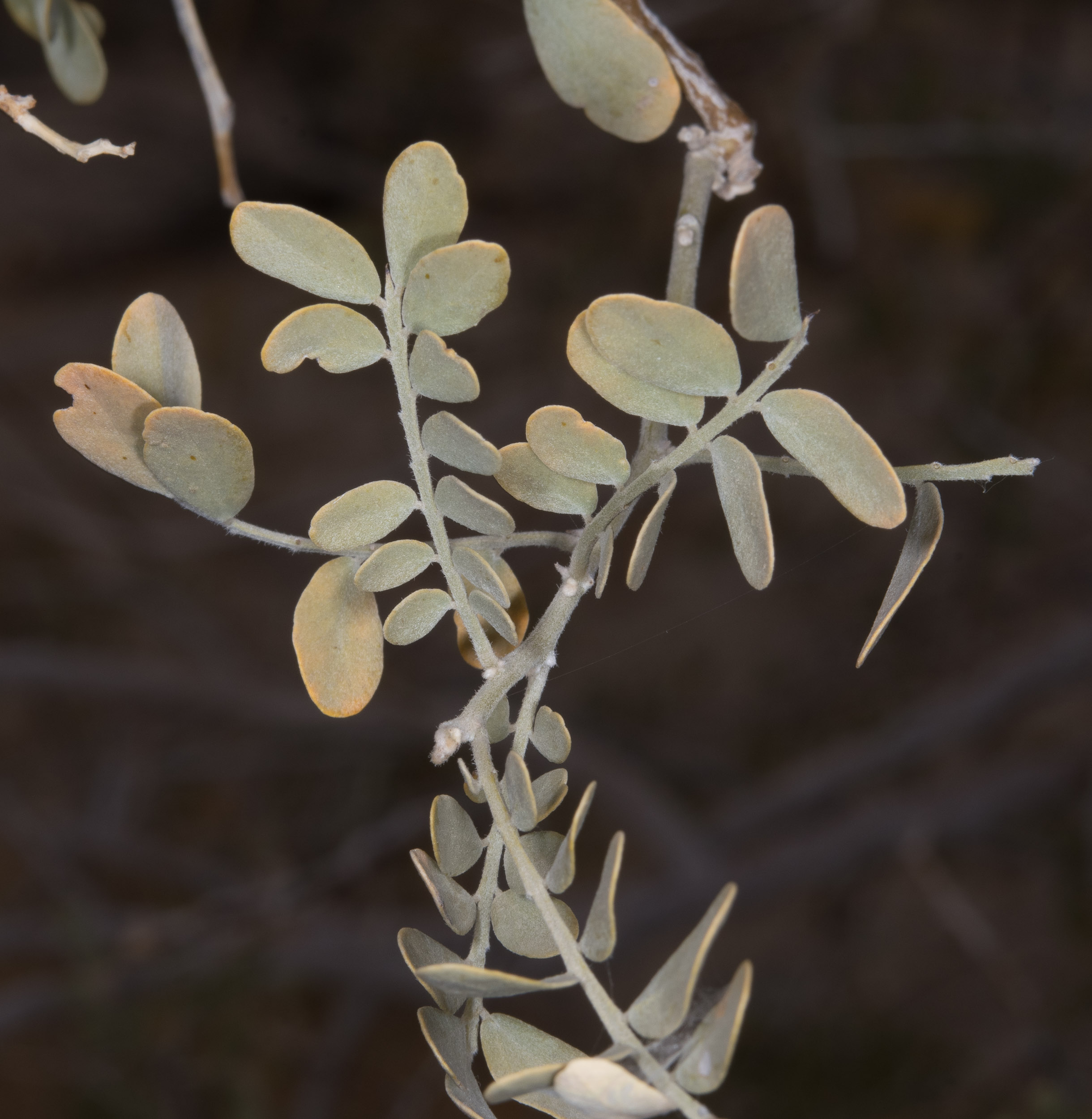
5/2/2018 · Bajada Trail, Joshua Tree National Park, California · ≈ 3 × 3½″ (8.4 × 8.7 cm) 

5/2/2018 · Pinto Basin Road, Joshua Tree National Park · ≈ 10 × 6″ (24 × 16 cm) 
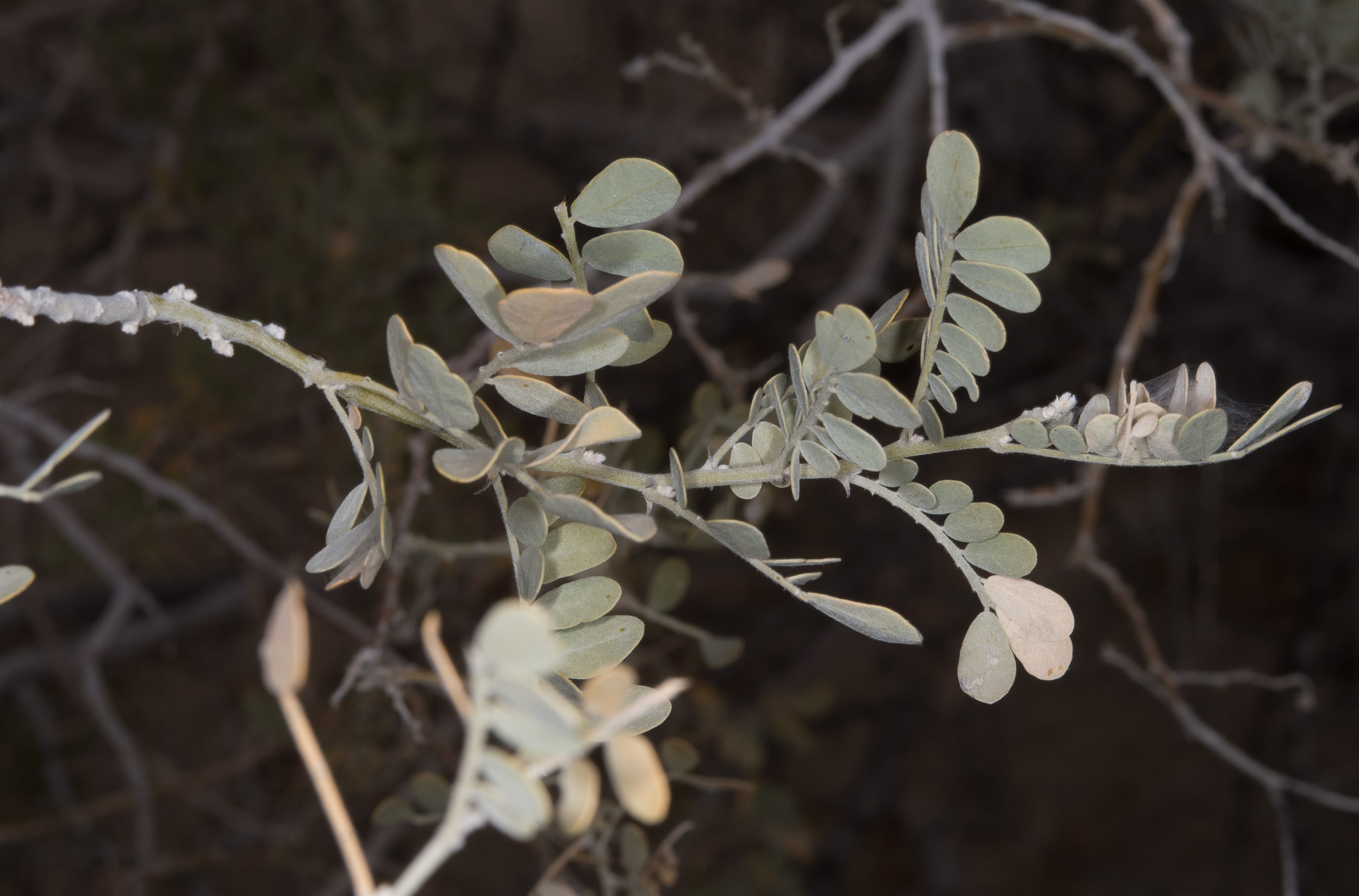
5/2/2018 · Bajada Trail, Joshua Tree National Park, California · ≈ 6 × 4″ (15 × 10 cm) 
| Kingdom | Plantae | Plants, but not fungi, lichens, or algae (from Stearn's Botanical Latin) |
| Subkingdom | Tracheobionta | Vascular plants—plants with a “circulatory system” for delivering water and nutrients |
| Division | Magnoliophyta | Flowering plants, also known as angiosperms |
| Class | Magnoliopsida | Dicotyledons—plants with two initial seed leaves |
| Subclass | Caryophyllidae | Cacti, many other succulents, carnivorous plants, and leadworts |
| Order | Caryophyllales | Includes cacti, carnations, amaranths, ice plants, and many carnivorous plants |
| Family | Simmondsiaceae | Derived from Thomas Simmonds (1767-1804), an English botanist |
| Genus | Simmondsia | After Thomas William Simmonds (1767-1804), an English botanist and physician who died exploring Trinidad |
| Species | chinensis | Of or referring to China |
Simmondsia chinensis description by Thomas H. Kent, not updated.

© FloraFinder.org. All rights reserved.
