Solidago bicolor L.
Silverrod, white goldenrod
Silverrod is a North American native. For a comparison chart of some of the varieties of goldenrods, see Solidago.
Plants: The most important identifying feature of this goldenrod is that it isn’t golden: it is silver (well, okay, cream-colored). This is the only white-flowering Solidago. (Just to confuse matters, occasionally, they may appear more yellow in color.) Plants are up to 3′ (1 m) high, usually with one stem, but up to 5. Stems are “hispido-villous”—fancy talk for “having [relatively] long and soft hairs.”
Leaves: Lower leaves are 2–4″ (5–10 cm) long, with shallow teeth and a grayish down. Upper leaves are elliptical in shape, with a single prominent central vein.
Flowers: Each plant has up to 12-270 flowerheads, or 1-15 per branch. Each flower is less than ¼″ (6.3 mm) across, with whitish rays as well as a tiny yellow disk. Flowers appear August through October. Flowers are evenly spaced around each stem, not just on one side.
Habitats: Fields or open forests; disturbed areas.
Fruits: Flowers become small spherical arrangements of seeds on “parachutes,” called cypselae, like dandilions gone to seed. The cypselae are 1/32–1/16″ (1.5–2.5 mm) in diameter.
Edibility: Poisonous  Leaves and berries contain solanine, a
poisonous alkaloid.
Leaves and berries contain solanine, a
poisonous alkaloid.
Online References:
References:
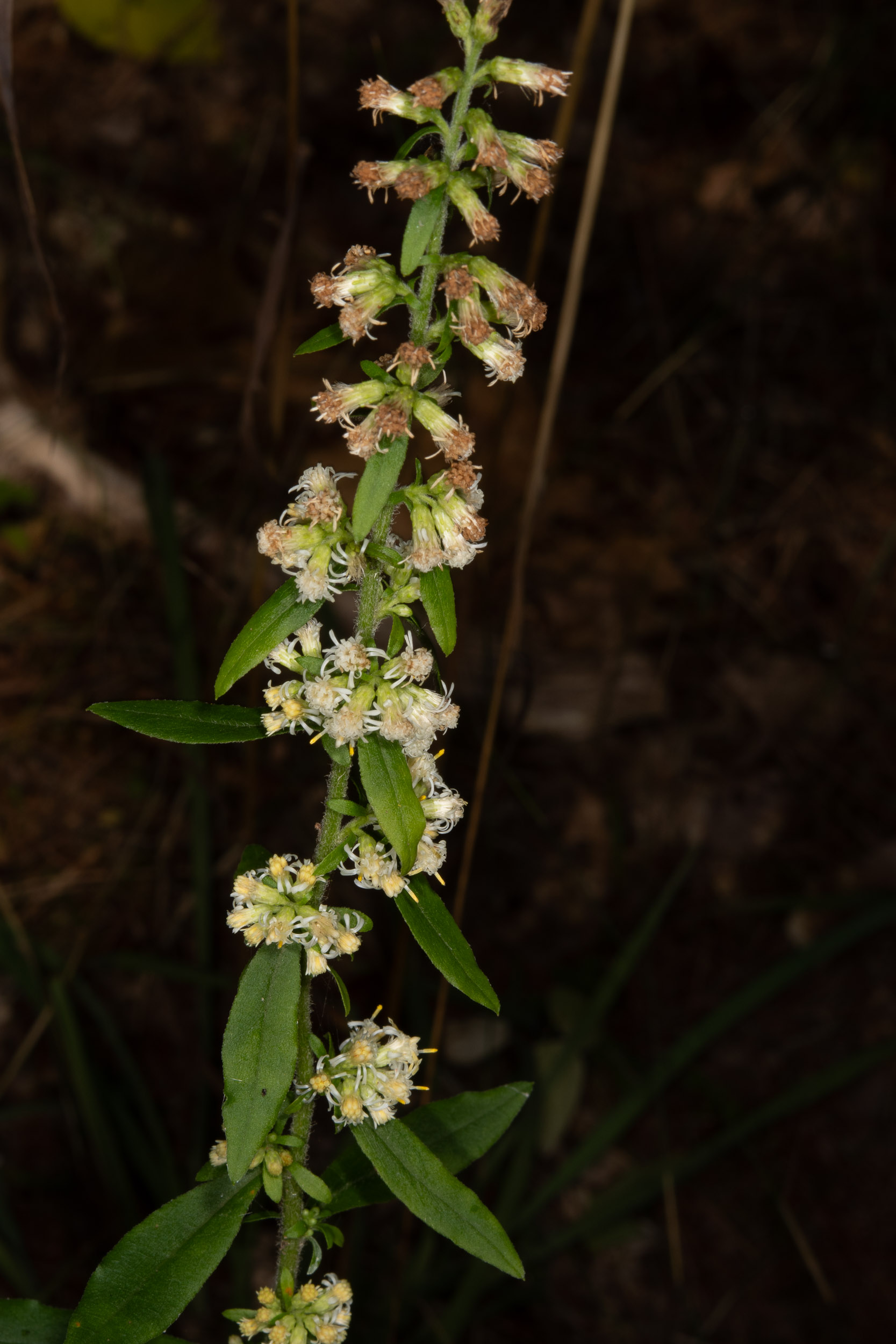
9/7/2020 · Calderwood Trails, Freeport, Maine · ≈ 4½ × 7″ (12 × 18 cm) 
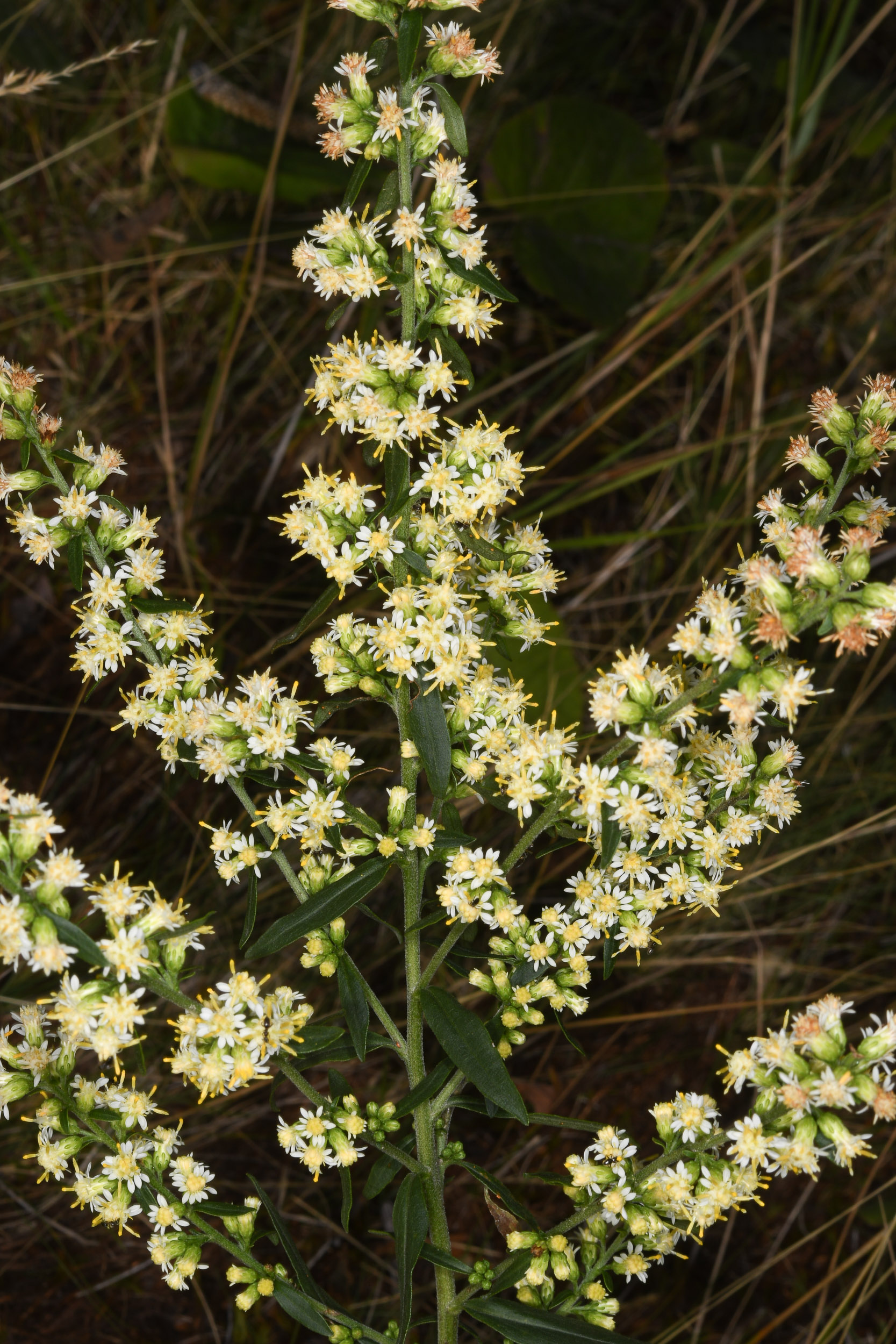
9/17/2016 · Mount Desert Island, Bar Harbor, Maine 

9/9/2010 · Pine Meadow Conservation Trust Land, Groton Harvard Road, Ayer, Massachusetts · ≈ 5 × 6″ (13 × 15 cm)  ID is uncertain
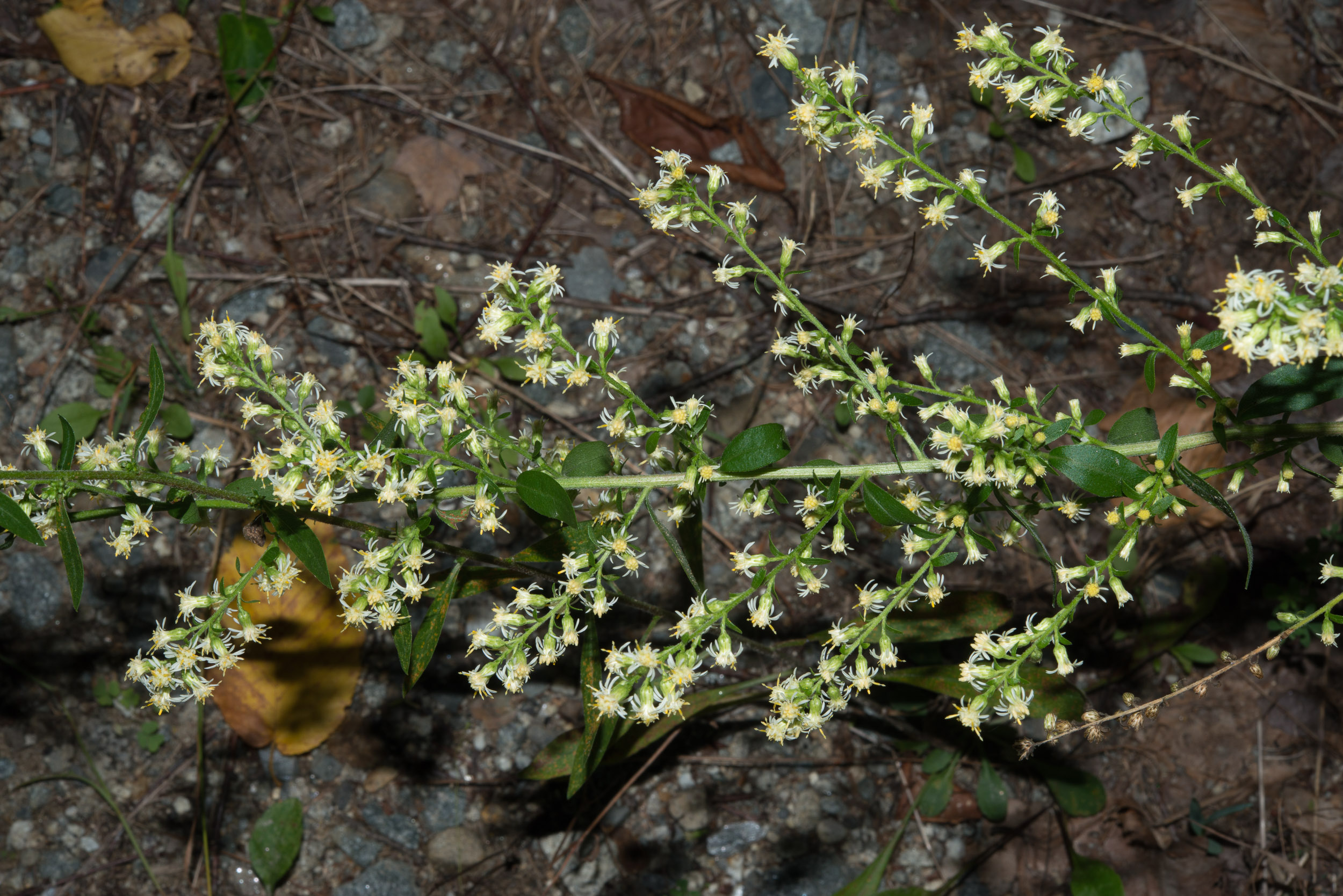
I don’t usually see them this big, but it is pretty common to see them tipped sideways like this. · 9/17/2013 · Andres Institute of Art, Big Bear Mountain, Brookline, New Hampshire · ≈ 12 × 8″ (31 × 21 cm) 
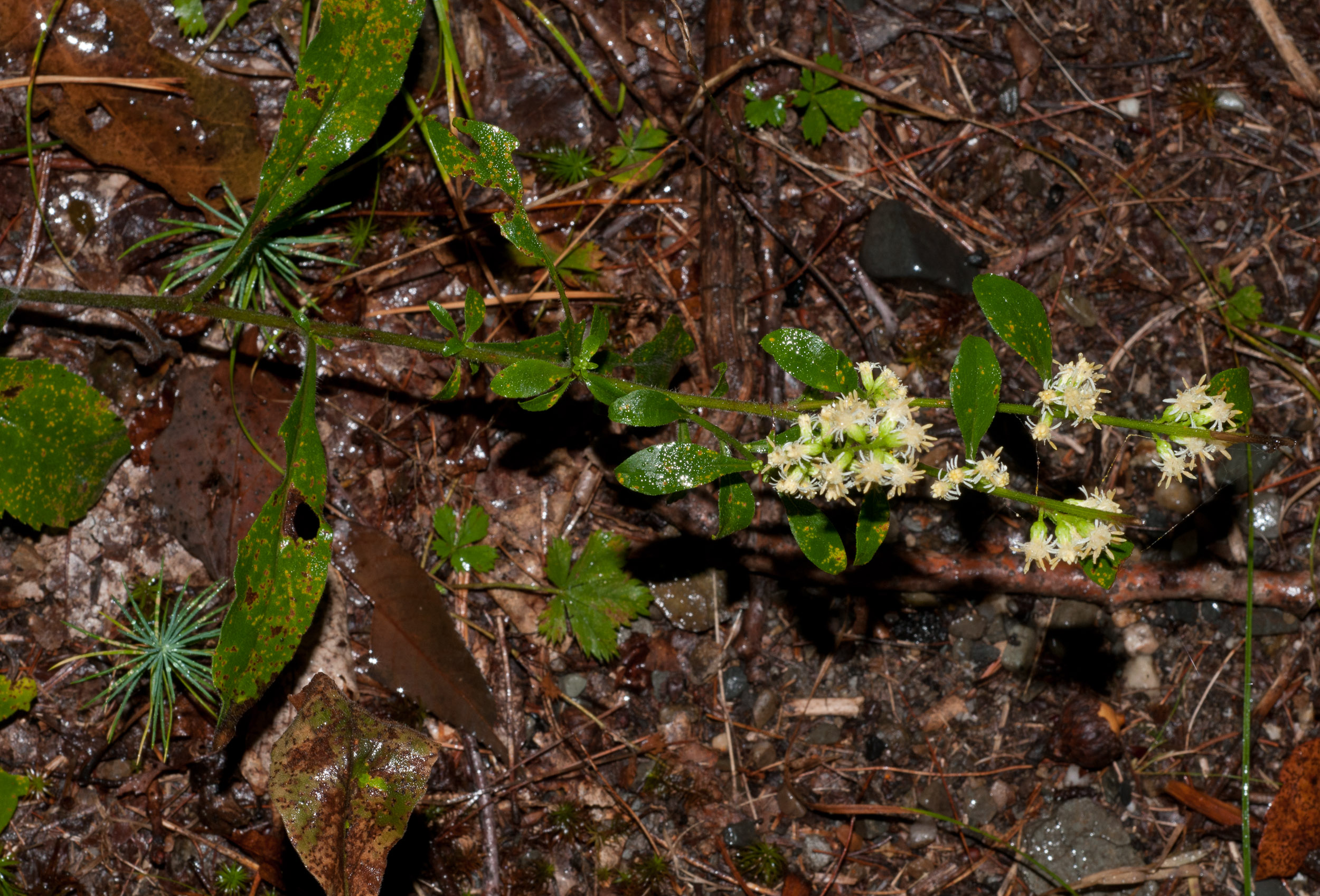
9/17/2010 · Nashua River Rail Trail, Groton, Massachusetts · ≈ 11 × 7″ (27 × 18 cm) 

9/13/2020 · Hidden Valley Nature Center, Jefferson, Maine · ≈ 10 × 15″ (26 × 39 cm) 
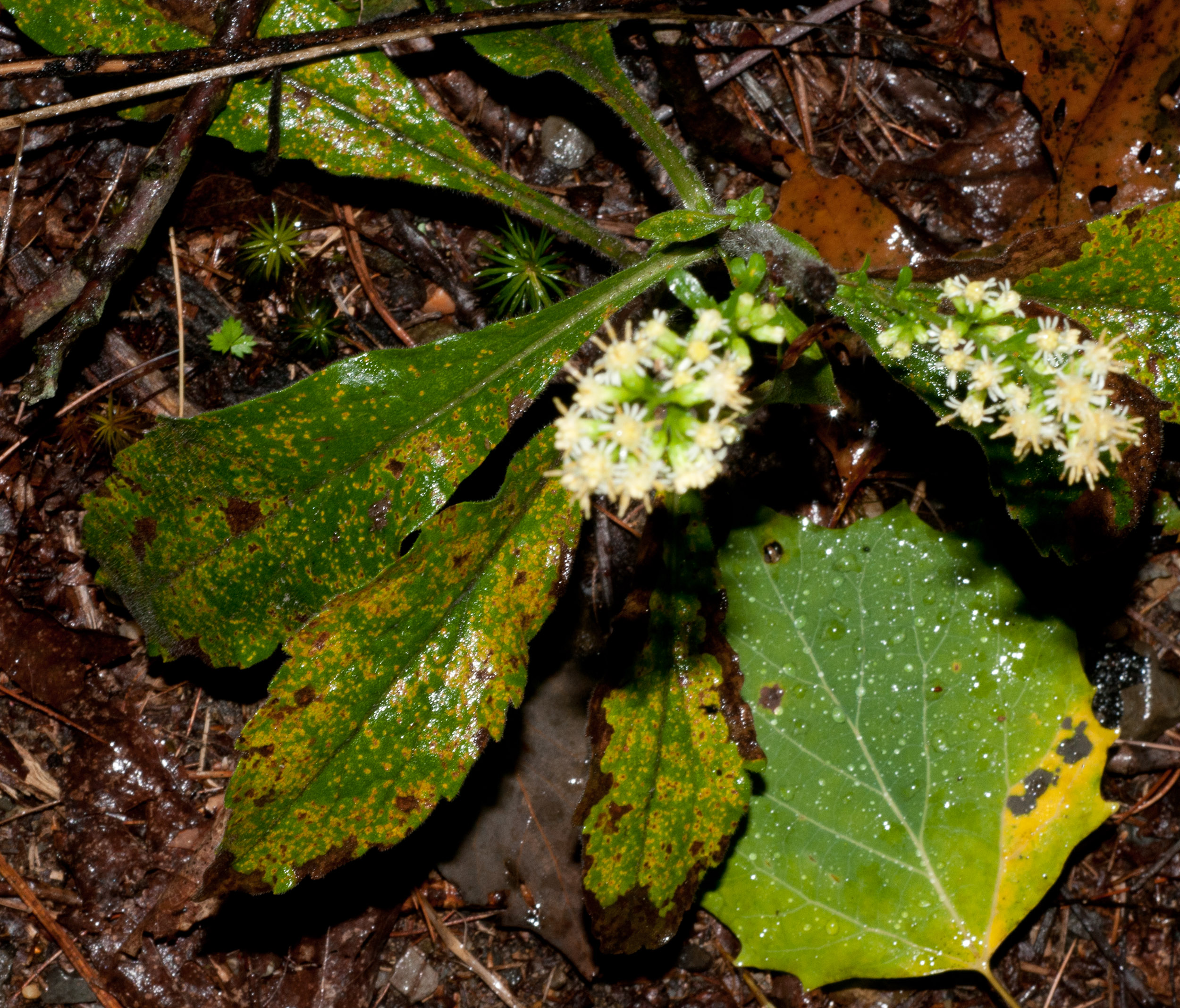
9/17/2010 · Nashua River Rail Trail, Groton, Massachusetts · ≈ 7 × 6″ (18 × 15 cm) 

8/16/2012 · Mt. Tom State Reservation, Dynamite Trail, Holyoke, Massachusetts · ≈ 4 × 4½″ (10 × 11 cm) 
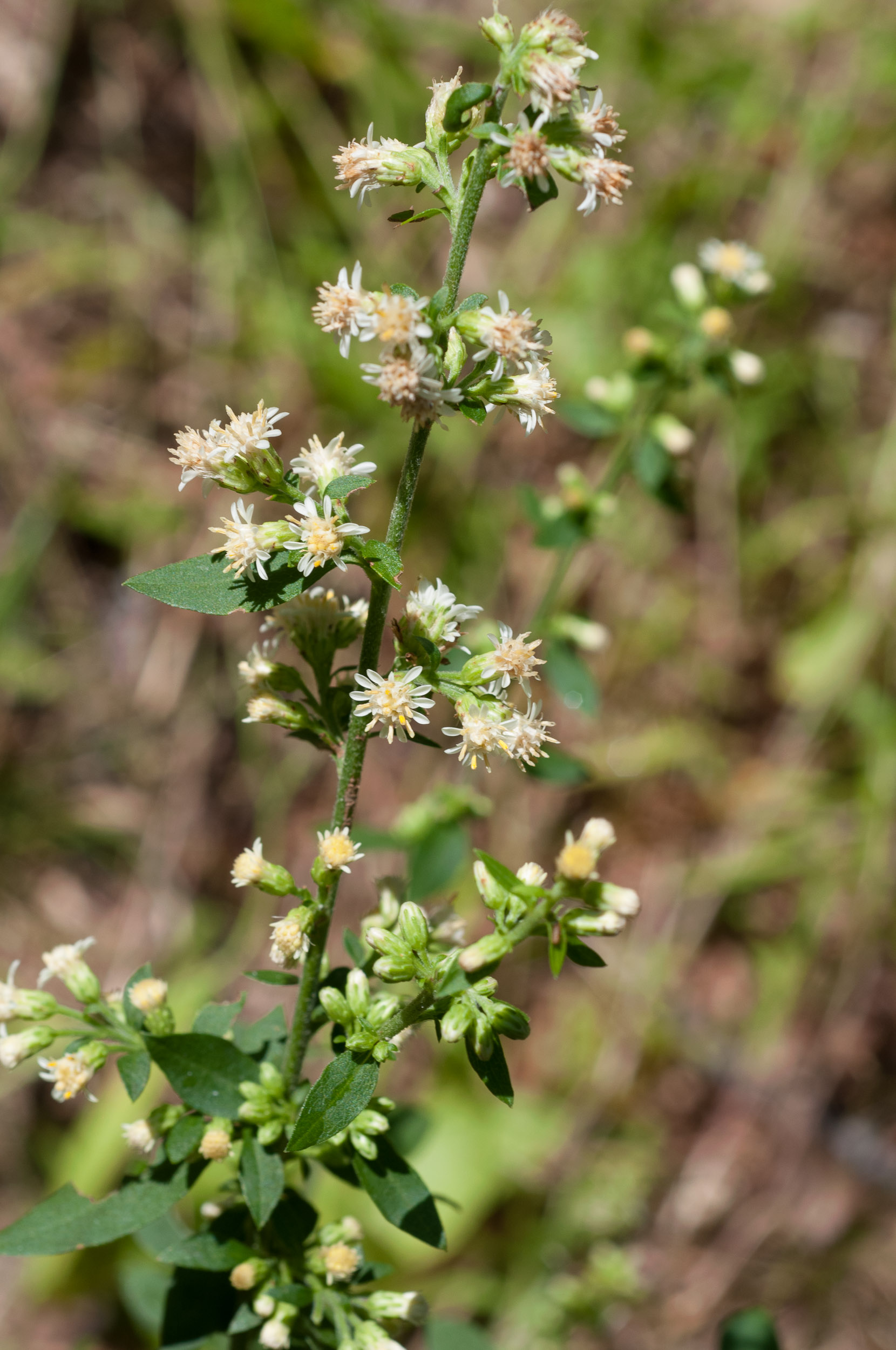
8/28/2012 · Nashua River Rail Trail, East Pepperell, Massachusetts · ≈ 7 × 4½″ (17 × 11 cm) 
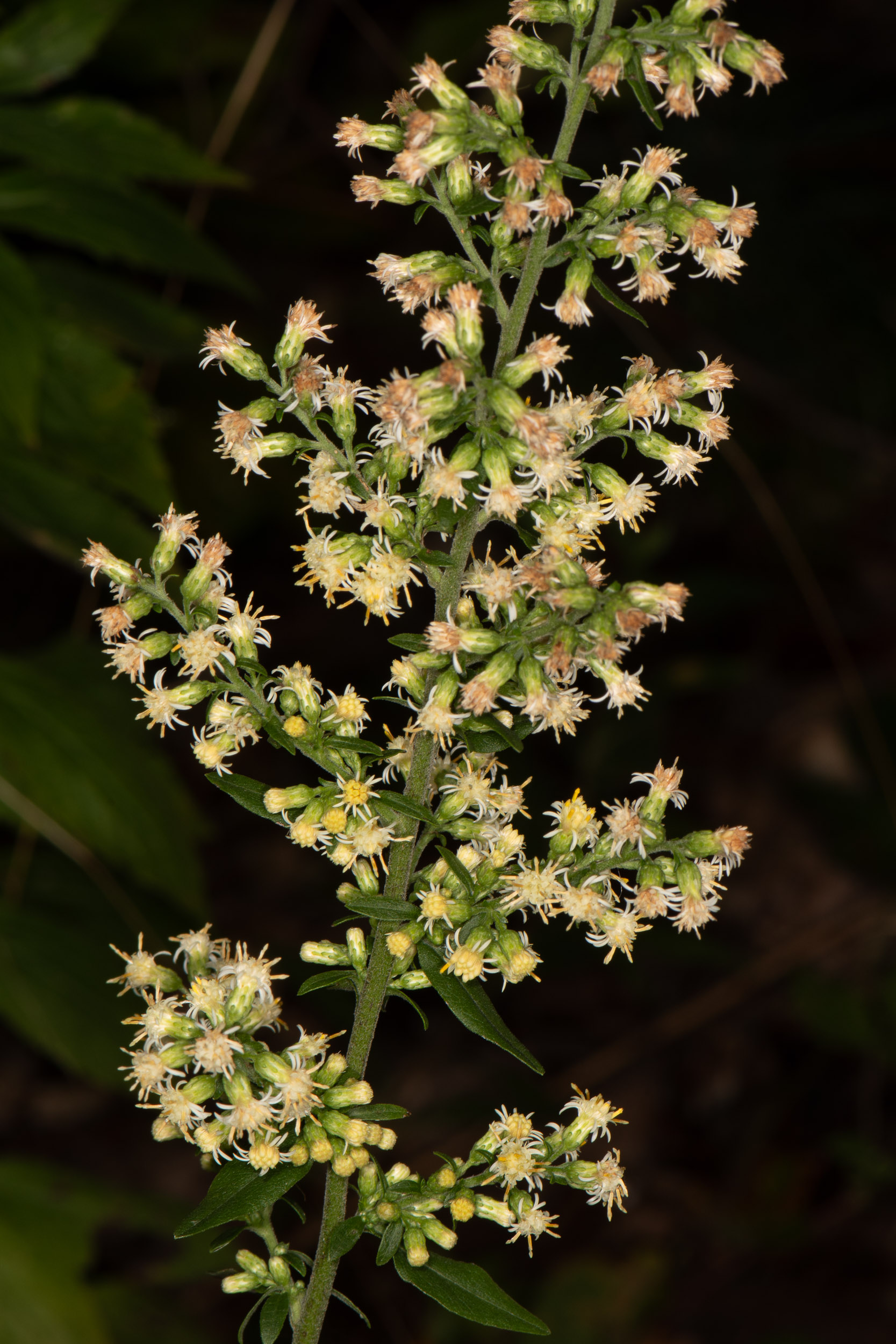
9/7/2021 · Tarbox Preserve, Topsham, Maine · ≈ 5 × 8″ (13 × 20 cm) 
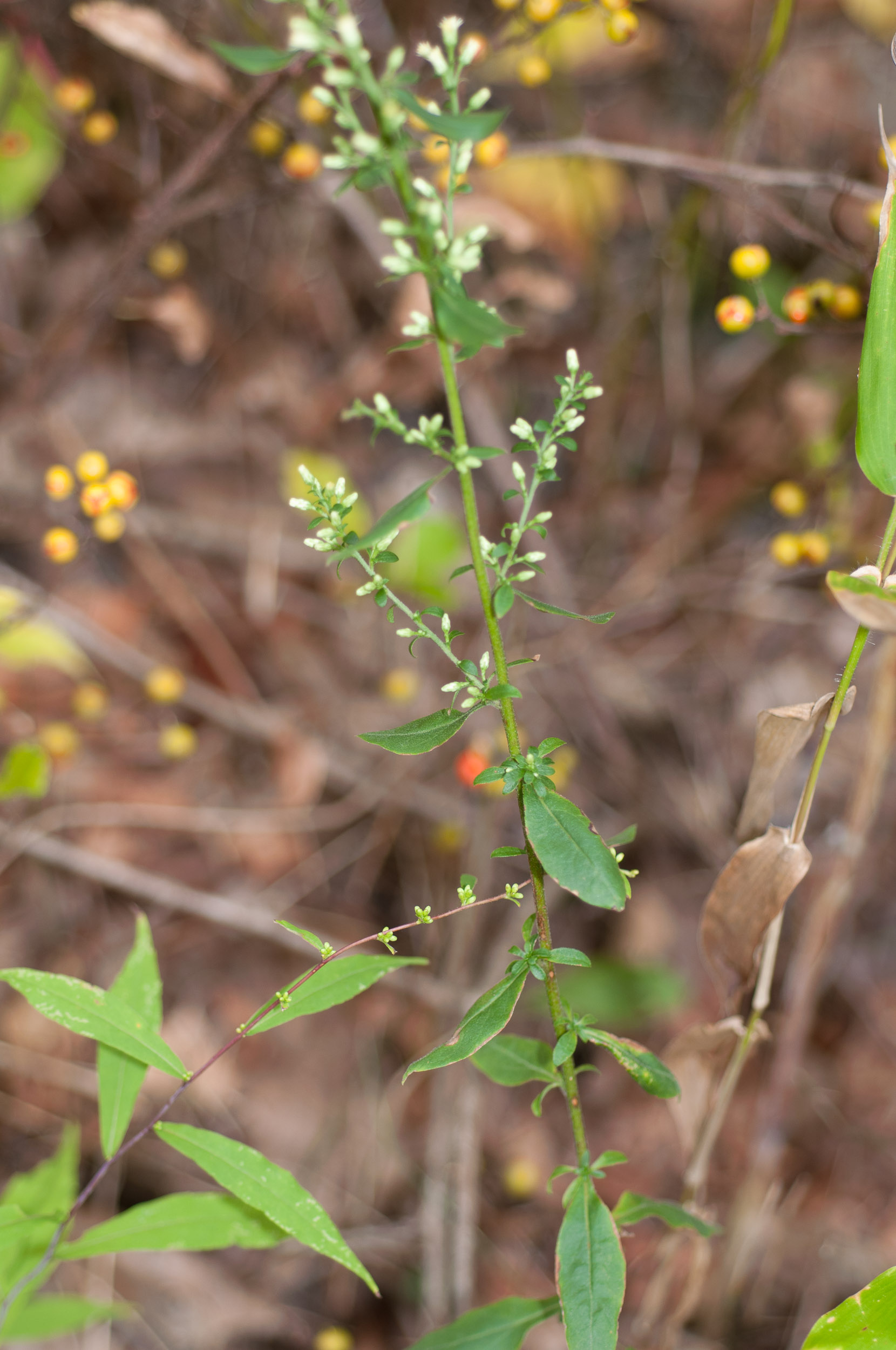
9/9/2010 · Pine Meadow Conservation Trust Land, Groton Harvard Road, Ayer, Massachusetts · ≈ 9 × 14″ (23 × 35 cm) ID is uncertain 
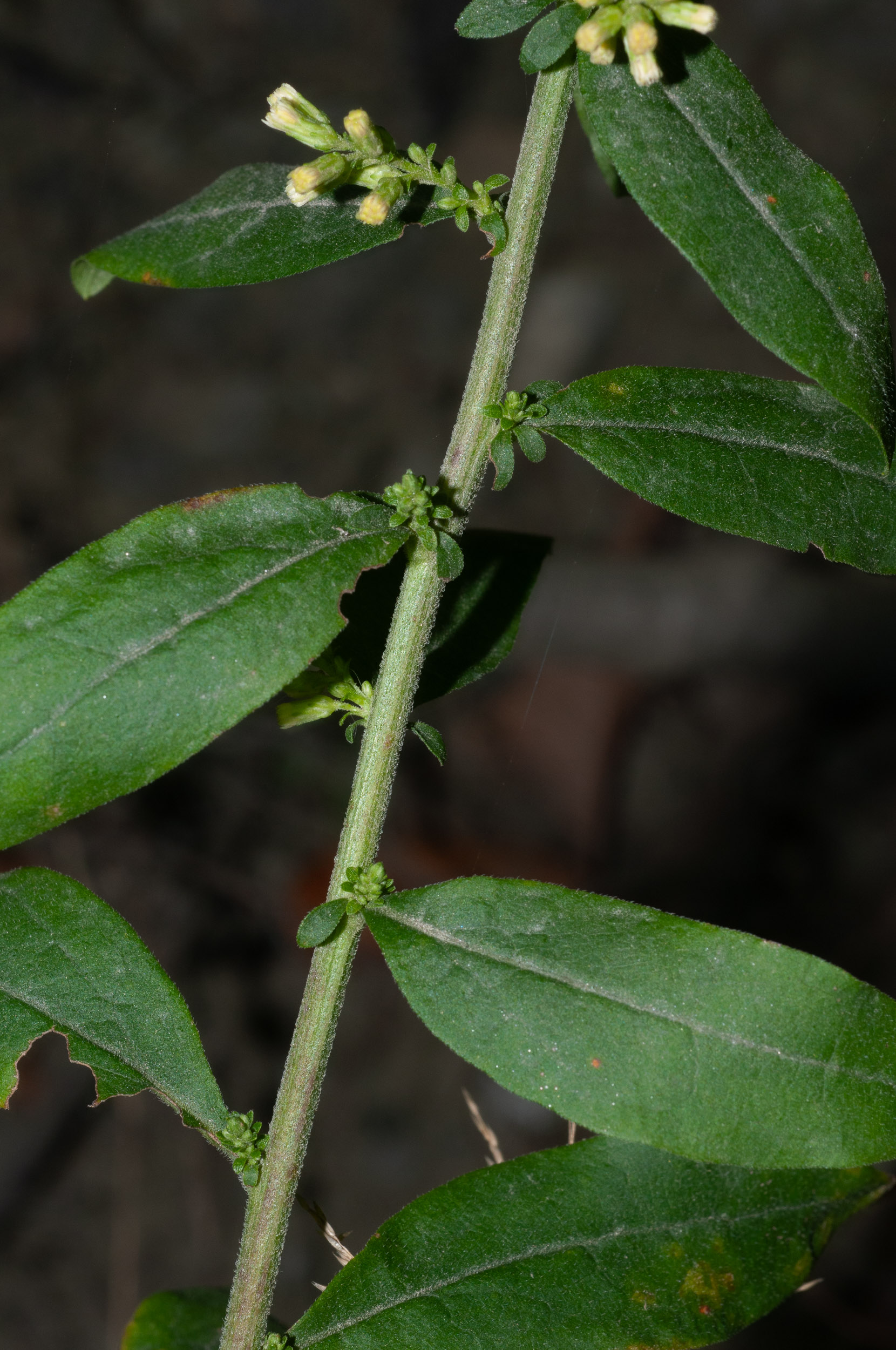
9/17/2012 · Blood Dragon Ravine, Jeff Smith Trail, Pepperell, Massachusetts · ≈ 5 × 3½″ (13 × 9.2 cm) 

9/24/2010 · Nissitissit River Wildlife Management Area, Pepperell, Massachusetts · ≈ 4½ × 3″ (11 × 7.9 cm) 
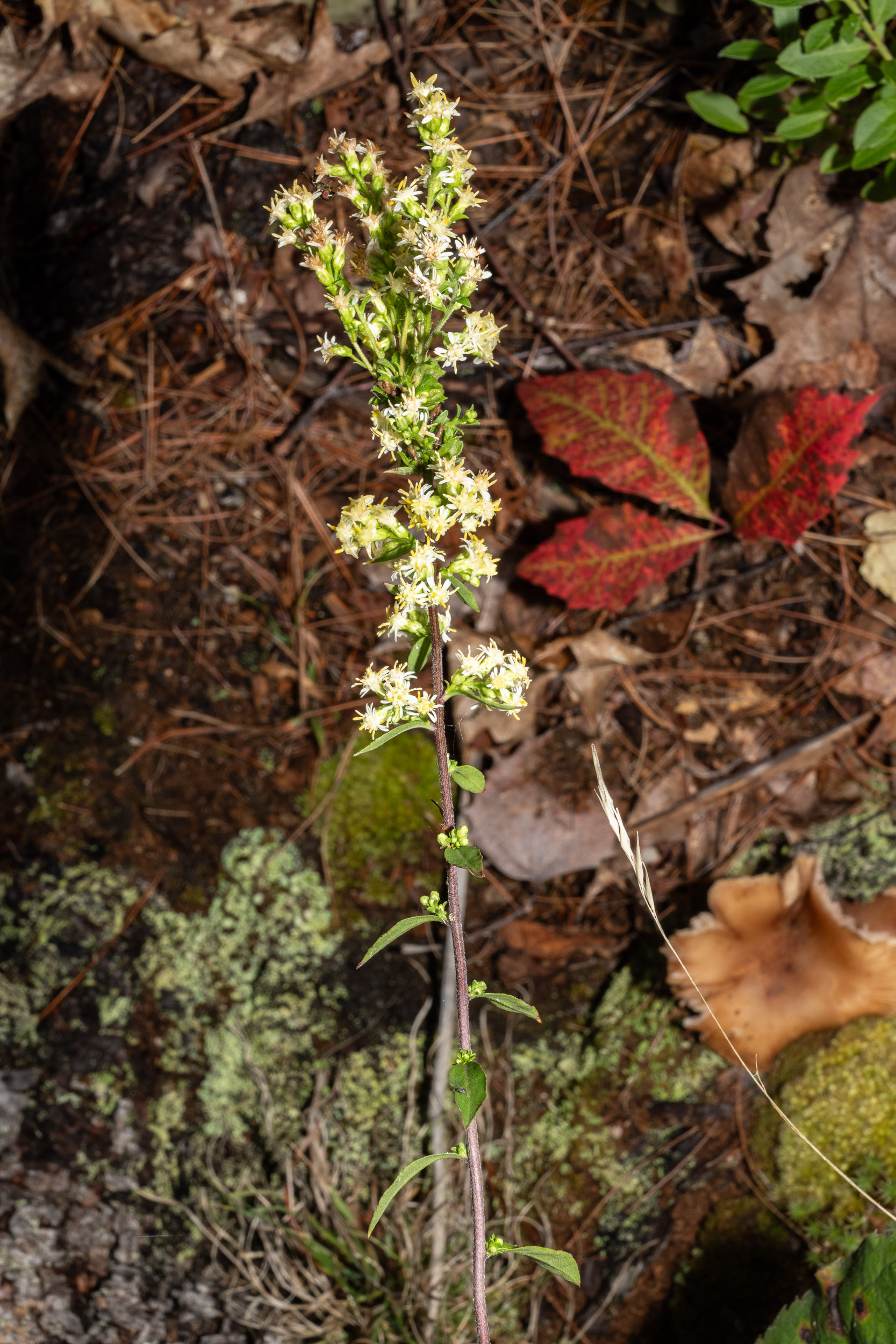
9/26/2025 · Camp, Standish, Maine · ≈ 8 × 11″ (19 × 28 cm) 
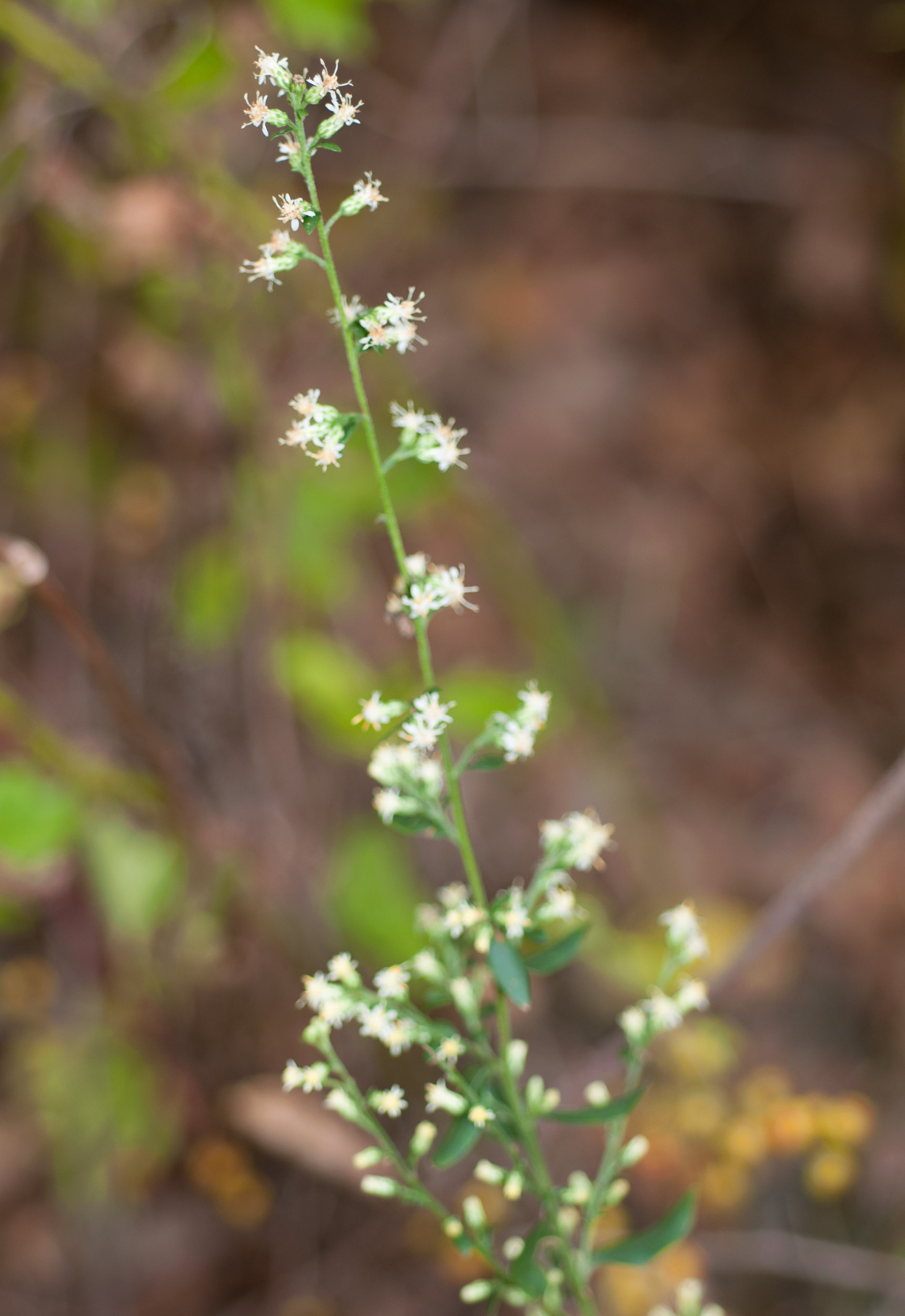
9/9/2010 · Pine Meadow Conservation Trust Land, Groton Harvard Road, Ayer, Massachusetts · ≈ 7 × 10″ (17 × 25 cm) ID is uncertain 
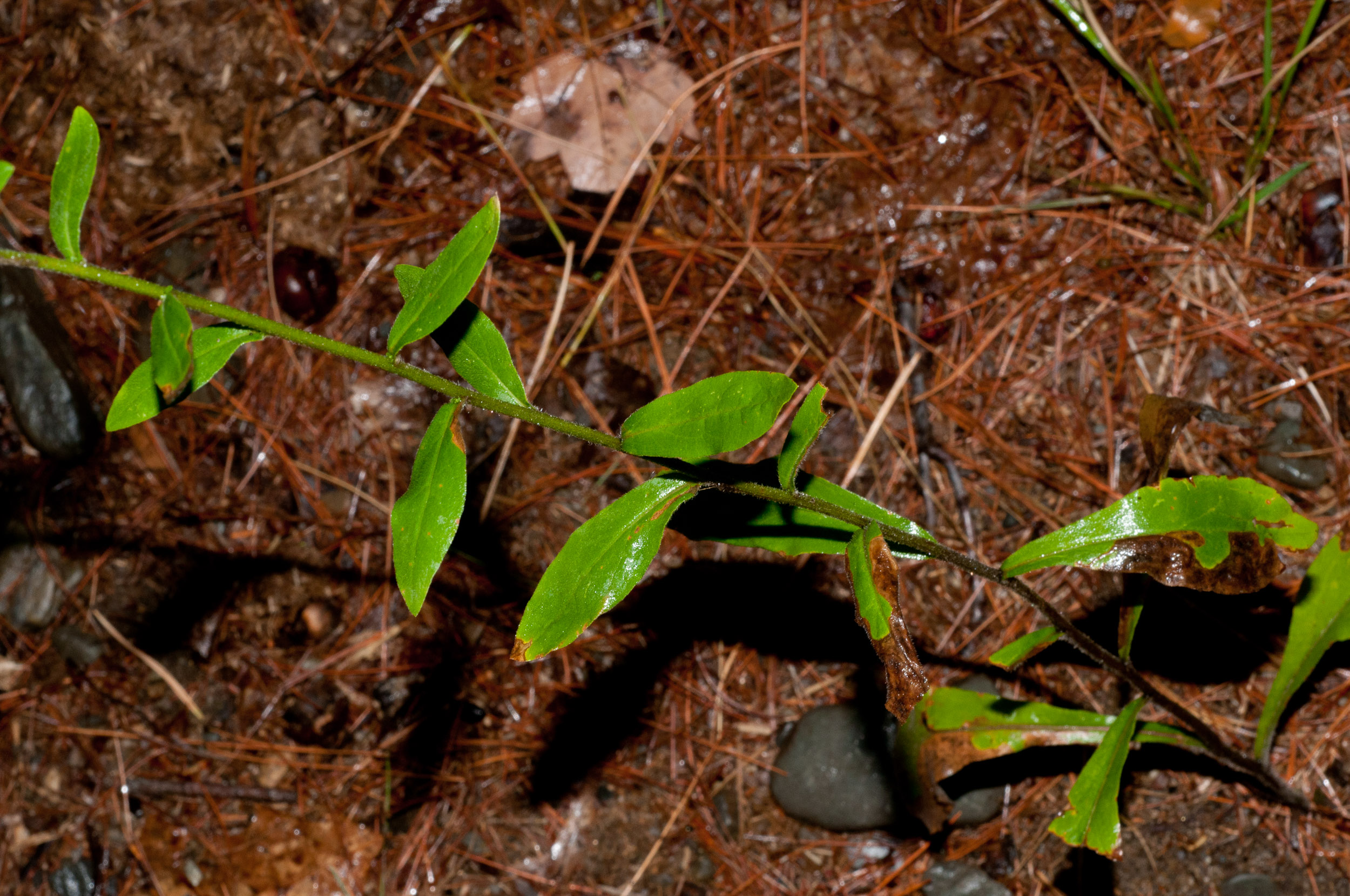
9/17/2010 · Nashua River Rail Trail, Groton, Massachusetts · ≈ 11 × 7″ (27 × 18 cm) 
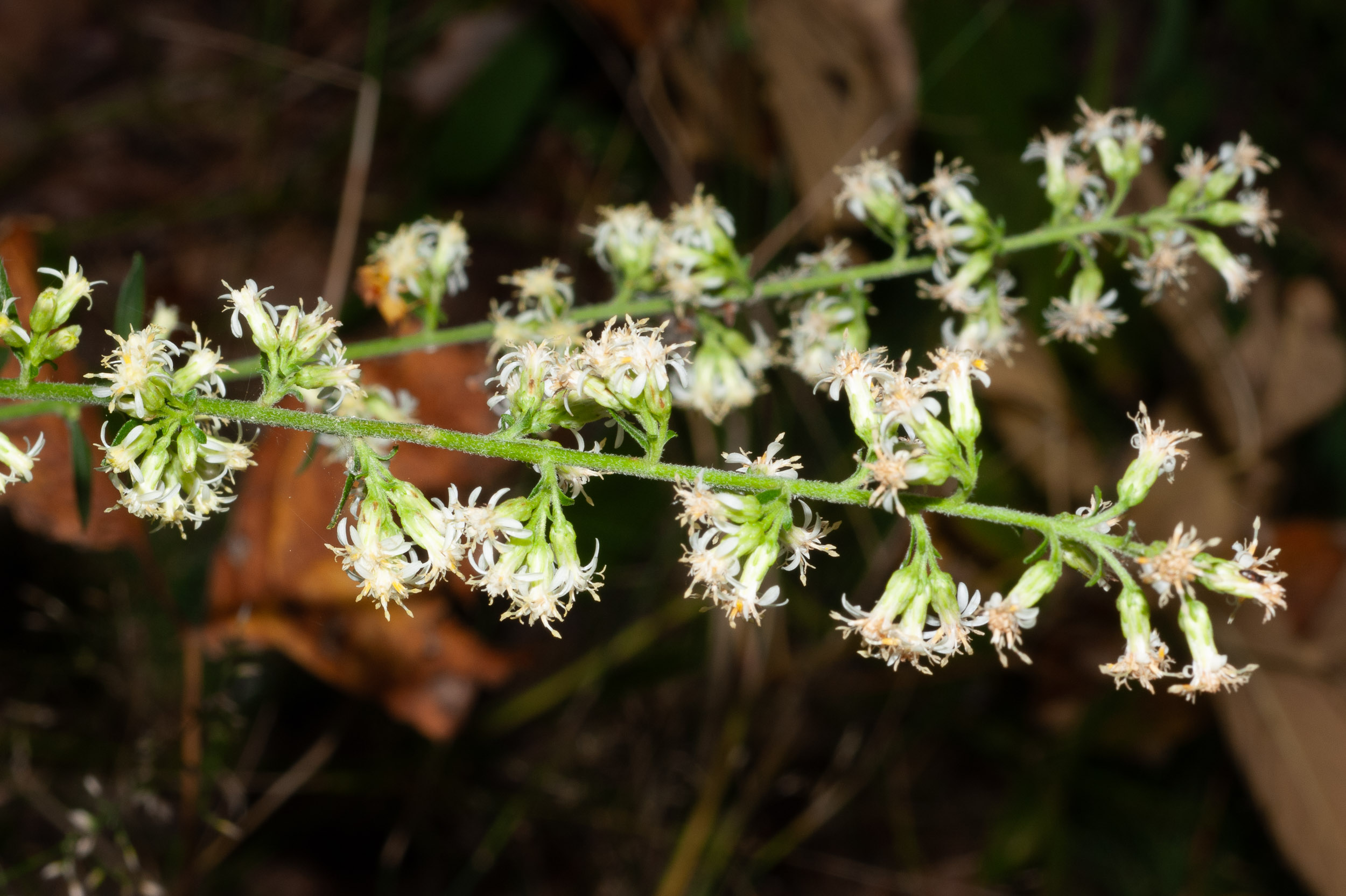
9/24/2010 · Nissitissit River Wildlife Management Area, Pepperell, Massachusetts · ≈ 6 × 4″ (16 × 10 cm) 

9/17/2010 · Nashua River Rail Trail, Groton, Massachusetts · ≈ 6 × 5″ (15 × 13 cm) 
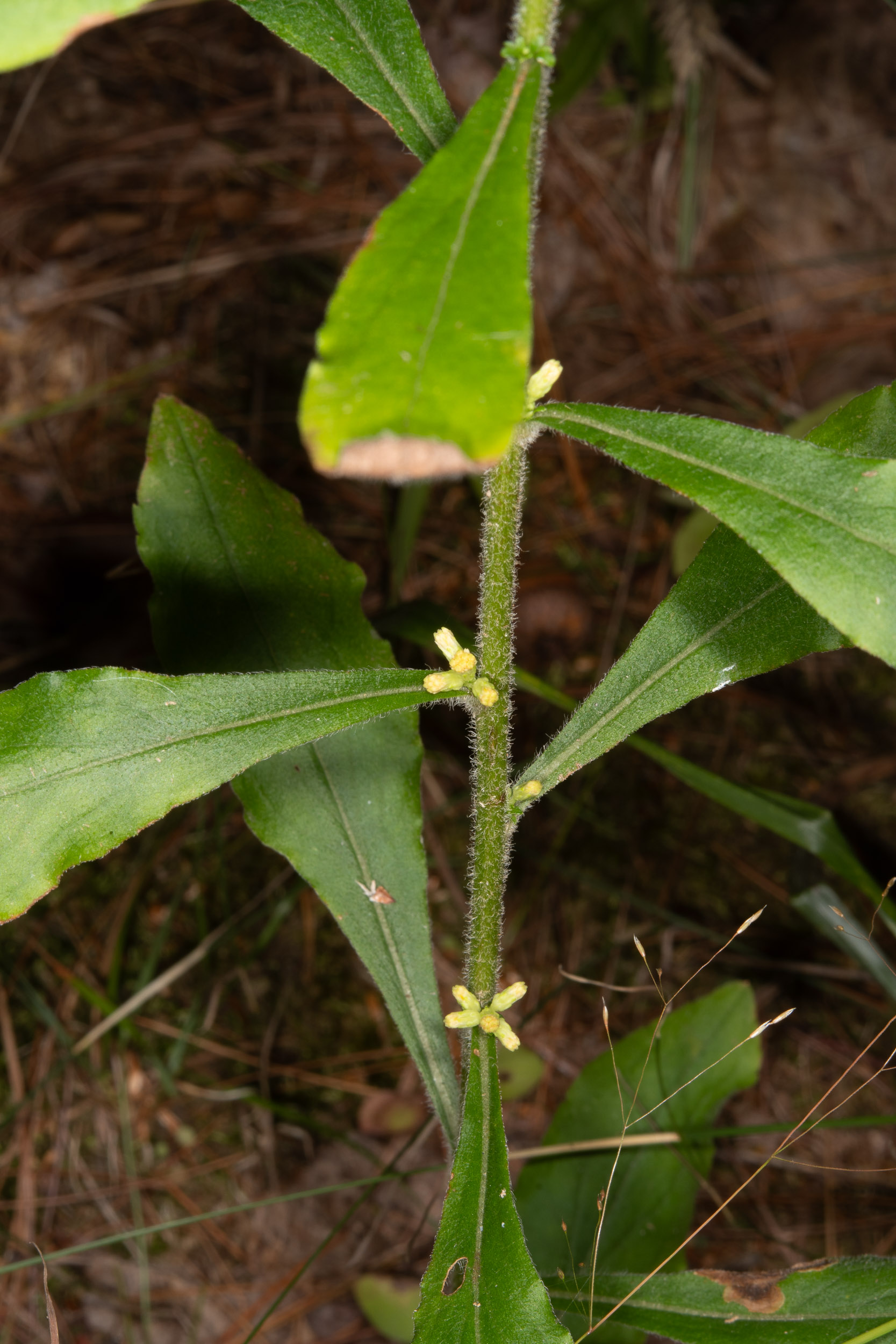
9/7/2020 · Calderwood Trails, Freeport, Maine · ≈ 4 × 6″ (11 × 16 cm) 

9/4/2013 · Amos Kendall Conservation Area, Dunstable, Massachusetts · ≈ 8 × 5″ (19 × 12 cm) 

9/16/2016 · Sieur de Monts Botanical Gardens, Bar Harbor, Maine 

8/16/2012 · Mt. Tom State Reservation, Dynamite Trail, Holyoke, Massachusetts · ≈ 5 × 8″ (13 × 19 cm) 
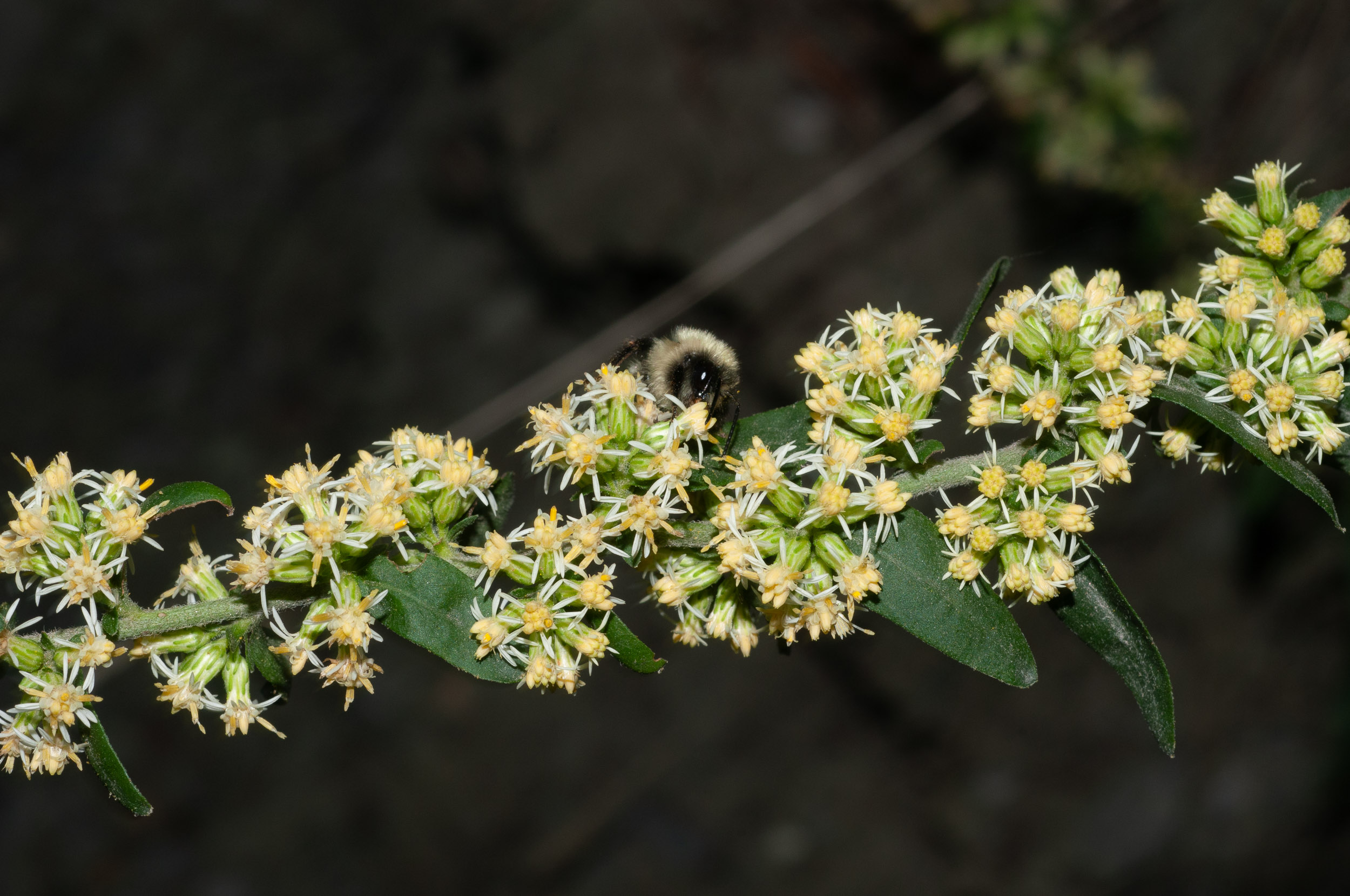
9/17/2012 · Blood Dragon Ravine, Jeff Smith Trail, Pepperell, Massachusetts · ≈ 6 × 4″ (15 × 10 cm) 

9/9/2010 · Pine Meadow Conservation Trust Land, Groton Harvard Road, Ayer, Massachusetts · ≈ 7 × 11″ (18 × 27 cm) ID is uncertain 

9/4/2013 · Amos Kendall Conservation Area, Dunstable, Massachusetts · ≈ 6 × 4½″ (15 × 12 cm) 
| Kingdom | Plantae | Plants, but not fungi, lichens, or algae (from Stearn's Botanical Latin) |
| Subkingdom | Tracheobionta | Vascular plants—plants with a “circulatory system” for delivering water and nutrients |
| Division | Magnoliophyta | Flowering plants, also known as angiosperms |
| Class | Magnoliopsida | Dicotyledons—plants with two initial seed leaves |
| Subclass | Asteridae | A large class that encompasses asters |
| Order | Asterales | Flowering plants with a central disk flower and surrounding petals, like daisies |
| Family | Asteraceae | The aster family, which also includes daisies and sunflowers; from the Greek ἀστήρ, “star,” for the star-shaped flowers |
| Genus | Solidago | From Latin solido, “to make whole or heal,” because it was believed these species had healing properties |
| Species | bicolor | “Two-colored” |

Solidago bicolor description by Thomas H. Kent, not updated.

© FloraFinder.org. All rights reserved.