Solidago juncea Aiton var. ramosa Porter & Britton
Solidago juncea Aiton
Early goldenrod
Early goldenrods are natives of North America. For a comparison chart of some of the varieties of goldenrods, see Solidago.
Plants: Up to 1½–4′ (45–121 cm) high. The main stem is stiff (the species juncea means “stiff like a rush”), hairless and green or reddish, with small vertical ridges.
Leaves: Basal leaves are sharply serrated, but leaves on the upper half of the stem usually lack serrations. They are alternate, up to 8 ⨉ 1½″ (20 ⨉ 3.8 cm) at the base, lance-shaped (”lanceolate”) or ovate or somewhere in between, and hairless or with tiny hairs just along the margins. Leaves have a single prominent vein, rather than the three parallel veins present in some goldenrods.
Flowers: Flowerheads bend to the left and right, branching heavily. Each composite flower is less than ¼″ (6.3 mm) around, with 7-12 ray florets and 8-15 disc florets. They bloom from June to September.
Fruits: Flowers become small spherical arrangements of seeds on “parachutes,” called cypselae, like dandilions gone to seed. The cypselae are ~1/32″ (0.9–1.5 mm) in diameter.
Habitats: Dry open woods, rocky banks, roadsides; acid soils.
Edibility: Not edible.
Online References:
References:

8/24/2013 · Cranberry Meadow Pond Trail, Monadnock Conservancy, Peterborough, New Hampshire · ≈ 7 × 4½″ (18 × 12 cm) 
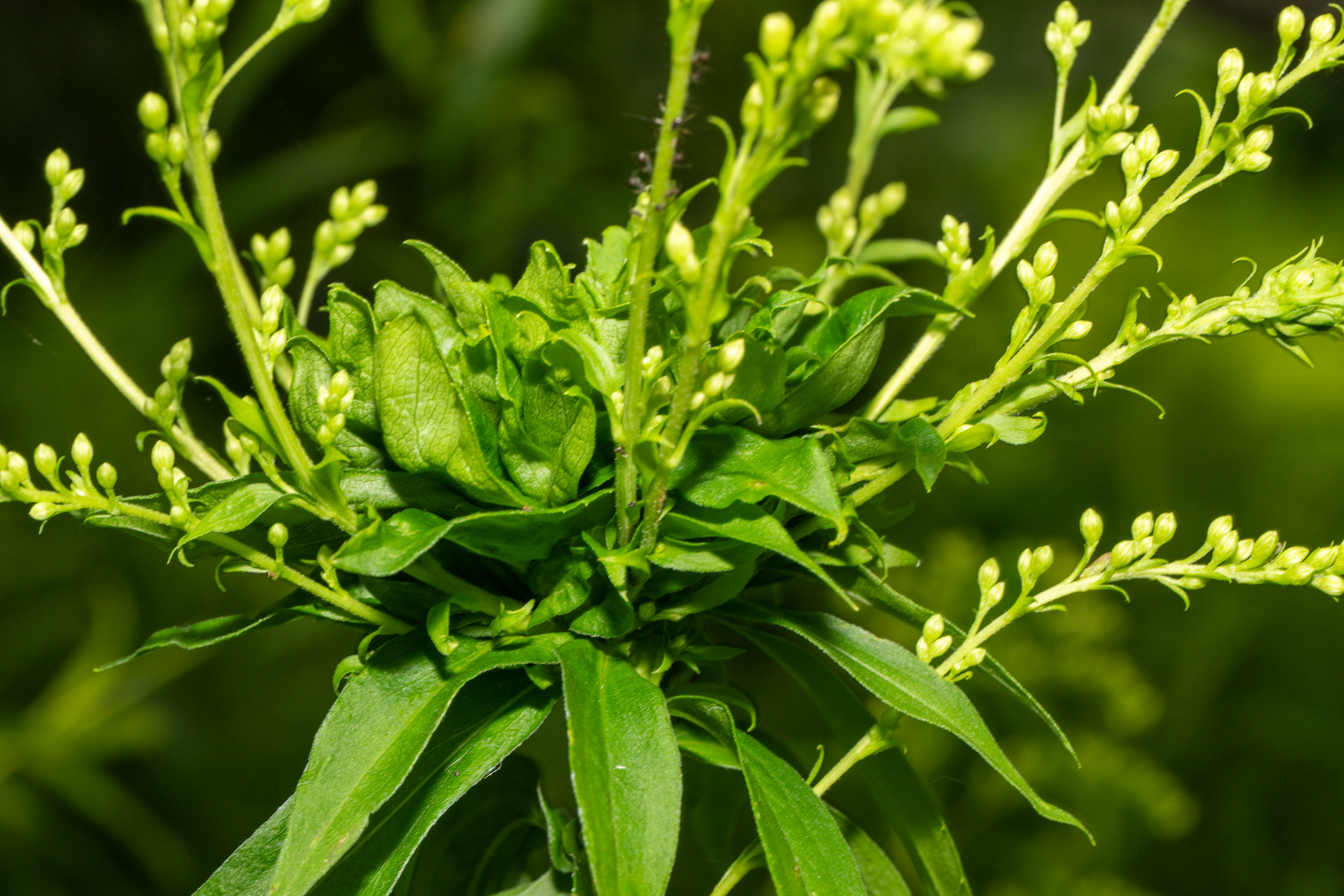
7/25/2025 · River Point Conservation Area, Falmouth, Maine · ≈ 6 × 4″ (16 × 10 cm) 
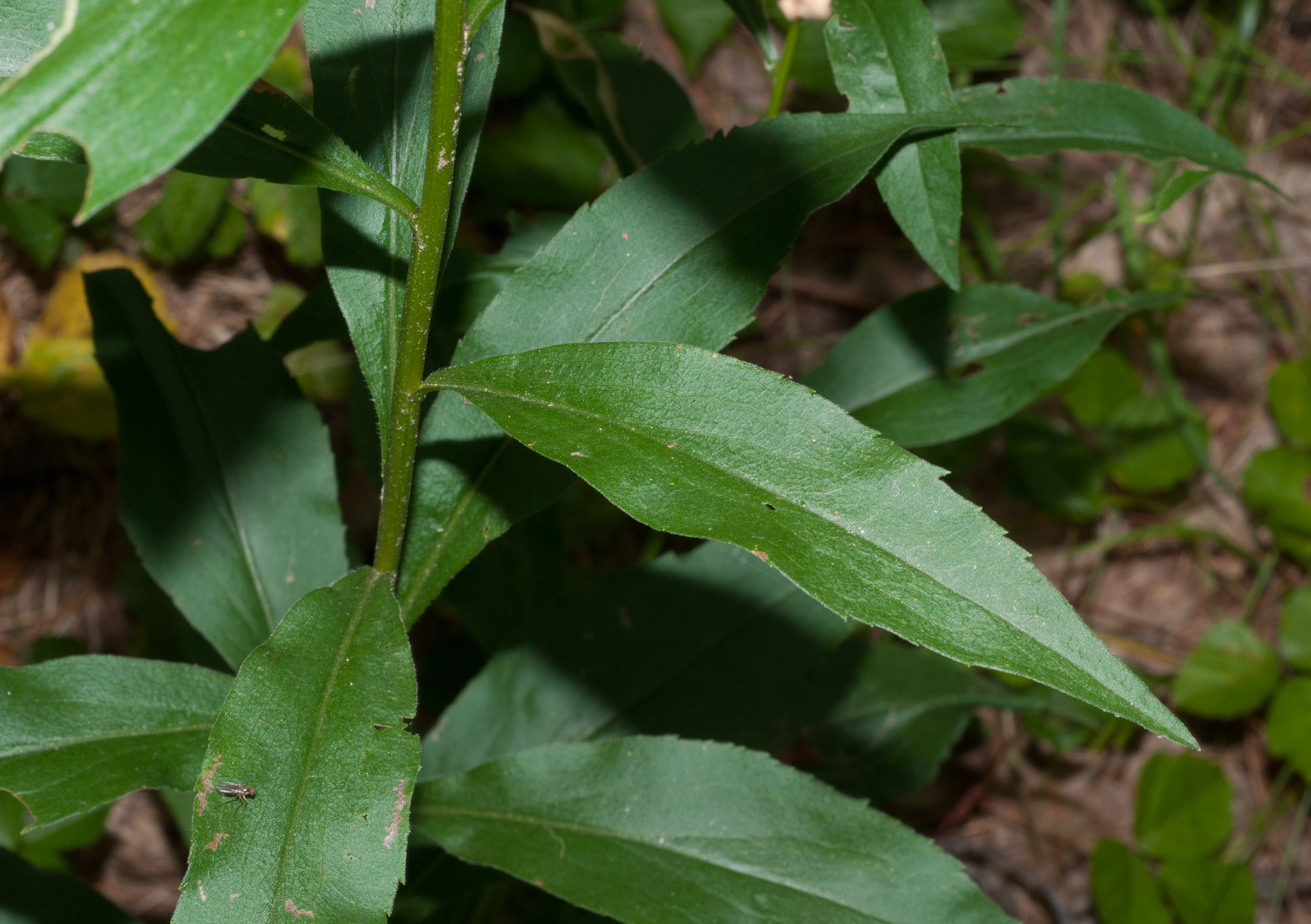
7/20/2012 · J. Harry Rich Dirt Road, Groton, Massachusetts · ≈ 8 × 6″ (20 × 14 cm)  ID is uncertain

7/25/2025 · River Point Conservation Area, Falmouth, Maine · ≈ 8 × 5″ (19 × 12 cm) 

7/20/2012 · J. Harry Rich Dirt Road, Groton, Massachusetts · ≈ 4 × 4″ (11 × 10 cm) ID is uncertain 
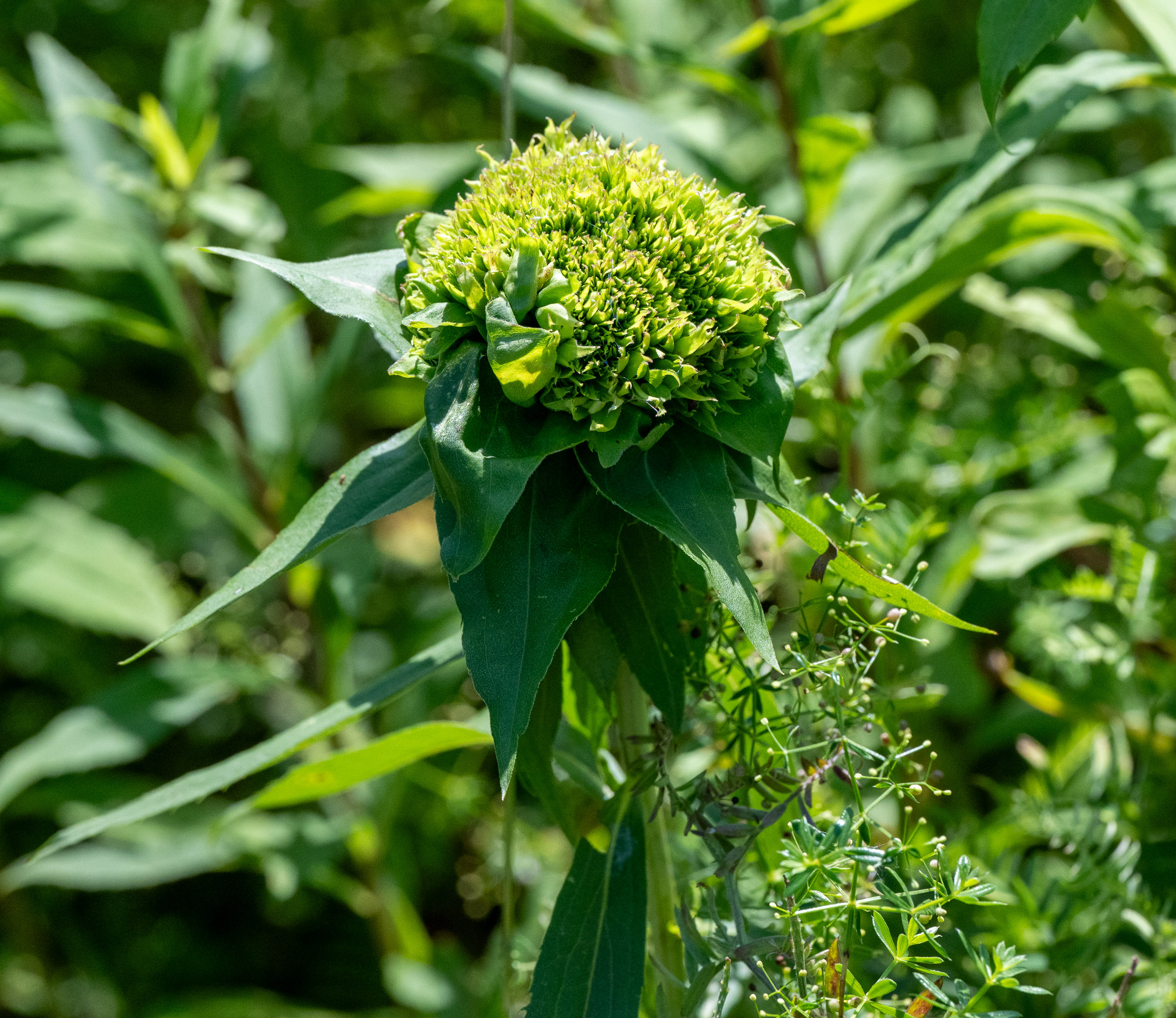
7/26/2025 · River Point Conservation Area, Falmouth, Maine · ≈ 6 × 6″ (16 × 14 cm) 

8/11/2010 · Nashua River Rail Trail, Groton Center, Groton, Massachusetts · ≈ 5 × 3½″ (13 × 9.2 cm) ID is uncertain 

7/20/2012 · J. Harry Rich Dirt Road, Groton, Massachusetts · ≈ 9 × 7″ (22 × 17 cm) ID is uncertain 
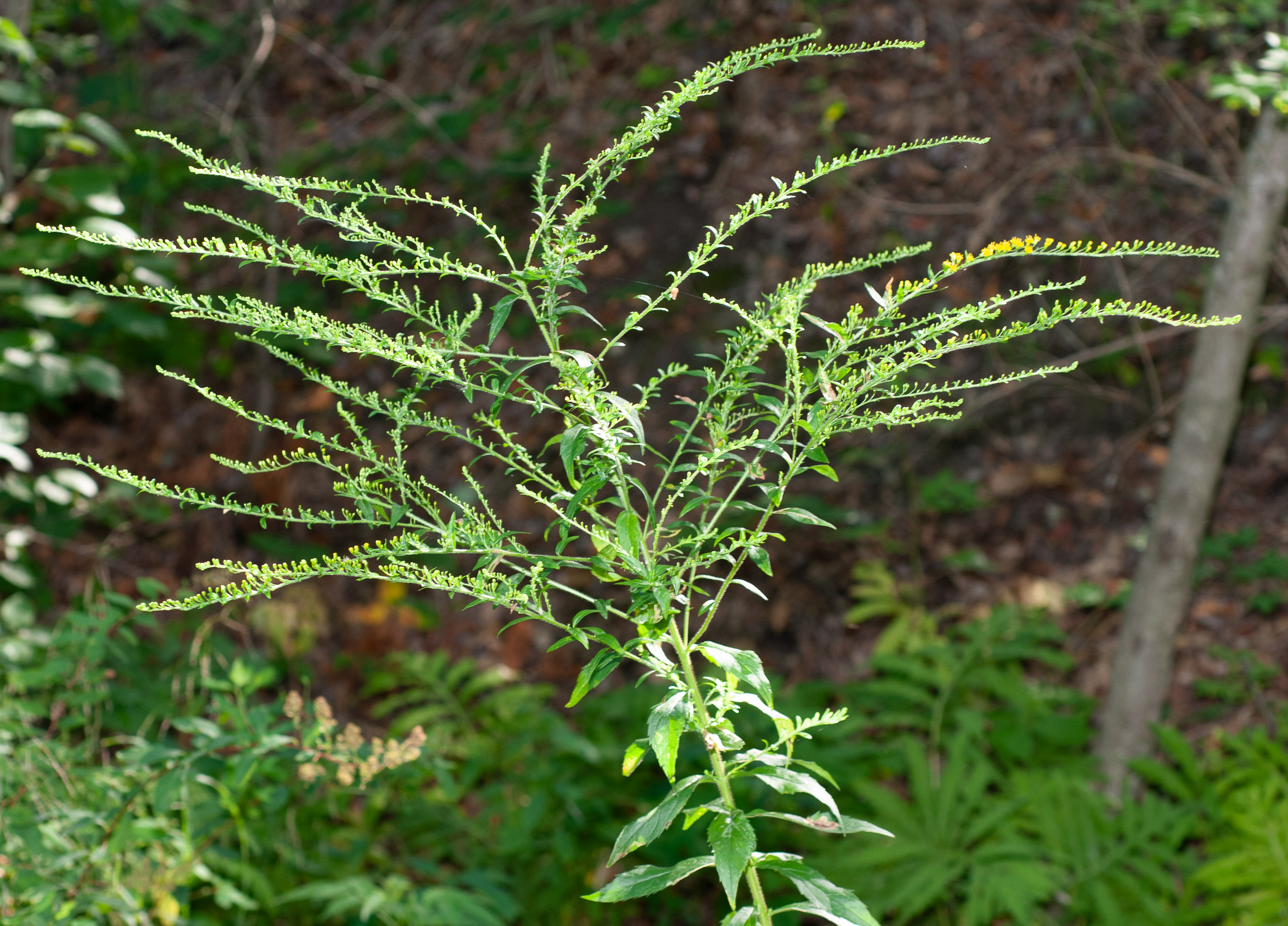
8/11/2010 · Nashua River Rail Trail, Groton Center, Groton, Massachusetts ID is uncertain 

8/24/2013 · Cranberry Meadow Pond Trail, Monadnock Conservancy, Peterborough, New Hampshire · ≈ 8 × 5″ (19 × 13 cm) 

8/24/2013 · Cranberry Meadow Pond Trail, Monadnock Conservancy, Peterborough, New Hampshire · ≈ 7 × 4½″ (17 × 12 cm) 

8/24/2013 · Cranberry Meadow Pond Trail, Monadnock Conservancy, Peterborough, New Hampshire · ≈ 5 × 8″ (13 × 19 cm) 
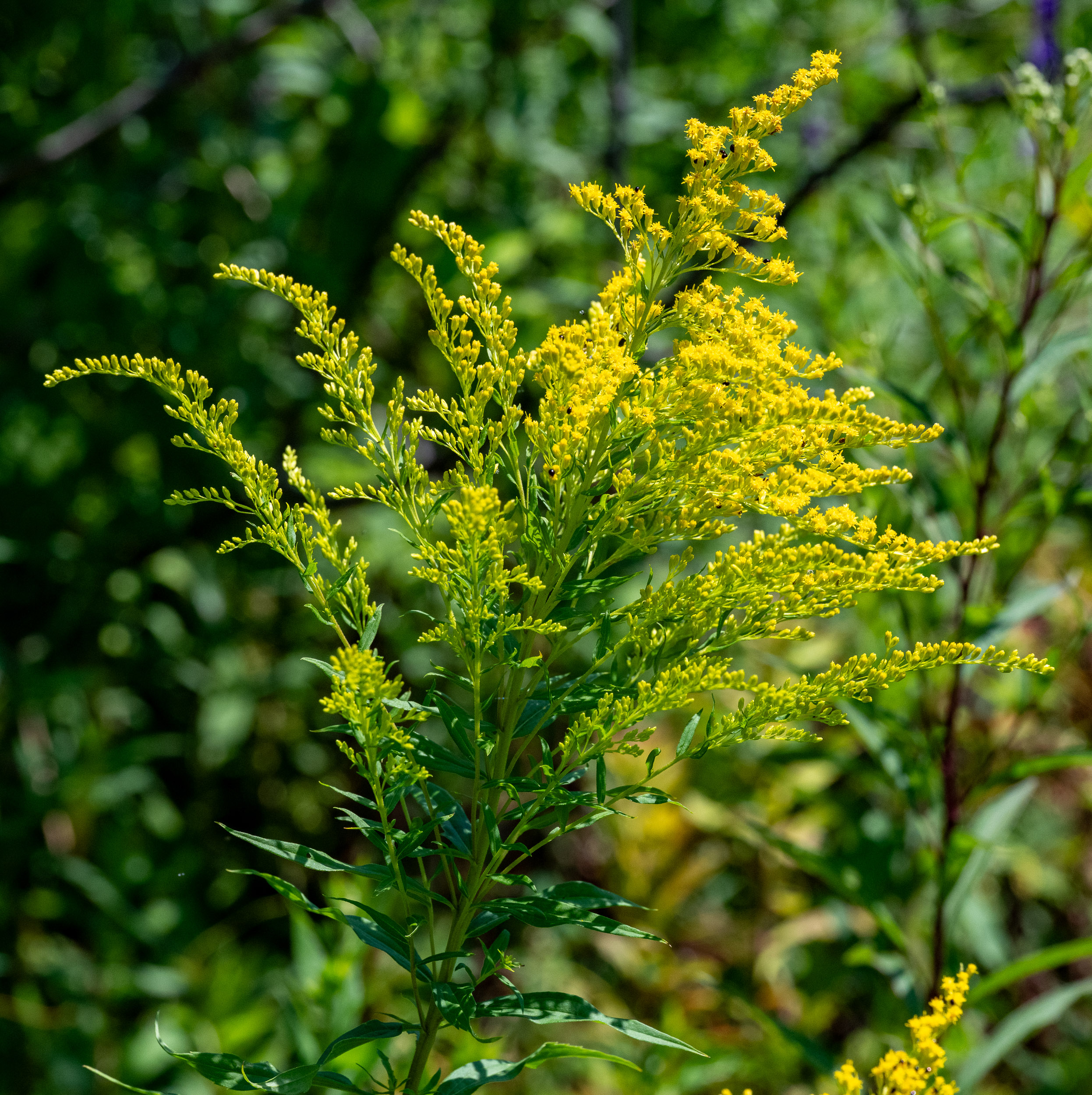
7/26/2025 · River Point Conservation Area, Falmouth, Maine · ≈ 10 × 10″ (25 × 25 cm) 

8/24/2013 · Cranberry Meadow Pond Trail, Monadnock Conservancy, Peterborough, New Hampshire · ≈ 7 × 4½″ (18 × 12 cm) 
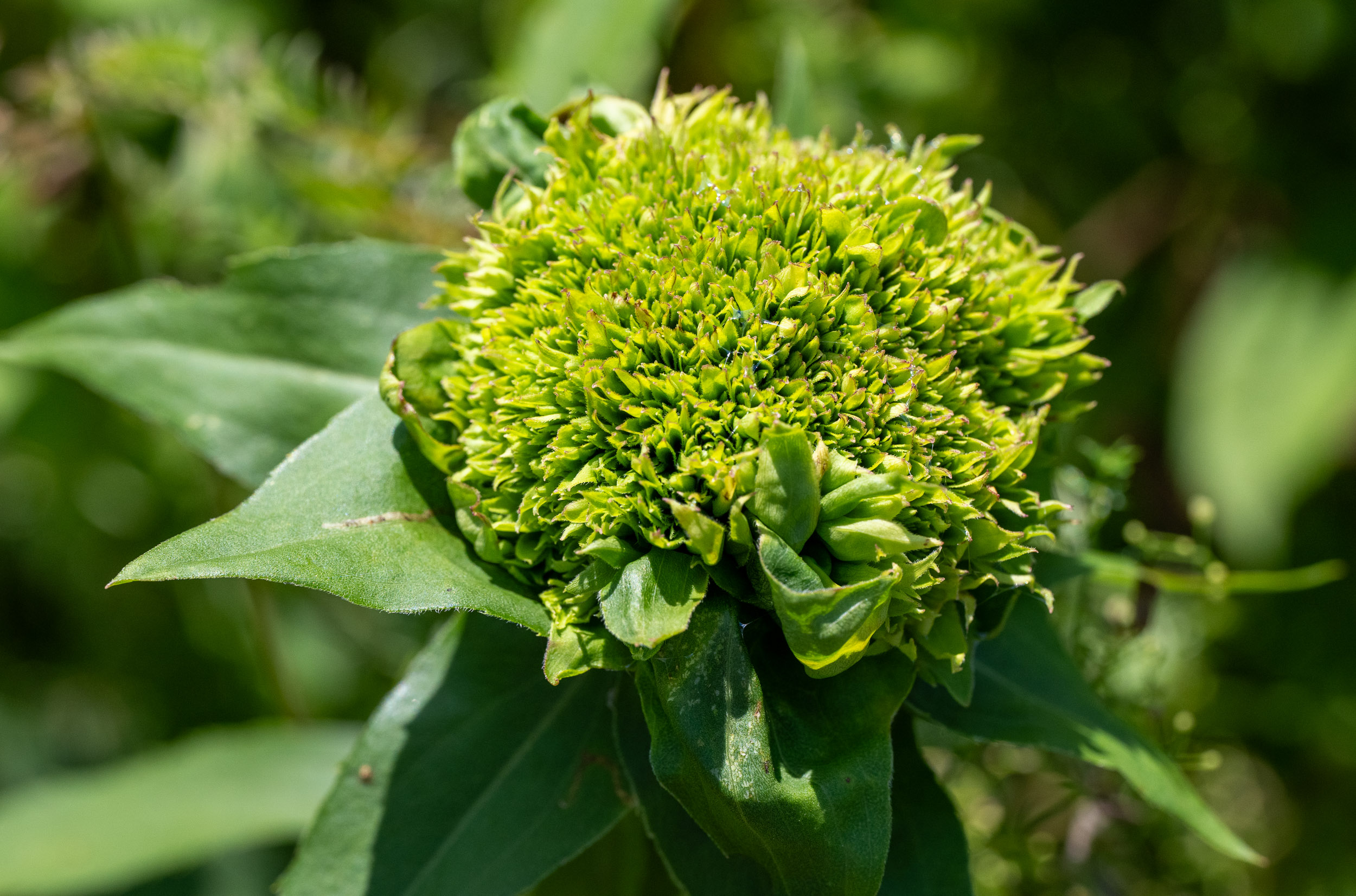
7/26/2025 · River Point Conservation Area, Falmouth, Maine · ≈ 6 × 3½″ (14 × 9.6 cm) 

8/24/2013 · Cranberry Meadow Pond Trail, Monadnock Conservancy, Peterborough, New Hampshire · ≈ 8 × 5″ (19 × 12 cm) 
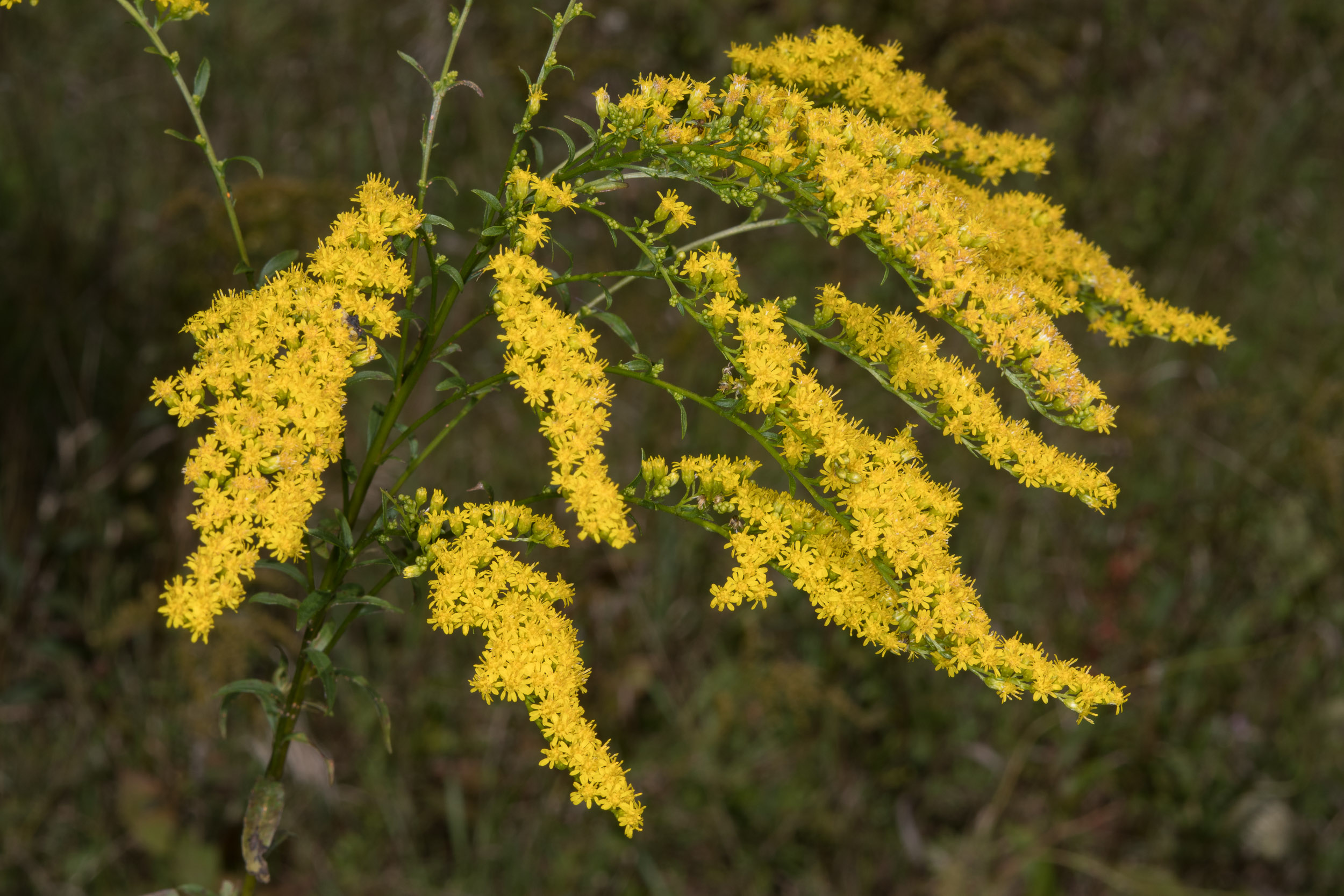
9/2/2017 · Rocky Ridge Trail, Beaver Brook Conservation Area, Hollis, New Hampshire · ≈ 10 × 6″ (24 × 16 cm) 

8/1/2009 · Gordon & Kathy’s, Prospect, Maine 
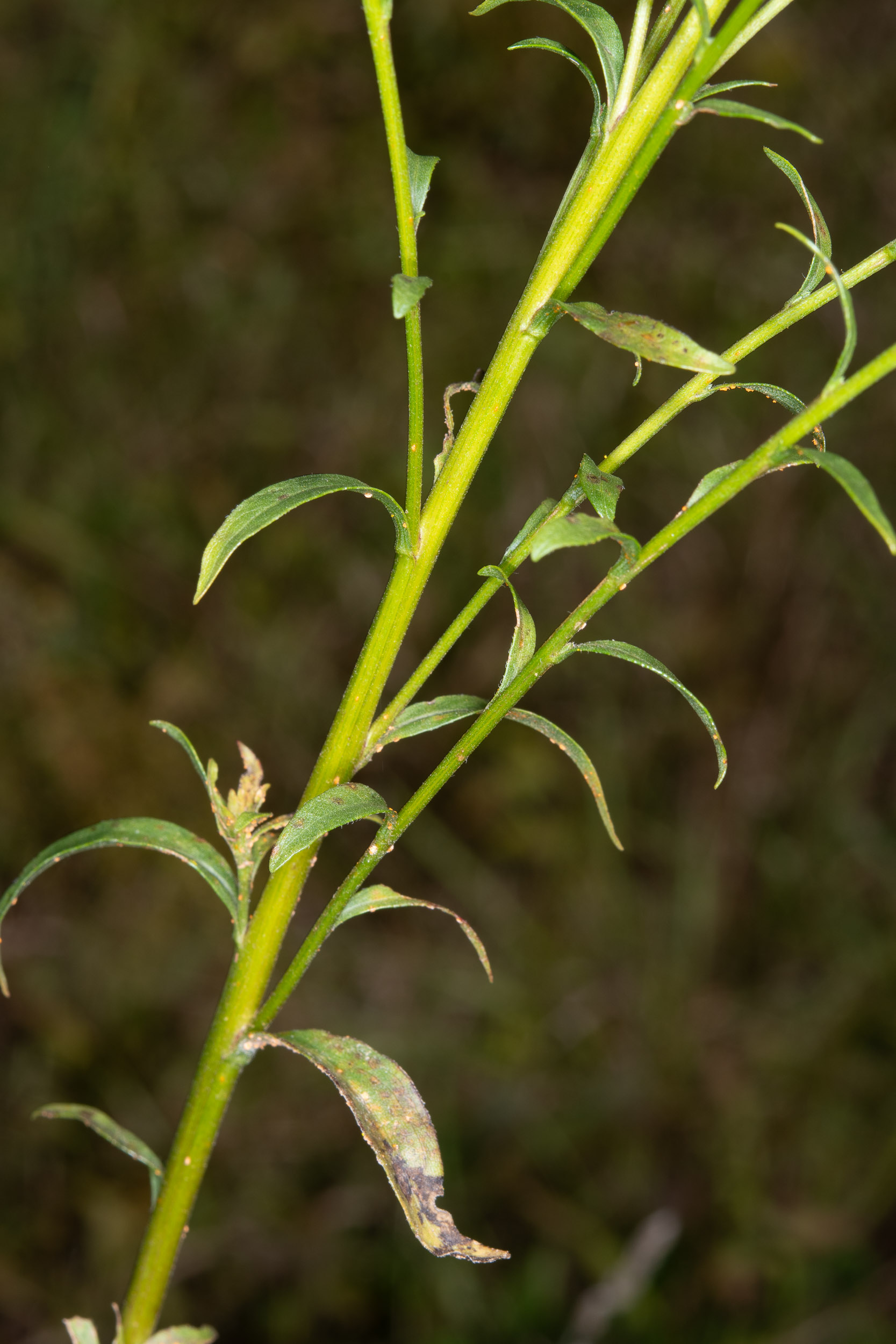
9/2/2017 · Rocky Ridge Trail, Beaver Brook Conservation Area, Hollis, New Hampshire · ≈ 4 × 6″ (10 × 14 cm) 

10/17/2016 · Mt. Greylock, Lanesborough, Massachusetts · ≈ 6 × 9″ (16 × 21 cm) 

8/24/2013 · Cranberry Meadow Pond Trail, Monadnock Conservancy, Peterborough, New Hampshire · ≈ 5 × 8″ (13 × 19 cm) 

10/17/2016 · Mt. Greylock, Lanesborough, Massachusetts · ≈ 6 × 10″ (16 × 24 cm) 
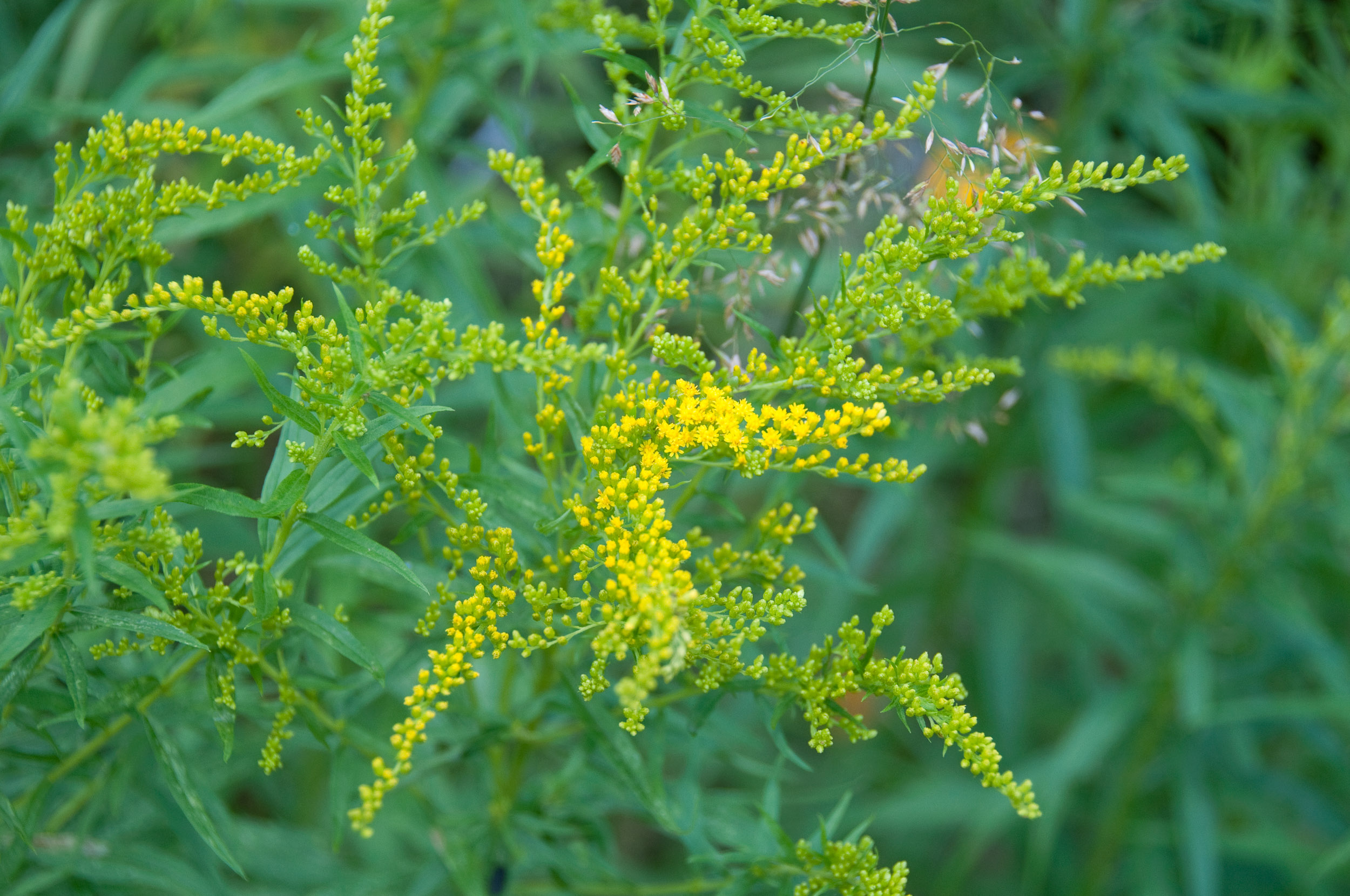
8/1/2009 · Gordon & Kathy’s, Prospect, Maine · ≈ 7 × 5″ (19 × 12 cm) 

8/24/2013 · Cranberry Meadow Pond Trail, Monadnock Conservancy, Peterborough, New Hampshire · ≈ 8 × 5″ (19 × 13 cm) 

8/24/2013 · Cranberry Meadow Pond Trail, Monadnock Conservancy, Peterborough, New Hampshire · ≈ 6 × 8″ (15 × 20 cm) 

8/11/2010 · Nashua River Rail Trail, Groton Center, Groton, Massachusetts · ≈ 7 × 11″ (18 × 27 cm) ID is uncertain 

8/24/2013 · Cranberry Meadow Pond Trail, Monadnock Conservancy, Peterborough, New Hampshire · ≈ 6 × 9″ (15 × 22 cm) 
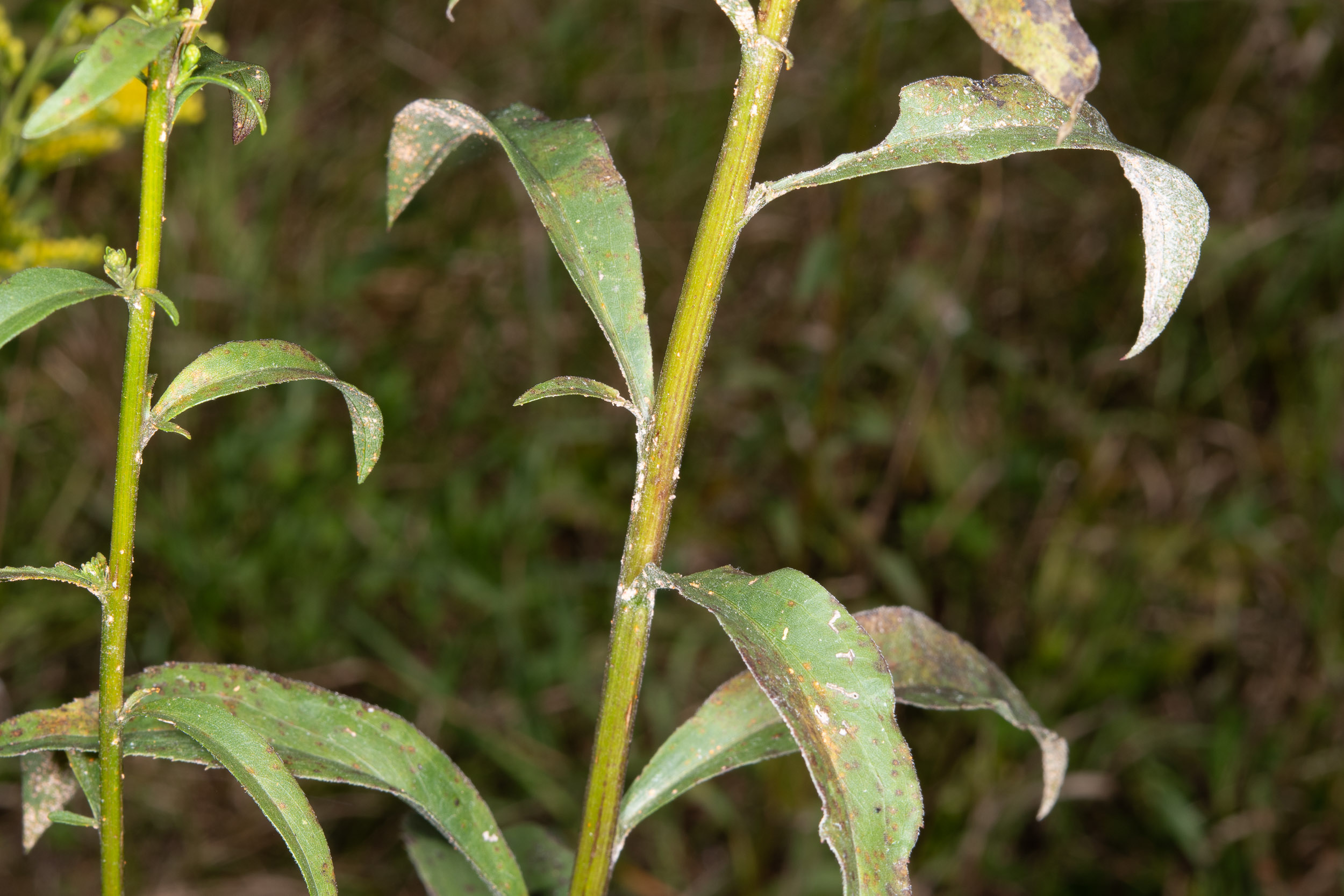
9/2/2017 · Rocky Ridge Trail, Beaver Brook Conservation Area, Hollis, New Hampshire · ≈ 7 × 4½″ (18 × 12 cm) 

7/20/2012 · J. Harry Rich Dirt Road, Groton, Massachusetts · ≈ 4 × 6″ (10 × 15 cm) ID is uncertain 
| Kingdom | Plantae | Plants, but not fungi, lichens, or algae (from Stearn's Botanical Latin) |
| Subkingdom | Tracheobionta | Vascular plants—plants with a “circulatory system” for delivering water and nutrients |
| Division | Magnoliophyta | Flowering plants, also known as angiosperms |
| Class | Magnoliopsida | Dicotyledons—plants with two initial seed leaves |
| Subclass | Asteridae | A large class that encompasses asters |
| Order | Asterales | Flowering plants with a central disk flower and surrounding petals, like daisies |
| Family | Asteraceae | The aster family, which also includes daisies and sunflowers; from the Greek ἀστήρ, “star,” for the star-shaped flowers |
| Genus | Solidago | From Latin solido, “to make whole or heal,” because it was believed these species had healing properties |
| Species | juncea | “Rush-like,” with leafless stems |
Solidago juncea description by Thomas H. Kent, not updated.

© FloraFinder.org. All rights reserved.
